1884

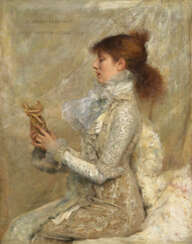

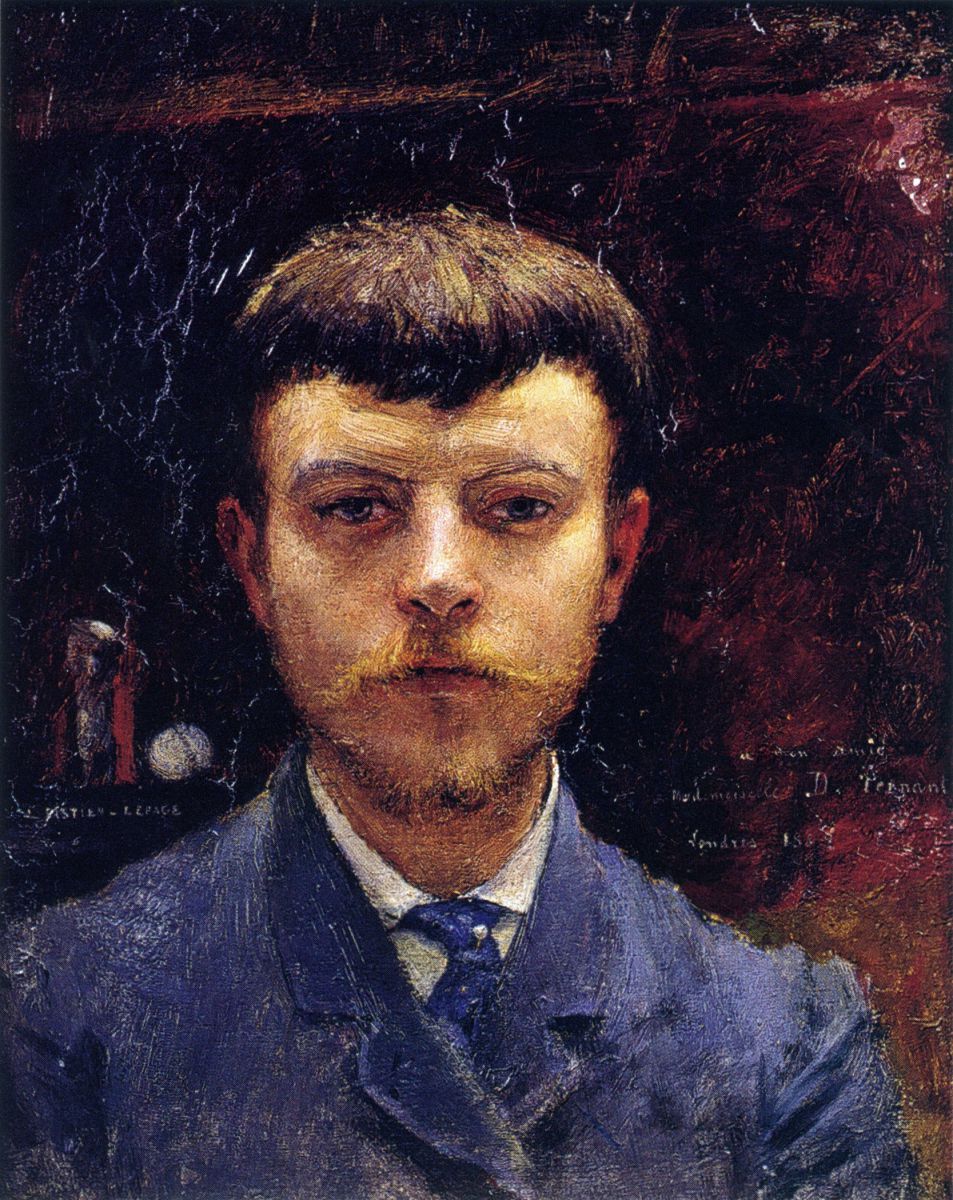
Jules Bastien-Lepage was a French painter closely associated with the beginning of naturalism, an artistic style that emerged from the later phase of the Realist movement.
His most famous work is his landscape-style portrait of Joan of Arc which currently resides at the Metropolitan Museum in New York City.
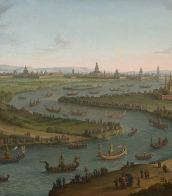
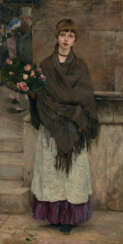

Jules Bastien-Lepage was a French painter closely associated with the beginning of naturalism, an artistic style that emerged from the later phase of the Realist movement.
His most famous work is his landscape-style portrait of Joan of Arc which currently resides at the Metropolitan Museum in New York City.
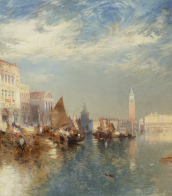


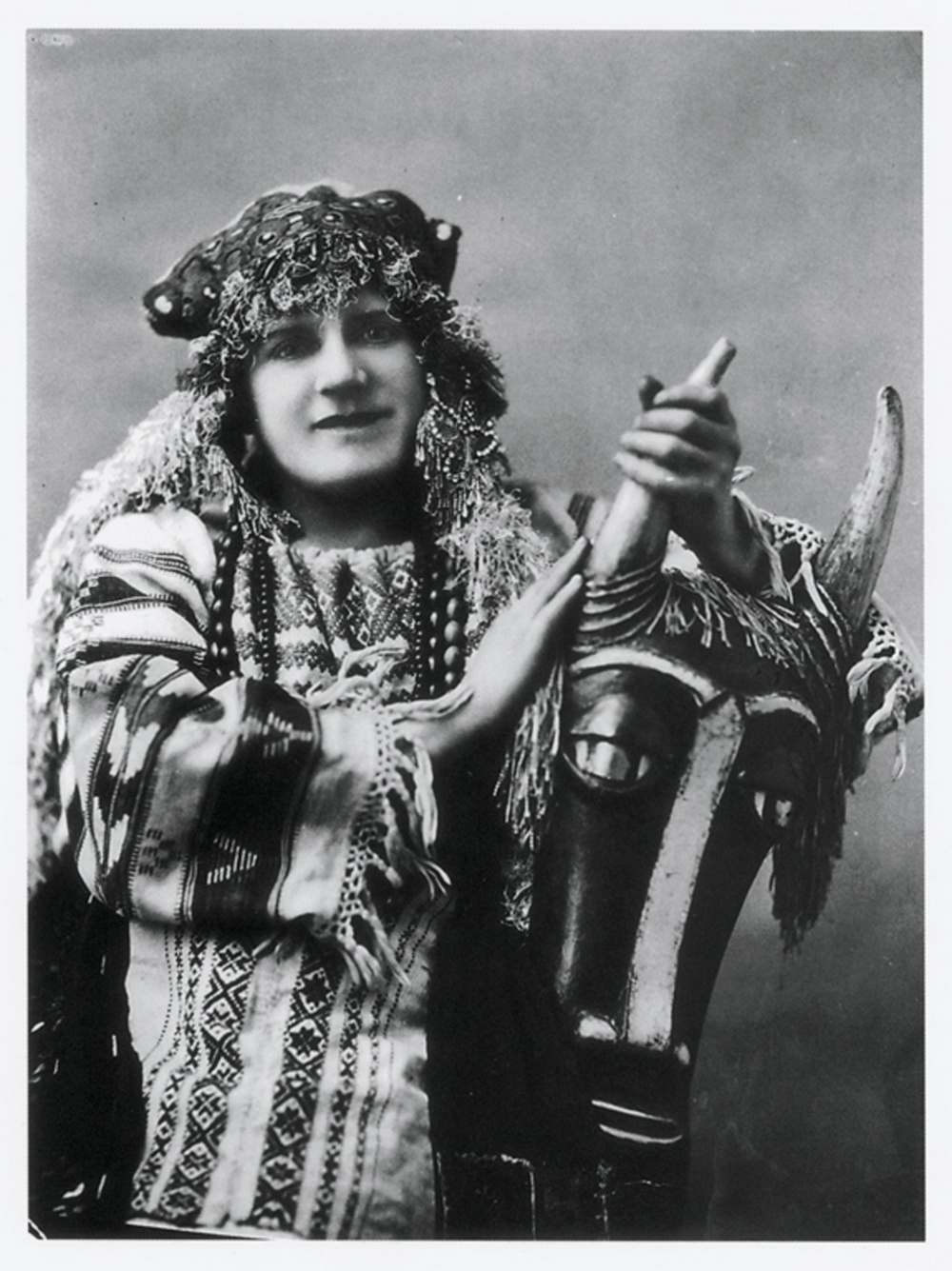
Marie Vassilieff was a French artist born in Smolensk, Russia. She moved to Paris in 1905 to study art, and became a prominent figure in the city's artistic community. Vassilieff was a painter, sculptor, and designer, and was known for her involvement in the Cubist and Montparnasse art movements.
In 1910, Vassilieff opened La Ruche, a studio complex and artist colony in the 15th arrondissement of Paris. The complex was made up of small, inexpensive studios that were rented out to artists who were just starting out, as well as more established artists who needed a place to work. La Ruche quickly became a gathering place for some of the most important artists of the time, including Marc Chagall, Max Ernst, and Amedeo Modigliani.
During World War I, Vassilieff worked as a nurse and ambulance driver, and she was awarded the Croix de Guerre for her service. She continued to work as an artist after the war, and was involved in several exhibitions, including the Salon d'Automne and the Salon des Indépendants.
In addition to her artistic work, Vassilieff was also known for her activism. She was a member of the French Communist Party, and was involved in various socialist and feminist organizations.


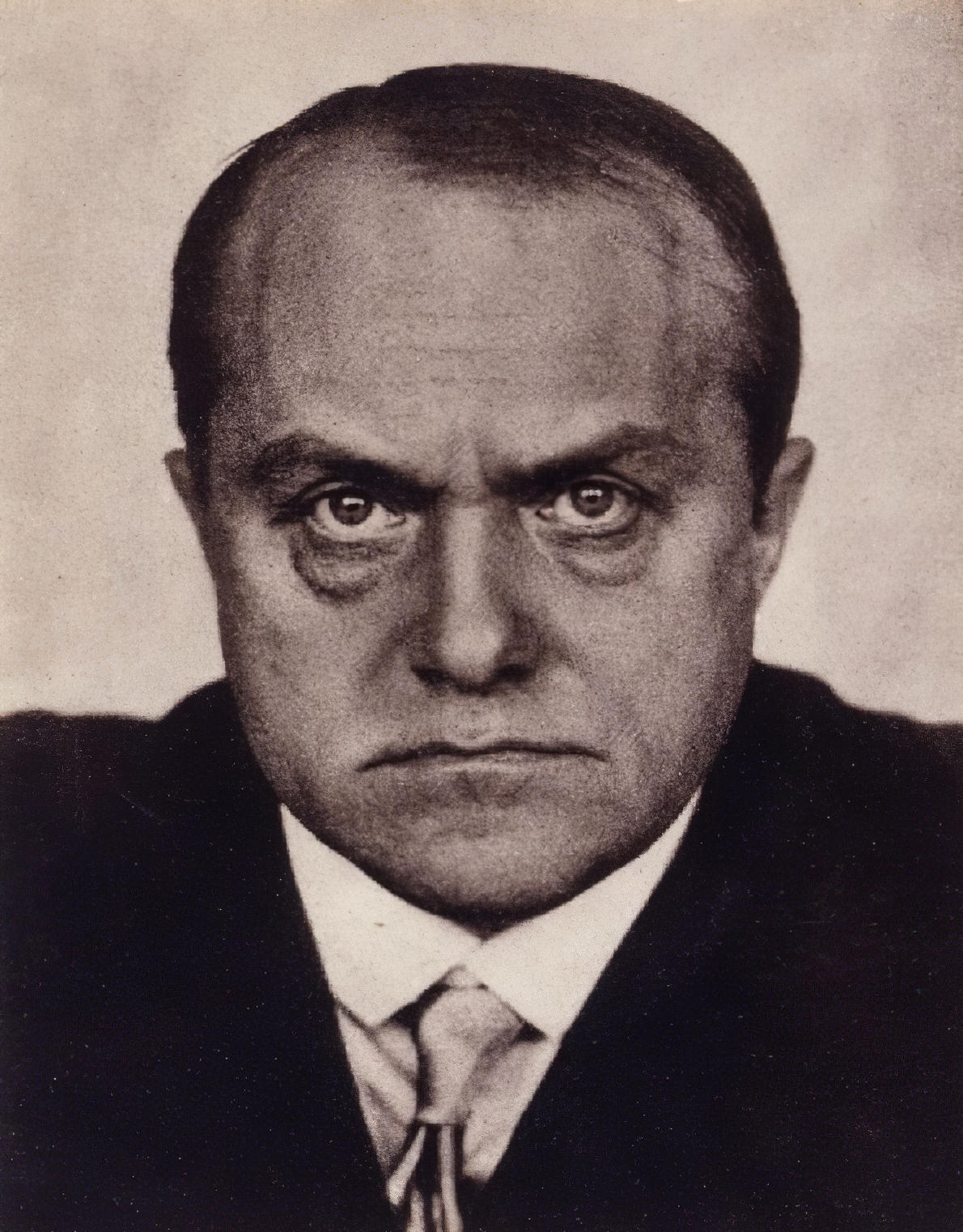
Max Beckmann, a German painter, printmaker, sculptor, and writer, stood out in the early 20th century for his profound contributions to modern art. Beckmann's career spanned a tumultuous period in history, deeply influencing his thematic and stylistic choices. Unlike many of his contemporaries who embraced non-representational painting, Max Beckmann persisted with and evolved the tradition of figurative painting, drawing inspiration from a wide array of artists spanning from Cézanne and Van Gogh to medieval masters like Bosch and Bruegel.
Max Beckmann's experiences, particularly those related to the World Wars, significantly shaped his work. Following Adolf Hitler's rise to power and the subsequent condemnation of modern art as "degenerate," Beckmann fled Germany, spending a decade in self-imposed exile in Amsterdam before eventually relocating to the United States. His art from this period, especially his large triptychs, is considered some of his most potent, offering a stark reflection on humanity and the chaos of the times.
One of Max Beckmann's most personally allegorical works, "Beginning" (1949), encapsulates his knack for blending real and imagined elements from his life to comment on the broader human condition. This piece, alongside others, underscores Beckmann's enduring fascination with the existential struggles modern society faces, teetering between desire and societal roles.
Max Beckmann's legacy is cemented not just by his unique approach to modernism but also by his influence on subsequent generations of artists, particularly in the United States, where he spent his final years teaching and working. Despite a path that often diverged from the mainstream narratives of art history, Beckmann's work continues to resonate, housed in prestigious institutions like The Museum of Modern Art and The Metropolitan Museum of Art in New York.
For collectors and experts in art and antiques, Max Beckmann's oeuvre offers a compelling exploration of 20th-century art and history. To stay informed about new discoveries, sales, and auction events related to Max Beckmann, consider signing up for updates. This subscription ensures access to the latest opportunities to engage with the work of one of modernism's most individual voices.


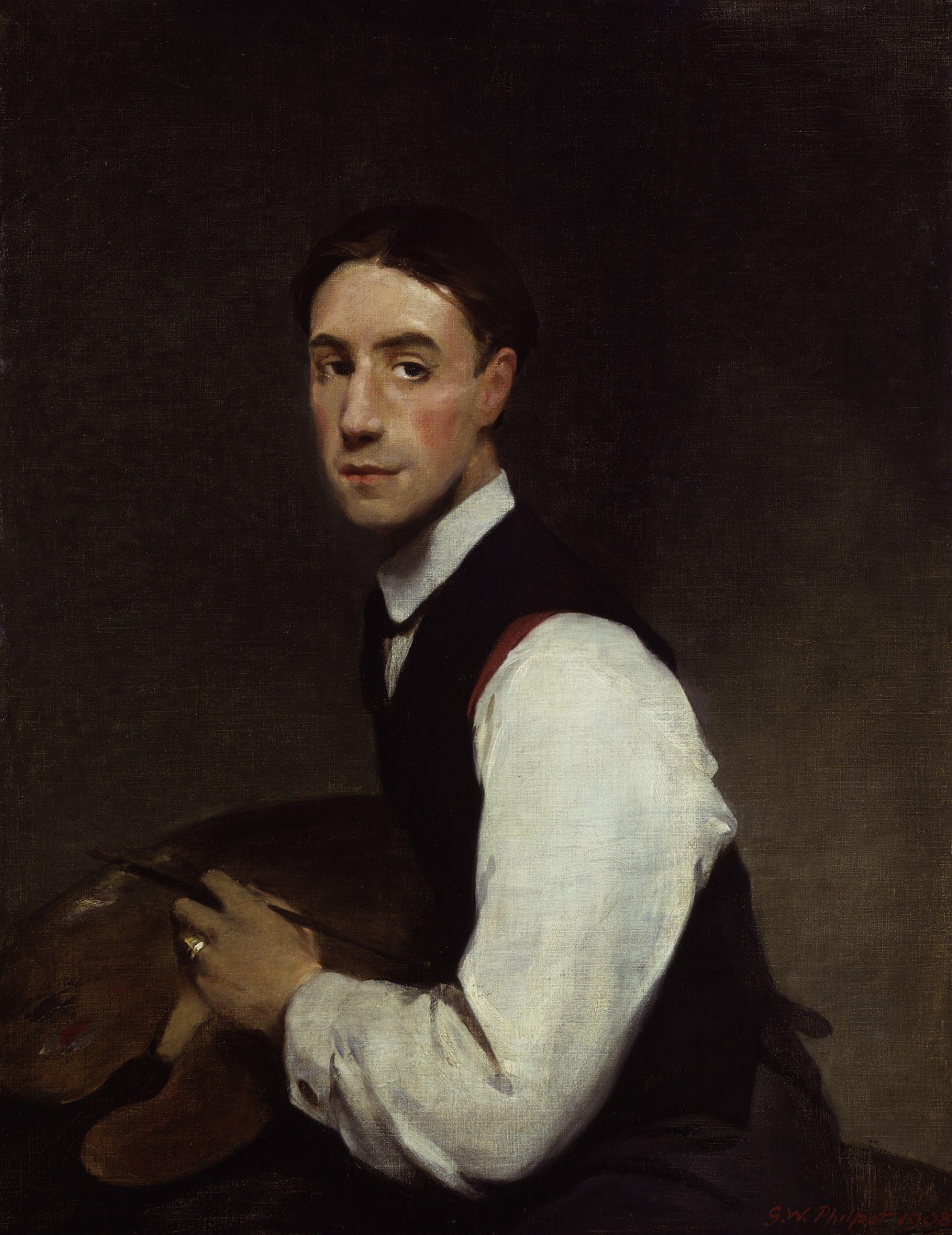
Glyn Warren Philpot was a British painter and sculptor, best known for his portraits of contemporary figures such as Siegfried Sassoon and Vladimir Rosing.


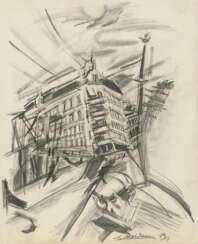

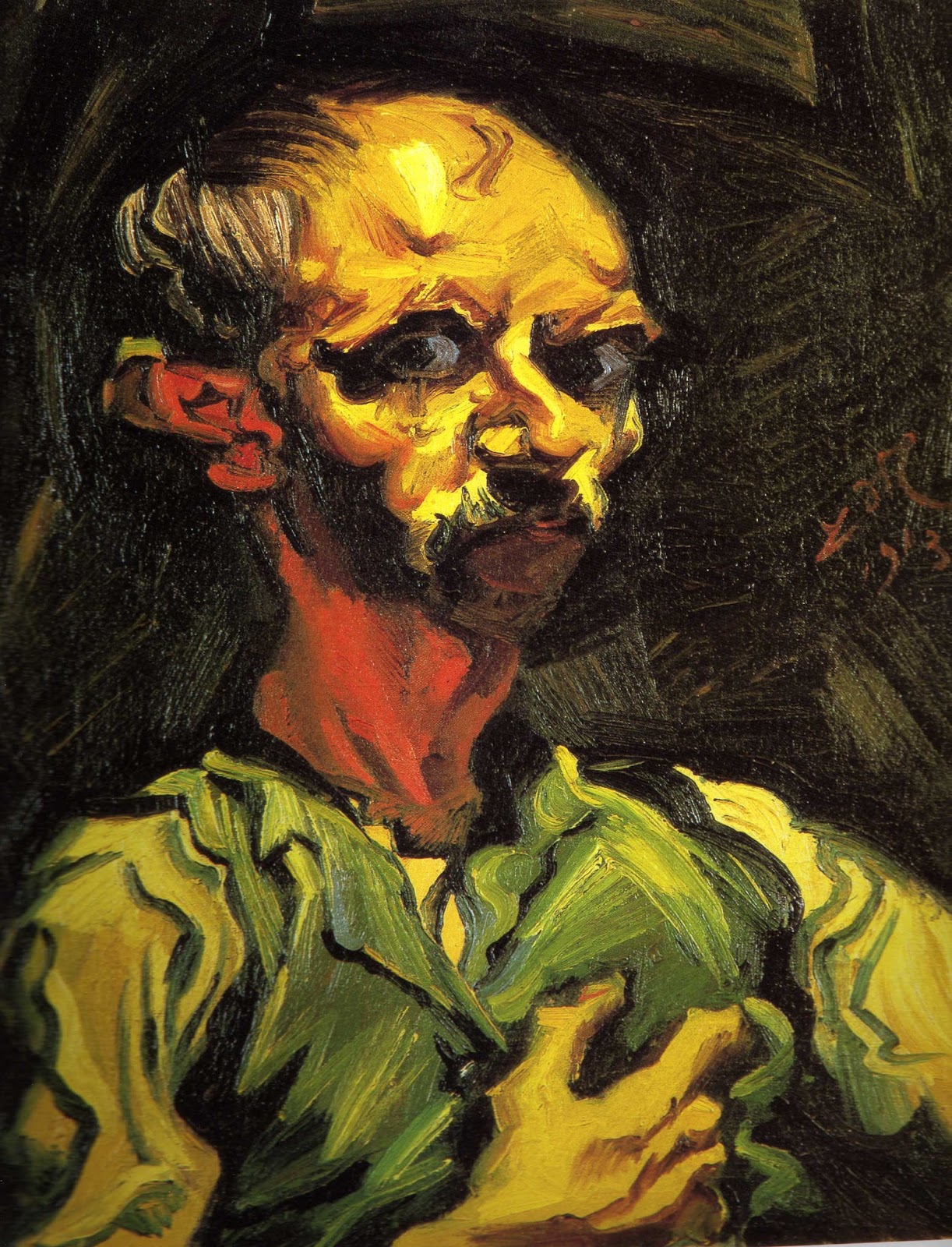
Ludwig Meidner is a German painter and writer, a representative of the expressionist school of art. Meidner is best known for his painted and printed portraits and landscapes, but is especially known for his 'apocalyptic' series of works that show his stylised visions of the coming transformation of Germany before the First World War.


.jpg)
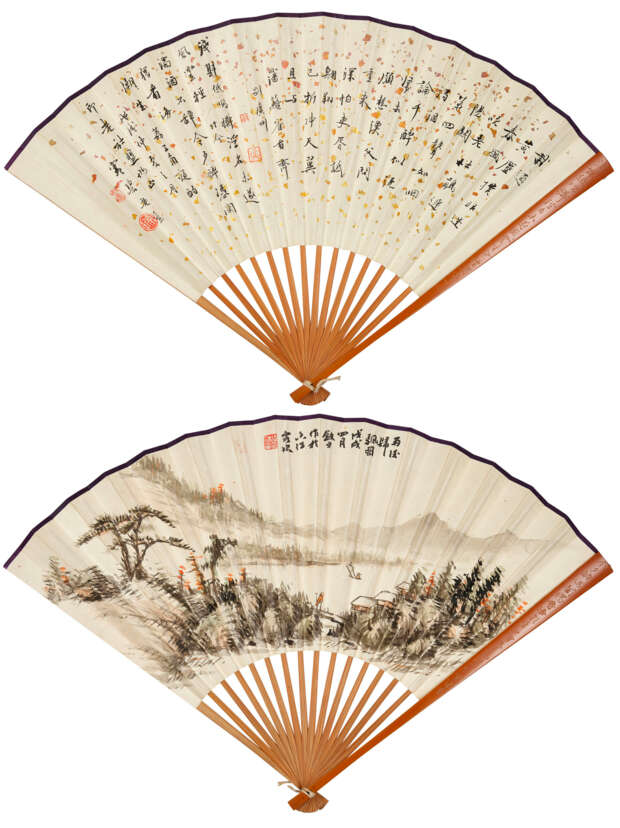
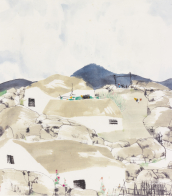


Max Beckmann, a German painter, printmaker, sculptor, and writer, stood out in the early 20th century for his profound contributions to modern art. Beckmann's career spanned a tumultuous period in history, deeply influencing his thematic and stylistic choices. Unlike many of his contemporaries who embraced non-representational painting, Max Beckmann persisted with and evolved the tradition of figurative painting, drawing inspiration from a wide array of artists spanning from Cézanne and Van Gogh to medieval masters like Bosch and Bruegel.
Max Beckmann's experiences, particularly those related to the World Wars, significantly shaped his work. Following Adolf Hitler's rise to power and the subsequent condemnation of modern art as "degenerate," Beckmann fled Germany, spending a decade in self-imposed exile in Amsterdam before eventually relocating to the United States. His art from this period, especially his large triptychs, is considered some of his most potent, offering a stark reflection on humanity and the chaos of the times.
One of Max Beckmann's most personally allegorical works, "Beginning" (1949), encapsulates his knack for blending real and imagined elements from his life to comment on the broader human condition. This piece, alongside others, underscores Beckmann's enduring fascination with the existential struggles modern society faces, teetering between desire and societal roles.
Max Beckmann's legacy is cemented not just by his unique approach to modernism but also by his influence on subsequent generations of artists, particularly in the United States, where he spent his final years teaching and working. Despite a path that often diverged from the mainstream narratives of art history, Beckmann's work continues to resonate, housed in prestigious institutions like The Museum of Modern Art and The Metropolitan Museum of Art in New York.
For collectors and experts in art and antiques, Max Beckmann's oeuvre offers a compelling exploration of 20th-century art and history. To stay informed about new discoveries, sales, and auction events related to Max Beckmann, consider signing up for updates. This subscription ensures access to the latest opportunities to engage with the work of one of modernism's most individual voices.
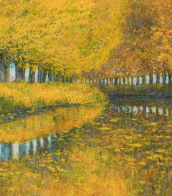
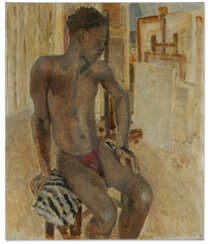

Glyn Warren Philpot was a British painter and sculptor, best known for his portraits of contemporary figures such as Siegfried Sassoon and Vladimir Rosing.

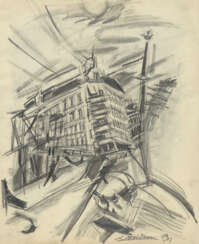

Ludwig Meidner is a German painter and writer, a representative of the expressionist school of art. Meidner is best known for his painted and printed portraits and landscapes, but is especially known for his 'apocalyptic' series of works that show his stylised visions of the coming transformation of Germany before the First World War.
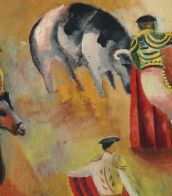
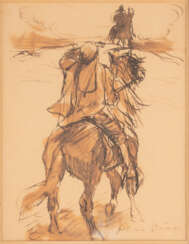

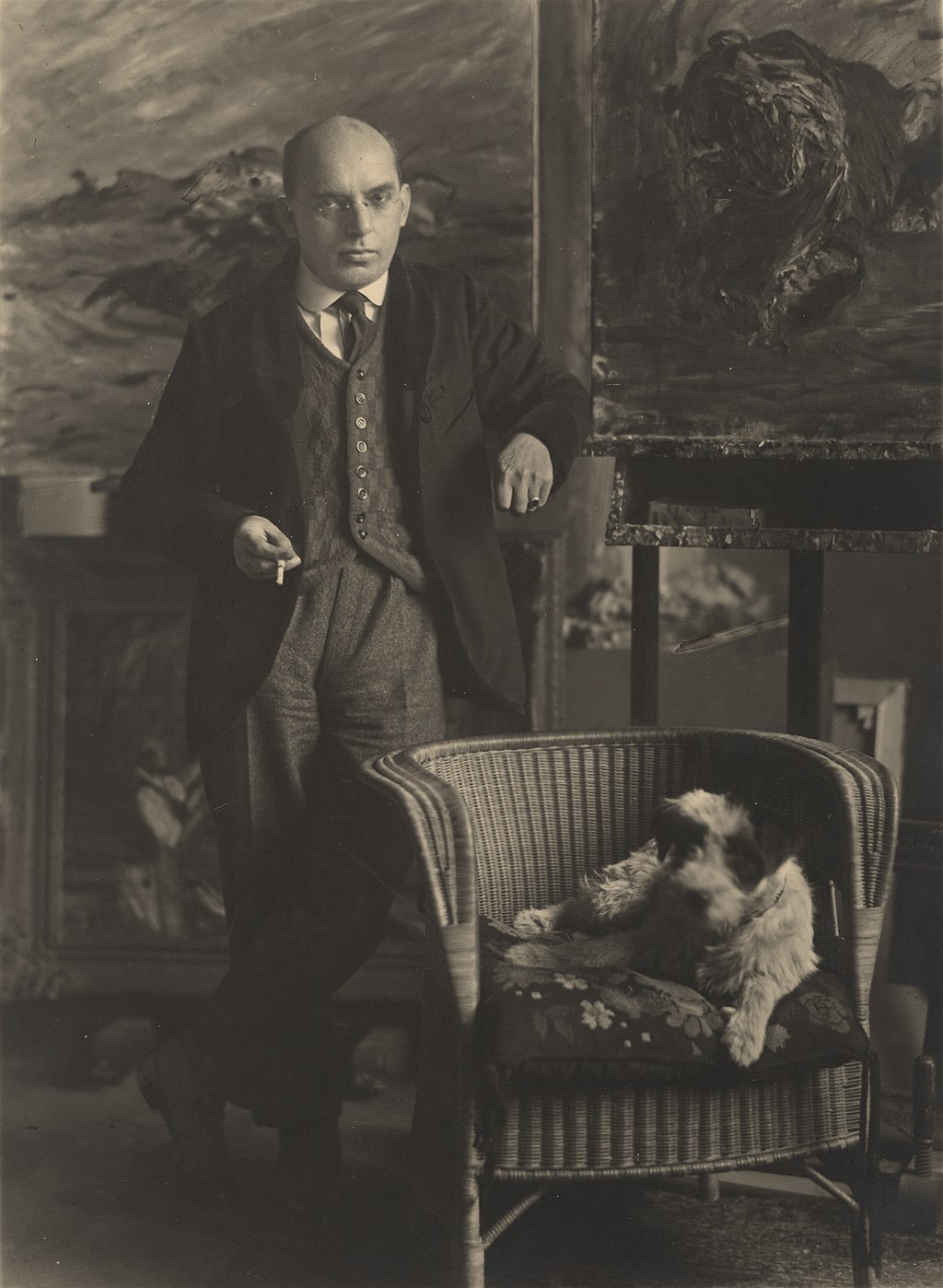
Otto Dill was a German painter. His work was part of the art competitions at the 1928 Summer Olympics and the 1932 Summer Olympics.
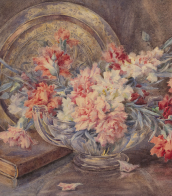
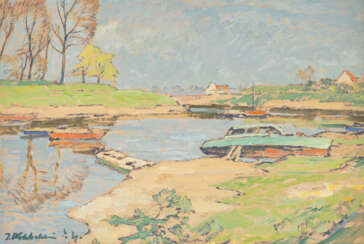

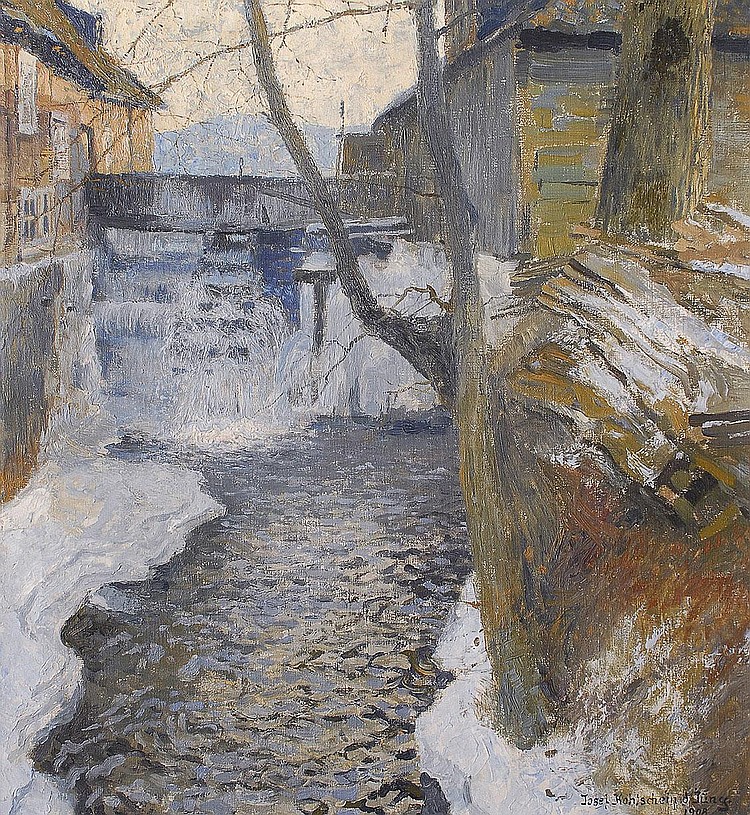
Josef Kolschein the Younger was a German painter, draughtsman and printmaker. He studied painting at the Düsseldorf Academy of Art in Eugen Dücker's landscape class.
Josef Kolshain the Younger advocated plein air painting and, influenced by French impressionism, sought a new colourful representation of landscapes. The artist followed this style throughout his career.

Max Beckmann, a German painter, printmaker, sculptor, and writer, stood out in the early 20th century for his profound contributions to modern art. Beckmann's career spanned a tumultuous period in history, deeply influencing his thematic and stylistic choices. Unlike many of his contemporaries who embraced non-representational painting, Max Beckmann persisted with and evolved the tradition of figurative painting, drawing inspiration from a wide array of artists spanning from Cézanne and Van Gogh to medieval masters like Bosch and Bruegel.
Max Beckmann's experiences, particularly those related to the World Wars, significantly shaped his work. Following Adolf Hitler's rise to power and the subsequent condemnation of modern art as "degenerate," Beckmann fled Germany, spending a decade in self-imposed exile in Amsterdam before eventually relocating to the United States. His art from this period, especially his large triptychs, is considered some of his most potent, offering a stark reflection on humanity and the chaos of the times.
One of Max Beckmann's most personally allegorical works, "Beginning" (1949), encapsulates his knack for blending real and imagined elements from his life to comment on the broader human condition. This piece, alongside others, underscores Beckmann's enduring fascination with the existential struggles modern society faces, teetering between desire and societal roles.
Max Beckmann's legacy is cemented not just by his unique approach to modernism but also by his influence on subsequent generations of artists, particularly in the United States, where he spent his final years teaching and working. Despite a path that often diverged from the mainstream narratives of art history, Beckmann's work continues to resonate, housed in prestigious institutions like The Museum of Modern Art and The Metropolitan Museum of Art in New York.
For collectors and experts in art and antiques, Max Beckmann's oeuvre offers a compelling exploration of 20th-century art and history. To stay informed about new discoveries, sales, and auction events related to Max Beckmann, consider signing up for updates. This subscription ensures access to the latest opportunities to engage with the work of one of modernism's most individual voices.
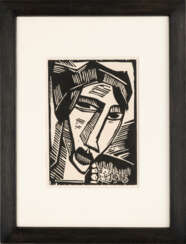

Karl Schmidt-Rottluff, a prominent figure in the German Expressionist movement, was not just an artist but a pioneer who significantly influenced the early 20th-century art scene. Born in Rottluff, Germany, in 1884, he later added his hometown's name to his surname, showcasing a deep connection to his roots. Schmidt-Rottluff was a founding member of the artist group Die Brücke, which played a critical role in the development of Expressionism in Germany. His works, characterized by bold colors and stark contrasts, were a departure from traditional artistic expressions and embraced a more emotional and subjective interpretation of reality.
Schmidt-Rottluff's contributions to art were not limited to painting; he was also a master printmaker, with a significant body of work comprising woodcuts, lithographs, and etchings. His artistic endeavors were marked by a fascination with the natural world, social issues, and an exploration of human emotion, themes that remained consistent throughout his career. Despite facing persecution during the Nazi regime, with many of his works labeled as "degenerate," Schmidt-Rottluff's resolve did not waver. In 1937, 608 of his paintings were seized, and by 1941, he was forbidden to paint. Yet, his legacy continued to grow post-World War II, and he was later honored with professorship at the University of Arts in Berlin-Charlottenburg in 1947, where he influenced a new generation of artists.
The value and impact of Schmidt-Rottluff's work are reflected in the presence of his pieces in prestigious collections worldwide, including the Museum of Modern Art, Neue Galerie, Los Angeles County Museum of Art, and many others. His works are celebrated for their emotional depth, innovative use of color, and ability to convey complex themes through simplified forms. Notably, some of his significant pieces have been subjects of restitution efforts, highlighting the historical importance and continued relevance of his work in the context of art history and cultural heritage.
For collectors and experts in art and antiques, Schmidt-Rottluff's oeuvre offers a profound insight into the evolution of Expressionism and the broader cultural and political narratives of the early 20th century. His works not only serve as a testament to his individual genius but also as a reflection of the tumultuous era that shaped them.
To stay informed about new discoveries, sales, and auction events related to Karl Schmidt-Rottluff's work, signing up for updates is highly recommended. This ensures that enthusiasts and collectors alike are always in the loop regarding opportunities to engage with and acquire pieces by this influential artist, ensuring his legacy continues to inspire and resonate with future generations.



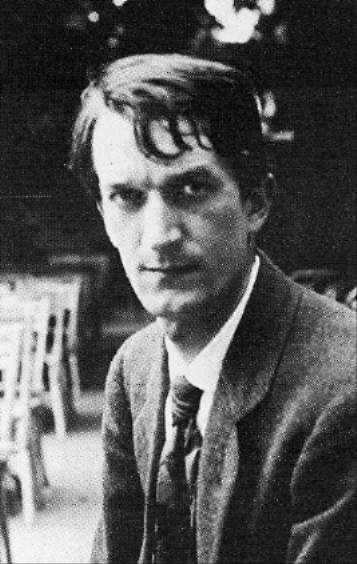
Rembrandt Bugatti was an Italian sculptor, known primarily for his bronze sculptures of wildlife subjects.


Max Beckmann, a German painter, printmaker, sculptor, and writer, stood out in the early 20th century for his profound contributions to modern art. Beckmann's career spanned a tumultuous period in history, deeply influencing his thematic and stylistic choices. Unlike many of his contemporaries who embraced non-representational painting, Max Beckmann persisted with and evolved the tradition of figurative painting, drawing inspiration from a wide array of artists spanning from Cézanne and Van Gogh to medieval masters like Bosch and Bruegel.
Max Beckmann's experiences, particularly those related to the World Wars, significantly shaped his work. Following Adolf Hitler's rise to power and the subsequent condemnation of modern art as "degenerate," Beckmann fled Germany, spending a decade in self-imposed exile in Amsterdam before eventually relocating to the United States. His art from this period, especially his large triptychs, is considered some of his most potent, offering a stark reflection on humanity and the chaos of the times.
One of Max Beckmann's most personally allegorical works, "Beginning" (1949), encapsulates his knack for blending real and imagined elements from his life to comment on the broader human condition. This piece, alongside others, underscores Beckmann's enduring fascination with the existential struggles modern society faces, teetering between desire and societal roles.
Max Beckmann's legacy is cemented not just by his unique approach to modernism but also by his influence on subsequent generations of artists, particularly in the United States, where he spent his final years teaching and working. Despite a path that often diverged from the mainstream narratives of art history, Beckmann's work continues to resonate, housed in prestigious institutions like The Museum of Modern Art and The Metropolitan Museum of Art in New York.
For collectors and experts in art and antiques, Max Beckmann's oeuvre offers a compelling exploration of 20th-century art and history. To stay informed about new discoveries, sales, and auction events related to Max Beckmann, consider signing up for updates. This subscription ensures access to the latest opportunities to engage with the work of one of modernism's most individual voices.
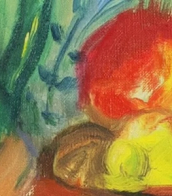
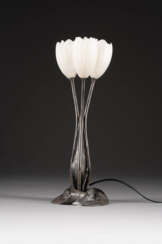

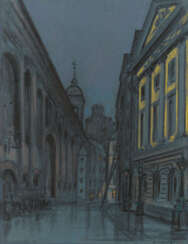

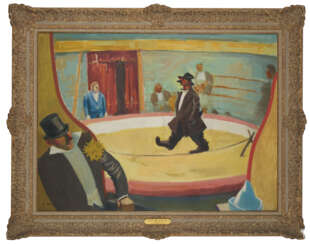

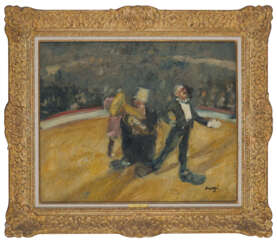

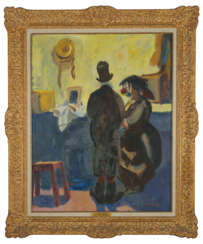

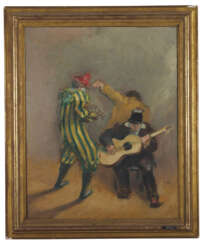

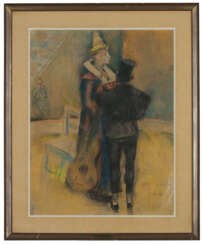

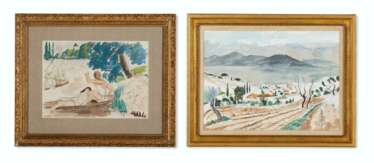

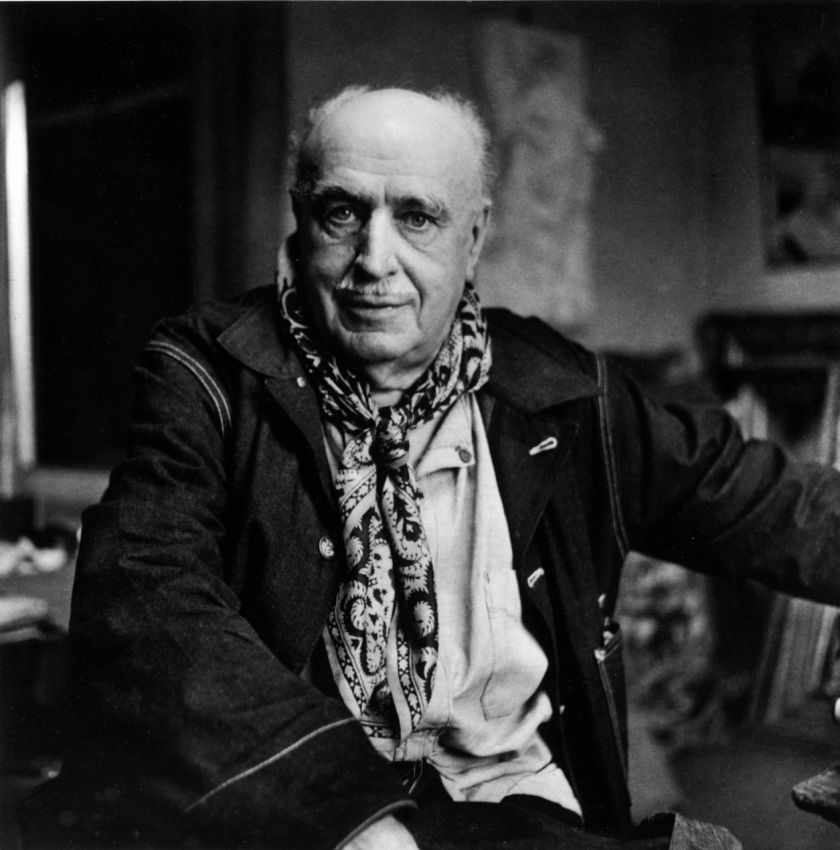
André Albert Marie Dunoyer de Segonzac was a French painter, graphic artist and illustrator known for his contribution to the Post-Impressionist and Fauvist movements.
Dunoyer de Segonzac's style was defined by his bold use of colour, his expressive brushwork, and his desire to capture the essence of the subject. In his work, he explored a variety of subjects, including landscapes, still lifes and scenes of everyday life. His paintings often displayed a sense of vitality and energy, with vibrant hues and dynamic compositions. The master often used intense hues to evoke an emotional response. His palette was characterised by a bold and expressive use of colour, giving his works a sense of vibrancy and dynamism.


André Albert Marie Dunoyer de Segonzac was a French painter, graphic artist and illustrator known for his contribution to the Post-Impressionist and Fauvist movements.
Dunoyer de Segonzac's style was defined by his bold use of colour, his expressive brushwork, and his desire to capture the essence of the subject. In his work, he explored a variety of subjects, including landscapes, still lifes and scenes of everyday life. His paintings often displayed a sense of vitality and energy, with vibrant hues and dynamic compositions. The master often used intense hues to evoke an emotional response. His palette was characterised by a bold and expressive use of colour, giving his works a sense of vibrancy and dynamism.

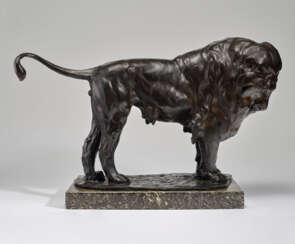

Rembrandt Bugatti was an Italian sculptor, known primarily for his bronze sculptures of wildlife subjects.