2026

















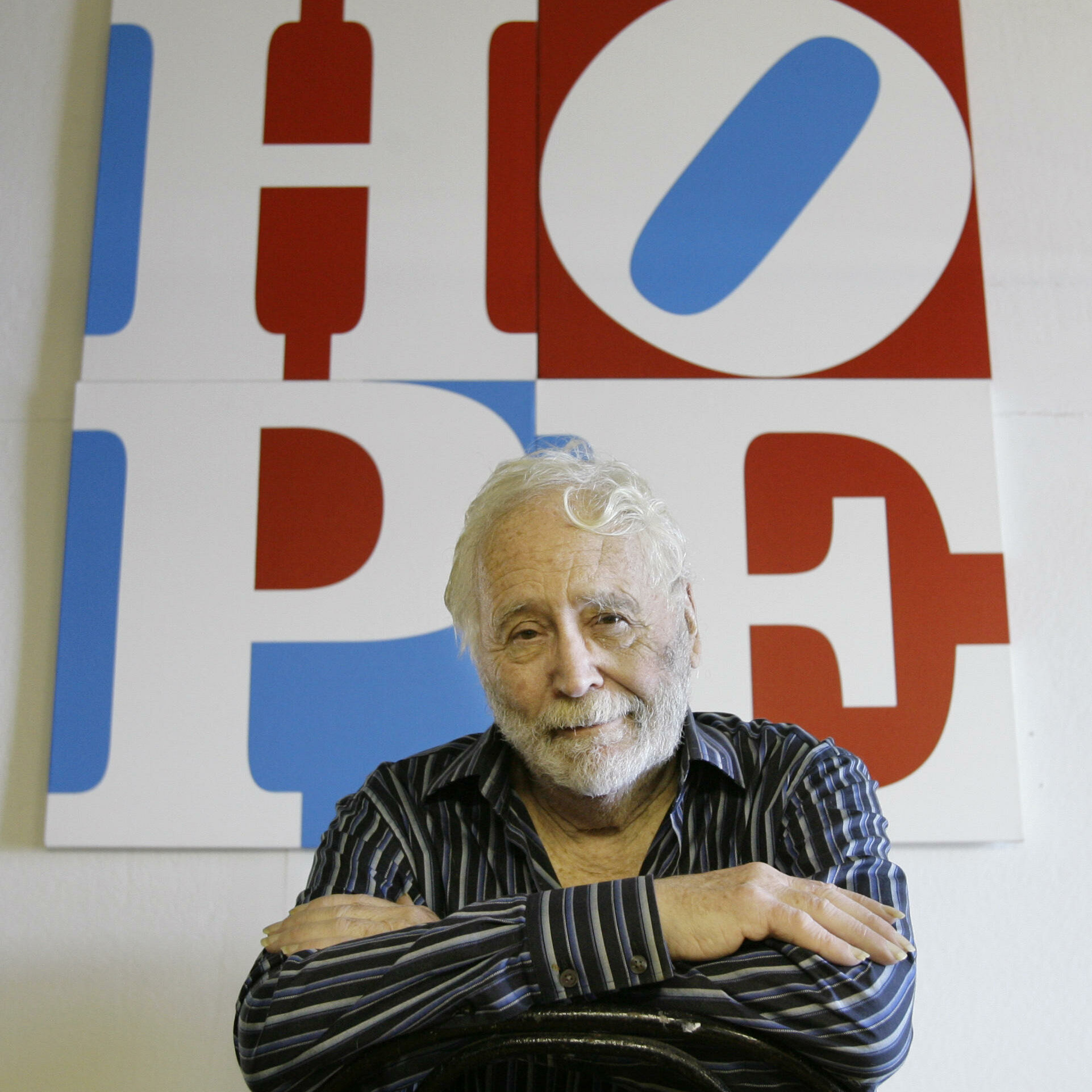
Robert Indiana (born Robert Clark) was an American artist associated with the pop art movement.
His iconic image LOVE was first created in 1964 in the form of a card which he sent to several friends and acquaintances in the art world. In 1965, Robert Indiana was invited to propose an artwork to be featured on the Museum of Modern Art's annual Christmas card. Indiana submitted several 12” square oil on canvas variations based on his LOVE image. The museum selected the most intense color combination in red, blue, and green. It became one of the most popular cards the museum has ever offered. Indiana continued to develop his LOVE series, and in 1966, worked with Marian Goodman of Multiples, Inc. to make his first LOVE sculpture in aluminum. In 1970, Indiana completed his first monumental LOVE sculpture in Cor-Ten steel which is in the collection of the Indianapolis Museum of Art.
In addition to being a painter and sculptor, Indiana made posters and prints and also designed stage sets and costumes for the Virgil Thompson and Gertrude Stein opera The Mother of Us All. Indiana's artwork has been featured in numerous exhibitions around the world and is included in the permanent collections of many major museums including the Museum of Modern Art, New York; Tate Modern, London; and the San Francisco Museum of Modern Art.



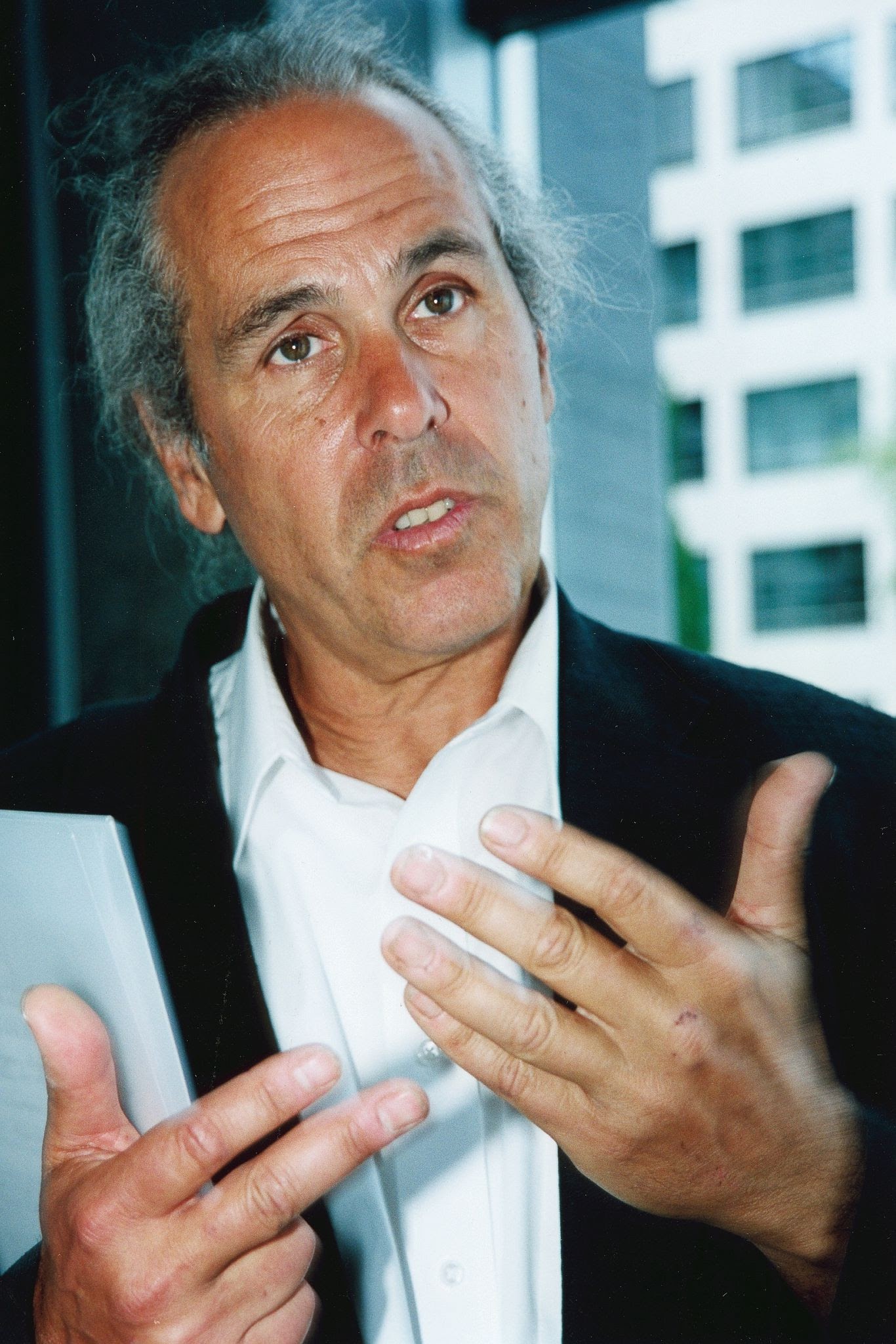
Jonathan Borofsky is an American artist known for his public sculptures and installations that explore themes of human consciousness, individuality, and interconnectedness.
Borofsky studied at Carnegie Mellon University and Yale University. In the 1970s, he gained recognition for his conceptual and performance works, which often incorporated elements of language, text, and repetition.
In the 1980s, Borofsky began creating large-scale public sculptures, many of which feature human figures or silhouettes. One of his most famous works is "Molecule Man," a 100-foot-tall sculpture of three interconnected figures located in Berlin, Germany.
Borofsky's work has been exhibited in major museums and galleries around the world, including the Museum of Modern Art in New York, the Centre Georges Pompidou in Paris, and the National Museum of Contemporary Art in Seoul. He has also created public artworks in cities such as New York, Tokyo, and Tel Aviv.
In addition to his art, Borofsky is known for his interest in meditation and spirituality, which he often incorporates into his work. He has published several books on these topics.
Borofsky continues to live and work in Ogunquit, Maine, where he maintains a studio and creates new works of art.




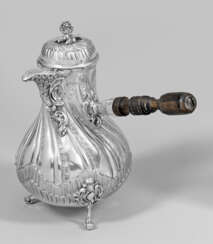

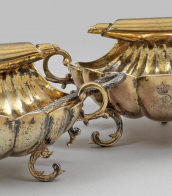
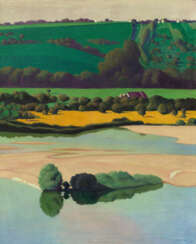

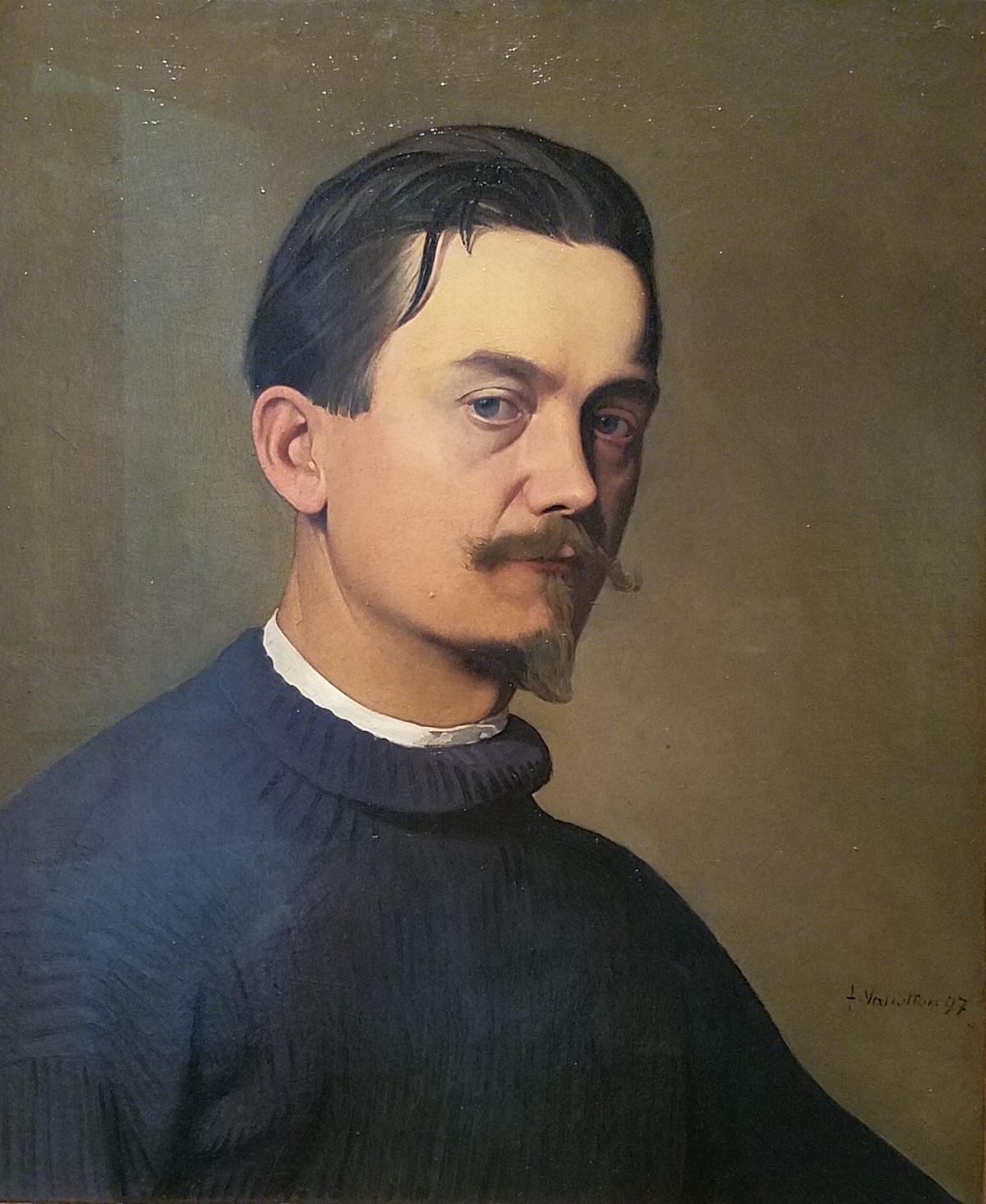
Félix Vallotton, a Swiss-born French graphic artist and painter, is recognized for his distinctive woodcuts and paintings of nudes and interiors. Vallotton's journey into art began in Paris, where he attended the Académie Julian, fostering a unique style that broke from traditional norms. His early works, characterized by extreme realism, were showcased at the Salon des Artistes Français and the Paris Universal Exposition of 1889. This period also marked Vallotton's encounter with Japanese prints, notably those by Hokusai, profoundly influencing his artistic direction.
In 1892, Vallotton joined Les Nabis, a group of avant-garde artists including Pierre Bonnard, Maurice Denis, and Édouard Vuillard, which led to a significant evolution in his style. His paintings from this era, such as "Bathers on a Summer Evening" and "Moonlight," exhibited at the Kunsthaus Zürich and the Musée d'Orsay respectively, reveal a departure from realism towards a more symbolic and abstract representation. The works from this period are characterized by flat areas of color, hard edges, and simplified details, mirroring the style he developed in his woodcuts.
Vallotton's woodcuts, like "Intimités" (Intimacies), a series published in 1898, showcased his mastery in capturing the nuances of human relationships, particularly the tensions between men and women. His graphic art, which included depictions of domestic scenes, bathing women, and street crowds, was not just celebrated in Europe but also influenced artists like Edvard Munch, Aubrey Beardsley, and Ernst Ludwig Kirchner.
Towards the end of his career, Vallotton continued to innovate, combining elements of realism and abstraction, evident in paintings like "La Malade" (The Sick Girl) and "Clair de lune" (Moonlight). His works remain a testament to his ability to merge technical precision with a poignant exploration of human emotions and societal themes.
For art collectors and experts, Vallotton's body of work offers a rich and diverse exploration of early 20th-century art movements, especially his role in the development of modern woodcut techniques and his contribution to the Nabis movement. His works are a study in the fusion of realism and symbolism, marked by a distinctive style that makes his art enduringly relevant and compelling.
For those interested in discovering more about Félix Vallotton and staying updated on related product sales and auction events, signing up for updates is a great opportunity. This subscription will exclusively alert you to new sales and events pertaining to Vallotton's works, ensuring you remain informed in the dynamic world of art and antiques.
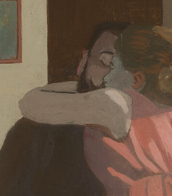
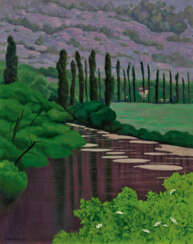

Félix Vallotton, a Swiss-born French graphic artist and painter, is recognized for his distinctive woodcuts and paintings of nudes and interiors. Vallotton's journey into art began in Paris, where he attended the Académie Julian, fostering a unique style that broke from traditional norms. His early works, characterized by extreme realism, were showcased at the Salon des Artistes Français and the Paris Universal Exposition of 1889. This period also marked Vallotton's encounter with Japanese prints, notably those by Hokusai, profoundly influencing his artistic direction.
In 1892, Vallotton joined Les Nabis, a group of avant-garde artists including Pierre Bonnard, Maurice Denis, and Édouard Vuillard, which led to a significant evolution in his style. His paintings from this era, such as "Bathers on a Summer Evening" and "Moonlight," exhibited at the Kunsthaus Zürich and the Musée d'Orsay respectively, reveal a departure from realism towards a more symbolic and abstract representation. The works from this period are characterized by flat areas of color, hard edges, and simplified details, mirroring the style he developed in his woodcuts.
Vallotton's woodcuts, like "Intimités" (Intimacies), a series published in 1898, showcased his mastery in capturing the nuances of human relationships, particularly the tensions between men and women. His graphic art, which included depictions of domestic scenes, bathing women, and street crowds, was not just celebrated in Europe but also influenced artists like Edvard Munch, Aubrey Beardsley, and Ernst Ludwig Kirchner.
Towards the end of his career, Vallotton continued to innovate, combining elements of realism and abstraction, evident in paintings like "La Malade" (The Sick Girl) and "Clair de lune" (Moonlight). His works remain a testament to his ability to merge technical precision with a poignant exploration of human emotions and societal themes.
For art collectors and experts, Vallotton's body of work offers a rich and diverse exploration of early 20th-century art movements, especially his role in the development of modern woodcut techniques and his contribution to the Nabis movement. His works are a study in the fusion of realism and symbolism, marked by a distinctive style that makes his art enduringly relevant and compelling.
For those interested in discovering more about Félix Vallotton and staying updated on related product sales and auction events, signing up for updates is a great opportunity. This subscription will exclusively alert you to new sales and events pertaining to Vallotton's works, ensuring you remain informed in the dynamic world of art and antiques.

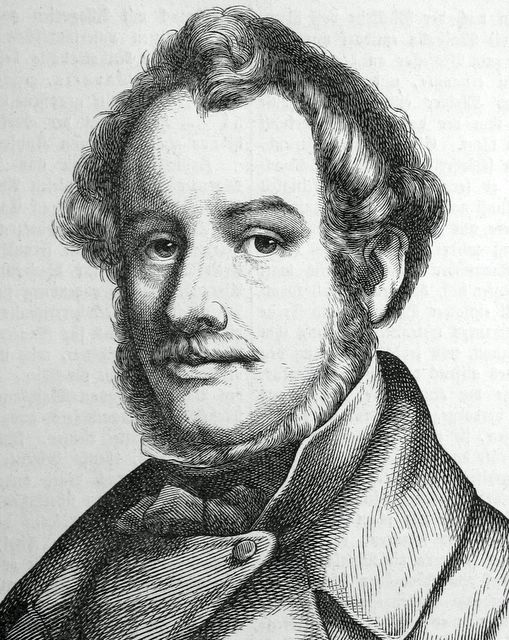
Ludwig Michael Schwanthaler, ennobled as Ritter von Schwanthaler, was a Bavarian sculptor and a key figure in the Classical movement in southern Germany. He was born on 26 August 1802 in Munich to a family that had been involved in sculpture for centuries.
Schwanthaler's journey began under his father's tutelage before he formally trained at the Munich Academy. His talent was so profound that he received commissions from royalty and mentorship from the likes of Peter von Cornelius. He further honed his skills in Rome, where he was influenced by Bertel Thorvaldsen. Returning to Munich, Schwanthaler met the demands for sculpture head-on, collaborating with architects and painters to revive the arts in Bavaria.
Among his many works, the statues in the Neues Palais and the figures in the Alte Pinakothek are notable. His versatility also shone in sacred art, with his contributions to St Ludwig and St Mariahilf churches. The Ruhmeshalle's metopes and the monumental Bavaria statue demonstrate his artistic bravery. Schwanthaler's life was dedicated to his craft, and upon his death on November 14, 1848, he bequeathed his models and studies to the Munich Academy, forming the Schwanthaler Museum.
For art enthusiasts, Schwanthaler's legacy offers a deep dive into classical sculpture's golden age. His works remain a testament to the neoclassical aesthetic and are celebrated for their historical and artistic significance.
Engage with the grandeur of Schwanthaler's art by signing up for updates, and take part in preserving the memory of one of Bavaria's master sculptors.

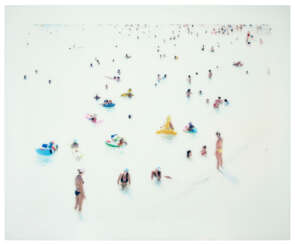

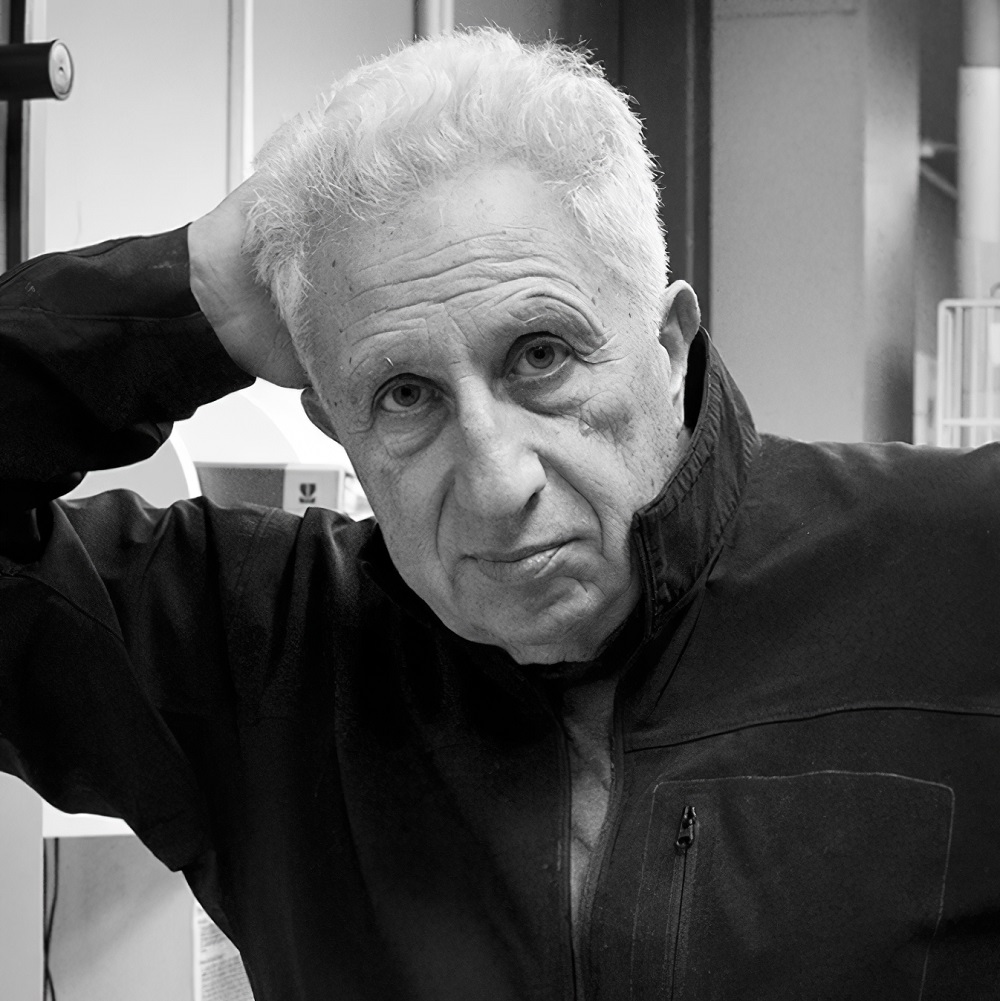
Massimo Vitali is an Italian photographer. He is known for his large-scale color photographs of beach scenes and other leisure spaces, which explore themes of social behavior, mass tourism, and the relationship between people and their environments.
Vitali's photographs often feature a bird's-eye view of crowded beaches or other public spaces, with people arranged in patterns that reveal the social dynamics of the scene. He uses large-format cameras and prints his photographs at a monumental scale, which emphasizes the details and textures of the scene.
Some of Vitali's most famous series include "Beaches," "Pools," and "Landscapes with Figures." His work has been exhibited in major museums and galleries around the world, and he has received numerous awards and honors for his contributions to the field of photography.
Vitali continues to produce new work and is widely regarded as one of the most important photographers working today.


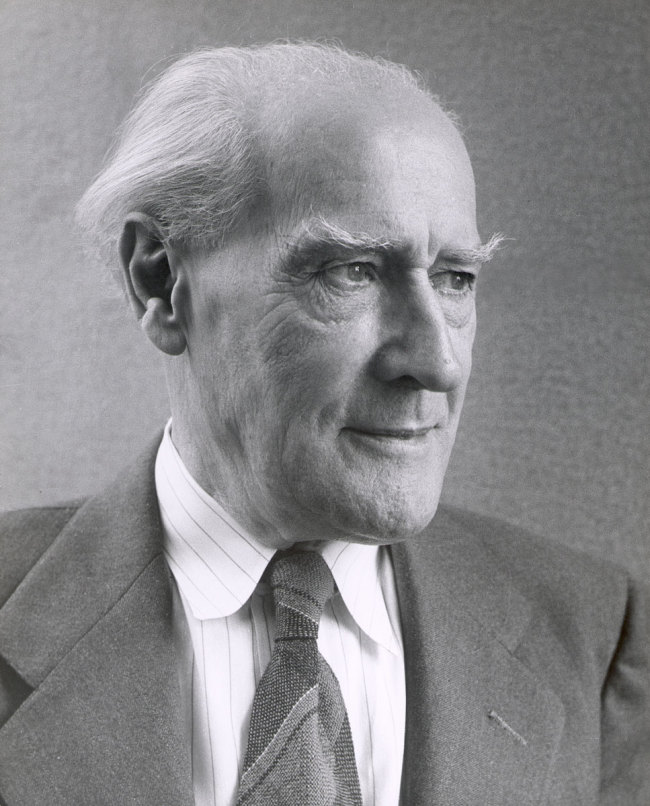
Lyonel Charles Adrian Feininger was an American-German artist renowned for his unique integration of Expressionism, Cubism, and Bauhaus principles. His body of work, which spans several critical decades in modernism's development, is celebrated for its distinctive blend of architectural and nautical motifs, articulated through planar shifts and jagged lines of Cubism, with a vibrant Orphist color palette.
Lyonel Feininger's journey as an artist began in earnest when he was 36, becoming a pivotal figure in various German expressionist groups and a founding member of the Bauhaus, where he led the printmaking workshop. His art, which also includes significant contributions to caricature and photography, explores the intricate relationship between humanity and industrialization, evident in his depictions of architectural and mechanized forms.
His work was subject to Nazi criticism, being labeled as "degenerate," which led to his return to the United States, where he continued to evolve his artistic style. Posthumously, Lyonel Feininger's art has been the focus of several retrospectives, and his pieces, like "Jesuits III," continue to fetch high figures at auctions, underscoring his lasting impact on the art world.
Notably, Lyonel Feininger's "Cathedral" woodcut, representing the Bauhaus's utopian vision, remains one of his most iconic works, symbolizing the integration of art and craftsmanship with its avant-garde yet traditional approach. His legacy is further carried by his sons, Andreas and T. Lux Feininger, who also made their marks in the arts.
For collectors and art and antiques experts, Feininger's work represents a fascinating intersection of various art movements and a testament to the enduring nature of expressive and innovative artistry. To stay updated on new product sales and auction events related to Lyonel Feininger, consider signing up for updates, ensuring you're informed about the latest opportunities to engage with his enduring legacy.


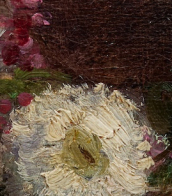
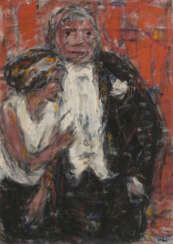

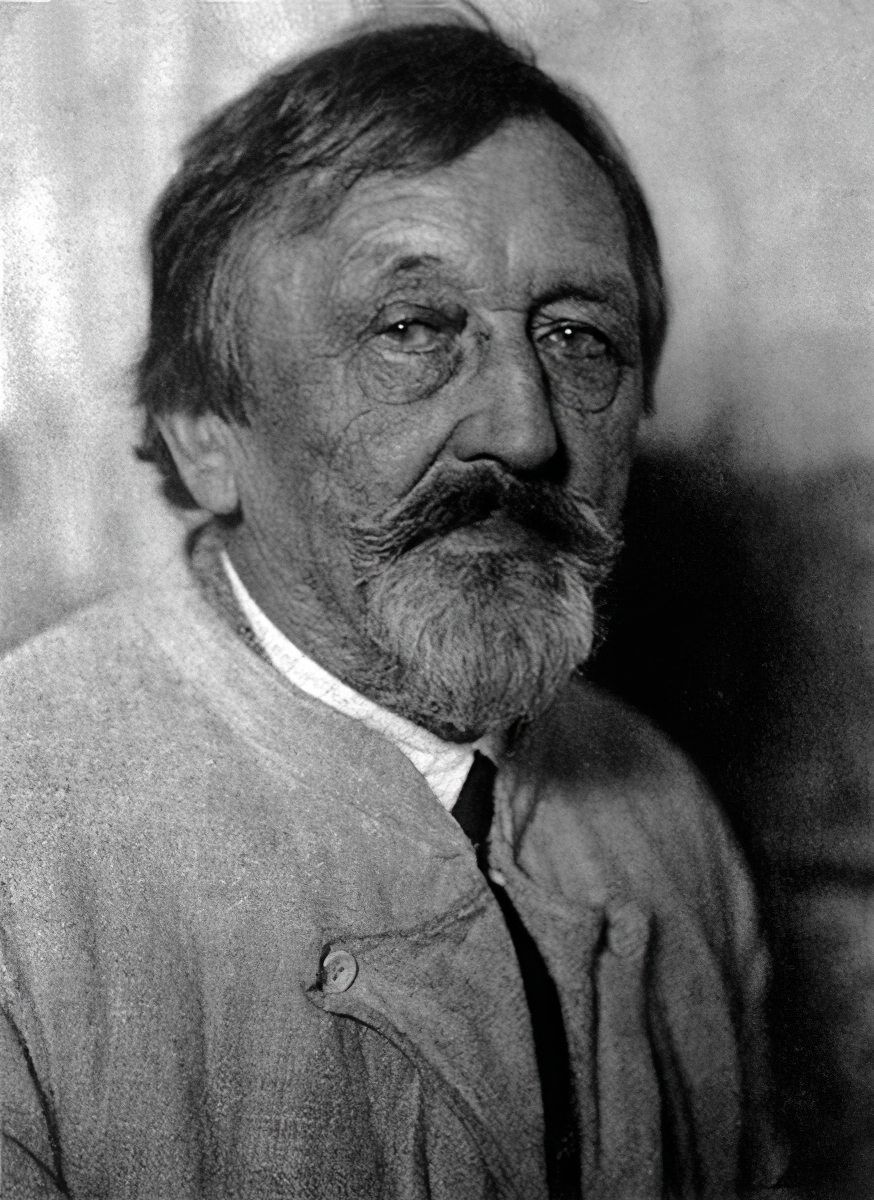
Christian Rohlfs was a German painter and printmaker, one of the important representatives of German expressionism.


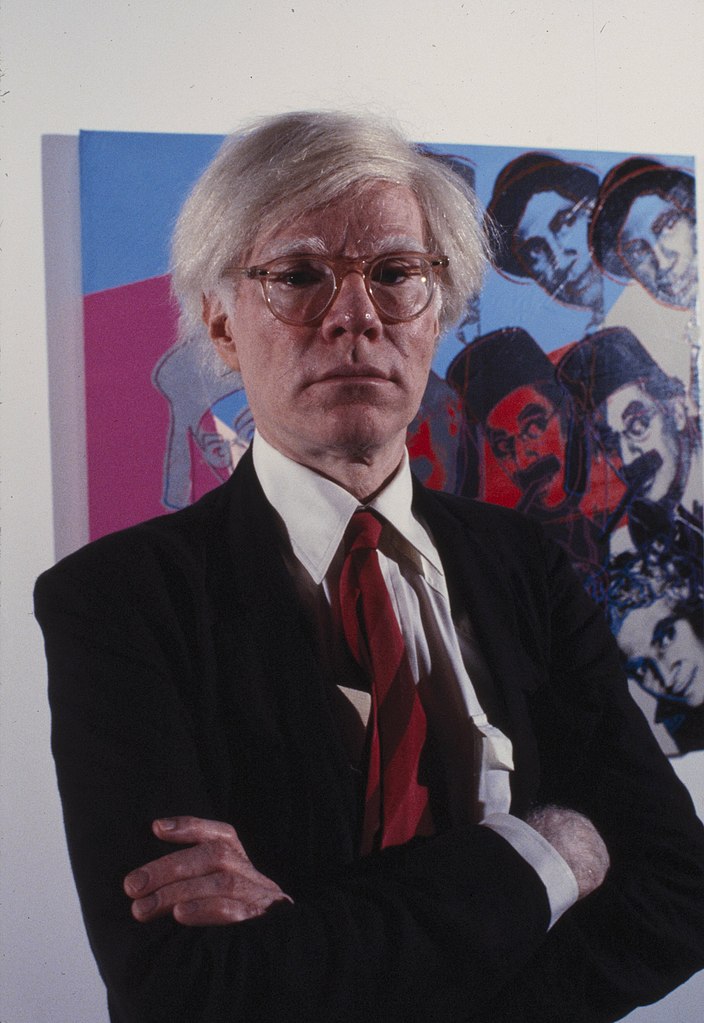
Andy Warhol, born as Andrew Warhola Jr., was an American visual artist, film director, and producer, who played a pivotal role in the development of the Pop Art movement. His art delved into the interplay between artistic expression, advertising, and celebrity culture, especially prevalent in the 1960s. Warhol was renowned for his diverse range of media, which included painting, silkscreening, photography, film, and sculpture.
Warhol's journey began in Pittsburgh, where he was born and raised, initially making a name for himself as a commercial illustrator. His New York studio, "The Factory," became a famous hub for intellectuals, celebrities, and various artistic minds. He was known for creating the notion of "Warhol superstars" and popularized the phrase "15 minutes of fame."
His contribution to the art world is significant, with notable works like "Campbell's Soup Cans" (1962) and "Marilyn Diptych" (1962), as well as his experimental films like "Empire" (1964) and "Chelsea Girls" (1966). These works not only define his career but also underscore the essence of the Pop Art movement.
Warhol's influence extended beyond his artwork. He managed and produced the experimental rock band The Velvet Underground, founded Interview magazine, and wrote several books, including "The Philosophy of Andy Warhol" and "Popism: The Warhol Sixties." Living openly as a gay man before the gay liberation movement, Warhol's personal life was as influential as his professional endeavors.
Tragically, Warhol's life was nearly cut short in 1968 when he was shot by radical feminist Valerie Solanas. He eventually passed away in 1987 due to cardiac arrhythmia following gallbladder surgery. His legacy continues, with The Andy Warhol Museum in Pittsburgh standing as the largest U.S. museum dedicated to a single artist.
Warhol's art remains highly collectible and valuable. His works, like the "Silver Car Crash (Double Disaster)" and "Shot Sage Blue Marilyn," have fetched staggering amounts at auctions, signifying his enduring impact on the art market.
For art collectors and experts, Andy Warhol's work represents a crucial intersection of pop culture and fine art, offering a unique perspective on consumerism and celebrity. His pieces are not just art; they are historical landmarks that capture a transformative era in both art and society.
To stay updated on new products, sales, and auction events related to Andy Warhol, sign up for our updates. This subscription will keep you informed about all things Warhol without overwhelming you with unnecessary information.

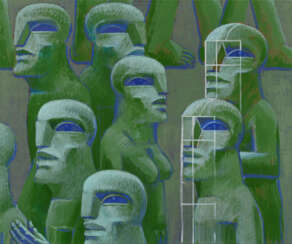

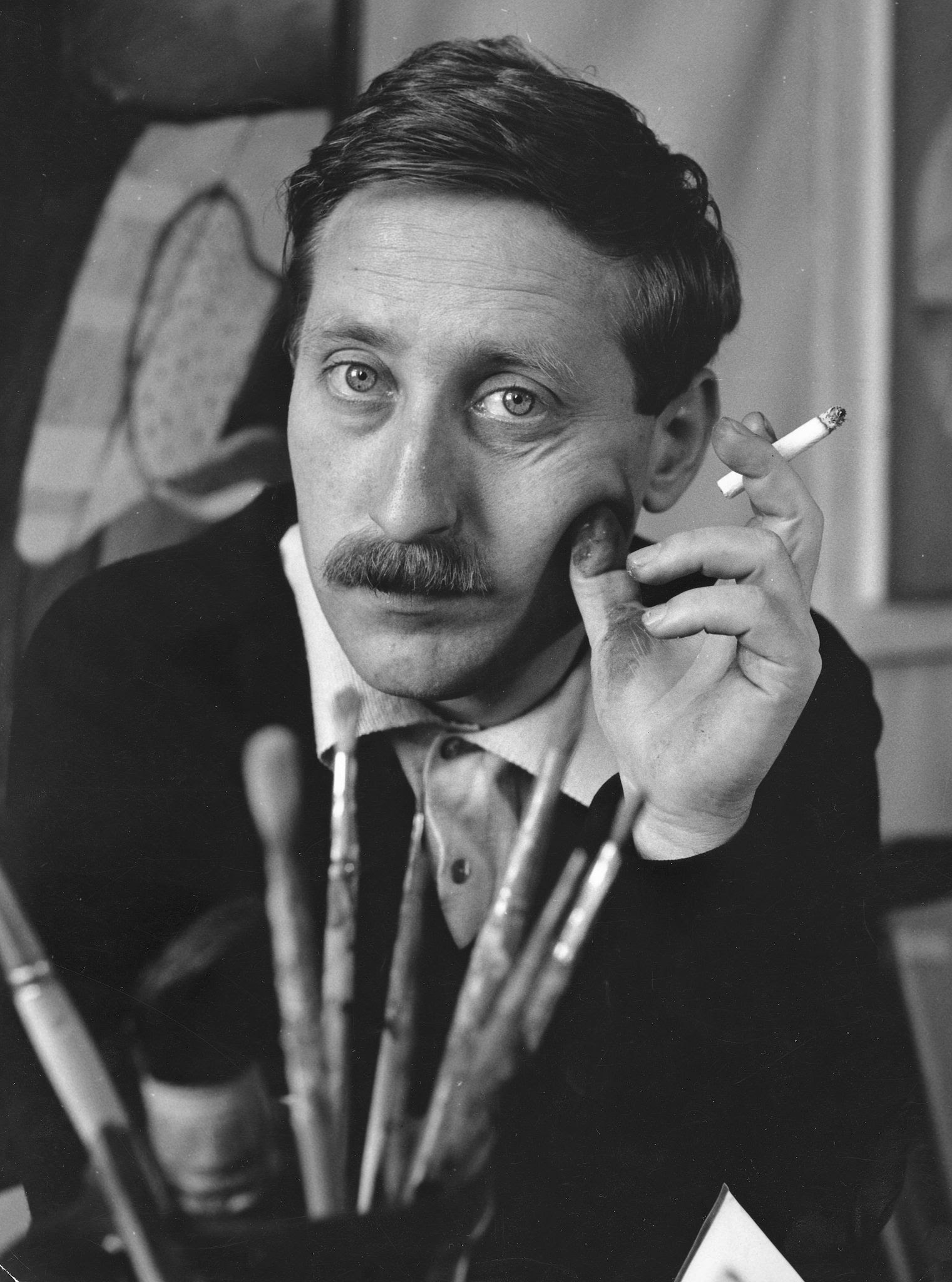
Horst Antes was a German painter, graphic artist and sculptor, a pioneer of the new figurative painting in Germany.
After studying at the Karlsruhe Academy of Fine Arts from 1957 to 1959, Antes taught there himself and later became a professor there.
Antes became known for the Kopffüßler (head-foot) image, which has been a recurring theme in his paintings, sculptures and graphic works since the early 1960s. Antes' work is represented in several major collections in Berlin, Hamburg, Cologne and elsewhere in Germany.