

436
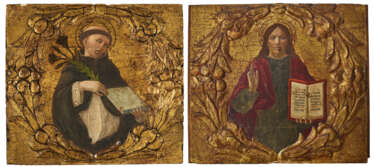


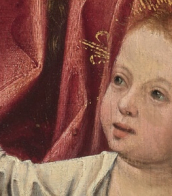
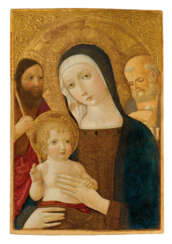
Benvenuto di Giovanni di Meo del Guasta, an Italian painter hailing from Siena, was recognized for his compelling panel paintings, frescoes, and manuscripts produced over a span of 43 years, during the Renaissance period. Born around 1436, his work life was largely based in Siena, where he was first documented as a young artist in 1453. His teacher was likely Vecchietta, with whom he collaborated on fresco decoration in Siena's baptistry. Di Giovanni married Jacopa di Tommaso da Cetona in 1466, which marked the beginning of a productive period that saw the creation of notable works such as the Annunciation and Saints (1466) and the Nativity (1470).
Benvenuto di Giovanni's style was characterized by its noble, classical forms and bright, intensely lit, glassy consistency, influenced by his interaction with North Italian miniaturists like Liberale da Verona and Girolamo da Cremona. His works, such as the triptych from Montepertuso (1475), the Borghesi altarpiece, and the triptych in the National Gallery, London (1479), stand as masterpieces of his sharply defined and surreal world. In the later years of his career, di Giovanni was commissioned for floor designs in the Siena cathedral and miniatures for its choir books, showing a style that occasionally simplified due to collaboration with his son, Girolamo di Benvenuto, but remained distinctively his.
Significant works by Benvenuto di Giovanni include "The Adoration of the Magi" and "The Crucifixion," both showcasing his mastery in perspective and religious narrative. For collectors and experts in art and antiques interested in the evocative and historically rich works of the Renaissance, Benvenuto di Giovanni's oeuvre offers a captivating exploration of 15th-century Sienese artistry.
To stay updated on sales and auction events featuring works by Benvenuto di Giovanni, sign up for updates. This subscription ensures that enthusiasts and collectors are always informed about new opportunities to engage with the exquisite works of this renowned Renaissance artist.
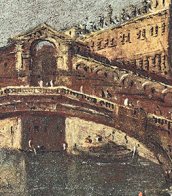



Benvenuto di Giovanni di Meo del Guasta, an Italian painter hailing from Siena, was recognized for his compelling panel paintings, frescoes, and manuscripts produced over a span of 43 years, during the Renaissance period. Born around 1436, his work life was largely based in Siena, where he was first documented as a young artist in 1453. His teacher was likely Vecchietta, with whom he collaborated on fresco decoration in Siena's baptistry. Di Giovanni married Jacopa di Tommaso da Cetona in 1466, which marked the beginning of a productive period that saw the creation of notable works such as the Annunciation and Saints (1466) and the Nativity (1470).
Benvenuto di Giovanni's style was characterized by its noble, classical forms and bright, intensely lit, glassy consistency, influenced by his interaction with North Italian miniaturists like Liberale da Verona and Girolamo da Cremona. His works, such as the triptych from Montepertuso (1475), the Borghesi altarpiece, and the triptych in the National Gallery, London (1479), stand as masterpieces of his sharply defined and surreal world. In the later years of his career, di Giovanni was commissioned for floor designs in the Siena cathedral and miniatures for its choir books, showing a style that occasionally simplified due to collaboration with his son, Girolamo di Benvenuto, but remained distinctively his.
Significant works by Benvenuto di Giovanni include "The Adoration of the Magi" and "The Crucifixion," both showcasing his mastery in perspective and religious narrative. For collectors and experts in art and antiques interested in the evocative and historically rich works of the Renaissance, Benvenuto di Giovanni's oeuvre offers a captivating exploration of 15th-century Sienese artistry.
To stay updated on sales and auction events featuring works by Benvenuto di Giovanni, sign up for updates. This subscription ensures that enthusiasts and collectors are always informed about new opportunities to engage with the exquisite works of this renowned Renaissance artist.













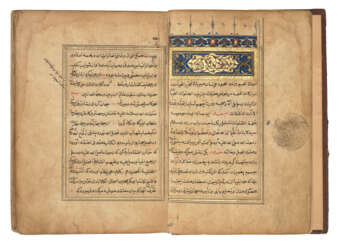























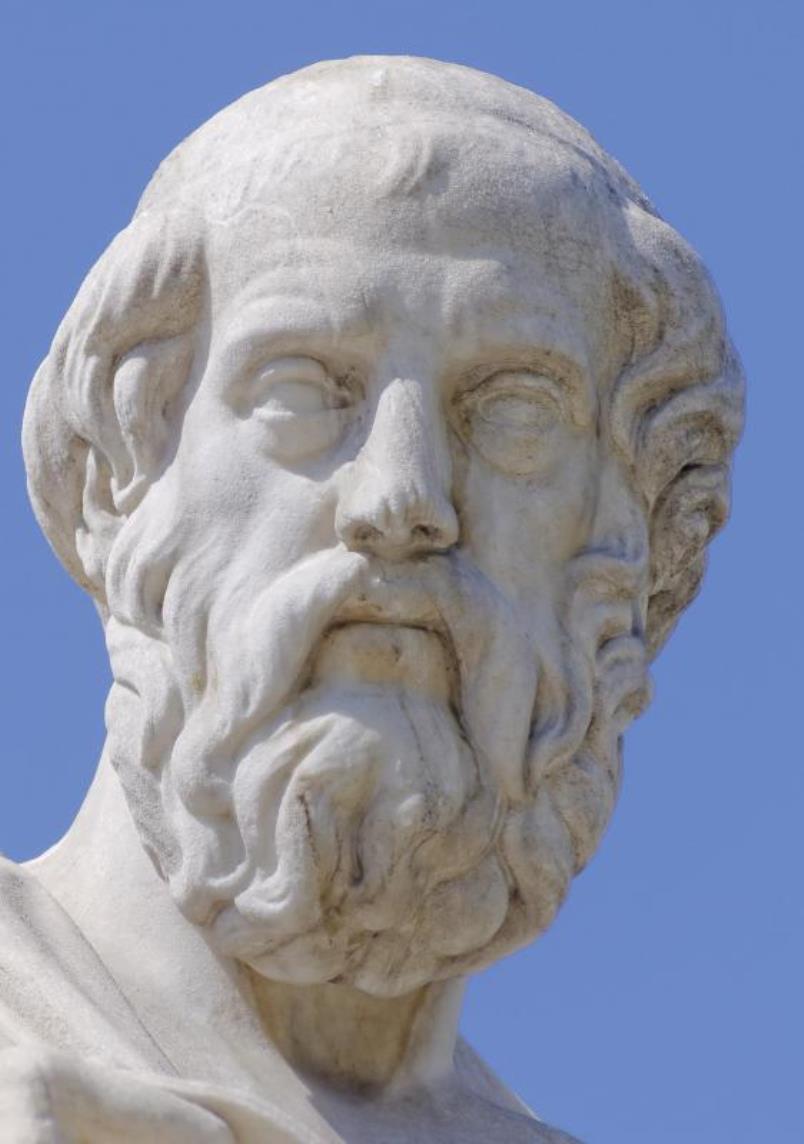
Isocrates was an ancient Athenian orator, tutor, and writer.
He was born shortly before the outbreak of the Peloponnesian War (431-404 BC), and the turbulent life of the time directed the young Isocrates to write speeches for court appearances and politicians. His works were a success, and in 390 BC he founded a school whose students included prominent men from all over the Greek world. Isocrates' political beliefs caused a clash of interests with another demagogue, the famous anti-Macedonian Demosthenes (c. 384-322 BC). Moreover, Isocrates' beliefs, which were propagated through his school, also caused quarrels with other prominent figures in Greek philosophy, Plato (428/427-348/347 BC) and later Aristotle (384-322 BC).
Isocrates invested the wealth he had accumulated over time in the Athenian navy, earning him the title of trierarch. Having a reputation as a benefactor of Athens, he strove to be a moral educator as well. His most famous works, including Against the Sophists, Antidozis, Panegyric, To Philip, and Panatheneikus, provided this thinker with recognition from both ancient and modern audiences. The writings of Isocrates are an important historical source of information about the intellectual and political life of Athens in his time.
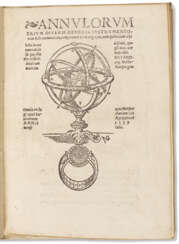

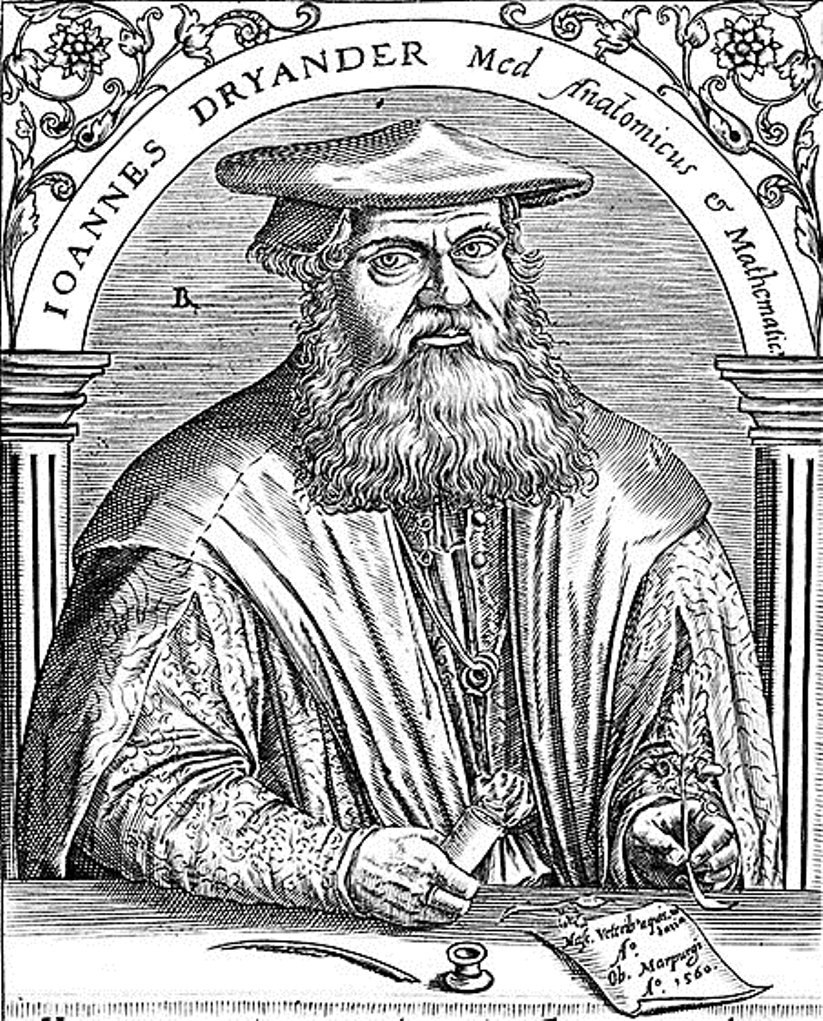
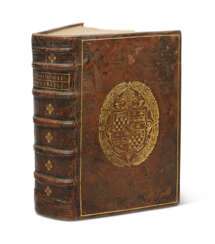
Johann Dryander, born Johann Eichmann, was a German medical anatomist, mathematician and astrologer.
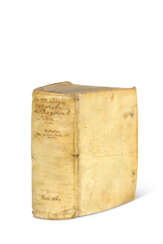
He studied anatomy and medicine at the University of Paris and the University of Erfurt, and in 1535 became professor of medicine at the University of Marburg. A year later, Dryander performed two public autopsies, making the first illustrated description of the dissection of the human brain. Dryander titled his book Anatomiae, hoc est, corporis humani dissectionis pars prior ("Anatomy, that is, the dissection of the human body, part one," suggesting a sequel, which, however, did not follow.
His work made a significant contribution to the development of modern anatomy. Toward the end of his life, Dryander also dabbled in astrology and mathematics.
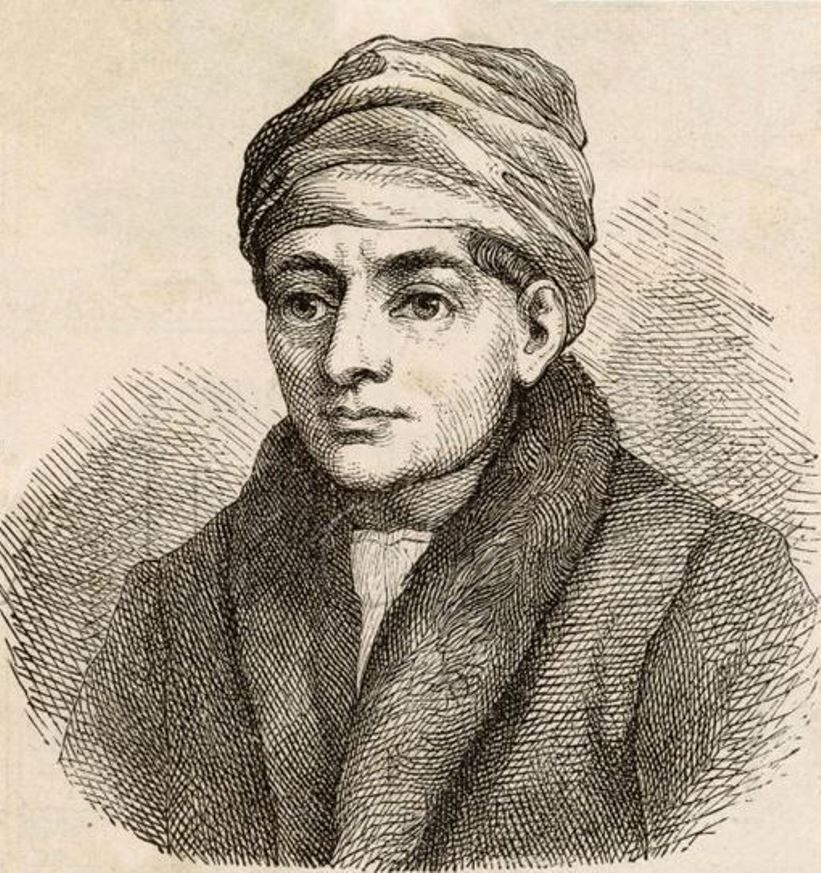
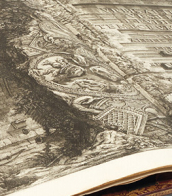
Regiomontanus, real name Johannes Müller, was a 15th-century German astronomer and mathematician, one of the first printers.
The son of a miller, he entered the University of Leipzig at the age of 11 and later transferred to the University of Vienna. In 1452, Regiomontanus earned a bachelor's degree and then a master's degree. With his teacher, the mathematical astronomer Georg von Peyerbach (d. 1461), he spent the next years practicing astronomy and astrology, including observations of eclipses and comets, making astronomical instruments, and compiling horoscopes for the court of Holy Roman Emperor Frederick III.
Regiomontanus was also seriously involved in mathematics, publishing his major work on trigonometry, On All Kinds of Triangles (1462-1464). From 1467 to 1471, Regiomontanus lived in Hungary as astrologer to Hungarian King Matyas I and Archbishop Janos Vitez. Then in Nuremberg, Germany, he opened an instrument workshop, established a printing house, and continued his planetary observations. The scholar planned to print extensive publications on classical, medieval, and modern mathematical sciences, but not all plans came to fruition.
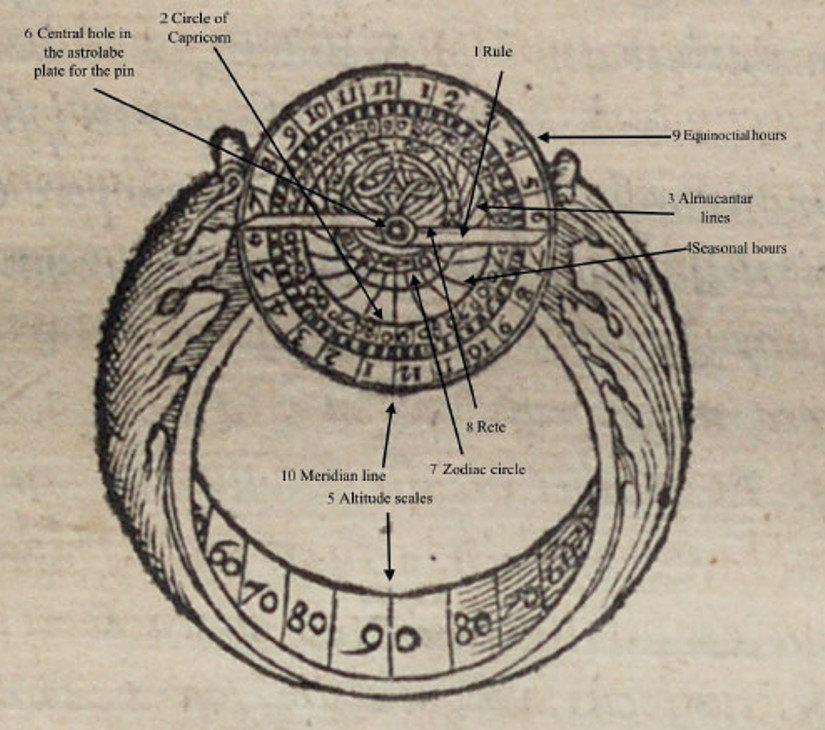
Bonetus de Latis or Jacob ben Emanuel Provenzale was a French physician and astrologer of Jewish origin.
Originally from Provence, France, he was a rabbi, and in Rome became physician to Pope Alexander VI and later Pope Leo X. Latis is known mainly as the inventor of the ring-shaped sundial, an astronomical circular dial that could be used to measure solar and stellar altitudes and determine the time with great accuracy both day and night. These clocks were portable and easy to use for navigation. Latis also wrote a treatise known among scholars about the astrolabe ring (1492-1493).