444
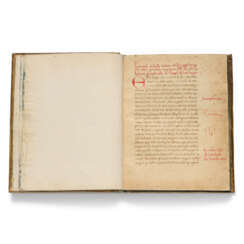























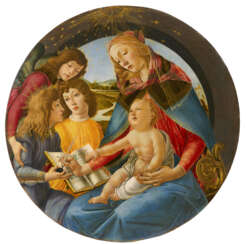


Sandro Botticelli, an Italian painter of the Early Renaissance, was renowned for his exquisite works that beautifully merged classical mythology with religious themes. Born Alessandro di Mariano di Vanni Filipepi in Florence around 1445, Botticelli became a pivotal figure in the Florentine art scene under the patronage of the Medici family. His education under Filippo Lippi honed his skills in painting, leading to a unique style that emphasized linear grace and ethereal beauty. Botticelli's art is celebrated for its elegance and for capturing the spirit of the Renaissance, a period marked by a rebirth of interest in classical antiquity and humanistic values.
Botticelli's oeuvre includes iconic mythological paintings like "The Birth of Venus" and "Primavera," both housed in the Uffizi Gallery in Florence. These masterpieces are distinguished by their allegorical complexity and the delicate portrayal of figures that seem to transcend the earthly realm, reflecting Botticelli's interest in blending myth with a narrative style that appeals to the viewer's sense of wonder and contemplation. His religious works, characterized by expressive emotion and devotional intensity, also earned him acclaim, particularly his contributions to the Sistine Chapel in Rome.
Despite his success, Botticelli's later years were marked by a shift in style influenced by the somber preachings of Savonarola, leading to a preference for more devotional themes. His reputation waned posthumously until the late 19th century, when a resurgence of interest in his work restored Botticelli to his rightful place as a master of the Renaissance. Today, Botticelli is regarded as an artist whose works encapsulate the innovative spirit of his time, bridging the Gothic tradition with the emerging Renaissance aesthetic. His legacy endures, inspiring art lovers and collectors who are drawn to the ethereal beauty and rich symbolism of his paintings.
For those captivated by the allure of Renaissance art, subscribing for updates on new discoveries, sales, and auction events related to Sandro Botticelli can enrich your appreciation and knowledge of this remarkable artist's contribution to the world of art and culture.

































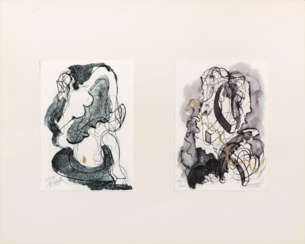

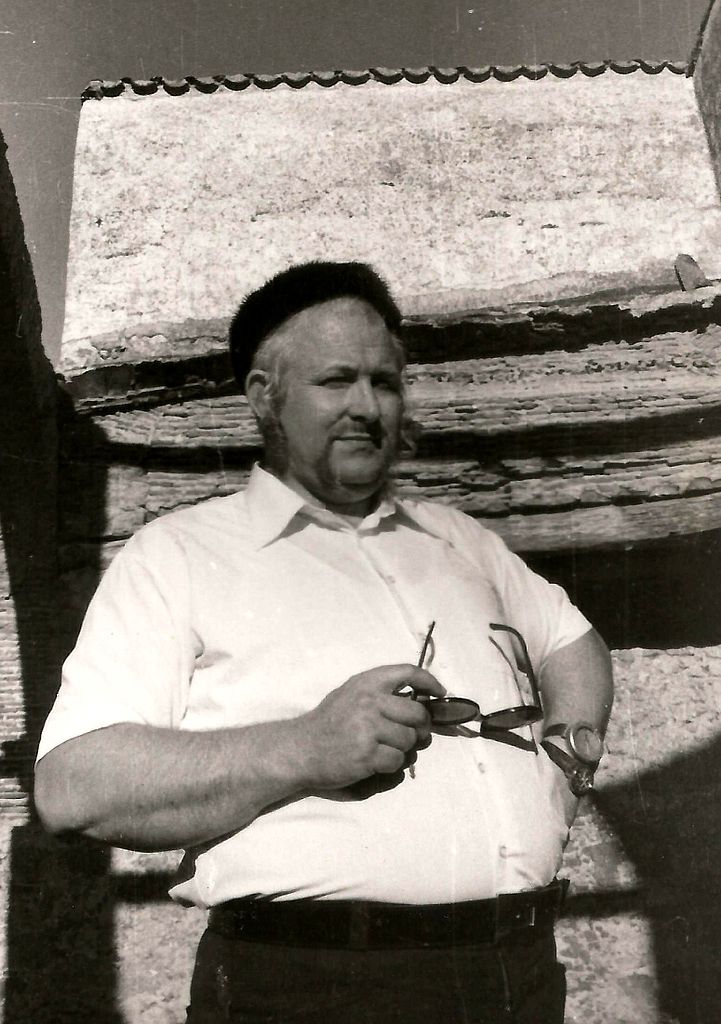
Wolf Vostell was a German artist who is considered a pioneer of video and installation art, and a key figure in the Fluxus movement. He studied at the Academy of Fine Arts in Wuppertal and later at the École Nationale Supérieure des Beaux-Arts in Paris.
Vostell's art was heavily influenced by the horrors of World War II, and he often incorporated themes of violence and destruction in his work. He was interested in exploring the relationship between art and technology, and he experimented with new media such as television, video, and sound.
One of Vostell's most famous works is "Concrete Traffic," a 1970 installation in which he placed a Cadillac in a block of concrete. The piece was intended to comment on the impact of automobile culture on society and the environment.
Another notable work is "TV-Burying," a performance piece in which Vostell buried a television set in the ground, with only the screen visible. The work was a commentary on the pervasive influence of television on modern life.
Vostell's work has been exhibited extensively around the world, including at the Museum of Modern Art in New York, the Venice Biennale, and the Centre Georges Pompidou in Paris.