

680


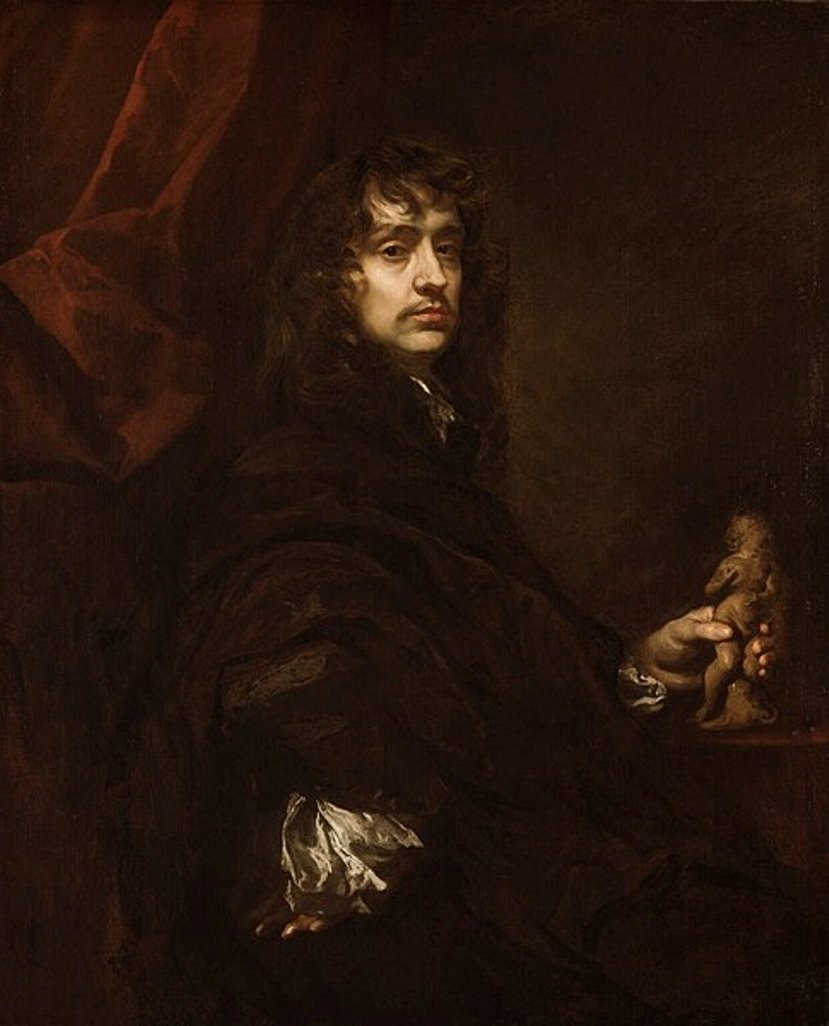
Peter Lely, née Pieter van der Faes, was an English painter of Dutch origin, a member of the Guild of St. Luke in Haarlem.
In England his talent as a portrait painter was very highly regarded, he became a British subject and was knighted. For many years Lely had the title of the most fashionable portrait painter in England. He was the chief portrait painter at the court of Kings Charles I and Charles II. Lely painted many portraits of noble knights and ladies of the court.
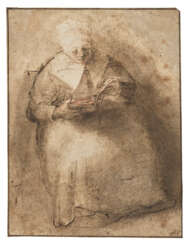

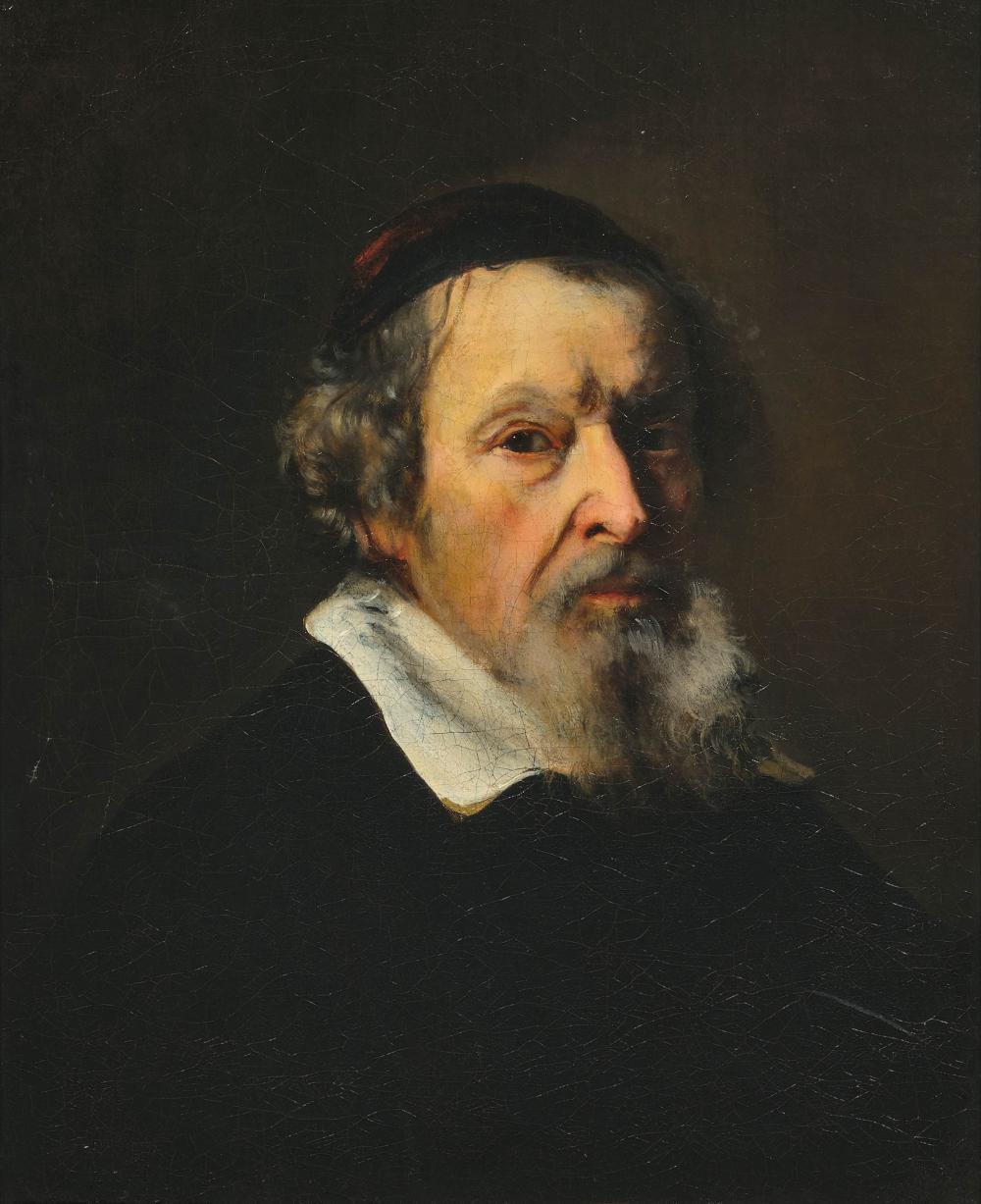
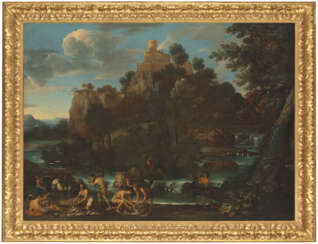

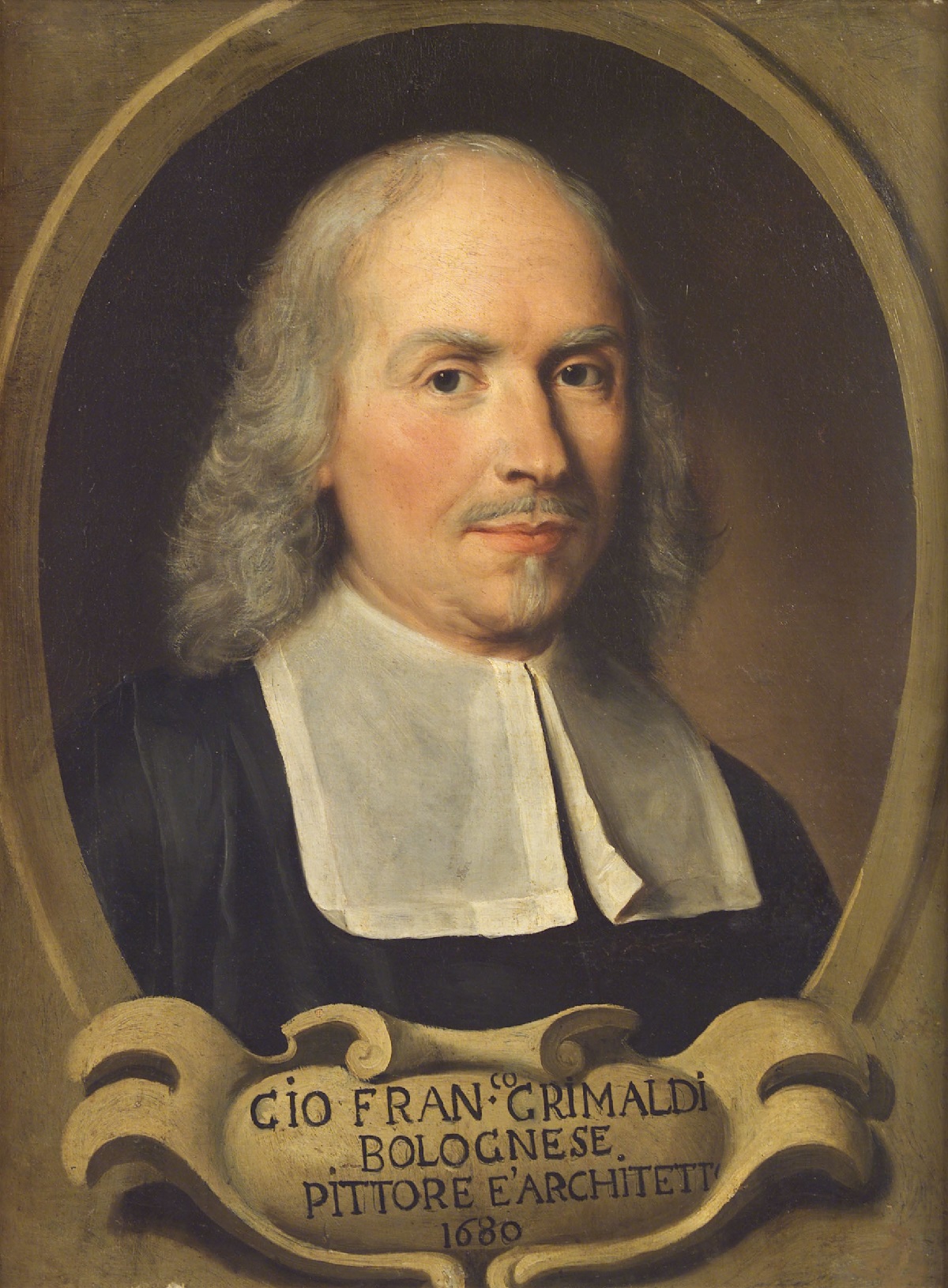
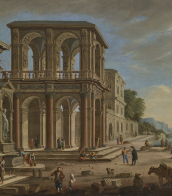
Giovanni Francesco Grimaldi was an Italian painter, draughtsman, printmaker and architect. He was an accomplished fresco painter of classical landscapes which were popular with leading Roman families.


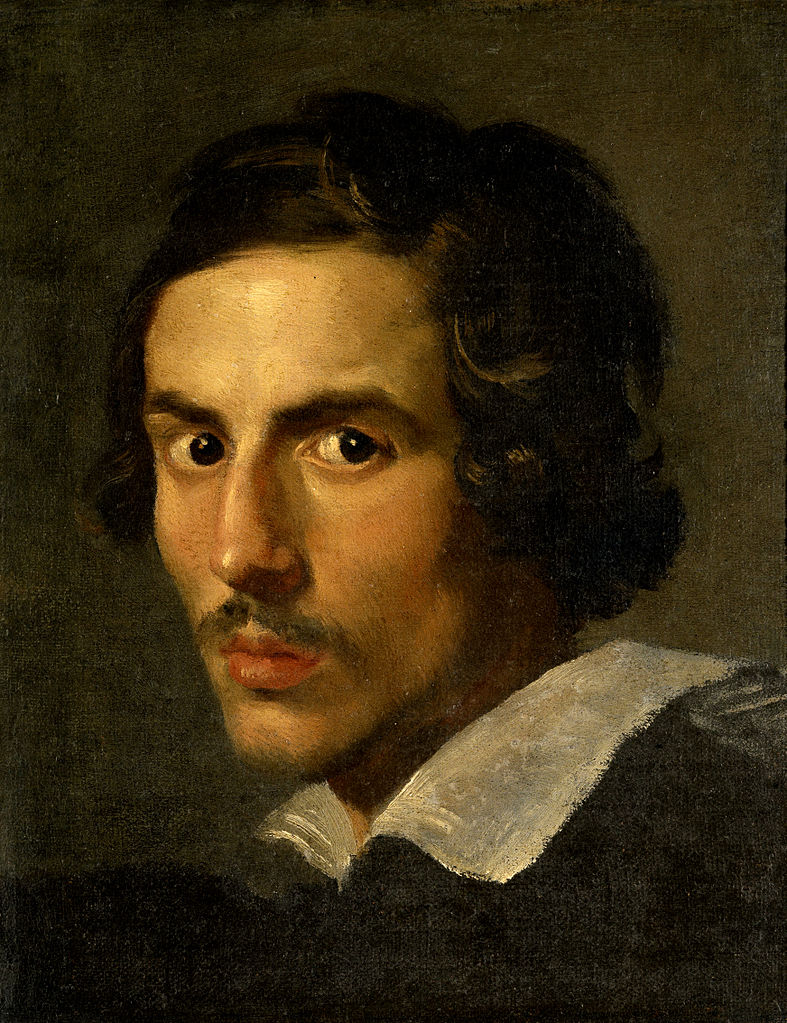
Giovanni Lorenzo Bernini, an Italian artist, is celebrated as one of the most remarkable sculptors and architects of the Baroque era. Born in Naples in 1598, Bernini's family moved to Rome when he was a child, where he spent most of his life shaping the city's artistic landscape. His prodigious talent emerged early, evident in works created in collaboration with his father, Pietro Bernini, and soon caught the attention of influential patrons like Cardinal Scipione Borghese and Pope Paul V.
Bernini's work, characterized by dynamic and exuberant style, spanned various genres including portraiture, tomb sculpture, and religious and mythological representations. His ability to turn marble into lifelike figures and scenes, blending realism with emotional intensity, was unparalleled. Key works like "Aeneas and Anchises," "Pluto and Proserpina," and "Apollo and Daphne" exemplify this mastery.
Not confined to sculpture, Bernini was also an accomplished architect, contributing significantly to the architectural landscape of Rome. His involvement with St. Peter's Basilica, notably the Baldacchino and the design of St. Peter's Square, reflect his vision of merging architecture with sculpture to create a cohesive and impactful experience. His work on the Cornaro Chapel, including the famous "The Ecstasy of Saint Teresa," showcases this integration, combining sculpture, architecture, and light to stunning effect.
Bernini's influence extended beyond Rome. In 1665, he was invited by Louis XIV to France to work on the Louvre, though his architectural designs were not realized. His portrait bust of Louis XIV, however, remains a testament to his skill in capturing not just the likeness but the essence of his subjects.
A man of deep faith, Bernini's works often reflected his religious devotion, though he was also known for his caricatures and playful sketches, revealing a lighter side to his personality. His artistic legacy, characterized by the fusion of various art forms and the dramatic use of light and space, continues to influence and inspire.
For collectors and experts in art and antiques, Bernini's works remain a pinnacle of Baroque artistry, a testament to his innovative spirit and technical brilliance. His pieces, found in museums and galleries, continue to draw admiration for their emotional depth and exquisite craftsmanship.
Stay updated on new discoveries and sales of Bernini's works by signing up for our newsletter, exclusively focused on his art and upcoming auction events.







Giovanni Lorenzo Bernini, an Italian artist, is celebrated as one of the most remarkable sculptors and architects of the Baroque era. Born in Naples in 1598, Bernini's family moved to Rome when he was a child, where he spent most of his life shaping the city's artistic landscape. His prodigious talent emerged early, evident in works created in collaboration with his father, Pietro Bernini, and soon caught the attention of influential patrons like Cardinal Scipione Borghese and Pope Paul V.
Bernini's work, characterized by dynamic and exuberant style, spanned various genres including portraiture, tomb sculpture, and religious and mythological representations. His ability to turn marble into lifelike figures and scenes, blending realism with emotional intensity, was unparalleled. Key works like "Aeneas and Anchises," "Pluto and Proserpina," and "Apollo and Daphne" exemplify this mastery.
Not confined to sculpture, Bernini was also an accomplished architect, contributing significantly to the architectural landscape of Rome. His involvement with St. Peter's Basilica, notably the Baldacchino and the design of St. Peter's Square, reflect his vision of merging architecture with sculpture to create a cohesive and impactful experience. His work on the Cornaro Chapel, including the famous "The Ecstasy of Saint Teresa," showcases this integration, combining sculpture, architecture, and light to stunning effect.
Bernini's influence extended beyond Rome. In 1665, he was invited by Louis XIV to France to work on the Louvre, though his architectural designs were not realized. His portrait bust of Louis XIV, however, remains a testament to his skill in capturing not just the likeness but the essence of his subjects.
A man of deep faith, Bernini's works often reflected his religious devotion, though he was also known for his caricatures and playful sketches, revealing a lighter side to his personality. His artistic legacy, characterized by the fusion of various art forms and the dramatic use of light and space, continues to influence and inspire.
For collectors and experts in art and antiques, Bernini's works remain a pinnacle of Baroque artistry, a testament to his innovative spirit and technical brilliance. His pieces, found in museums and galleries, continue to draw admiration for their emotional depth and exquisite craftsmanship.
Stay updated on new discoveries and sales of Bernini's works by signing up for our newsletter, exclusively focused on his art and upcoming auction events.




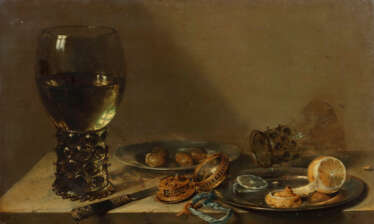

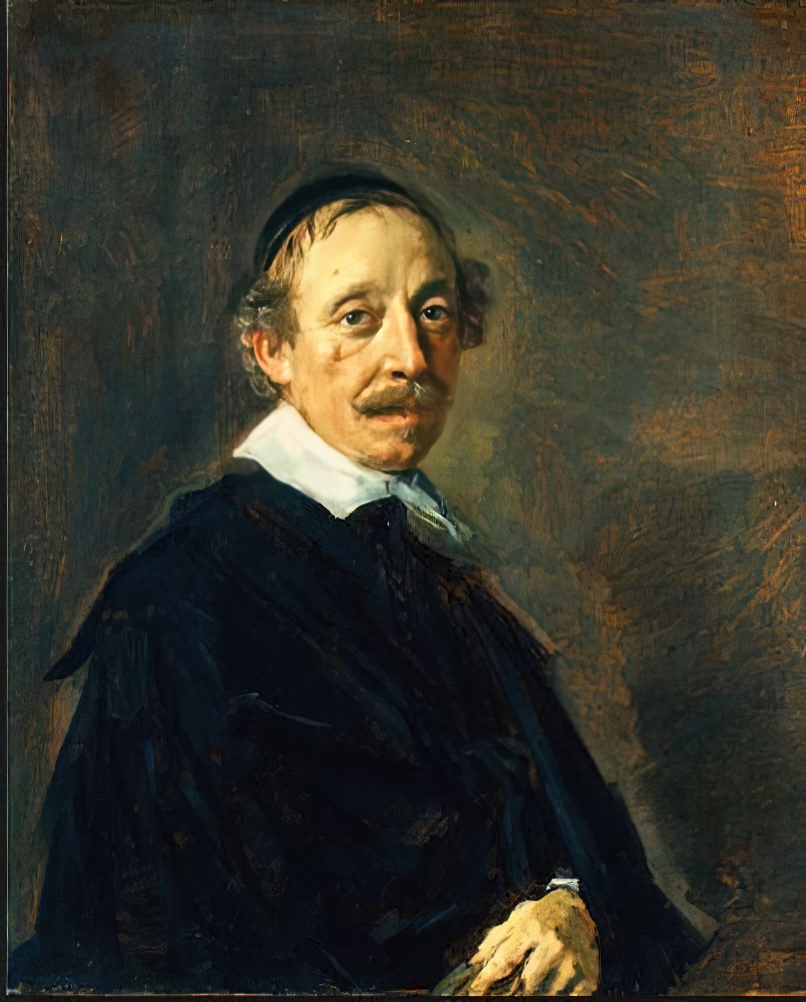
Willem Claeszoon Heda was a Dutch Golden Age artist from the city of Haarlem devoted exclusively to the painting of still life. He is known for his innovation of the late breakfast genre of still life painting.
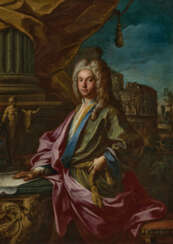

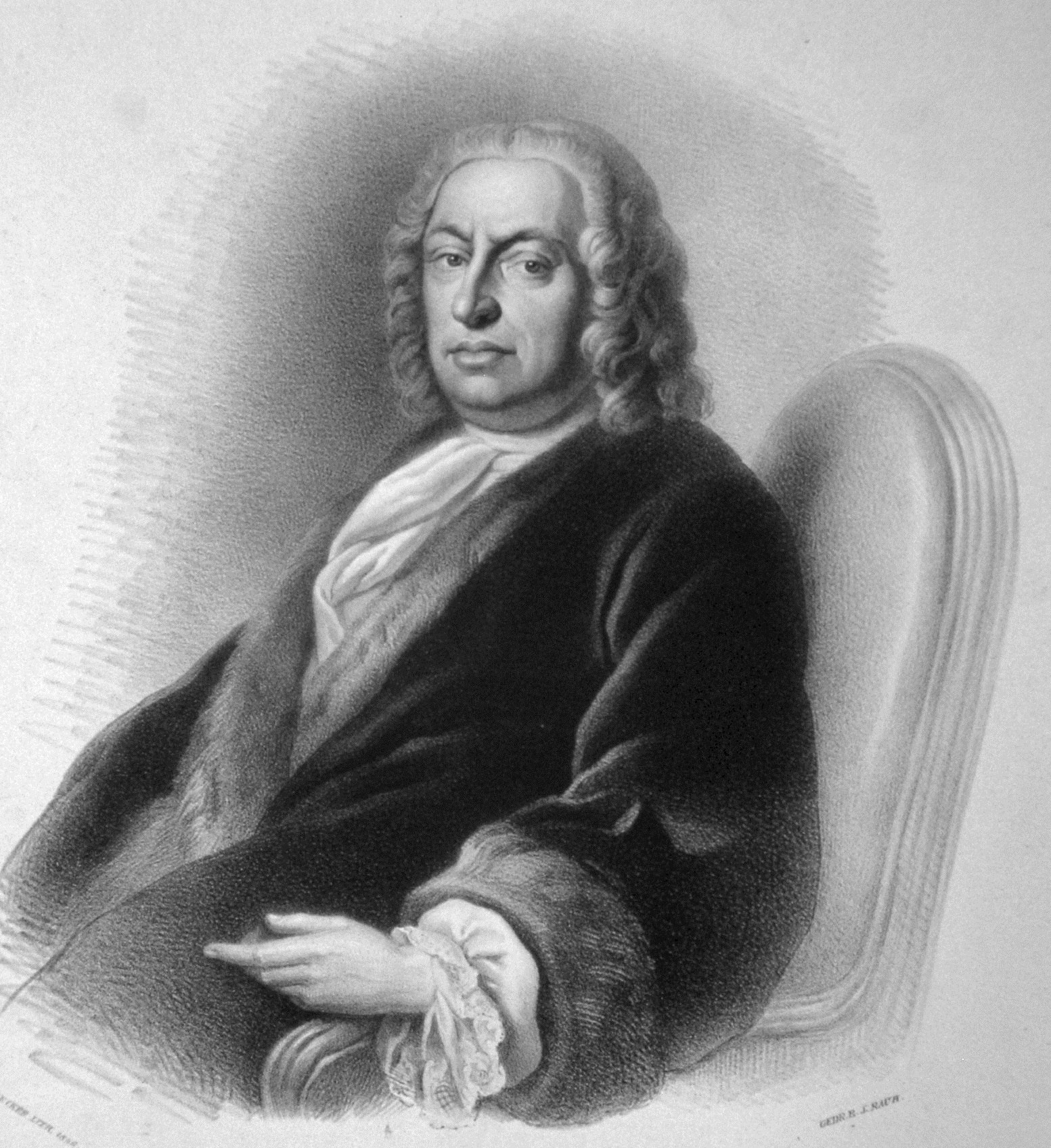
Sebastiano Conca was an Italian painter.
He was patronized by the Cardinal Ottoboni, who introduced him to Clement XI, who commissioned him a well-received Jeremiah painted for the church of St. John Lateran. He also painted an Assunta for the church of Santi Luca e Martina in Rome.
Conca was knighted by the pope. He collaborated with Carlo Maratta in the Coronation of Santa Cecilia (1721-24) in the namesake church of Santa Cecilia in Trastevere. In 1718 he was elected to the Accademia di San Luca, and was its director in 1729-1731, replacing Camillo Rusconi as Principe in 1732. He was also elected Principe in 1739-1741.


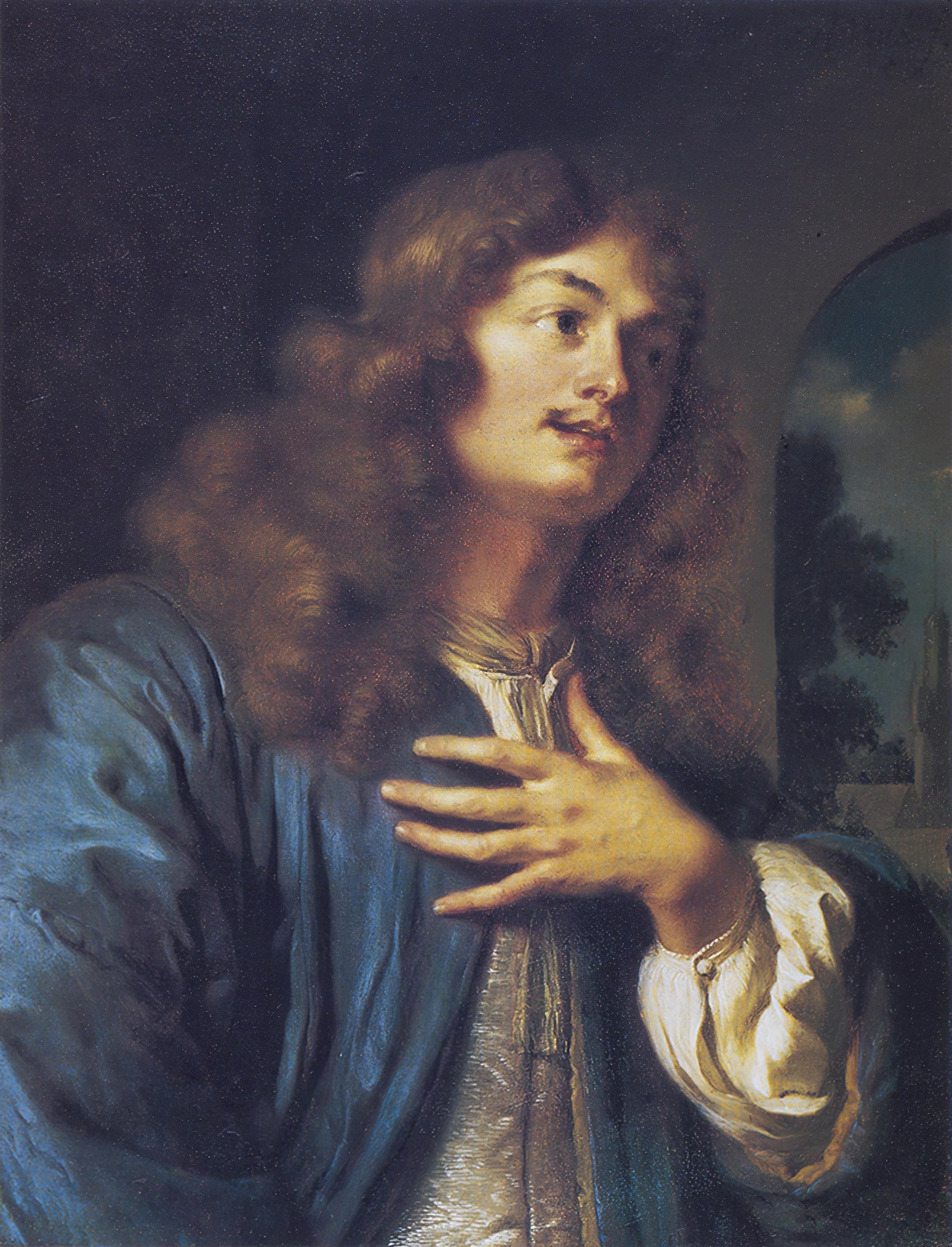
Ary de Vois was a Dutch Golden Age painter.
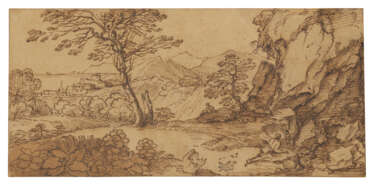

Giovanni Francesco Grimaldi was an Italian painter, draughtsman, printmaker and architect. He was an accomplished fresco painter of classical landscapes which were popular with leading Roman families.
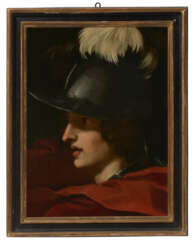

Giovanni Lorenzo Bernini, an Italian artist, is celebrated as one of the most remarkable sculptors and architects of the Baroque era. Born in Naples in 1598, Bernini's family moved to Rome when he was a child, where he spent most of his life shaping the city's artistic landscape. His prodigious talent emerged early, evident in works created in collaboration with his father, Pietro Bernini, and soon caught the attention of influential patrons like Cardinal Scipione Borghese and Pope Paul V.
Bernini's work, characterized by dynamic and exuberant style, spanned various genres including portraiture, tomb sculpture, and religious and mythological representations. His ability to turn marble into lifelike figures and scenes, blending realism with emotional intensity, was unparalleled. Key works like "Aeneas and Anchises," "Pluto and Proserpina," and "Apollo and Daphne" exemplify this mastery.
Not confined to sculpture, Bernini was also an accomplished architect, contributing significantly to the architectural landscape of Rome. His involvement with St. Peter's Basilica, notably the Baldacchino and the design of St. Peter's Square, reflect his vision of merging architecture with sculpture to create a cohesive and impactful experience. His work on the Cornaro Chapel, including the famous "The Ecstasy of Saint Teresa," showcases this integration, combining sculpture, architecture, and light to stunning effect.
Bernini's influence extended beyond Rome. In 1665, he was invited by Louis XIV to France to work on the Louvre, though his architectural designs were not realized. His portrait bust of Louis XIV, however, remains a testament to his skill in capturing not just the likeness but the essence of his subjects.
A man of deep faith, Bernini's works often reflected his religious devotion, though he was also known for his caricatures and playful sketches, revealing a lighter side to his personality. His artistic legacy, characterized by the fusion of various art forms and the dramatic use of light and space, continues to influence and inspire.
For collectors and experts in art and antiques, Bernini's works remain a pinnacle of Baroque artistry, a testament to his innovative spirit and technical brilliance. His pieces, found in museums and galleries, continue to draw admiration for their emotional depth and exquisite craftsmanship.
Stay updated on new discoveries and sales of Bernini's works by signing up for our newsletter, exclusively focused on his art and upcoming auction events.
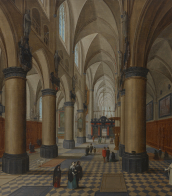
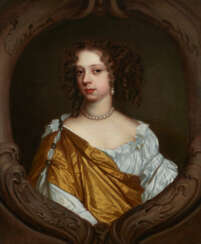

Peter Lely, née Pieter van der Faes, was an English painter of Dutch origin, a member of the Guild of St. Luke in Haarlem.
In England his talent as a portrait painter was very highly regarded, he became a British subject and was knighted. For many years Lely had the title of the most fashionable portrait painter in England. He was the chief portrait painter at the court of Kings Charles I and Charles II. Lely painted many portraits of noble knights and ladies of the court.


Giovanni Francesco Grimaldi was an Italian painter, draughtsman, printmaker and architect. He was an accomplished fresco painter of classical landscapes which were popular with leading Roman families.
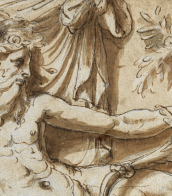
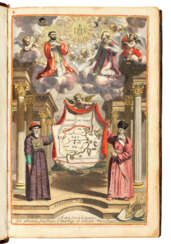

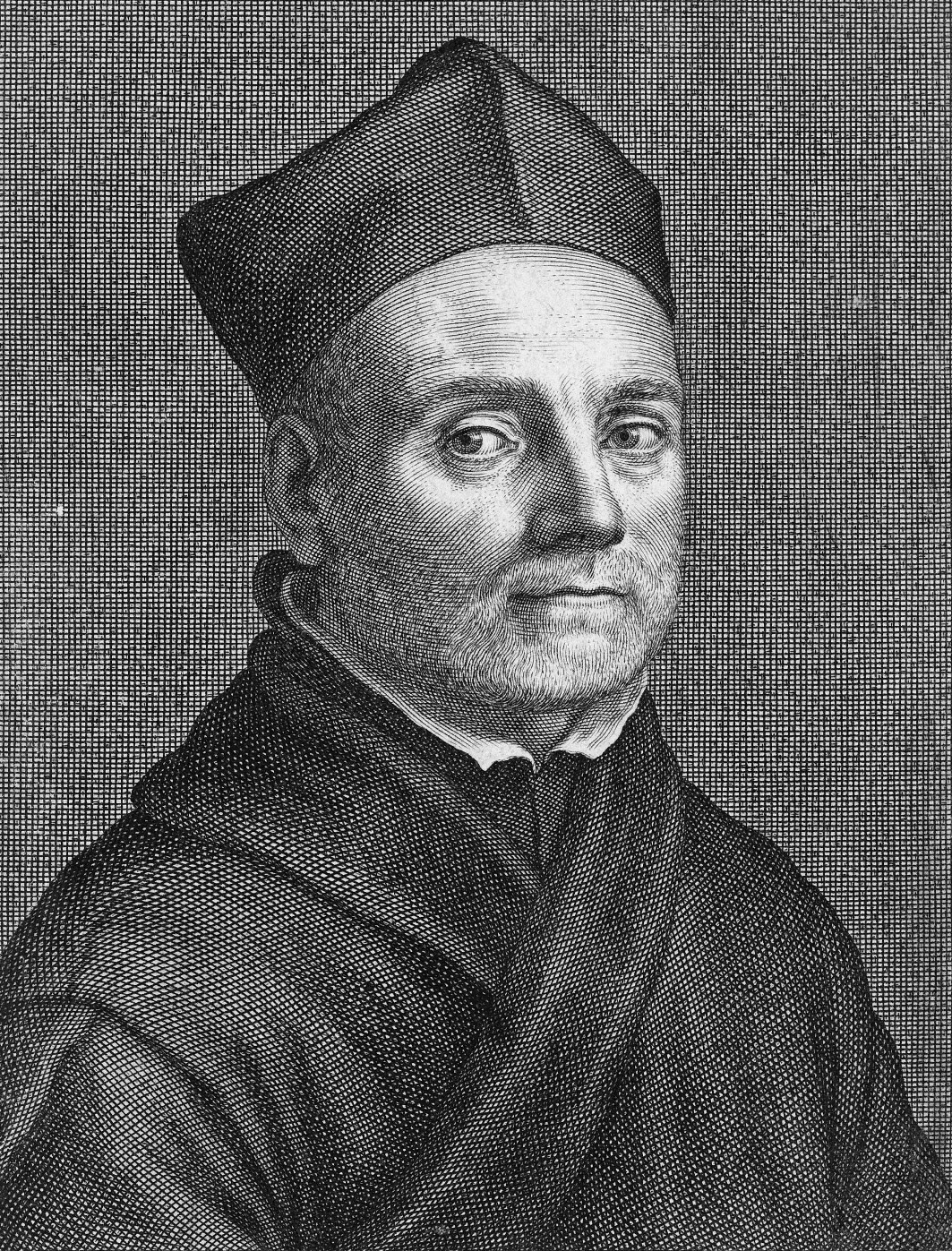
Athanasius Kircher was a German scholar, inventor, professor of mathematics and oriental studies, and a friar of the Jesuit order.
Kircher knew Greek and Hebrew, did scientific and humanities research in Germany, and was ordained in Mainz in 1628. During the Thirty Years' War he was forced to flee to Rome, where he remained for most of his life, serving as a kind of intellectual and information center for cultural and scientific information drawn not only from European sources but also from an extensive network of Jesuit missionaries. He was particularly interested in ancient Egypt and attempted to decipher hieroglyphics and other riddles. Kircher also compiled A Description of the Chinese Empire (1667), which was long one of the most influential books that shaped the European view of China.
A renowned polymath, Kircher conducted scholarly research in a variety of disciplines, including geography, astronomy, mathematics, languages, medicine, and music. He wrote some 44 books, and more than 2,000 of his manuscripts and letters have survived. He also assembled one of the first natural history collections.
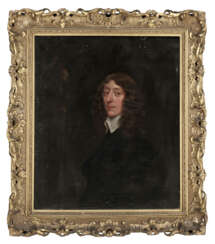

Peter Lely, née Pieter van der Faes, was an English painter of Dutch origin, a member of the Guild of St. Luke in Haarlem.
In England his talent as a portrait painter was very highly regarded, he became a British subject and was knighted. For many years Lely had the title of the most fashionable portrait painter in England. He was the chief portrait painter at the court of Kings Charles I and Charles II. Lely painted many portraits of noble knights and ladies of the court.
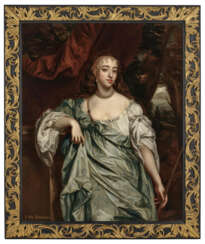

Peter Lely, née Pieter van der Faes, was an English painter of Dutch origin, a member of the Guild of St. Luke in Haarlem.
In England his talent as a portrait painter was very highly regarded, he became a British subject and was knighted. For many years Lely had the title of the most fashionable portrait painter in England. He was the chief portrait painter at the court of Kings Charles I and Charles II. Lely painted many portraits of noble knights and ladies of the court.
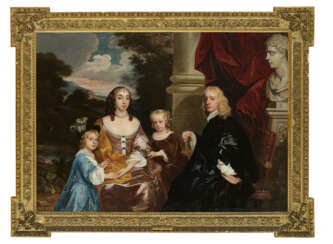

Peter Lely, née Pieter van der Faes, was an English painter of Dutch origin, a member of the Guild of St. Luke in Haarlem.
In England his talent as a portrait painter was very highly regarded, he became a British subject and was knighted. For many years Lely had the title of the most fashionable portrait painter in England. He was the chief portrait painter at the court of Kings Charles I and Charles II. Lely painted many portraits of noble knights and ladies of the court.
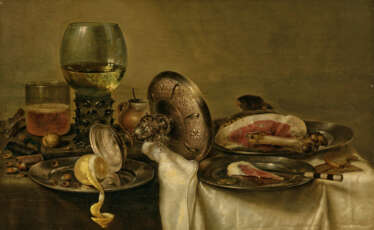

Willem Claeszoon Heda was a Dutch Golden Age artist from the city of Haarlem devoted exclusively to the painting of still life. He is known for his innovation of the late breakfast genre of still life painting.
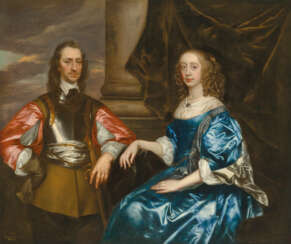

Peter Lely, née Pieter van der Faes, was an English painter of Dutch origin, a member of the Guild of St. Luke in Haarlem.
In England his talent as a portrait painter was very highly regarded, he became a British subject and was knighted. For many years Lely had the title of the most fashionable portrait painter in England. He was the chief portrait painter at the court of Kings Charles I and Charles II. Lely painted many portraits of noble knights and ladies of the court.
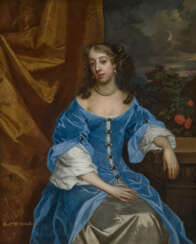

Peter Lely, née Pieter van der Faes, was an English painter of Dutch origin, a member of the Guild of St. Luke in Haarlem.
In England his talent as a portrait painter was very highly regarded, he became a British subject and was knighted. For many years Lely had the title of the most fashionable portrait painter in England. He was the chief portrait painter at the court of Kings Charles I and Charles II. Lely painted many portraits of noble knights and ladies of the court.
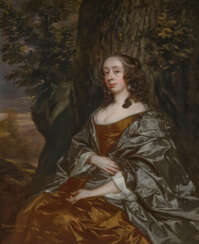

Peter Lely, née Pieter van der Faes, was an English painter of Dutch origin, a member of the Guild of St. Luke in Haarlem.
In England his talent as a portrait painter was very highly regarded, he became a British subject and was knighted. For many years Lely had the title of the most fashionable portrait painter in England. He was the chief portrait painter at the court of Kings Charles I and Charles II. Lely painted many portraits of noble knights and ladies of the court.
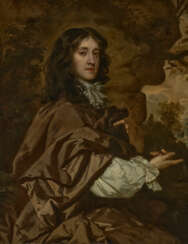

Peter Lely, née Pieter van der Faes, was an English painter of Dutch origin, a member of the Guild of St. Luke in Haarlem.
In England his talent as a portrait painter was very highly regarded, he became a British subject and was knighted. For many years Lely had the title of the most fashionable portrait painter in England. He was the chief portrait painter at the court of Kings Charles I and Charles II. Lely painted many portraits of noble knights and ladies of the court.
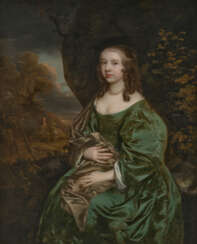

Peter Lely, née Pieter van der Faes, was an English painter of Dutch origin, a member of the Guild of St. Luke in Haarlem.
In England his talent as a portrait painter was very highly regarded, he became a British subject and was knighted. For many years Lely had the title of the most fashionable portrait painter in England. He was the chief portrait painter at the court of Kings Charles I and Charles II. Lely painted many portraits of noble knights and ladies of the court.