act student
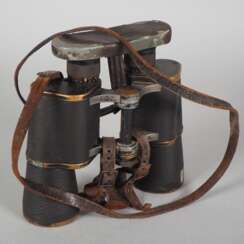

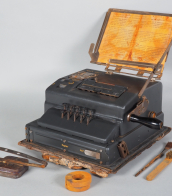
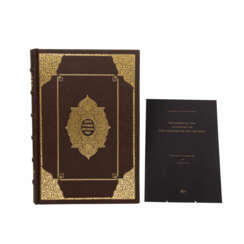


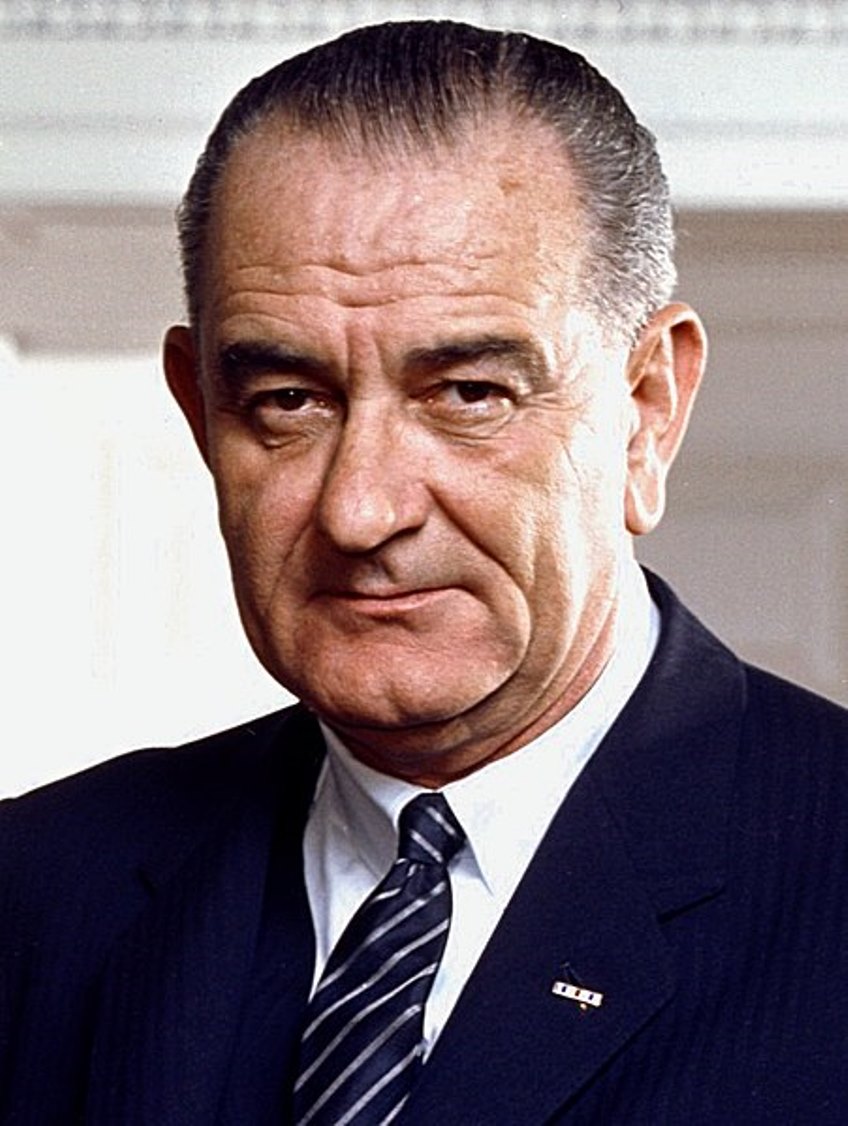
Lyndon Baines Johnson was an American politician and statesman, the 36th President of the United States (1963-1969).
Johnson was from a Texas farming family and graduated from Southwestern State Teachers College (now Texas State University) in San Marcos, Texas. In 1931, he began serving as Secretary of Congress for newly elected U.S. Representative Richard Kleberg. In 1935 Johnson was appointed Texas director of the National Youth Administration, President Franklin D. Roosevelt's New Deal program. Roosevelt, which helped young people find jobs during the Great Depression. In 1937, Lyndon Johnson was elected to the U.S. House of Representatives as a Democrat.
He served briefly in the U.S. Navy during World War II with the rank of lieutenant commander, and was elected to the U.S. Senate in 1948. In 1960, Democratic presidential candidate John F. Kennedy invited Johnson to be his running mate for vice president. He was elected vice president, and after the assassination of President John F. Kennedy, he was sworn in and assumed the presidency on the same day, November 22, 1963.
President Lyndon Johnson soon declared a war on poverty. In the 1964 presidential election, he defeated his Republican rival and introduced a list of new reforms that he was convinced would build a "great society" for all Americans. Johnson also made great strides against racial discrimination, signing the historic Civil Rights Act of 1964 and the Voting Rights Act of 1965.
In foreign policy, however, Johnson could not boast of successes. Increased U.S. military involvement in the Vietnam War and heavy casualties led to a sharp rise in anti-war sentiment in the country. Lyndon Johnson's ratings steadily declined, eventually he refused to run for a second term and in January 1969 returned to his ranch in Texas. He spent the last years of his life as a librarian, writing his memoirs and died at the age of 64. Lyndon Johnson has a reputation as one of the least popular presidents in American history.











.jpg)
Josef Albers was a German-born artist and educator. The first living artist to be given a solo shows at MoMA and at the Metropolitan Museum of Art in New York, he taught at the Bauhaus and Black Mountain College, headed Yale University's department of design, and is considered one of the most influential teachers of the visual arts in the twentieth century.
As an artist, Albers worked in several disciplines, including photography, typography, murals and printmaking. He is best known for his work as an abstract painter and a theorist. His book Interaction of Color was published in 1963.




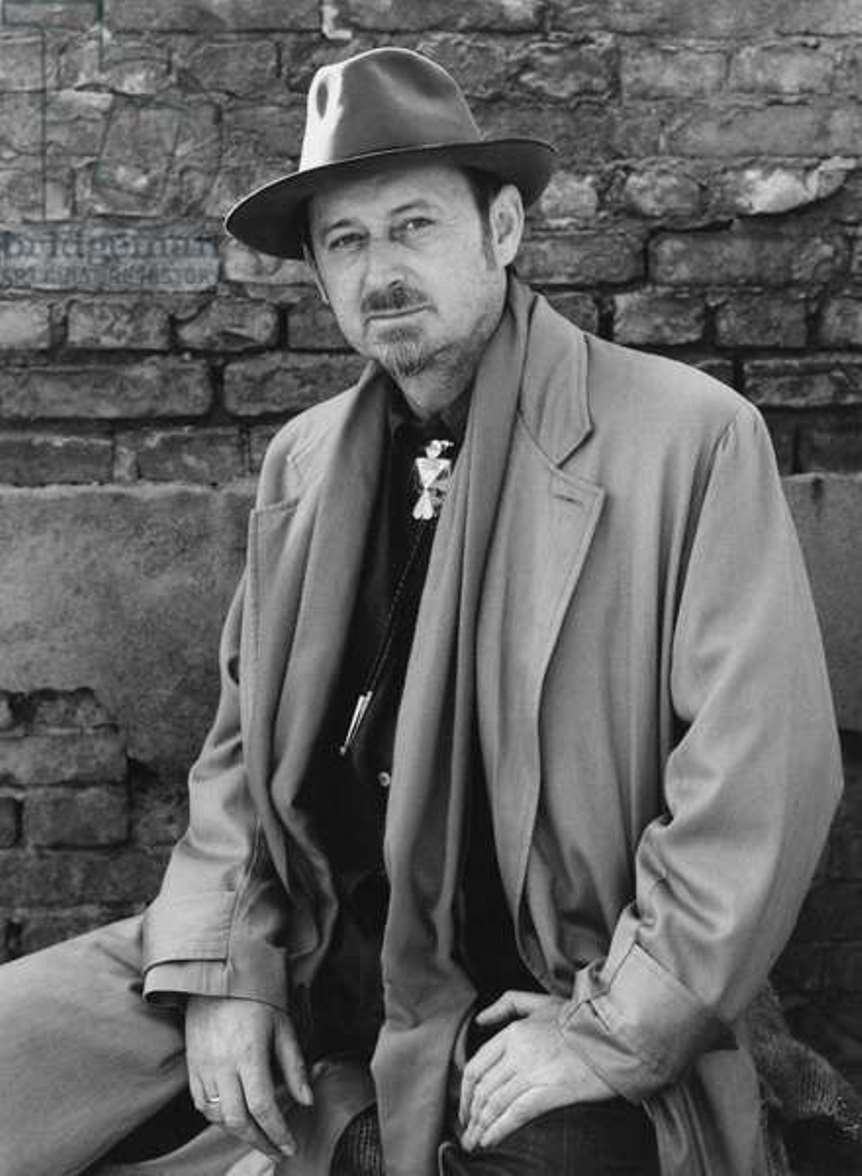
Karl Horst Hödicke is a German artist, a pioneer of German Neo-Expressionism and new figuration, and one of the most important representatives of German post-war painting.
After moving to Berlin in 1957, Hödicke encountered the eventful history of Berlin - the construction of the Berlin Wall, the Cold War, and reunification - and reflected it in his paintings.


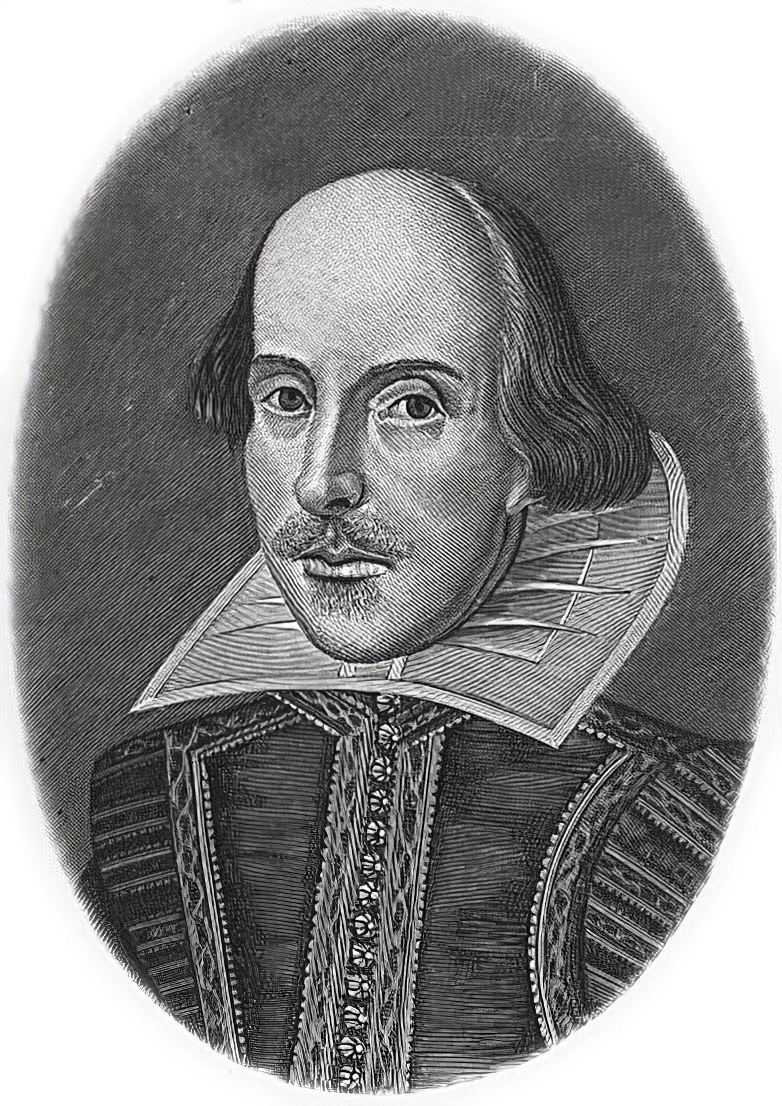
William Shakespeare was a British poet and playwright and writer.
William's father, John Shakespeare, was a merchant and official in Stratford. There are reports that he was a sailor for a time before joining a theater company in London. Beginning in the 1590s, Shakespeare began writing plays, and in 1593 he published a poem, Venus and Adonis, which became popular. He dedicated it to the Duke of Southampton, who was a philanthropist and patron of talent, and soon his business was booming.
From 1592 to 1600 Shakespeare wrote his dramas and romantic comedies "Richard III", "The Taming of the Shrew", "Romeo and Juliet", "A Midsummer Night's Dream" and "The Merchant of Venice", as well as the comedies "Much Ado About Nothing", "Twelfth Night" and the tragedy "Julius Caesar". The playwright's business was so successful that he even bought a large house in Stratford. In 1599, Shakespeare became one of the owners, playwright and actor of the new theater "Globe". In 1603 King James took Shakespeare's troupe under his direct patronage. In the mature period, the great playwright turned to tragedies, there were "Hamlet", "Othello", "King Lear", "Macbeth" and others.
Although in the 19th century researchers had some doubts about the authorship of many of these works, William Shakespeare is considered the greatest English playwright, one of the best playwrights in the world. His plays have been translated into all major languages and to this day form the basis of the world theatrical repertoire, most of them have been screened many times. According to the Guinness Book of Records, Shakespeare remains the world's best-selling playwright, and his plays and poems have sold more than 4 billion copies in the nearly 400 years since his death.
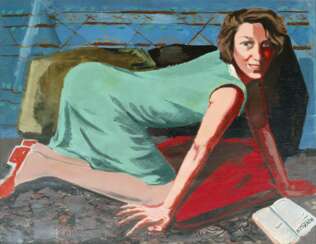

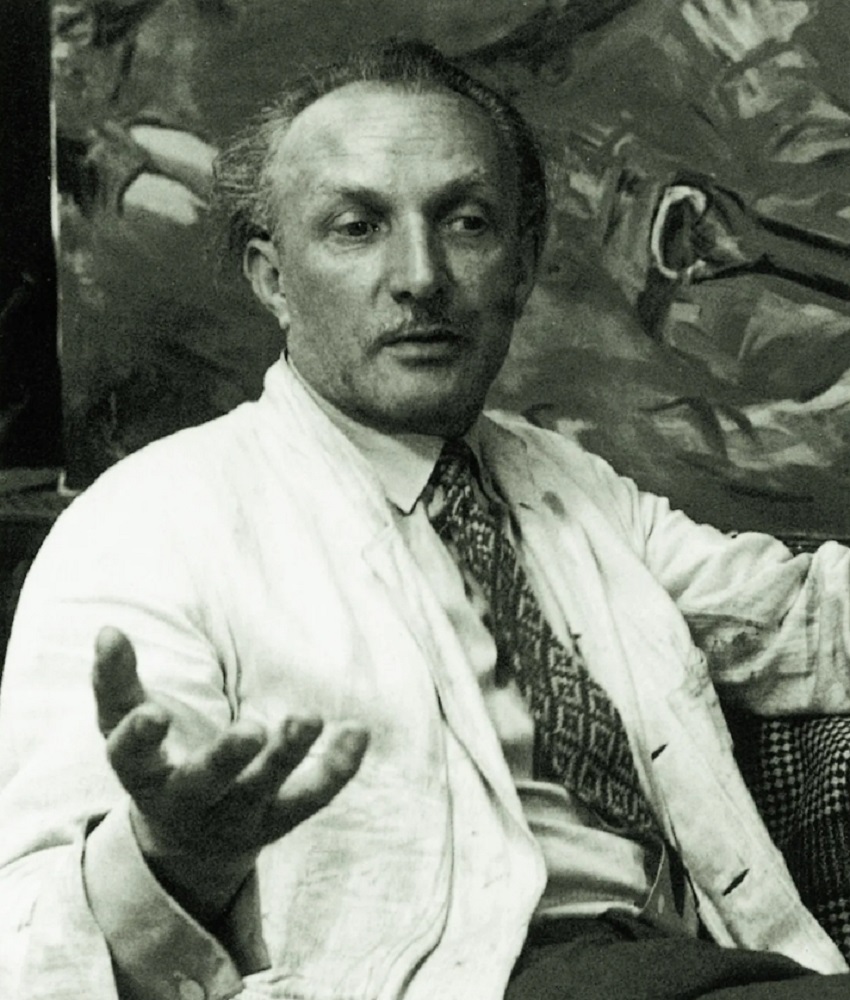
Karl Kluth was a German painter. He was a member of the Hamburg Künstlerverein, the Hamburg Artists' Association and the Hamburg Secession.









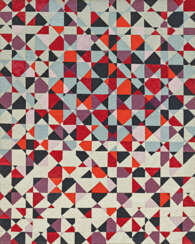

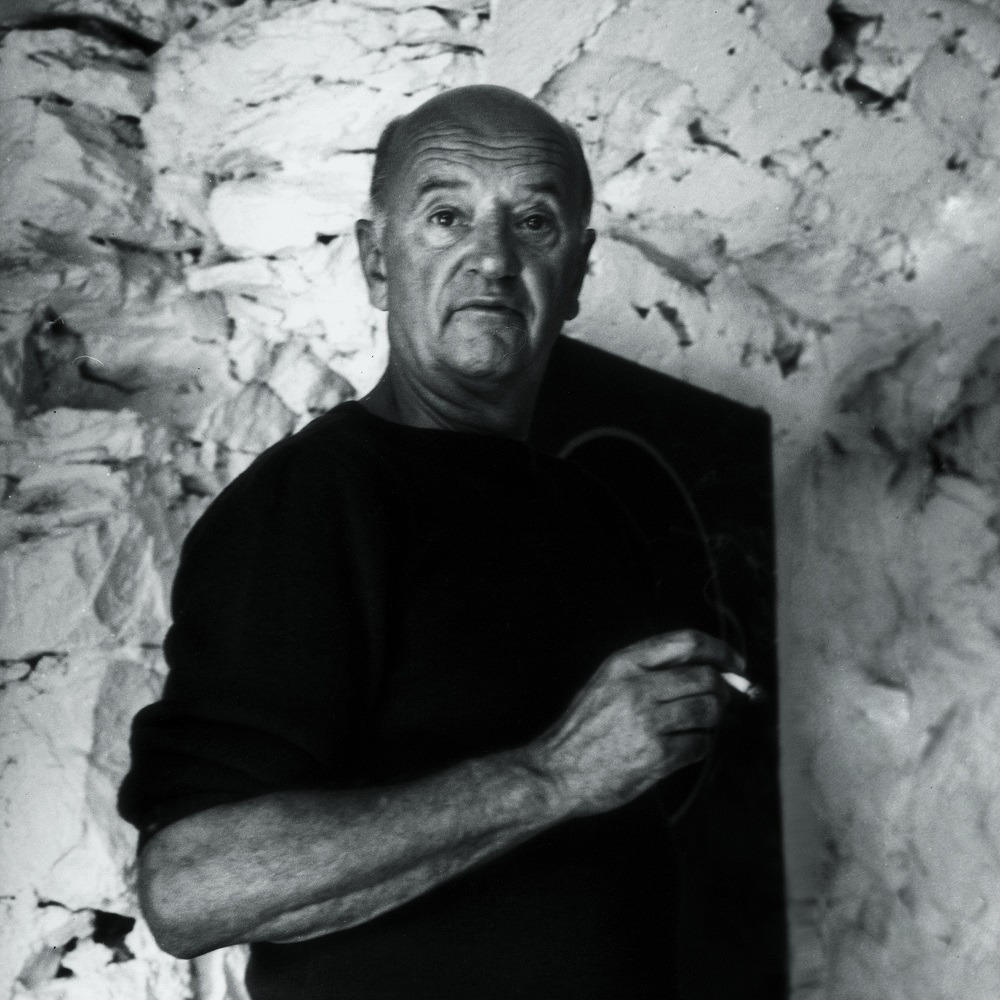
Jean Leppien (born Kurt Leppien) was a German-French painter.
From 1929, Leppien studied at the Bauhaus Dessau with Josef Albers, Wassily Kandinsky and Paul Klee. He lived in France since 1933, from where he was deported in 1944. After the war he stayed in France as Jean Leppien, where he exhibited at the Salon des Réalités Nouvelles. Leppien is one of the most important representatives of the Geometric abstraction in France. Stylistically, he is close to painters such as Alberto Magnelli, Jean Deyrolle, Michel Seuphor, Emile Gilioli and Aurélie Nemours.




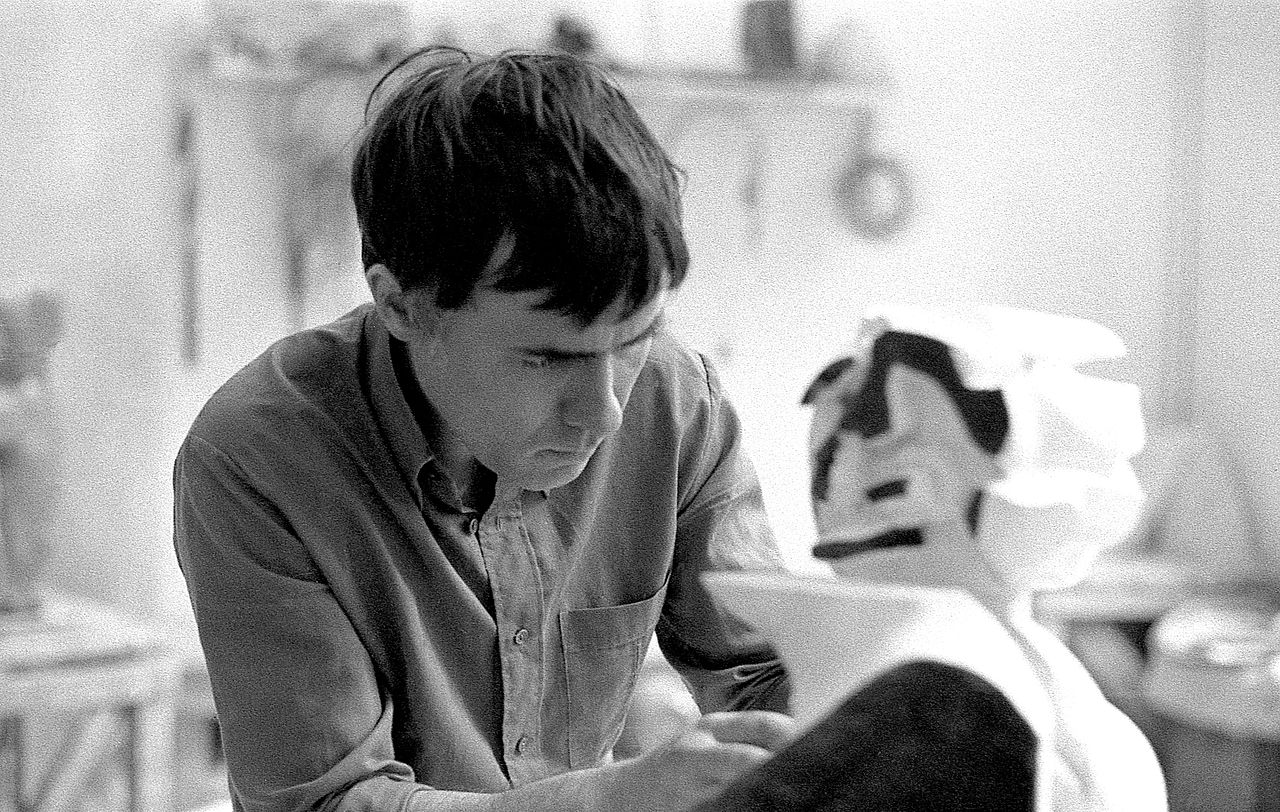
Michael Schoenholtz was a German sculptor.
Schoenholtz worked mainly as a stone sculptor, executing his works in a simple, reduced formal language after large-format charcoal preliminary drawings. His best-known works include sculptures in the crypt of the Frauenkirche in Dresden (1999-2005), which he designed. Sculptures by Michael Schoenholtz can be seen in public spaces in Heilbronn, Nordhorn, Soest and above all in Berlin. In 1966 he took part in the first sculpture symposium in Hořice in the Czech Republic.


Michael Schoenholtz was a German sculptor.
Schoenholtz worked mainly as a stone sculptor, executing his works in a simple, reduced formal language after large-format charcoal preliminary drawings. His best-known works include sculptures in the crypt of the Frauenkirche in Dresden (1999-2005), which he designed. Sculptures by Michael Schoenholtz can be seen in public spaces in Heilbronn, Nordhorn, Soest and above all in Berlin. In 1966 he took part in the first sculpture symposium in Hořice in the Czech Republic.

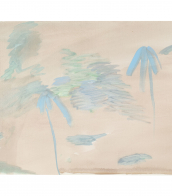


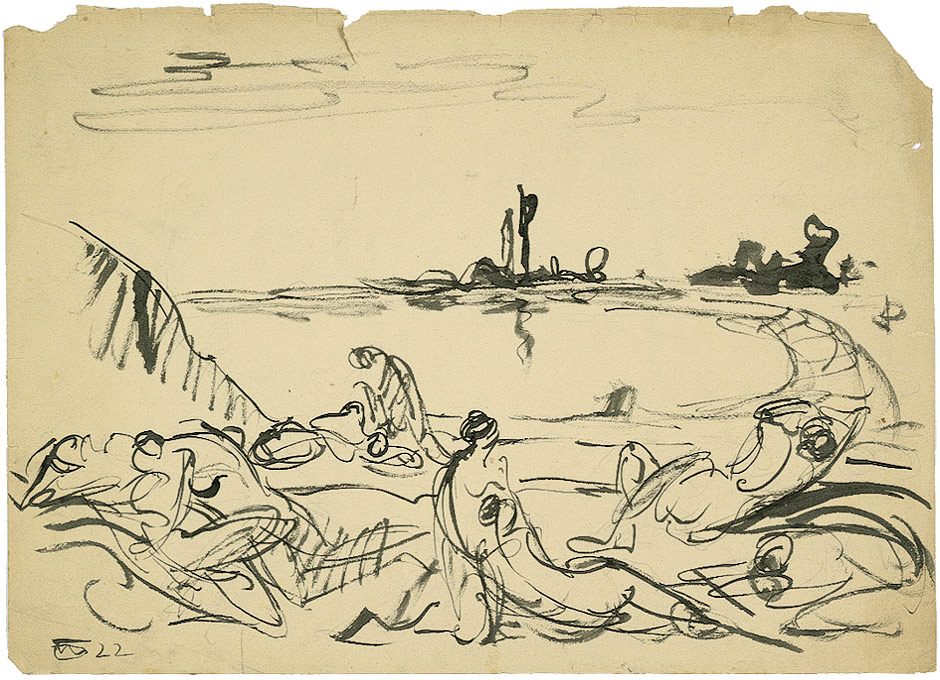
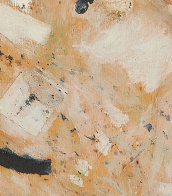
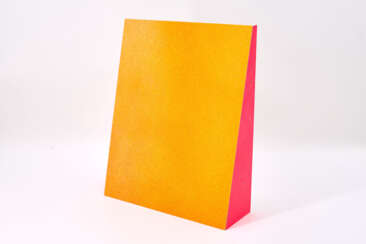

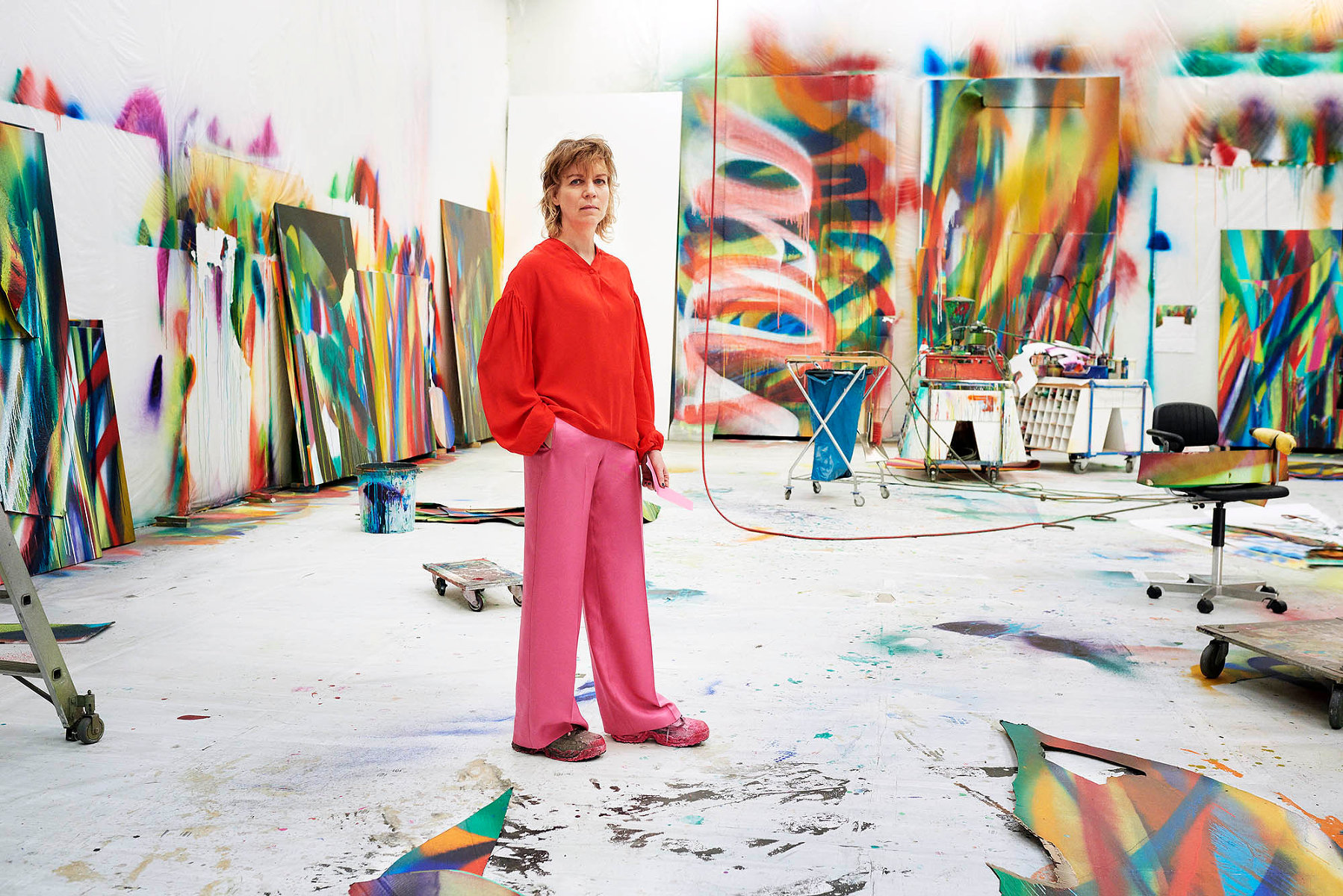
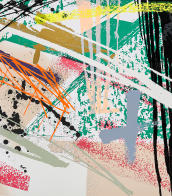
Katharina Grosse is a German artist. As an artist, Grosse's work employs a use of architecture, sculpture and painting. She is known for her large-scale, site-related installations to create immersive visual experiences. She has been using an industrial paint-sprayer to apply prismatic swaths of color to a variety of surfaces since the late 1990s, and often uses bright, unmixed sprayed-on acrylic paints to create both large-scale sculptural elements and smaller wall works.
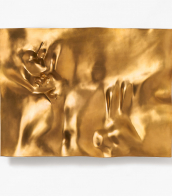


Katharina Grosse is a German artist. As an artist, Grosse's work employs a use of architecture, sculpture and painting. She is known for her large-scale, site-related installations to create immersive visual experiences. She has been using an industrial paint-sprayer to apply prismatic swaths of color to a variety of surfaces since the late 1990s, and often uses bright, unmixed sprayed-on acrylic paints to create both large-scale sculptural elements and smaller wall works.
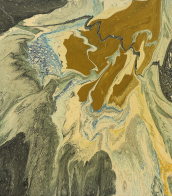


Katharina Grosse is a German artist. As an artist, Grosse's work employs a use of architecture, sculpture and painting. She is known for her large-scale, site-related installations to create immersive visual experiences. She has been using an industrial paint-sprayer to apply prismatic swaths of color to a variety of surfaces since the late 1990s, and often uses bright, unmixed sprayed-on acrylic paints to create both large-scale sculptural elements and smaller wall works.


Katharina Grosse is a German artist. As an artist, Grosse's work employs a use of architecture, sculpture and painting. She is known for her large-scale, site-related installations to create immersive visual experiences. She has been using an industrial paint-sprayer to apply prismatic swaths of color to a variety of surfaces since the late 1990s, and often uses bright, unmixed sprayed-on acrylic paints to create both large-scale sculptural elements and smaller wall works.
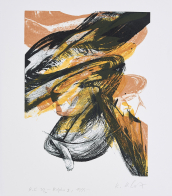


Katharina Grosse is a German artist. As an artist, Grosse's work employs a use of architecture, sculpture and painting. She is known for her large-scale, site-related installations to create immersive visual experiences. She has been using an industrial paint-sprayer to apply prismatic swaths of color to a variety of surfaces since the late 1990s, and often uses bright, unmixed sprayed-on acrylic paints to create both large-scale sculptural elements and smaller wall works.