aws exa
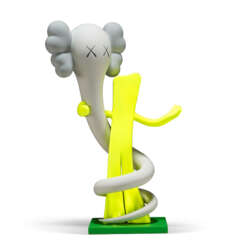

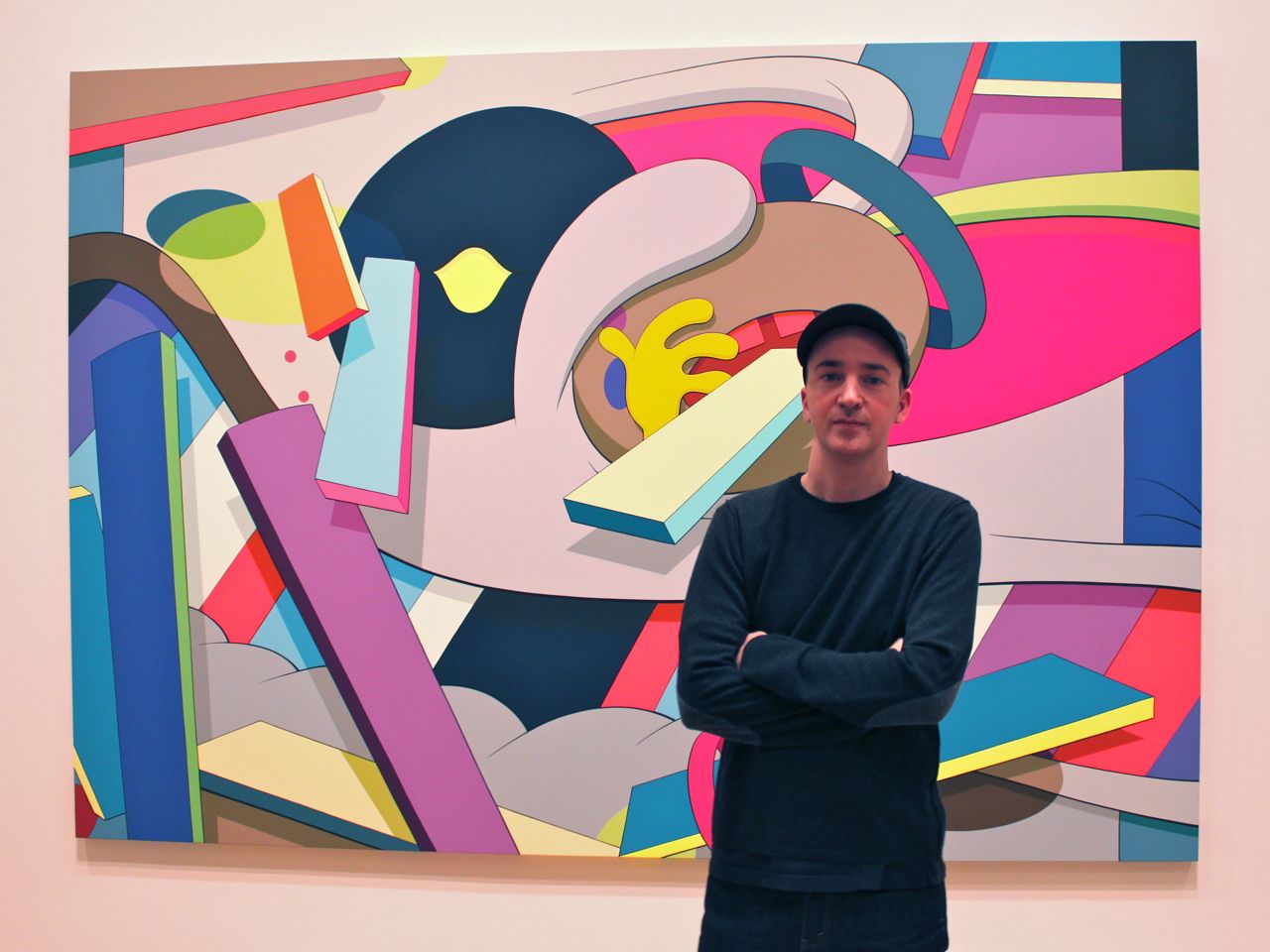
Brian Donnelly, known professionally as KAWS, is an American artist and designer. His work includes repeated use of a cast of figurative characters and motifs, some dating back to the beginning of his career in the 1990s, initially painted in 2D and later realized in 3D. Some of his characters are his own creations while others are reworked versions of existing icons.
Kaws' sculptures range in size from a few inches to ten meters tall, and are made from various materials including fiberglass, aluminum, wood, bronze, and a steel pontoon inflatable raft.
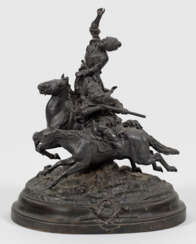

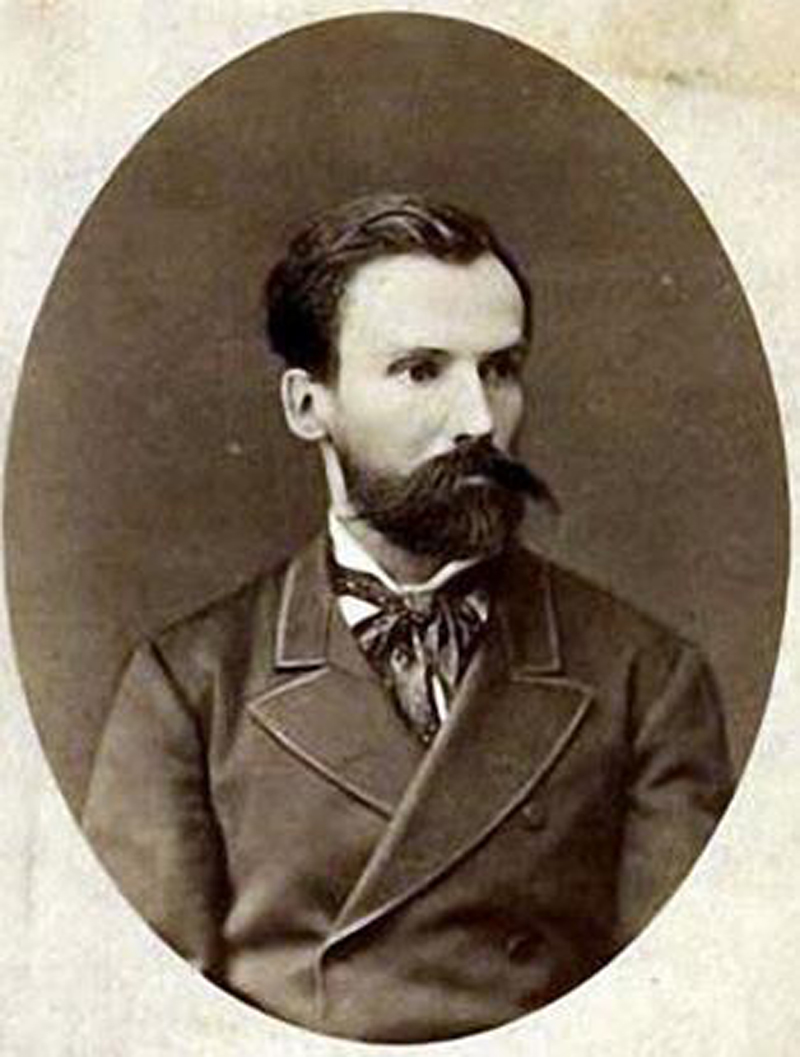
Yevgeny Alexandrovich Lanceray (Russian: Евгений Александрович Лансере) was a Russian sculptor born in 1848, renowned for his detailed bronze sculptures that often depicted historical and ethnographic themes. His works, celebrated for capturing the essence of 19th-century Russian life, include statues such as "Young Ossetian Sitting" and "Royal Falconer" which demonstrate his skill in portraying both human figures and animals with remarkable realism and emotion.
Lanceray's artistic journey began in St. Petersburg, where he was deeply influenced by his surroundings and the vibrant artistic community. He trained under the tutelage of prominent artists and developed a unique style that made substantial contributions to Russian art. His sculptures were widely appreciated for their dynamic representation of subjects and meticulous attention to detail.
Lanceray's legacy extends beyond his sculptures, as his works are featured in major galleries and are highly sought after by collectors. His dedication to art and his ability to portray Russian culture have left an indelible mark on the art world, making his pieces revered collectibles in auctions and exhibitions globally.
For collectors and experts interested in Lanceray's work, staying informed about upcoming auctions and exhibitions can be highly rewarding. To receive updates and exclusive information on Yevgeny Alexandrovich Lanceray, sign up for our newsletter, ensuring you never miss out on the opportunity to add a piece of this master sculptor’s legacy to your collection.


Yevgeny Alexandrovich Lanceray (Russian: Евгений Александрович Лансере) was a Russian sculptor born in 1848, renowned for his detailed bronze sculptures that often depicted historical and ethnographic themes. His works, celebrated for capturing the essence of 19th-century Russian life, include statues such as "Young Ossetian Sitting" and "Royal Falconer" which demonstrate his skill in portraying both human figures and animals with remarkable realism and emotion.
Lanceray's artistic journey began in St. Petersburg, where he was deeply influenced by his surroundings and the vibrant artistic community. He trained under the tutelage of prominent artists and developed a unique style that made substantial contributions to Russian art. His sculptures were widely appreciated for their dynamic representation of subjects and meticulous attention to detail.
Lanceray's legacy extends beyond his sculptures, as his works are featured in major galleries and are highly sought after by collectors. His dedication to art and his ability to portray Russian culture have left an indelible mark on the art world, making his pieces revered collectibles in auctions and exhibitions globally.
For collectors and experts interested in Lanceray's work, staying informed about upcoming auctions and exhibitions can be highly rewarding. To receive updates and exclusive information on Yevgeny Alexandrovich Lanceray, sign up for our newsletter, ensuring you never miss out on the opportunity to add a piece of this master sculptor’s legacy to your collection.
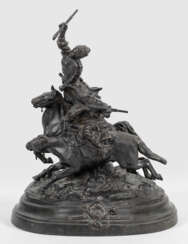

Yevgeny Alexandrovich Lanceray (Russian: Евгений Александрович Лансере) was a Russian sculptor born in 1848, renowned for his detailed bronze sculptures that often depicted historical and ethnographic themes. His works, celebrated for capturing the essence of 19th-century Russian life, include statues such as "Young Ossetian Sitting" and "Royal Falconer" which demonstrate his skill in portraying both human figures and animals with remarkable realism and emotion.
Lanceray's artistic journey began in St. Petersburg, where he was deeply influenced by his surroundings and the vibrant artistic community. He trained under the tutelage of prominent artists and developed a unique style that made substantial contributions to Russian art. His sculptures were widely appreciated for their dynamic representation of subjects and meticulous attention to detail.
Lanceray's legacy extends beyond his sculptures, as his works are featured in major galleries and are highly sought after by collectors. His dedication to art and his ability to portray Russian culture have left an indelible mark on the art world, making his pieces revered collectibles in auctions and exhibitions globally.
For collectors and experts interested in Lanceray's work, staying informed about upcoming auctions and exhibitions can be highly rewarding. To receive updates and exclusive information on Yevgeny Alexandrovich Lanceray, sign up for our newsletter, ensuring you never miss out on the opportunity to add a piece of this master sculptor’s legacy to your collection.



Frederick Carl Frieseke was an American Impressionist painter who spent most of his life as an expatriate in France. An influential member of the Giverny art colony, his paintings often concentrated on various effects of dappled sunlight. He is especially known for painting female subjects, both indoors and out.










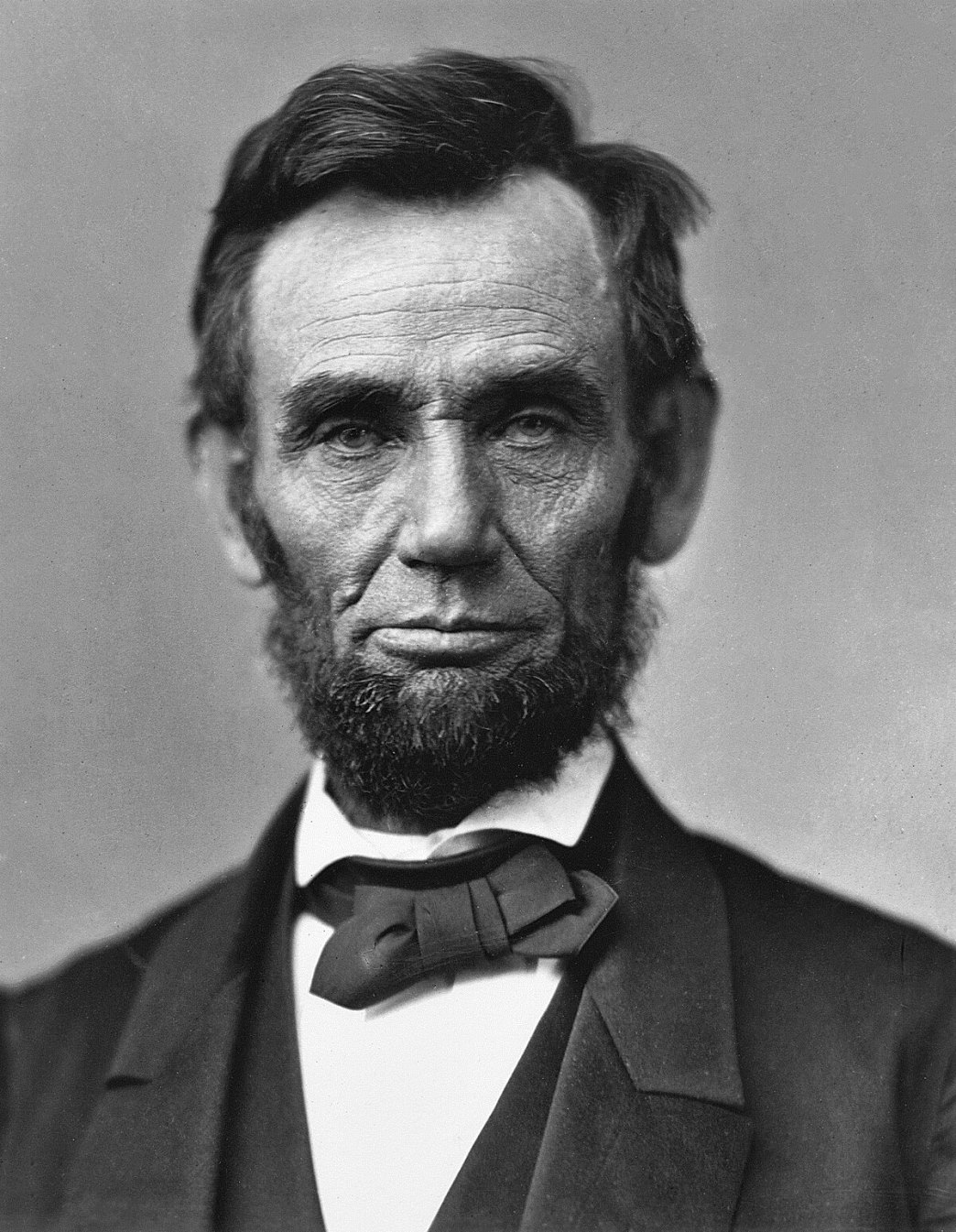
Abraham Lincoln was an American statesman and politician, the 16th President of the United States (March 4, 1861 - April 15, 1865).
The son of a frontiersman and a Kentucky farmer, Lincoln worked hard from an early age and struggled to learn. He was a militiaman in the Indian War, practiced law, and sat in the Illinois legislature for eight years. He was an opponent of slavery and gradually gained a national reputation that earned him victory in the 1860 presidential election.
After becoming the 16th president of the United States, Abraham Lincoln turned the Republican Party into a strong national organization. In addition, he drew most Northern Democrats to the Union side. On January 1, 1863, he issued the Emancipation Proclamation, which declared permanently free those slaves who were in Confederate territory. Lincoln considered secession illegal and was prepared to use force to defend federal law and the Union. Four more slave states joined the Confederacy, but four remained in the Union, and the Civil War of 1861-1865 began.
Lincoln personally directed the military action that led to victory over the Confederacy. Abraham Lincoln was reelected in 1864, and on April 14, 1865, he was fatally shot at Ford's Theatre in Washington, D.C. by actor John Wilkes Booth.
Abraham Lincoln is a national hero of the American people, he is considered one of the best and most famous presidents of the United States until today.









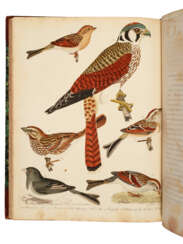

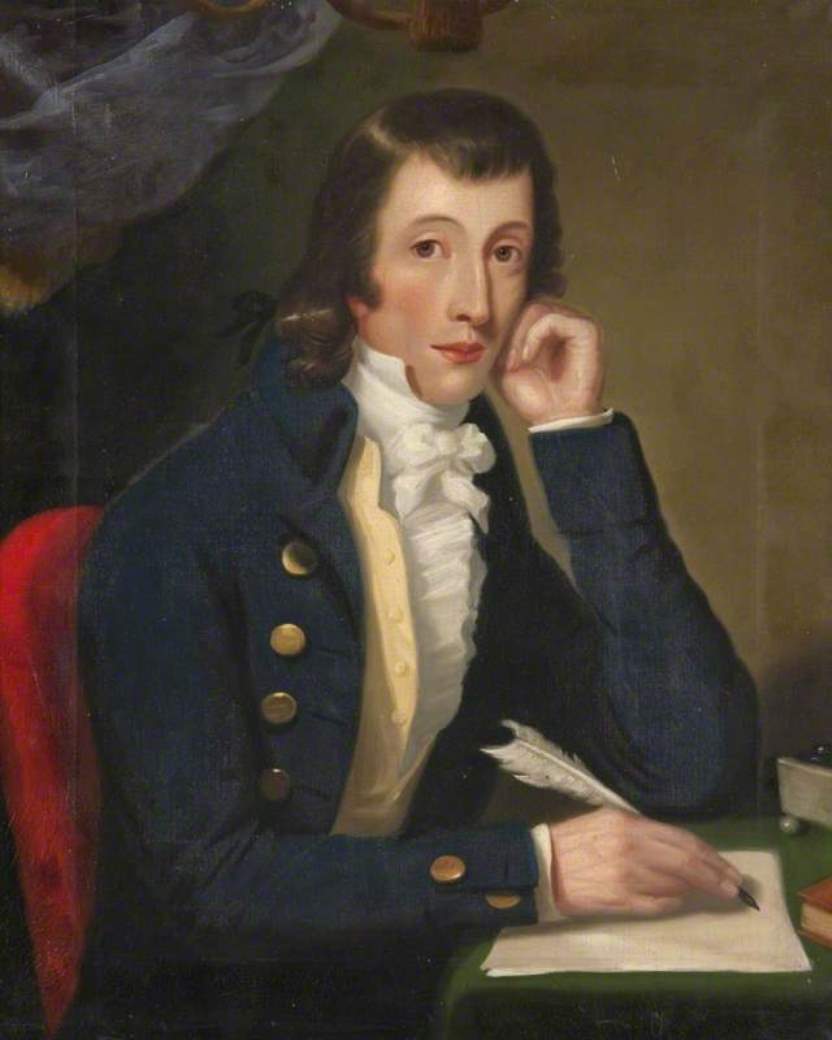
Alexander Wilson was a Scottish-born American naturalist, ornithologist, illustrator, and poet.
Wilson emigrated from Scotland to America in 1794, spent several years teaching in Philadelphia and New Jersey, and then became interested in studying native birds. He traveled extensively in the American wilderness and captured and studied over 300 different birds, including several previously unknown. He made his own drawings and detailed descriptions, supported by reading scientific literature.
The results of his research were published under the title American Ornithology in eight volumes beginning in 1808. The ninth volume was published after his death in August 1813. One of the first subscribers was President Thomas Jefferson. Alexander Wilson was a member of the Society of Artists of the United States and the American Philosophical Society. The Wilson Ornithological Society is named in his honor, and a monument is erected in Abbey Close, Paisley. Several species of birds are named in his honor.
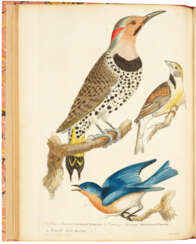

Alexander Wilson was a Scottish-born American naturalist, ornithologist, illustrator, and poet.
Wilson emigrated from Scotland to America in 1794, spent several years teaching in Philadelphia and New Jersey, and then became interested in studying native birds. He traveled extensively in the American wilderness and captured and studied over 300 different birds, including several previously unknown. He made his own drawings and detailed descriptions, supported by reading scientific literature.
The results of his research were published under the title American Ornithology in eight volumes beginning in 1808. The ninth volume was published after his death in August 1813. One of the first subscribers was President Thomas Jefferson. Alexander Wilson was a member of the Society of Artists of the United States and the American Philosophical Society. The Wilson Ornithological Society is named in his honor, and a monument is erected in Abbey Close, Paisley. Several species of birds are named in his honor.


Paul Gauguin, a French artist born in Paris in 1848, is renowned for his significant contributions to Post-Impressionism, Primitivism, and Synthetism. Gauguin's art is distinguished by his experimental use of color and style, which set him apart from the traditional Impressionist movement.
Gauguin's early life was marked by a period in Peru, which influenced his artistic perspective. Initially, he pursued a career in stockbroking but soon turned to art, driven by financial necessity and a growing passion. His artistic journey began under the mentorship of Impressionist artist Camille Pissarro and through exposure to the works of other avant-garde artists.
The hallmark of Gauguin's work is his exploration of non-Western cultures, particularly during his time in Tahiti and the Marquesas Islands. This period saw the creation of some of his most famous works, including "Where Do We Come From? What Are We? Where Are We Going?" His paintings from this era, characterized by vivid colors and Symbolist themes, reflect a fusion of cultural influences and his quest for a "primitive" expression of spiritual and emotional states.
Despite his innovative style, Gauguin struggled with financial difficulties and health issues throughout his life. His work received little recognition during his lifetime, but posthumously, he gained acclaim for influencing modern artists like Pablo Picasso and Henri Matisse.
Today, Gauguin's works are celebrated in galleries and museums worldwide for their unique blend of cultural influences and artistic innovation. His enduring legacy is a testament to his unique vision and the profound impact he had on the art world.
Collectors and experts in art and antiques, stay updated on new product sales and auction events related to Paul Gauguin. Sign up now for exclusive updates and immerse yourself in the world of this visionary artist.