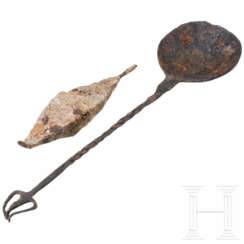
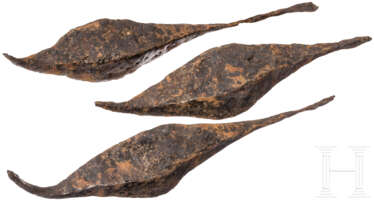
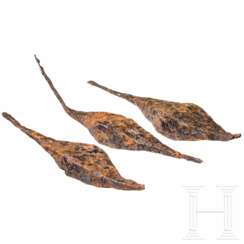
barren germanisch












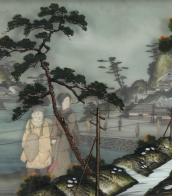


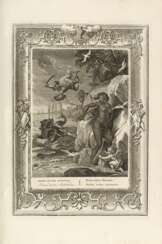









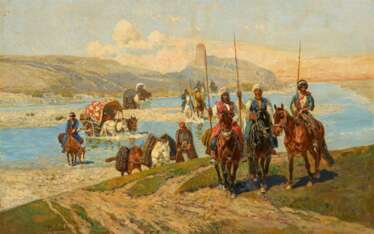

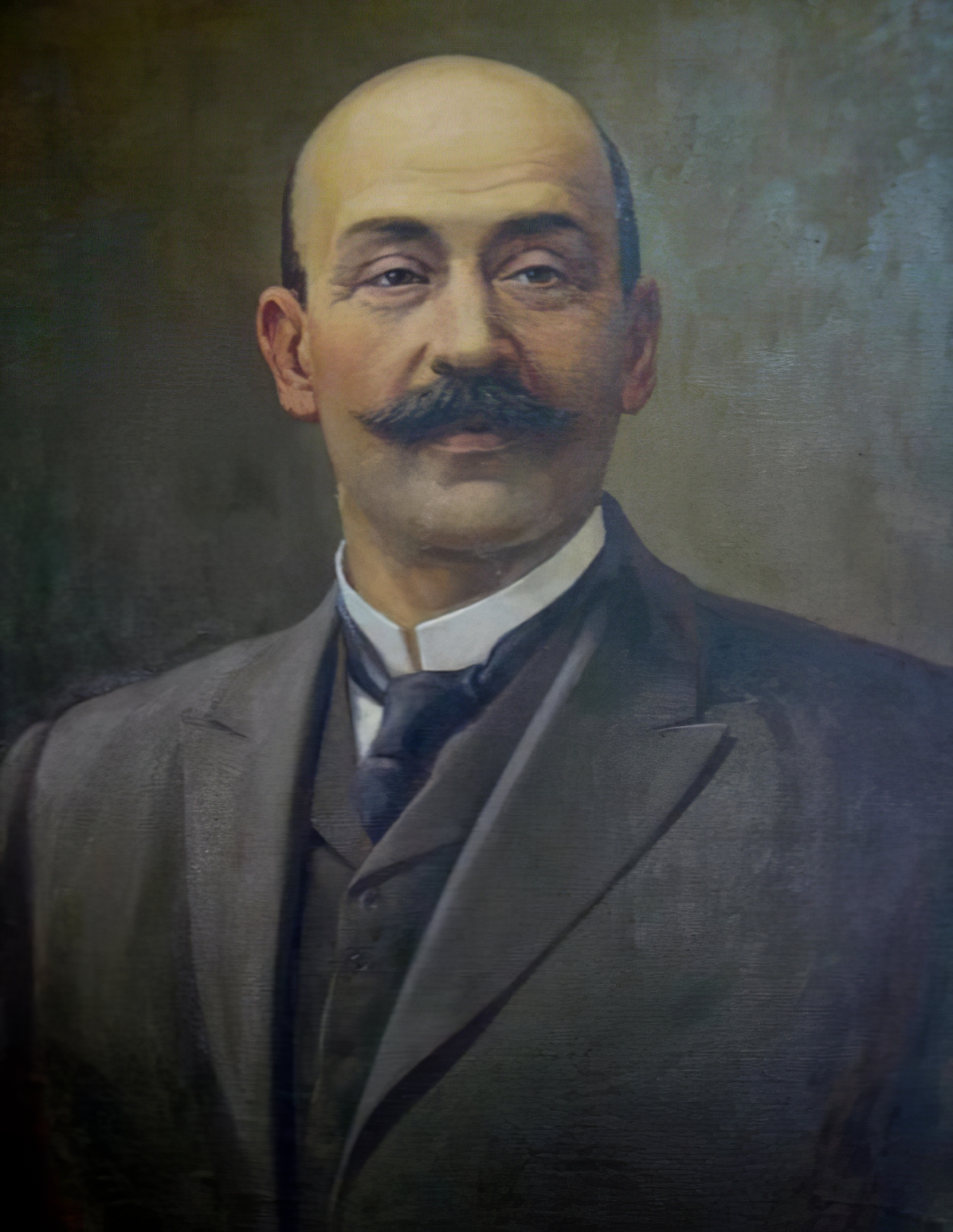
Franz Roubaud (Russian: Франц Алексеевич Рубо) was a Russian painter, known for his panoramic paintings and battle scenes. Born in Odessa in 1856, Roubaud studied at the Imperial Academy of Arts in St. Petersburg and furthered his education in Munich. His works are celebrated for their meticulous detail and dynamic composition.
One of his most famous works is the "Siege of Sevastopol," a monumental panorama depicting a key event from the Crimean War. This masterpiece is housed in the Panorama Museum in Sevastopol and stands as a testament to Roubaud's ability to convey historical grandeur and emotional intensity.
Roubaud's contributions to Russian art extend beyond his canvases, as he was also a respected professor at the Academy of Arts in St. Petersburg. His legacy continues to influence modern Russian painters, and his works are sought after by collectors and art enthusiasts worldwide.
Stay updated on new product sales and auction events related to Franz Roubaud (Rubo) by signing up for our newsletter. Don’t miss the chance to own a piece of history!







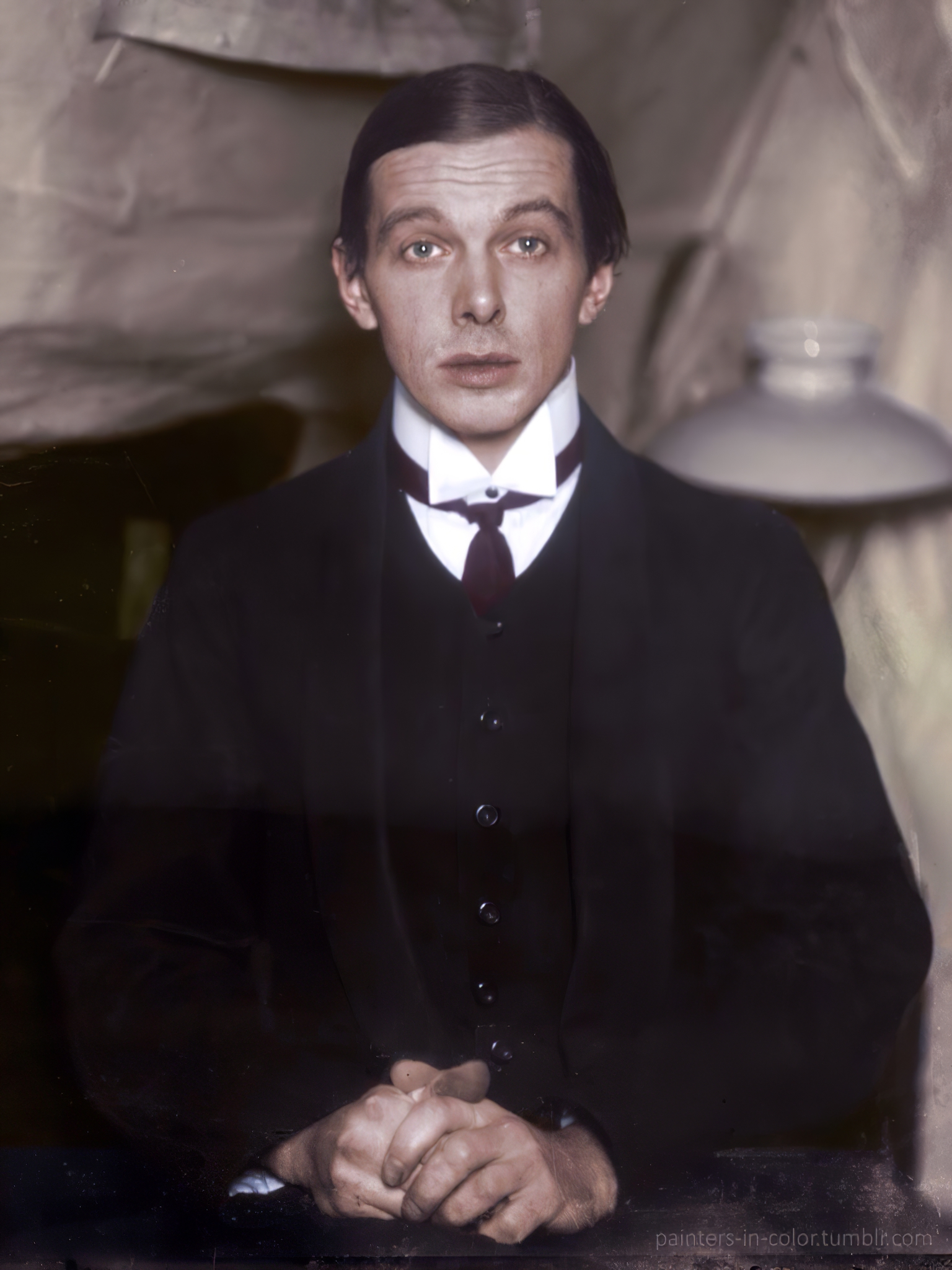
Ernst Ludwig Kirchner was a pivotal figure in the art world, known for his profound impact on 20th-century Expressionism. Born in Bavaria, Germany, on May 6, 1880, Kirchner's journey into art began with architecture studies before he found his true calling in painting and printmaking. In 1905, alongside fellow architecture students, he co-founded Die Brücke ("The Bridge"), a group that sought to revolutionize art by bridging the gap between traditional academic styles and modern artistic expression. This group was instrumental in the development of Expressionism, advocating for intense emotion conveyed through vivid colors and bold lines.
Kirchner's work, characterized by its expressive intensity and often exploring themes of urban life and the human psyche, reflects a deep engagement with the cultural and social upheavals of his time. Notably, his experiences during World War I, including a mental breakdown and subsequent discharge from military service, deeply influenced his art. Works like "Self-Portrait as a Soldier" (1915) poignantly encapsulate the personal and societal trauma of the era.
After the war, Kirchner sought solace in Davos, Switzerland, where the tranquil landscapes inspired a new direction in his work, showcasing a more serene and reflective approach. Despite his contributions to modern art, Kirchner's later years were marred by the Nazi regime's denunciation of his work as "degenerate," leading to the destruction and dispersal of many pieces. Tragically, this persecution contributed to his decision to end his life on June 15, 1938.
Kirchner's legacy is preserved through his influential body of work, from vivid urban scenes to tranquil landscapes, all marked by a distinctive, expressive style that continues to captivate art collectors and experts. His works are held in major museums worldwide, including the Museum of Modern Art in New York and the National Gallery of Art in Washington, underscoring his enduring influence on the art world.
For those interested in the profound impact of Ernst Ludwig Kirchner on modern art and Expressionism, subscribing to updates on new product sales and auction events related to his work can provide valuable insights. This subscription is an opportunity for collectors and art experts to stay informed about the availability of Kirchner's influential pieces and related events.


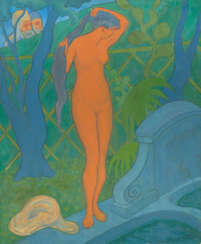

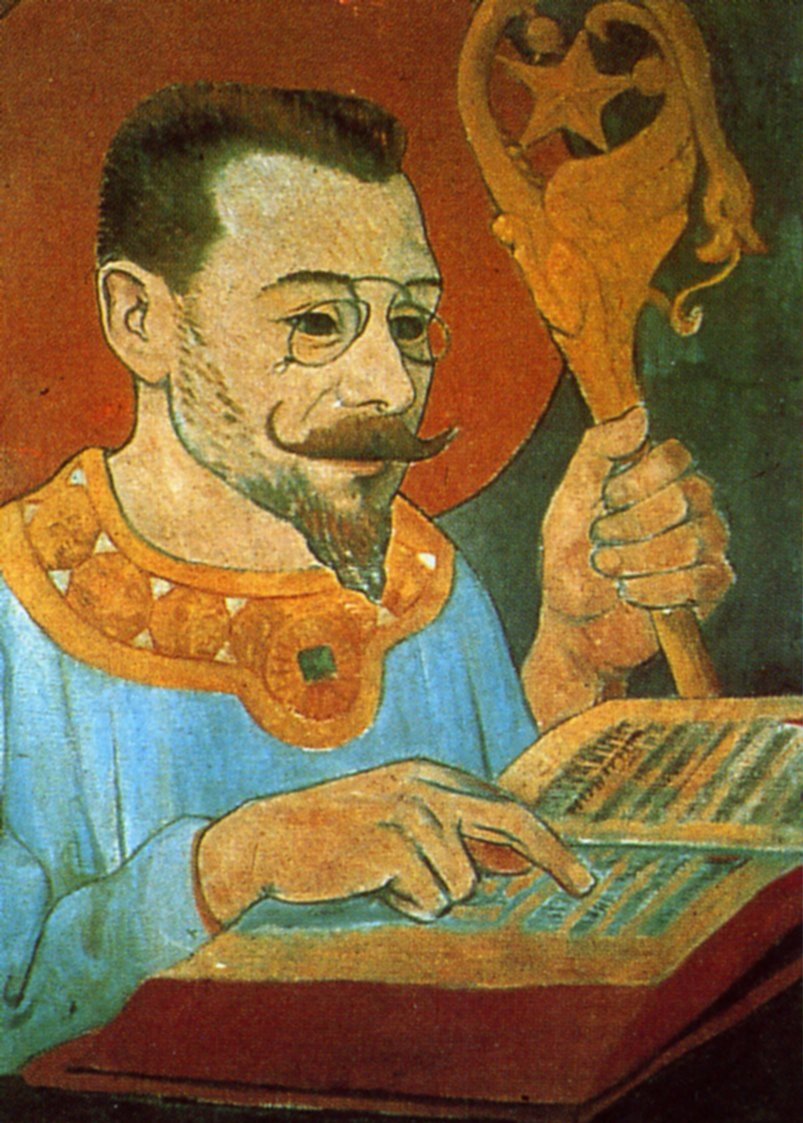
Paul-Élie Ranson, a French painter and writer, emerged as a prominent figure in the late 19th century art scene. Born in Limoges, he was raised by his grandparents and father after his mother's demise during childbirth. Ranson's early artistic inclinations were nurtured with drawing lessons from his grandfather. His educational journey in the arts began at the École des Beaux-Arts Appliqués à l'Industrie and later continued at the Académie Julian in Paris.
Ranson was a pivotal member of "Les Nabis," a group instrumental in transitioning from Impressionism to modern art. Along with notable contemporaries like Paul Sérusier, Pierre Bonnard, and Maurice Denis, he helped establish an art movement that blended elements of Symbolism, Art Nouveau, and Japanese prints. Ranson's role extended beyond painting; he was actively involved in the Symbolist performances at the Théâtre d'Art and directed a notable performance of "Ubu Roi" by Alfred Jarry.
Ranson's artistic oeuvre is marked by a fascination with Theosophy, magic, and occultism, themes that increasingly influenced his work. His paintings often delved into mythology, witchcraft, and anti-clerical subjects. Some of his notable works include "Christ and Buddha" (1880), "Witches Around the Fire" (1891), and "The Blue Room" (circa 1900). These works exemplify his unique blend of thematic and stylistic elements, setting him apart from his contemporaries.
Tragically, Ranson's life was cut short by typhoid fever in 1909. However, his legacy continued through the Académie Ranson, founded by his friends in Les Nabis. This institution, managed initially by Ranson and later by his wife Marie, remained active until 1955, perpetuating his influence on future generations of artists.
For art collectors and experts, Ranson's work offers a unique window into the transitionary period of late 19th-century art, showcasing the interplay of traditional and emerging styles. His contributions to the Symbolist and Nabi movements are particularly noteworthy.
To stay updated on new product sales and auction events related to Paul-Élie Ranson, sign up for our updates. This subscription service is tailored to keep art aficionados informed about the latest developments and opportunities related to Ranson's art.