c thu


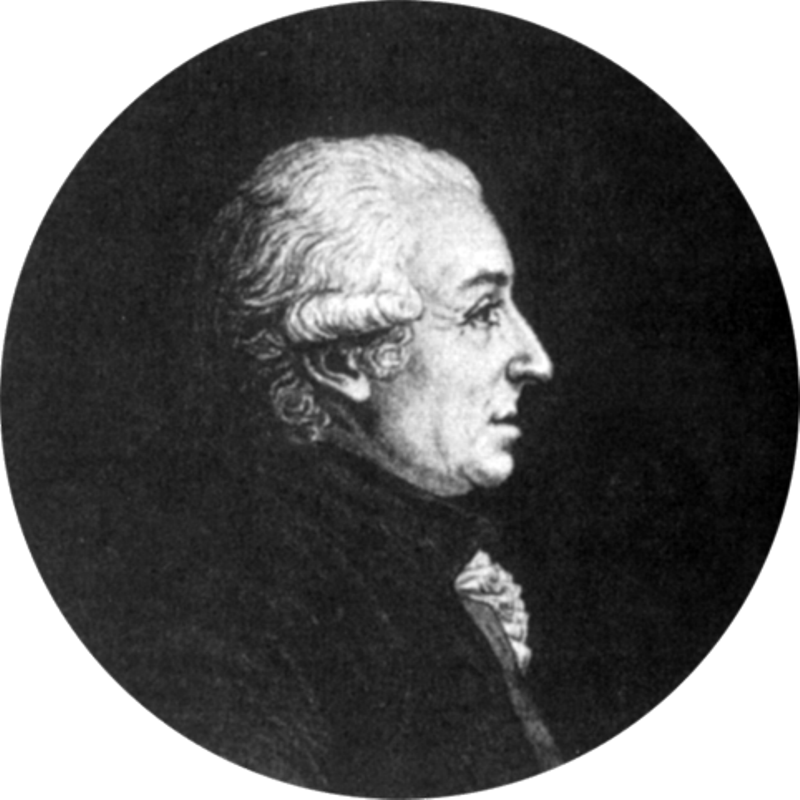
Mathurin Jacques Brisson was a French zoologist, ornithologist, naturalist and physicist, a member of the Academy of Sciences.
He is known for his published works in natural history: Le Règne animal ("The Kingdom of Animals", 1756) and Ornithologie ("Ornithology", 1760), in which he described 1,500 species of birds grouped into 115 genera, twenty-six orders, and two classes. Brisson was one of the first to come close to the concept of "type" in zoology, although he does not use the term, but his classification was used for about 100 years. He translated a number of important books on zoology for his time into French.
Brisson's works in physics are related to the measurement of specific gravity of various bodies, the study of gases and refraction of light, mirrors, magnetism, atmospheric electricity, and barometers.
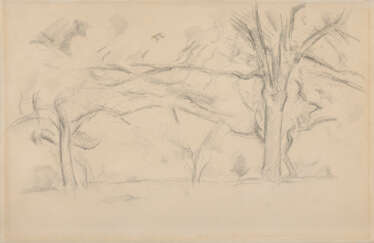

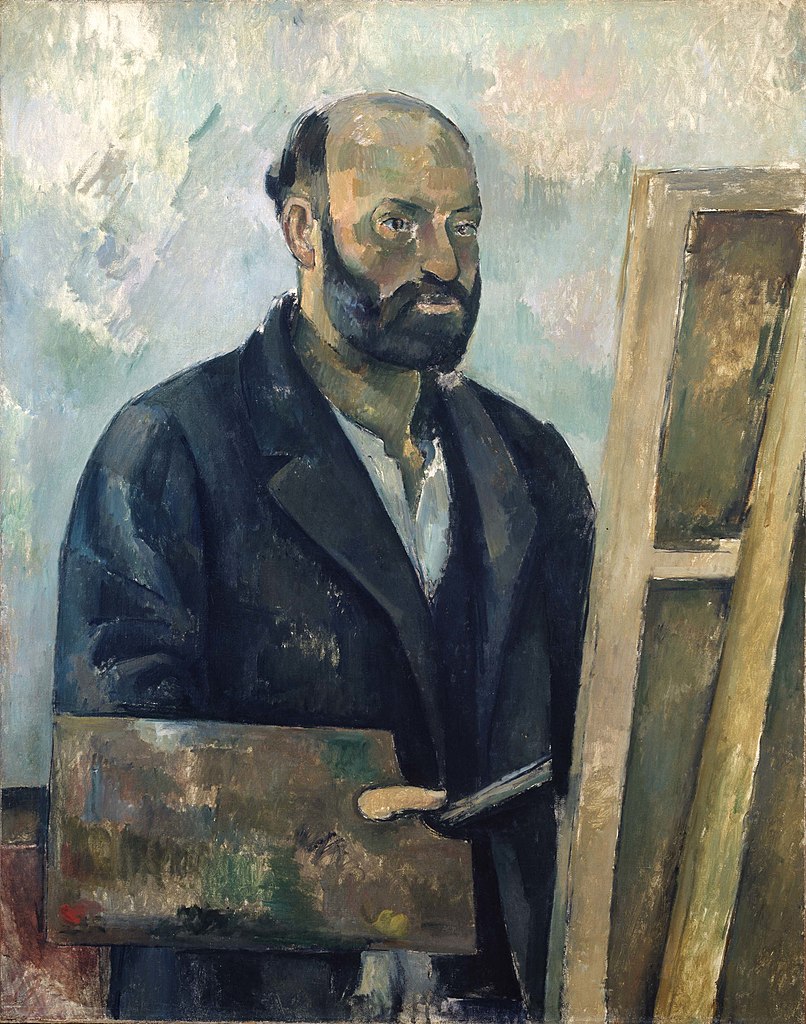
Paul Cézanne, a French Post-Impressionist painter, was pivotal in shaping the transition from 19th-century art to a new, revolutionary approach in the 20th century. His unique and exploratory brushstrokes, utilizing planes of color to form complex fields, made his work instantly recognizable and influential in the development of Cubism.
Cézanne’s early works, influenced by Romanticism and Realism, evolved into a groundbreaking artistic language. He challenged traditional perspective and academic art rules, focusing on objects' structural aspects and art's formal qualities. This approach led to a renewed emphasis on impressionistic color space and modulation principles.
His most notable works, like “Mont Sainte-Victoire,” “The Card Players,” and “The Bathers,” display his mastery in creating depth and dimension through color gradations. These paintings, initially met with skepticism, eventually cemented Cézanne’s reputation as a pioneering artist. His exhibitions, particularly the one-man show by dealer Ambroise Vollard in 1895, played a critical role in his recognition.
Cézanne’s impact on art history is profound, with greats like Henri Matisse and Pablo Picasso acknowledging him as a significant influence. His exploration of geometric forms and innovative use of light and color laid the groundwork for subsequent movements, particularly Cubism.
For collectors and art experts, Cézanne's works are more than just paintings; they are pivotal chapters in the narrative of modern art. His creations, bridging Impressionism and Cubism, continue to inspire and challenge contemporary artists.
To stay updated on new product sales and auction events related to Paul Cézanne, sign up for our updates. This subscription ensures you remain informed about the latest developments in the world of this revolutionary artist.

 (1908 Paris - 2001 Rossinière, Switzerland).jpg)
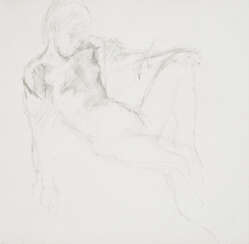
Balthus, a Polish-French artist, was a notable figure in 20th-century art, renowned for his unique approach to painting. Born Balthasar Klossowski de Rola in Paris in 1908, he delved into traditional European painting genres, such as landscapes, still lifes, subject paintings, and portraits. Despite the prevailing avant-garde trends, Balthus's work stood out for its introspective and often controversial portrayal of adolescent girls.
His art, marked by a dreamlike quality and a departure from modernist styles, drew the attention of prominent literary and artistic figures, including André Breton and Pablo Picasso. Balthus's early years were shaped by significant influences, including the poet Rilke, who supported his first publication at the age of 13. Throughout his career, Balthus maintained a distance from the conventional art scene, focusing on a deeply personal and evocative style that continues to captivate art collectors and experts.
Noteworthy works by Balthus reside in esteemed museums and galleries, reflecting his lasting impact on the art world. His paintings, characterized by a blend of realism and surreal undertones, invite viewers into a world of nuanced expression and complex emotion.
For art and antique collectors interested in Balthus's work, staying informed about upcoming sales and auction events is crucial. By signing up for updates, collectors can gain early access to valuable pieces and deepen their engagement with the artist's legacy. This subscription is specifically tailored to alert enthusiasts about new product sales and auction events related to Balthus, ensuring that aficionados don't miss out on valuable opportunities to acquire pieces by this iconic artist.
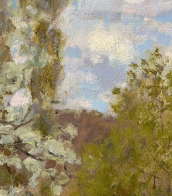
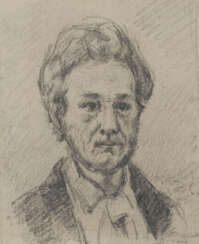

Paul Cézanne, a French Post-Impressionist painter, was pivotal in shaping the transition from 19th-century art to a new, revolutionary approach in the 20th century. His unique and exploratory brushstrokes, utilizing planes of color to form complex fields, made his work instantly recognizable and influential in the development of Cubism.
Cézanne’s early works, influenced by Romanticism and Realism, evolved into a groundbreaking artistic language. He challenged traditional perspective and academic art rules, focusing on objects' structural aspects and art's formal qualities. This approach led to a renewed emphasis on impressionistic color space and modulation principles.
His most notable works, like “Mont Sainte-Victoire,” “The Card Players,” and “The Bathers,” display his mastery in creating depth and dimension through color gradations. These paintings, initially met with skepticism, eventually cemented Cézanne’s reputation as a pioneering artist. His exhibitions, particularly the one-man show by dealer Ambroise Vollard in 1895, played a critical role in his recognition.
Cézanne’s impact on art history is profound, with greats like Henri Matisse and Pablo Picasso acknowledging him as a significant influence. His exploration of geometric forms and innovative use of light and color laid the groundwork for subsequent movements, particularly Cubism.
For collectors and art experts, Cézanne's works are more than just paintings; they are pivotal chapters in the narrative of modern art. His creations, bridging Impressionism and Cubism, continue to inspire and challenge contemporary artists.
To stay updated on new product sales and auction events related to Paul Cézanne, sign up for our updates. This subscription ensures you remain informed about the latest developments in the world of this revolutionary artist.
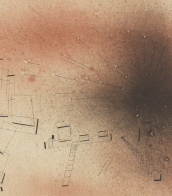
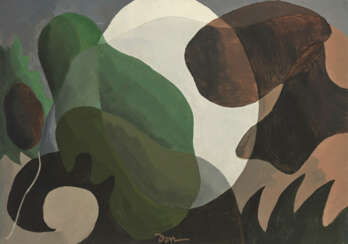

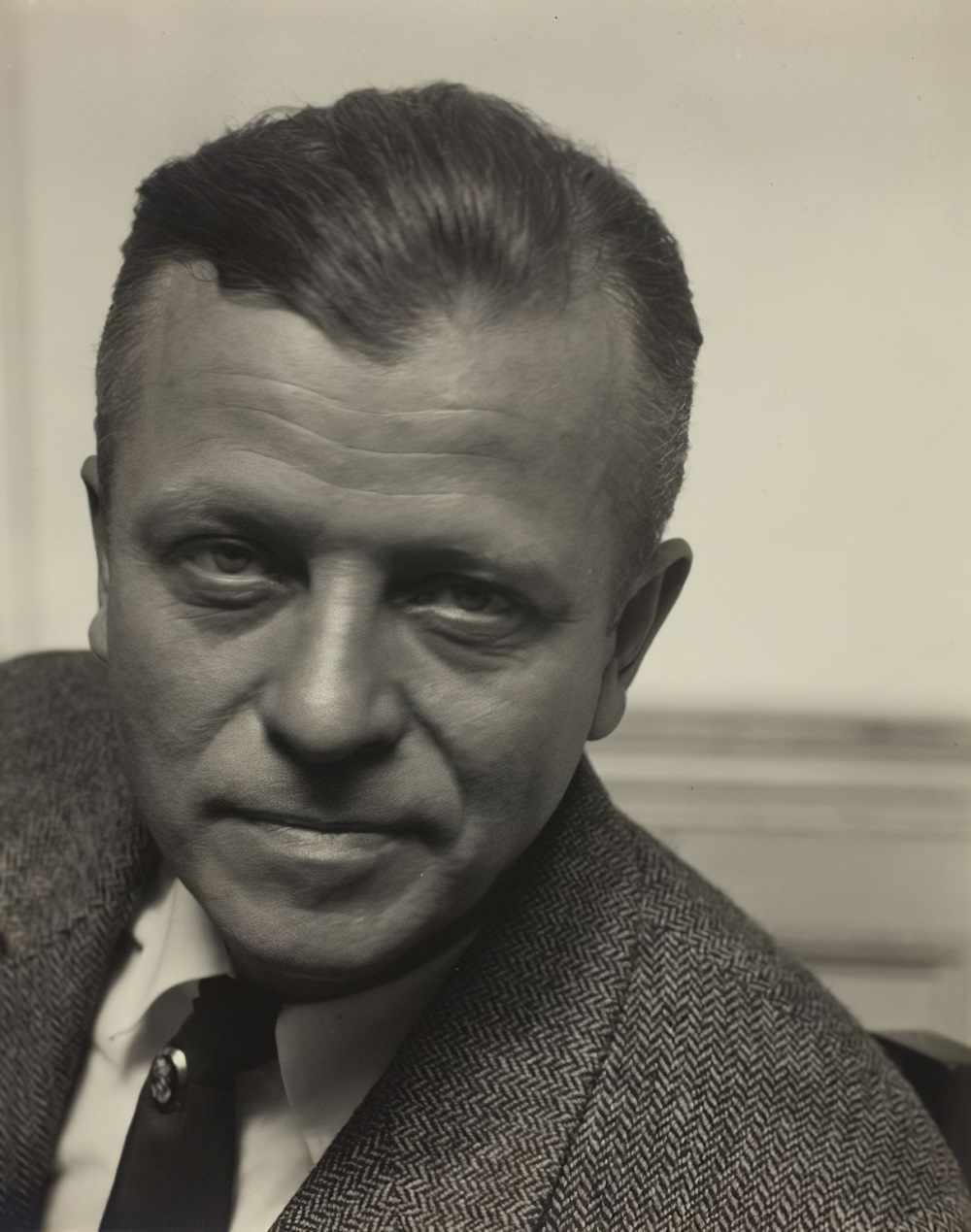
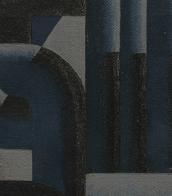
Arthur Garfield Dove was an American artist. An early American modernist, he is often considered the first American abstract painter. Dove used a wide range of media, sometimes in unconventional combinations, to produce his abstractions and his abstract landscapes. Me and the Moon from 1937 is a good example of an Arthur Dove abstract landscape and has been referred to as one of the culminating works of his career. Dove did a series of experimental collage works in the 1920s. He also experimented with techniques, combining paints like hand mixed oil or tempera over a wax emulsion as exemplified in Dove's 1938 painting Tanks, in the collection of the Boston Museum of Fine Arts.
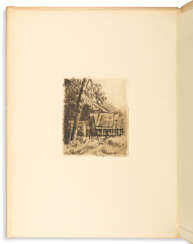

Paul Cézanne, a French Post-Impressionist painter, was pivotal in shaping the transition from 19th-century art to a new, revolutionary approach in the 20th century. His unique and exploratory brushstrokes, utilizing planes of color to form complex fields, made his work instantly recognizable and influential in the development of Cubism.
Cézanne’s early works, influenced by Romanticism and Realism, evolved into a groundbreaking artistic language. He challenged traditional perspective and academic art rules, focusing on objects' structural aspects and art's formal qualities. This approach led to a renewed emphasis on impressionistic color space and modulation principles.
His most notable works, like “Mont Sainte-Victoire,” “The Card Players,” and “The Bathers,” display his mastery in creating depth and dimension through color gradations. These paintings, initially met with skepticism, eventually cemented Cézanne’s reputation as a pioneering artist. His exhibitions, particularly the one-man show by dealer Ambroise Vollard in 1895, played a critical role in his recognition.
Cézanne’s impact on art history is profound, with greats like Henri Matisse and Pablo Picasso acknowledging him as a significant influence. His exploration of geometric forms and innovative use of light and color laid the groundwork for subsequent movements, particularly Cubism.
For collectors and art experts, Cézanne's works are more than just paintings; they are pivotal chapters in the narrative of modern art. His creations, bridging Impressionism and Cubism, continue to inspire and challenge contemporary artists.
To stay updated on new product sales and auction events related to Paul Cézanne, sign up for our updates. This subscription ensures you remain informed about the latest developments in the world of this revolutionary artist.

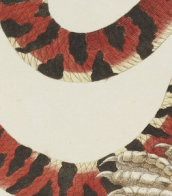


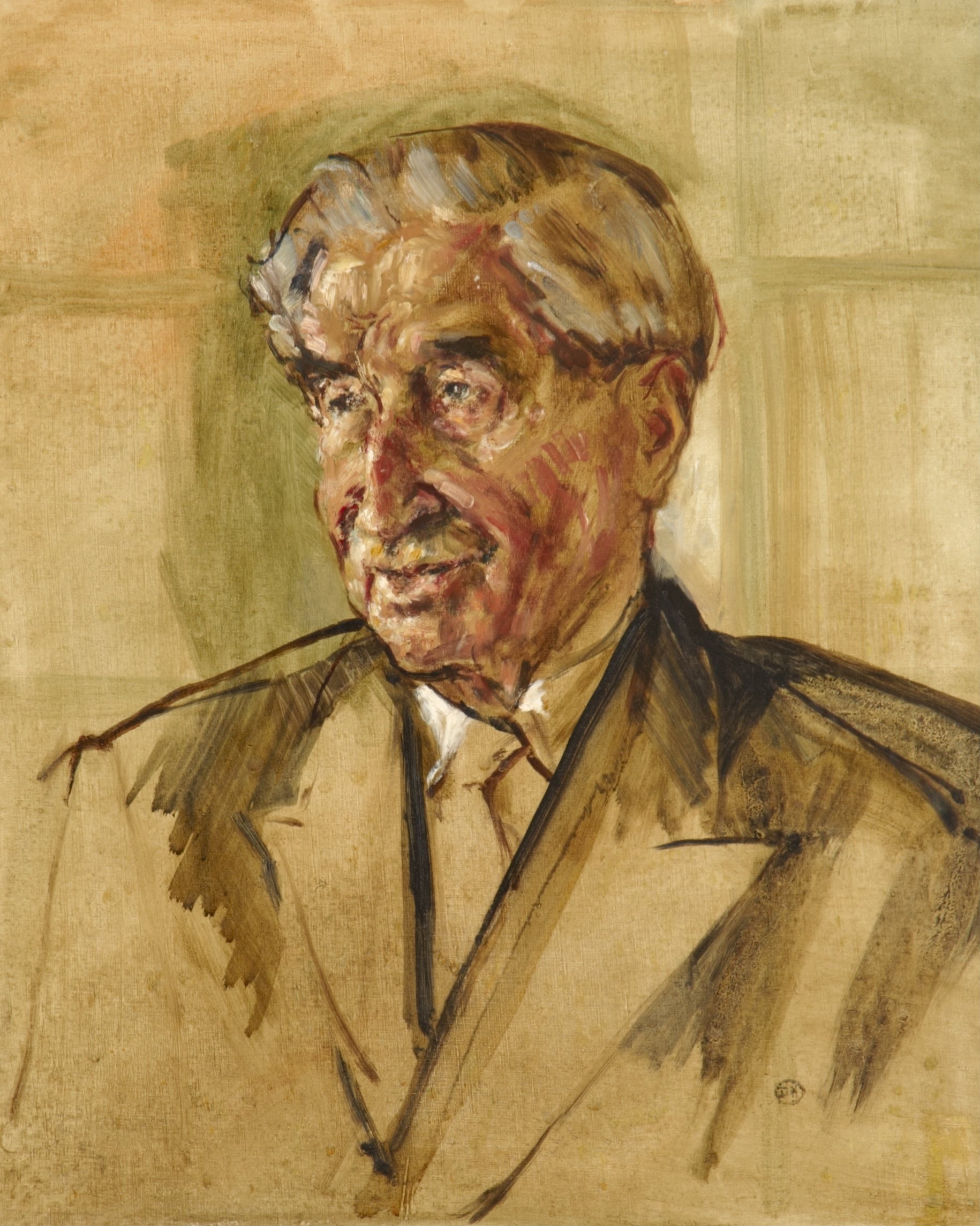


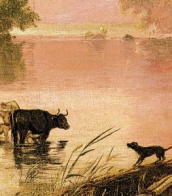
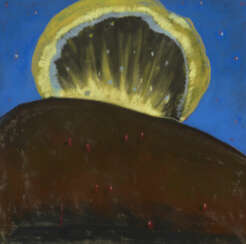

Arthur Garfield Dove was an American artist. An early American modernist, he is often considered the first American abstract painter. Dove used a wide range of media, sometimes in unconventional combinations, to produce his abstractions and his abstract landscapes. Me and the Moon from 1937 is a good example of an Arthur Dove abstract landscape and has been referred to as one of the culminating works of his career. Dove did a series of experimental collage works in the 1920s. He also experimented with techniques, combining paints like hand mixed oil or tempera over a wax emulsion as exemplified in Dove's 1938 painting Tanks, in the collection of the Boston Museum of Fine Arts.
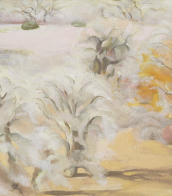
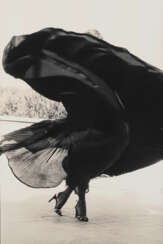



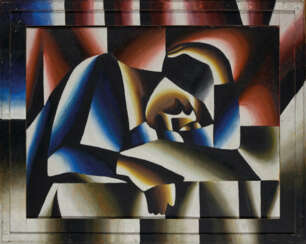

Artur Segal was a Romanian artist and author.
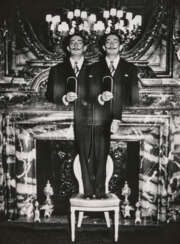

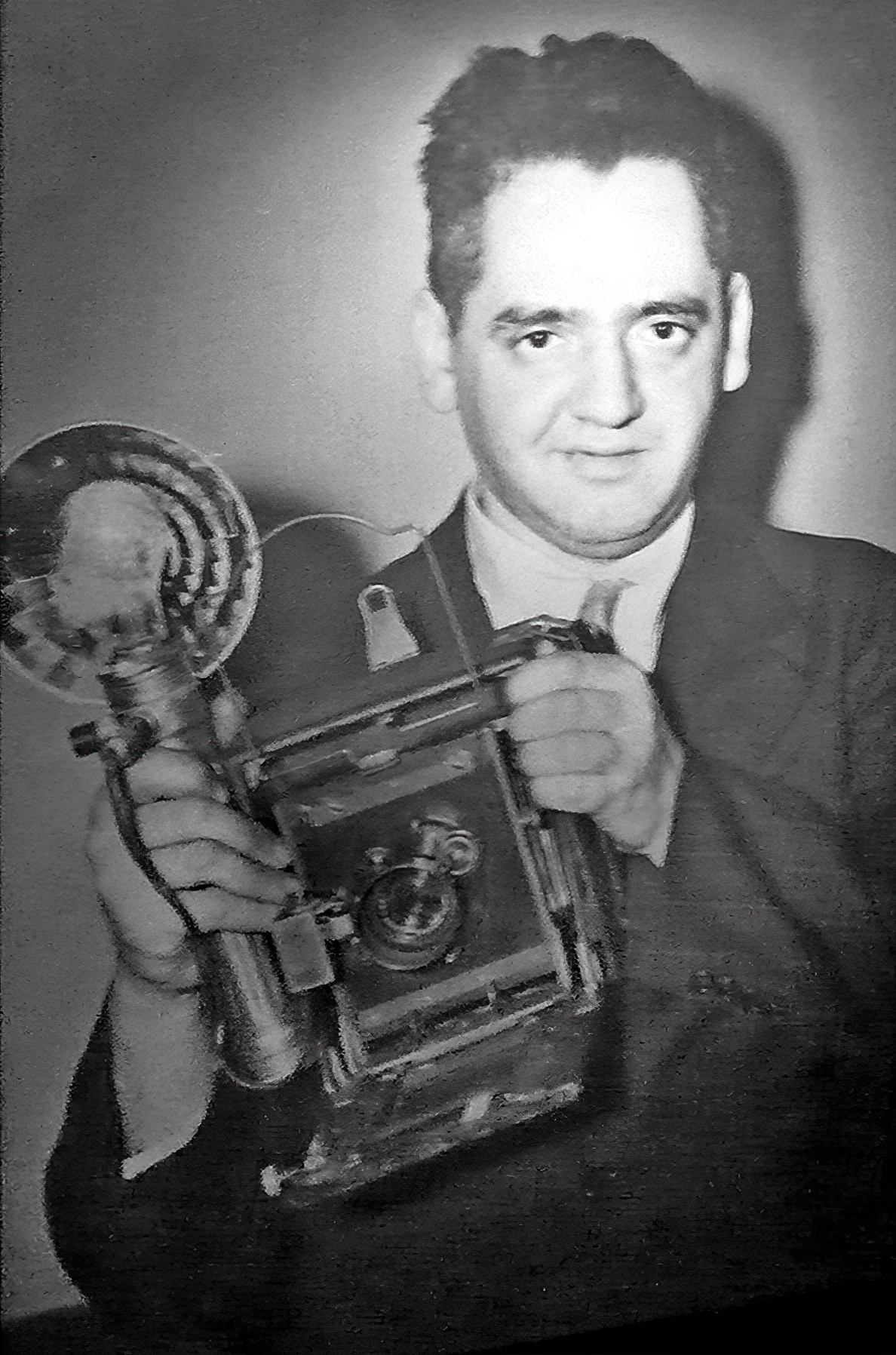
Arthur (Usher) Fellig, known by his pseudonym Weegee, was a photographer and photojournalist, known for his stark black and white street photography in New York City.
Weegee worked in Manhattan's Lower East Side as a press photographer during the 1930s and 1940s and developed his signature style by following the city's emergency services and documenting their activity. Much of his work depicted unflinchingly realistic scenes of urban life, crime, injury and death. Weegee published photographic books and also worked in cinema, initially making his own short films and later collaborating with film directors such as Jack Donohue and Stanley Kubrick.


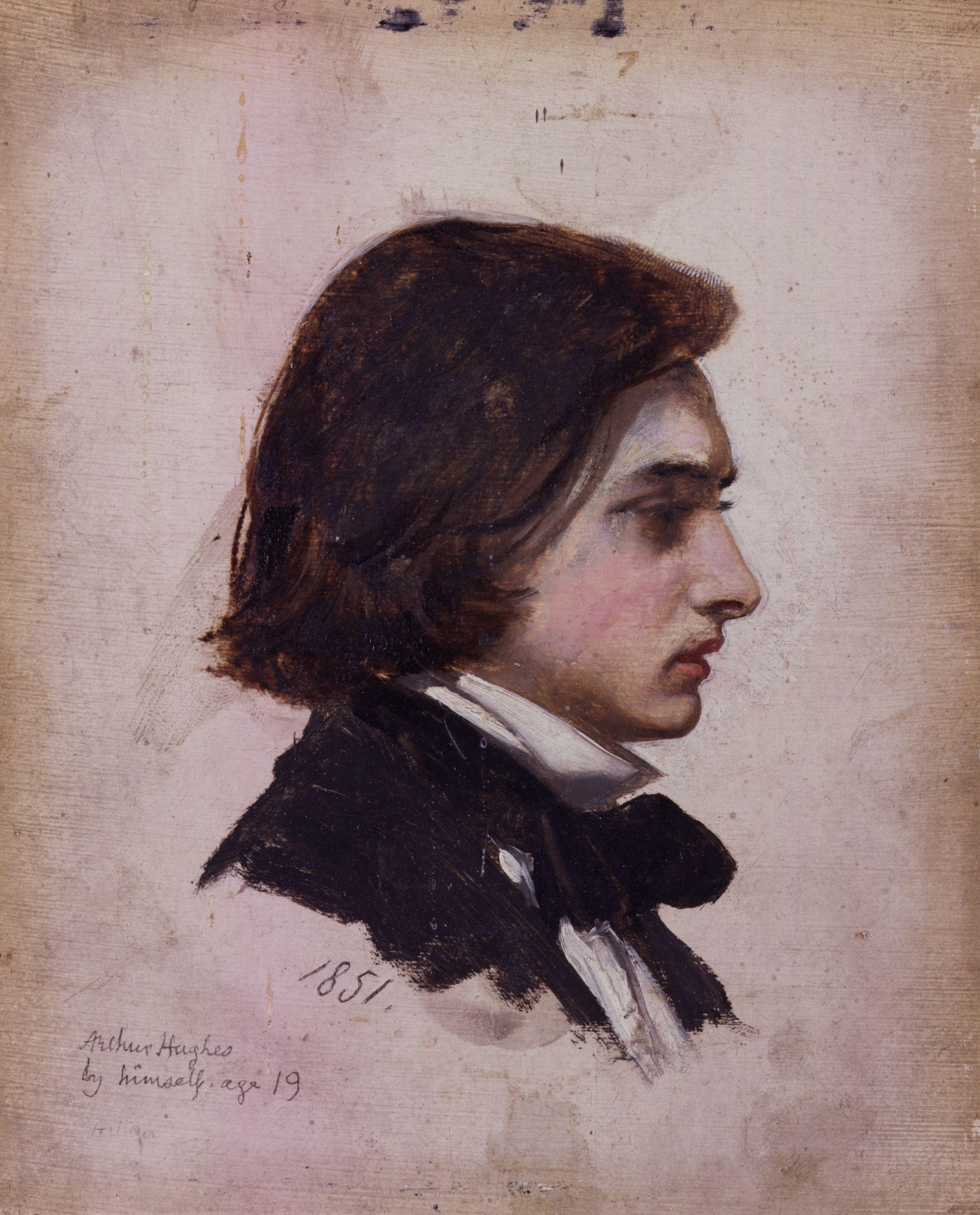
Arthur Hughes was an English painter and illustrator associated with the Pre-Raphaelite Brotherhood.
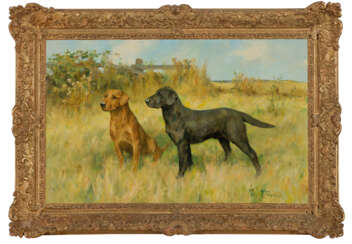

Arthur Wardle was a British animal painter.

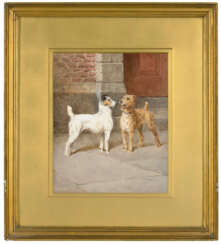

Arthur Wardle was a British animal painter.