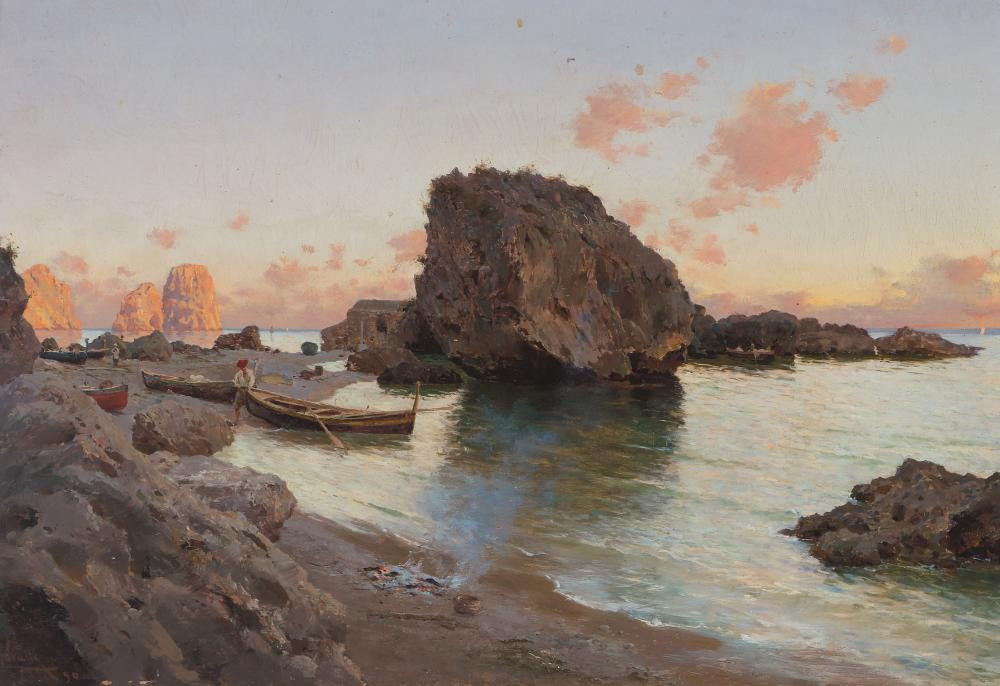
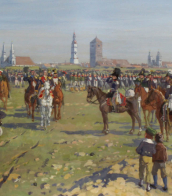
capri


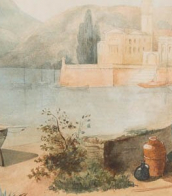


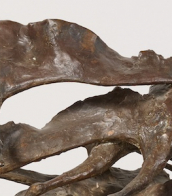
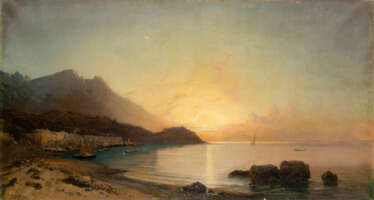

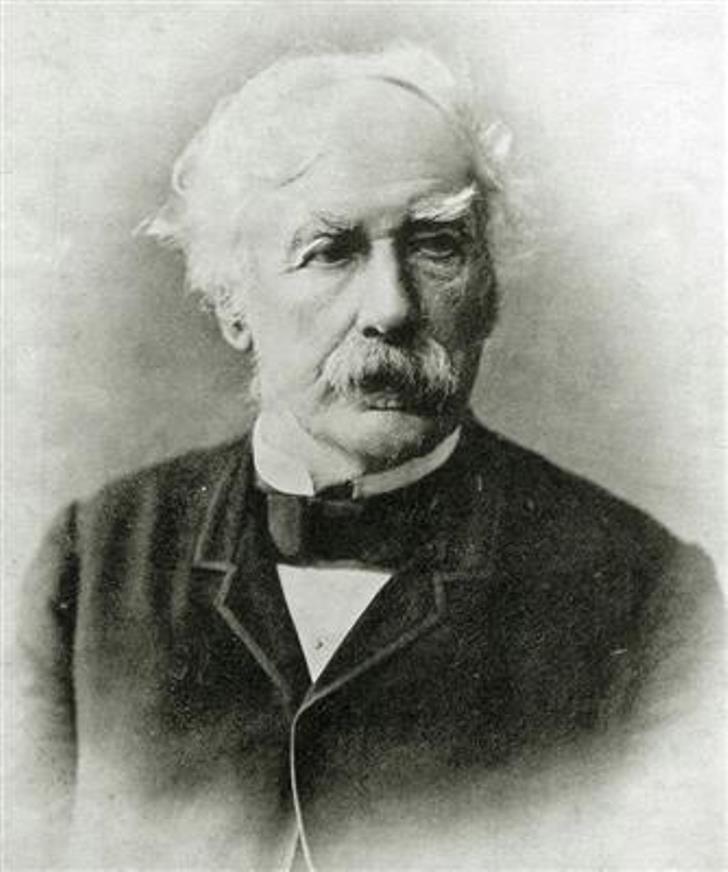
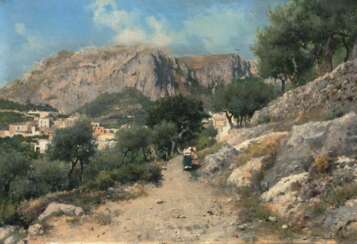
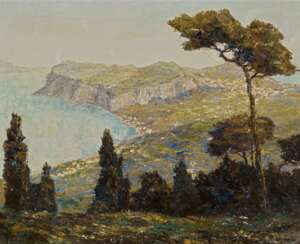
Hermann David Salomon Corrodi was an Italian painter of landscapes and orientalist scenes.
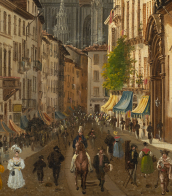
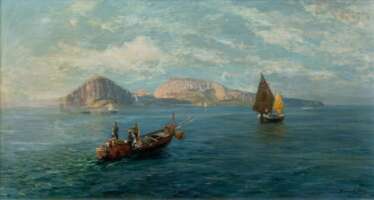

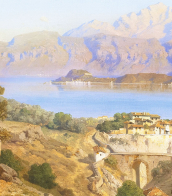



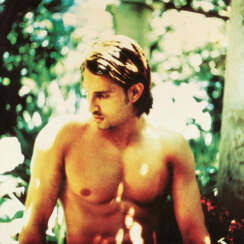

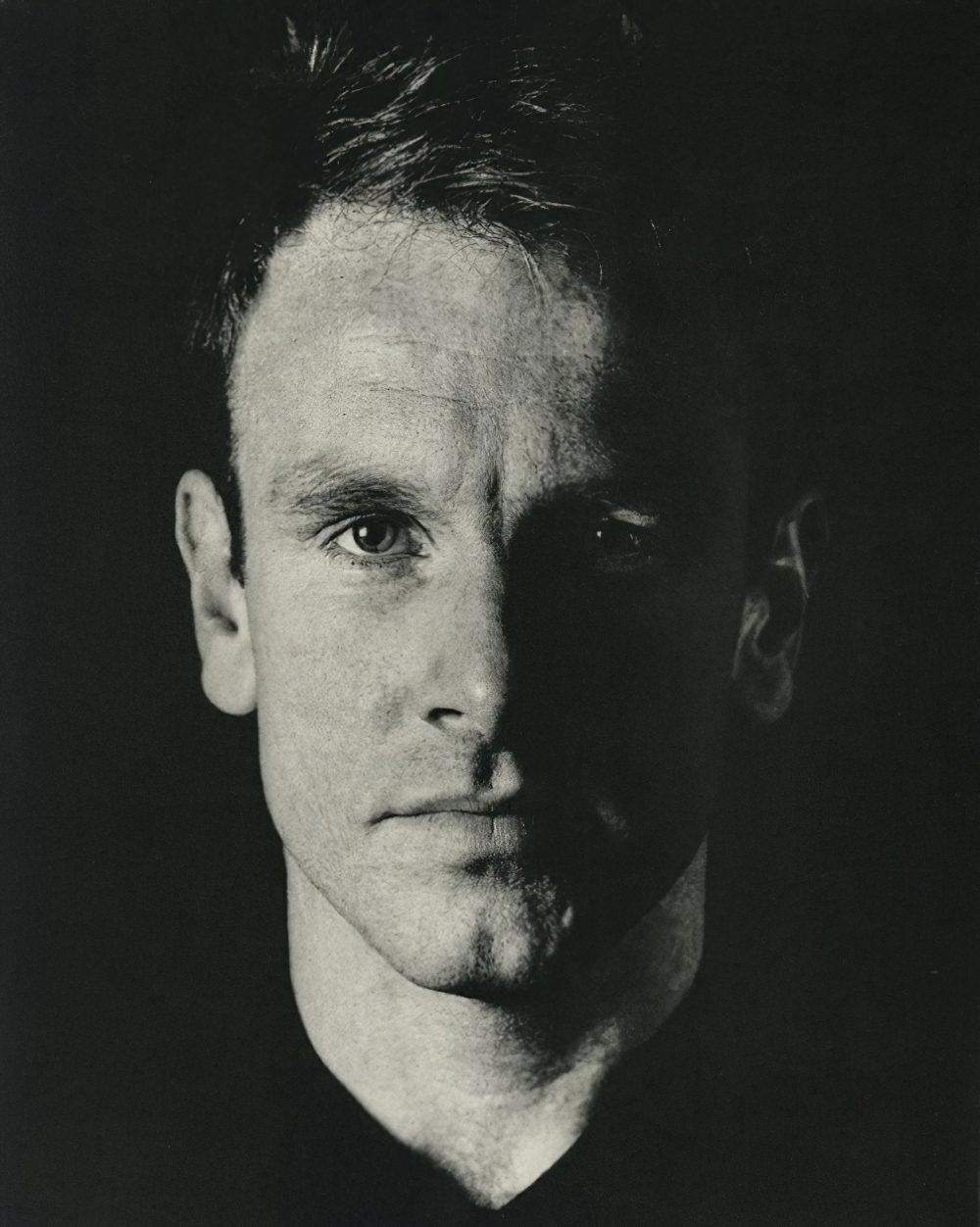
Jack Pierson, a contemporary American artist born in 1960 in Plymouth, Massachusetts, has carved a distinctive niche in the realms of photography, sculpture, and art. His association with the Boston School, alongside notable figures like Nan Goldin, David Armstrong, and Mark Morrisroe, underscores his significant influence on contemporary art. Jack Pierson's oeuvre is renowned for its exploration of the emotional undercurrents of daily life, ranging from romantic attachment to the idealization of wanderlust.
His practice encompasses a broad spectrum of media, including photography, sculpture, installation, painting, and found objects, through which he delves into life's varied emotional landscapes. Particularly striking are his large-scale wall sculptures composed of letters in diverse sizes and materials, juxtaposed with the hazy, soft-focus effect of his photographic works. These photos, reminiscent of road movies, capture the essence of a rapturous journey across the American landscape, while his word pieces rooted in nostalgia critique the American Dream's underbelly.
Jack Pierson's art does not merely valorize the American Dream; instead, it reveals its more complex, often melancholic dimensions. His word pieces, sourced from everyday vernacular and infused with historical, political, and cultural references, serve as a poignant reminder of Hollywood's bygone era and engage with contemporary philosophical ideas. His works are a testament to the power of language and material in evoking profound cultural and personal reflections, embodying an American variant of concrete poetry.
Currently residing in both New York City and Southern California, Jack Pierson's influence extends globally, with his works included in prestigious collections such as the Museum of Contemporary Art North Miami, the San Francisco Museum of Modern Art, and the Museum of Modern Art in New York. His career has been marked by significant exhibitions worldwide, demonstrating his pivotal role in shaping contemporary art discourse.
For collectors and experts in art and antiques seeking to explore the nuanced landscapes of contemporary art, Jack Pierson's work offers a compelling study in emotion, nostalgia, and cultural commentary. His ability to bridge the gap between various forms of artistic expression makes him a key figure in understanding the trajectory of modern art.
To stay updated on Jack Pierson's latest works and exhibitions, consider signing up for updates. This subscription is a gateway to the evolving landscape of contemporary art, offering insights and access to one of the most profound voices in today's art world.

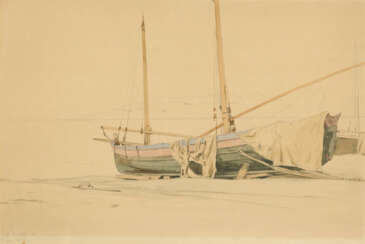

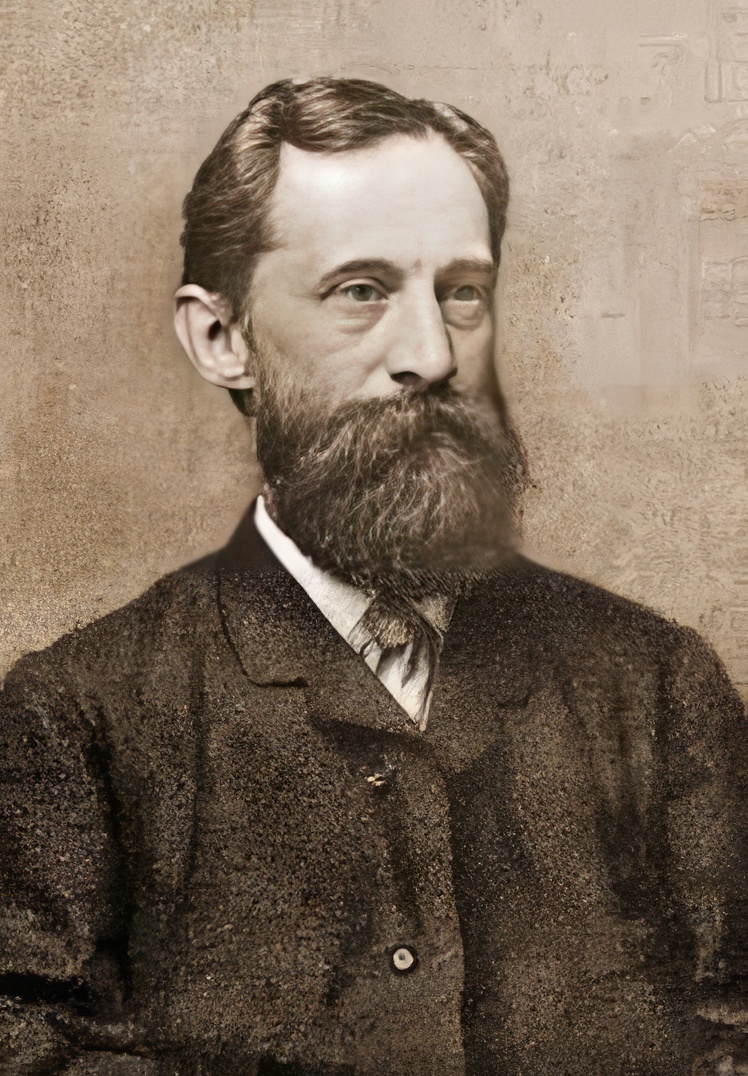
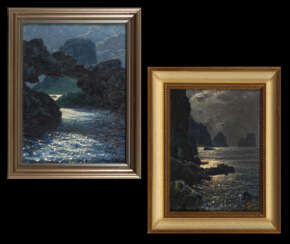
Eugen Gustav Dücker was a Baltic German painter, in the Romantic style, associated with the Düsseldorfer Malerschule.
Despite his career's roots in Germany, he spent much of his time in Estonia, where he painted idyllic landscapes of the sea and the countryside. He also made numerous trips to Holland, Belgium, France and Italy.
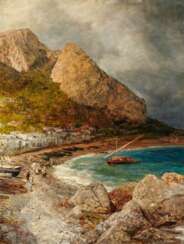

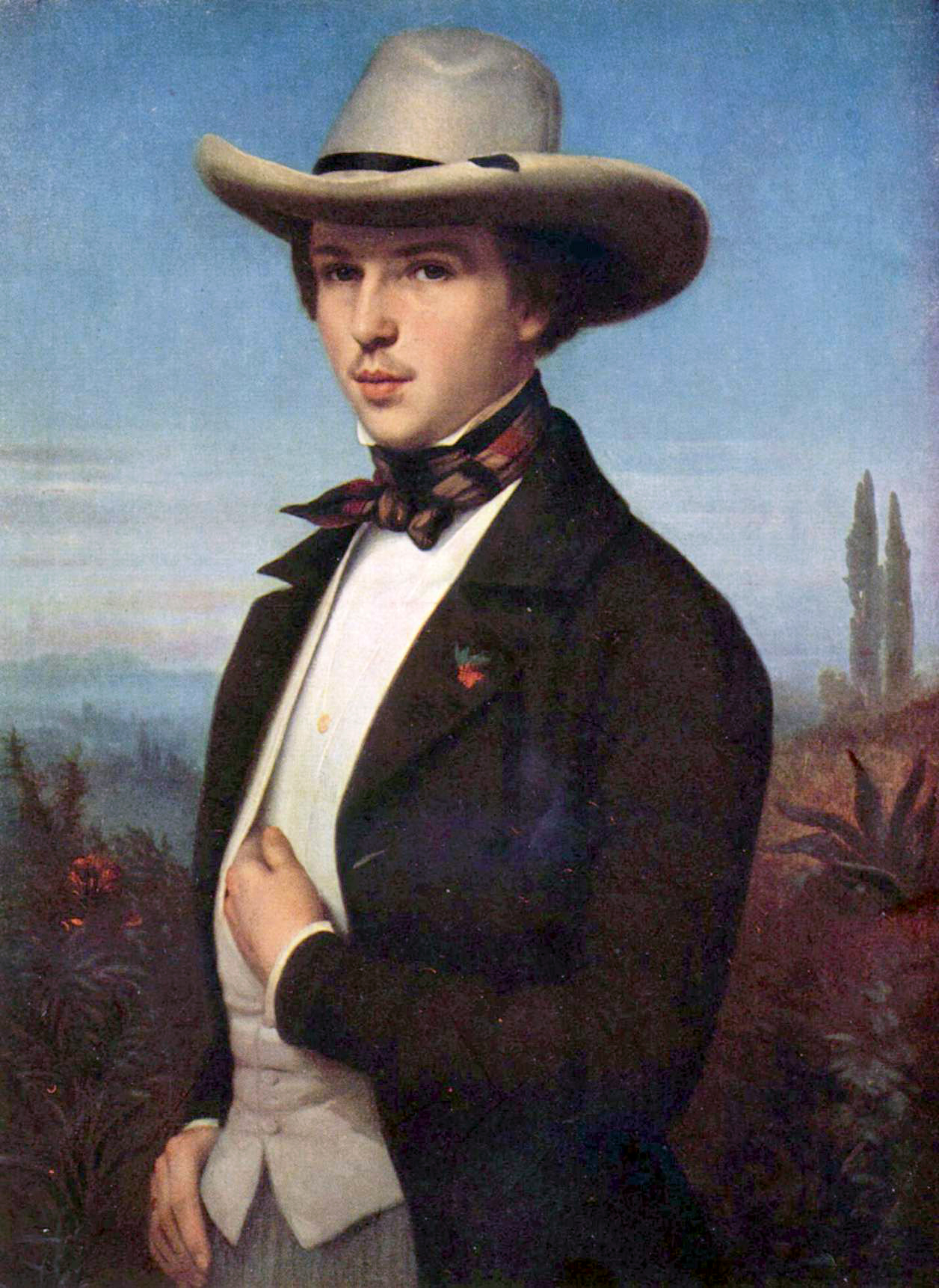
Oswald Achenbach was a German painter associated with the Düsseldorf school of painting. Though little known today, during his lifetime he was counted among the most important landscape painters of Europe. Through his teaching activities, he influenced the Kunstakademie Düsseldorf. His brother, Andreas Achenbach, who was twelve years older, was also among the most important German landscape painters of the 19th century. The two brothers were humorously called "the A and O of Landscapes" (a reference to their initials matching a common German reference to the Alpha and Omega).
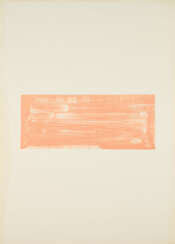

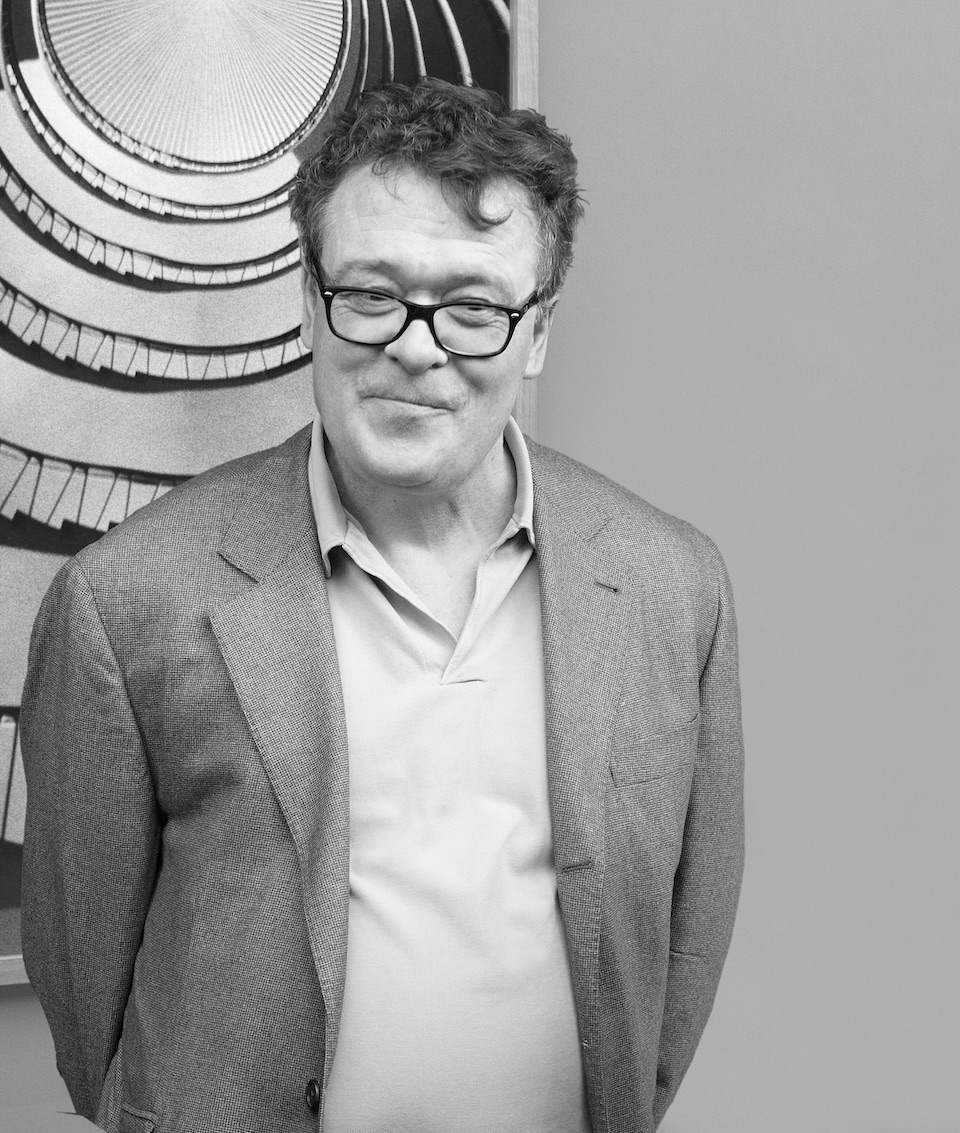
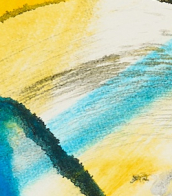
Günther Förg was a German painter, graphic designer, sculptor and photographer. His abstract style was influenced by American abstract painting.
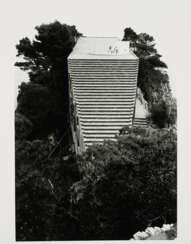

Günther Förg was a German painter, graphic designer, sculptor and photographer. His abstract style was influenced by American abstract painting.


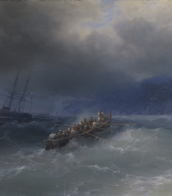
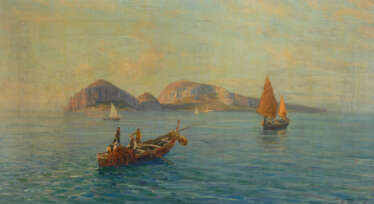

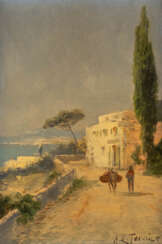

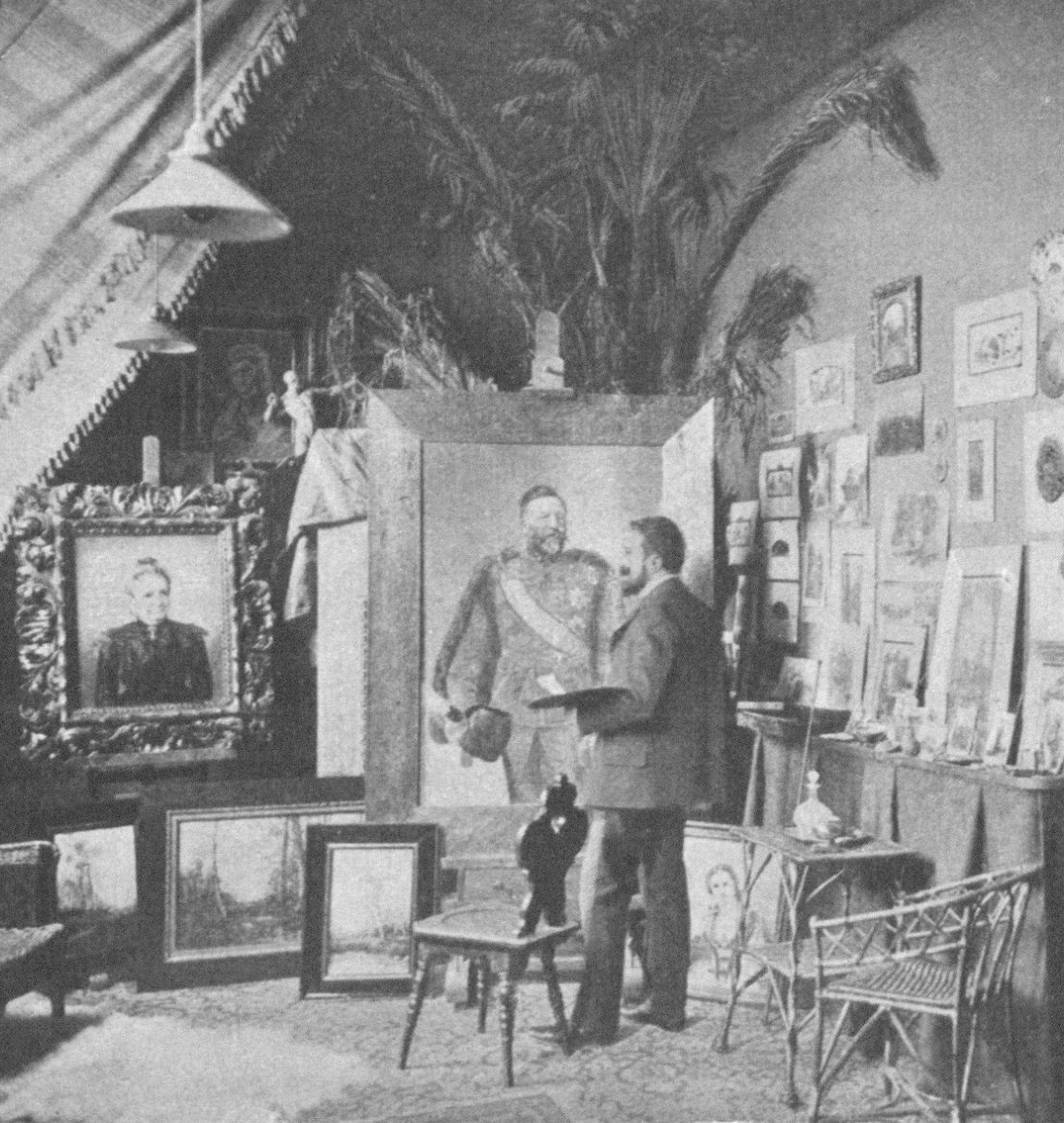
Georg Fischhof was an Austrian portrait, figure and landscape painter.
Fischhof initially studied architecture, but later devoted himself to painting and studied at the Vienna School of Applied Arts and in Munich. After his return to Vienna he shifted his work to the painted imitation of tapestries. Frequent subjects are Dutch coastal and harbour views, Italian landscapes by the water and rural scenes with a stream or path. In almost every work there are sketched persons / children with only suggested facial features, often a column of smoke from a chimney and in seascapes frequently seagulls in flight, in Italian views umbrella acacias and cypresses.






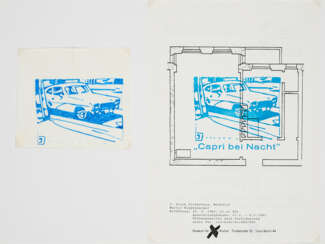

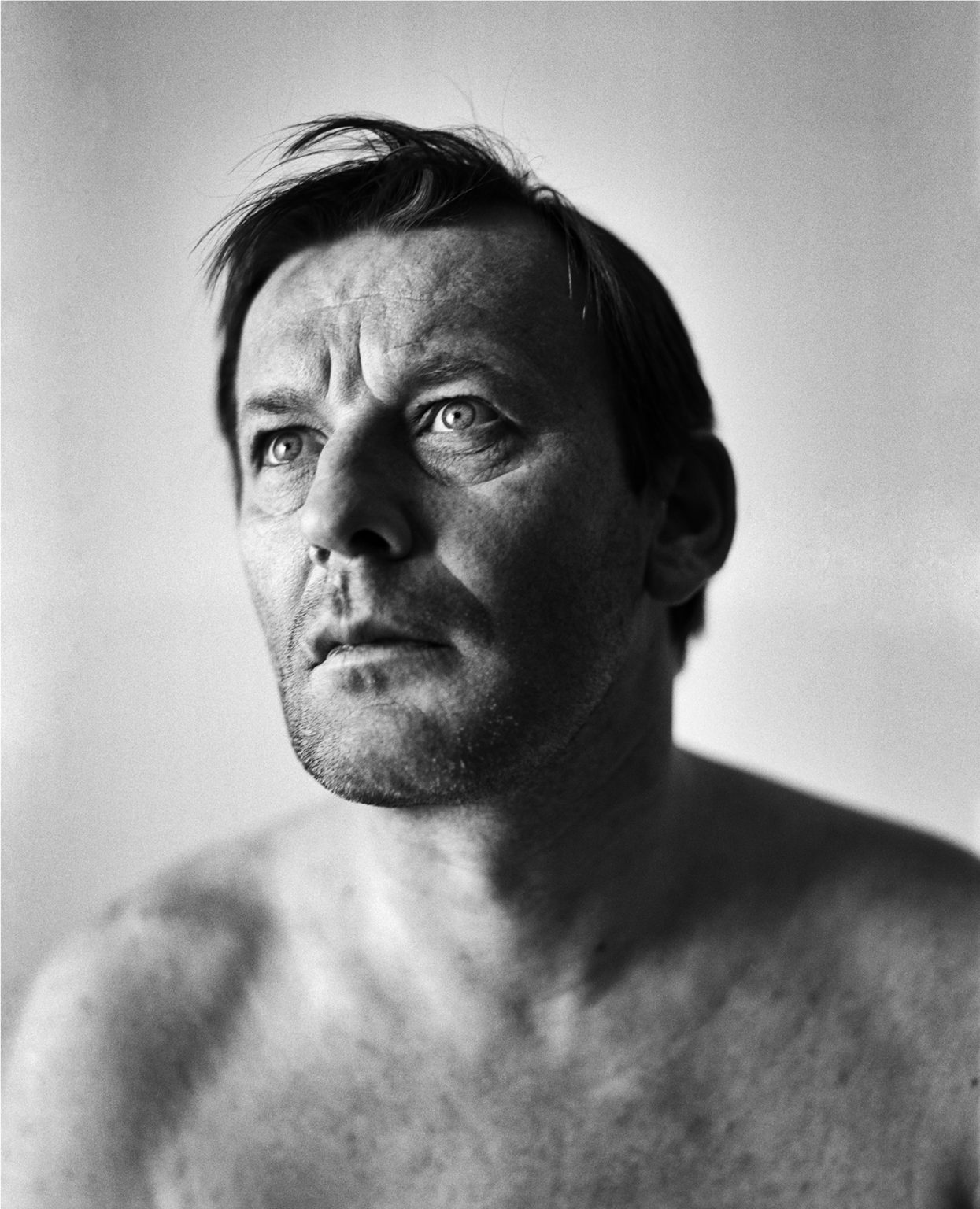
Martin Kippenberger was a German artist known for his extremely prolific output in a wide range of styles and media, superfiction as well as his provocative, jocular and hard-drinking public persona.
Kippenberger was "widely regarded as one of the most talented German artists of his generation," according to Roberta Smith of the New York Times. He was at the center of a generation of German enfants terribles including Albert Oehlen, Markus Oehlen, Werner Büttner, Georg Herold, Dieter Göls, and Günther Förg.