car some





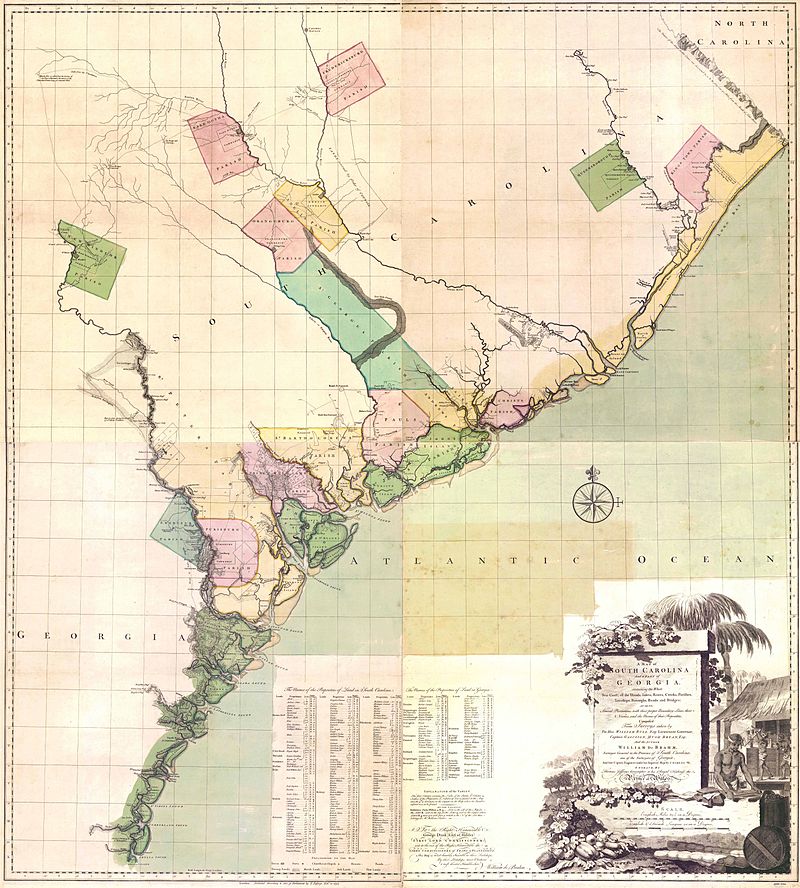
Johann Wilhelm Gerhard von Brahm, also known as John William Gerard de Brahm, was a German cartographer, military engineer, and surveyor who worked for Great Britain to develop the lands of the New World.
His father was court musician to the Elector of Trier and gave his son an excellent early education. After a successful career as a military engineer in the Bavarian army, de Brahm traveled to Georgia in 1751 at the head of a group of German emigrants. There he displayed his talents as a surveyor and engineer, worked as a cartographer, and was commissioned by South Carolina Governor James Glen to design and build a system of fortifications for Charleston.
In 1755 de Brahm was appointed inspector general of lands for South Carolina and soon for the entire New World. He settled in St. Augustine, where he spent the next six years researching and preparing maps. His major works, "Map of South Carolina" and "Map of South Carolina and Part of Georgia," provide detailed topography and even describe underwater features. And his "Report of a General Survey of the Southern District of North America" records every detail from tide times to tips on tilling the soil. De Brahm's book The Atlantic Pilot, an instruction manual for sailing in Florida, was published in London and included the first published map of the Gulf Stream.

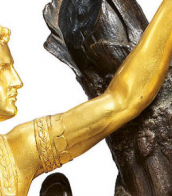


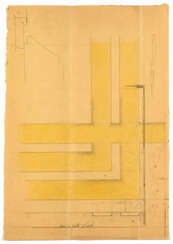

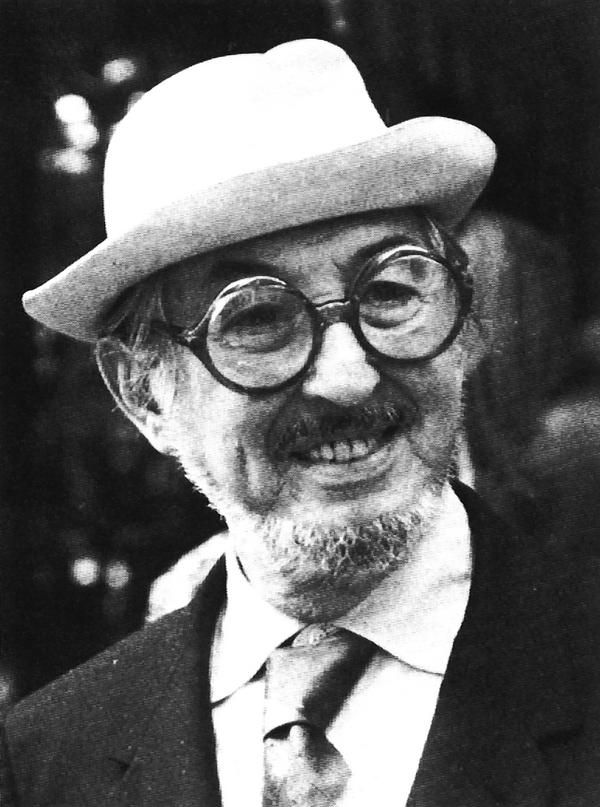
Carlo Scarpa was an Italian architect, influenced by the materials, landscape and the history of Venetian culture, and by Japan. Scarpa translated his interests in history, regionalism, invention, and the techniques of the artist and craftsman into ingenious glass and furniture design.

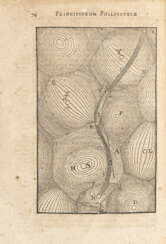

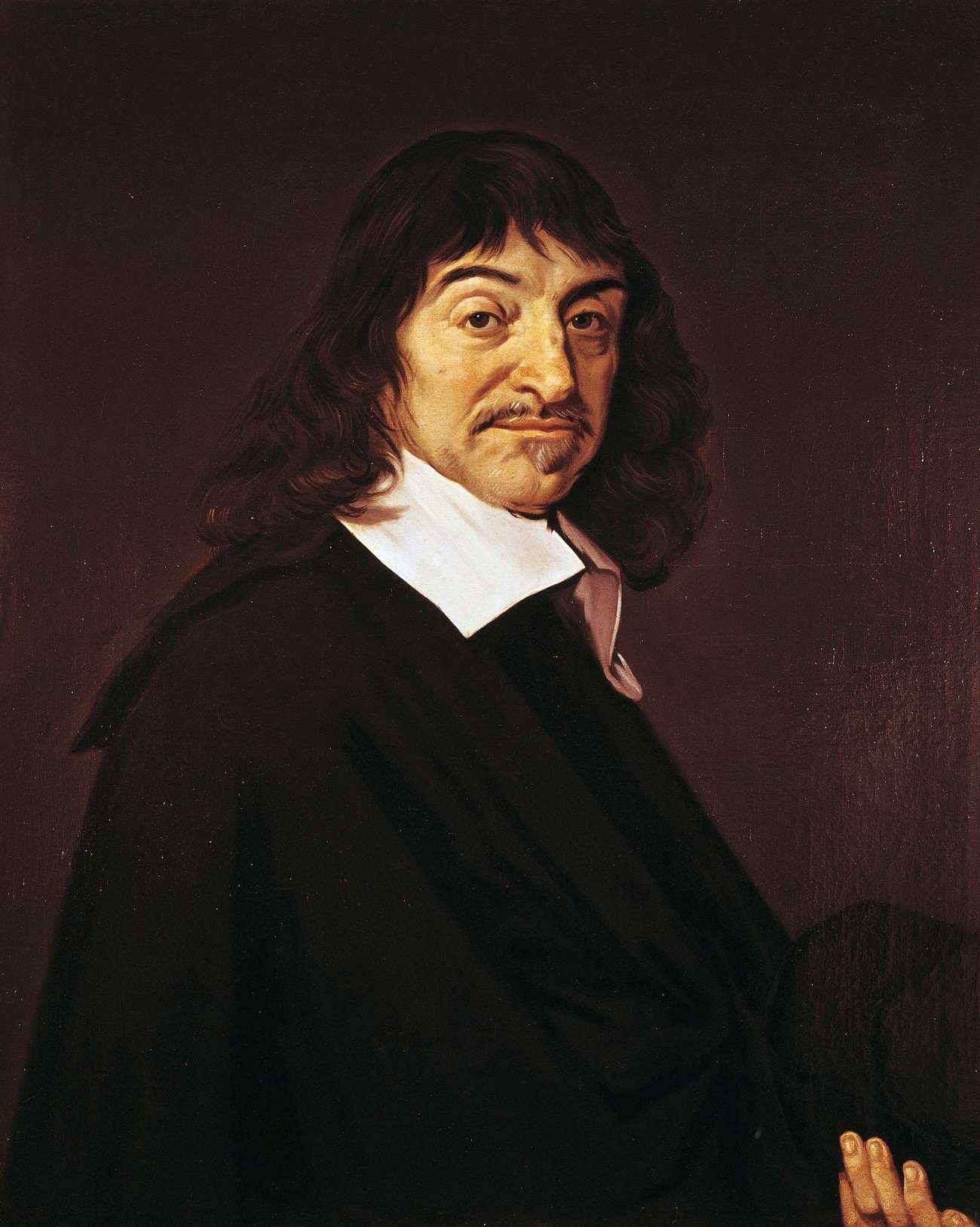
René Descartes was a French philosopher, mathematician, and natural scientist who is considered the founder of modern philosophy.
Descartes was a very versatile scientist: besides numerous philosophical reflections, he wrote works on optics, meteorology and geometry. Contemporaries noted his extensive knowledge in many sciences. Descartes owns the famous saying "I think, therefore I exist" (best known in the Latin formulation "Cogito, ergo sum", although it was originally written in French: "Je pense, donc je suis").
He developed a metaphysical dualism that radically distinguished between mind, whose essence is thought, and matter, whose essence is extension in three dimensions. Descartes' metaphysics is rationalistic, based on the postulation of innate ideas of mind, matter, and God, but his physics and physiology, based on sense experience, are mechanistic and empirical.
Unlike his scientific predecessors, who felt a holy awe at the incomprehensibility of the divine essence of the universe, Descartes admired the ability of the human mind to understand the cosmos and to generate happiness itself, and rejected the view that human beings were inherently unhappy and sinful. He believed that it was inappropriate to pray to God to change the state of things and the world; it was much more productive to change oneself.
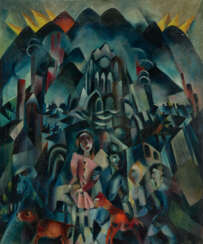

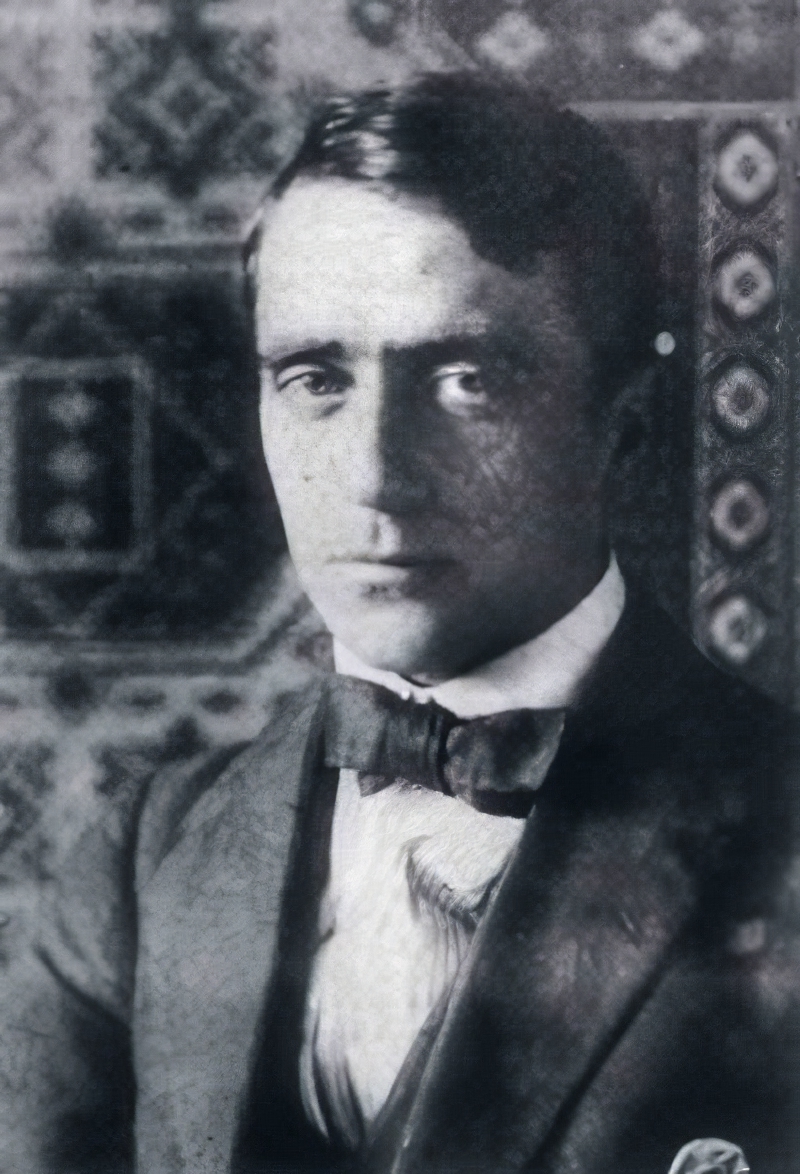
Carlo Mense was a German artist of the twentieth century. He is known as a painter and graphic artist, a representative of Rhenish Expressionism and New Materialism.
Mense was a member of artists' associations such as the Cologne Secession, Gereon Club, Young Rhine, and November. He actively participated in Expressionist exhibitions. Creating graphic works for the magazines "Action" and "Sturm", he became known for his artistic style. In 1937, the Nazis destroyed 37 of his works, categorizing them as "degenerate art." Mense left a significant mark on twentieth-century German painting with his expressive and evocative works.
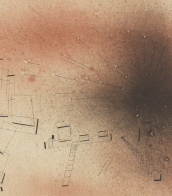
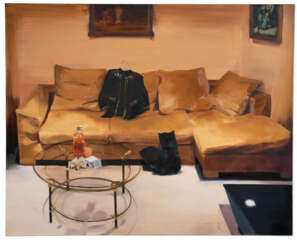


Caroline Walker is a Scottish-born contemporary visual artist based in London. She is known for voyeuristic paintings of women working.
![[LINNAEUS, Carl (1707-1778)]](/assets/image/picture_2944529/10223/899068405626ba931798d26f5608762f1689112800jpg__fix_374_244.jpeg)
![[LINNAEUS, Carl (1707-1778)]](https://veryimportantlot.com/assets/image/picture_2944529/10223/899068405626ba931798d26f5608762f1689112800jpg__fix_374_244.jpeg)
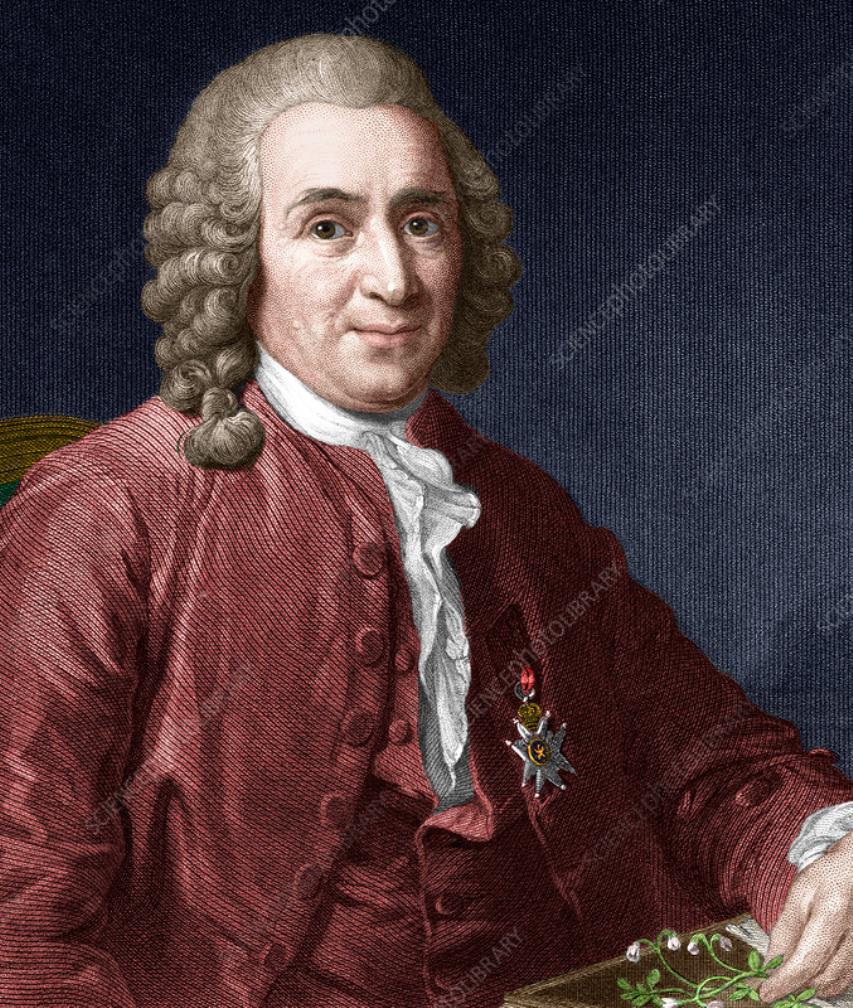
Carl Linnaeus was a Swedish naturalist, botanist and physician.
Carl Linnaeus created a unified system of classification of flora and fauna, in which he summarized and organized the knowledge of the entire previous period of development of biological science. He was the first to formulate the principles of definition of living beings of natural nature and created a unified system of their names, binary nomenclature. Linnaeus' book "The System of Nature", first published in 1735, is one of the most important books in the history of science and practically opened the classification of plants and animals.
Linnaeus was a professor at Uppsala University for many years, and he is also valued in Sweden as one of the creators of the literary Swedish language in its modern form. In addition to his work in botany and scientific classification, Linnaeus led many activities for the betterment of his native country. He was also involved in the establishment of the Royal Swedish Academy of Sciences.
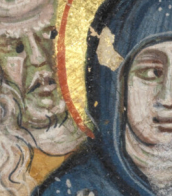


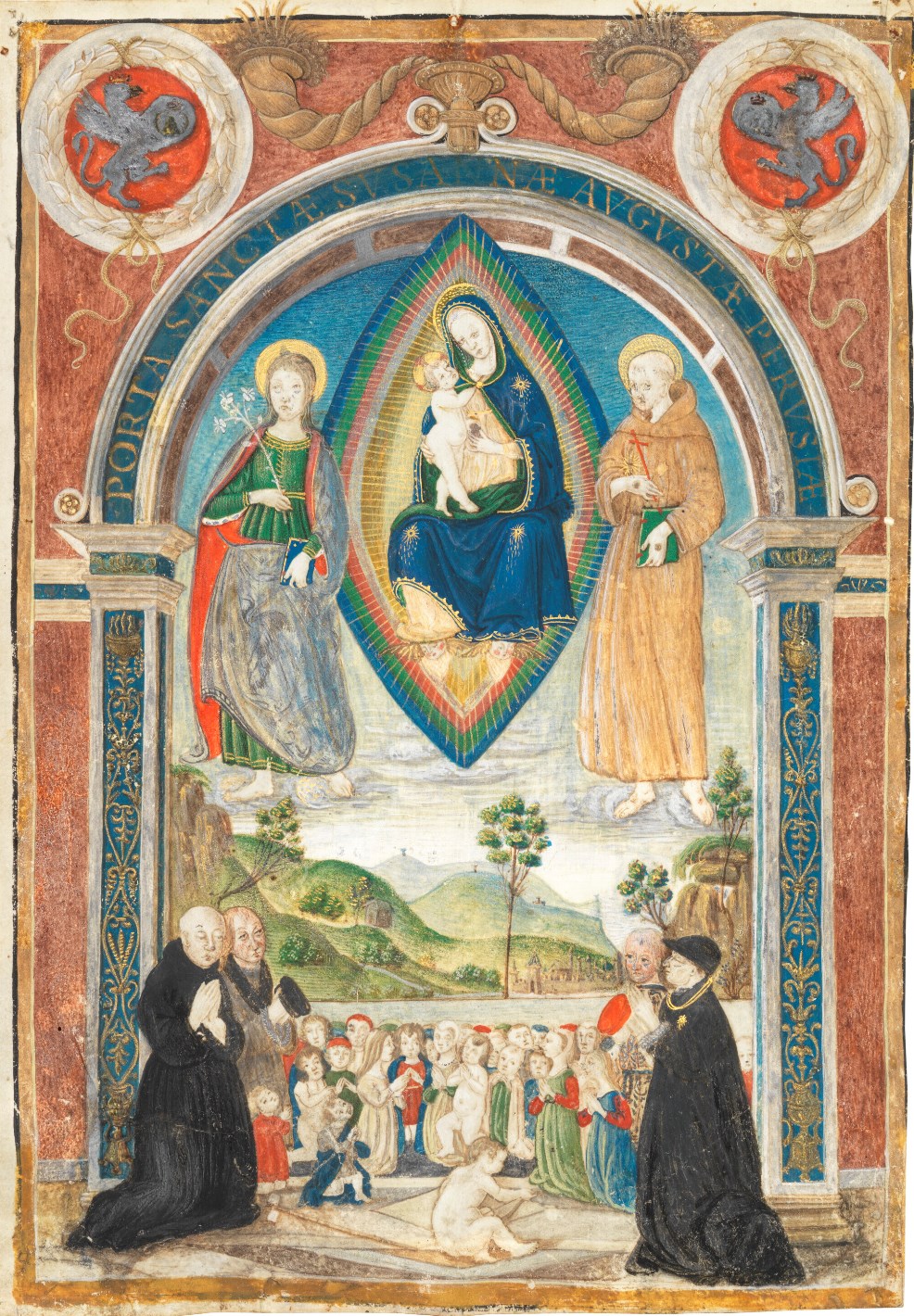
Tommaso di Mascio Scarafone was an Italian painter and illuminator.
He worked in the studio of the Perugene illuminator, painter and frescoist Bartolomeo Caporali.


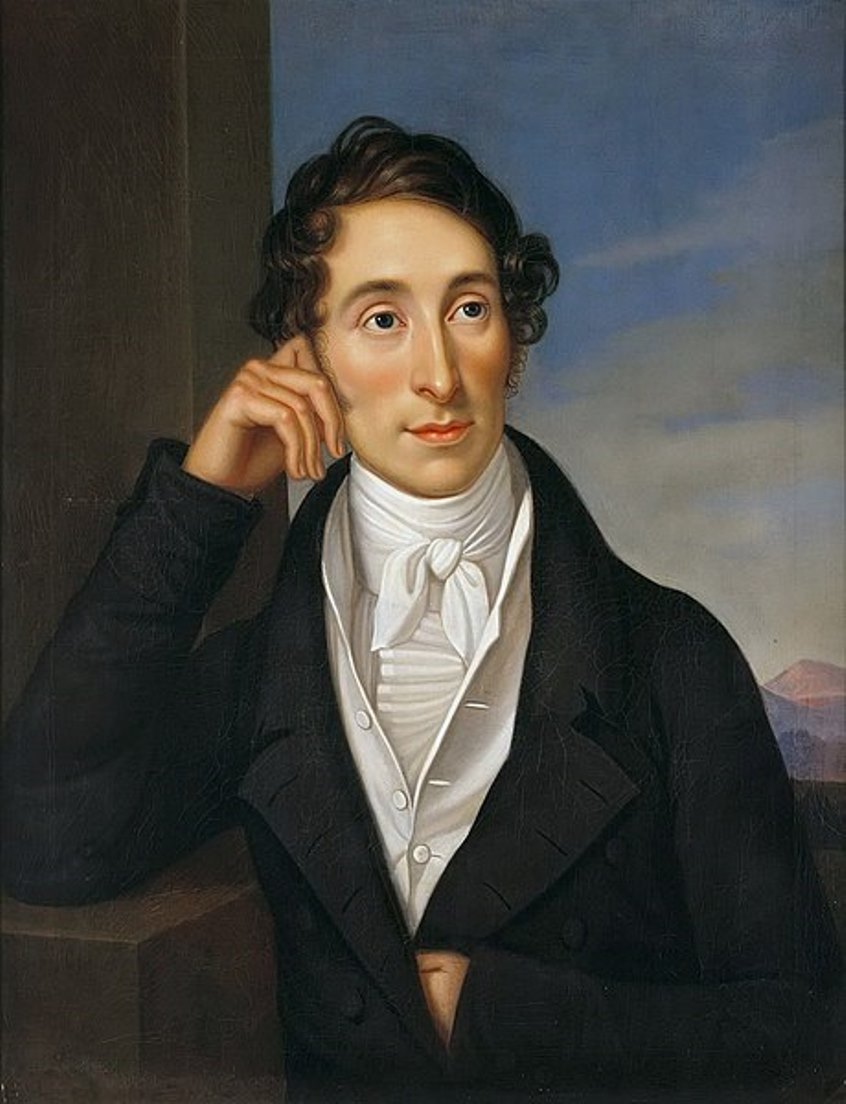
Carl Maria von Weber, full name Carl Maria Friedrich Ernst von Weber, was a German opera composer and conductor during the transition from classical to romantic music, pianist and music critic.
Weber was born into a musical and theatrical family, and his father cherished dreams of making him a second Mozart. The young Weber received his first appointment when he became the musical director of Duke Eugene of Württemberg, for whose private orchestra he wrote two symphonies, then he was secretary at the court of King Frederick I of Württemberg. At the same time he composed musical works, gaining experience and knowledge.
In 1813 Weber was appointed conductor of the opera in Prague, and four years later he was appointed director of the German opera in Dresden. Here he deployed his talents, taking on the entire job of preparing an opera production: he selected the repertoire, staff and actors; he handled the scenery, lighting and staging, as well as the orchestra and singers, taking special care to ensure that each performer fully understood the words and plot of each opera. The composer also found time to compose his own works.
During this period he created the opera The Free Rifleman (1821), where he was able to free German opera from French and Italian influences. The opera was first successfully staged in Berlin and then traveled throughout Europe. "The Free Rifleman" is the most popular German opera written to date, and it marked the beginning of German Romantic opera. Weber also wrote the operas Euryanthe (1823), Oberon (1826), and others.
Carl Weber composed many fugues, sonatas, concertos, and sacred music, and was also one of the significant piano virtuosos and music critics. From 1809 to 1818, he wrote a considerable number of reviews and quite incisive music criticisms. All his activities, music and critical writings promoted the ideals of Romanticism as an art in which feeling prevails over form and heart over head.


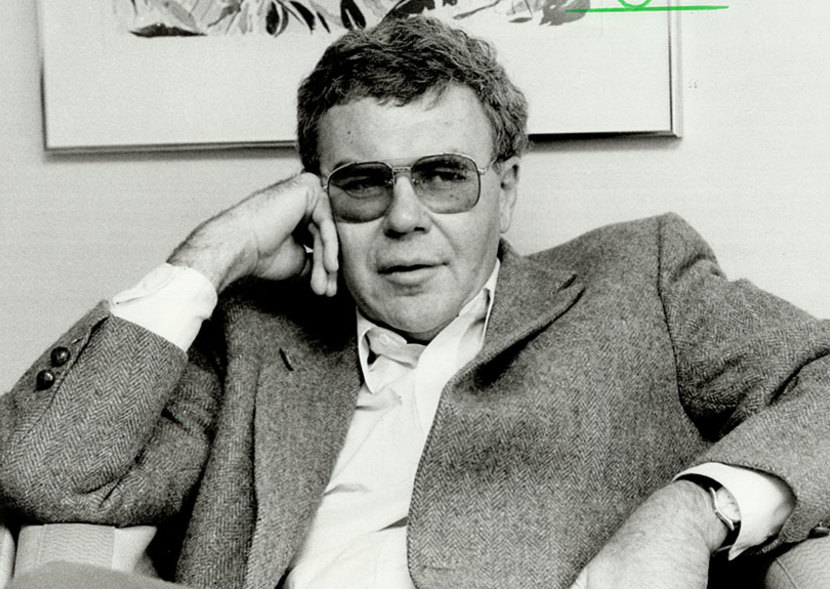

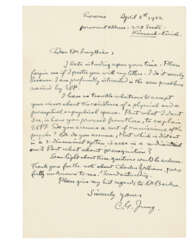

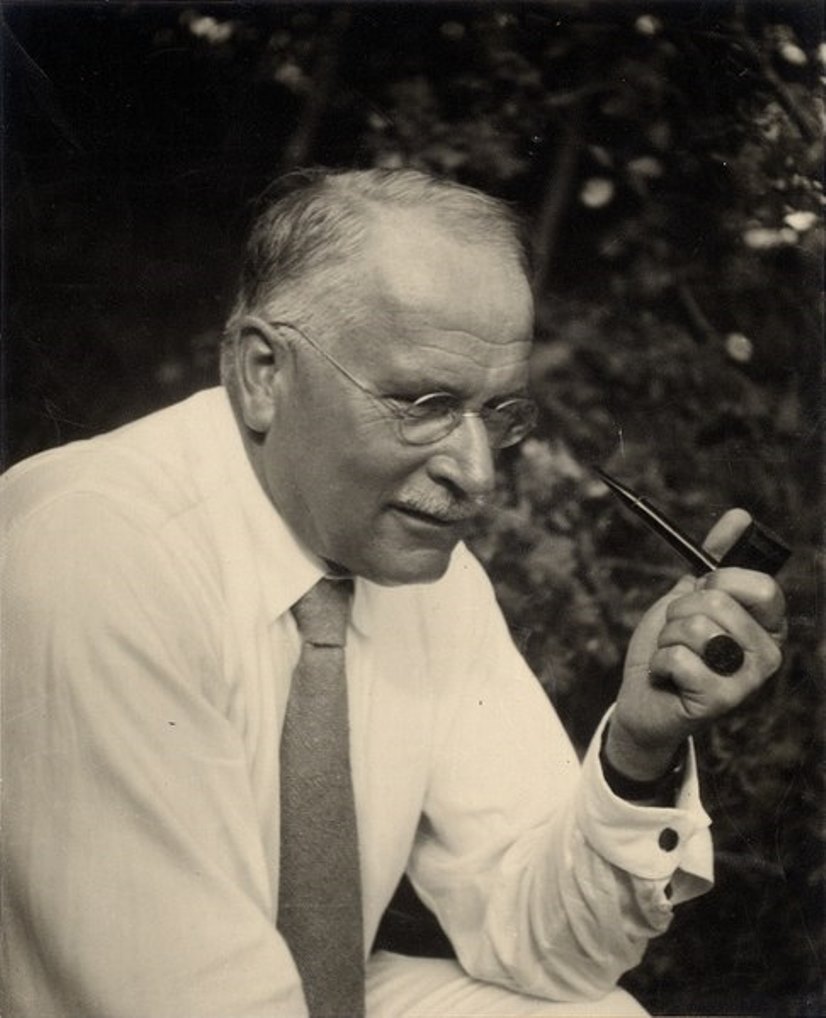
Carl Gustav Jung was a Swiss psychologist and psychiatrist, professor, and the founder of analytical psychology.
He studied at the University of Zurich and conducted many studies in scientific psychology and psychiatry. From 1907 to 1912, Jung was a close associate of Sigmund Freud, but later they had serious disagreements and parted ways.
Carl Jung proposed and developed the concepts of extraverted and introverted personality, archetypes and the collective unconscious. He introduced the term "collective unconscious" as a part of the mind containing memories and impulses of which the individual is unaware, common to humanity as a whole and deriving from inherited brain structure. It differs from the personal unconscious, which arises from the experience of the individual. According to Jung, the collective unconscious contains archetypes, or universal primordial images and ideas.
Historical research helped Jung pioneer psychotherapy for middle-aged and elderly people, especially those who felt their lives had lost meaning. He helped them appreciate the place of their lives in the sequence of history. Jung devoted many years of his life to developing his ideas, especially those concerning the relationship between psychology and religion. His work had a significant impact on psychiatry and the study of religion, literature, and related fields.
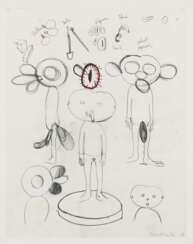

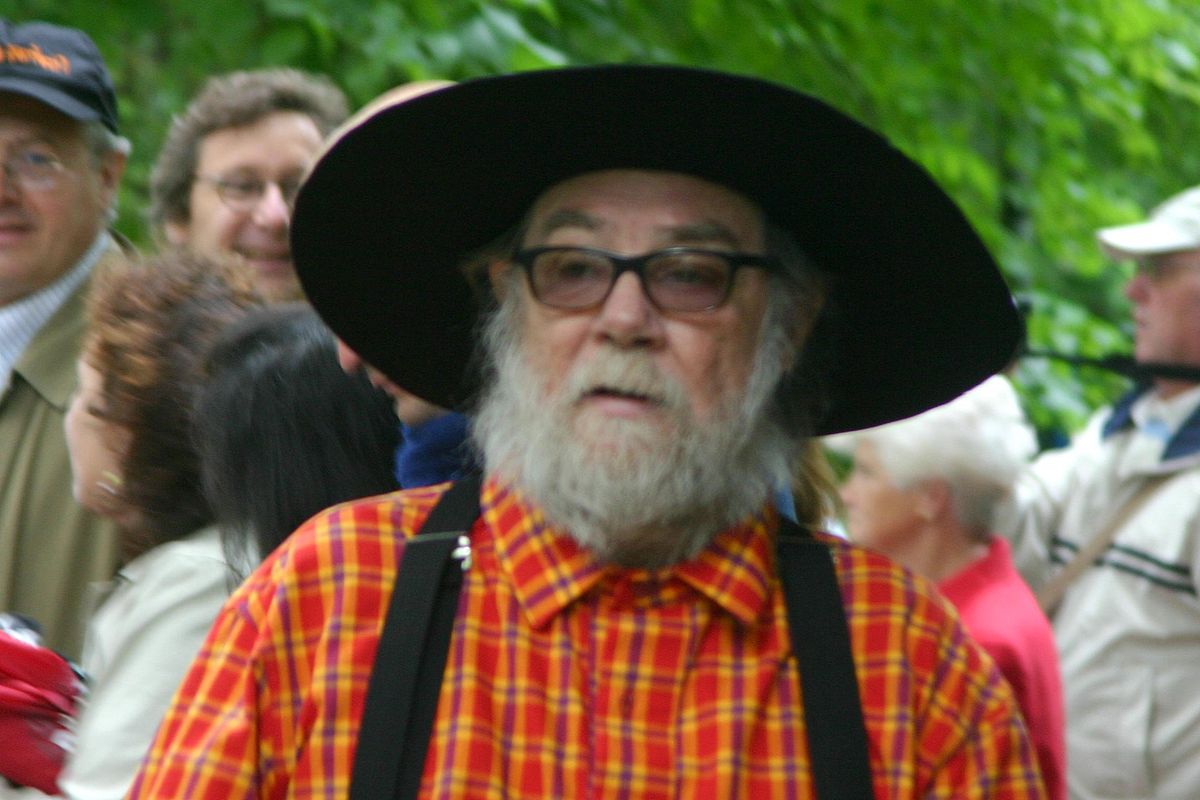
Paul McCarthy is a contemporary artist who lives and works in Los Angeles, California.
McCarthy's works include performance, sculpture, installation, film and "painting as action". His points of reference are rooted, on the one hand, in things typically American, such as Disneyland, B-Movies, Soap Operas and Comics – he is a critical analyst of the mass media and consumer-driven American society and its hypocrisy, double standards and repression. On the other hand, it is European avant-garde art that has had the most influence on his artistic form language. Such influences include the Lost Art Movement, Joseph Beuys, Sigmund Freud, Samuel Beckett, and the Viennese Actionism.











René Descartes was a French philosopher, mathematician, and natural scientist who is considered the founder of modern philosophy.
Descartes was a very versatile scientist: besides numerous philosophical reflections, he wrote works on optics, meteorology and geometry. Contemporaries noted his extensive knowledge in many sciences. Descartes owns the famous saying "I think, therefore I exist" (best known in the Latin formulation "Cogito, ergo sum", although it was originally written in French: "Je pense, donc je suis").
He developed a metaphysical dualism that radically distinguished between mind, whose essence is thought, and matter, whose essence is extension in three dimensions. Descartes' metaphysics is rationalistic, based on the postulation of innate ideas of mind, matter, and God, but his physics and physiology, based on sense experience, are mechanistic and empirical.
Unlike his scientific predecessors, who felt a holy awe at the incomprehensibility of the divine essence of the universe, Descartes admired the ability of the human mind to understand the cosmos and to generate happiness itself, and rejected the view that human beings were inherently unhappy and sinful. He believed that it was inappropriate to pray to God to change the state of things and the world; it was much more productive to change oneself.