center com






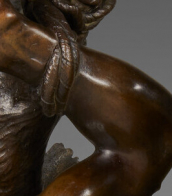
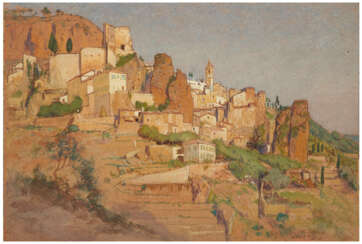

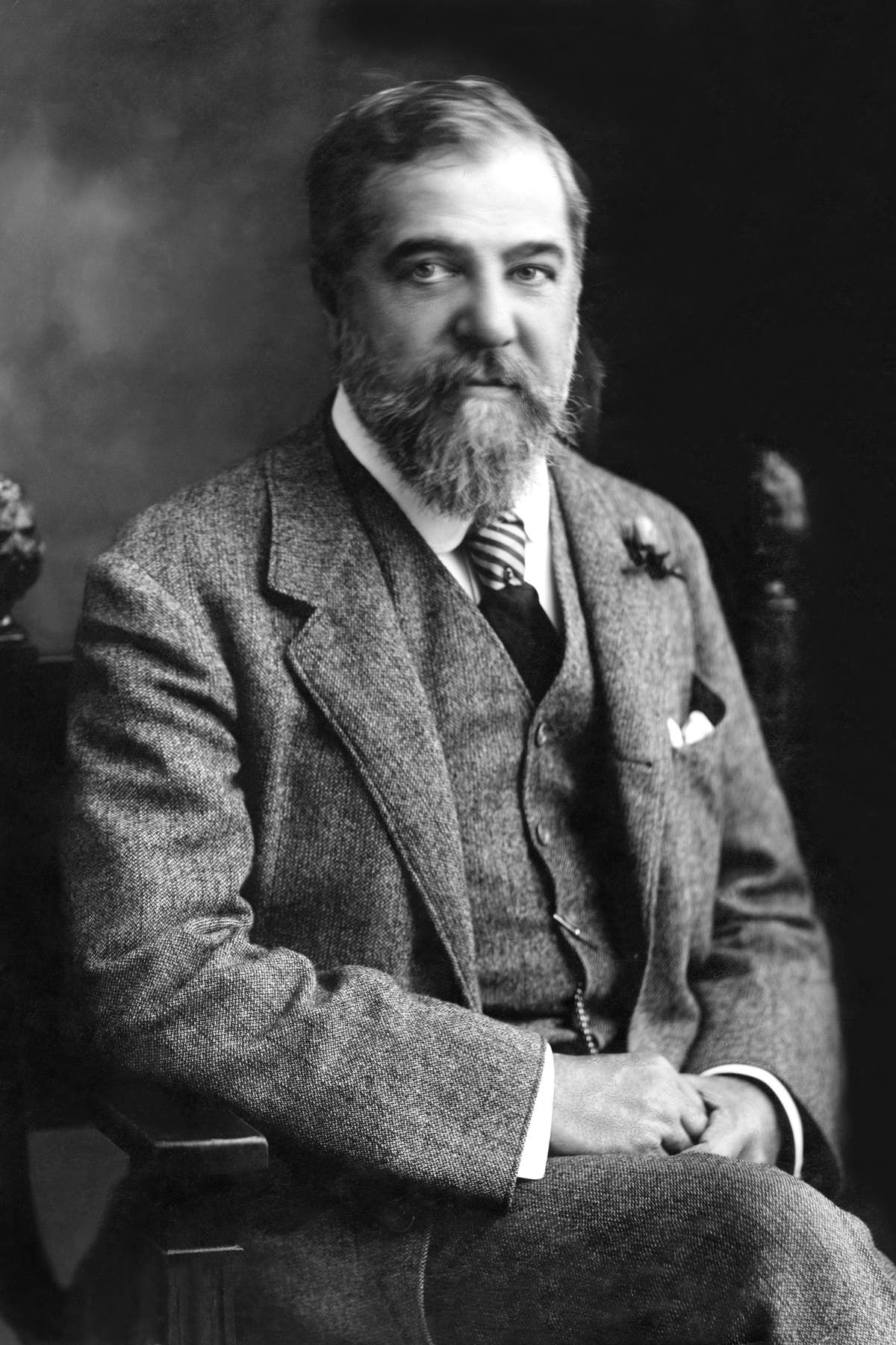
Louis Comfort Tiffany, an American artist, is revered for his significant contributions to the Art Nouveau movement and for revolutionizing the art of glassmaking. As the son of the founder of Tiffany & Co., Charles Lewis Tiffany, Louis was predisposed to a life surrounded by opulence and artistry. His early years were marked by training under prominent painters and a comprehensive education in the arts, which included a stint at the National Academy of Design in New York.
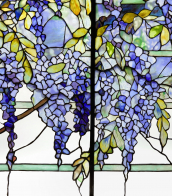
Louis Comfort Tiffany's foray into the world of stained glass was not merely an extension of his artistic pursuits but a manifestation of his relentless quest for innovation and beauty. His early work with stained glass utilized materials with mineral impurities, lending his pieces a distinct quality that set them apart from the conventional. His dedication led to the opening of his own glass factory in Corona, New York, where he developed and patented the "copper foil" technique. This method, contrasting sharply with the traditional lead came technique, allowed for greater detail and complexity in his stained glass creations.
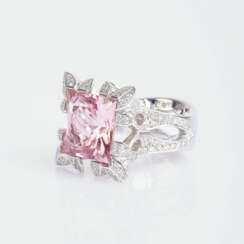
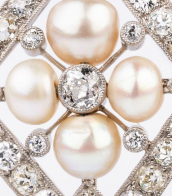
Louis Comfort Tiffany's contributions weren't limited to stained glass; his ventures into lighting and lamps in 1898 brought about iconic designs that combined functionality with aesthetic beauty. His lamp designs, characterized by their unique selection of glass and organic forms, are celebrated for their intricate detail and artistry. Tiffany's work also extended to mosaics, enamelwork, pottery, and jewelry, showcasing his versatility and innovative spirit across multiple mediums.
Perhaps one of Louis Comfort Tiffany's most majestic installations is the Mosaic Curtain at the Palacio de Bellas Artes in Mexico City. Commissioned for its exceptional craftsmanship, the curtain is a testament to Tiffany's mastery over glass, reflecting his ability to blend artistic vision with technical prowess. This monumental piece, composed of nearly one million pieces of favrile glass, illustrates a vibrant landscape that comes to life under changing light conditions, embodying the essence of Art Nouveau's fascination with nature and innovation.
Louis Comfort Tiffany's legacy is a rich tapestry of artistic achievement that has left an indelible mark on the worlds of art and design. His work, characterized by a deep appreciation for the natural world and a pioneering approach to materials and techniques, continues to inspire and captivate collectors and art enthusiasts around the globe.
For those interested in exploring the depth and beauty of Tiffany's creations, staying updated on new discoveries, exhibitions, and auction events related to his work is essential. Signing up for updates ensures that enthusiasts and collectors are always informed about opportunities to engage with the magnificent legacy of Louis Comfort Tiffany.


 Джакомо Балла. Картина Автопортрет, 1902.jpg)
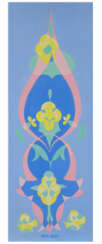
Giacomo Balla was a great painter of the 20th century, representative of the first wave of Italian futurism, one of the most influential masters of the last century.
Giacomo Balla's work is an attempt to convey dynamics, to capture the very essence of movement. His paintings are lyrical, full of light and rhythm.

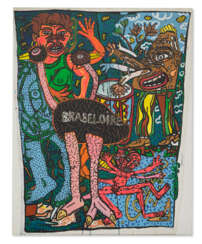


Robert Combas is a French painter and sculptor. He lives and works in Paris.
He is widely recognized as a progenitor of the figuration libre movement that began in Paris around 1980 as a reaction to the art establishment in general and minimalism and conceptual art in particular.
Figuration libre is often regarded as having roots in Fauvism and Expressionism and is linked to contemporary movements such as Bad Painting and Neo-expressionism. It draws on pop cultural influences such as graffiti, cartoons and rock music in an attempt to produce a more varied, direct and honest reflection of contemporary society, often satirizing or critiquing its excesses.


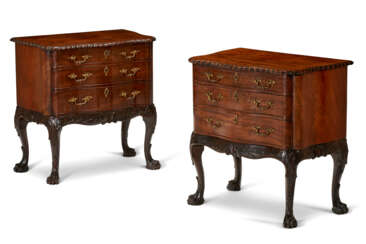


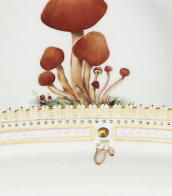


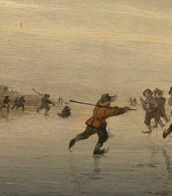
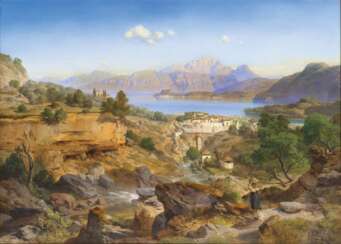

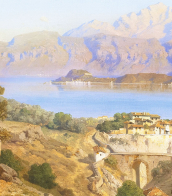
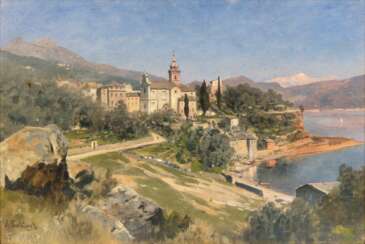

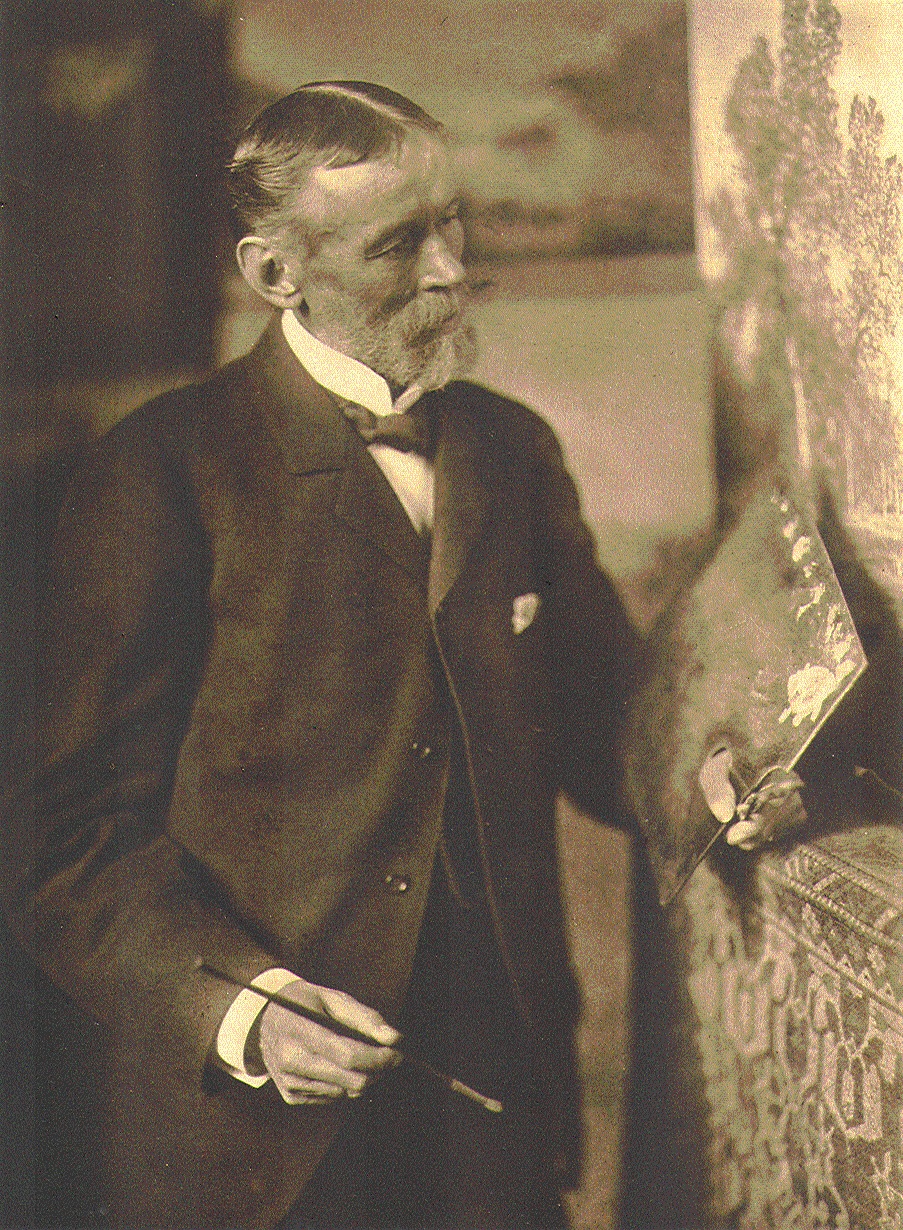
Ascan Lutteroth was a German landscape painter; associated with the Düsseldorfer Malerschule.


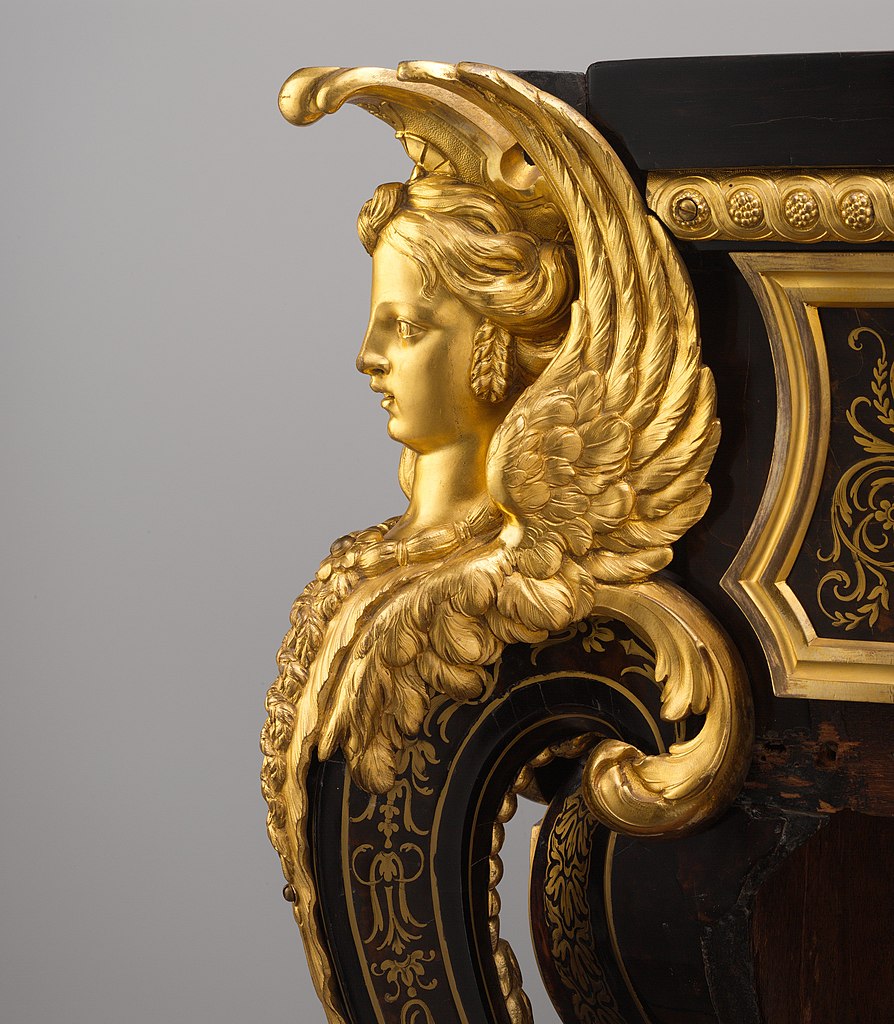
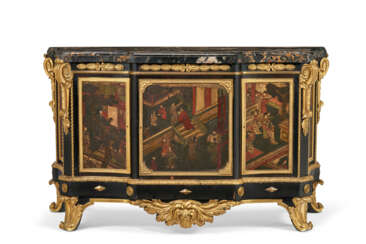
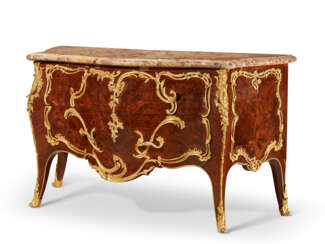
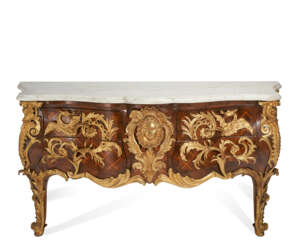
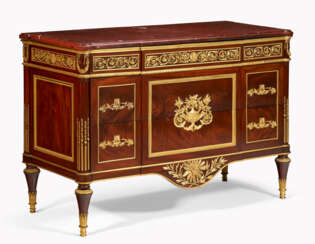
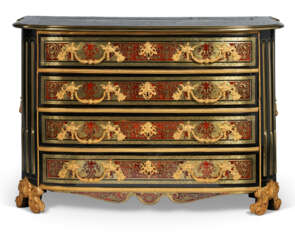
André-Charles Boulle, a French artist and cabinetmaker, was celebrated for his mastery in marquetry, a decorative technique involving inlaid veneers of wood, metal, and tortoiseshell. Born in Paris in 1642, Boulle's work defined luxury and sophistication in 17th and 18th-century French furniture, earning him the title of "Premier ébéniste du Roi" under Louis XIV. His contributions to art and culture extend beyond mere craftsmanship, embodying the opulence of the Louis XIV style and influencing European decorative arts profoundly.
Boulle's innovative techniques, particularly his unique use of marquetry, known as "Boulle work," involved intricate patterns of brass, pewter, and tortoiseshell, setting new standards for furniture design. This approach allowed him to create stunning visual effects, with his creations including clocks, cabinets, and tables that showcased both artistic flair and technical brilliance. His work, characterized by elaborate motifs and an exceptional blend of materials, is regarded as the epitome of Baroque artistry, blending sculpture, painting, and architecture into functional objects of beauty.
Several of Boulle's masterpieces are preserved in prestigious museums, such as the Louvre and the Palace of Versailles, where they continue to captivate visitors with their intricate details and historical significance. Notable works attributed to him, like the intricate coffers on stands and monumental cabinets housed in the J. Paul Getty Museum, reflect his role as a "painter in wood," celebrating French military victories and the grandeur of the Sun King's court. These pieces, never signed but attributed to him based on stylistic elements and historical records, highlight Boulle's innovative use of materials and his impact on the decorative arts.
For collectors and experts in art and antiques, André-Charles Boulle's work represents the zenith of French decorative arts. His legacy is not only in the beauty of his creations but also in the techniques he perfected, which continue to inspire contemporary designers and craftsmen. Those interested in the elegance and history of Boulle's work are encouraged to sign up for updates on new product sales and auction events related to this iconic artist. This subscription offers a unique opportunity to connect with the world of André-Charles Boulle, ensuring enthusiasts are informed of the latest discoveries and offerings that celebrate his enduring influence on culture, art, and design.
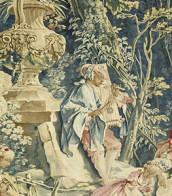
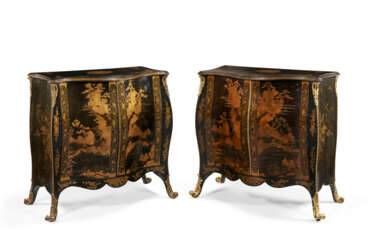

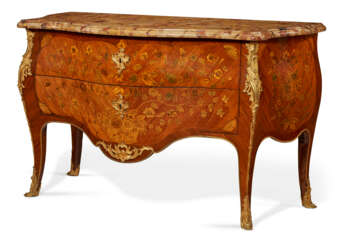










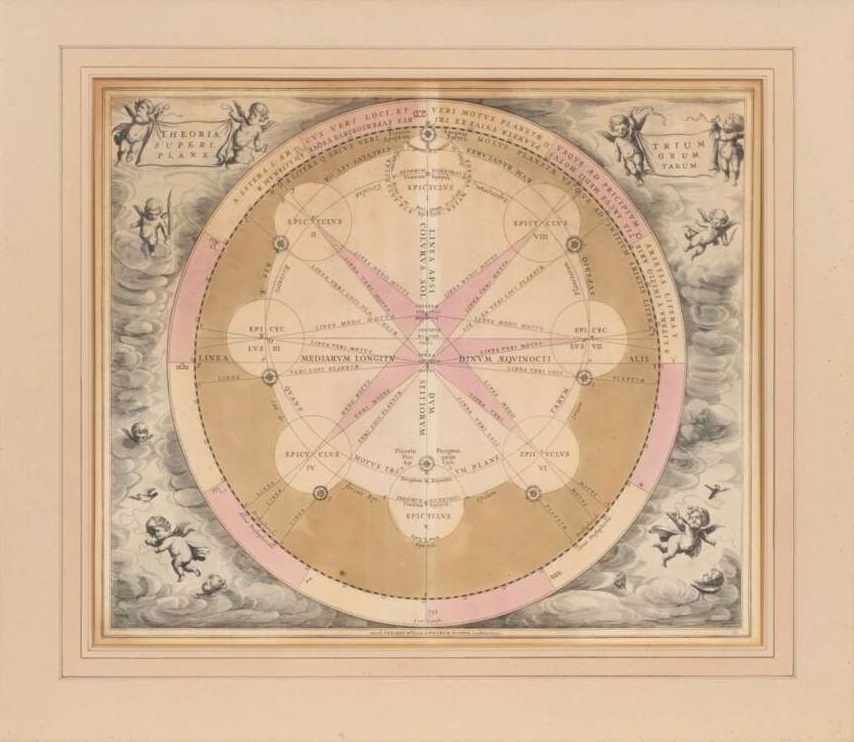
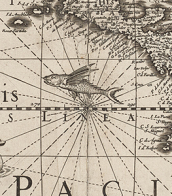
Johannes van Loon, also known as Jan van Loon, was a Dutch mapmaker, mathematician, and engraver active in Amsterdam during the middle part 17th century.



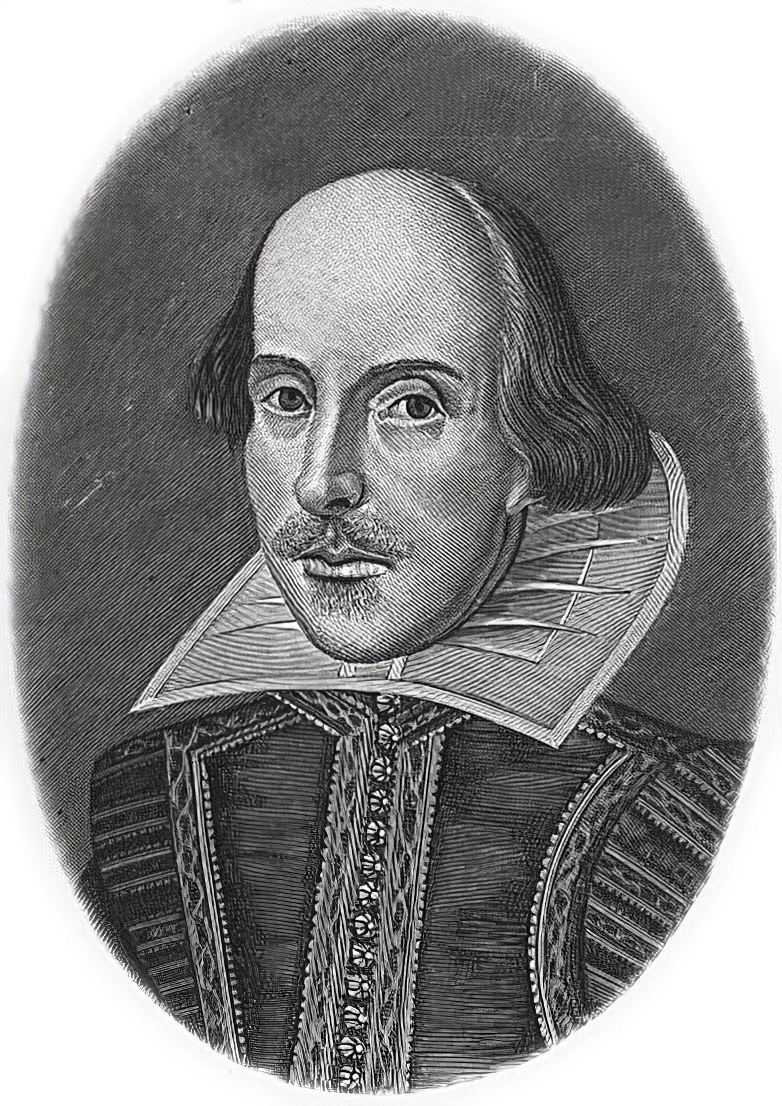
William Shakespeare was a British poet and playwright and writer.
William's father, John Shakespeare, was a merchant and official in Stratford. There are reports that he was a sailor for a time before joining a theater company in London. Beginning in the 1590s, Shakespeare began writing plays, and in 1593 he published a poem, Venus and Adonis, which became popular. He dedicated it to the Duke of Southampton, who was a philanthropist and patron of talent, and soon his business was booming.
From 1592 to 1600 Shakespeare wrote his dramas and romantic comedies "Richard III", "The Taming of the Shrew", "Romeo and Juliet", "A Midsummer Night's Dream" and "The Merchant of Venice", as well as the comedies "Much Ado About Nothing", "Twelfth Night" and the tragedy "Julius Caesar". The playwright's business was so successful that he even bought a large house in Stratford. In 1599, Shakespeare became one of the owners, playwright and actor of the new theater "Globe". In 1603 King James took Shakespeare's troupe under his direct patronage. In the mature period, the great playwright turned to tragedies, there were "Hamlet", "Othello", "King Lear", "Macbeth" and others.
Although in the 19th century researchers had some doubts about the authorship of many of these works, William Shakespeare is considered the greatest English playwright, one of the best playwrights in the world. His plays have been translated into all major languages and to this day form the basis of the world theatrical repertoire, most of them have been screened many times. According to the Guinness Book of Records, Shakespeare remains the world's best-selling playwright, and his plays and poems have sold more than 4 billion copies in the nearly 400 years since his death.






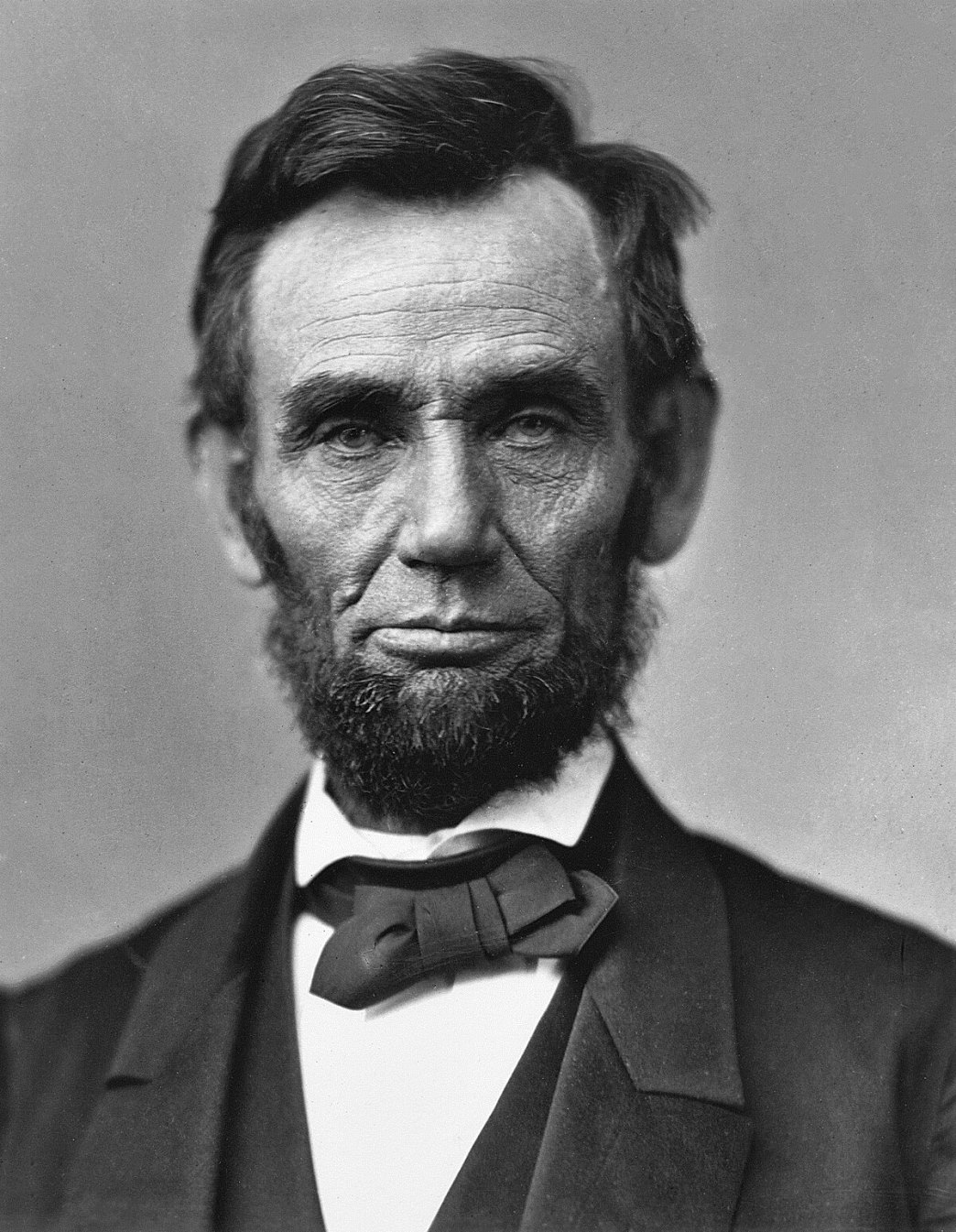
Abraham Lincoln was an American statesman and politician, the 16th President of the United States (March 4, 1861 - April 15, 1865).
The son of a frontiersman and a Kentucky farmer, Lincoln worked hard from an early age and struggled to learn. He was a militiaman in the Indian War, practiced law, and sat in the Illinois legislature for eight years. He was an opponent of slavery and gradually gained a national reputation that earned him victory in the 1860 presidential election.
After becoming the 16th president of the United States, Abraham Lincoln turned the Republican Party into a strong national organization. In addition, he drew most Northern Democrats to the Union side. On January 1, 1863, he issued the Emancipation Proclamation, which declared permanently free those slaves who were in Confederate territory. Lincoln considered secession illegal and was prepared to use force to defend federal law and the Union. Four more slave states joined the Confederacy, but four remained in the Union, and the Civil War of 1861-1865 began.
Lincoln personally directed the military action that led to victory over the Confederacy. Abraham Lincoln was reelected in 1864, and on April 14, 1865, he was fatally shot at Ford's Theatre in Washington, D.C. by actor John Wilkes Booth.
Abraham Lincoln is a national hero of the American people, he is considered one of the best and most famous presidents of the United States until today.