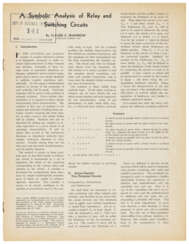
circuits















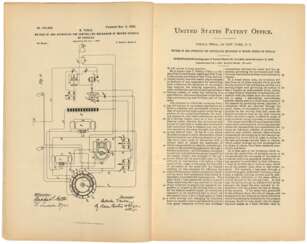

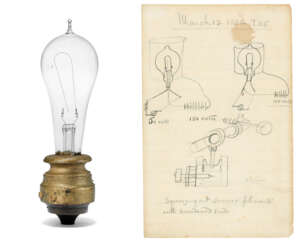



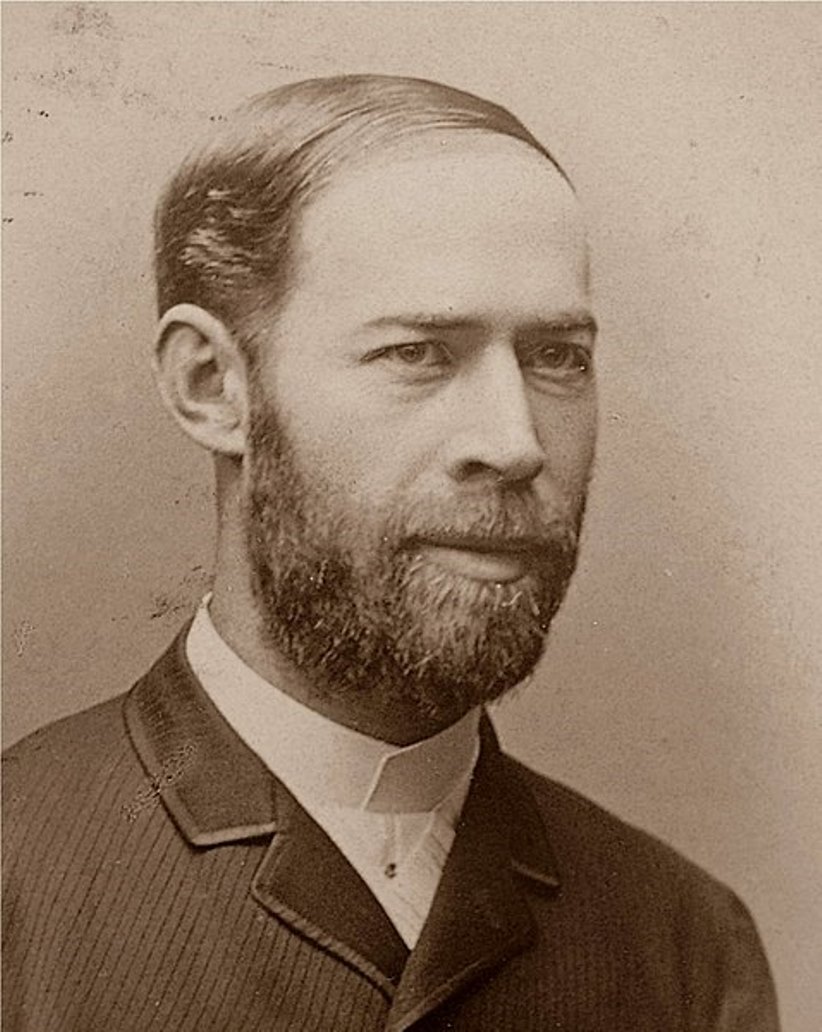
Heinrich Rudolf Hertz was a German physicist and inventor of radio waves.
Hertz graduated from the University of Berlin, studying under Hermann von Helmholtz and Gustav Kirchhoff, then was a professor of physics at the University of Karlsruhe, and from 1889 became a professor of physics at the University of Bonn.
A tireless experimenter, Hertz conducted various experiments with electric waves. Hertz reported his first discovery at the end of 1887 in a treatise "On the electromagnetic effects caused by electrical perturbations in insulators," which he sent to the Berlin Academy. For a time the waves he discovered were called Hertzian waves, but today they are known as radio waves. Hertz's discovery was a confirmation of James Clerk Maxwell's electromagnetic theory and paved the way for numerous advances in communication technology.
Hertz is also known for the discovery of the photoelectric effect, which occurred during his research on electromagnetic waves. Hertz was only 37 years old at the time of his death and many of his experiments and work remained unfinished, but his discovery of radio waves had a huge impact on the world in the 20th century, paving the way for the development of radio, television and radar.

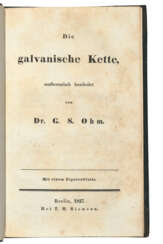

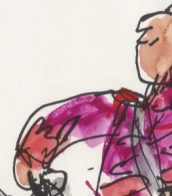
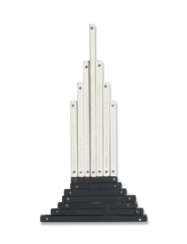

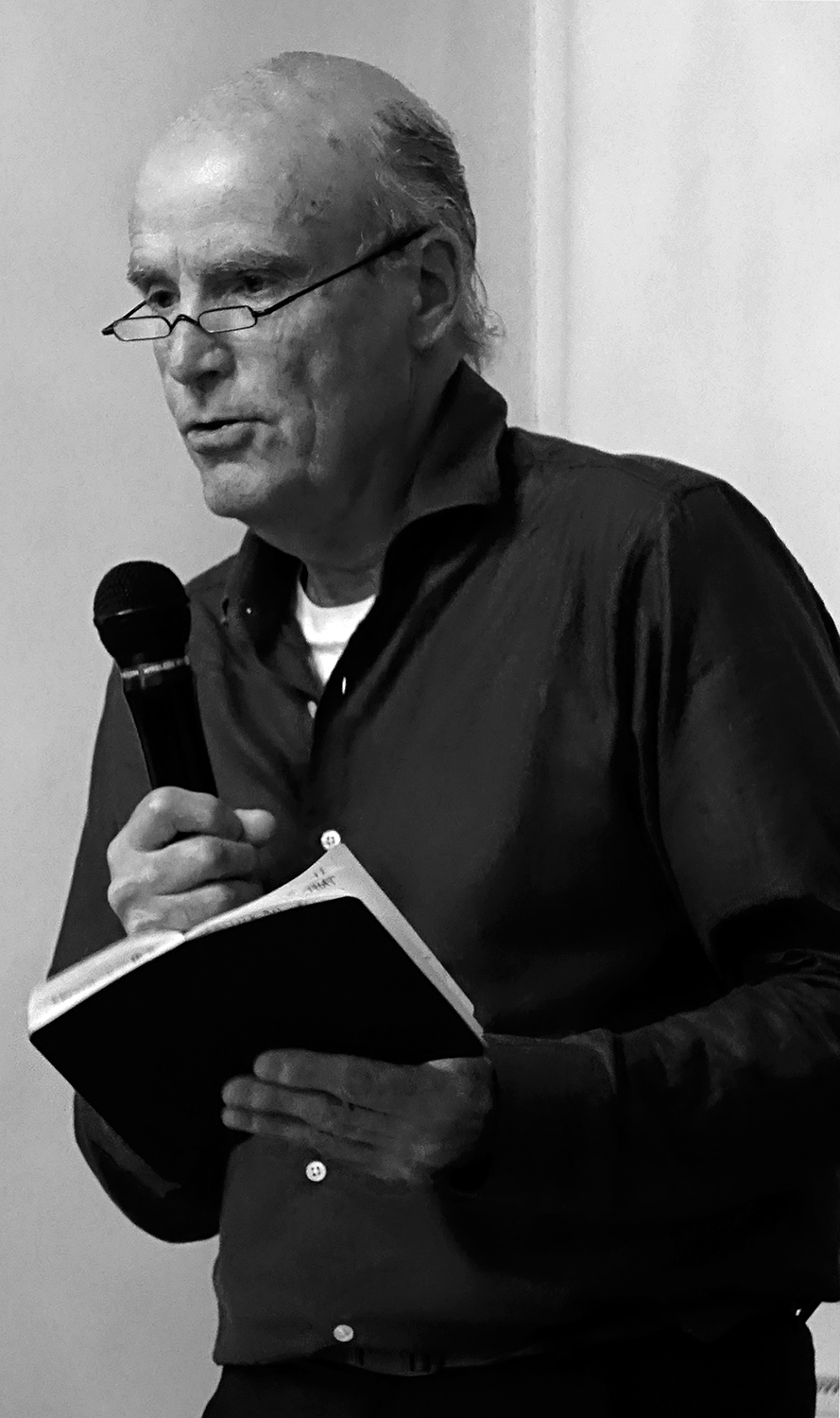
Hamish Fulton is an English walking artist. Since 1972 he has only made works based on the experience of walks. He translates his walks into a variety of media, including photography, illustrations, and wall texts. His work is contained in major museums collections, such as the Tate Britain and MoMA. Since 1994 he has been creating group walks for the public. Fulton argues that 'walking is an artform in its own right' and argues for wider acknowledgement of walking art.




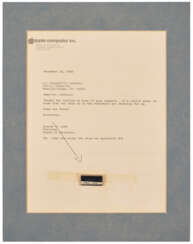


Steve Jobs, full name Steven Paul Jobs, birth name Abdul Latif Jandali, is an American entrepreneur, inventor and industrial designer who pioneered the information technology era.
Jobs grew up in foster care, took a job at Atari Corporation as a video game designer in early 1974, then traveled to India, comprehending Zen Buddhism. At the same time, Jobs met former classmate Steven Wozniak (b. 1950), and together they developed one of the first personal computers and in 1976 founded Apple, which was the beginning of the personal computer revolution of the 1970s and 1980s.
In 1985, Jobs left Apple and founded NeXT, a company that developed a computer platform for universities and businesses. By 1997, Jobs had regained control of Apple by leading the corporation. Under his leadership, the company was saved from bankruptcy and began turning a profit a year later. Over the next decade, Jobs oversaw the development of the iMac, iTunes, iPod, iPhone, and iPad, as well as the development of the Apple Store, iTunes Store, App Store, and iBookstore. In 2011, Apple was recognized as the world's most valuable publicly traded company.
Steve Jobs passed away after a long illness at the age of 56. In July 2022, Jobs was posthumously awarded the Presidential Medal of Freedom, the highest U.S. civilian honor, for his invaluable contributions to the music, film, and computer industries.
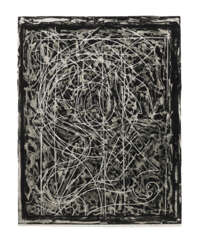

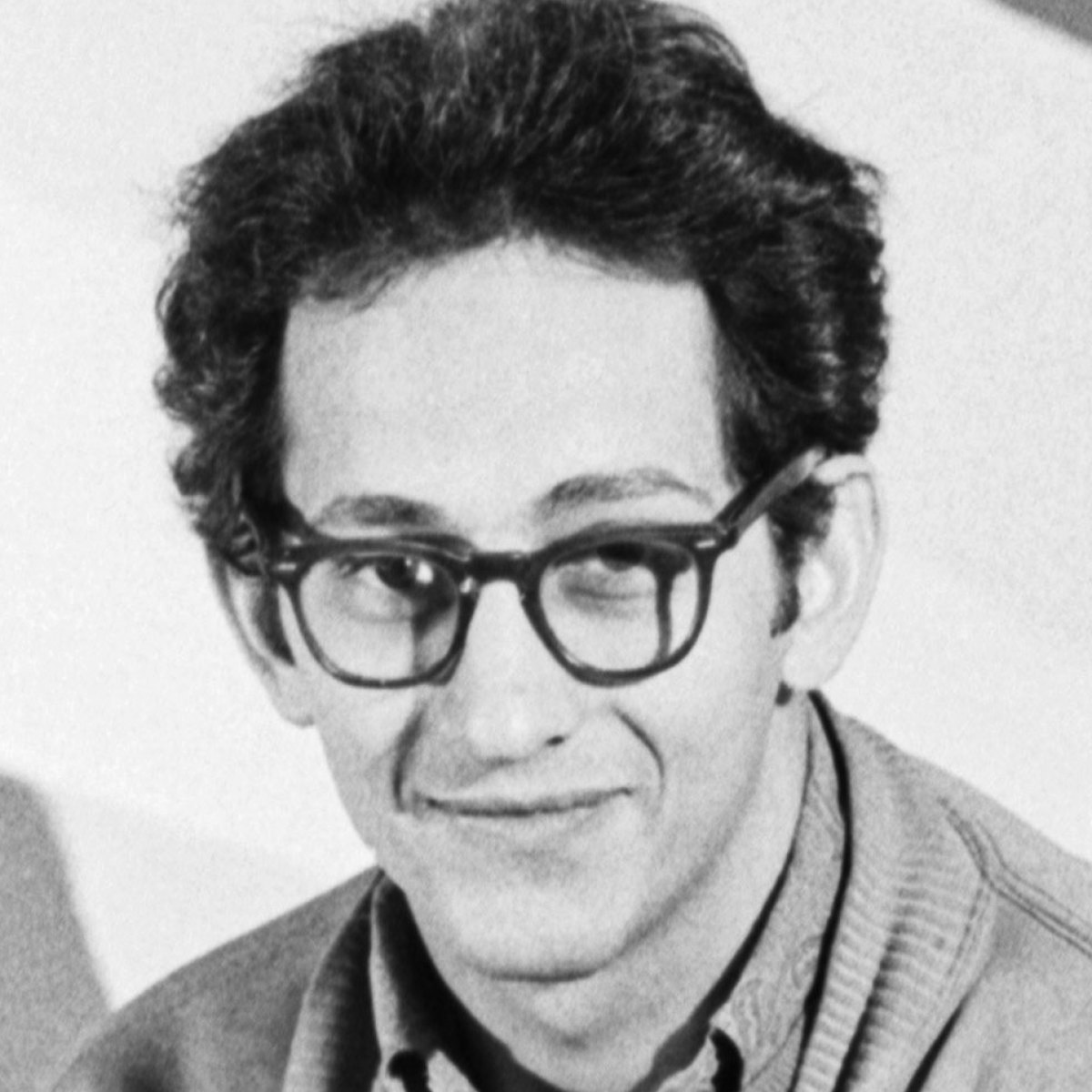
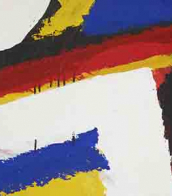
Frank Philip Stella, an American icon in the realms of painting, sculpture, and printmaking, has left an indelible mark on the art world with his pioneering work in minimalism and post-painterly abstraction. Born on May 12, 1936, in Malden, Massachusetts, Stella's artistic journey commenced with his studies in painting at Phillips Academy, Andover, and history at Princeton University. His move to New York City in 1958 heralded the start of an illustrious career that would see him challenge and redefine artistic boundaries.
Stella's work is celebrated for its innovative approach to form, color, and composition. His early endeavors in the late 1950s showcased black paintings characterized by bands of bare canvas, which played a pivotal role in emphasizing the flatness of the picture plane. This deliberate artificiality in his work garnered considerable attention and positioned him at the forefront of Post-Painterly Abstraction, a movement that reacted against the emotive excesses of Abstract Expressionism.
Throughout his career, Stella continued to push the limits of abstraction. His vocabulary expanded to include vibrant and dynamic assemblages that projected out from the wall, utilizing a variety of materials from steel to plastic. This evolution of his style is not only a testament to his ingenuity but also his influence on contemporary art. Notable works that exemplify his groundbreaking approach include "Grajau I," "Harran II," and "Eskimo Curlew," among others, which can be found in prestigious collections such as The Glass House and the Solomon R. Guggenheim Museum.
For art collectors and enthusiasts alike, Stella's oeuvre offers a captivating exploration into the possibilities of abstract art. His continued relevance and the profound impact of his work on both his peers and successive generations of artists underscore his status as a seminal figure in modern art.
Stay updated on new discoveries, sales, and auction events related to Frank Philip Stella by signing up for our newsletter. This subscription is your gateway to the latest in the world of Frank Stella, ensuring you never miss an opportunity to engage with the works of this monumental artist.



Frank Philip Stella, an American icon in the realms of painting, sculpture, and printmaking, has left an indelible mark on the art world with his pioneering work in minimalism and post-painterly abstraction. Born on May 12, 1936, in Malden, Massachusetts, Stella's artistic journey commenced with his studies in painting at Phillips Academy, Andover, and history at Princeton University. His move to New York City in 1958 heralded the start of an illustrious career that would see him challenge and redefine artistic boundaries.
Stella's work is celebrated for its innovative approach to form, color, and composition. His early endeavors in the late 1950s showcased black paintings characterized by bands of bare canvas, which played a pivotal role in emphasizing the flatness of the picture plane. This deliberate artificiality in his work garnered considerable attention and positioned him at the forefront of Post-Painterly Abstraction, a movement that reacted against the emotive excesses of Abstract Expressionism.
Throughout his career, Stella continued to push the limits of abstraction. His vocabulary expanded to include vibrant and dynamic assemblages that projected out from the wall, utilizing a variety of materials from steel to plastic. This evolution of his style is not only a testament to his ingenuity but also his influence on contemporary art. Notable works that exemplify his groundbreaking approach include "Grajau I," "Harran II," and "Eskimo Curlew," among others, which can be found in prestigious collections such as The Glass House and the Solomon R. Guggenheim Museum.
For art collectors and enthusiasts alike, Stella's oeuvre offers a captivating exploration into the possibilities of abstract art. His continued relevance and the profound impact of his work on both his peers and successive generations of artists underscore his status as a seminal figure in modern art.
Stay updated on new discoveries, sales, and auction events related to Frank Philip Stella by signing up for our newsletter. This subscription is your gateway to the latest in the world of Frank Stella, ensuring you never miss an opportunity to engage with the works of this monumental artist.



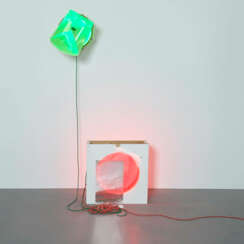


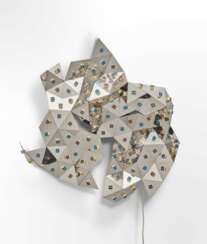
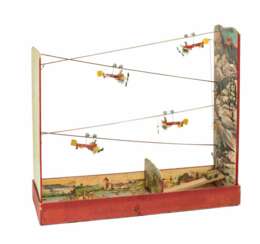
Haroon Mirza is a British contemporary visual artist, of Pakistani descent. He is best known for sculptural installations that generate audio compositions.






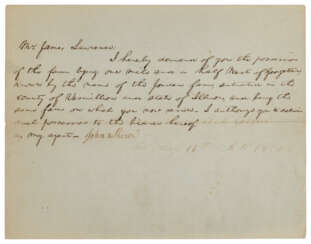

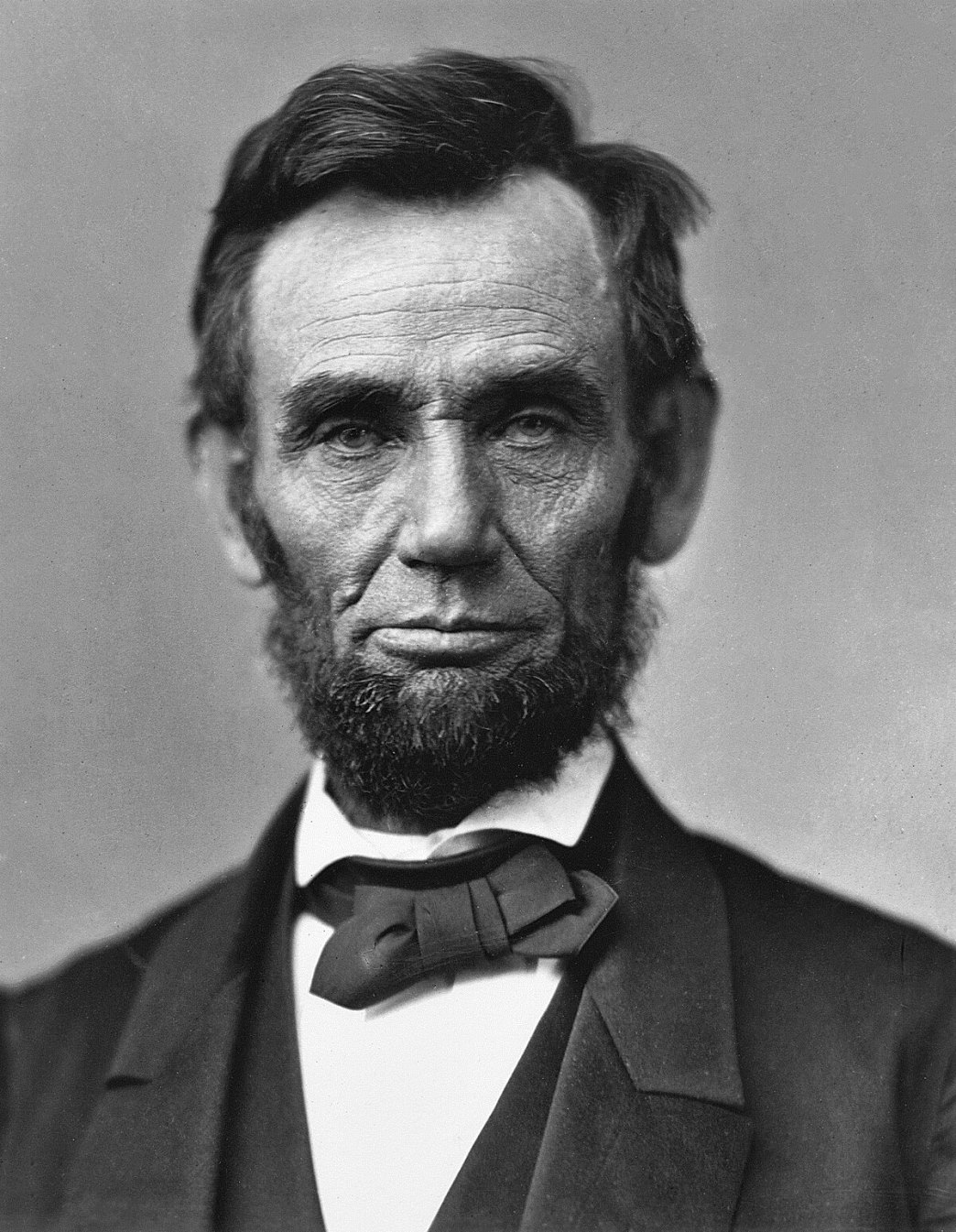
Abraham Lincoln was an American statesman and politician, the 16th President of the United States (March 4, 1861 - April 15, 1865).
The son of a frontiersman and a Kentucky farmer, Lincoln worked hard from an early age and struggled to learn. He was a militiaman in the Indian War, practiced law, and sat in the Illinois legislature for eight years. He was an opponent of slavery and gradually gained a national reputation that earned him victory in the 1860 presidential election.
After becoming the 16th president of the United States, Abraham Lincoln turned the Republican Party into a strong national organization. In addition, he drew most Northern Democrats to the Union side. On January 1, 1863, he issued the Emancipation Proclamation, which declared permanently free those slaves who were in Confederate territory. Lincoln considered secession illegal and was prepared to use force to defend federal law and the Union. Four more slave states joined the Confederacy, but four remained in the Union, and the Civil War of 1861-1865 began.
Lincoln personally directed the military action that led to victory over the Confederacy. Abraham Lincoln was reelected in 1864, and on April 14, 1865, he was fatally shot at Ford's Theatre in Washington, D.C. by actor John Wilkes Booth.
Abraham Lincoln is a national hero of the American people, he is considered one of the best and most famous presidents of the United States until today.