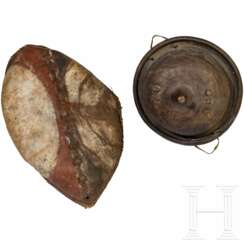
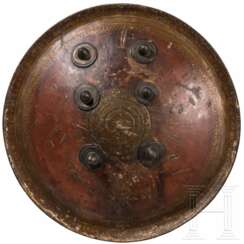
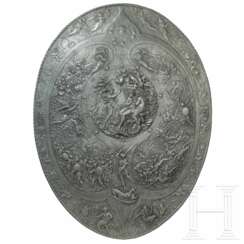
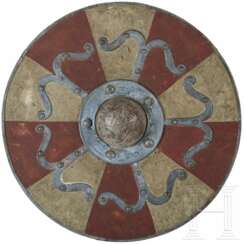
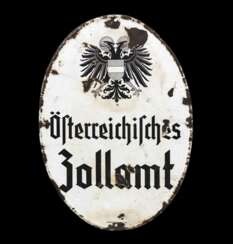
das schild
















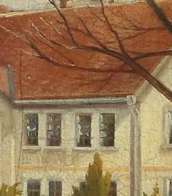


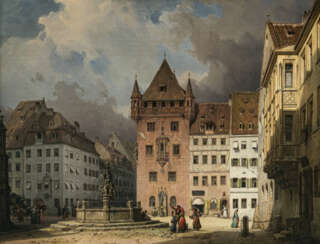

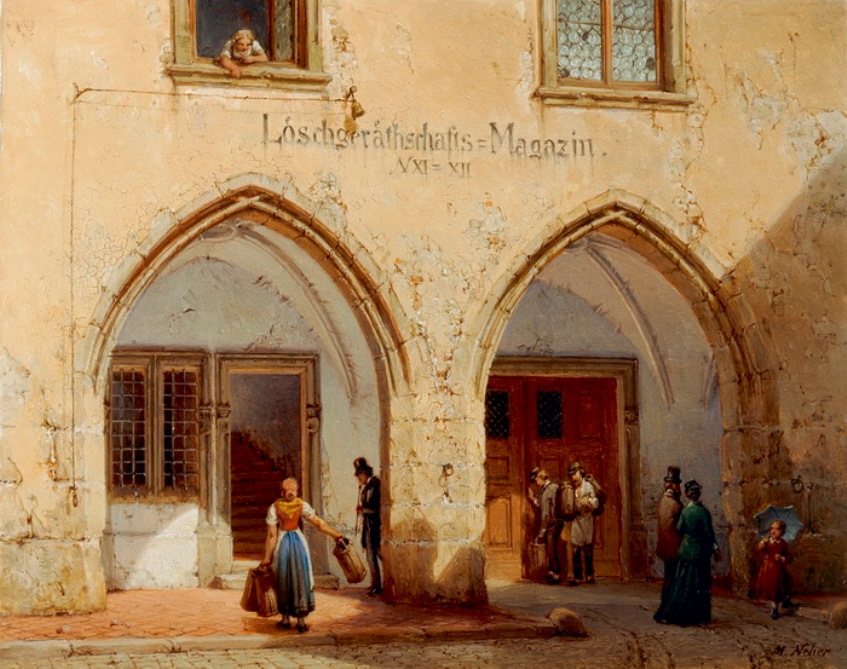
Michael Neher was a German painter and architectural decorator.
Michael studied at the Academy in Munich, in 1819 went to Italy and spent five years there, including two years in Rome, where he studied architectural painting in the studio of the artist Heinrich Maria von Hess, and in 1825 returned to Munich.
As a typical representative of the Biedermeier era, Neher produced many costume drawings and landscapes. He also became famous for his views of public places and architectural depictions of many Bavarian towns. From 1837, Michel Neher devoted himself entirely to architectural painting and traveled to improve his skills along the Rhine and to Belgium. In 1839 he painted several salons in Hohenschwangen Castle from designs by Schwind, Gasner and Schwanthaler. In 1876 he was made an honorary member of the Munich Academy.




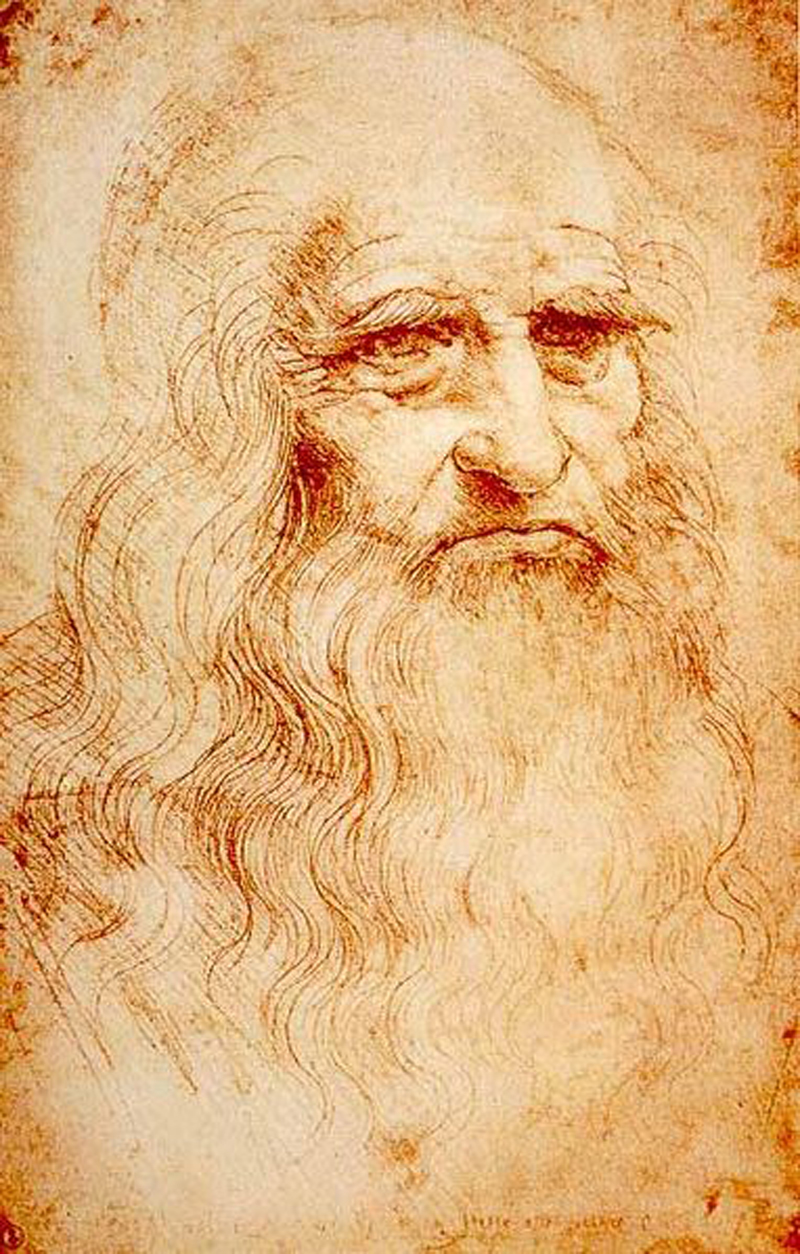
Leonardo da Vinci was an Italian polymath of the High Renaissance, celebrated as a painter, draughtsman, engineer, scientist, theorist, sculptor, and architect. His remarkable abilities and innovative thinking made him an epitome of the Renaissance humanist ideal. Born in Vinci, near Florence, in 1452, Leonardo was educated in Florence by Andrea del Verrocchio, a renowned painter and sculptor. He began his career in Florence, later working in Milan, Rome, and France, where he died in 1519.
Da Vinci is revered for his artistic mastery, technological innovation, and scientific inquiry. Despite having fewer than 25 major works attributed to him, including several unfinished ones, his influence on Western art is profound. His magnum opus, the "Mona Lisa," housed in the Louvre Museum, Paris, is considered the world's most famous painting. "The Last Supper," his most reproduced religious painting, showcases his mastery of dramatic narrative and pictorial illusionism. Both paintings exhibit Leonardo's unique ability to convey complex human emotions and his innovative use of techniques like sfumato and chiaroscuro.
Leonardo's interests extended far beyond fine art. He was a visionary in multiple fields, including anatomy, physics, architecture, and mechanics. His notebooks reveal designs for machines like bicycles, helicopters, and military tanks, centuries ahead of their time. However, due to his diverse interests, he left many projects and paintings incomplete. Leonardo's final years were spent in France, where he continued his artistic and scientific pursuits until his death.
For collectors and experts in art and antiques, Leonardo da Vinci remains a figure of endless fascination. His works not only embody the pinnacle of Renaissance art but also provide insights into the era's scientific and philosophical inquiry. To stay updated on new sales and auction events related to Leonardo da Vinci, sign up for our newsletter. This subscription is a gateway to exploring the rich legacy of this unparalleled artist and inventor.