dita mach 1




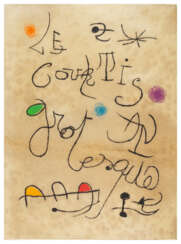

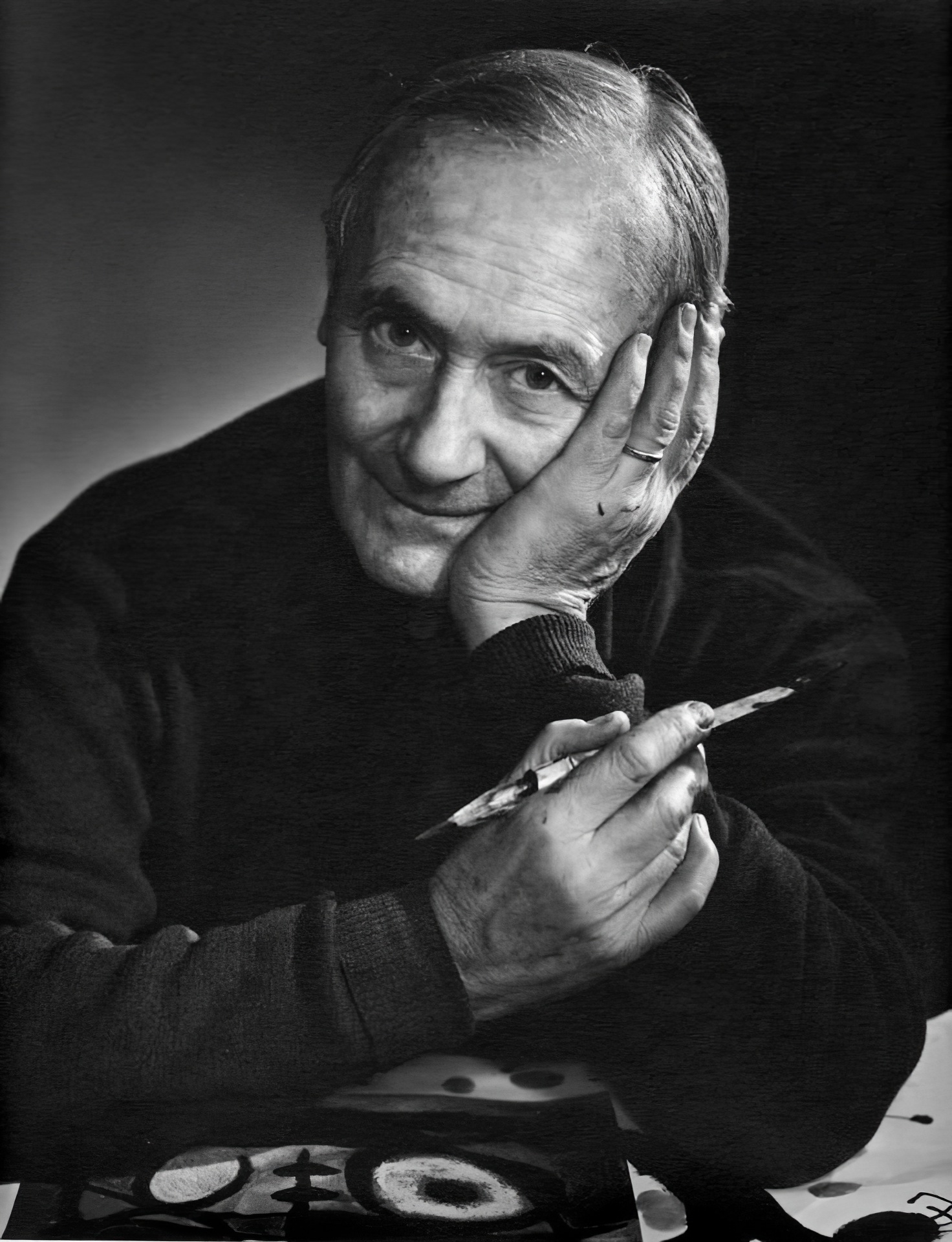
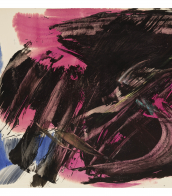
Joan Miró, a celebrated Spanish artist, was a master in painting, sculpture, and ceramics, renowned for his unique style that blurred the lines between Surrealism, Fauvism, and Expressionism. Born in Barcelona to a family of a goldsmith and a watchmaker, Miró grew up immersed in the rich cultural heritage of the Barri Gòtic neighborhood. His artistic journey began with drawing classes at the age of seven and continued at the prestigious La Llotja art academy. Despite an initial venture into the business world, Miró's passion for art prevailed, leading him to abandon his clerical career after a nervous breakdown.
Miró's work is noted for its exploration of the subconscious, often depicting a childlike perspective. This approach was both a critique of traditional painting methods and a means of expressing Catalan pride. His art, challenging to categorize, often featured symbolic elements and nationalistic qualities. One of his notable early works, "The Farm," reflects a transition to a more individual style, blending elements of his Catalan roots with broader artistic influences. This piece, later purchased by Ernest Hemingway, encapsulated the essence of Spain in its imagery.
In Paris, Miró joined the Surrealist movement in 1924, where his work began to reflect the influence of automatism, emphasizing spontaneous, automatic, or subconscious creation. He experimented with various mediums, including painting-poetry and collage, and even ventured into set and costume design for Sergei Diaghilev's Ballets Russes.
During World War II, Miró remained in Spain, and his work from this period, including the 22 Constellations series, reflected an interest in the night, music, and stars. His forms became increasingly abstracted, and he experimented with various techniques, often incorporating primary colors and evocative titles.
Miró's career spanned several decades, during which he continually evolved his style and explored new mediums. His contributions to art were recognized with numerous awards and retrospectives, including a major career retrospective at MoMA in 1941 and the Spanish Gold Medal for Fine Arts in 1980. Among his last major works was a tapestry for the World Trade Center in New York City, created in 1974.
For art collectors and enthusiasts, Joan Miró remains a figure of immense interest, not only for his distinct style and contributions to Surrealism but also for his ability to blend poetic imagery with political commentary. To stay updated on new product sales and auction events related to Joan Miró, sign up for our updates and immerse yourself in the world of this extraordinary artist.

![[DI DIO, François, sous la dir. de]](/assets/image/picture_2426533/cc470/b7a7bdc6c2cd6c15d69a15b28f8d3a40jpg__fix_374_244.jpeg)
![[DI DIO, François, sous la dir. de]](https://veryimportantlot.com/assets/image/picture_2426533/cc470/b7a7bdc6c2cd6c15d69a15b28f8d3a40jpg__fix_374_244.jpeg)



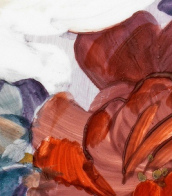
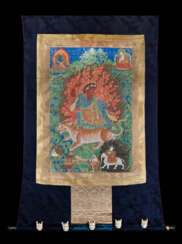

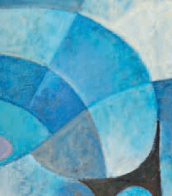


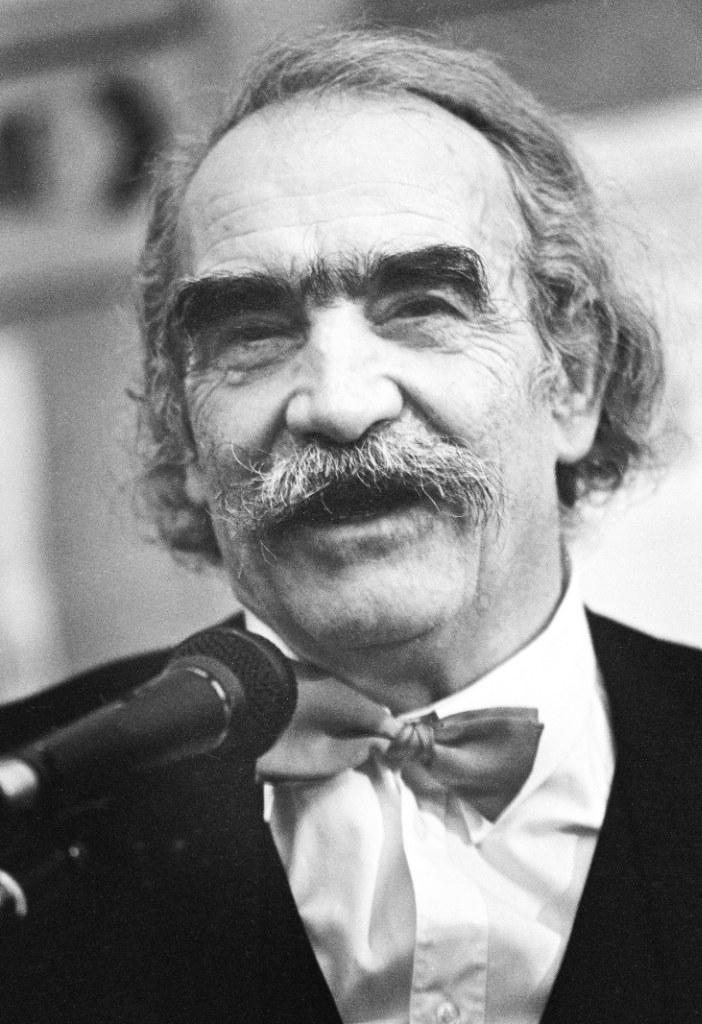
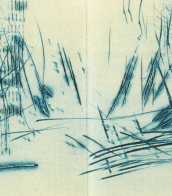
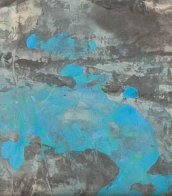
Jean Tinguely, a Swiss sculptor born in Fribourg, Switzerland, in 1925, carved a unique niche in art history with his kinetic sculptures, integrating movement and self-destruction into his works. Notably, his pieces extend the Dada tradition into the latter part of the 20th century, satirizing automation and the technological overproduction of material goods. Tinguely's innovative approach is exemplified in his Metamatic drawing machines, allowing viewers to create abstract images automatically, and his spectacular self-destroying sculpture "Homage to New York" at MoMA in 1960, showcasing his flair for blending performance and art.
His artistry evolved through collaboration with other artists, including his wife Niki de Saint Phalle, leading to vibrant, large-scale projects like the colorful "Stravinsky Fountain" near the Centre Pompidou in Paris. Tinguely's works, characterized by their use of scrap metal and mechanical parts, not only challenge the conventional boundaries of art but also engage with themes of destruction, renewal, and the intersection of art and life. His significant contributions to kinetic art and his involvement with the Nouveau Réalisme group highlight his pioneering role in post-war European art.
Tinguely's legacy is preserved in the Museum Tinguely in Basel, dedicated to his life and work, ensuring his innovative spirit continues to inspire. His works, such as "Méta-Harmonie" and the "Carnival Fountain" in Basel, remain influential, blending artistic exploration with mechanical invention.
For art collectors and experts, Tinguely's creations represent not only significant artistic achievements but also compelling investments, as his works continue to command high prices at auctions, reflecting their enduring appeal and historical importance.
To stay updated on sales and auction events featuring Jean Tinguely's art, sign up for updates. This subscription will ensure you're informed about new opportunities to explore and acquire pieces by this visionary artist, bringing the dynamic energy of kinetic art into your collection.












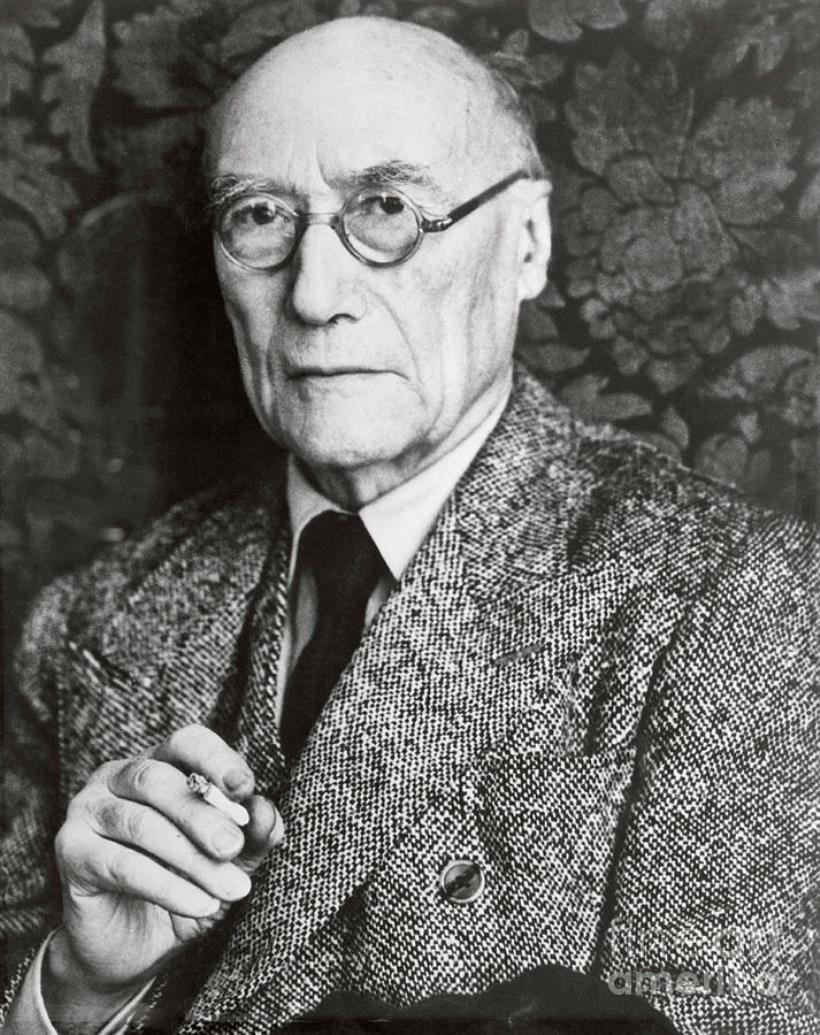
![[GIDE, André (1869-1951)]](/assets/image/picture_2932406/d2d06/ca67f0b0a719c7f232cd37f02a6aa93c1687420800jpg__fix_374_244.jpeg)
![[GIDE, André (1869-1951)]](https://veryimportantlot.com/assets/image/picture_2932406/d2d06/ca67f0b0a719c7f232cd37f02a6aa93c1687420800jpg__fix_374_244.jpeg)
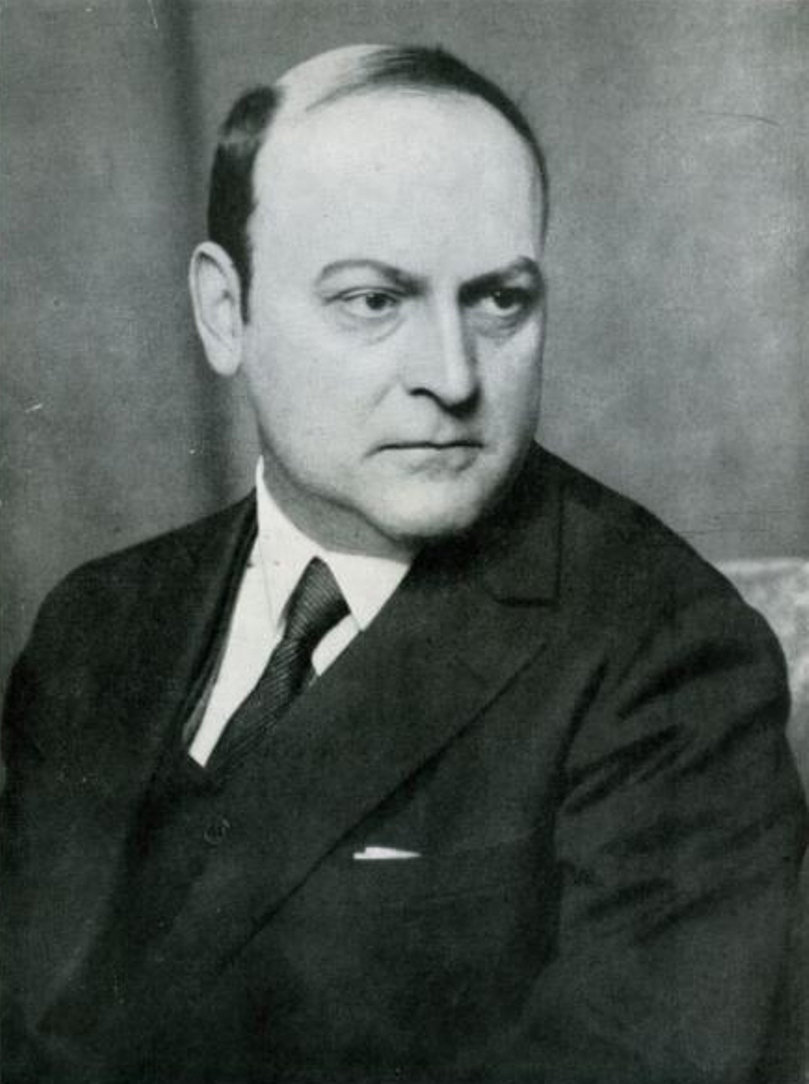
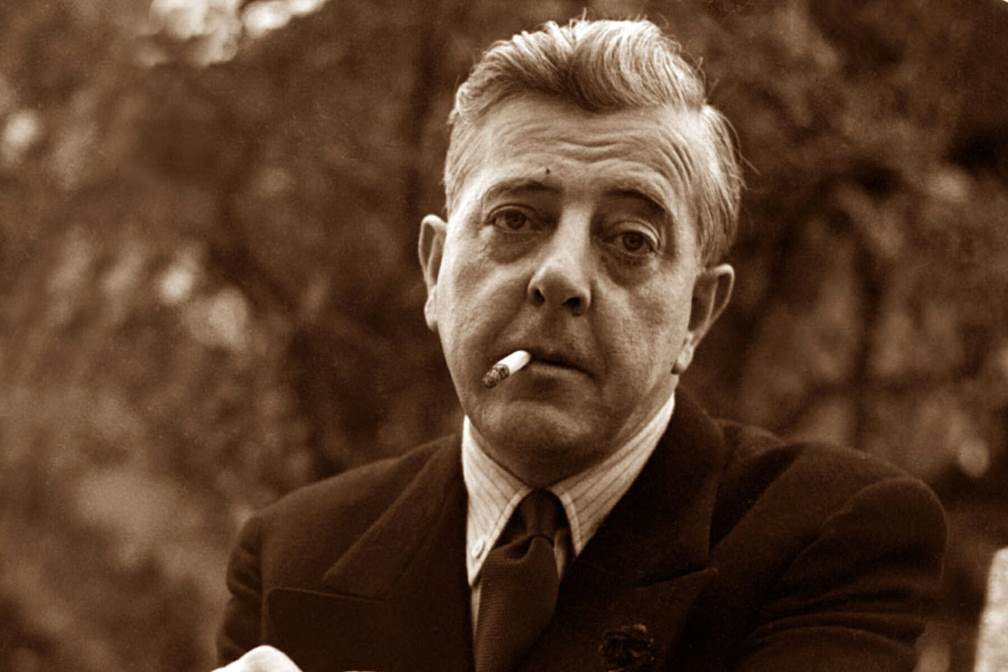
Léon-Paul Fargue was a French poet and novelist, journalist and publicist.
Léon-Paul studied at the Lycée Henry IV in Paris and as a young man became a member of the Symbolist circle associated with Le Mercure de France. His first collection of poems was published in 1912 and reprinted in 1918. After 1930, Fargue practiced journalism almost exclusively, writing newspaper columns and lyrical essays on Parisian life.
Léon Fargue's work encompasses various literary movements, being a kind of bridge from Symbolism to Surrealism. His work has also been associated with the Dadaists and the Cubists, but he followed his own path throughout his life. Fargue was among the founders of the Nouvelle Revue Française in 1912 and participated in the first issue of the surrealist journal Literature in 1919, and was one of the leaders of the experimental journal Commerce in the 1920s. Farg was friends with many writers, artists and composers, including Pablo Picasso and Igor Stravinsky.
In 1937, Léon-Paul Fargue was elected a member of the Académie Mallarmé, and in 1946 he won the Grand Poet Laureate of Paris.