dolce &amp


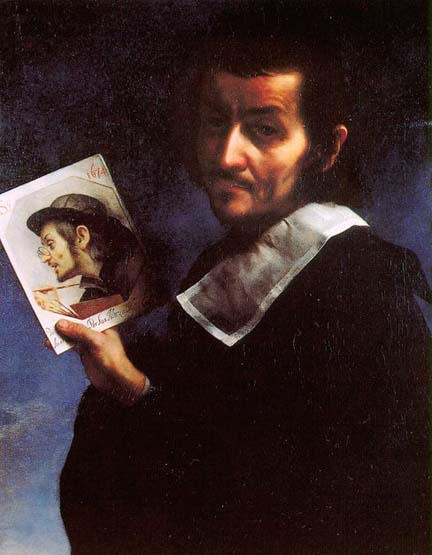
Carlo Dolci was a mature Baroque Florentine painter. He is known for his paintings on religious themes.







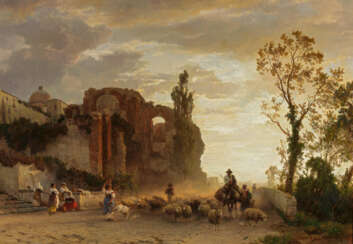

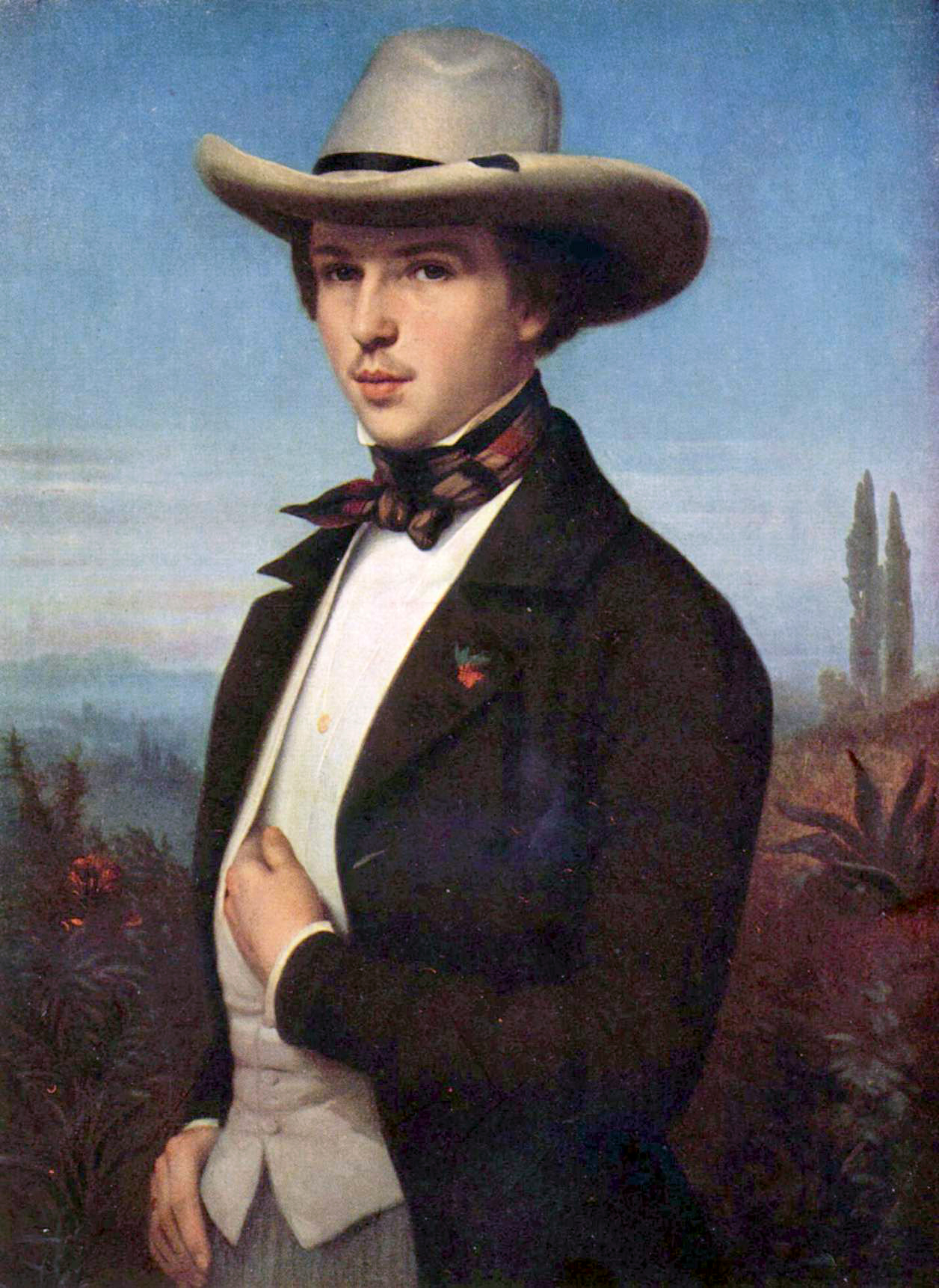
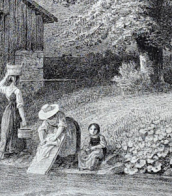
Oswald Achenbach was a German painter associated with the Düsseldorf school of painting. Though little known today, during his lifetime he was counted among the most important landscape painters of Europe. Through his teaching activities, he influenced the Kunstakademie Düsseldorf. His brother, Andreas Achenbach, who was twelve years older, was also among the most important German landscape painters of the 19th century. The two brothers were humorously called "the A and O of Landscapes" (a reference to their initials matching a common German reference to the Alpha and Omega).
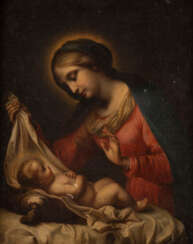













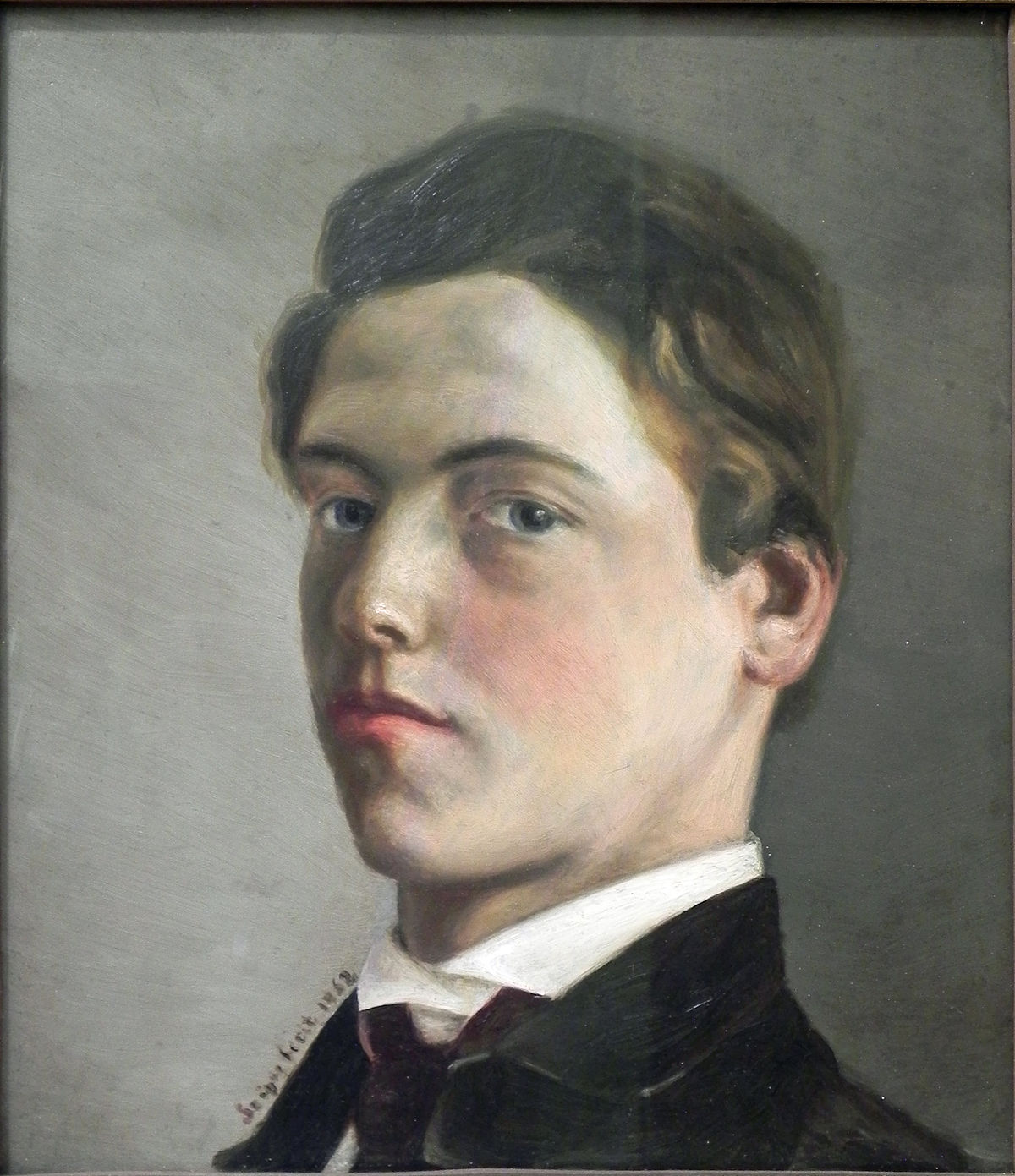
Wilhelm Maria Hubertus Leibl was a German painter of the last third of the 19th century. He is known as a painter, a representative of German realism, who specialized in portraits and scenes of peasant life.
Leibl created paintings that were characterized by the absence of idylls, showing a person without embellishments. After 1890, his painting became richer in detail and approached Impressionism, but retained the materiality of the images. The artist mostly painted pictures, working without preliminary drawing, which also related him to the Impressionists. His unique style brought him recognition among his contemporaries, he was recognized as an outstanding master and became the leader of the group of artists "Leibl circle".









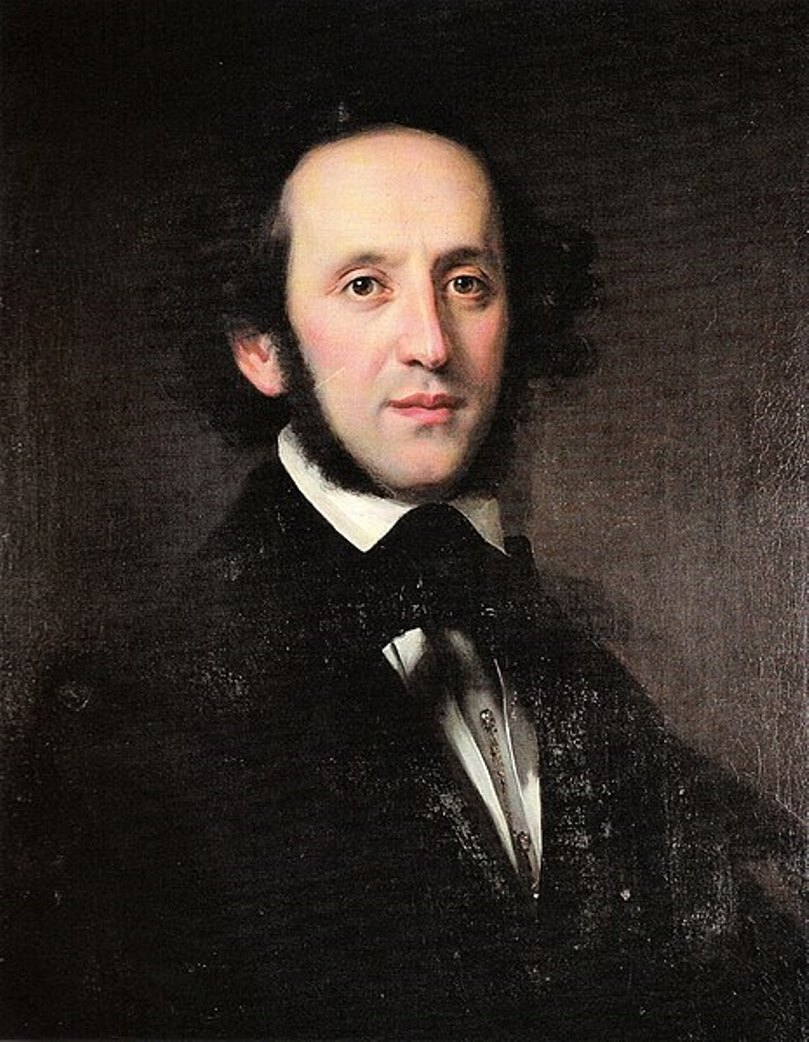
Felix Mendelssohn (full name Jakob Ludwig Felix Mendelssohn Bartholdy) was a German composer, pianist, conductor, teacher, and one of the greatest representatives of Romanticism in music.
Felix was born into a Jewish musical family that later converted to Christianity. He received a versatile education and already as a child wrote many musical compositions, including 5 operas, 11 symphonies for string orchestra, concertos, sonatas and fugues. Mendelssohn's first public performance took place in Berlin in 1818, when he was nine years old. In 1821 Mendelssohn was introduced to J.W. von Goethe, for whom he performed works by J.S. Bach and Mozart and to whom he dedicated his Piano Quartet No. 3 in B minor. A friendship developed between the famous wise poet and the 12-year-old musician.
A few years later, the talented musician began conducting in various orchestras in Europe, and became acquainted with Carl Weber. In England, where Mendelssohn visited very often, by the middle of the 19th century his music had become very popular, even with Queen Victoria he was the most favorite composer. He dedicated his Symphony No. 3 in A minor major (Scottish Symphony) to the Queen.
Among Mendelssohn's most famous works are A Midsummer Night's Dream (1826), the Italian Symphony (1833), a violin concerto (1844), two piano concertos (1831, 1837), the oratorio Elijah (1846) and several chamber pieces. The tradition of playing the "Wedding March" from A Midsummer Night's Dream in wedding processions dates back to its performance at the wedding of a royal princess in 1858, already after Mendelssohn's death.
In 1843, Mendelssohn founded a conservatory in Leipzig, where he taught composition with Schumann. Mendelssohn was one of the first great Romantic composers of the nineteenth century.






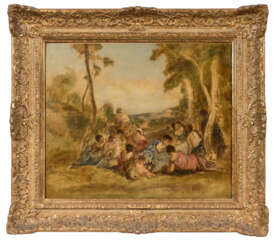

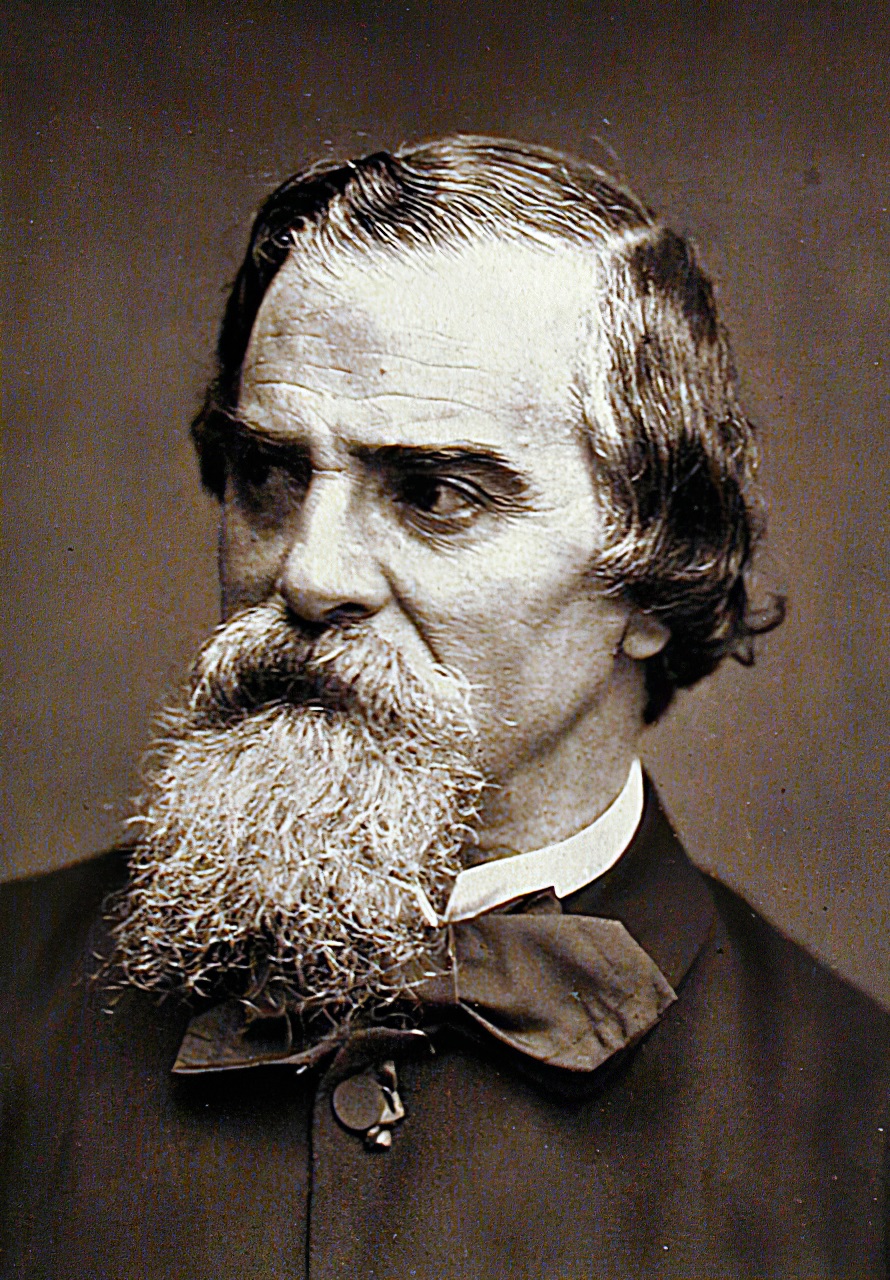
Narcisse Virgilio Díaz de la Peña was a French painter of the Barbizon school.
Díaz exhibited many pictures at the Paris Salon, and was decorated in 1851 with the rank of Chevalier (Knight) of the Légion d’honneur.