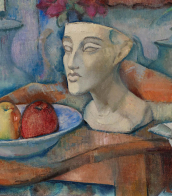
ford parts


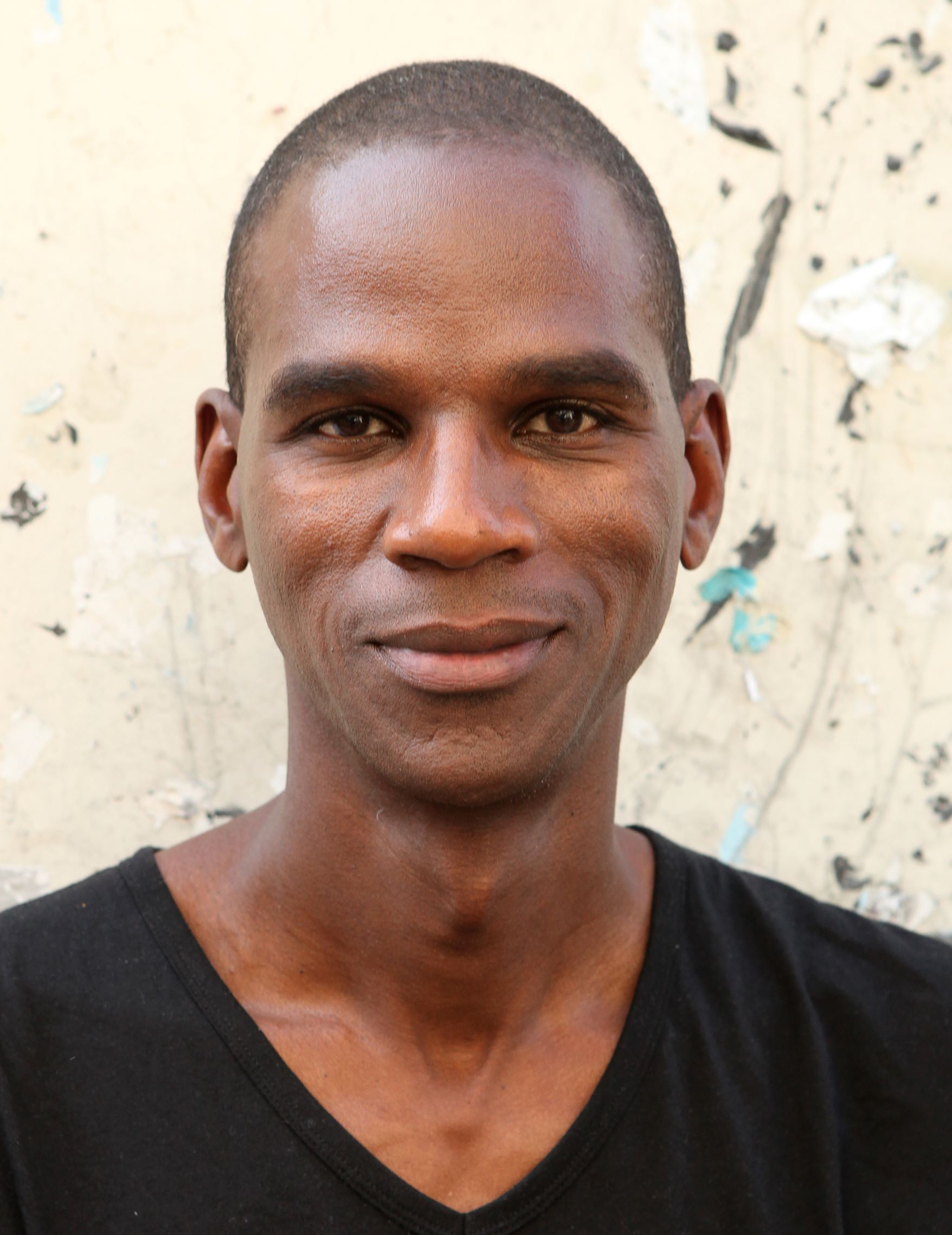
Mark Bradford is an American visual artist. Born in Los Angeles, Bradford studied at the California Institute of the Arts. Recognized for his collaged painting works, which have been shown internationally, his practice also encompasses video, print, and installation. Bradford was the U.S. representative for the 2017 Venice Biennale. He lives and works in Los Angeles.
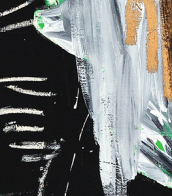


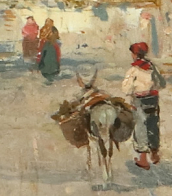
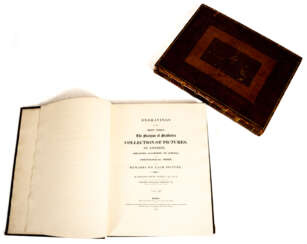



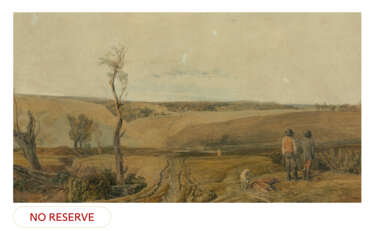

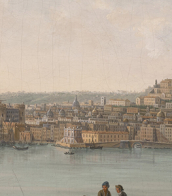
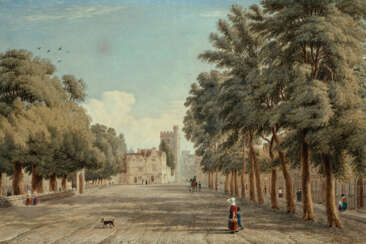

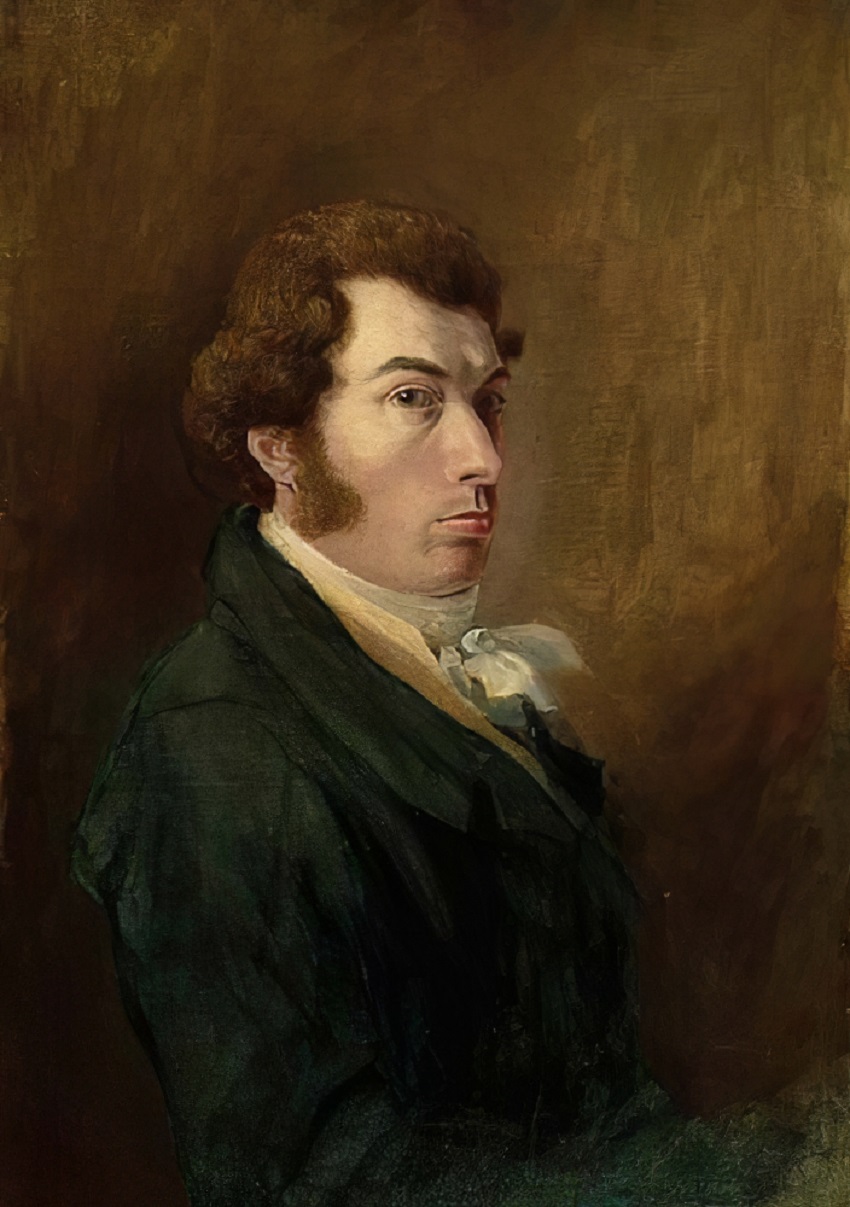
William Turner was an English painter who specialised in watercolour landscapes. Many of his paintings depict the countryside around Oxford. He is often referred to as the Turner of Oxford to distinguish him from his more famous namesake and contemporary Joseph Mallord William Turner.

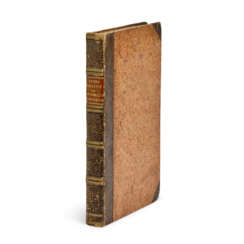

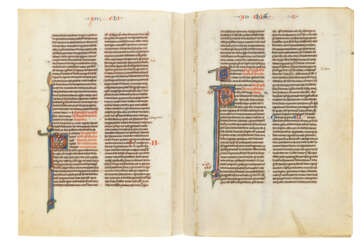



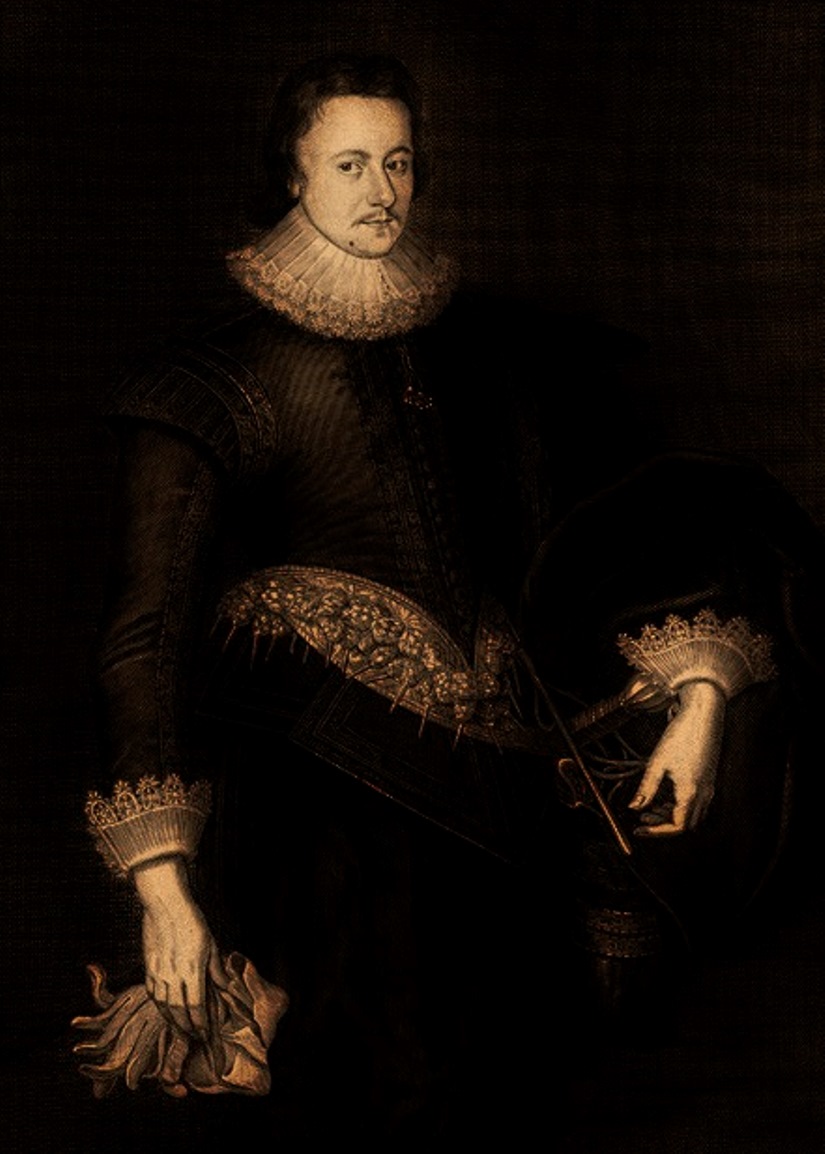
Martin Lister was a British naturalist and physician.
It could be argued that Lister founded two fields of natural history: arachnology (the study of spiders) and conchology (the study of the shells of organisms). He wrote more than 60 articles in the Philosophical Transactions of the Royal Society of London, published several volumes on natural history, speculated on the mysterious nature of fossils, and was successful as a physician.
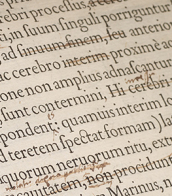
Lister employed his artist daughters to illustrate his books on insects and molluscs - the names of Susanna and Anne appear on the title pages of the volumes. The Lister family published Historiæ Conchyliorum between 1685 and 1692.







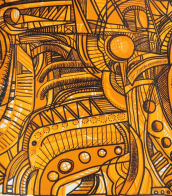


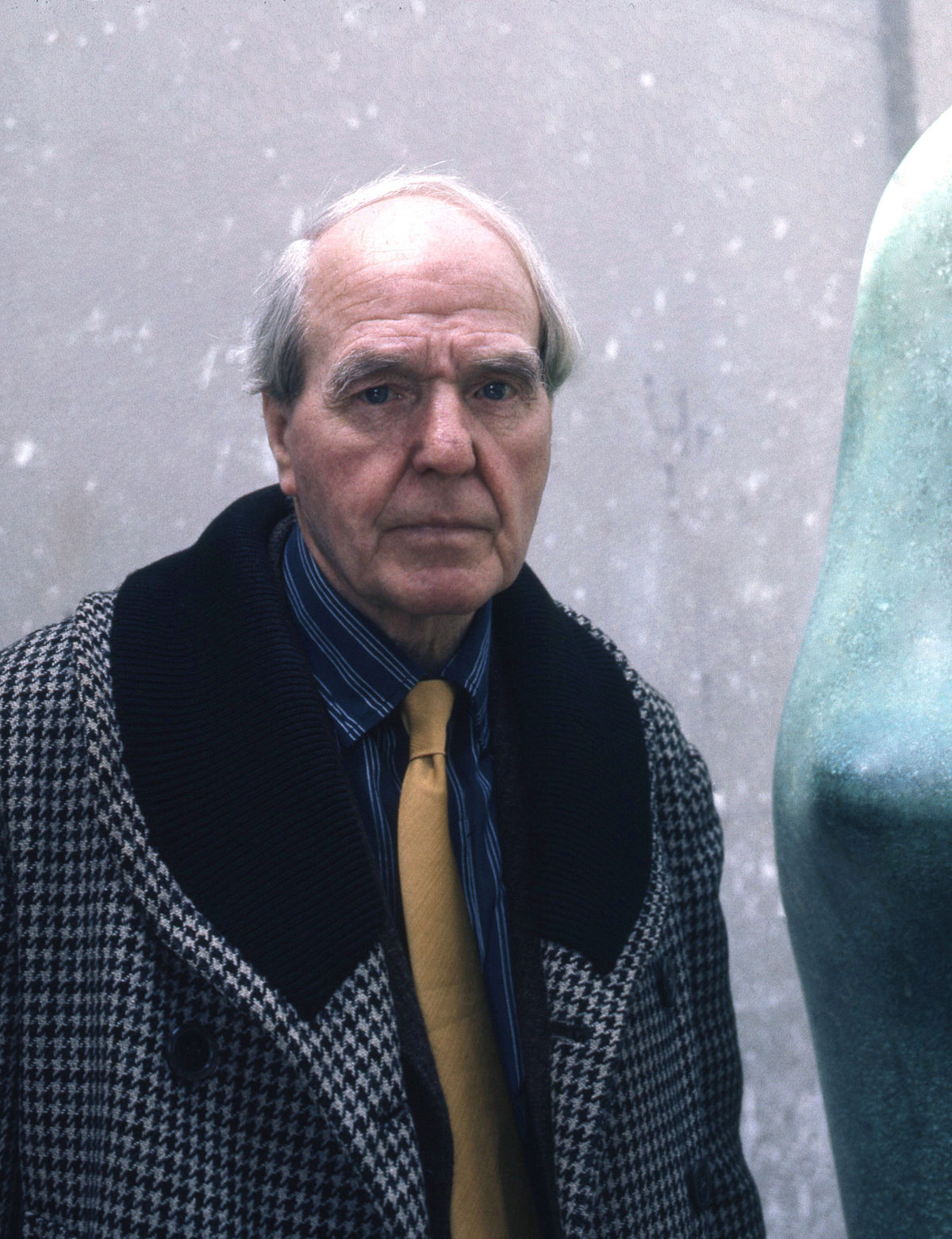
Henry Spencer Moore was an influential English sculptor and artist, renowned for his semi-abstract monumental bronze sculptures that have found homes around the world as public works of art. Born on July 30, 1898, in Castleford, Yorkshire, Moore showed early talent in art, but his journey towards becoming a sculptor was not straightforward. His experiences as a young teacher and a soldier in the First World War, where he was injured in a gas attack, significantly shaped his perspectives and artistic direction.
After the war, Moore pursued his passion for art, winning a scholarship to the Royal College of Art in London, where he began to experiment with modernist influences and direct carving techniques, moving away from the traditional Victorian style. His works, characterized by organic shapes and a blend of abstraction and figuration, were inspired by a wide range of sources, including primitive art, the human body, and the natural world.
Moore's sculptures are celebrated for their unique ability to blend form with space in the landscape, offering viewers a dynamic interaction with his works. His dedication to public art made his sculptures accessible to a wide audience, contributing to his status as one of the 20th century's most significant sculptors. Moore's legacy is preserved through the Henry Moore Foundation, which supports artists and promotes public appreciation of sculpture.
For collectors and experts in art and antiques, Moore's work remains a testament to the power of sculpture to evoke emotion and thought. His contributions to modern art and sculpture continue to inspire and influence artists around the world.
To stay informed about new exhibitions and opportunities to view Henry Spencer Moore's work, sign up for updates. This subscription will ensure you are alerted to new product sales and auction events related to Moore's influential body of work.







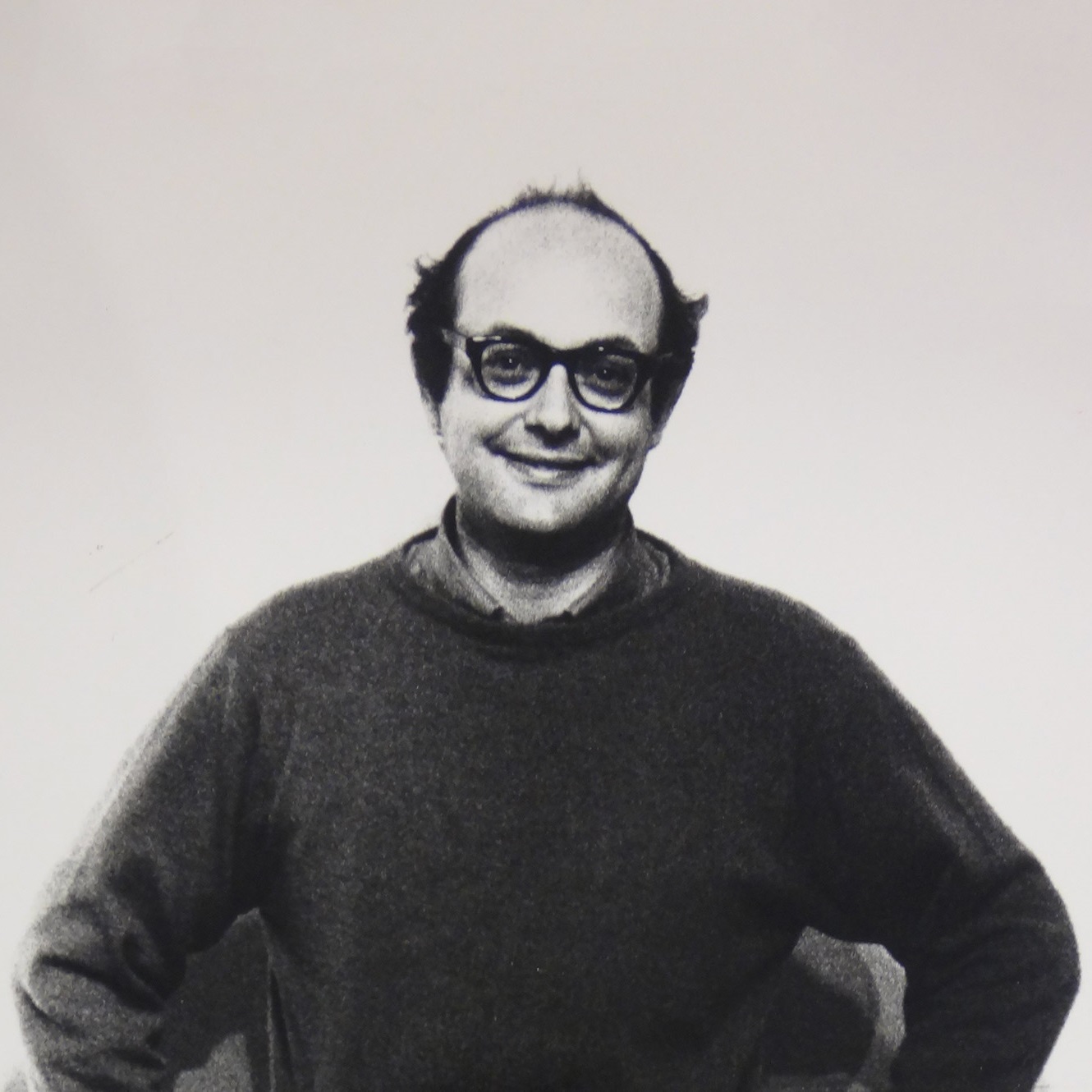
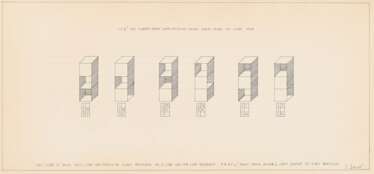
Sol LeWitt was an American artist linked to various movements, including conceptual art and minimalism.
LeWitt came to fame in the late 1960s with his wall drawings and «structures» (a term he preferred instead of «sculptures») but was prolific in a wide range of media including drawing, printmaking, photography, painting, installation, and artist's books.


Sol LeWitt was an American artist linked to various movements, including conceptual art and minimalism.
LeWitt came to fame in the late 1960s with his wall drawings and «structures» (a term he preferred instead of «sculptures») but was prolific in a wide range of media including drawing, printmaking, photography, painting, installation, and artist's books.
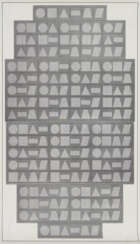

Sol LeWitt was an American artist linked to various movements, including conceptual art and minimalism.
LeWitt came to fame in the late 1960s with his wall drawings and «structures» (a term he preferred instead of «sculptures») but was prolific in a wide range of media including drawing, printmaking, photography, painting, installation, and artist's books.


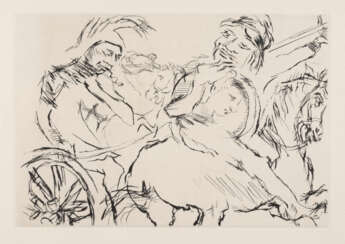

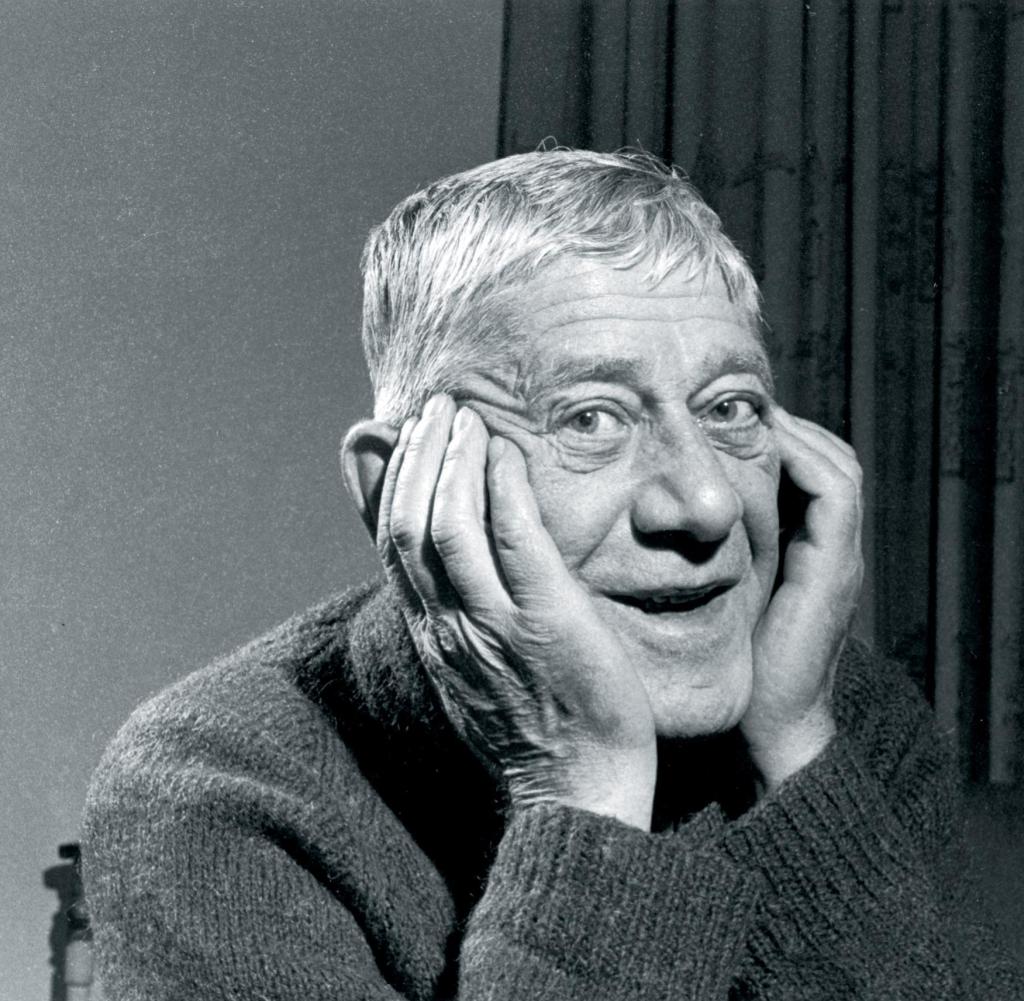
Oskar Kokoschka was an Austrian artist, poet, playwright, and teacher, renowned for his significant contributions to the Expressionist movement. Born on March 1, 1886, in Pöchlarn, Austria, Kokoschka's journey into the arts began against the backdrop of early 20th-century Vienna, a city vibrant with cultural ferment and avant-garde experimentation. Without formal training in painting, Kokoschka brought a unique perspective to his work, approaching the medium with a fresh, unencumbered eye that eschewed traditional methods in favor of intuitive, expressive techniques.
Kokoschka's early career was marked by an innovative approach to portraiture and landscape, characterized by intense expressionism and a deep psychological penetration of his subjects. His artistic philosophy was heavily influenced by 17th-century Czech humanist Jan Amos Comenius, from whom Kokoschka adopted the idea that learning and creativity flourish through sensory engagement and reasoning. This philosophy underpinned both his artistic output and his teaching methodology, which favored storytelling and the evocation of dramatic emotion over conventional art instruction.
Among Kokoschka's notable early works were his contributions to the Vienna Kunstschau and his involvement with the Wiener Werkstätte, which provided him opportunities to explore his artistic voice through various commissions, including postcards and illustrations for children's books. His autobiographical poem "Die träumenden Knaben" (The Dreaming Youths) and the related illustrations showcase his journey from Jugendstil to Expressionism, marking a pivotal moment in his career and in the development of modern art.
Kokoschka's tumultuous affair with Alma Mahler is well-documented, influencing some of his most acclaimed works, such as "The Bride of the Wind" (The Tempest), which vividly encapsulates their passionate, stormy relationship. This work, alongside others like "Portrait of a Young Girl" and "Knight Errant (Self-Portrait)", exemplifies Kokoschka's masterful use of color, form, and emotional intensity to convey complex psychological states and narratives.
Oskar Kokoschka's legacy as a pioneering figure in Expressionism is undisputed. His works continue to resonate with collectors and experts in art and antiques, not only for their aesthetic and emotional depth but also for their groundbreaking approach to visual storytelling and the exploration of the human condition. For those interested in the vibrant world of Expressionist art and the profound humanism of Kokoschka's oeuvre, signing up for updates on new product sales and auction events related to Oskar Kokoschka offers a unique opportunity to engage with the enduring impact of his work.









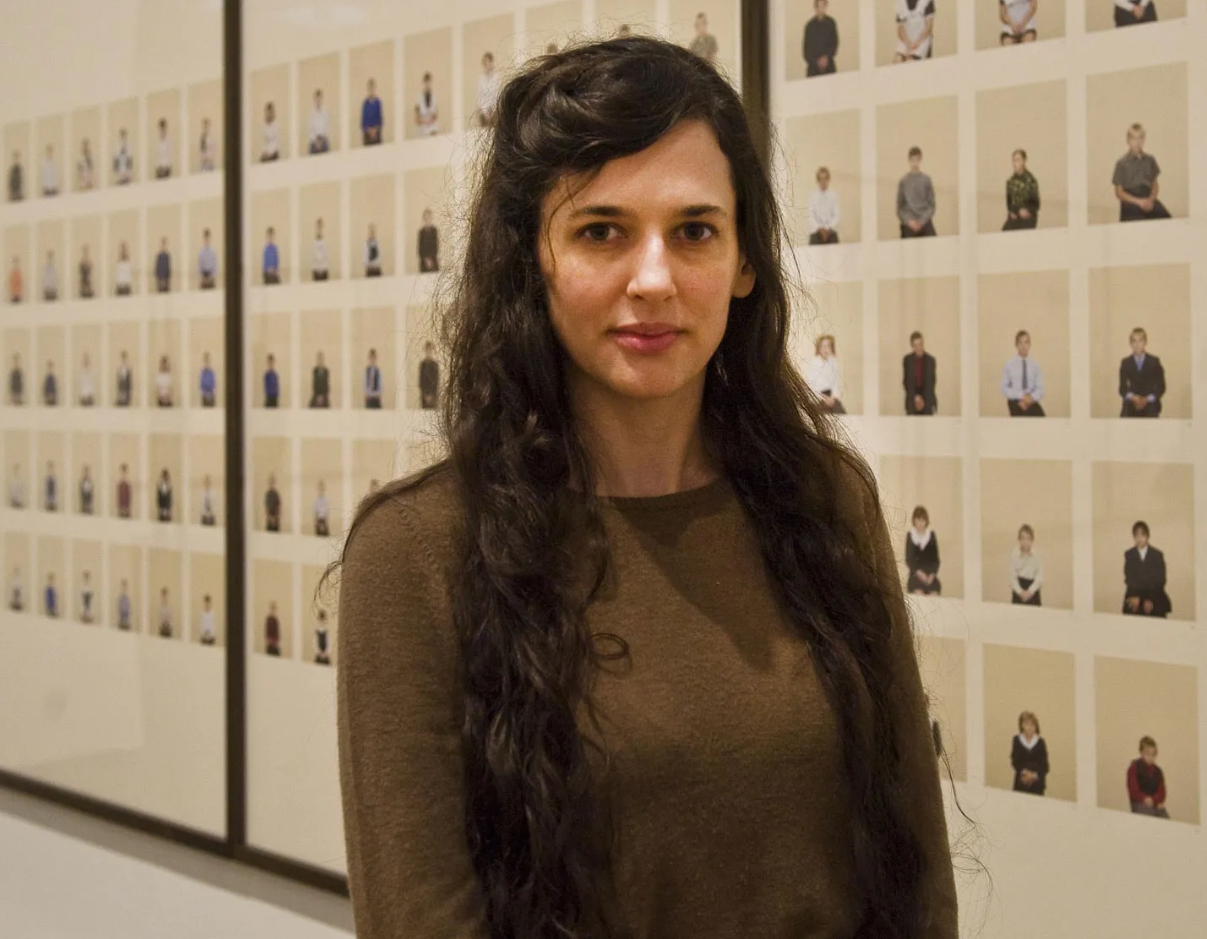
Taryn Simon is an American photographer. She is known for her conceptual photography, which explores themes of power, control, and the hidden structures that shape our world.
Simon's work often involves extensive research and collaboration with experts in various fields. Her photographs are often large-scale and meticulously composed, featuring subjects ranging from political figures and cultural icons to everyday objects and places.
Some of Simon's most famous projects include "An American Index of the Hidden and Unfamiliar," which documented hidden sites and organizations throughout the United States, and "Contraband," a series of photographs of items seized by customs officials at JFK International Airport.
Simon's work has been exhibited in major museums and galleries around the world, and she has received numerous awards and honors for her contributions to the field of photography. She continues to produce new work and is widely regarded as one of the most important photographers of her generation.