

hilliard











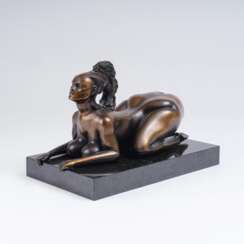

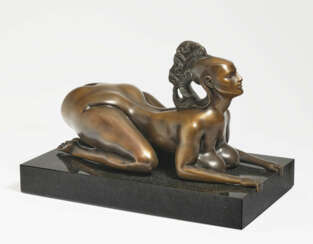


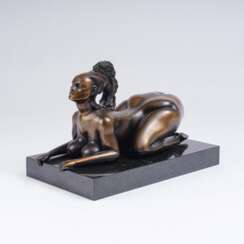

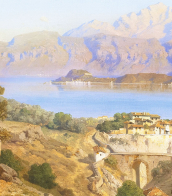
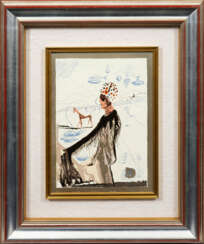

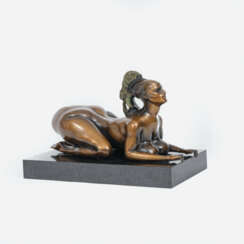

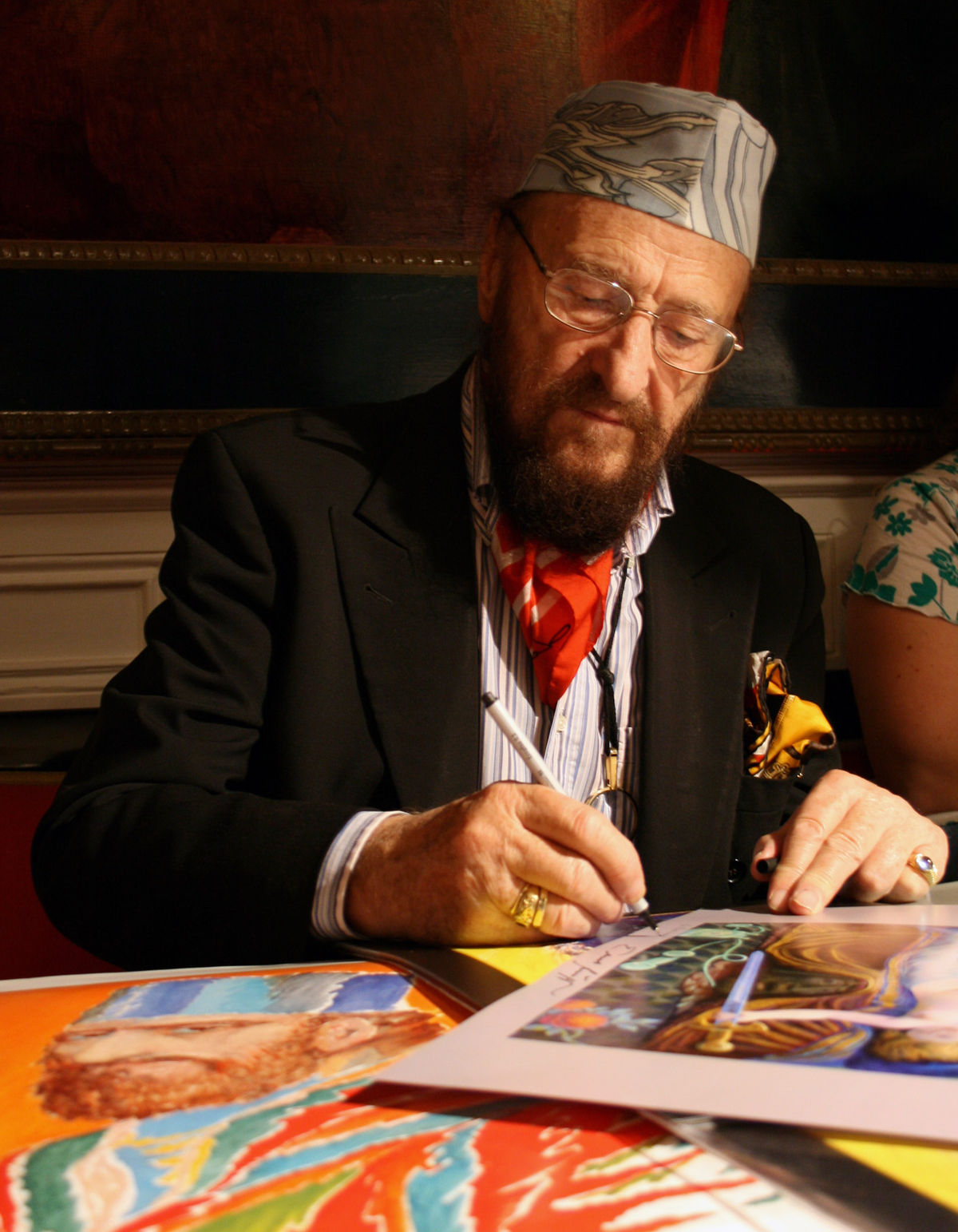
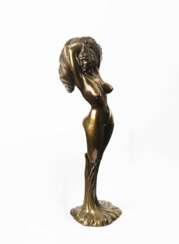
Ernst Fuchs was an Austrian painter, draftsman, printmaker, sculptor, architect, stage designer, composer, poet, and one of the founders of the Vienna School of Fantastic Realism. In 1972, he acquired the derelict Otto Wagner Villa in Hütteldorf, which he restored and transformed. The villa was inaugurated as the Ernst Fuchs Museum in 1988.


Ernst Fuchs was an Austrian painter, draftsman, printmaker, sculptor, architect, stage designer, composer, poet, and one of the founders of the Vienna School of Fantastic Realism. In 1972, he acquired the derelict Otto Wagner Villa in Hütteldorf, which he restored and transformed. The villa was inaugurated as the Ernst Fuchs Museum in 1988.



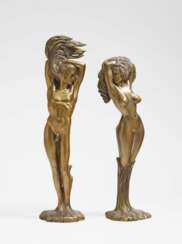

Ernst Fuchs was an Austrian painter, draftsman, printmaker, sculptor, architect, stage designer, composer, poet, and one of the founders of the Vienna School of Fantastic Realism. In 1972, he acquired the derelict Otto Wagner Villa in Hütteldorf, which he restored and transformed. The villa was inaugurated as the Ernst Fuchs Museum in 1988.
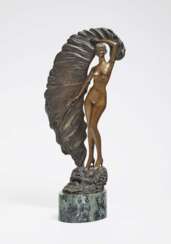

Ernst Fuchs was an Austrian painter, draftsman, printmaker, sculptor, architect, stage designer, composer, poet, and one of the founders of the Vienna School of Fantastic Realism. In 1972, he acquired the derelict Otto Wagner Villa in Hütteldorf, which he restored and transformed. The villa was inaugurated as the Ernst Fuchs Museum in 1988.
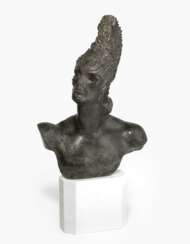











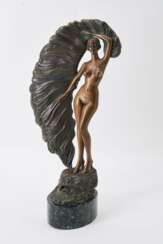

Ernst Fuchs was an Austrian painter, draftsman, printmaker, sculptor, architect, stage designer, composer, poet, and one of the founders of the Vienna School of Fantastic Realism. In 1972, he acquired the derelict Otto Wagner Villa in Hütteldorf, which he restored and transformed. The villa was inaugurated as the Ernst Fuchs Museum in 1988.

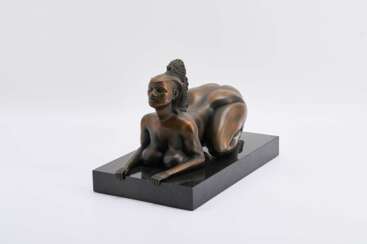

Ernst Fuchs was an Austrian painter, draftsman, printmaker, sculptor, architect, stage designer, composer, poet, and one of the founders of the Vienna School of Fantastic Realism. In 1972, he acquired the derelict Otto Wagner Villa in Hütteldorf, which he restored and transformed. The villa was inaugurated as the Ernst Fuchs Museum in 1988.
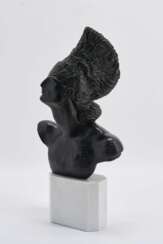

Ernst Fuchs was an Austrian painter, draftsman, printmaker, sculptor, architect, stage designer, composer, poet, and one of the founders of the Vienna School of Fantastic Realism. In 1972, he acquired the derelict Otto Wagner Villa in Hütteldorf, which he restored and transformed. The villa was inaugurated as the Ernst Fuchs Museum in 1988.
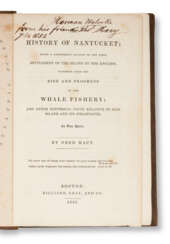




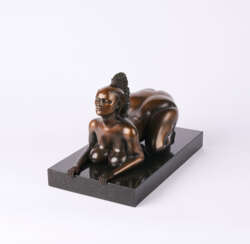

Ernst Fuchs was an Austrian painter, draftsman, printmaker, sculptor, architect, stage designer, composer, poet, and one of the founders of the Vienna School of Fantastic Realism. In 1972, he acquired the derelict Otto Wagner Villa in Hütteldorf, which he restored and transformed. The villa was inaugurated as the Ernst Fuchs Museum in 1988.


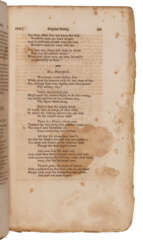

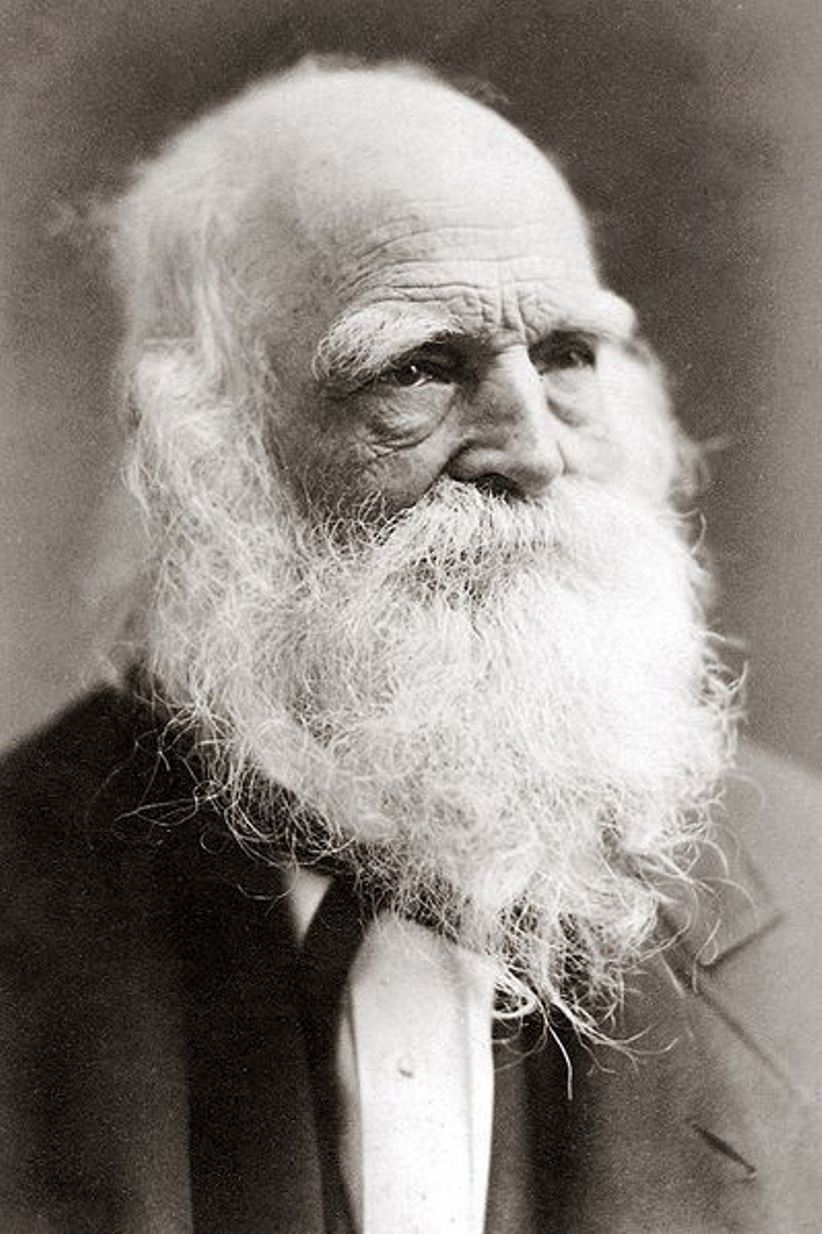
William Cullen Bryant is an American poet, journalist, and editor-in-chief of the New York Post.
He began his education at Williams College, then studied law and worked as a lawyer, but a very different fate awaited him. In 1825, he moved to New York City and became co-editor of the New York Review. In 1827 he became editor of the New York Evening Post, and in 1829 he became its editor-in-chief and co-owner.
Bryant remained in this position until his death, for 50 years. He made the Post a voice for free trade, workers' rights, free speech, and abolition of the death penalty, and he was a founding member of the Republican Party.
Bryant wrote poetry from his early youth and announced himself by publishing a book of Poems (1821). His main theme was nature, and his best-known poems are "Thanatopsis" and "To a Waterfowl." In later years he devoted much time to translations and was an active patron of art and literature.
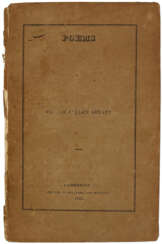

William Cullen Bryant is an American poet, journalist, and editor-in-chief of the New York Post.
He began his education at Williams College, then studied law and worked as a lawyer, but a very different fate awaited him. In 1825, he moved to New York City and became co-editor of the New York Review. In 1827 he became editor of the New York Evening Post, and in 1829 he became its editor-in-chief and co-owner.
Bryant remained in this position until his death, for 50 years. He made the Post a voice for free trade, workers' rights, free speech, and abolition of the death penalty, and he was a founding member of the Republican Party.
Bryant wrote poetry from his early youth and announced himself by publishing a book of Poems (1821). His main theme was nature, and his best-known poems are "Thanatopsis" and "To a Waterfowl." In later years he devoted much time to translations and was an active patron of art and literature.

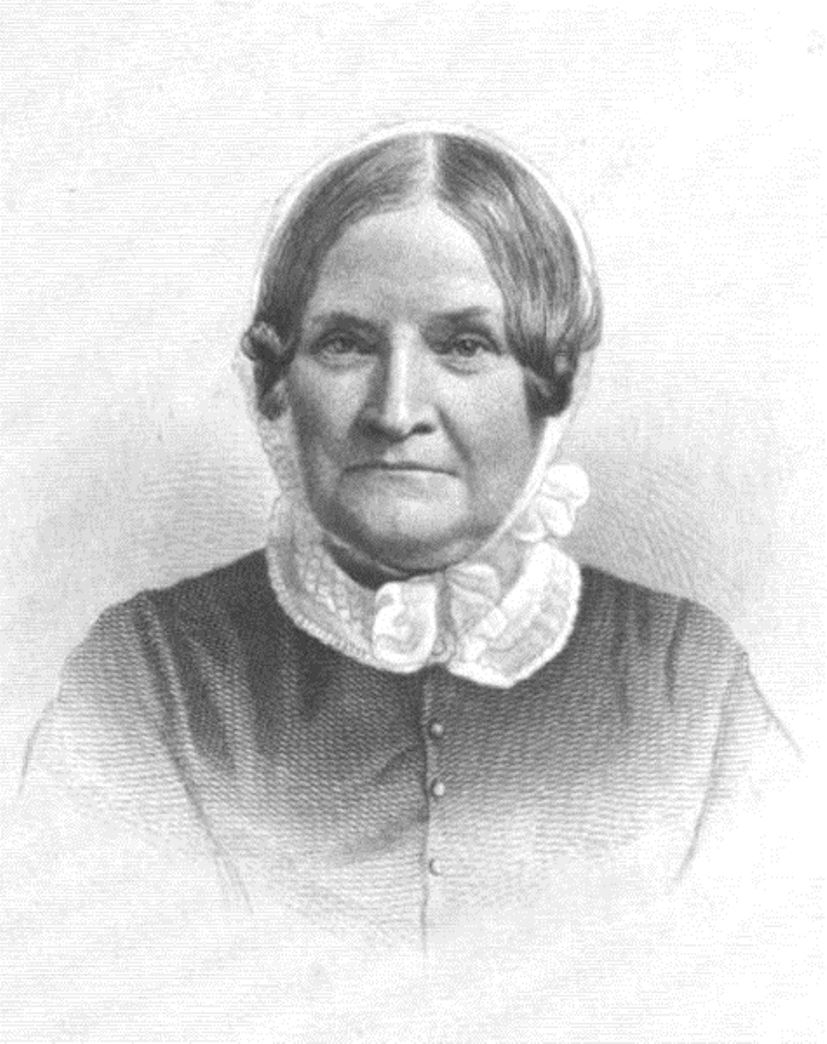
Lydia Maria Child, née Francis, is an American writer and journalist, women's rights and Indian rights activist, and a prominent abolitionist.
Lydia Francis was born into a family of abolitionists, which shaped her worldview. From the age of 18, she taught, wrote historical novels and in 1826 founded a periodical for children "Juvenile Miscellany".
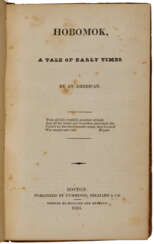
Her first novel, Hobomock, was published in 1824 - set in colonial New England and based on the marriage of a white woman, Mary Conant, and a Native American named Hobomock. In 1833, Lydia Child published An Appeal in Favor of the Class of Americans Called Africans, which recounted the history of slavery and decried the educational and employment inequalities of the black population in the United States. As a result, she was expectedly publicly condemned and her magazine collapsed. But this book united and empowered like-minded people in the abolitionist movement.
On the subject of inequality, Lydia Child wrote throughout her life, and she also spoke out on behalf of Native American peoples. In 1861, "Incidents in the Life of a Slave Girl" was published. Her many books also include Flowers for Children (1844-47), Facts and Fictions (1846), The Freedmen's Book (1865), and An Address to the Indians (1868).