hugo lederer
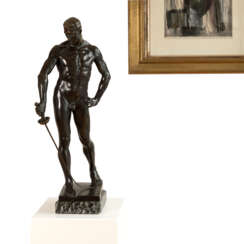

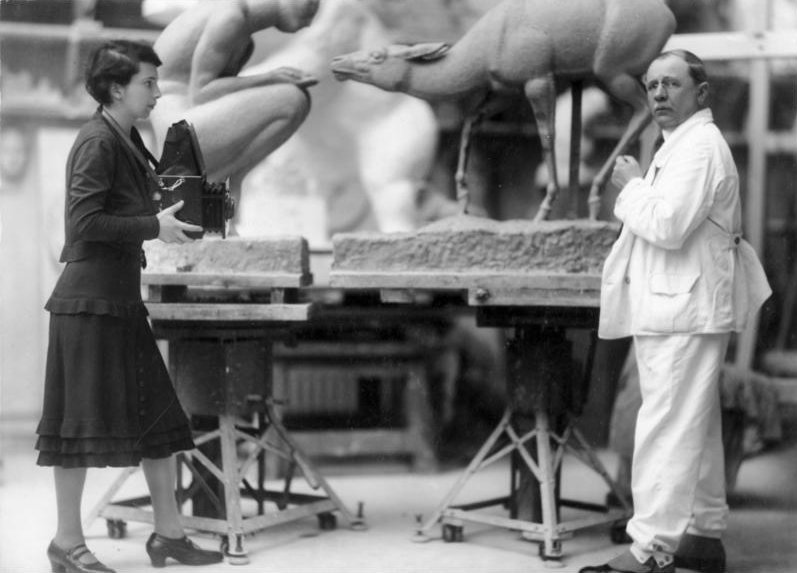
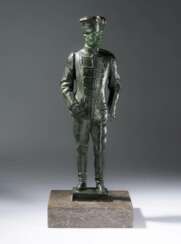
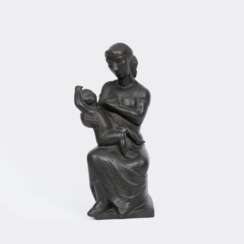
Hugo Lederer was a German sculptor and medallist. He lived and worked in Berlin during the reign of Kaiser Wilhelm II and the first German democracy. His most famous work is the monumental monument to Bismarck in Hamburg (1902-1906).
Hugo Lederer always stood on the side of upper-class modernism and opposed the anti-bourgeois left-wing or popular art scene. Initially he was still following Reinhold Begas and his neo-Baroque style, the Gründerzeit art movement favoured by Kaiser Wilhelm II and despised by many intellectuals of the time.
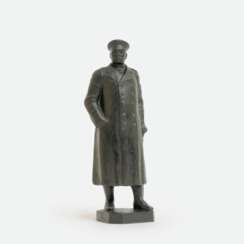

Hugo Lederer was a German sculptor and medallist. He lived and worked in Berlin during the reign of Kaiser Wilhelm II and the first German democracy. His most famous work is the monumental monument to Bismarck in Hamburg (1902-1906).
Hugo Lederer always stood on the side of upper-class modernism and opposed the anti-bourgeois left-wing or popular art scene. Initially he was still following Reinhold Begas and his neo-Baroque style, the Gründerzeit art movement favoured by Kaiser Wilhelm II and despised by many intellectuals of the time.
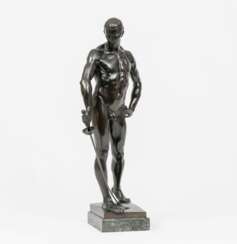

Hugo Lederer was a German sculptor and medallist. He lived and worked in Berlin during the reign of Kaiser Wilhelm II and the first German democracy. His most famous work is the monumental monument to Bismarck in Hamburg (1902-1906).
Hugo Lederer always stood on the side of upper-class modernism and opposed the anti-bourgeois left-wing or popular art scene. Initially he was still following Reinhold Begas and his neo-Baroque style, the Gründerzeit art movement favoured by Kaiser Wilhelm II and despised by many intellectuals of the time.
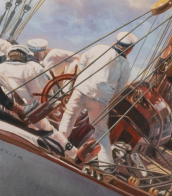
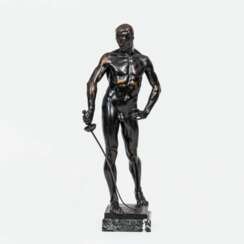

Hugo Lederer was a German sculptor and medallist. He lived and worked in Berlin during the reign of Kaiser Wilhelm II and the first German democracy. His most famous work is the monumental monument to Bismarck in Hamburg (1902-1906).
Hugo Lederer always stood on the side of upper-class modernism and opposed the anti-bourgeois left-wing or popular art scene. Initially he was still following Reinhold Begas and his neo-Baroque style, the Gründerzeit art movement favoured by Kaiser Wilhelm II and despised by many intellectuals of the time.













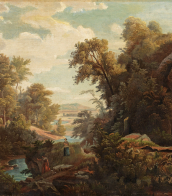





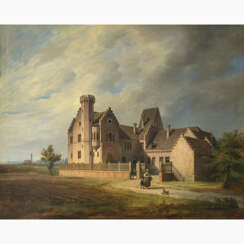

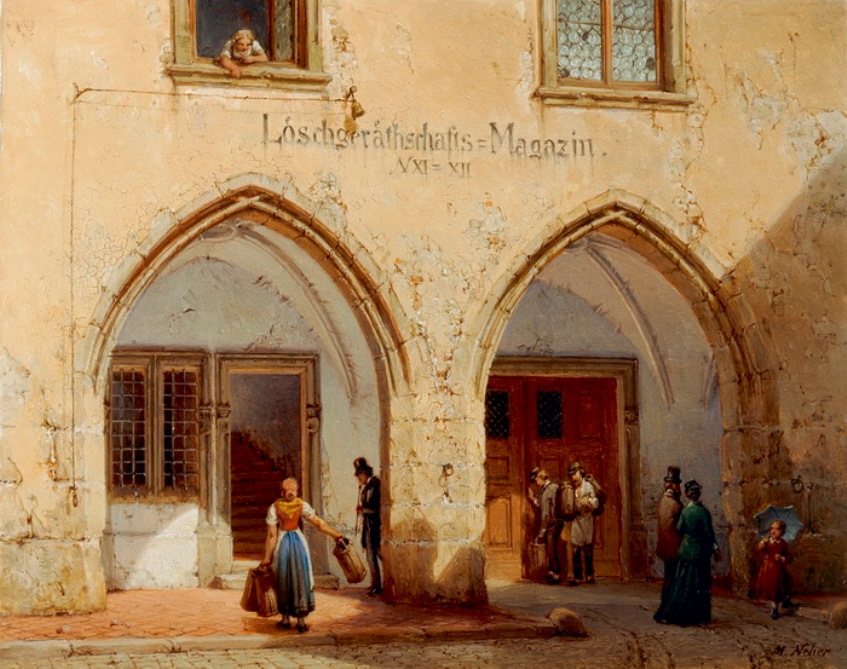
Michael Neher was a German painter and architectural decorator.
Michael studied at the Academy in Munich, in 1819 went to Italy and spent five years there, including two years in Rome, where he studied architectural painting in the studio of the artist Heinrich Maria von Hess, and in 1825 returned to Munich.
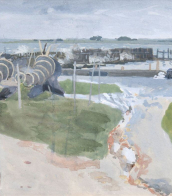
As a typical representative of the Biedermeier era, Neher produced many costume drawings and landscapes. He also became famous for his views of public places and architectural depictions of many Bavarian towns. From 1837, Michel Neher devoted himself entirely to architectural painting and traveled to improve his skills along the Rhine and to Belgium. In 1839 he painted several salons in Hohenschwangen Castle from designs by Schwind, Gasner and Schwanthaler. In 1876 he was made an honorary member of the Munich Academy.