i one





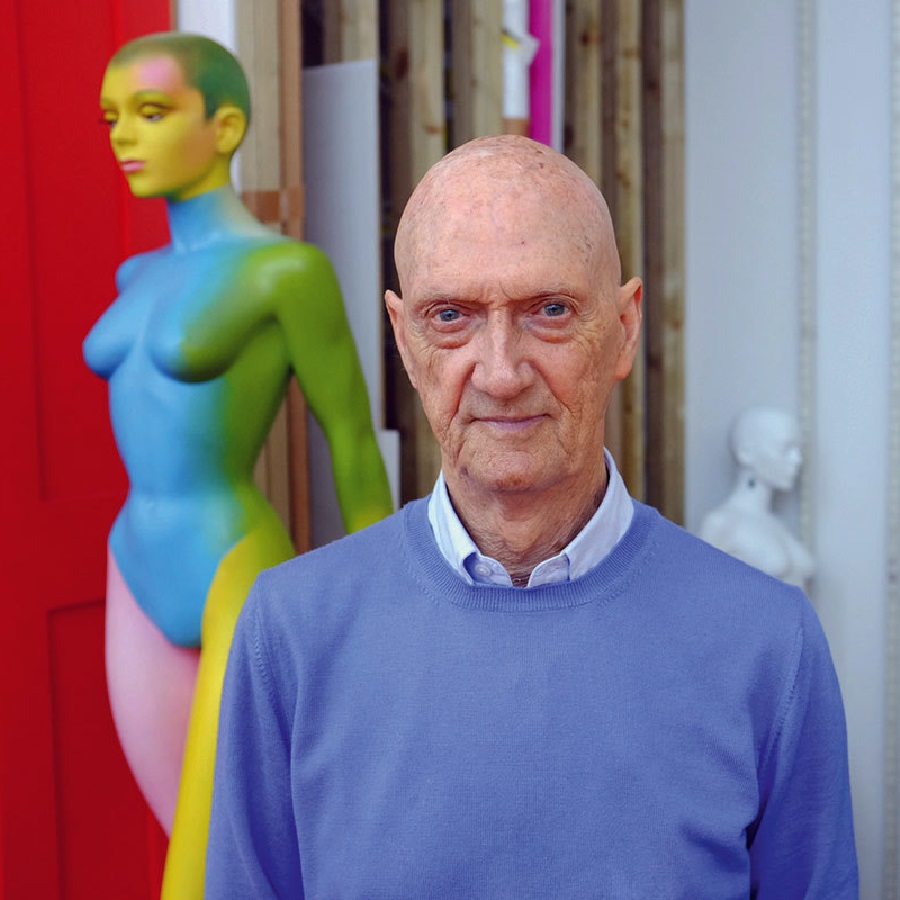
Allen Jones is a British pop artist and a senior member of the Royal Academy of Arts. He is known for his paintings, sculptures and lithographs on the theme of human sexuality. He was awarded the Prix des Jeunes Artistes at the 1963 Paris Biennale.
Allen Jones' most famous work is "Hat Stand, Table and Chair," created from "fetish" fiberglass mannequins.


Allen Jones is a British pop artist and a senior member of the Royal Academy of Arts. He is known for his paintings, sculptures and lithographs on the theme of human sexuality. He was awarded the Prix des Jeunes Artistes at the 1963 Paris Biennale.
Allen Jones' most famous work is "Hat Stand, Table and Chair," created from "fetish" fiberglass mannequins.



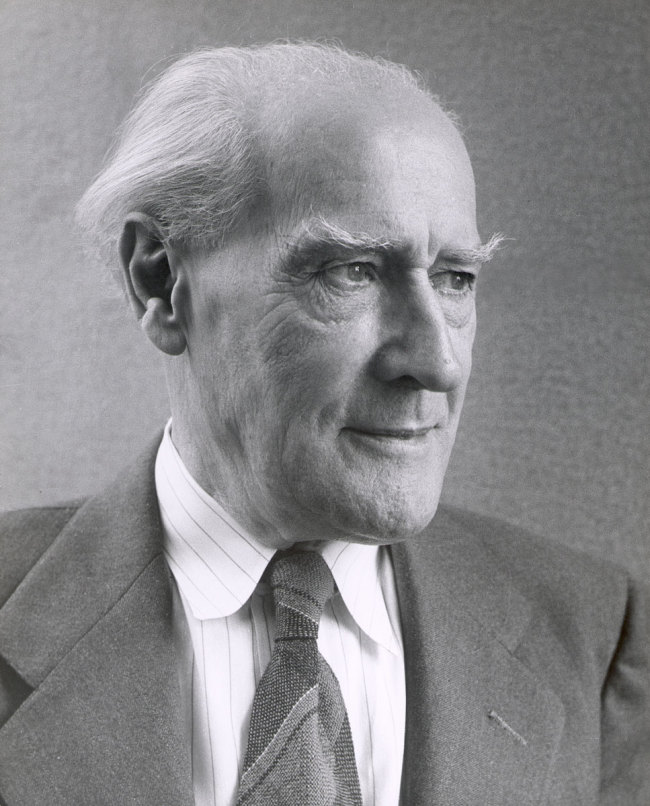
Lyonel Charles Adrian Feininger was an American-German artist renowned for his unique integration of Expressionism, Cubism, and Bauhaus principles. His body of work, which spans several critical decades in modernism's development, is celebrated for its distinctive blend of architectural and nautical motifs, articulated through planar shifts and jagged lines of Cubism, with a vibrant Orphist color palette.
Lyonel Feininger's journey as an artist began in earnest when he was 36, becoming a pivotal figure in various German expressionist groups and a founding member of the Bauhaus, where he led the printmaking workshop. His art, which also includes significant contributions to caricature and photography, explores the intricate relationship between humanity and industrialization, evident in his depictions of architectural and mechanized forms.
His work was subject to Nazi criticism, being labeled as "degenerate," which led to his return to the United States, where he continued to evolve his artistic style. Posthumously, Lyonel Feininger's art has been the focus of several retrospectives, and his pieces, like "Jesuits III," continue to fetch high figures at auctions, underscoring his lasting impact on the art world.
Notably, Lyonel Feininger's "Cathedral" woodcut, representing the Bauhaus's utopian vision, remains one of his most iconic works, symbolizing the integration of art and craftsmanship with its avant-garde yet traditional approach. His legacy is further carried by his sons, Andreas and T. Lux Feininger, who also made their marks in the arts.
For collectors and art and antiques experts, Feininger's work represents a fascinating intersection of various art movements and a testament to the enduring nature of expressive and innovative artistry. To stay updated on new product sales and auction events related to Lyonel Feininger, consider signing up for updates, ensuring you're informed about the latest opportunities to engage with his enduring legacy.
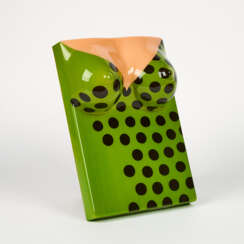

Allen Jones is a British pop artist and a senior member of the Royal Academy of Arts. He is known for his paintings, sculptures and lithographs on the theme of human sexuality. He was awarded the Prix des Jeunes Artistes at the 1963 Paris Biennale.
Allen Jones' most famous work is "Hat Stand, Table and Chair," created from "fetish" fiberglass mannequins.
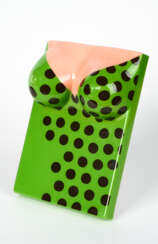

Allen Jones is a British pop artist and a senior member of the Royal Academy of Arts. He is known for his paintings, sculptures and lithographs on the theme of human sexuality. He was awarded the Prix des Jeunes Artistes at the 1963 Paris Biennale.
Allen Jones' most famous work is "Hat Stand, Table and Chair," created from "fetish" fiberglass mannequins.
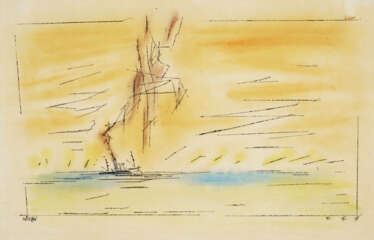

Lyonel Charles Adrian Feininger was an American-German artist renowned for his unique integration of Expressionism, Cubism, and Bauhaus principles. His body of work, which spans several critical decades in modernism's development, is celebrated for its distinctive blend of architectural and nautical motifs, articulated through planar shifts and jagged lines of Cubism, with a vibrant Orphist color palette.
Lyonel Feininger's journey as an artist began in earnest when he was 36, becoming a pivotal figure in various German expressionist groups and a founding member of the Bauhaus, where he led the printmaking workshop. His art, which also includes significant contributions to caricature and photography, explores the intricate relationship between humanity and industrialization, evident in his depictions of architectural and mechanized forms.
His work was subject to Nazi criticism, being labeled as "degenerate," which led to his return to the United States, where he continued to evolve his artistic style. Posthumously, Lyonel Feininger's art has been the focus of several retrospectives, and his pieces, like "Jesuits III," continue to fetch high figures at auctions, underscoring his lasting impact on the art world.
Notably, Lyonel Feininger's "Cathedral" woodcut, representing the Bauhaus's utopian vision, remains one of his most iconic works, symbolizing the integration of art and craftsmanship with its avant-garde yet traditional approach. His legacy is further carried by his sons, Andreas and T. Lux Feininger, who also made their marks in the arts.
For collectors and art and antiques experts, Feininger's work represents a fascinating intersection of various art movements and a testament to the enduring nature of expressive and innovative artistry. To stay updated on new product sales and auction events related to Lyonel Feininger, consider signing up for updates, ensuring you're informed about the latest opportunities to engage with his enduring legacy.
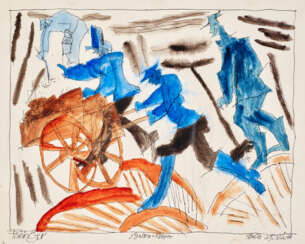

Lyonel Charles Adrian Feininger was an American-German artist renowned for his unique integration of Expressionism, Cubism, and Bauhaus principles. His body of work, which spans several critical decades in modernism's development, is celebrated for its distinctive blend of architectural and nautical motifs, articulated through planar shifts and jagged lines of Cubism, with a vibrant Orphist color palette.
Lyonel Feininger's journey as an artist began in earnest when he was 36, becoming a pivotal figure in various German expressionist groups and a founding member of the Bauhaus, where he led the printmaking workshop. His art, which also includes significant contributions to caricature and photography, explores the intricate relationship between humanity and industrialization, evident in his depictions of architectural and mechanized forms.
His work was subject to Nazi criticism, being labeled as "degenerate," which led to his return to the United States, where he continued to evolve his artistic style. Posthumously, Lyonel Feininger's art has been the focus of several retrospectives, and his pieces, like "Jesuits III," continue to fetch high figures at auctions, underscoring his lasting impact on the art world.
Notably, Lyonel Feininger's "Cathedral" woodcut, representing the Bauhaus's utopian vision, remains one of his most iconic works, symbolizing the integration of art and craftsmanship with its avant-garde yet traditional approach. His legacy is further carried by his sons, Andreas and T. Lux Feininger, who also made their marks in the arts.
For collectors and art and antiques experts, Feininger's work represents a fascinating intersection of various art movements and a testament to the enduring nature of expressive and innovative artistry. To stay updated on new product sales and auction events related to Lyonel Feininger, consider signing up for updates, ensuring you're informed about the latest opportunities to engage with his enduring legacy.
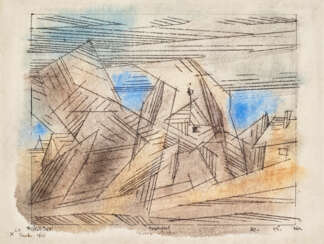

Lyonel Charles Adrian Feininger was an American-German artist renowned for his unique integration of Expressionism, Cubism, and Bauhaus principles. His body of work, which spans several critical decades in modernism's development, is celebrated for its distinctive blend of architectural and nautical motifs, articulated through planar shifts and jagged lines of Cubism, with a vibrant Orphist color palette.
Lyonel Feininger's journey as an artist began in earnest when he was 36, becoming a pivotal figure in various German expressionist groups and a founding member of the Bauhaus, where he led the printmaking workshop. His art, which also includes significant contributions to caricature and photography, explores the intricate relationship between humanity and industrialization, evident in his depictions of architectural and mechanized forms.
His work was subject to Nazi criticism, being labeled as "degenerate," which led to his return to the United States, where he continued to evolve his artistic style. Posthumously, Lyonel Feininger's art has been the focus of several retrospectives, and his pieces, like "Jesuits III," continue to fetch high figures at auctions, underscoring his lasting impact on the art world.
Notably, Lyonel Feininger's "Cathedral" woodcut, representing the Bauhaus's utopian vision, remains one of his most iconic works, symbolizing the integration of art and craftsmanship with its avant-garde yet traditional approach. His legacy is further carried by his sons, Andreas and T. Lux Feininger, who also made their marks in the arts.
For collectors and art and antiques experts, Feininger's work represents a fascinating intersection of various art movements and a testament to the enduring nature of expressive and innovative artistry. To stay updated on new product sales and auction events related to Lyonel Feininger, consider signing up for updates, ensuring you're informed about the latest opportunities to engage with his enduring legacy.
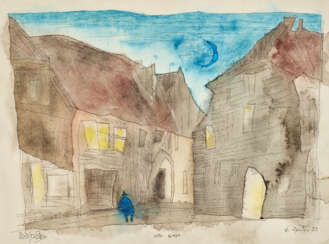

Lyonel Charles Adrian Feininger was an American-German artist renowned for his unique integration of Expressionism, Cubism, and Bauhaus principles. His body of work, which spans several critical decades in modernism's development, is celebrated for its distinctive blend of architectural and nautical motifs, articulated through planar shifts and jagged lines of Cubism, with a vibrant Orphist color palette.
Lyonel Feininger's journey as an artist began in earnest when he was 36, becoming a pivotal figure in various German expressionist groups and a founding member of the Bauhaus, where he led the printmaking workshop. His art, which also includes significant contributions to caricature and photography, explores the intricate relationship between humanity and industrialization, evident in his depictions of architectural and mechanized forms.
His work was subject to Nazi criticism, being labeled as "degenerate," which led to his return to the United States, where he continued to evolve his artistic style. Posthumously, Lyonel Feininger's art has been the focus of several retrospectives, and his pieces, like "Jesuits III," continue to fetch high figures at auctions, underscoring his lasting impact on the art world.
Notably, Lyonel Feininger's "Cathedral" woodcut, representing the Bauhaus's utopian vision, remains one of his most iconic works, symbolizing the integration of art and craftsmanship with its avant-garde yet traditional approach. His legacy is further carried by his sons, Andreas and T. Lux Feininger, who also made their marks in the arts.
For collectors and art and antiques experts, Feininger's work represents a fascinating intersection of various art movements and a testament to the enduring nature of expressive and innovative artistry. To stay updated on new product sales and auction events related to Lyonel Feininger, consider signing up for updates, ensuring you're informed about the latest opportunities to engage with his enduring legacy.
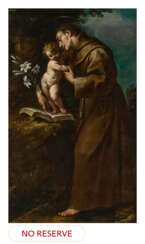

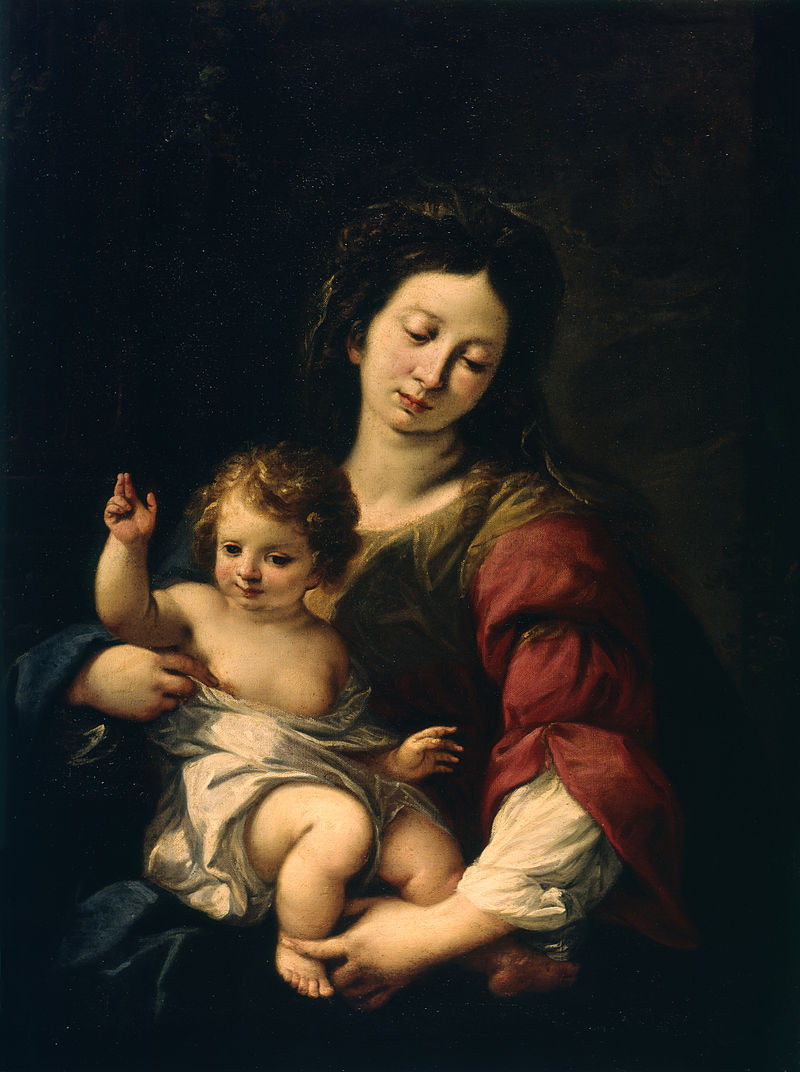
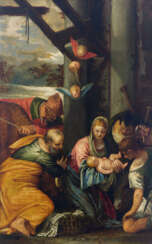

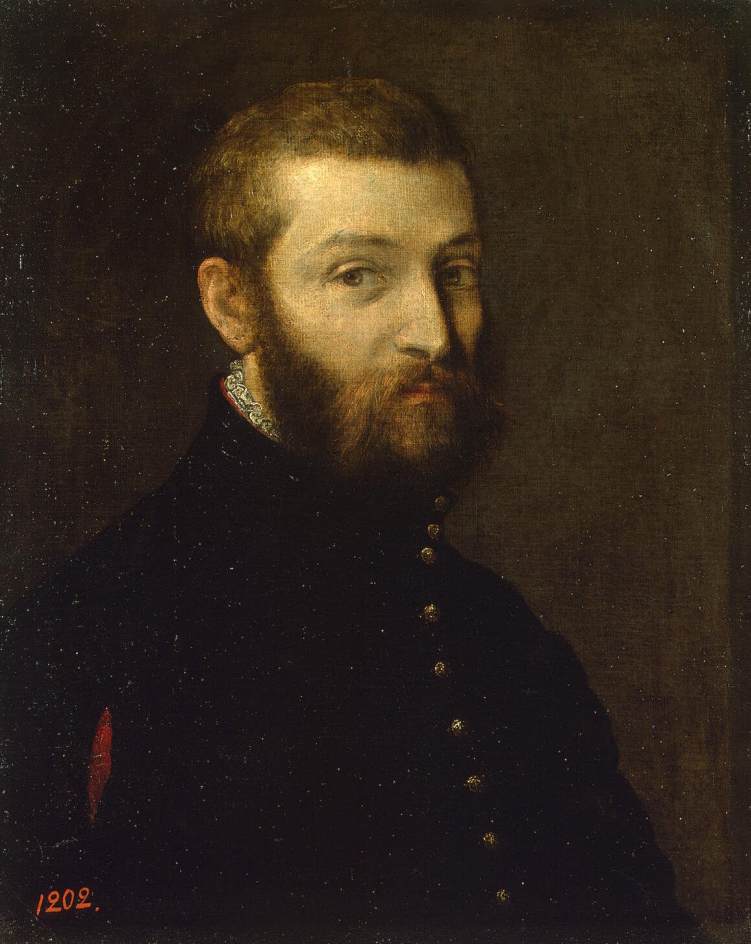
Paolo Veronese, born Paolo Caliari, was a distinguished painter of the 16th-century Venetian school. Renowned for his vibrant use of color and majestic compositions, Veronese's artworks often depicted allegorical, biblical, or historical subjects set within grandiose settings of Renaissance architecture. His mastery in color and illusionary compositions that expand beyond the canvas' confines made him a pivotal figure in the Venetian Renaissance.
His early years were marked by an apprenticeship with Antonio Badile, leading to a significant influence from Mannerist artists and a development of his unique style, characterized by radiant palettes and elegant figures. Paolo Veronese's works, including major altarpieces and large-scale feast scenes, were celebrated for their elaborate detail and classical harmony, reflecting influences from artists like Titian, Raphael, and Parmigianino.
One of Paolo Veronese's specialties was grand scenes of feasts, such as "The Wedding at Cana" and "The Feast in the House of Levi," which showcased his ability to blend narrative with ornate details, often sparking controversy and admiration alike. His significant contributions to the art world, from the full-scale decoration of the Venetian church of S. Sebastiano to the splendid ceiling and wall paintings for the library of S. Marco, left an indelible mark on the Renaissance art scene.
For collectors and experts in art and antiques, Paolo Veronese's works represent a blend of classical beauty, innovative use of color, and narrative depth, making his paintings a significant focus for art historical study and appreciation.
To stay informed about exhibitions and auction events featuring Paolo Veronese's works, art enthusiasts are encouraged to subscribe to updates from reputable art institutions.
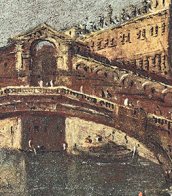


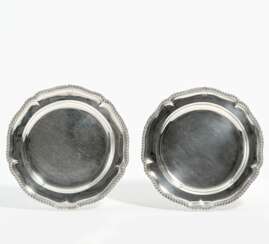

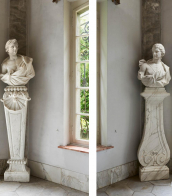
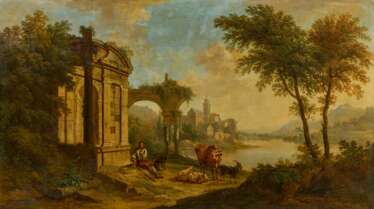

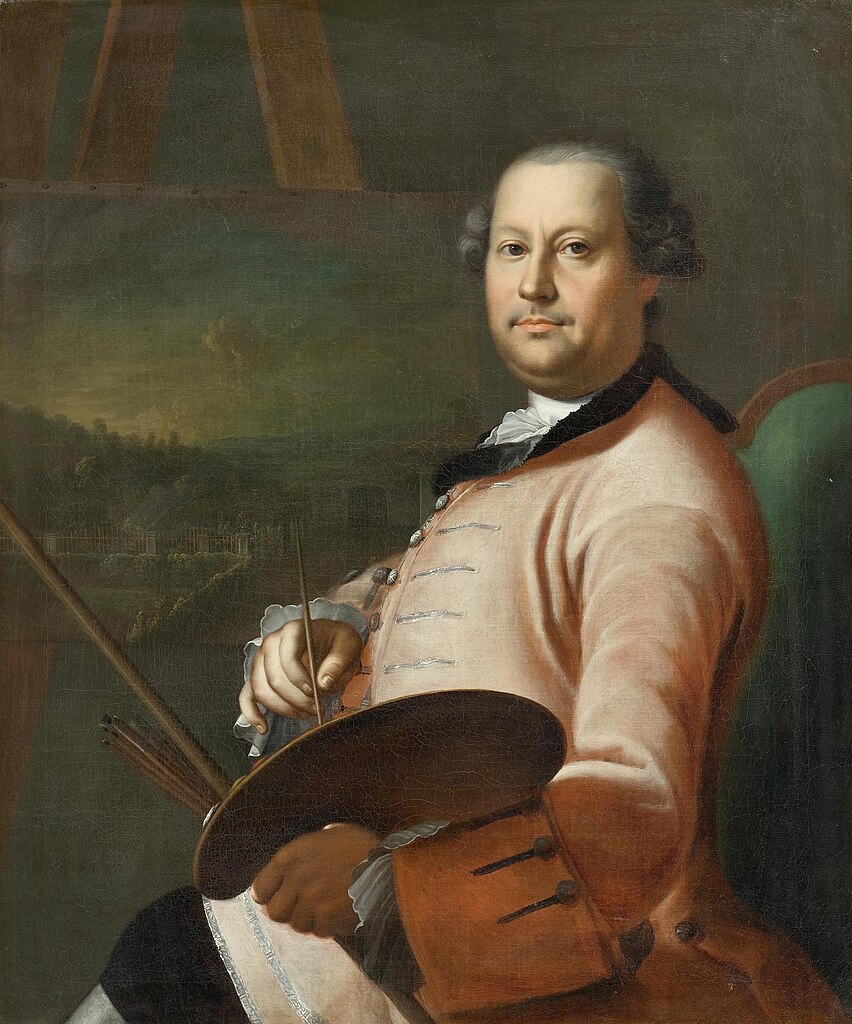
Christian Georg Schütz the Elder, born in 1718 in Flörsheim am Main and passing in 1791 in Frankfurt am Main, was a German painter whose etchings and landscapes left a timeless mark on the world of art. Schütz emerged as a master of capturing the natural beauty and architectural elegance of his homeland.
His works, which often depicted vibrant market scenes, serene river landscapes, and bucolic countryside views, reflect a deep understanding of light and atmosphere. Noteworthy pieces like "The Liebfrauenberg in Frankfurt" and "River Landscape with Barge" showcase his ability to blend human activity seamlessly with natural surroundings. His legacy continues to inspire, with 28 of his works proudly displayed at the Städel Museum, offering a window into the pastoral grace of 18th-century Germany.
For those drawn to the idyllic scenes of historical Europe, Schütz's paintings are a cultural treasure. His influence extended to his children and pupils, ensuring that the Schütz legacy of artistry would endure.
Explore Schütz's vision by visiting the Städel Museum, and stay informed about exhibitions and available works by signing up for our exclusive updates.
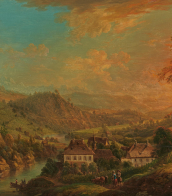


Christian Georg Schütz the Elder, born in 1718 in Flörsheim am Main and passing in 1791 in Frankfurt am Main, was a German painter whose etchings and landscapes left a timeless mark on the world of art. Schütz emerged as a master of capturing the natural beauty and architectural elegance of his homeland.
His works, which often depicted vibrant market scenes, serene river landscapes, and bucolic countryside views, reflect a deep understanding of light and atmosphere. Noteworthy pieces like "The Liebfrauenberg in Frankfurt" and "River Landscape with Barge" showcase his ability to blend human activity seamlessly with natural surroundings. His legacy continues to inspire, with 28 of his works proudly displayed at the Städel Museum, offering a window into the pastoral grace of 18th-century Germany.
For those drawn to the idyllic scenes of historical Europe, Schütz's paintings are a cultural treasure. His influence extended to his children and pupils, ensuring that the Schütz legacy of artistry would endure.
Explore Schütz's vision by visiting the Städel Museum, and stay informed about exhibitions and available works by signing up for our exclusive updates.
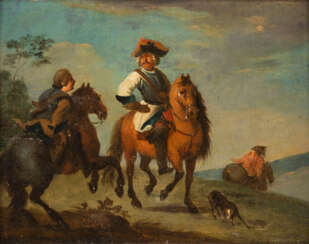

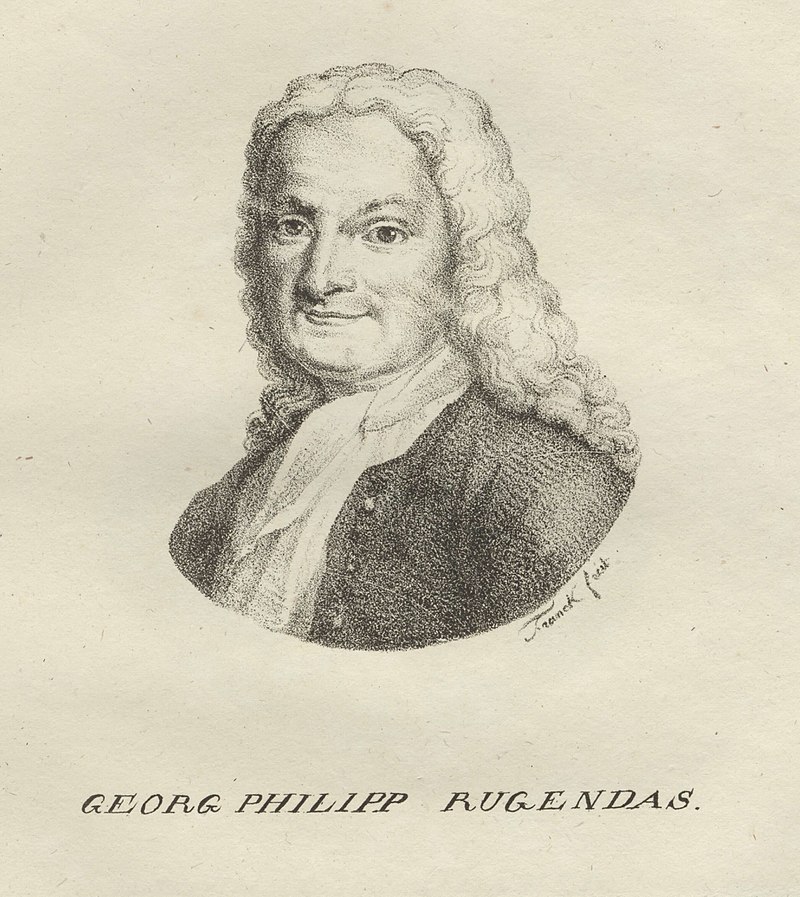
Georg Philipp Rugendas was a battle and military genre painter and engraver born in the Free Imperial City of Augsburg in what is now Bavaria, Germany.


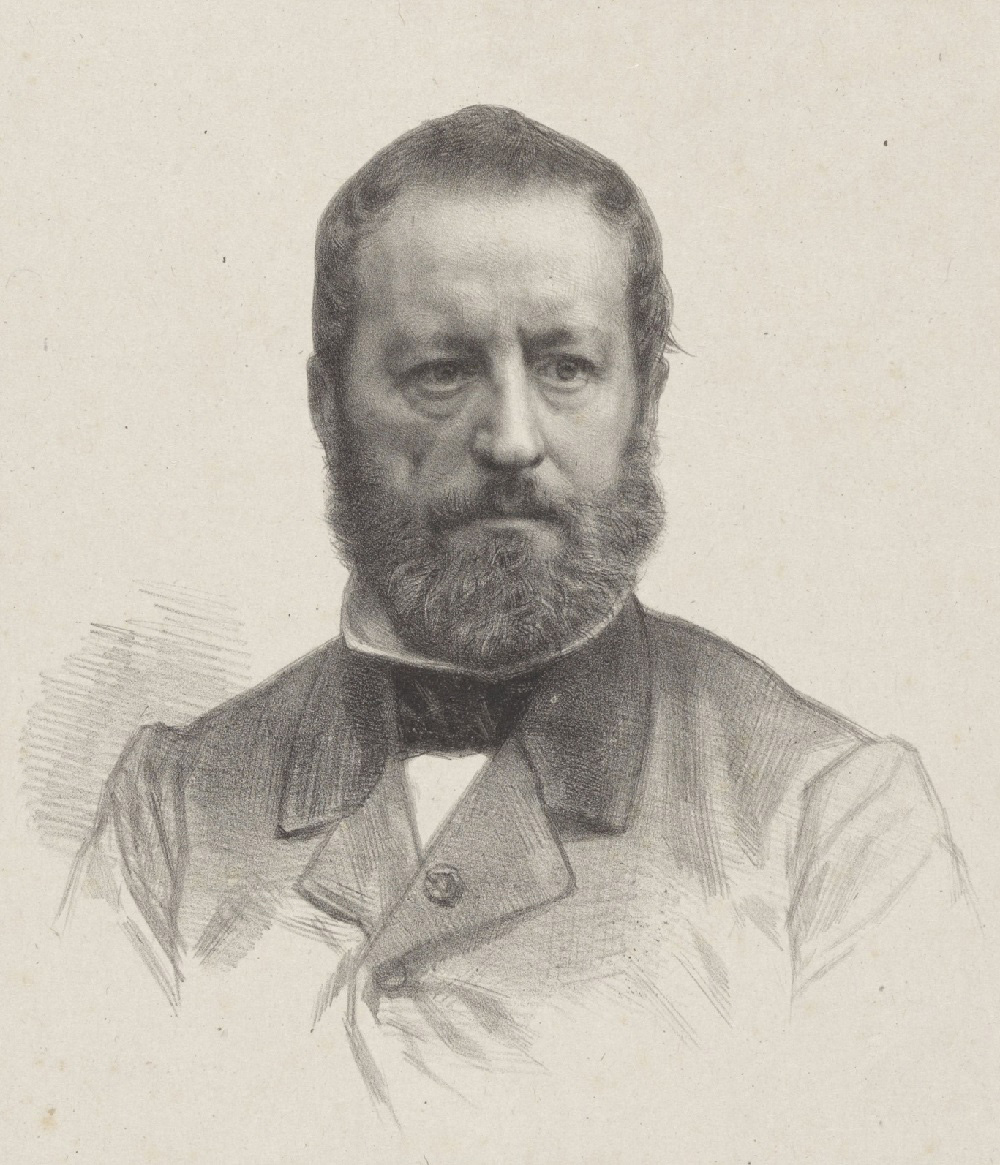
Wouterus Verschuur the Elder (also Wouter Verschuur) was a Dutch painter, one of the later representatives of Romanticism in Dutch art. He depicted animals, mainly horses, and landscapes. His students included his son Wouterus Verschuur Jr. and Anton Mauve.