

jak

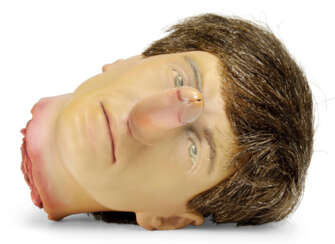

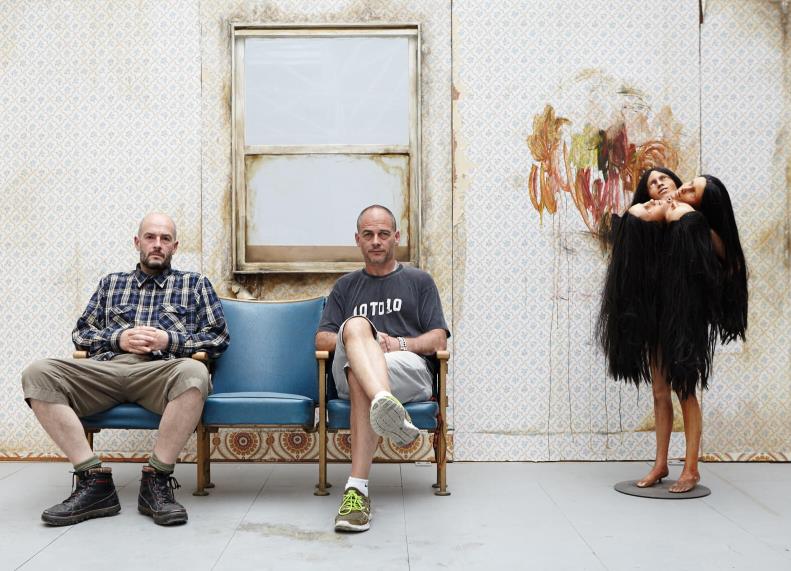
Jake Chapman, born Iakovos Chapman, is an English conceptual artist who works almost exclusively with his older brother Dinos Chapman. Together they are known as Jake & Dinos Chapman and became famous as members of the Young British Artists, brainchild of media mogul and collector Charles Saatchi. The brothers usually create works using plastic models or fibreglass mannequins, which often cause scandal.
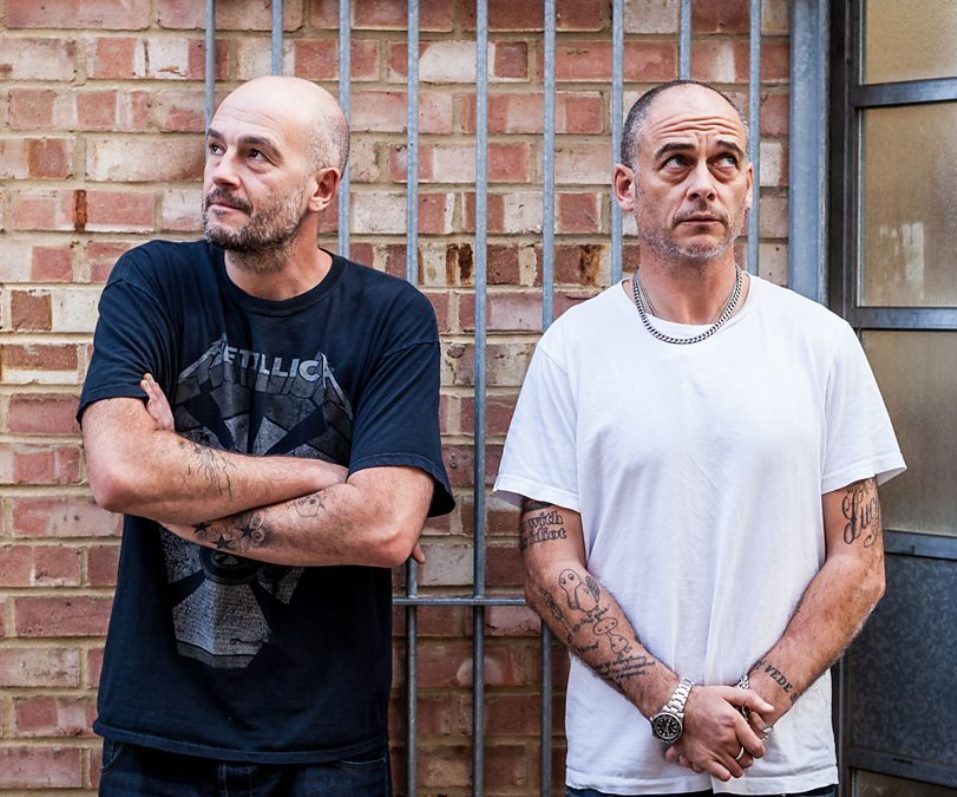
Dinos Chapman (born Konstantinos Chapman) is an English conceptual artist who almost always works with his younger brother Jake Chapman. Together they are known as Jake & Dinos Chapman and became famous as members of The Young British Artists, brainchild of media mogul and collector Charles Saatchi. The brothers usually create works using plastic models or fibreglass mannequins, which often cause scandal.


Jake Chapman, born Iakovos Chapman, is an English conceptual artist who works almost exclusively with his older brother Dinos Chapman. Together they are known as Jake & Dinos Chapman and became famous as members of the Young British Artists, brainchild of media mogul and collector Charles Saatchi. The brothers usually create works using plastic models or fibreglass mannequins, which often cause scandal.
Dinos Chapman (born Konstantinos Chapman) is an English conceptual artist who almost always works with his younger brother Jake Chapman. Together they are known as Jake & Dinos Chapman and became famous as members of The Young British Artists, brainchild of media mogul and collector Charles Saatchi. The brothers usually create works using plastic models or fibreglass mannequins, which often cause scandal.
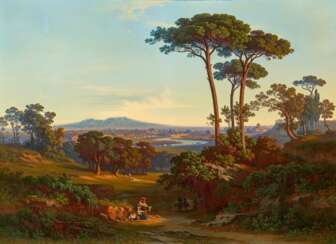

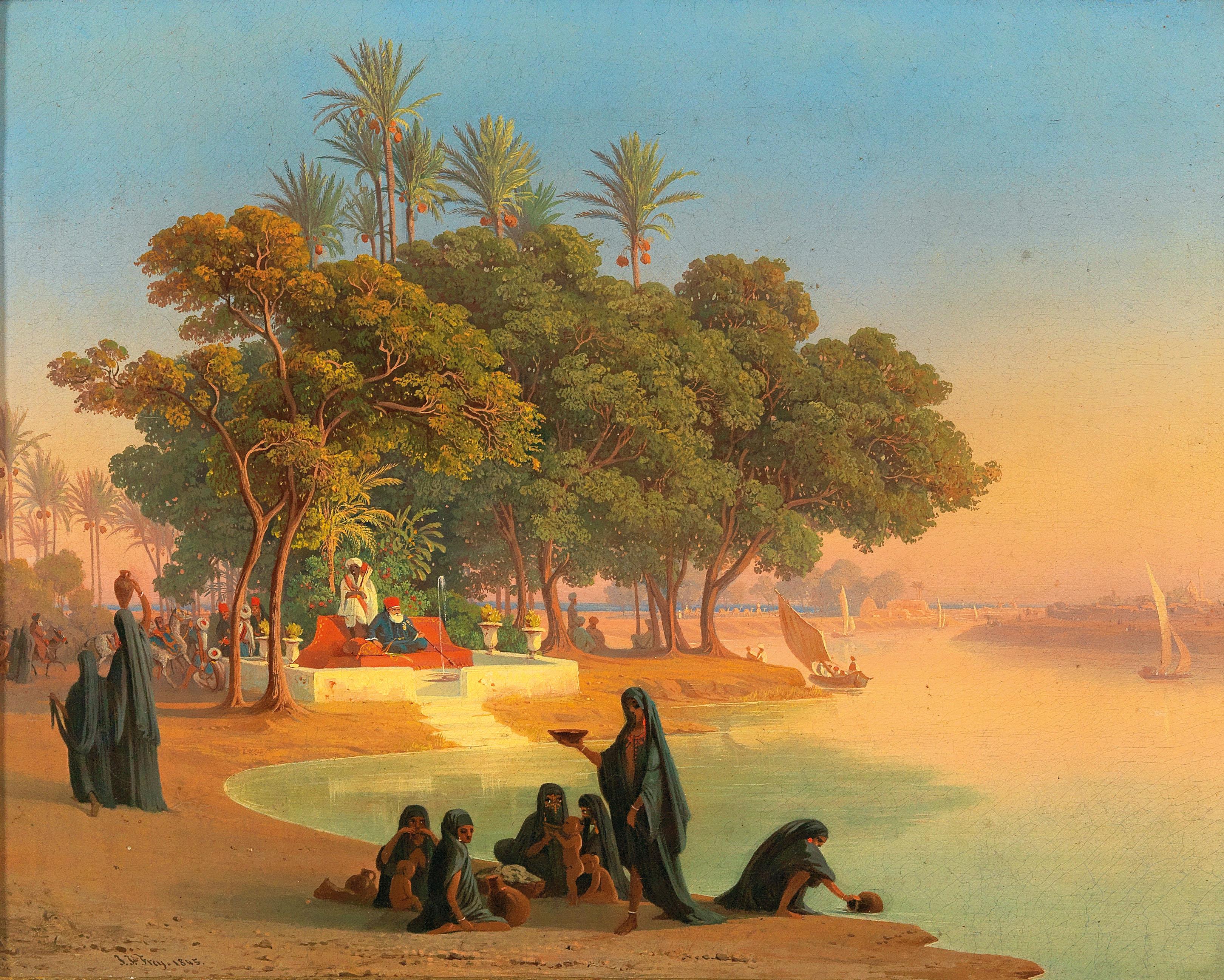
Johann Jakob Frey was a Swiss landscape painter.
Johann Jakob Frey travelled extensively in Italy, especially in and around Rome, making landscape sketches. In his studio he used these sketches to create paintings. He also traveled to Spain and Egypt to sketch for later works.
Frey's pictorial style is based on paintings by Josef Koch or Franz Horny. For example, they often feature a richly detailed foreground, which often shows elements such as winding paths or rivers drawing the viewer's attention away.


Johann Jakob Frey was a Swiss landscape painter.
Johann Jakob Frey travelled extensively in Italy, especially in and around Rome, making landscape sketches. In his studio he used these sketches to create paintings. He also traveled to Spain and Egypt to sketch for later works.
Frey's pictorial style is based on paintings by Josef Koch or Franz Horny. For example, they often feature a richly detailed foreground, which often shows elements such as winding paths or rivers drawing the viewer's attention away.


Johann Jakob Frey was a Swiss landscape painter.
Johann Jakob Frey travelled extensively in Italy, especially in and around Rome, making landscape sketches. In his studio he used these sketches to create paintings. He also traveled to Spain and Egypt to sketch for later works.
Frey's pictorial style is based on paintings by Josef Koch or Franz Horny. For example, they often feature a richly detailed foreground, which often shows elements such as winding paths or rivers drawing the viewer's attention away.
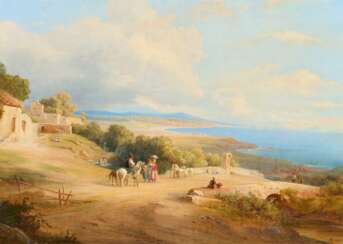

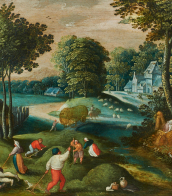
Johann Jakob Frey was a Swiss landscape painter.
Johann Jakob Frey travelled extensively in Italy, especially in and around Rome, making landscape sketches. In his studio he used these sketches to create paintings. He also traveled to Spain and Egypt to sketch for later works.
Frey's pictorial style is based on paintings by Josef Koch or Franz Horny. For example, they often feature a richly detailed foreground, which often shows elements such as winding paths or rivers drawing the viewer's attention away.
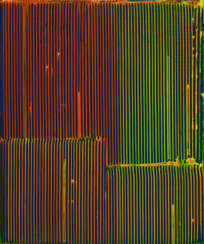

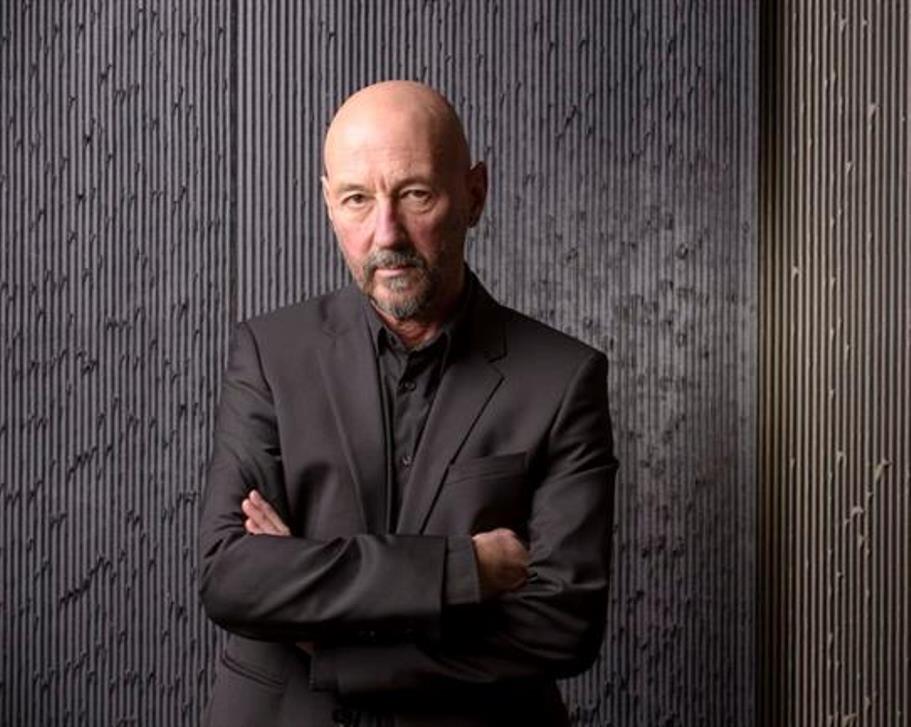
Jakob Gasteiger is an Austrian artist, representative of analytical painting, living and working in Vienna and in Weinviertel.
Gasteiger studied stage design at the University of Music and Performing Arts in Salzburg and attended the Institute for Teaching and Research in Graphic Arts. Since 2013, he has been working in the studio at Weinviertel. Jakob Gasteiger is considered a representative of analytical painting.
In his works he questions the parameters of painting, expanding and breaking the boundaries of graphics, painting and sculpture. The artist's most extensive group of works are predominantly monochrome paintings with relief structures, which are formed with the help of a comb spatula when applying paint to the background of the painting. As of late 2018, Gasteiger has expanded this group of works through the use of neon colors. He also creates aluminum sculptures and installations.





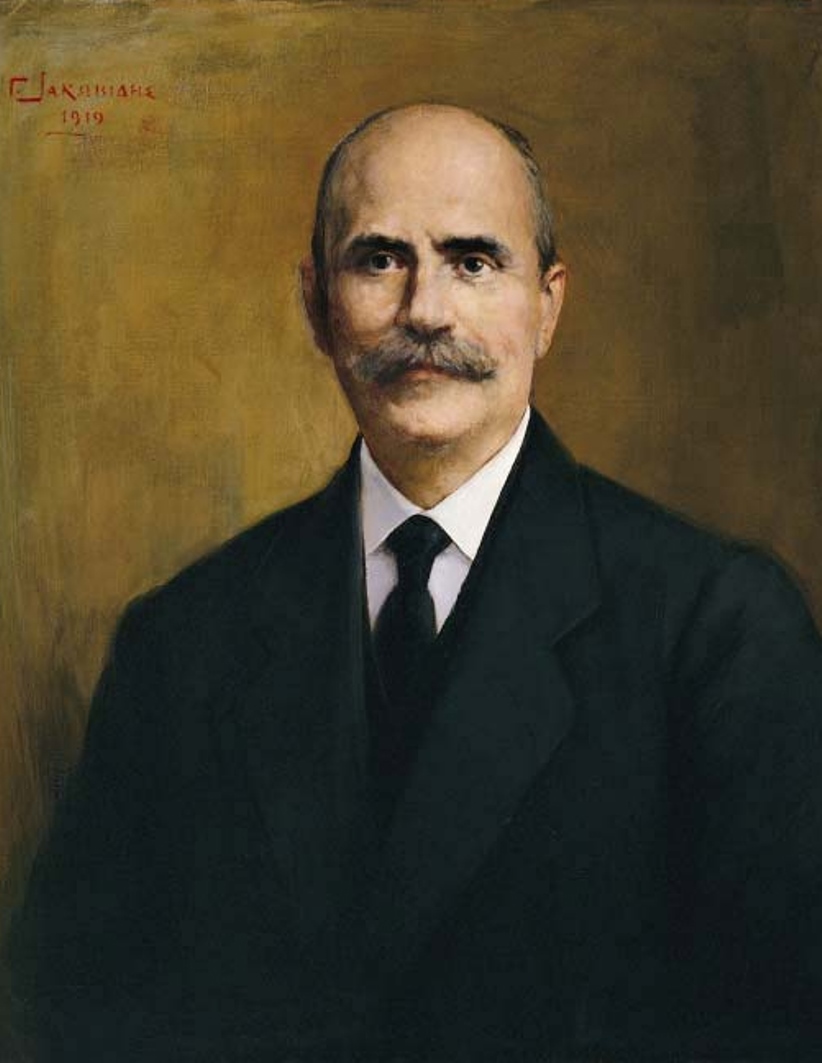
Georgios Jakobides was a Greek painter, representative of the Munich School of Greek painting.
He studied at the Athens School of Art (later the Academy of Fine Arts), then at the Academy of Fine Arts in Munich. Jakobides painted mythological scenes, genre paintings and portraits influenced by German academic realism.
His many characteristic paintings of children established Jakobides' reputation as a children's artist. As a perceptive psychologist and keen observer of human nature, he was a consummate draftsman. His painting The Reading Girl (1882), first exhibited in Munich, was admired by critics and the public.
In 1990 Georgios Jakobides returned to his homeland and became the first director of the National Gallery of Greece. In 1904 he was appointed director of the Athens School of Fine Arts, where he taught for 25 years. In addition to these activities, the artist continued to paint portraits, including of prominent Greeks.
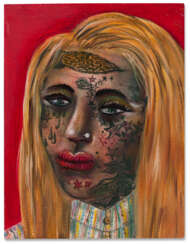











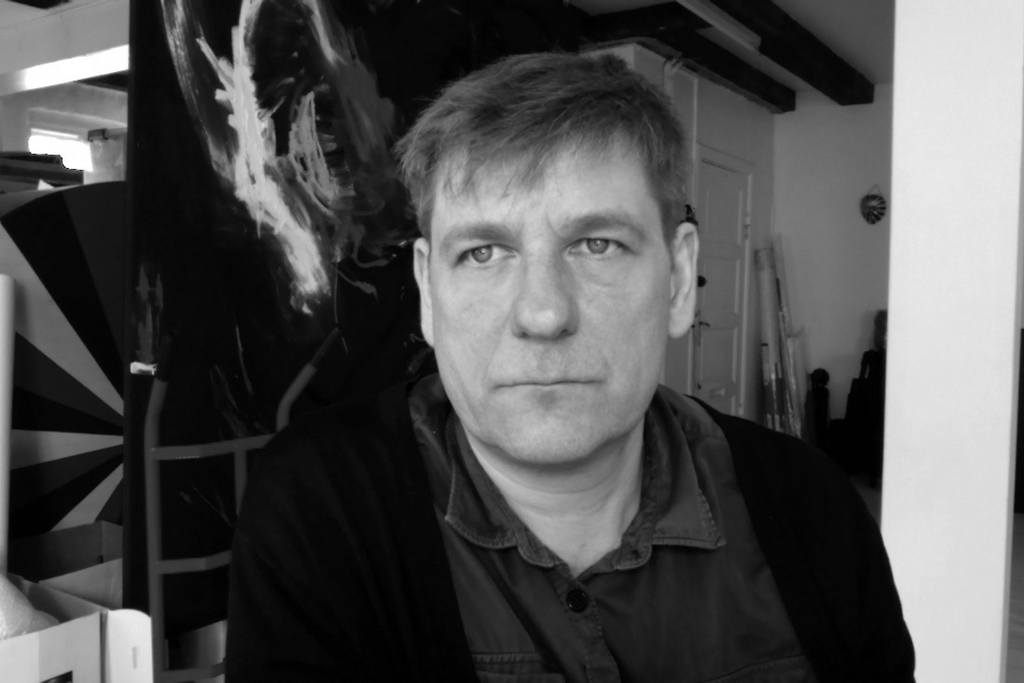
Henrik Plenge Jakobsen is a Danish conceptual artist, who works in a variety of media, from sculpture and installation art to performance art and public intervention.




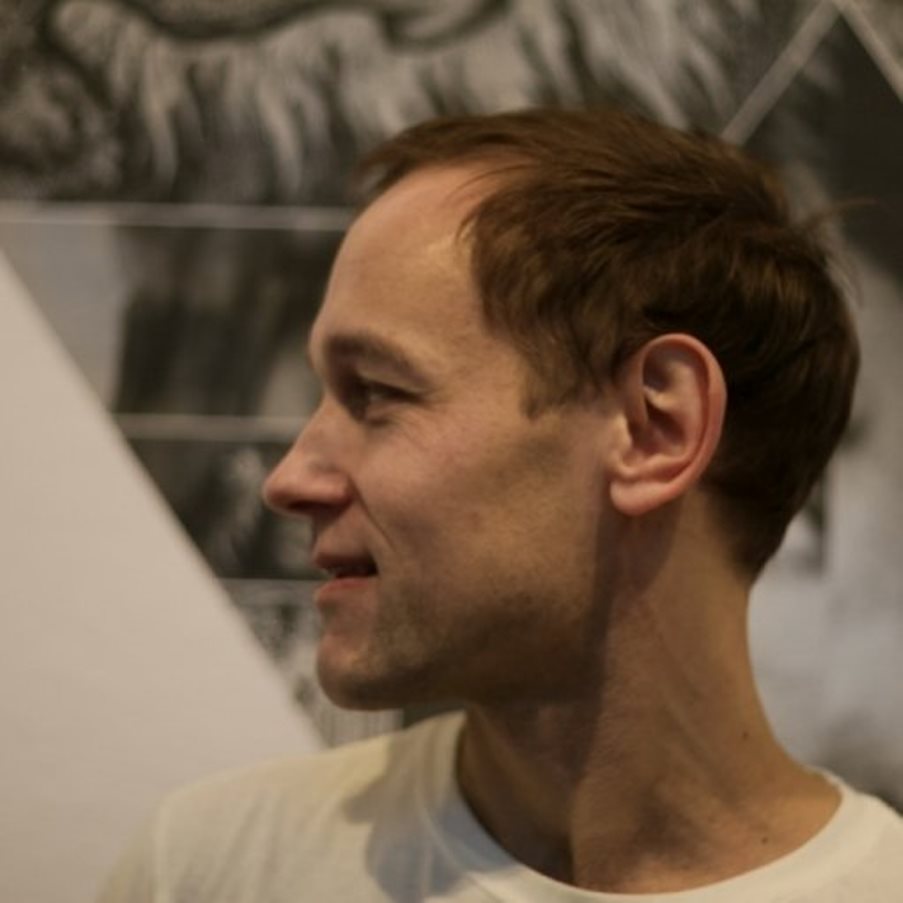
Jakob Kolding is a Danish and German artist and stage designer.
He graduated from the Royal Danish Academy of Fine Arts and lives and works in Berlin, Germany.
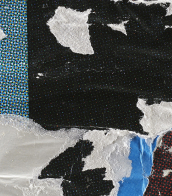
Using sources ranging from historical canons of fine art, literature and theater to pop music, hip-hop, science fiction, urban imagery and contemporary culture, Kolding has created his own visual vocabulary in the collage technique. Building layer upon layer, he brings to life a world as complex as it is aesthetically beautiful. And Kolding's scenography transforms into three-dimensional collages, expanding throughout the space in which they inhabit, creating an entire world.
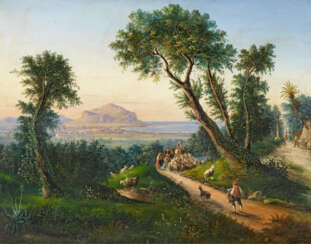

Johann Jakob Frey was a Swiss landscape painter.
Johann Jakob Frey travelled extensively in Italy, especially in and around Rome, making landscape sketches. In his studio he used these sketches to create paintings. He also traveled to Spain and Egypt to sketch for later works.
Frey's pictorial style is based on paintings by Josef Koch or Franz Horny. For example, they often feature a richly detailed foreground, which often shows elements such as winding paths or rivers drawing the viewer's attention away.


Johann Jakob Frey was a Swiss landscape painter.
Johann Jakob Frey travelled extensively in Italy, especially in and around Rome, making landscape sketches. In his studio he used these sketches to create paintings. He also traveled to Spain and Egypt to sketch for later works.
Frey's pictorial style is based on paintings by Josef Koch or Franz Horny. For example, they often feature a richly detailed foreground, which often shows elements such as winding paths or rivers drawing the viewer's attention away.
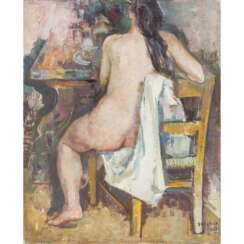

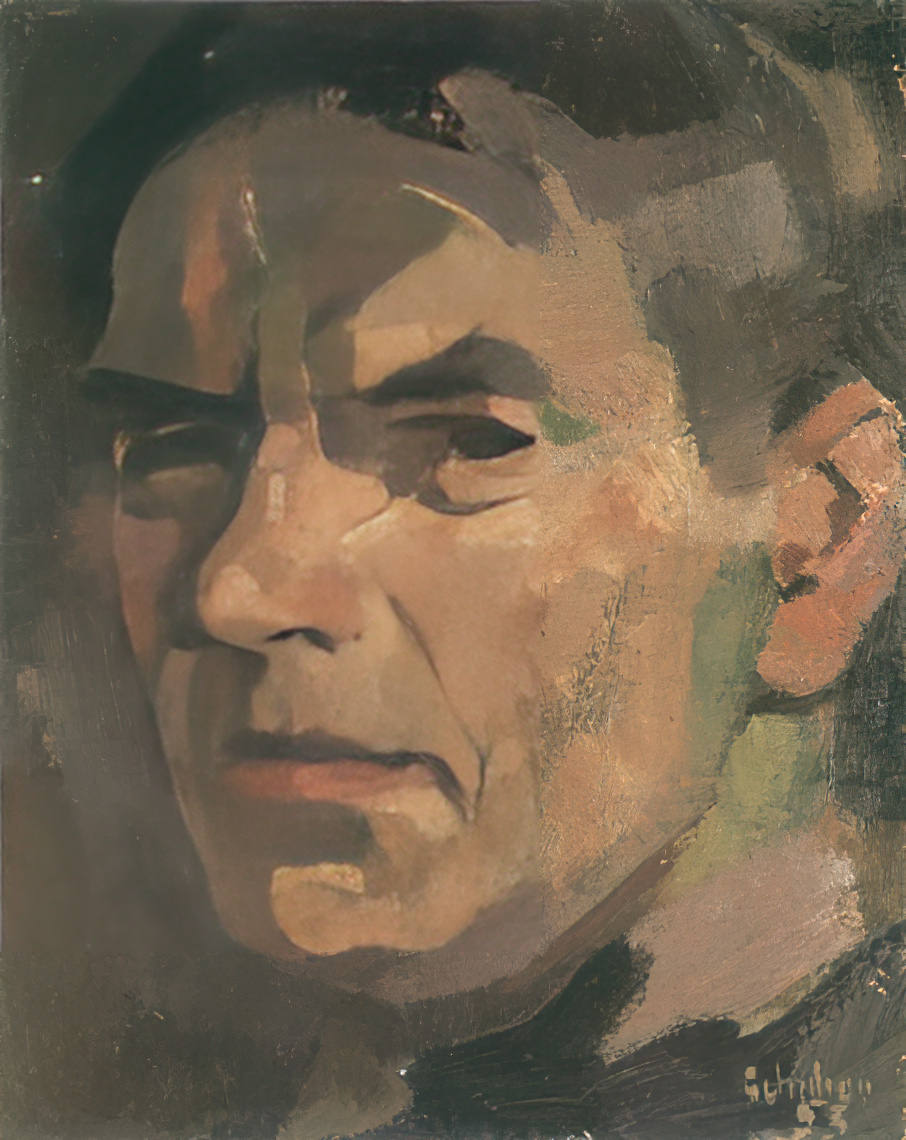
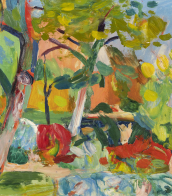
Peter Jakob Schober was a prominent German painter associated with Expressive Realism. Despite facing adversity during World War I and II, he remained committed to art and exhibited remarkable resilience. His artistic journey took him from Stuttgart to Paris, where he drew inspiration from Impressionism and Cézanne's techniques. Returning to Germany, he embarked on a successful career as an artist, receiving numerous commissions for art am Bau.
Schober's work expanded beyond Germany through his travels to Spain, France, Italy, and North Africa. His involvement in art organizations, including chairing the Stuttgarter Sezession, solidified his influence. The accolades and recognition he received, such as the Bundesverdienstkreuz and professorship, celebrated his artistic excellence. Peter Jakob Schober's impact on the art world remains enduring and profound.
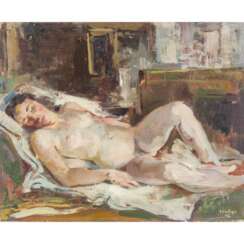

Peter Jakob Schober was a prominent German painter associated with Expressive Realism. Despite facing adversity during World War I and II, he remained committed to art and exhibited remarkable resilience. His artistic journey took him from Stuttgart to Paris, where he drew inspiration from Impressionism and Cézanne's techniques. Returning to Germany, he embarked on a successful career as an artist, receiving numerous commissions for art am Bau.
Schober's work expanded beyond Germany through his travels to Spain, France, Italy, and North Africa. His involvement in art organizations, including chairing the Stuttgarter Sezession, solidified his influence. The accolades and recognition he received, such as the Bundesverdienstkreuz and professorship, celebrated his artistic excellence. Peter Jakob Schober's impact on the art world remains enduring and profound.
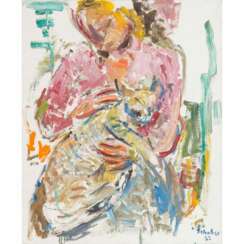

Peter Jakob Schober was a prominent German painter associated with Expressive Realism. Despite facing adversity during World War I and II, he remained committed to art and exhibited remarkable resilience. His artistic journey took him from Stuttgart to Paris, where he drew inspiration from Impressionism and Cézanne's techniques. Returning to Germany, he embarked on a successful career as an artist, receiving numerous commissions for art am Bau.
Schober's work expanded beyond Germany through his travels to Spain, France, Italy, and North Africa. His involvement in art organizations, including chairing the Stuttgarter Sezession, solidified his influence. The accolades and recognition he received, such as the Bundesverdienstkreuz and professorship, celebrated his artistic excellence. Peter Jakob Schober's impact on the art world remains enduring and profound.
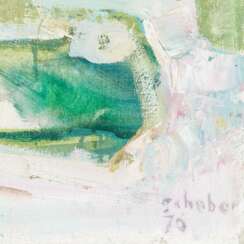

Peter Jakob Schober was a prominent German painter associated with Expressive Realism. Despite facing adversity during World War I and II, he remained committed to art and exhibited remarkable resilience. His artistic journey took him from Stuttgart to Paris, where he drew inspiration from Impressionism and Cézanne's techniques. Returning to Germany, he embarked on a successful career as an artist, receiving numerous commissions for art am Bau.
Schober's work expanded beyond Germany through his travels to Spain, France, Italy, and North Africa. His involvement in art organizations, including chairing the Stuttgarter Sezession, solidified his influence. The accolades and recognition he received, such as the Bundesverdienstkreuz and professorship, celebrated his artistic excellence. Peter Jakob Schober's impact on the art world remains enduring and profound.
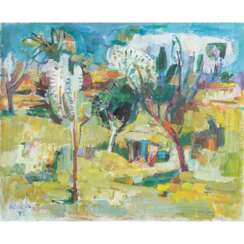

Peter Jakob Schober was a prominent German painter associated with Expressive Realism. Despite facing adversity during World War I and II, he remained committed to art and exhibited remarkable resilience. His artistic journey took him from Stuttgart to Paris, where he drew inspiration from Impressionism and Cézanne's techniques. Returning to Germany, he embarked on a successful career as an artist, receiving numerous commissions for art am Bau.
Schober's work expanded beyond Germany through his travels to Spain, France, Italy, and North Africa. His involvement in art organizations, including chairing the Stuttgarter Sezession, solidified his influence. The accolades and recognition he received, such as the Bundesverdienstkreuz and professorship, celebrated his artistic excellence. Peter Jakob Schober's impact on the art world remains enduring and profound.
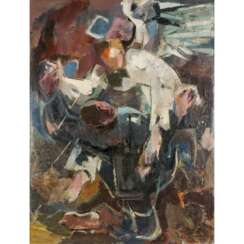

Peter Jakob Schober was a prominent German painter associated with Expressive Realism. Despite facing adversity during World War I and II, he remained committed to art and exhibited remarkable resilience. His artistic journey took him from Stuttgart to Paris, where he drew inspiration from Impressionism and Cézanne's techniques. Returning to Germany, he embarked on a successful career as an artist, receiving numerous commissions for art am Bau.
Schober's work expanded beyond Germany through his travels to Spain, France, Italy, and North Africa. His involvement in art organizations, including chairing the Stuttgarter Sezession, solidified his influence. The accolades and recognition he received, such as the Bundesverdienstkreuz and professorship, celebrated his artistic excellence. Peter Jakob Schober's impact on the art world remains enduring and profound.
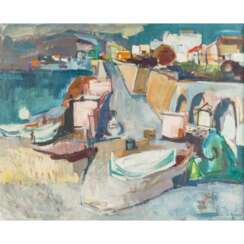

Peter Jakob Schober was a prominent German painter associated with Expressive Realism. Despite facing adversity during World War I and II, he remained committed to art and exhibited remarkable resilience. His artistic journey took him from Stuttgart to Paris, where he drew inspiration from Impressionism and Cézanne's techniques. Returning to Germany, he embarked on a successful career as an artist, receiving numerous commissions for art am Bau.
Schober's work expanded beyond Germany through his travels to Spain, France, Italy, and North Africa. His involvement in art organizations, including chairing the Stuttgarter Sezession, solidified his influence. The accolades and recognition he received, such as the Bundesverdienstkreuz and professorship, celebrated his artistic excellence. Peter Jakob Schober's impact on the art world remains enduring and profound.
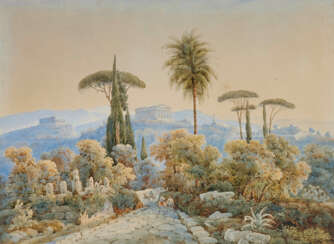

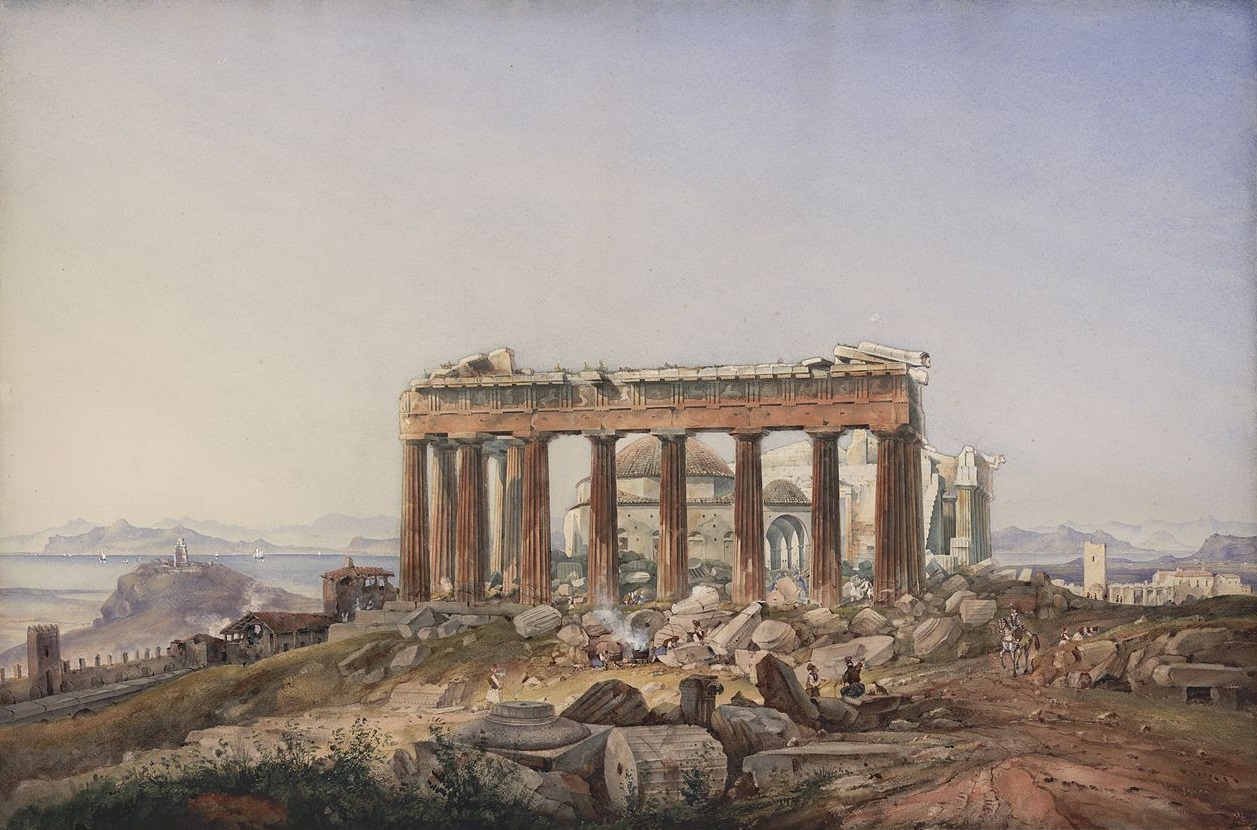
Johann Jakob Wolfensberger was a Swiss painter.
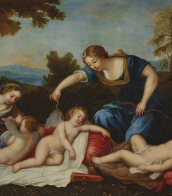
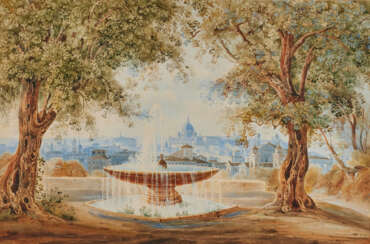

Johann Jakob Wolfensberger was a Swiss painter.