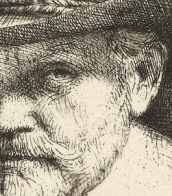
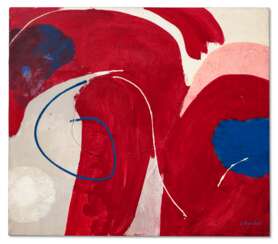
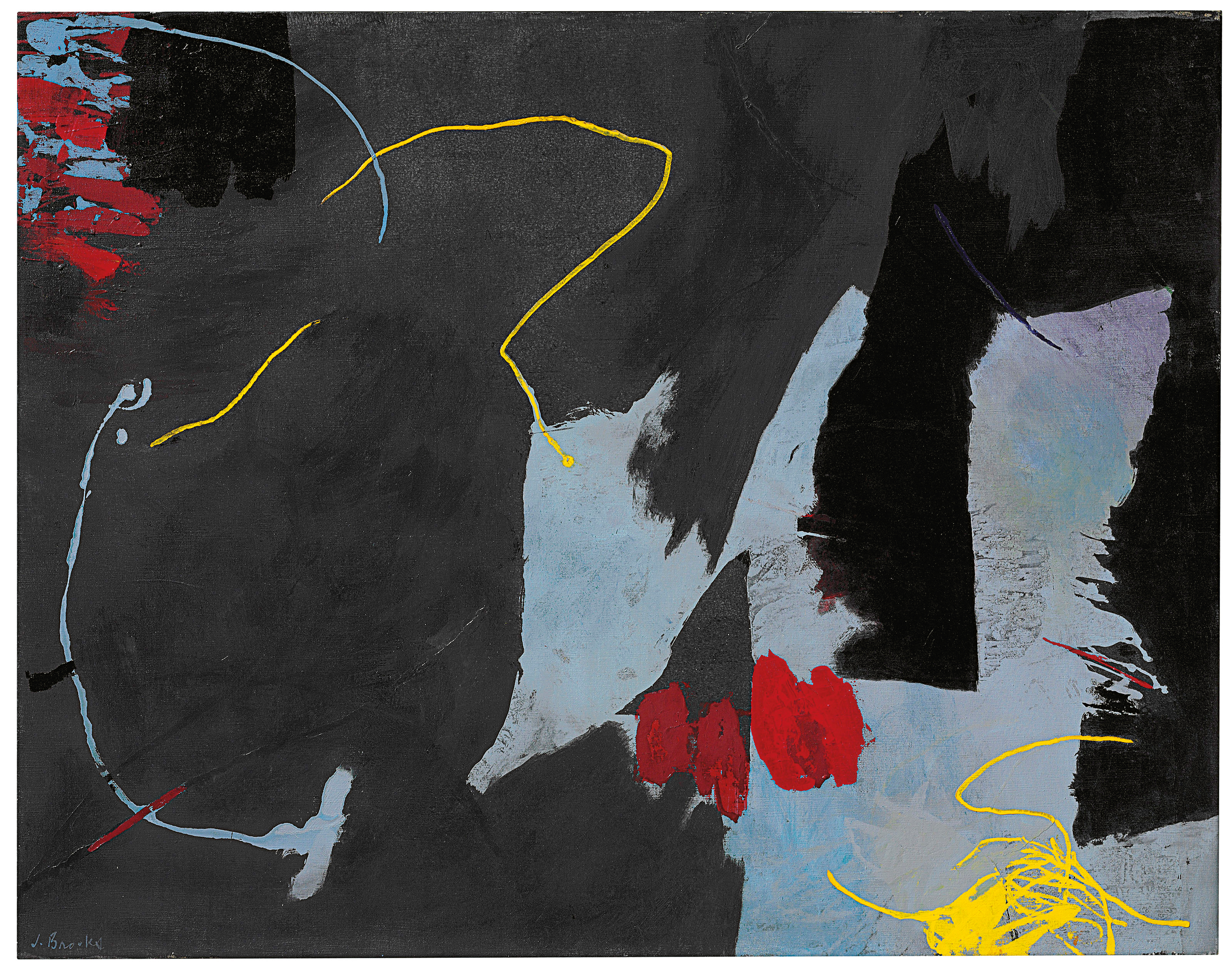
james brooks




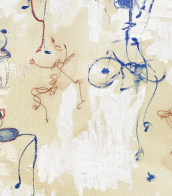


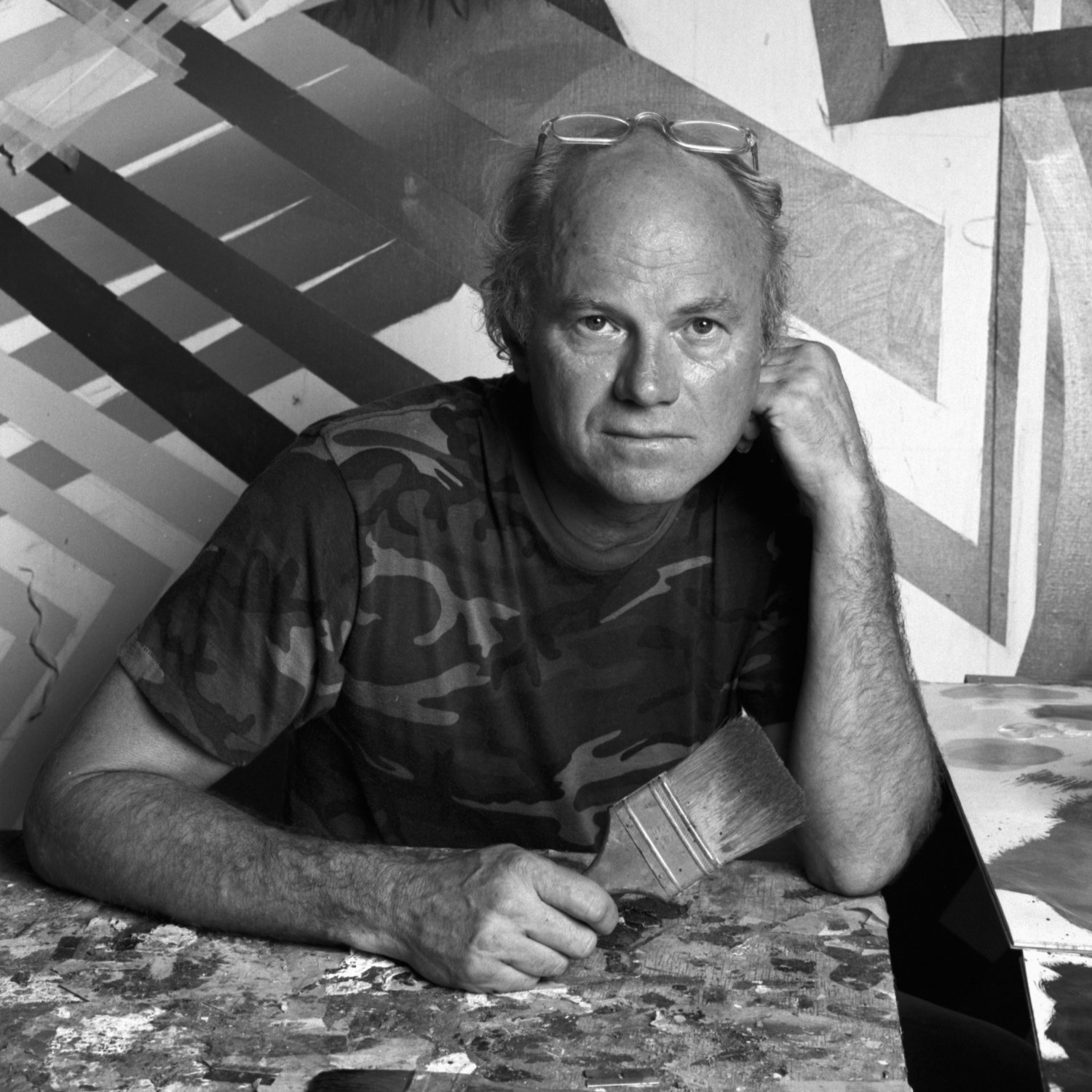
James Rosenquist was a towering figure in the American art scene, best known for his pivotal role in defining the Pop Art movement. Born in North Dakota, Rosenquist transformed his early experiences as a billboard painter into a revolutionary art form that blurred the lines between commercial and fine art. His unique approach to painting, characterized by the use of fragmented and juxtaposed imagery, mirrored the bombardment of mass media and advertising in American culture. This technique not only challenged traditional perceptions of art but also reflected the artist's critique of the consumerist society.
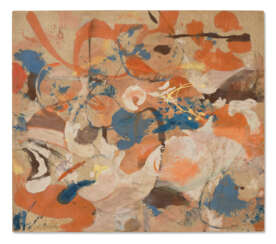
Rosenquist's most famous work, "F-111," an ambitious 86-foot-long mural, exemplifies his innovative style. Displayed at the Museum of Modern Art in New York, this piece encapsulates the essence of Pop Art by combining consumer goods, military imagery, and a fighter plane. The artwork serves as a powerful commentary on the military-industrial complex and the pervasive influence of advertising on American life. Another notable piece, "Stowaway Peers Out of the Speed of Light," showcases Rosenquist's later exploration into abstract expressionism, depicting a chaotic yet captivating vision of motion and light.
Throughout his career, Rosenquist's work remained deeply influential, earning him a place in prominent collections and museums worldwide. His ability to merge commercial techniques with fine art not only elevated his status as an artist but also left an indelible mark on the art world. Rosenquist's legacy continues to inspire artists and collectors alike, challenging them to see beyond the surface of everyday imagery.
For collectors and experts in art and antiques, James Rosenquist's work represents a pivotal moment in the history of modern art, where the lines between commercial and fine art were not just blurred but beautifully intertwined. To stay updated on new product sales and auction events related to James Rosenquist, we invite you to sign up for our updates. This subscription is your gateway to the evolving world of art collecting, where the legacy of innovators like Rosenquist continues to influence the market and inspire new generations of artists and collectors.

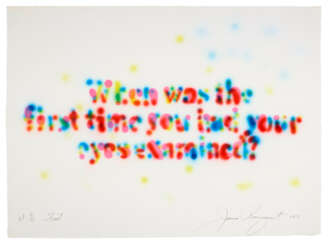

James Rosenquist was a towering figure in the American art scene, best known for his pivotal role in defining the Pop Art movement. Born in North Dakota, Rosenquist transformed his early experiences as a billboard painter into a revolutionary art form that blurred the lines between commercial and fine art. His unique approach to painting, characterized by the use of fragmented and juxtaposed imagery, mirrored the bombardment of mass media and advertising in American culture. This technique not only challenged traditional perceptions of art but also reflected the artist's critique of the consumerist society.
Rosenquist's most famous work, "F-111," an ambitious 86-foot-long mural, exemplifies his innovative style. Displayed at the Museum of Modern Art in New York, this piece encapsulates the essence of Pop Art by combining consumer goods, military imagery, and a fighter plane. The artwork serves as a powerful commentary on the military-industrial complex and the pervasive influence of advertising on American life. Another notable piece, "Stowaway Peers Out of the Speed of Light," showcases Rosenquist's later exploration into abstract expressionism, depicting a chaotic yet captivating vision of motion and light.
Throughout his career, Rosenquist's work remained deeply influential, earning him a place in prominent collections and museums worldwide. His ability to merge commercial techniques with fine art not only elevated his status as an artist but also left an indelible mark on the art world. Rosenquist's legacy continues to inspire artists and collectors alike, challenging them to see beyond the surface of everyday imagery.
For collectors and experts in art and antiques, James Rosenquist's work represents a pivotal moment in the history of modern art, where the lines between commercial and fine art were not just blurred but beautifully intertwined. To stay updated on new product sales and auction events related to James Rosenquist, we invite you to sign up for our updates. This subscription is your gateway to the evolving world of art collecting, where the legacy of innovators like Rosenquist continues to influence the market and inspire new generations of artists and collectors.
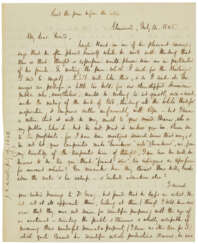

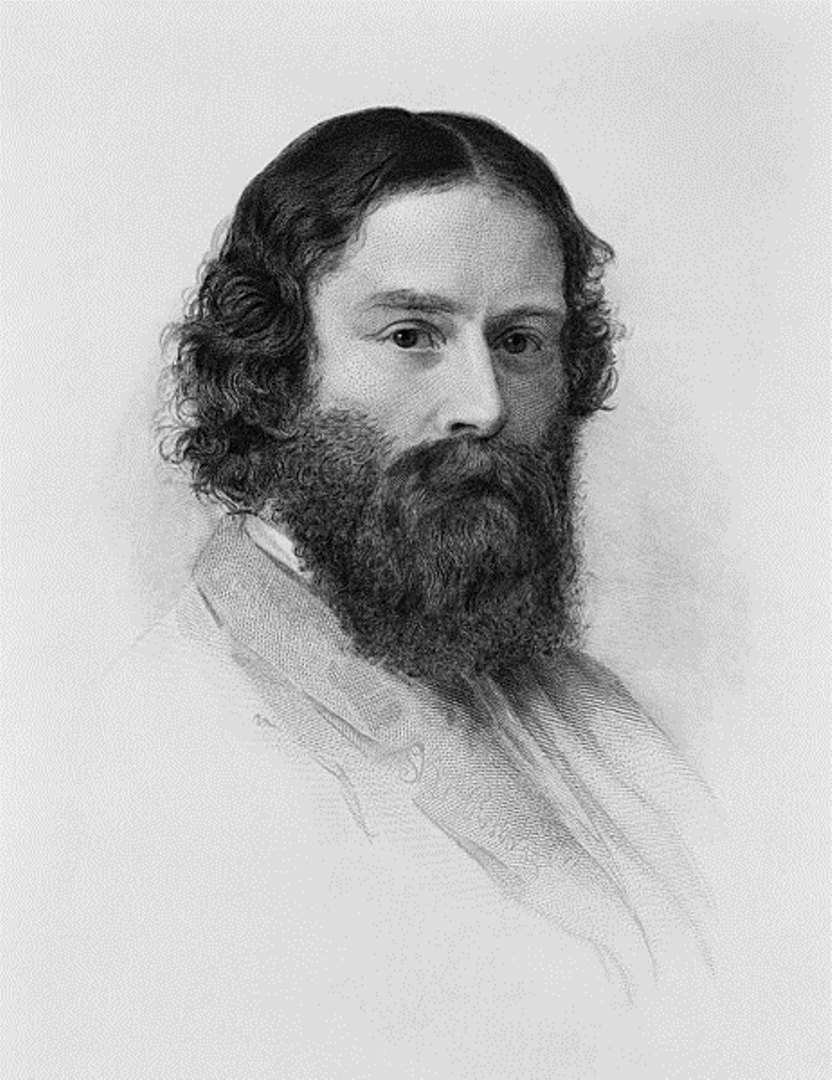
James Russell Lowell was an American poet, educator, and diplomat.
From 1845 to 1850, he wrote about 50 articles against slavery for periodicals. Two of Lowell's other two most important works were also published in 1848: the poem "Sir Launfal's Vision," praising the brotherhood of man, and "A Fable for Critics," a witty appraisal of contemporary American authors. These books, together with the publication in the same year of a second series of his poems, made Lowell the most popular new figure in 19th-century American literature.
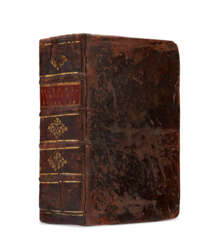


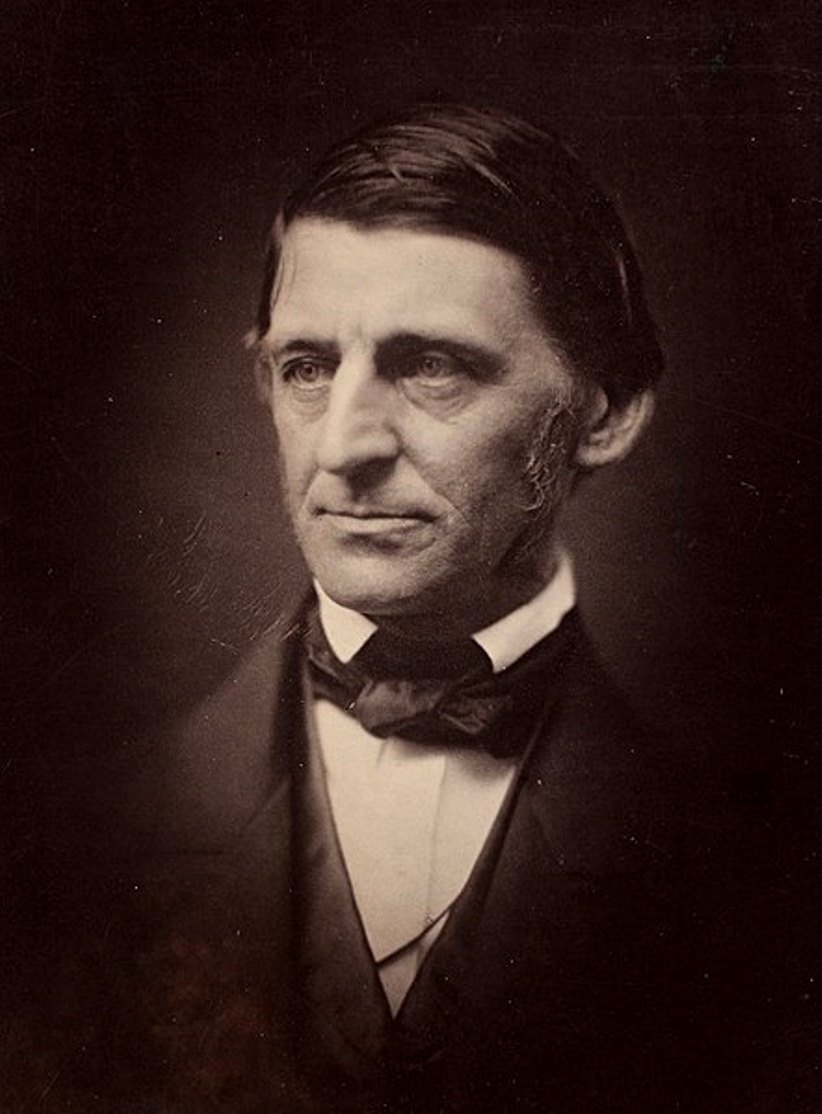
Ralph Waldo Emerson was an American philosopher, lecturer and poet, one of the most prominent thinkers and writers in the United States, and the originator of transcendentalism.
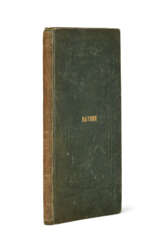
Ralph studied at Boston State Latin School and then at Harvard College (later Harvard University), began to preach, but soon doubted his chosen path and resigned his ministry. Emerson went to Europe, where new acquaintances and knowledge led him to new thoughts, and, returning to the United States in 1833, he began writing his famous book "Nature", where he first formulated a philosophy called transcendentalism. Soon other thinkers rallied around him, forming a group of like-minded thinkers.
In the essay "Nature," published in 1836, and in the following works, "The American Scholar" and "An Address in the School of Theology," Emerson consistently developed his ideas. Emerson's doctrine of the self-sufficiency and self-reliance of the individual stems from his view that a person need only look into his own heart to receive the spiritual guidance that has hitherto been the prerogative of the official churches. One must then have the courage to be oneself and trust the inner power within oneself, living one's life according to the commandments one has intuitively derived. These thoughts are not new, but Emerson put them in imaginative and accessible language.
Emerson's speeches led to his being ostracized at Harvard for many years. However, the informal Transcendental Club, founded in 1836, was joined and supported by his young students. The world fame of the brilliant thinker Emerson brought his "Essays" in two volumes, published in 1841 and 1844. As the main representative of transcendentalism, Emerson gave direction to the religious, philosophical and ethical movement, which above all emphasized belief in the spiritual potential of each person.
A later work of confession, The Conduct of Life (1860), demonstrates the author's developed humanism and full awareness of human limitations. The voluminous collection of poems cemented Emerson's reputation as a major American poet.
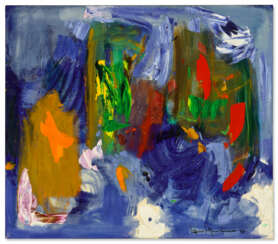

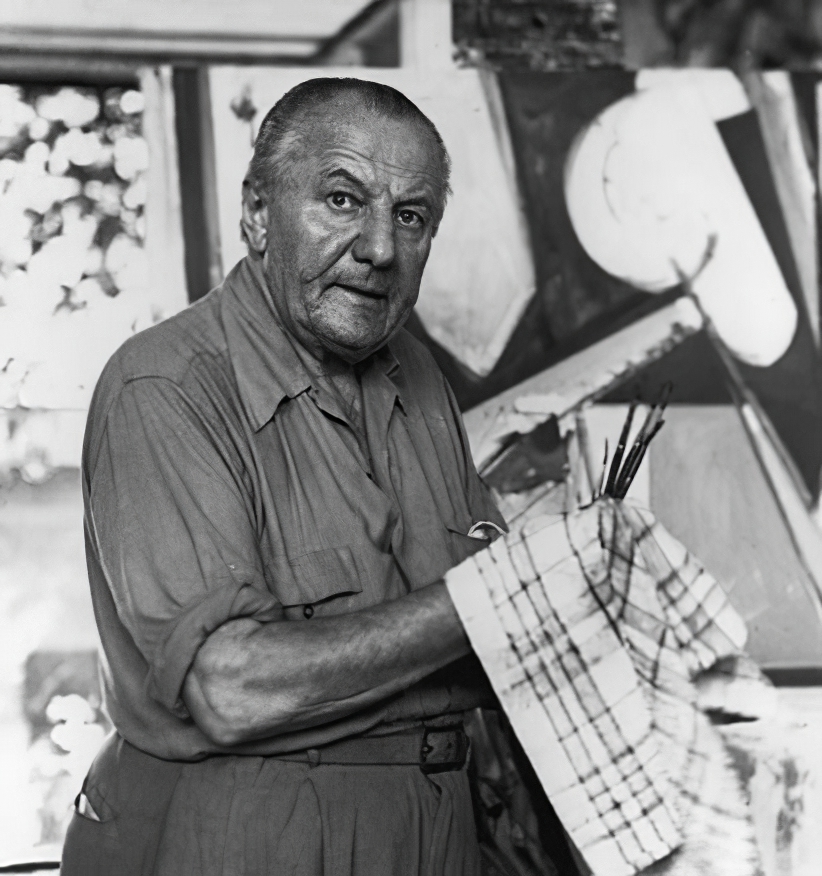
Hans Hofmann, a German-American painter, stands as a towering figure in the 20th-century art world, celebrated for his vibrant contributions to abstract expressionism. Born in Germany in 1880, Hofmann's journey in art took him across continents, from Europe to the United States, where his innovative teaching methods and bold, color-filled canvases left an indelible mark on generations of artists. His unique approach to painting, characterized by a dynamic interplay of color and form, helped bridge the gap between the European modernist traditions and the emerging American abstract art scene.
Hofmann's work is distinguished by its intense color palettes and the technique he termed "push and pull," which refers to the careful balance of color and shape to create depth and movement within the canvas. This technique not only showcased his mastery over the medium but also influenced the development of abstract expressionism, making Hofmann a pivotal figure among his contemporaries. His paintings, such as "The Gate" (1959-60), exemplify this approach and are celebrated in prestigious museums worldwide, including the Museum of Modern Art in New York and the San Francisco Museum of Modern Art.
Beyond his personal contributions as an artist, Hofmann was an esteemed educator, guiding the next generation of artists through his schools in New York and Provincetown. His teaching philosophy emphasized the importance of understanding the fundamental elements of art—color, form, and space—and their interrelation, which he believed was key to achieving harmony and expression in painting.
For collectors and experts in art and antiques, Hans Hofmann's works represent not just significant artistic achievements but also valuable pieces of cultural history. His paintings and teachings continue to inspire and influence the art world, making his pieces highly sought after in galleries and auctions.
We invite you to sign up for updates on new product sales and auction events related to Hans Hofmann. This subscription is your gateway to owning a piece of art history, ensuring you're informed of the latest opportunities to add to your collection. Join us in celebrating the legacy of a master whose work transcends time and continues to dazzle the art world.


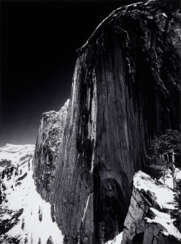

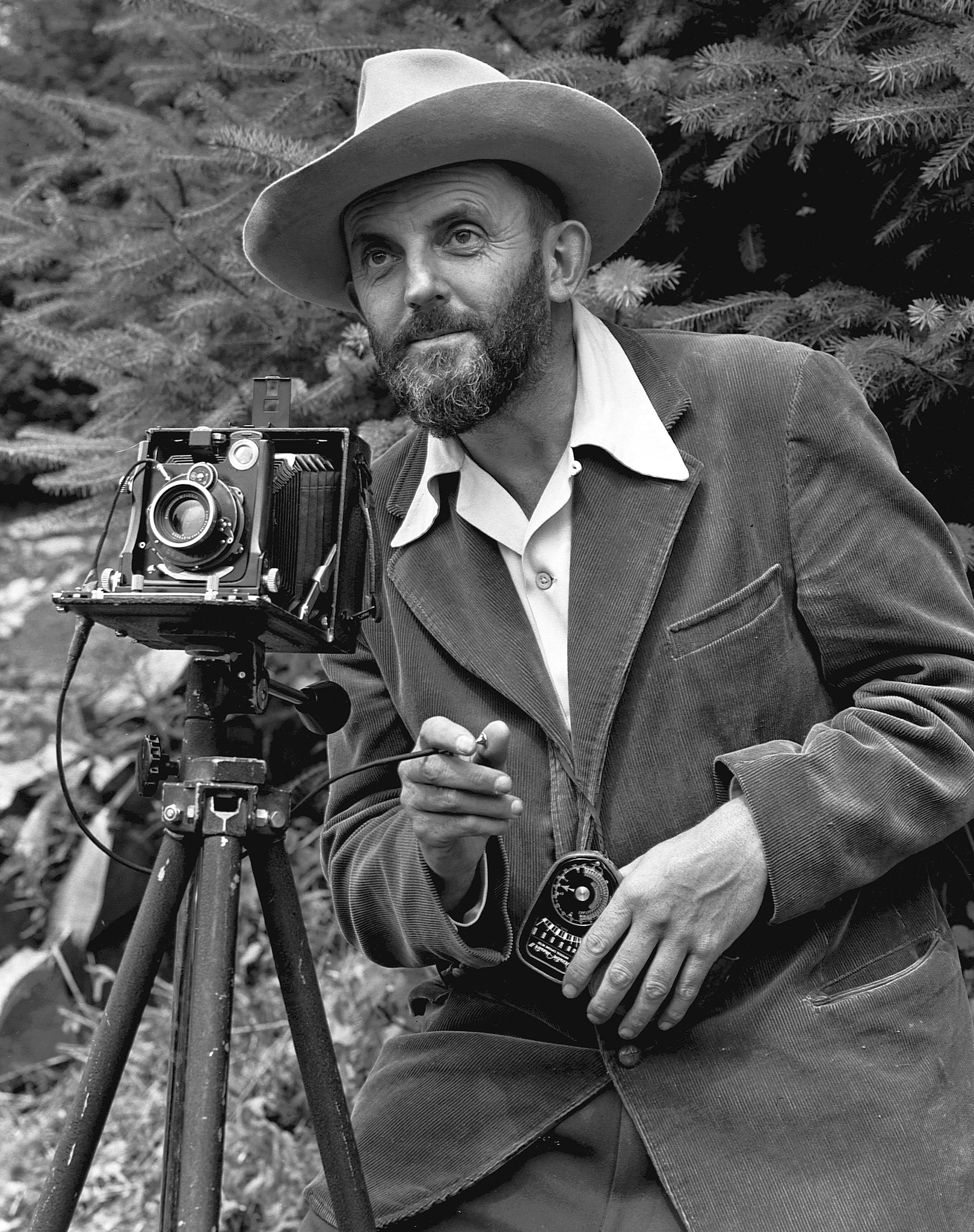
Ansel Easton Adams was an American photographer and environmentalist, celebrated for his black-and-white images of the American West, particularly Yosemite National Park. His profound connection with nature was not only the subject of his art but also the essence of his environmental advocacy, earning him a revered place in both the art and conservation worlds.
Ansel Adams' early exposure to the beauty of nature and a supportive family environment nurtured his dual interests in music and photography. His photographic journey began with a simple Kodak Box Brownie camera, which he used during his early visits to Yosemite, a place that would become the central theme of his life's work. Ansel Adams' dedication to photography and the environment was interwoven, as he utilized his art to advocate for the conservation of America's natural landscapes.
In the 1930s, Adams co-founded Group f/64, advocating for photographic purity and sharpness of focus, principles that would define his work. His role in establishing the photography department at the Museum of Modern Art in New York underscored his commitment to elevating photography as a respected art form. Ansel Adams' work has been exhibited in prestigious institutions such as the Smithsonian American Art Museum and MoMA, showcasing his contributions to American art and environmentalism.
For collectors and art experts, Ansel Adams' legacy transcends his iconic images; it lies in his ability to merge aesthetic excellence with a passionate message of environmental stewardship. His photographs not only capture the grandeur of landscapes but also serve as a timeless call to preserve the natural world.
To delve deeper into the world of Ansel Easton Adams and stay updated on new product sales and auction events related to his work, signing up for updates is a step toward embracing the heritage of a pivotal figure in art and environmental advocacy.
Join our community of art and antique enthusiasts to honor Adams' vision and ensure his message continues to inspire future generations.

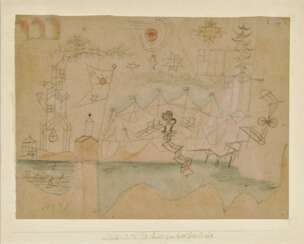

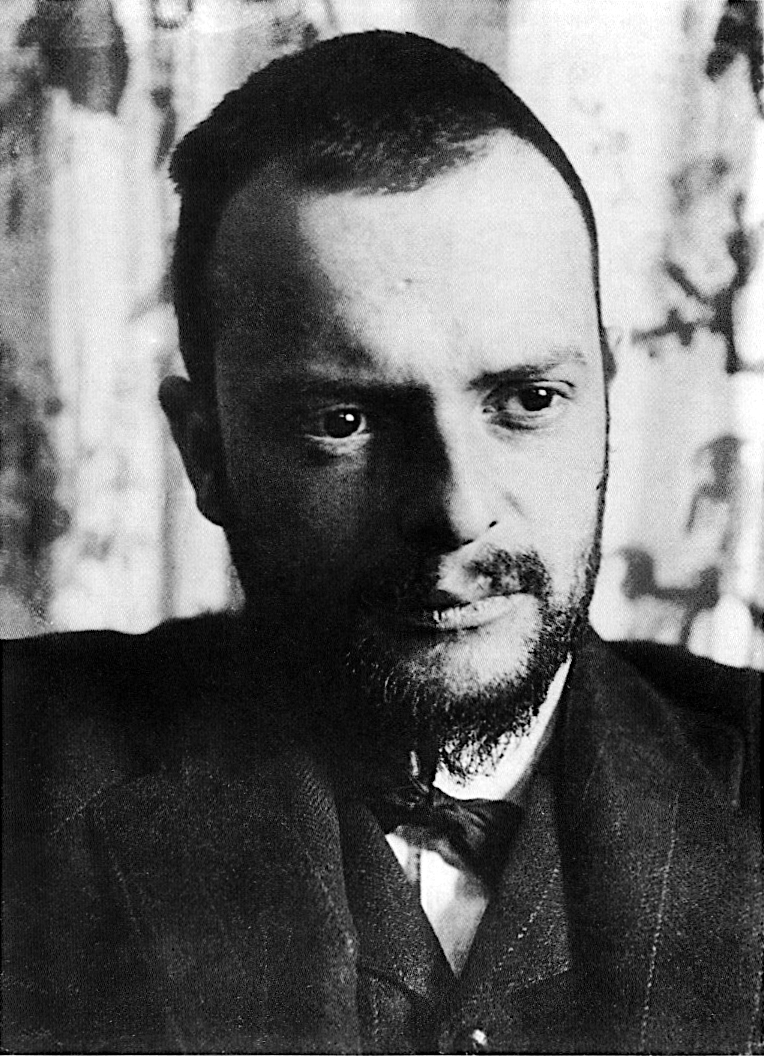
Paul Klee, a Swiss-born German artist, was renowned for his unique contribution to the art world, blending elements from expressionism, cubism, and surrealism. Born on December 18, 1879, in Münchenbuchsee, Switzerland, Klee was the second child of a German music teacher and a Swiss singer. Despite early musical talent, Klee pursued visual arts, influenced by a dissatisfaction with the state of modern music and a desire for creative freedom.
Klee's artistic journey began in earnest after he decided against a career in music, despite his exceptional skills with the violin. His education at the Academy of Fine Arts in Munich under the guidance of Heinrich Knirr and Franz von Stuck was crucial in shaping his artistic direction. Although he struggled with color initially, Klee later became a master of color theory, a transition marked by his transformative visit to Tunisia in 1914. This trip was a pivotal moment, leading Klee to declare, "Color and I are one. I am a painter".
Throughout his career, Klee's work was characterized by a profound sense of experimentation and innovation. He explored the boundaries of abstract art, drawing inspiration from his vast interests, including literature, music, and his own theories on art and aesthetics. His lectures on form and design theory at the Bauhaus, where he taught alongside luminaries like Wassily Kandinsky, are considered as seminal to modern art as Leonardo da Vinci's treatises were to the Renaissance.
Klee's art is celebrated for its intricacy, humor, and the ability to express complex themes through seemingly simplistic and childlike forms. His notable works, such as "Twittering Machine" (1922) and "Highway and Byways" (1928), showcase his skill in using color, shape, and line to evoke depth and emotion.
For collectors and art and antiques experts, Klee's legacy is a testament to the power of innovation and the search for personal expression within the avant-garde movements of the 20th century. His works, housed in prestigious museums and galleries around the world, continue to inspire and intrigue.
If you're passionate about art and wish to stay informed about new discoveries and sales related to Paul Klee's works, consider signing up for updates. This subscription will ensure you're alerted to upcoming auction events and product sales, allowing you to deepen your collection and appreciation of this remarkable artist's legacy.

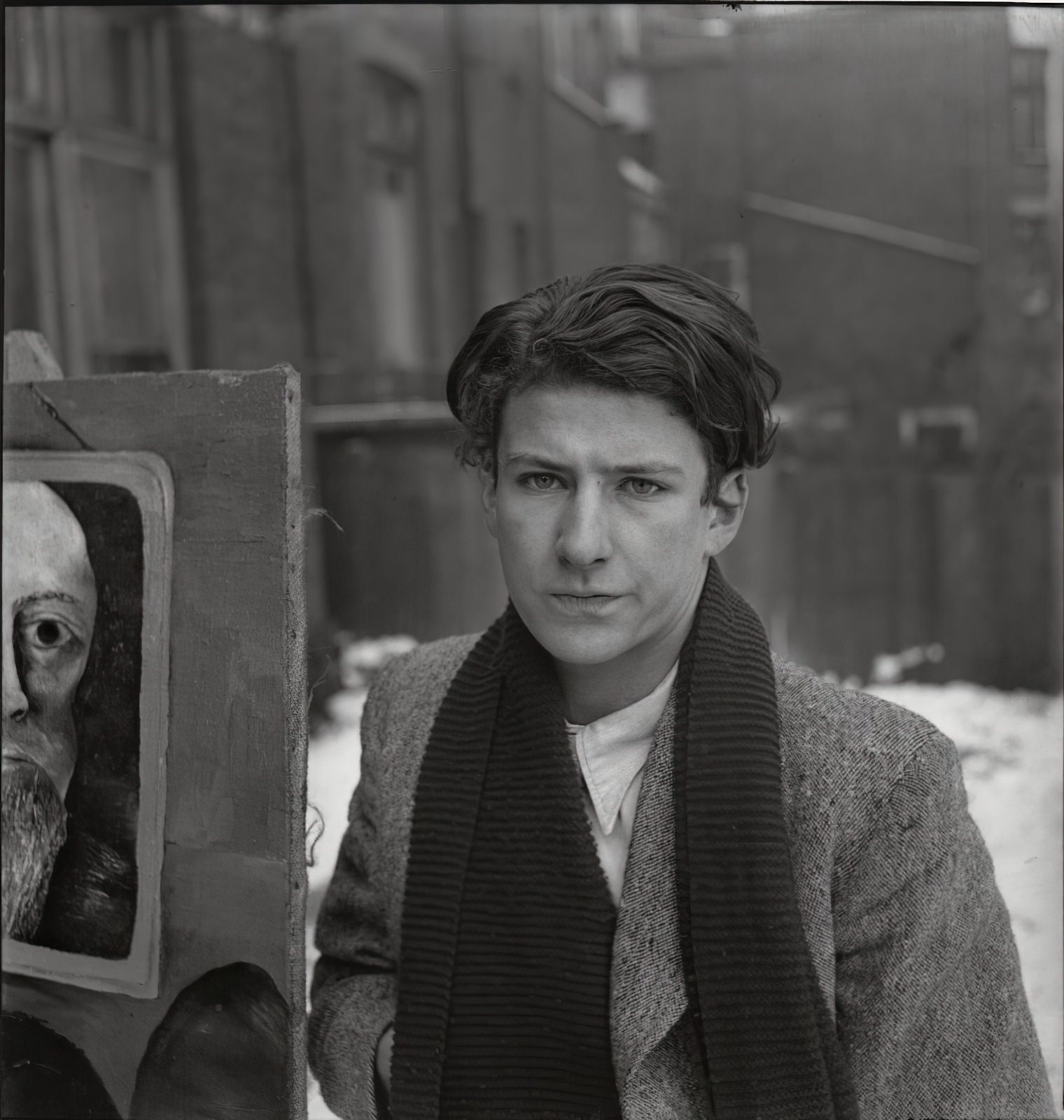
Lucian Michael Freud was a British painter and draughtsman, specialising in figurative art, and is known as one of the foremost 20th-century English portraitists. He was born in Berlin, the son of Jewish architect Ernst L. Freud and the grandson of Sigmund Freud. Freud got his first name "Lucian" from his mother in memory of the ancient writer Lucian of Samosata. His family moved to England in 1933 to escape the rise of Nazism. From 1942 to 1943 he attended Goldsmiths College, London. He served at sea with the British Merchant Navy during the Second World War.
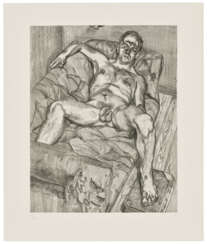

Lucian Michael Freud was a British painter and draughtsman, specialising in figurative art, and is known as one of the foremost 20th-century English portraitists. He was born in Berlin, the son of Jewish architect Ernst L. Freud and the grandson of Sigmund Freud. Freud got his first name "Lucian" from his mother in memory of the ancient writer Lucian of Samosata. His family moved to England in 1933 to escape the rise of Nazism. From 1942 to 1943 he attended Goldsmiths College, London. He served at sea with the British Merchant Navy during the Second World War.
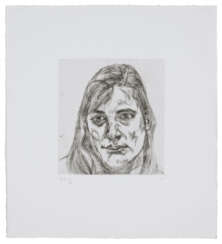

Lucian Michael Freud was a British painter and draughtsman, specialising in figurative art, and is known as one of the foremost 20th-century English portraitists. He was born in Berlin, the son of Jewish architect Ernst L. Freud and the grandson of Sigmund Freud. Freud got his first name "Lucian" from his mother in memory of the ancient writer Lucian of Samosata. His family moved to England in 1933 to escape the rise of Nazism. From 1942 to 1943 he attended Goldsmiths College, London. He served at sea with the British Merchant Navy during the Second World War.
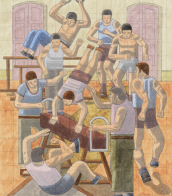


Lucian Michael Freud was a British painter and draughtsman, specialising in figurative art, and is known as one of the foremost 20th-century English portraitists. He was born in Berlin, the son of Jewish architect Ernst L. Freud and the grandson of Sigmund Freud. Freud got his first name "Lucian" from his mother in memory of the ancient writer Lucian of Samosata. His family moved to England in 1933 to escape the rise of Nazism. From 1942 to 1943 he attended Goldsmiths College, London. He served at sea with the British Merchant Navy during the Second World War.
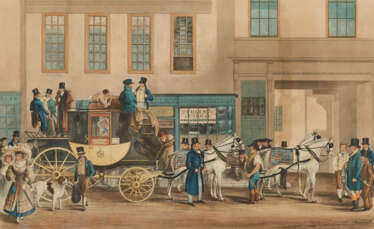

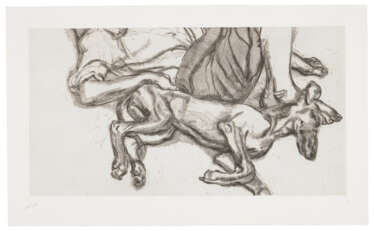

Lucian Michael Freud was a British painter and draughtsman, specialising in figurative art, and is known as one of the foremost 20th-century English portraitists. He was born in Berlin, the son of Jewish architect Ernst L. Freud and the grandson of Sigmund Freud. Freud got his first name "Lucian" from his mother in memory of the ancient writer Lucian of Samosata. His family moved to England in 1933 to escape the rise of Nazism. From 1942 to 1943 he attended Goldsmiths College, London. He served at sea with the British Merchant Navy during the Second World War.
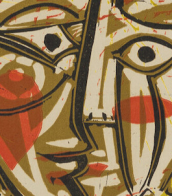
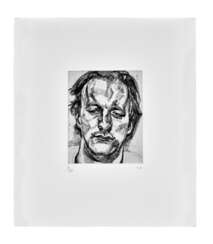

Lucian Michael Freud was a British painter and draughtsman, specialising in figurative art, and is known as one of the foremost 20th-century English portraitists. He was born in Berlin, the son of Jewish architect Ernst L. Freud and the grandson of Sigmund Freud. Freud got his first name "Lucian" from his mother in memory of the ancient writer Lucian of Samosata. His family moved to England in 1933 to escape the rise of Nazism. From 1942 to 1943 he attended Goldsmiths College, London. He served at sea with the British Merchant Navy during the Second World War.
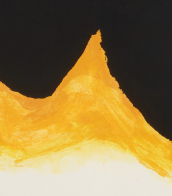
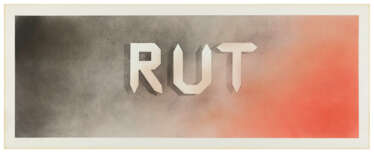

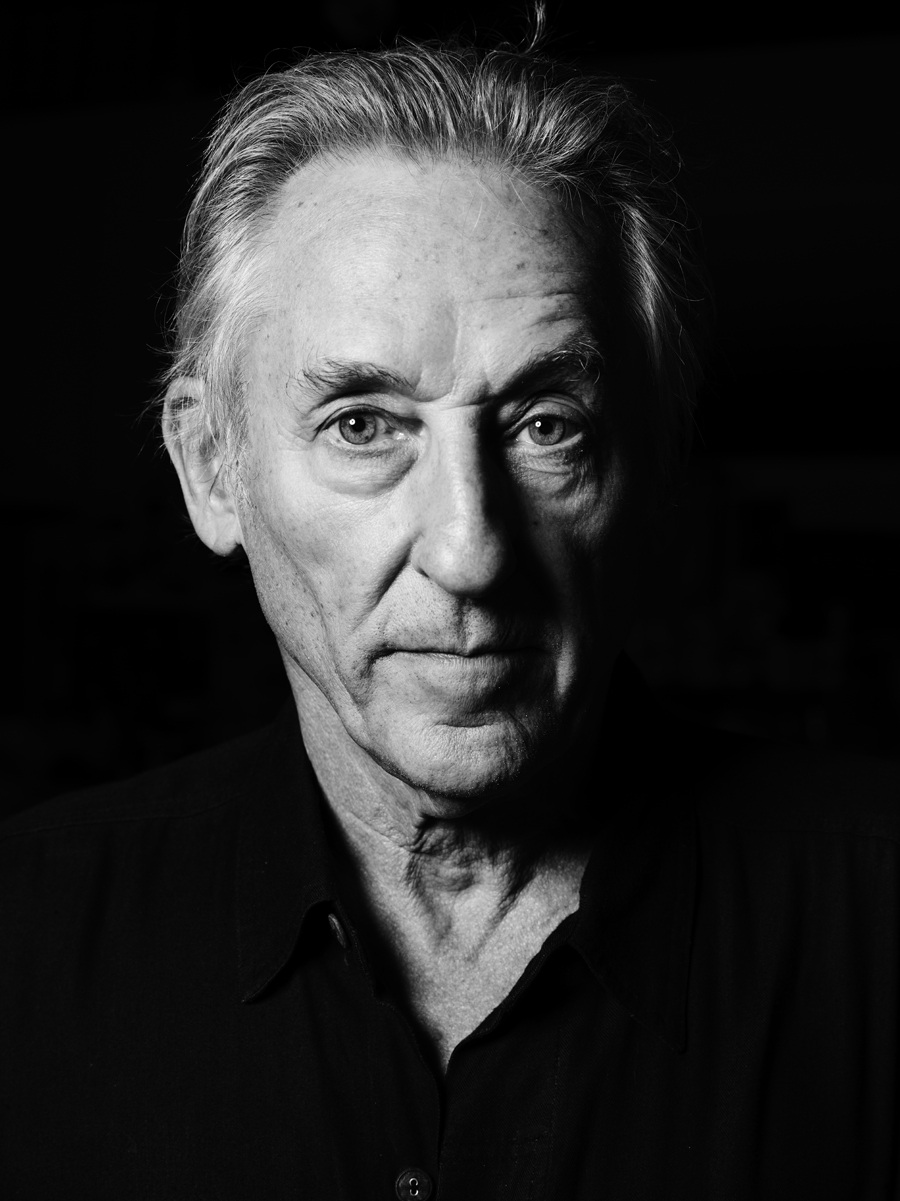
Edward Ruscha, an American artist born in 1937, is a prominent figure associated with West Coast Pop art, celebrated for his innovative approach to blending visual and verbal language within his works. Ruscha's journey in the art world began after moving to Los Angeles in 1956, where his fascination with the urban landscape and commercial culture flourished. He attended Chouinard Art Institute, now known as CalArts, which laid the foundation for his artistic exploration.
Edward Ruscha's art is deeply influenced by the Hollywood film industry, with works like "Large Trademark with Eight Spotlights" echoing the commercial graphics and cinematic influence of his time. His "Word paintings" series, starting in the 1960s, showcases his unique approach to typography and language, setting monosyllabic words against solid backgrounds, a style that continued to evolve throughout his career.
During the 1970s, Edward Ruscha expanded his narrative, incorporating phrases into his works, further exploring the relationship between text and image. His work in the 1980s and beyond includes landscapes juxtaposed with text, creating intriguing visual narratives that challenge viewers to find connections between the words and the images.
Edward Ruscha's contributions to the art world are significant, with his works held in major collections and institutions. His career spans various mediums, including painting, printmaking, photography, and artist's books, showcasing his versatility and enduring influence on contemporary art.
For enthusiasts and collectors of modern art, Edward Ruscha's works offer a unique blend of visual artistry and linguistic play. His innovative approach to combining text and image has cemented his status as a pivotal figure in contemporary art. To stay updated on the latest exhibitions, sales, and insights related to Edward Ruscha's art, consider subscribing to updates from renowned art galleries and auction houses. This subscription will ensure you're informed about new opportunities to engage with and appreciate the distinct and influential art of Edward Ruscha.
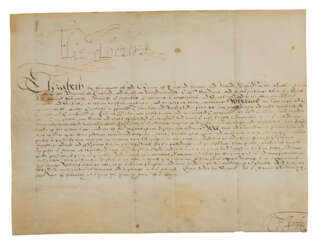

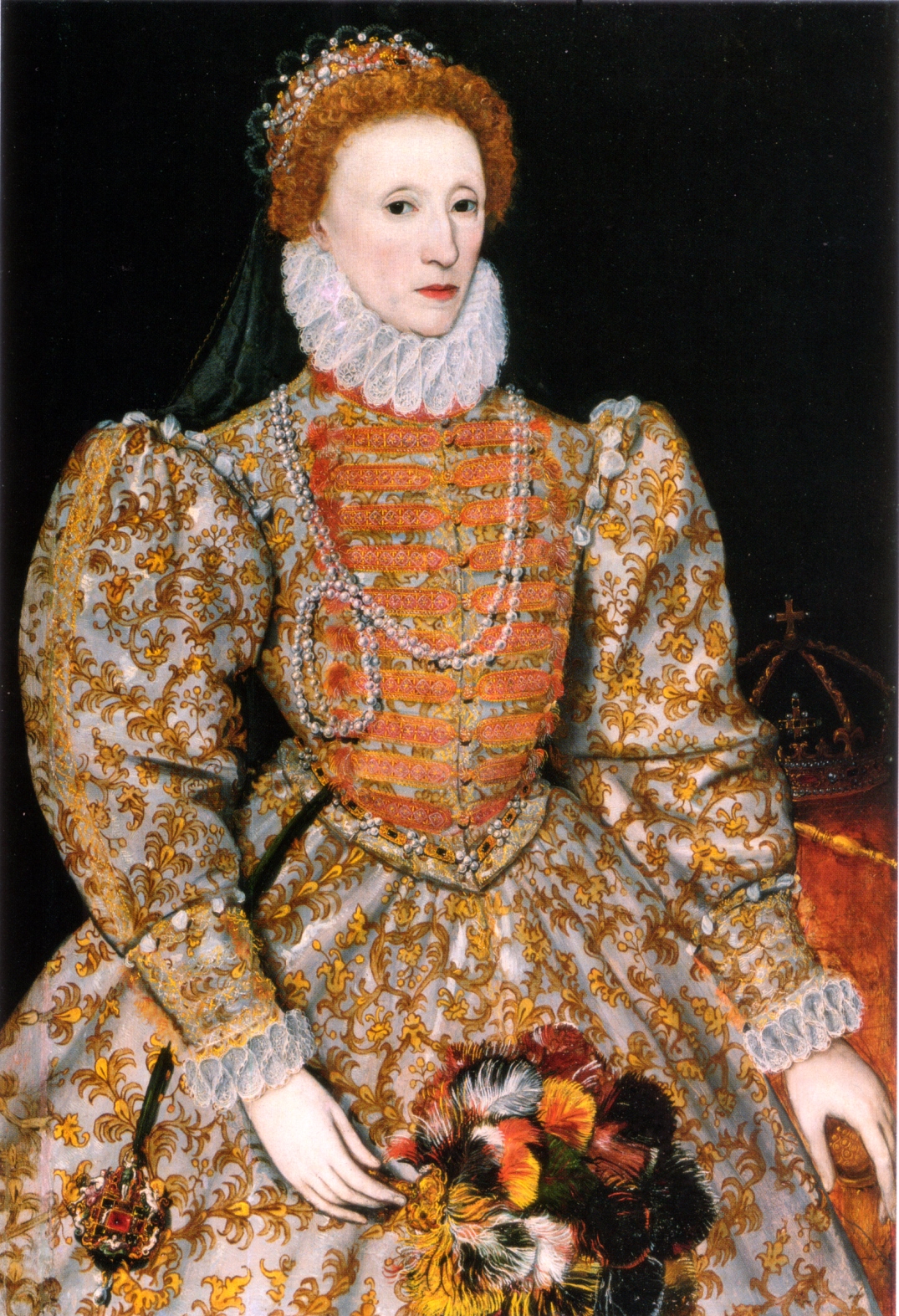
Elizabeth I was Queen of England and Ireland from 1558 to 1603 and was the last monarch of the Tudor dynasty.
Elizabeth was the daughter of Henry VIII and Anne Boleyn, his second wife, who was executed when Elizabeth was two years old. Her youth was full of uncertainties, and her chances for the throne seemed very slim. Against all odds, however, Elizabeth inherited the throne after the death of her half-sister in November 1558. She was very well educated, fluent in five languages, intelligent, determined, and shrewd.
Above all, Elizabeth was committed to maintaining peace and stability in England. Her 45-year reign is considered one of the most glorious in English history, a path of triumph and success. Under her rule a secure Anglican church was established. Elizabeth's reign was marked by many bold discoveries, and the arts flourished as well.
Elizabeth chose never to marry. She used her prospects of marriage as a political tool in foreign and domestic politics. However, the "virgin queen" was presented as a selfless woman who sacrificed personal happiness for the good of the nation.
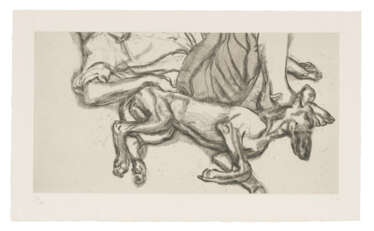

Lucian Michael Freud was a British painter and draughtsman, specialising in figurative art, and is known as one of the foremost 20th-century English portraitists. He was born in Berlin, the son of Jewish architect Ernst L. Freud and the grandson of Sigmund Freud. Freud got his first name "Lucian" from his mother in memory of the ancient writer Lucian of Samosata. His family moved to England in 1933 to escape the rise of Nazism. From 1942 to 1943 he attended Goldsmiths College, London. He served at sea with the British Merchant Navy during the Second World War.


Lucian Michael Freud was a British painter and draughtsman, specialising in figurative art, and is known as one of the foremost 20th-century English portraitists. He was born in Berlin, the son of Jewish architect Ernst L. Freud and the grandson of Sigmund Freud. Freud got his first name "Lucian" from his mother in memory of the ancient writer Lucian of Samosata. His family moved to England in 1933 to escape the rise of Nazism. From 1942 to 1943 he attended Goldsmiths College, London. He served at sea with the British Merchant Navy during the Second World War.



Rembrandt Harmenszoon van Rijn, a Dutch Baroque painter and printmaker, was born on July 15, 1606, in Leiden, Netherlands, and died on October 4, 1669, in Amsterdam. He is celebrated as one of the greatest storytellers in art history, acclaimed for his adept portrayal of human emotions and dramatic narratives. Rembrandt's extensive oeuvre includes portraits, self-portraits, landscapes, genre scenes, allegorical, historical, and biblical themes, as well as animal studies. His artistry shined during the Dutch Golden Age, a period marked by cultural and scientific achievements in the Netherlands.
Rembrandt's education in art began around the age of 10 when he left the Latin School in Leiden to train as an artist. He apprenticed with artists like Jacob van Swanenburg and Pieter Lastman, mastering various aspects of painting. He opened his own studio in Leiden around 1624 or 1625, sharing it with his colleague Jan Lievens. By 1631, he had moved to Amsterdam, where he achieved significant success and trained many important Dutch painters.
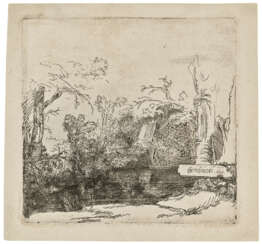
Among Rembrandt's notable works are "The Anatomy Lesson of Dr. Nicolaes Tulp" (1632), "The Night Watch" (1642), and "The Syndics of the Amsterdam Drapers’ Guild" (1662). He was also renowned for his self-portraits, creating around 80 over his lifetime, more than any other artist until the 20th century. These self-portraits were not just artistic endeavors but also experiments with facial expressions and lighting effects. Additionally, Rembrandt was a master etcher, transforming etching from a reproductive technique into an art form.
Rembrandt's painting style is characterized by its dramatic use of light and shadow, known as chiaroscuro. His ability to depict materials realistically was unparalleled; his portrayal of metals and fabrics was so lifelike that they appeared to glow and be tangible. He was also known for his impasto technique, applying paint thickly to the canvas, adding a three-dimensional quality to his works.
Despite his artistic prowess, Rembrandt faced financial difficulties and personal tragedies throughout his life. He declared bankruptcy in 1656, a downfall attributed partly to his extensive collection of art objects and curiosities. His masterpieces, however, continued to garner appreciation and influence generations of artists that followed.
For collectors and experts in art and antiques, Rembrandt's works represent a pinnacle of artistic achievement in the Dutch Golden Age. His mastery in portraying the human condition and his innovative techniques in painting and etching make his works highly prized and influential in the art world.
To stay updated on new product sales and auction events related to Rembrandt van Rijn, sign up for our updates. This subscription service is dedicated exclusively to news and events concerning works related to this unparalleled master of the Dutch Golden Age.