johann liest


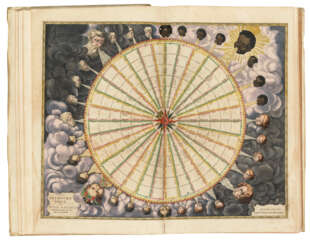

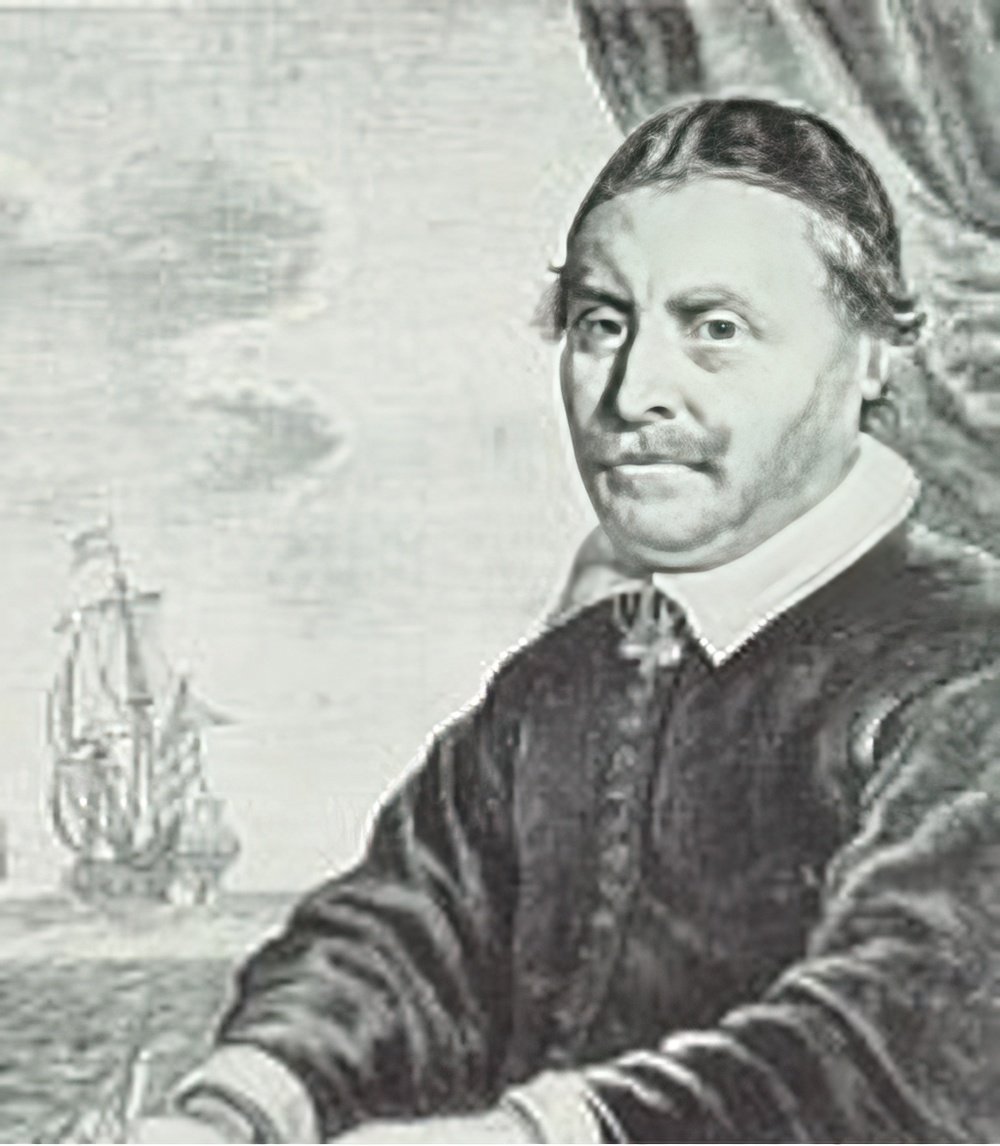
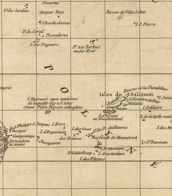
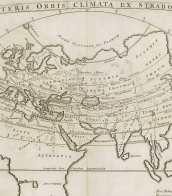
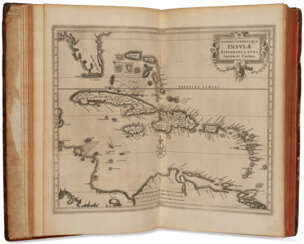
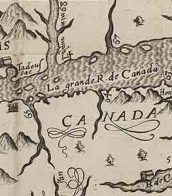
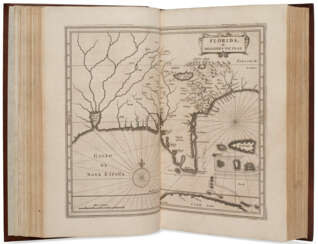
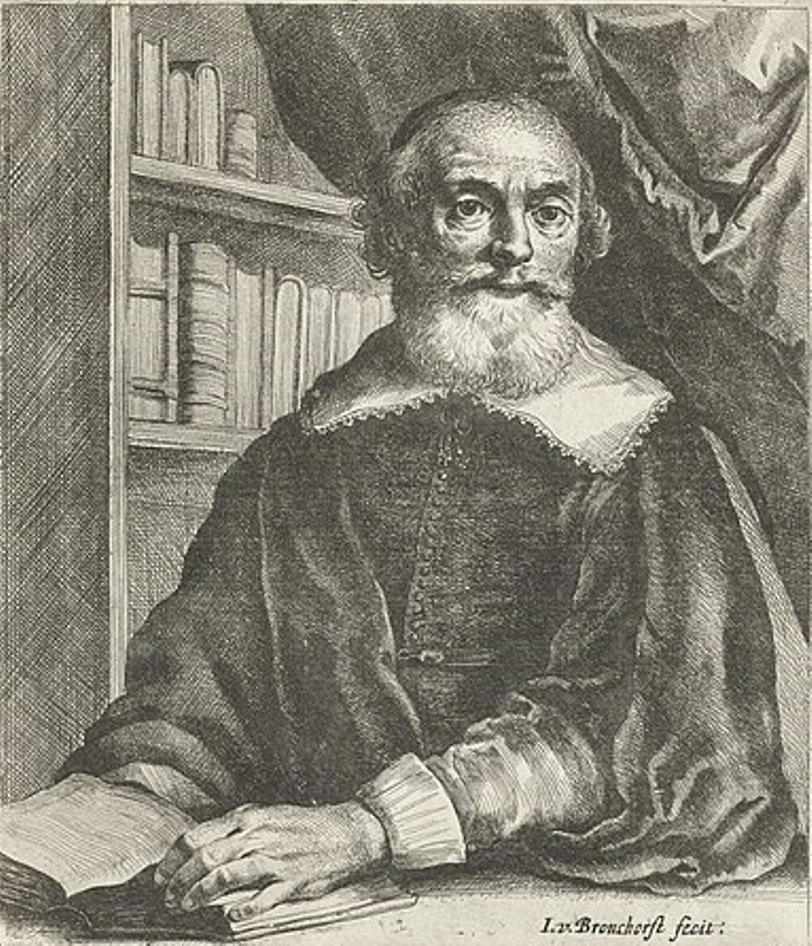
Johannes Janssonius was a Dutch cartographer, printer and publisher.
In 1616 Janssonius created his first maps of France and Italy, and every year he expanded and improved their publishing. The so-called "Great Atlas" already numbered eleven volumes. The editions were printed in Dutch, Latin, French and German.














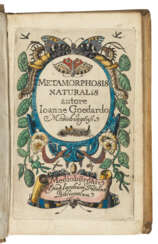

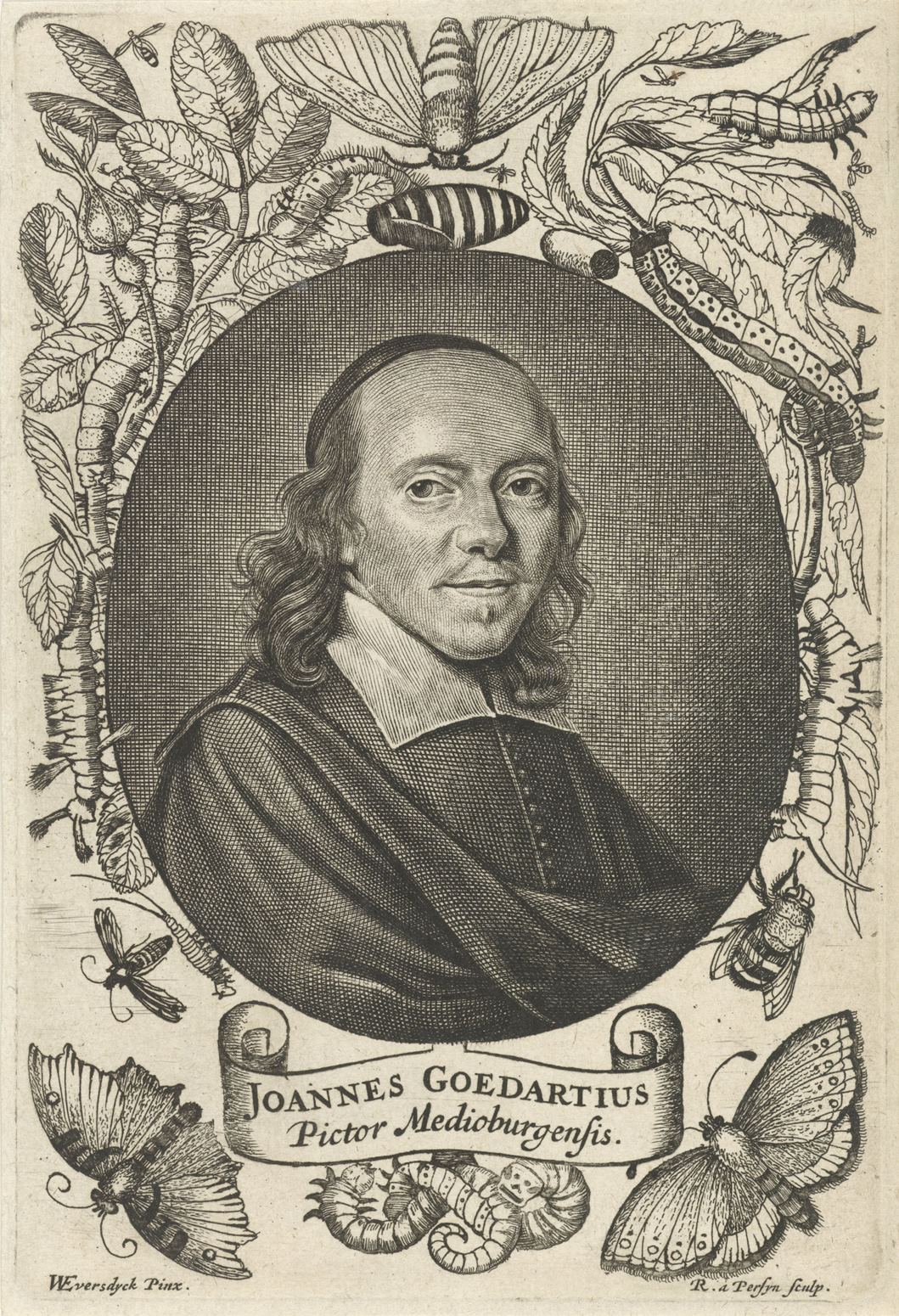
Johannes Goedaert was a Dutch naturalist, entomologist and artist.
Goedaert was one of the authors on entomology and the first to write about insects in the Netherlands and Europe, based on his own observations and experiments between 1635 and 1667. In 1660, Goedaert published the first of three volumes collectively titled Metamorphoses and History of Nature, the last volume appearing in 1669.
Goedaert's work is valuable in that for the first time he used his own drawings instead of woodcuts to illustrate his insects, and they are of noticeably higher quality than those in Moffett's volume. Goedaert was a talented and observant artist and draughtsman, and he used magnifying glasses but preferred to draw insects at life-size. The book depicts detailed phases of insect growth, including their metamorphosis. The scientist not only described the process of their development, but also described and sketched the various stages that insects go through during their life cycle.












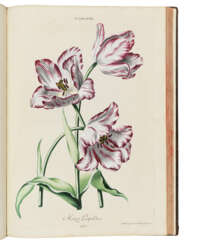

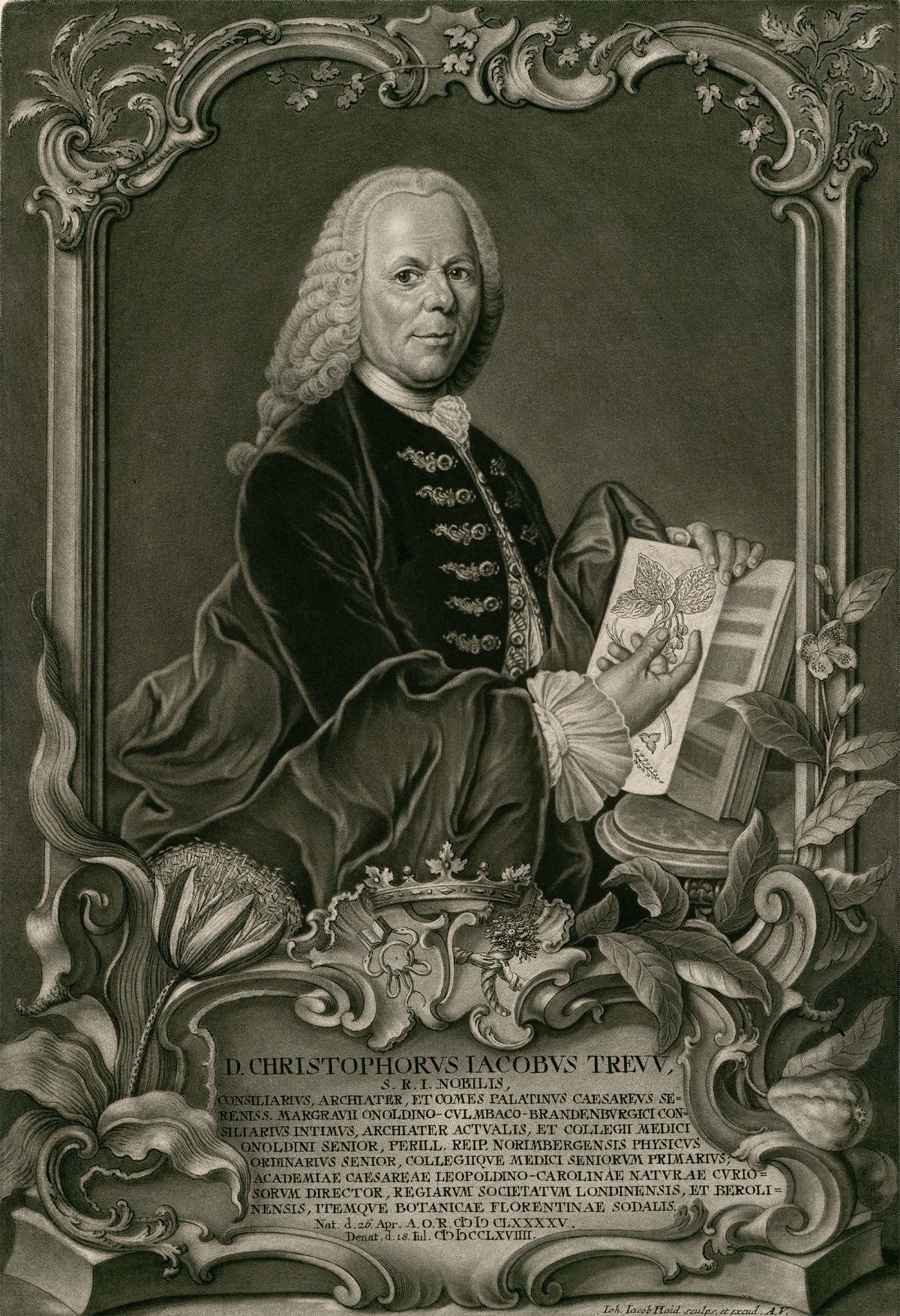
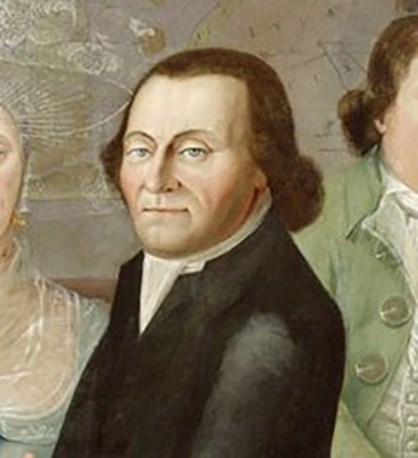
Christoph Jacob Trew was a German botanist.
He was originally a city solicitor, court physician, Count Palatine of the Holy Roman Empire, an advisor to the Margrave of Brandenburg-Ansbach. He also had an academic passion for botany. He was a member of the Royal Society of London, the Berlin Academy, and the Florentine Botanical Society. His interest in botany then led him to sponsor the publication of illustrated botanical books.










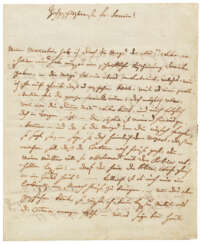

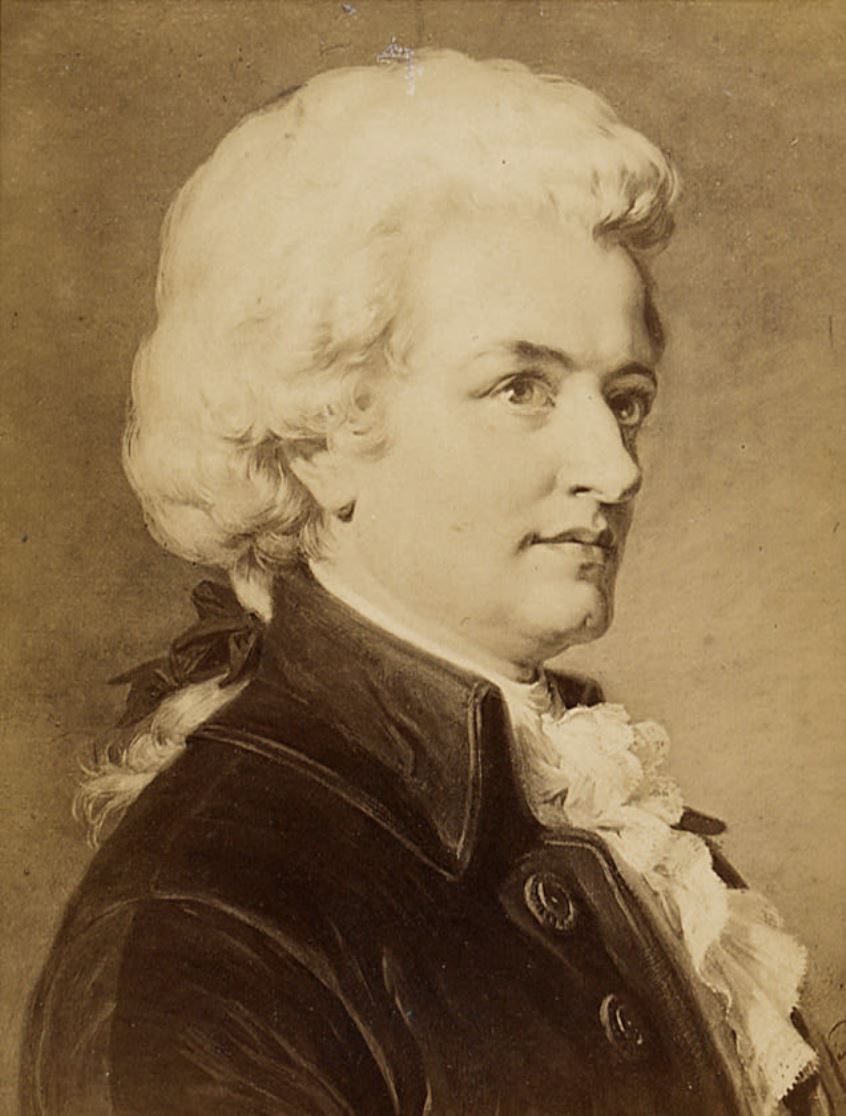
Wolfgang Amadeus Mozart, full name Johann Chrysostomus Wolfgang Amadeus Mozart, was an Austrian composer and virtuoso musician. Mozart is one of the greatest composers in music history on par with Beethoven and Haydn.
Wolfgang was born into the family of violinist and composer Leopold Mozart (1719-1787), at the age of five he had already begun composing and gave his first public performance. His older sister Maria Anna (1751-1829) was also a prodigy, and from 1763 Leopold and his children began traveling around Europe with performances.
Mozart had a phenomenal musical ear, memory and was a superb improviser. Unlike any other composer in music history, he was versatile and wrote in all musical genres of his time. During his short life, Mozart composed more than 800 works, many of which are recognized as the pinnacle of the symphonic, concert, chamber, opera and choral repertoire. The general public is familiar with the composer's three operas: The Marriage of Figaro, Don Giovanni and The Magic Flute.
Society did not immediately appreciate the scale of Mozart's genius. It was only many years later that the vivid image of a prodigy, a refined salon composer who could miraculously think through an entire work in his head, gave way to the image of a serious, meticulous and brilliant creator of music.