keep going

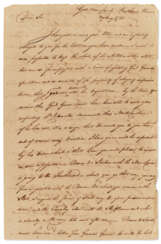

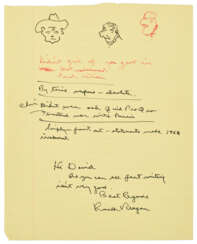


Ronald Wilson Reagan was an American statesman and politician, the 40th President of the United States of America (1981-1989).
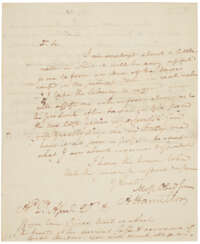

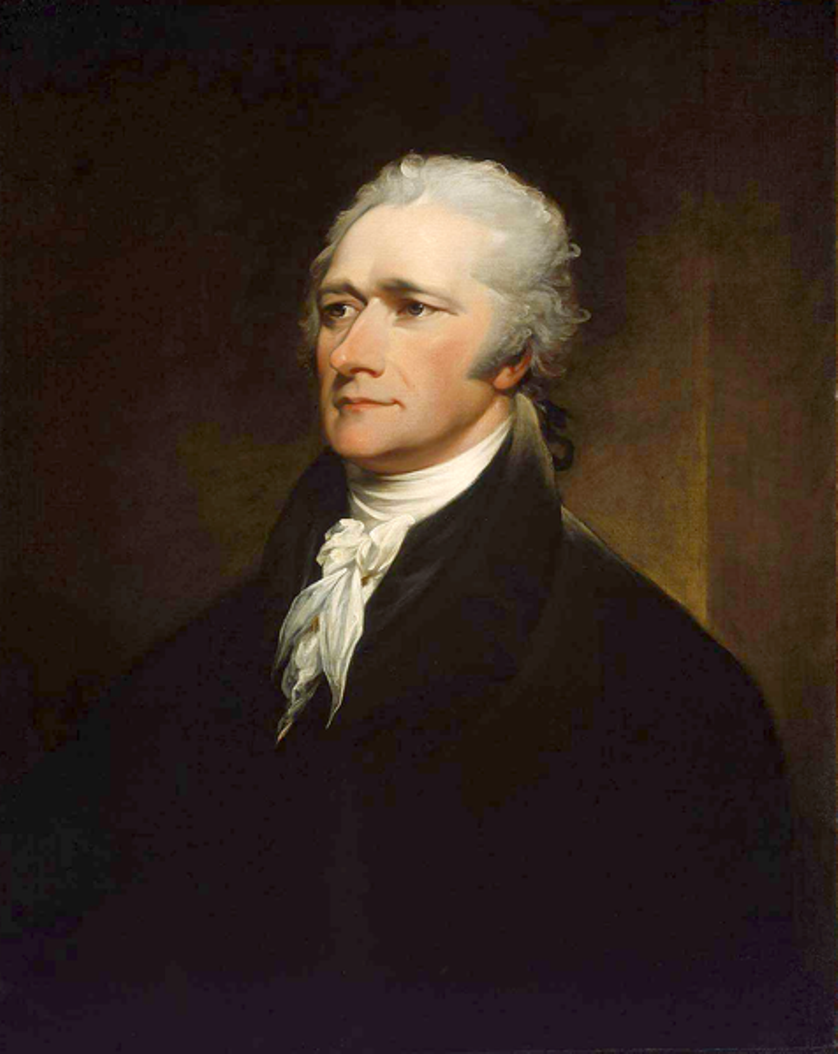
Alexander Hamilton was an American politician and statesman, the founder of the American financial system.
A native of Great Britain, Hamilton arrived in continental America in late 1772 and enrolled at King's College in New York. He became captain of an artillery company in 1776 and fought in the battles of Kips Bay, White Plains, Trenton, and Princeton during the American War of Independence. For four years he served on George Washington's staff as adjutant with the rank of lieutenant colonel. And in 1782, Hamilton was chosen by New York as a delegate to the Confederate Congress.
Alexander Hamilton was also one of New York's delegates to the Constitutional Convention in Philadelphia in 1787. He was a passionate advocate of the Constitution and, along with future President James Madison and John Jay, contributed to the famous book The Federalist (1788), writing most of the essays for it. After George Washington was elected the nation's first president in 1789, he appointed Hamilton Secretary of the Treasury. As the first Secretary of the Treasury (1789-1795), Hamilton developed plans to finance the national debt, secure federal credit, encourage the expansion of manufacturing, and organize a federal bank. In 1801, Hamilton founded the New York Evening Post newspaper.
On July 11, 1804, Hamilton was mortally wounded in a duel with his personal and political rival, Vice President Aaron Burr. Today, Alexander Hamilton is revered as one of the founding fathers of the United States, he is known for his role in creating America's financial system, and his portrait is on the ten dollar bill.

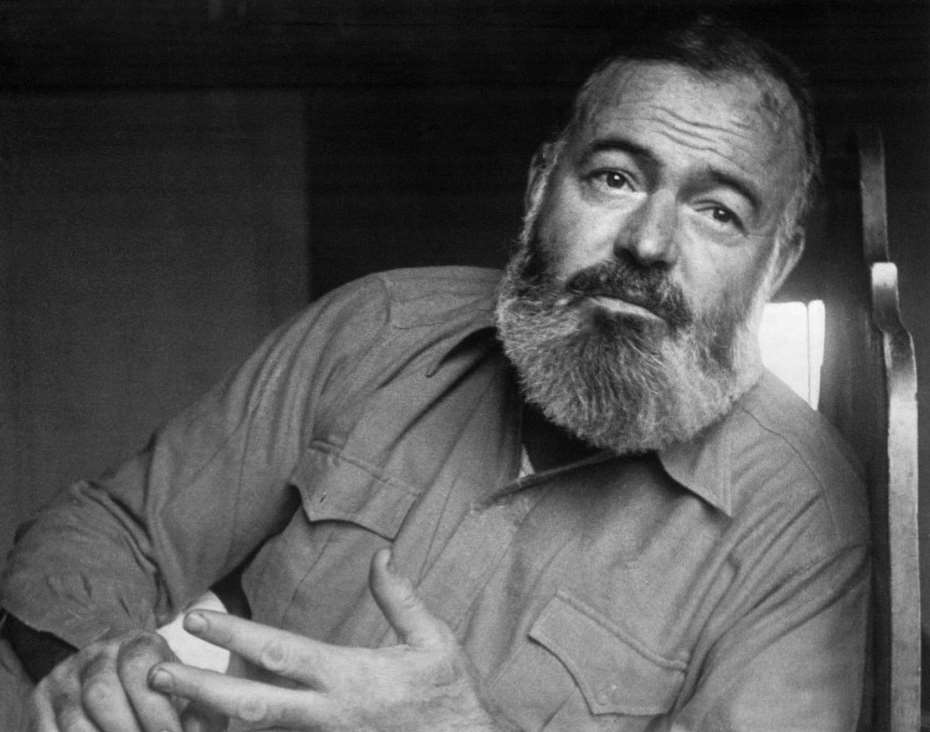

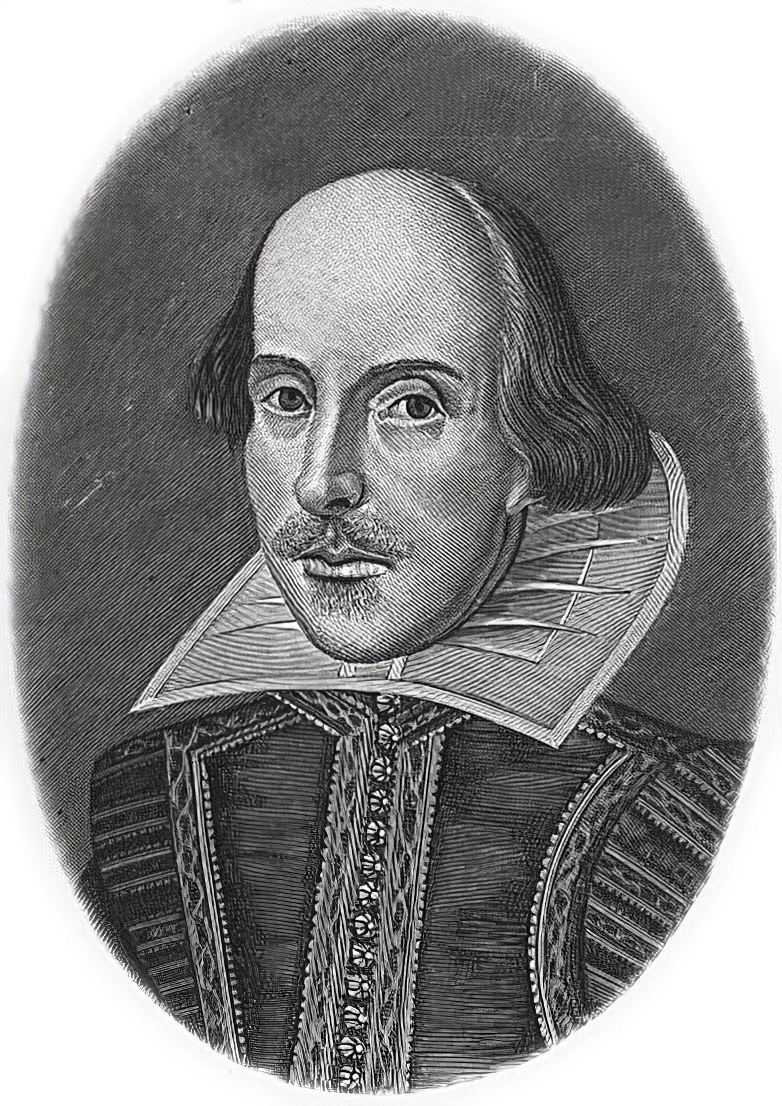
William Shakespeare was a British poet and playwright and writer.
William's father, John Shakespeare, was a merchant and official in Stratford. There are reports that he was a sailor for a time before joining a theater company in London. Beginning in the 1590s, Shakespeare began writing plays, and in 1593 he published a poem, Venus and Adonis, which became popular. He dedicated it to the Duke of Southampton, who was a philanthropist and patron of talent, and soon his business was booming.
From 1592 to 1600 Shakespeare wrote his dramas and romantic comedies "Richard III", "The Taming of the Shrew", "Romeo and Juliet", "A Midsummer Night's Dream" and "The Merchant of Venice", as well as the comedies "Much Ado About Nothing", "Twelfth Night" and the tragedy "Julius Caesar". The playwright's business was so successful that he even bought a large house in Stratford. In 1599, Shakespeare became one of the owners, playwright and actor of the new theater "Globe". In 1603 King James took Shakespeare's troupe under his direct patronage. In the mature period, the great playwright turned to tragedies, there were "Hamlet", "Othello", "King Lear", "Macbeth" and others.
Although in the 19th century researchers had some doubts about the authorship of many of these works, William Shakespeare is considered the greatest English playwright, one of the best playwrights in the world. His plays have been translated into all major languages and to this day form the basis of the world theatrical repertoire, most of them have been screened many times. According to the Guinness Book of Records, Shakespeare remains the world's best-selling playwright, and his plays and poems have sold more than 4 billion copies in the nearly 400 years since his death.
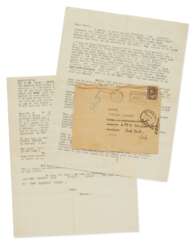

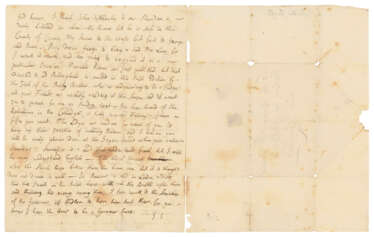

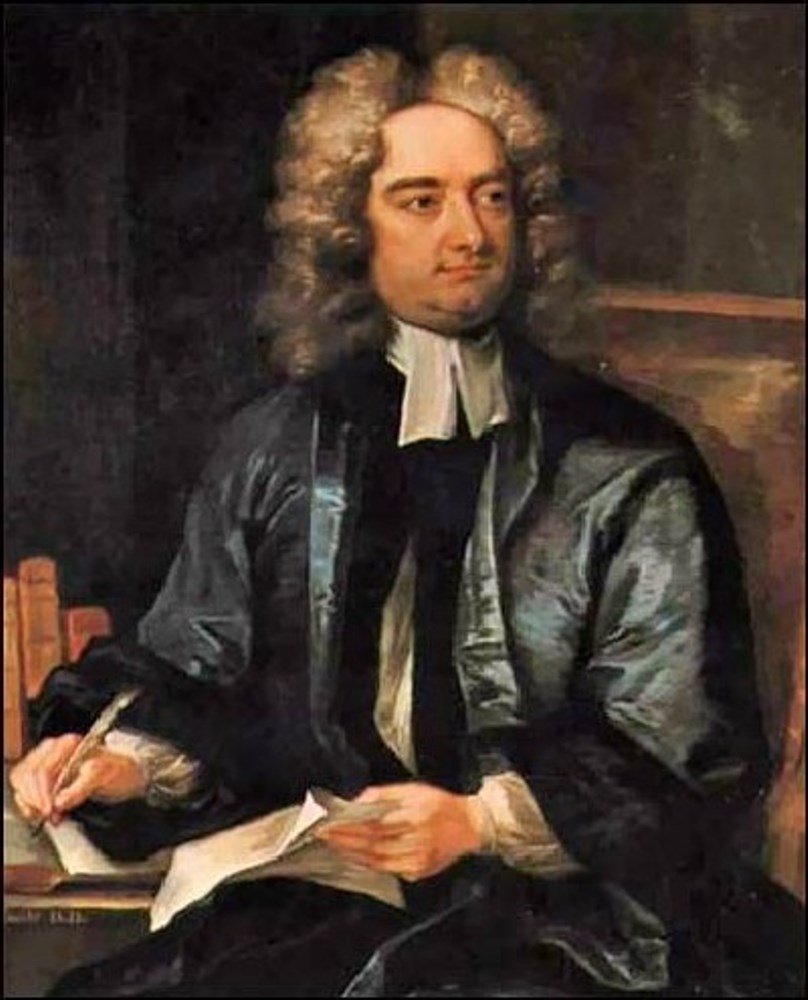
Jonathan Swift was a British-Irish writer, essayist, philosopher, and author of the world-famous satirical novel Gulliver's Travels.
Swift also wrote numerous works, including The Tale of the Barrel (1704), An Argument Against the Abolition of Christianity (1712), and A Modest Proposal (1729). Almost all of Swift's satirical works were published anonymously, giving the author wide latitude in expressing his talent as a satirist.
Swift was a clergyman, made a career in London, became the chief pamphleteer and political writer of the Tories and headed the Tory journal "The Inspector", and then returned to Ireland, where he created his major life's work.
The four-part novel Gulliver's Travels, Jonathan Swift's greatest satire, was first published in 1726 and has since been reprinted hundreds of times in many languages around the world. The author describes in an engaging style the different races and societies that Gulliver encounters on his travels to ridicule the many errors, follies, weaknesses and vices to which people and society at large are subject. The author's boundless imagination, bitter irony, keen intellect and brilliant language give this work a world-class scope.


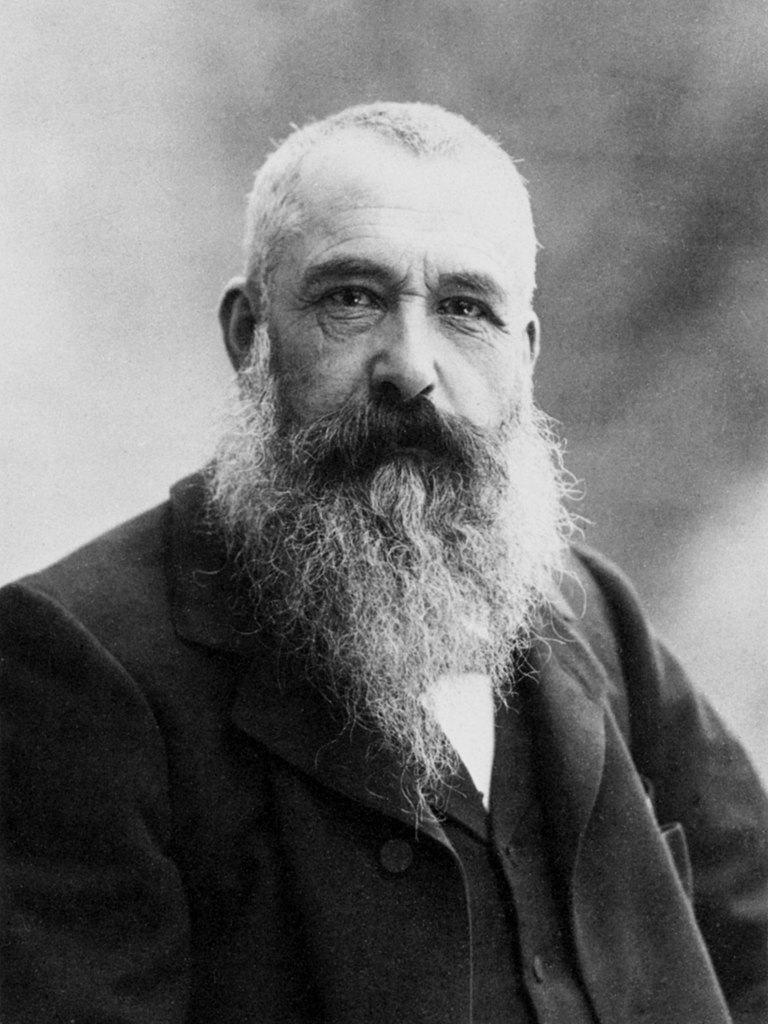
Oscar-Claude Monet, a French painter, revolutionized the art world with his Impressionist style, fundamentally altering the path of modern art. Born in Paris on November 14, 1840, Monet's journey into art was a defiance of his father's business aspirations for him, fueled instead by his mother's support. His early education in the arts began at Le Havre secondary school, where he honed his skills through charcoal caricatures and later, under the mentorship of Eugène Boudin, delved into outdoor painting, a technique that would later define his career.
Monet's works, characterized by their vibrant light and brushed color, are renowned for capturing the essence of their subjects. He often painted the same scene multiple times to depict the changing light and seasons, which is vividly displayed in his series of Haystacks, Rouen Cathedral, and the famed Water Lilies. These pieces, among others, showcase his unique ability to blend color and light, bringing scenes to life in a way that was never seen before.
His most notable works, including "Impression, Sunrise" and the "Water Lilies" series, are celebrated worldwide and remain an integral part of major museum collections, such as the Musée d'Orsay in Paris and the Metropolitan Museum of Art in New York. Monet's dedication to capturing the natural world around him led him to reject traditional approaches to composition, color, and perspective. This approach not only set a new standard for art but also laid the groundwork for the Impressionist movement, influencing generations of artists to come.
As an art collector or enthusiast, the legacy of Monet offers an unparalleled glimpse into the genesis of modern art. His works are not just paintings; they are historical landmarks that mark the transition of art from traditional to modernist ideologies.
For updates on new product sales and auction events related to Monet, sign up for our newsletter. Stay informed and connected to the pulse of the Impressionist world.



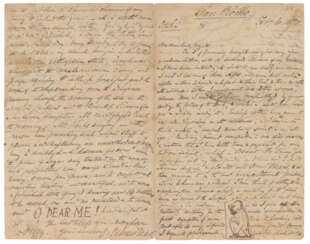

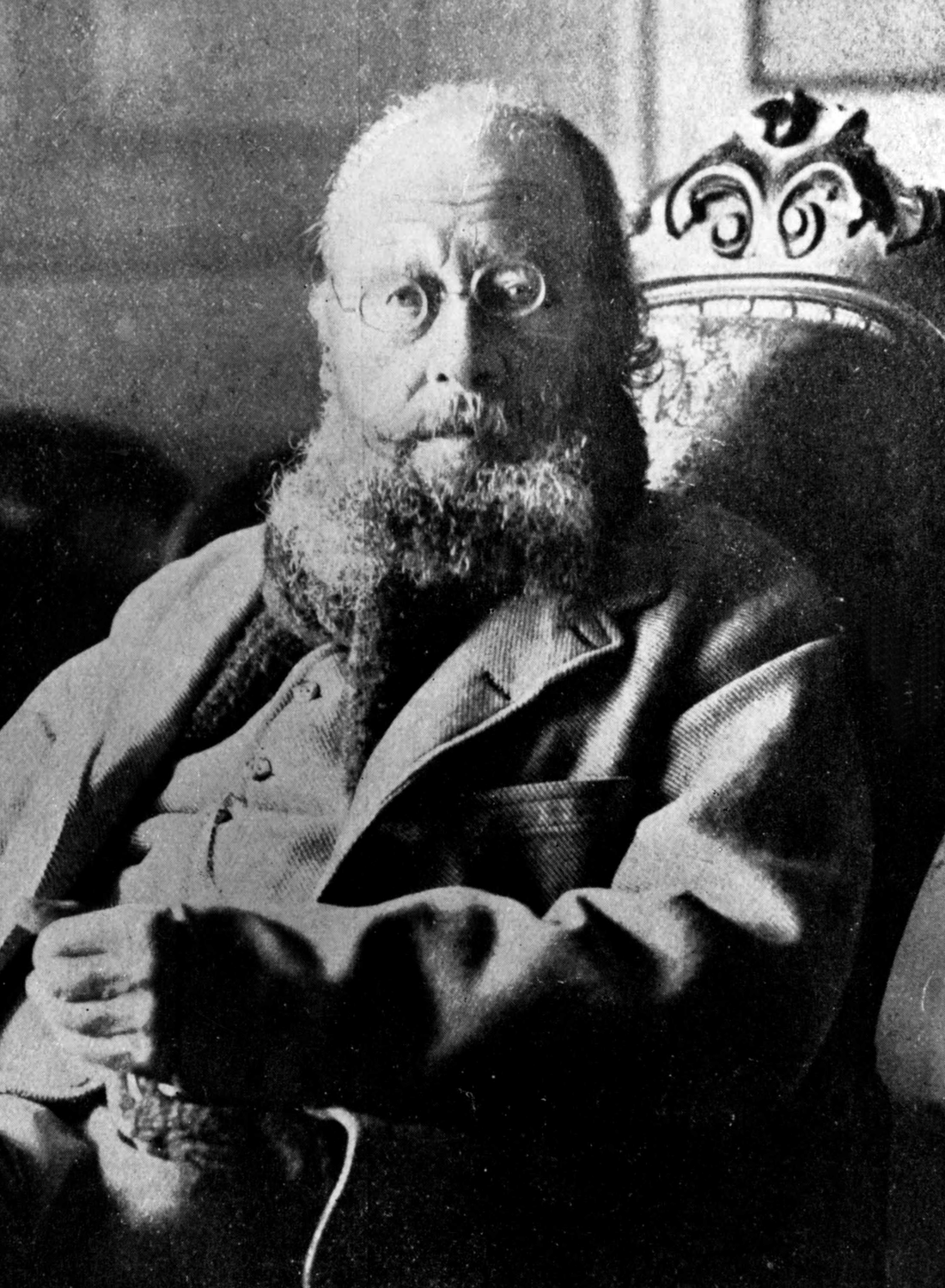
Edward Lear was an English artist, illustrator, musician, author and poet, who is known mostly for his literary nonsense in poetry and prose and especially his limericks, a form he popularised.
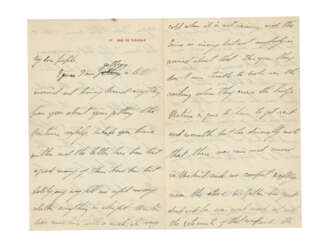

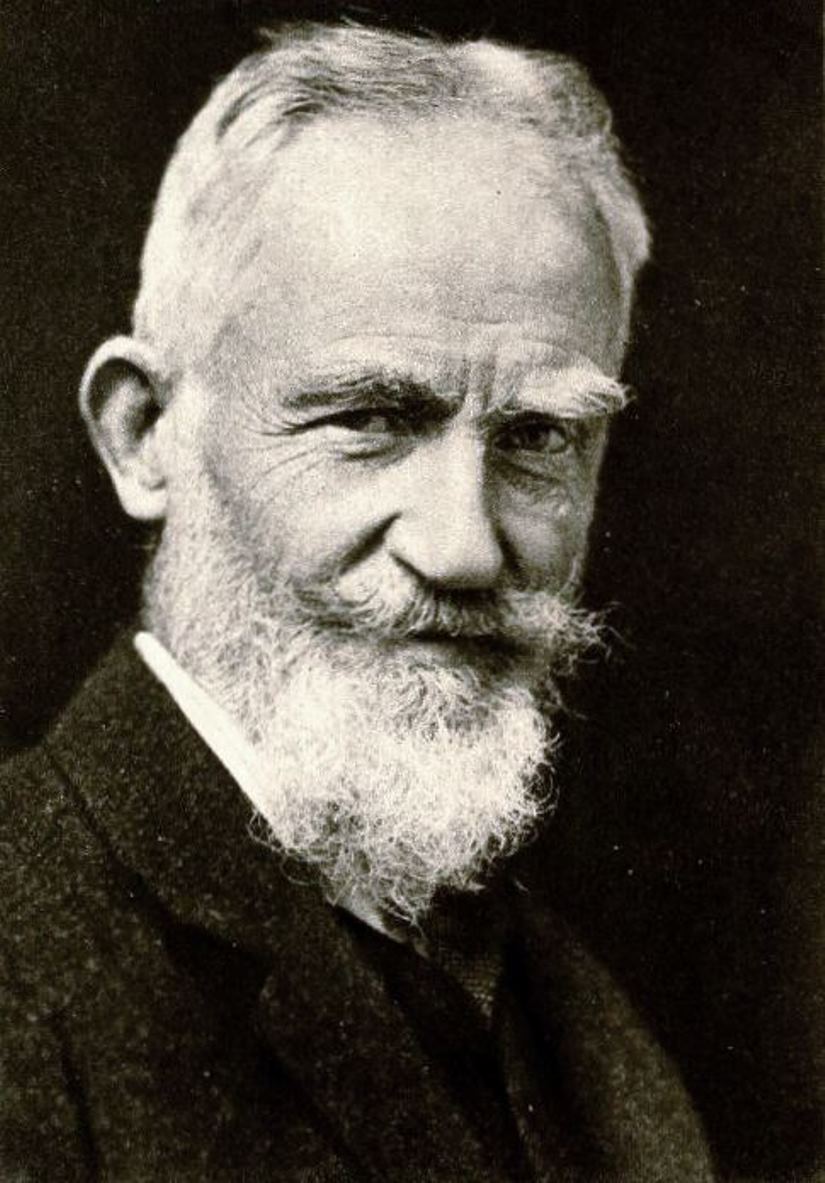
George Bernard Shaw was an Irish playwright, novelist and literary critic, socialist propagandist and journalist, winner of the 1925 Nobel Prize for Literature.
George Bernard was born into a poor noble family and, growing up, suffered greatly from that poverty. After a decade of failure on the literary field, Bernard became an active member of the Fabian Society, a middle-class socialist group founded in 1884, which sought the gradual transformation of English society.
He began working as a journalist and writing plays, which soon enough became popular. In The Man and the Superman, Shaw laid out his philosophy that humanity is the last stage of a purposeful and eternal evolutionary movement of "life force" toward ever higher forms of life. By far his most popular play is Pygmalion, a humane comedy about love and the English class system. But George Bernard Shaw was not only the best comic playwright of his time. Some of his stage works - Caesar and Cleopatra, The Man and Superman, Major Barbara, House of Broken Hearts, and St. Joan - are highly serious and refined in their prose.
Shaw was also a bold pamphleteer, a popular and widely read music and theater critic of his generation, a lecturer and essayist on politics, economics and sociology. In the course of his long and prolific life Bernard Shaw shaped the political, economic and social worldviews of several generations.
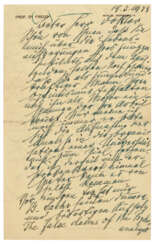

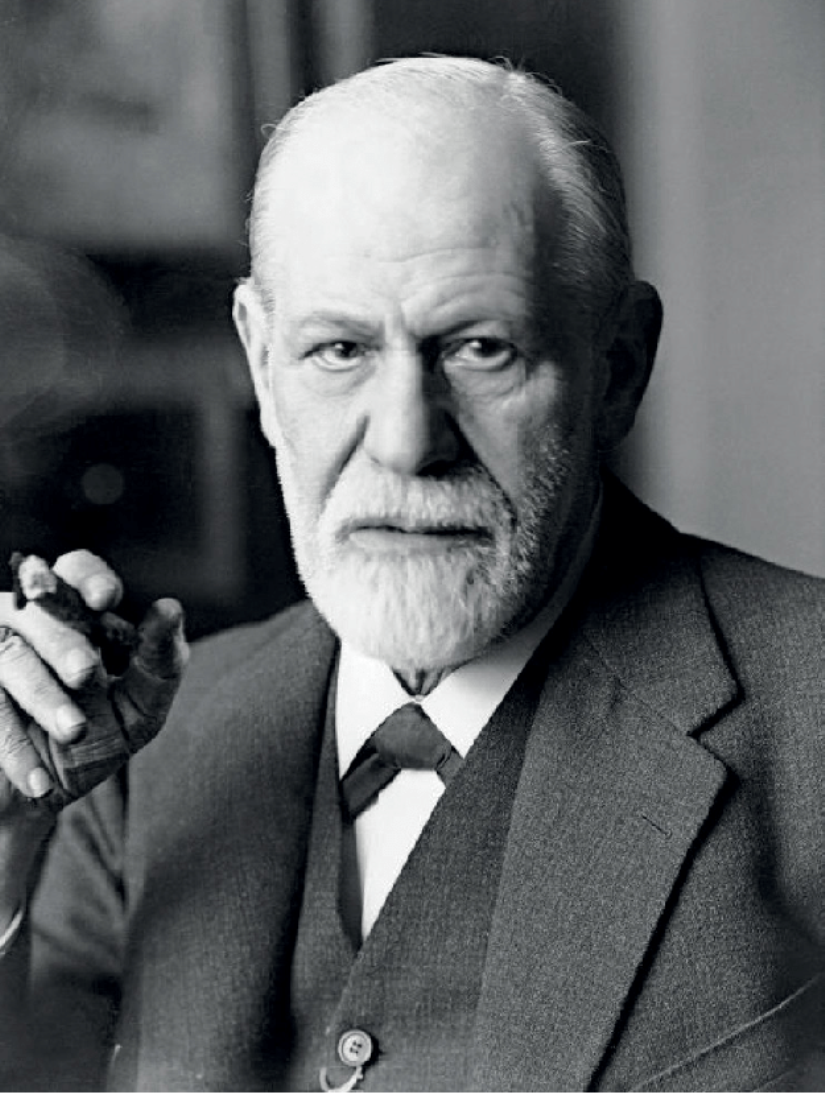
igmund Freud, born Sigismund Schlomo Freud, was an Austrian psychologist, psychiatrist and neurologist, the founder of psychoanalysis.
He graduated from the medical faculty of the University of Vienna, was engaged in self-education and numerous, cutting-edge for his time studies of the human psyche. The resulting psychoanalysis he created was both a theory of the human psyche, a therapy to alleviate its ills, and a tool for interpreting culture and society. Freud's psychoanalysis had a significant impact on psychology, medicine, sociology, anthropology, literature and art in the twentieth century.
Despite the sometimes harsh criticism of virtually all of his ideas and teachings, which continues almost a century after his death, Freud remains one of the most influential intellectual figures of our time.







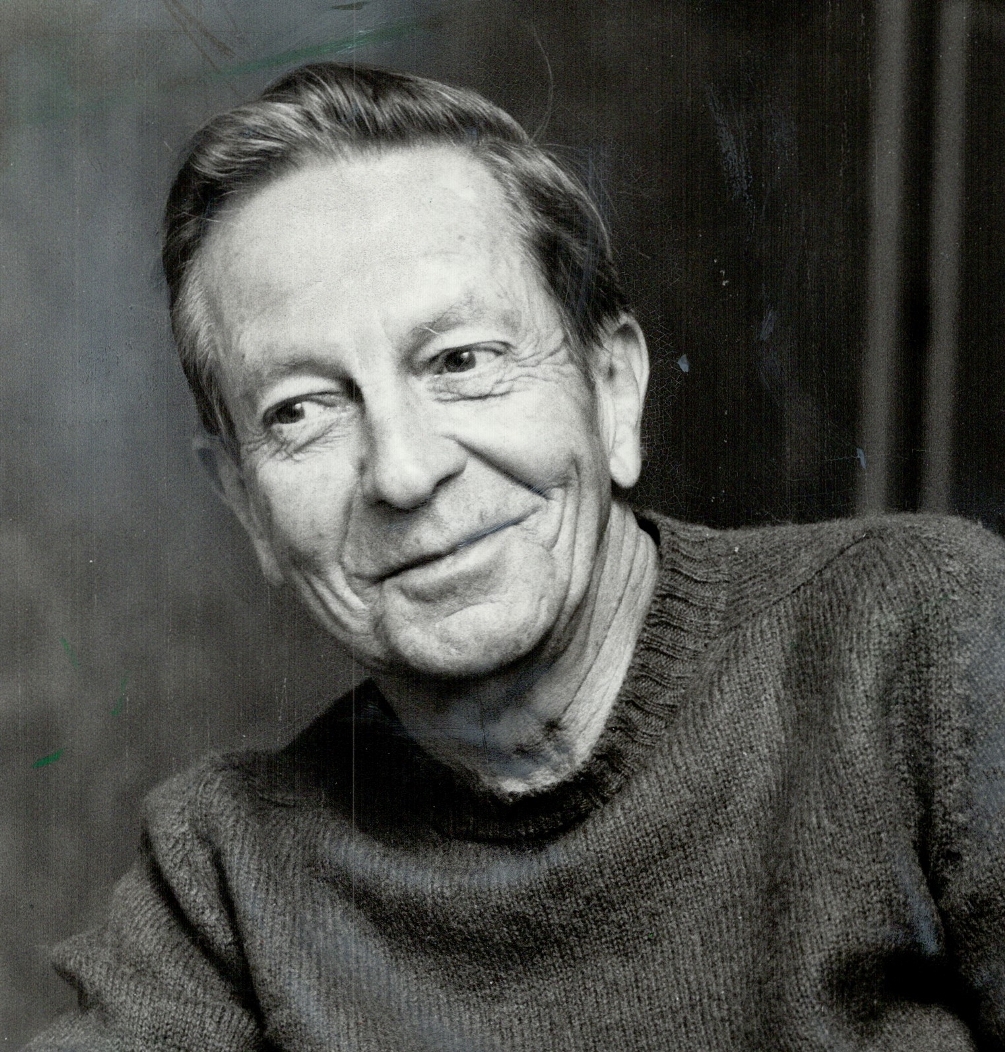
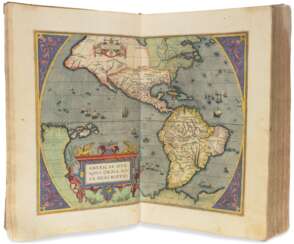

William Shakespeare was a British poet and playwright and writer.
William's father, John Shakespeare, was a merchant and official in Stratford. There are reports that he was a sailor for a time before joining a theater company in London. Beginning in the 1590s, Shakespeare began writing plays, and in 1593 he published a poem, Venus and Adonis, which became popular. He dedicated it to the Duke of Southampton, who was a philanthropist and patron of talent, and soon his business was booming.
From 1592 to 1600 Shakespeare wrote his dramas and romantic comedies "Richard III", "The Taming of the Shrew", "Romeo and Juliet", "A Midsummer Night's Dream" and "The Merchant of Venice", as well as the comedies "Much Ado About Nothing", "Twelfth Night" and the tragedy "Julius Caesar". The playwright's business was so successful that he even bought a large house in Stratford. In 1599, Shakespeare became one of the owners, playwright and actor of the new theater "Globe". In 1603 King James took Shakespeare's troupe under his direct patronage. In the mature period, the great playwright turned to tragedies, there were "Hamlet", "Othello", "King Lear", "Macbeth" and others.
Although in the 19th century researchers had some doubts about the authorship of many of these works, William Shakespeare is considered the greatest English playwright, one of the best playwrights in the world. His plays have been translated into all major languages and to this day form the basis of the world theatrical repertoire, most of them have been screened many times. According to the Guinness Book of Records, Shakespeare remains the world's best-selling playwright, and his plays and poems have sold more than 4 billion copies in the nearly 400 years since his death.

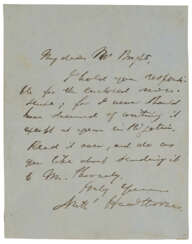

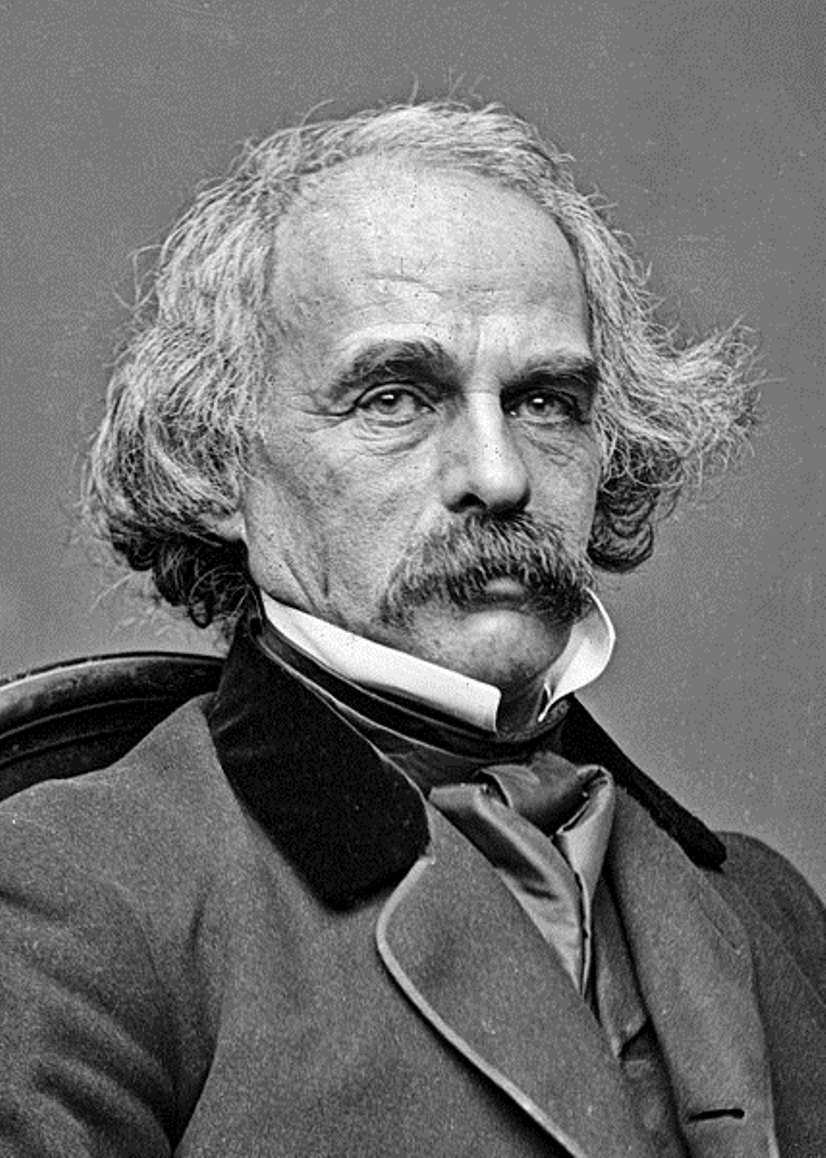
Nathaniel Hawthorne is an American writer and author.
Hawthorne is a recognized short story writer and a master of allegorical and symbolic narrative. One of the first fiction writers in American literature, he is best known for his works The Scarlet Letter (1850) and The House of Seven Gables (1851). Hawthorne's artistic works are considered part of the American Romantic movement and, in particular, of so-called dark Romanticism, a popular mid-19th-century fascination with the irrational, the demonic, and the grotesque.

.jfif)
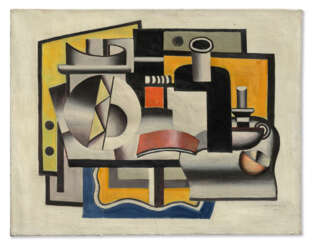
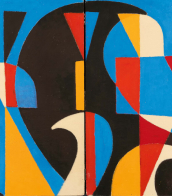
Joseph Fernand Henri Léger was a French artist renowned for his innovative approach to Cubism and his transition towards a figurative, populist style. Born in Argentan, Orne, Lower Normandy, Léger's early career was marked by a stint as an architectural draftsman and a series of educational pursuits that eventually led him to Paris, where he embraced painting seriously. His artistic journey was significantly influenced by the bold abstractions of Cubism, characterized by geometric shapes and a vibrant palette, distinguishing his work from his contemporaries with what came to be known as "Tubism".
Léger's service in World War I profoundly impacted his artistic direction, leading him to adopt a 'mechanical' style that depicted the modern industrial world with sleek, tubular forms. This period saw creations like "Soldier with a Pipe" and "The Card Players," reflecting his war experiences and the mechanical aesthetics of the time. The post-war era encouraged Léger to explore the mechanical style further, evident in works like "The Bargeman" and "Mechanical Elements," highlighting the pace of technological advancement.
Throughout his career, Léger's work evolved, notably in the 1920s, where he aligned with Purist ideas, blending classicism with modernity. This phase is exemplified in "Woman with a Cat," showcasing a classical form with a modern, polished finish. By the 1930s, Léger's art took a more figurative, populist turn, aiming to democratize contemporary art and make it more accessible. His commitment to art education, especially for the common worker, underscored his belief in the social role of art.
For those intrigued by Joseph Fernand Henri Léger's groundbreaking contributions to modern art, his works can be found in prestigious museums worldwide. His legacy continues to inspire art collectors and enthusiasts alike. To stay updated on exhibitions and auction events featuring Léger's work, sign up for updates and embrace the unique opportunity to explore the richness of his artistic endeavors.


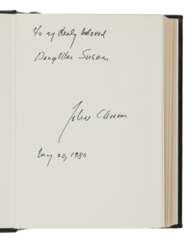
![[STINGEMORE, Frederick Henry (1890-1954)]](/assets/image/picture_3615480/f50e1/80ae35df26ec666d06bd175e584d6b3f1702422000jpg__fix_374_244.jpeg)
![[STINGEMORE, Frederick Henry (1890-1954)]](https://veryimportantlot.com/assets/image/picture_3615480/f50e1/80ae35df26ec666d06bd175e584d6b3f1702422000jpg__fix_374_244.jpeg)






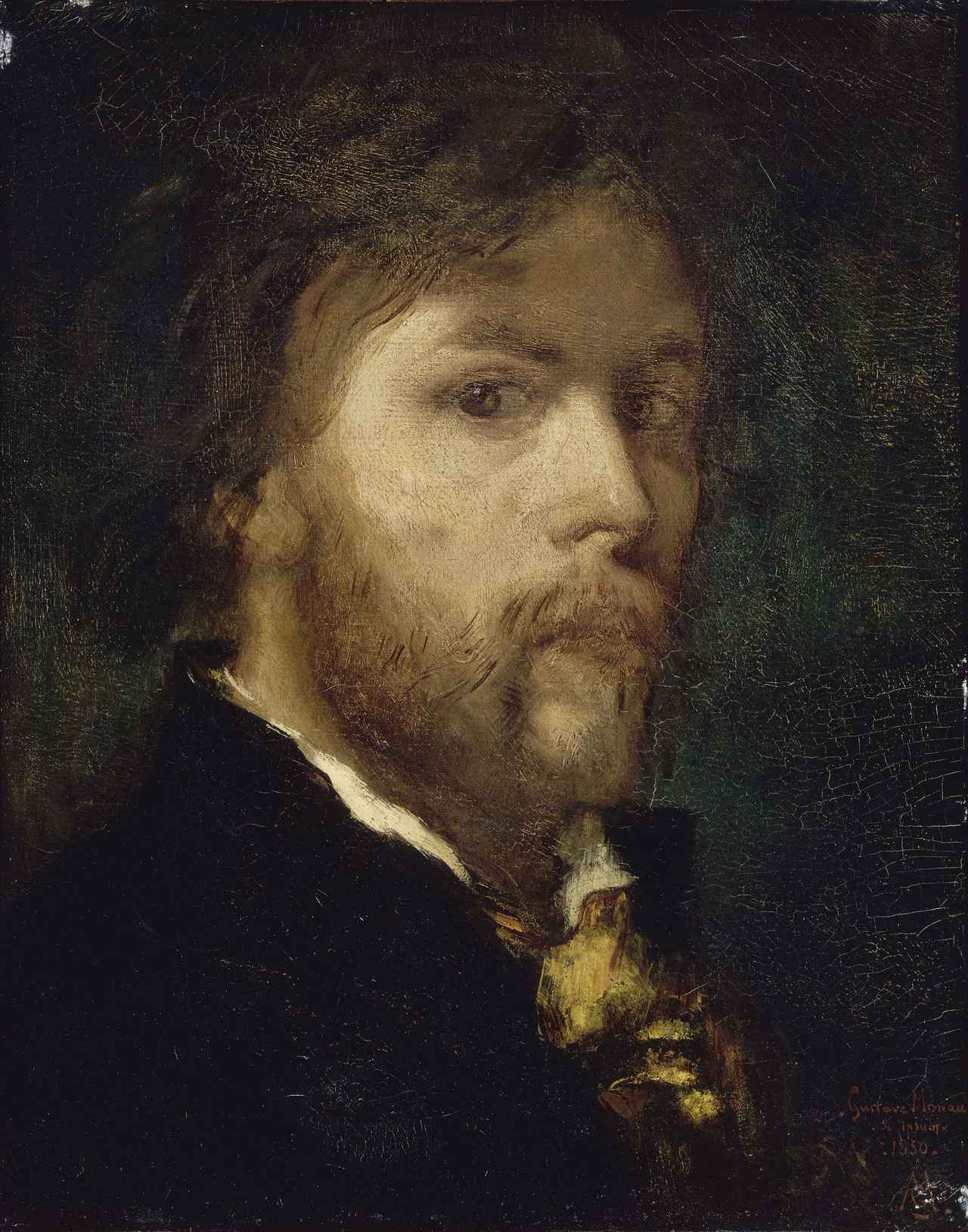
Gustave Moreau was a French artist and an important figure in the Symbolist movement. Jean Cassou called him "the Symbolist painter par excellence". He was an influential forerunner of symbolism in the visual arts in the 1860s, and at the height of the symbolist movement in the 1890s, he was among the most significant painters.