la muse


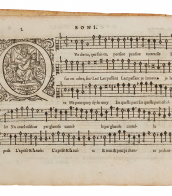
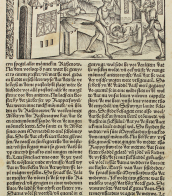
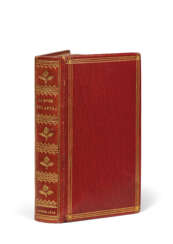
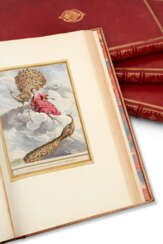
![TRELLON, Claude de (mort circa 1611). La Muse guerrière. Dédiée à Monsieur le Comte d’Aubijoux. Quatriesme édition, reveuë & corrigée par l’Auteur. [relié avec :] La Suyte de la Muse guerrière, qui est le p](/assets/image/picture_1321002/8a91b/3549536d1bec46a279dfe045d85421051616454000jpg__fix_374_244.jpeg)
![TRELLON, Claude de (mort circa 1611). La Muse guerrière. Dédiée à Monsieur le Comte d’Aubijoux. Quatriesme édition, reveuë & corrigée par l’Auteur. [relié avec :] La Suyte de la Muse guerrière, qui est le p](https://veryimportantlot.com/assets/image/picture_1321002/8a91b/3549536d1bec46a279dfe045d85421051616454000jpg__fix_374_244.jpeg)









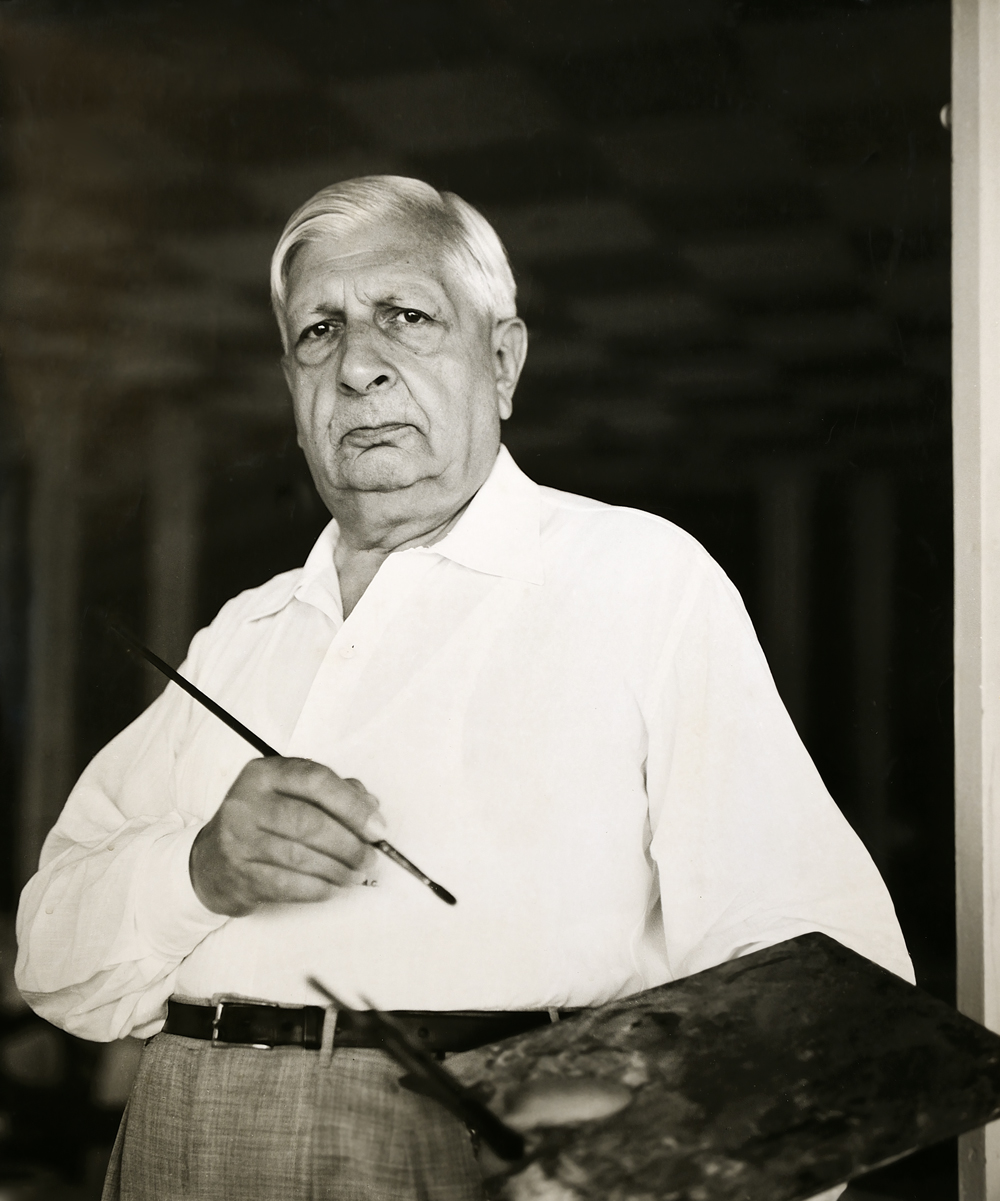
Giuseppe Maria Alberto Giorgio de Chirico, an Italian artist renowned for his profound influence on the Surrealist movement, stands as a seminal figure in 20th-century art. Born in Volos, Greece, in 1888, de Chirico was a visionary painter, sculptor, and writer whose works profoundly altered the landscape of modern art. His paintings, characterized by their dreamlike quality, enigmatic compositions, and the juxtaposition of classical and modern elements, delve into the mysteries of the subconscious, exploring themes of nostalgia, metaphysics, and the uncanny.
De Chirico's art is distinguished by its unique blend of classical motifs with surreal, dreamlike atmospheres, creating a sense of profound mystery and unease. His most famous works, such as "The Enigma of an Autumn Afternoon" and "The Melancholy of Departure," exhibit deserted cityscapes filled with elongated shadows, enigmatic figures, and classical architecture, which became hallmarks of his style. These paintings not only prefigured the Surrealist movement but also influenced countless artists with their exploration of the psyche, the distortion of space, and the play of light and shadow.
His impact on culture and art is undeniable, with his works housed in prestigious museums and galleries worldwide, including the Museum of Modern Art in New York and the Tate Modern in London. De Chirico's ability to evoke the mysterious interconnection between the ancient and the modern through his art continues to captivate collectors and experts in the fields of art and antiques. His innovative approach to painting and sculpture has solidified his position as a key figure in the development of modern art.
For collectors and enthusiasts keen on exploring the depths of 20th-century art and the enigmatic world of Giuseppe Maria Alberto Giorgio de Chirico, staying informed about new discoveries, auction events, and sales of his works is essential. We invite you to sign up for updates to ensure you never miss an opportunity to engage with the enduring legacy of this remarkable Artist. This subscription is your gateway to the latest news related to de Chirico, focusing exclusively on product sales and auction events associated with his influential oeuvre.




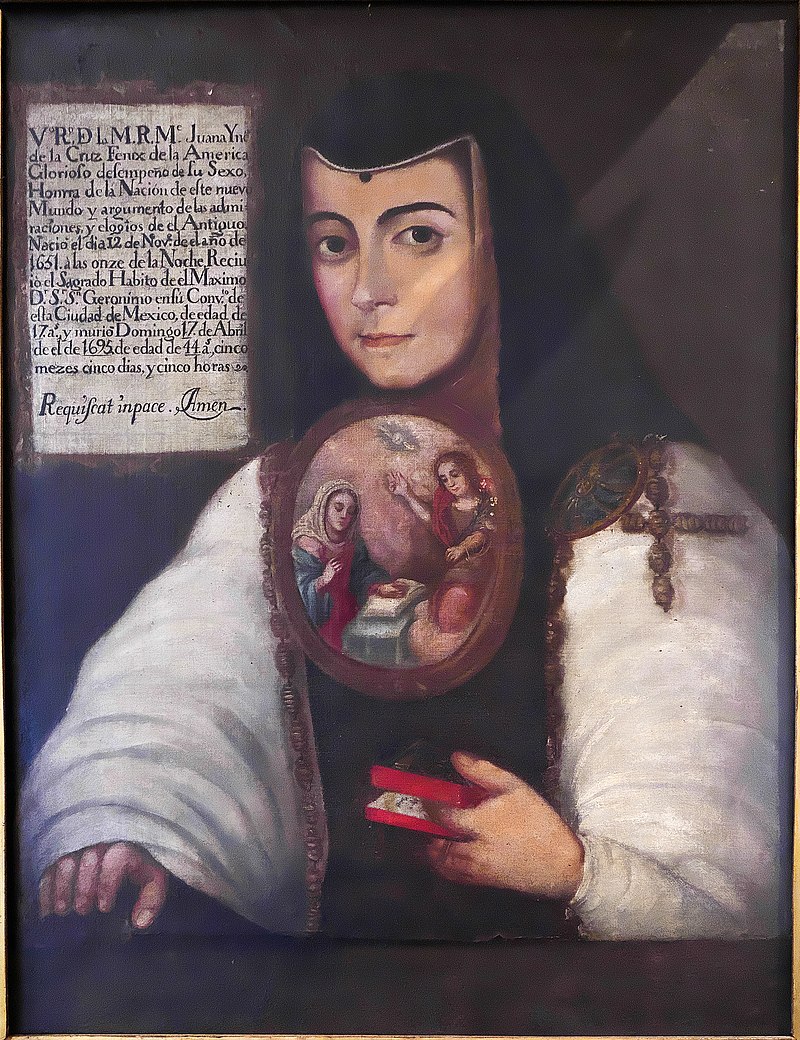
Juana Inés de la Cruz or Juana of Asbaje, real name Juana Inés de Asbaje Ramírez de Santillananota, was a Mexican poet, scholar, and writer of the Latin American colonial period and the Spanish Baroque, and a Jerónimo nun.
Juana Ramírez was born into a poor family (Spanish father and Creole mother) and from an early age showed a burning thirst for knowledge and giftedness, but as a woman she was almost entirely self-taught. By her teens, she had already learned Greek logic and taught Latin to young children. She also learned Nahuatl, an Aztec language spoken in Central Mexico, and wrote several short poems in the language. At the age of 16, the girl was introduced to the court, and her intelligence impressed even Viceroy Antonio Sebastian de Toledo, Marquis de Mancera, and in 1664 he invited her to serve as maid of honor.
In 1669, at the age of 21, she took her tonsure at the Convent of Santa Paula of the Hieronymite Order in Mexico City, where she remained a recluse for the rest of her life. In the convent, Sister Juana enjoyed exceptional freedom: she continued to socialize with scholars and senior members of the court, amassed one of the largest private libraries in the New World, as well as a collection of musical and scientific instruments. Her plays in verse, poetry, and compositions for state and religious festivals were frequently and successfully performed at the palace.
Sister Juana was an outstanding representative of Spain's Golden Age: she was the last significant writer of the Latin American Baroque and the first great exponent of colonial Mexican culture. Sister Juana wrote sonnets, romances, and ballads, drawing on a vast store of classical, biblical, philosophical, and mythological sources. She also composed moral, satirical, and religious texts, as well as many poems praising courtiers, but she also defended women's right to education.
At the end of her life, due to pressure from religious dogmatists, Sister Juana had to sell her extensive library of some 4,000 volumes and return to strict reclusiveness. In 1695, the plague struck the convent and, while caring for her sisters, Juana died of the disease at about the age of forty-four.
Today, Juana Inés de la Cruz is a national icon of Mexico and Mexican identity as a prominent writer of the Spanish-American colonial period. The former convent where she lived is a center of higher education, and her image adorns Mexican currency.

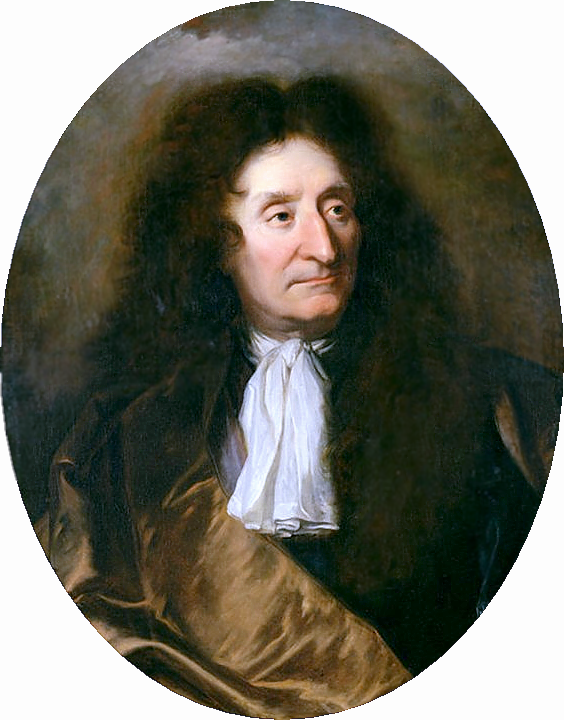
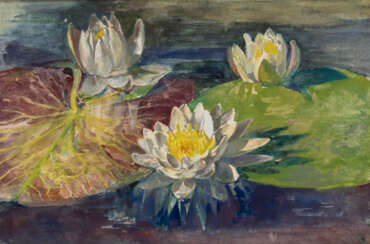

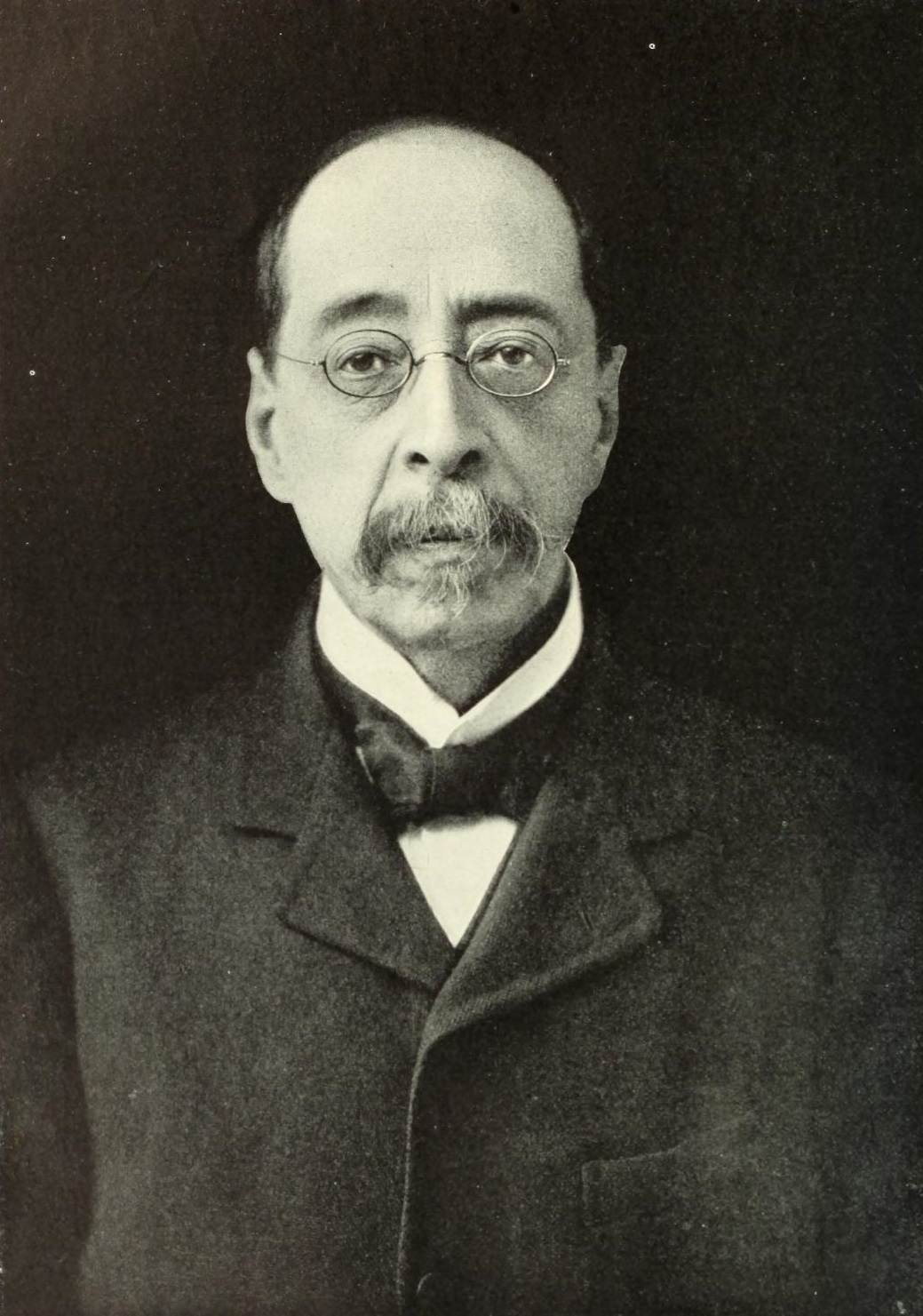
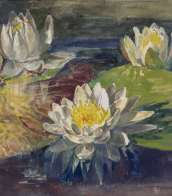
John La Farge was an American artist whose career spanned illustration, murals, interior design, painting, and popular books on his Asian travels and other art-related topics.
La Farge is best known for his production of stained glass, mainly for churches on the American east coast, beginning with a large commission for Henry Hobson Richardson's Trinity Church in Boston in 1878, and continuing for thirty years. La Farge designed stained glass as an artist, as a specialist in color, and as a technical innovator, holding a patent granted in 1880 for superimposing panes of glass. That patent would be key in his dispute with contemporary and rival Louis Comfort Tiffany.
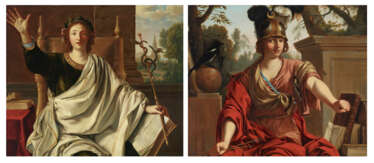

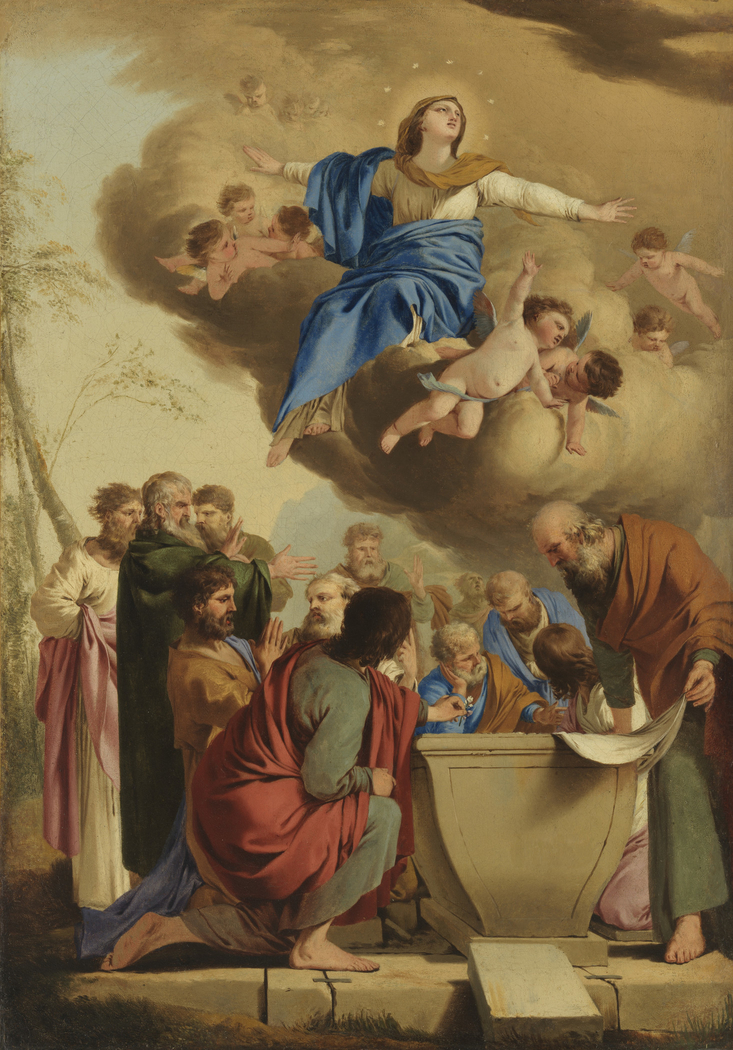
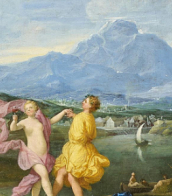
Laurent de La Hyre, a prominent French Baroque painter born in Paris in 1606, is celebrated for his mastery in landscape and allegorical paintings. Throughout his career, La Hyre exhibited a profound influence from the Italian artists who visited Paris, studying under Georges Lallemand and drawing inspiration from Primaticcio at Fontainebleau. Despite never traveling to Italy himself, La Hyre’s work was characterized by a captivating use of color and the delicate composition of figures, marking him as a key figure in the transitional period leading up to the French Baroque era introduced by Simon Vouet.
La Hyre’s paintings are notable for their gravity, simplicity, and dignity, qualities that resonated with the neoclassical style of Parisian Atticism he championed. His early works are particularly recognized for their painterly style and storytelling prowess, often depicting subjects rarely seen in his contemporaries' work. One of his most significant contributions was to the Capuchin friars of the Marais, with the painting of Pope Nicholas V discovering the corpse of St. Francis of Assisi, now housed in the Louvre alongside eight other works by La Hyre. Museums in Strasbourg, Rouen, and Le Mans also boast collections of his work, showcasing his broad appeal and the versatility of his subject matter.
In 1648, La Hyre's status in the art world was further cemented by his role as one of the founding members of the French Royal Academy of Painting and Sculpture, highlighting his influence and prominence in French art history. Despite his fame, La Hyre’s legacy underwent periods of reevaluation, particularly towards the end of the 17th century when his work received less favorable comparisons to contemporaries like Vouet, Champaigne, and Le Sueur. Nonetheless, his impact on the French Baroque movement and his contribution to the Academy underline the significance of his work and his role in the development of French art.
La Hyre's oeuvre spans a wide range of themes, from mythological and biblical scenes to allegories of the liberal arts, demonstrating his versatility and innovative approach to art. Among his notable works are the allegorical representations of the Seven Liberal Arts, designed as a series and showcasing disciplines like Astronomy, Grammar, and Music as personified figures, reflecting the intellectual and cultural values of his time.
Collectors and experts in art and antiques appreciate La Hyre not only for the aesthetic and historical value of his paintings but also for the insights they provide into the cultural and intellectual currents of 17th-century France. His works, preserved in prestigious museums and galleries, continue to be celebrated for their artistic merit and historical significance.
For those keen on exploring the rich tapestry of Baroque art and the contributions of Laurent de La Hyre to this period, signing up for updates on new product sales and auction events related to La Hyre is an invaluable opportunity. This subscription ensures that enthusiasts and collectors are well-informed about the latest discoveries and offerings related to this influential artist, without the intrusion of unrelated content.


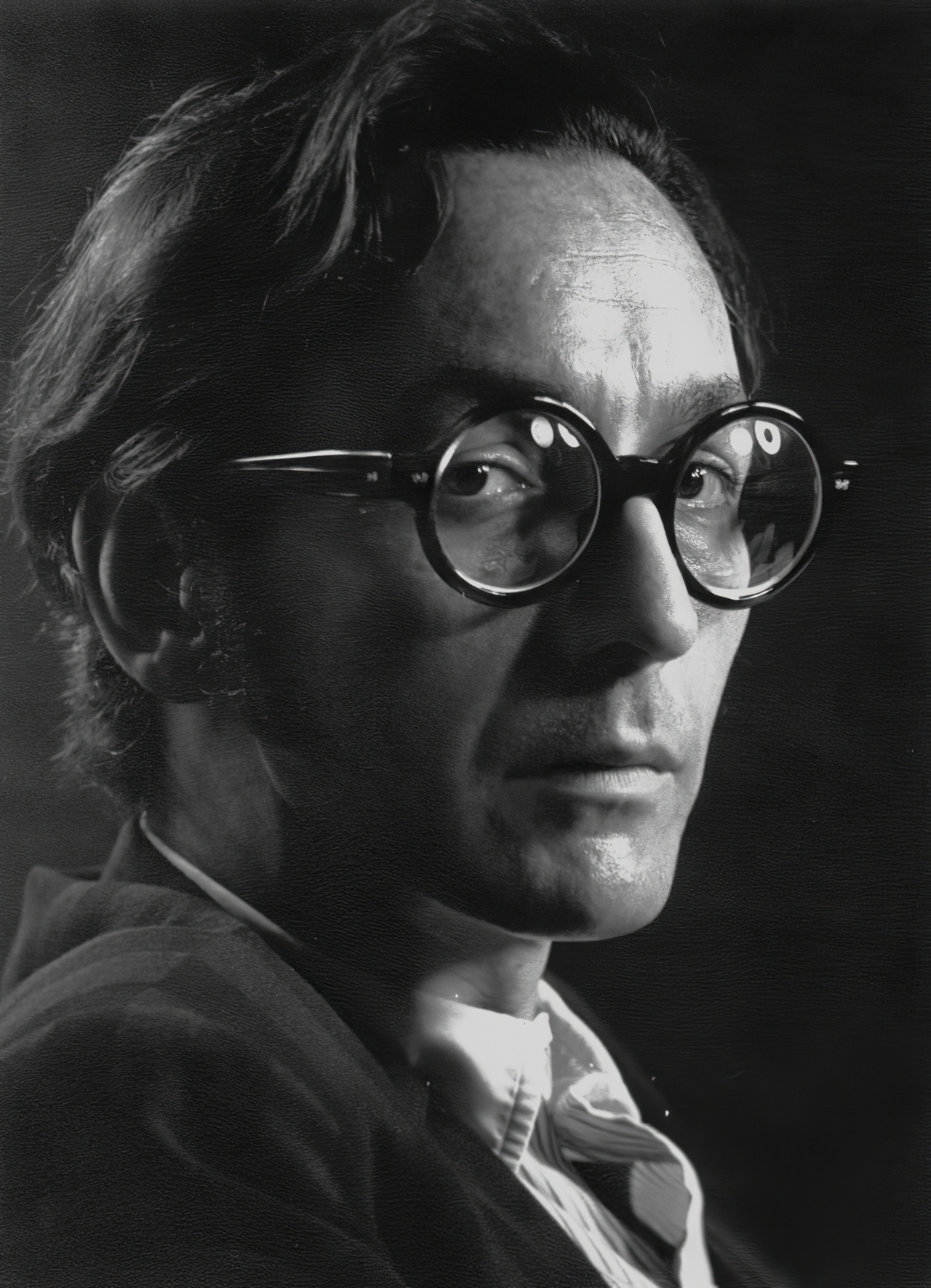
Jorge de la Vega was an Argentine painter, graphic artist, draftsman, singer, and songwriter.
Although de la Vega studied architecture in Buenos Aires for six years, he then became self-taught as a painter. From 1961 to 1965 he was a member of the art movement called Nueva Figuración. During his involvement in this movement, he became a member of the Otra Figuración group. In the final years of his career and life he wrote and sang popular protest songs which expressed his humorous view of the world. In addition to museums in Argentina, his works hang in the Phoenix Art Museum, the Museum of Modern Art in Rio de Janeiro, Brazil, and the Art Museum of the Americas at the OAS in Washington, DC.
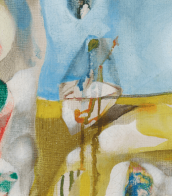
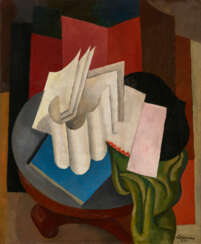

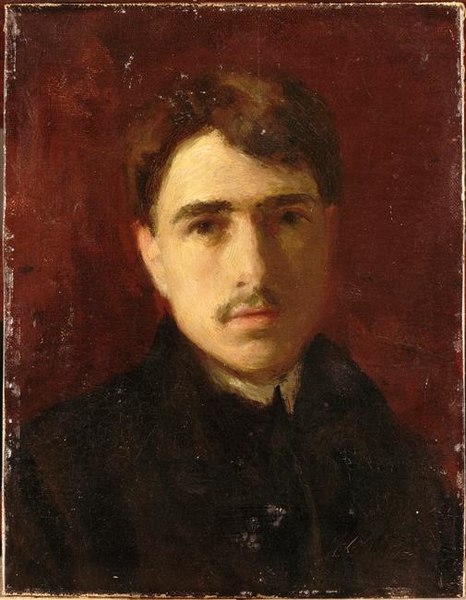
Roger de la Fresnaye was a French painter, a representative of Cubism in painting.
He studied at the Académie Julian in Paris and was fascinated by the art of Paul Cézanne. In his works Fresnaye synthesized lyrical color with geometric simplifications of Cubism.
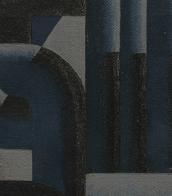
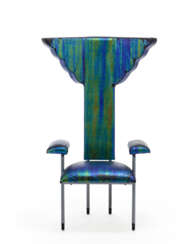

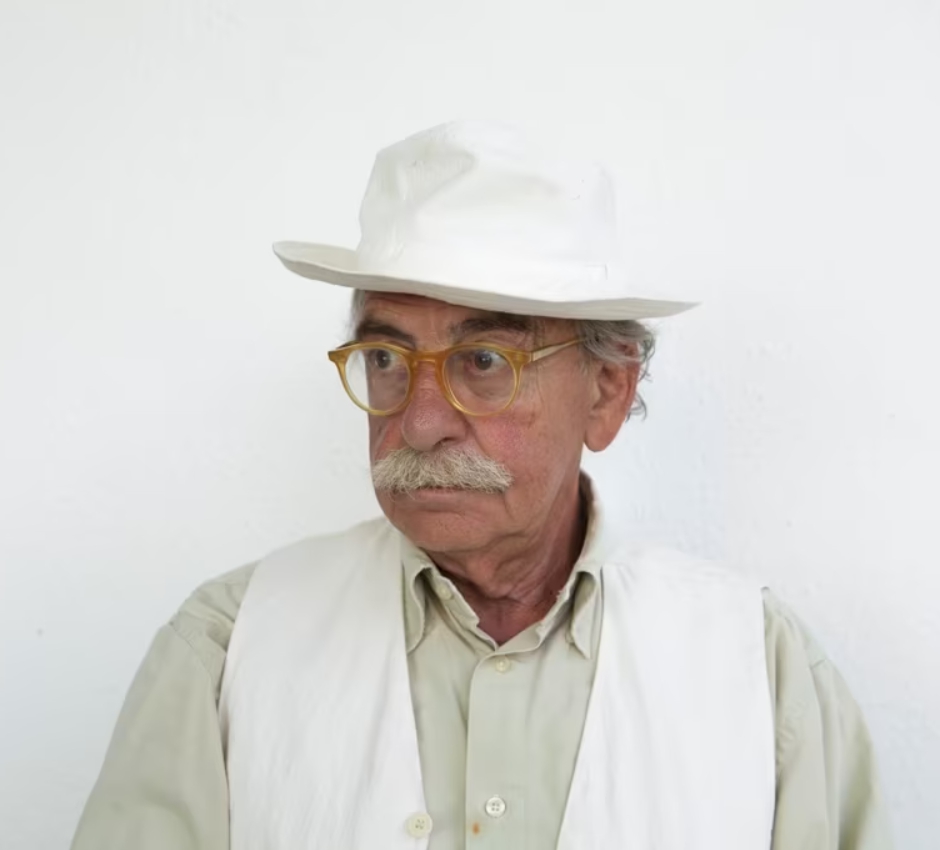
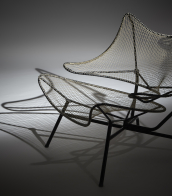
Ugo La Pietra is an Italian contemporary artist, architect, director, teacher and designer.
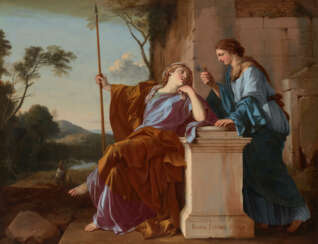

Laurent de La Hyre, a prominent French Baroque painter born in Paris in 1606, is celebrated for his mastery in landscape and allegorical paintings. Throughout his career, La Hyre exhibited a profound influence from the Italian artists who visited Paris, studying under Georges Lallemand and drawing inspiration from Primaticcio at Fontainebleau. Despite never traveling to Italy himself, La Hyre’s work was characterized by a captivating use of color and the delicate composition of figures, marking him as a key figure in the transitional period leading up to the French Baroque era introduced by Simon Vouet.
La Hyre’s paintings are notable for their gravity, simplicity, and dignity, qualities that resonated with the neoclassical style of Parisian Atticism he championed. His early works are particularly recognized for their painterly style and storytelling prowess, often depicting subjects rarely seen in his contemporaries' work. One of his most significant contributions was to the Capuchin friars of the Marais, with the painting of Pope Nicholas V discovering the corpse of St. Francis of Assisi, now housed in the Louvre alongside eight other works by La Hyre. Museums in Strasbourg, Rouen, and Le Mans also boast collections of his work, showcasing his broad appeal and the versatility of his subject matter.
In 1648, La Hyre's status in the art world was further cemented by his role as one of the founding members of the French Royal Academy of Painting and Sculpture, highlighting his influence and prominence in French art history. Despite his fame, La Hyre’s legacy underwent periods of reevaluation, particularly towards the end of the 17th century when his work received less favorable comparisons to contemporaries like Vouet, Champaigne, and Le Sueur. Nonetheless, his impact on the French Baroque movement and his contribution to the Academy underline the significance of his work and his role in the development of French art.
La Hyre's oeuvre spans a wide range of themes, from mythological and biblical scenes to allegories of the liberal arts, demonstrating his versatility and innovative approach to art. Among his notable works are the allegorical representations of the Seven Liberal Arts, designed as a series and showcasing disciplines like Astronomy, Grammar, and Music as personified figures, reflecting the intellectual and cultural values of his time.
Collectors and experts in art and antiques appreciate La Hyre not only for the aesthetic and historical value of his paintings but also for the insights they provide into the cultural and intellectual currents of 17th-century France. His works, preserved in prestigious museums and galleries, continue to be celebrated for their artistic merit and historical significance.
For those keen on exploring the rich tapestry of Baroque art and the contributions of Laurent de La Hyre to this period, signing up for updates on new product sales and auction events related to La Hyre is an invaluable opportunity. This subscription ensures that enthusiasts and collectors are well-informed about the latest discoveries and offerings related to this influential artist, without the intrusion of unrelated content.
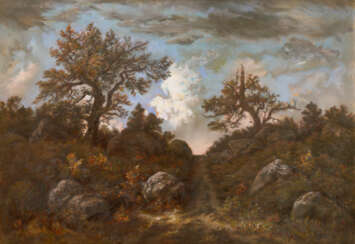

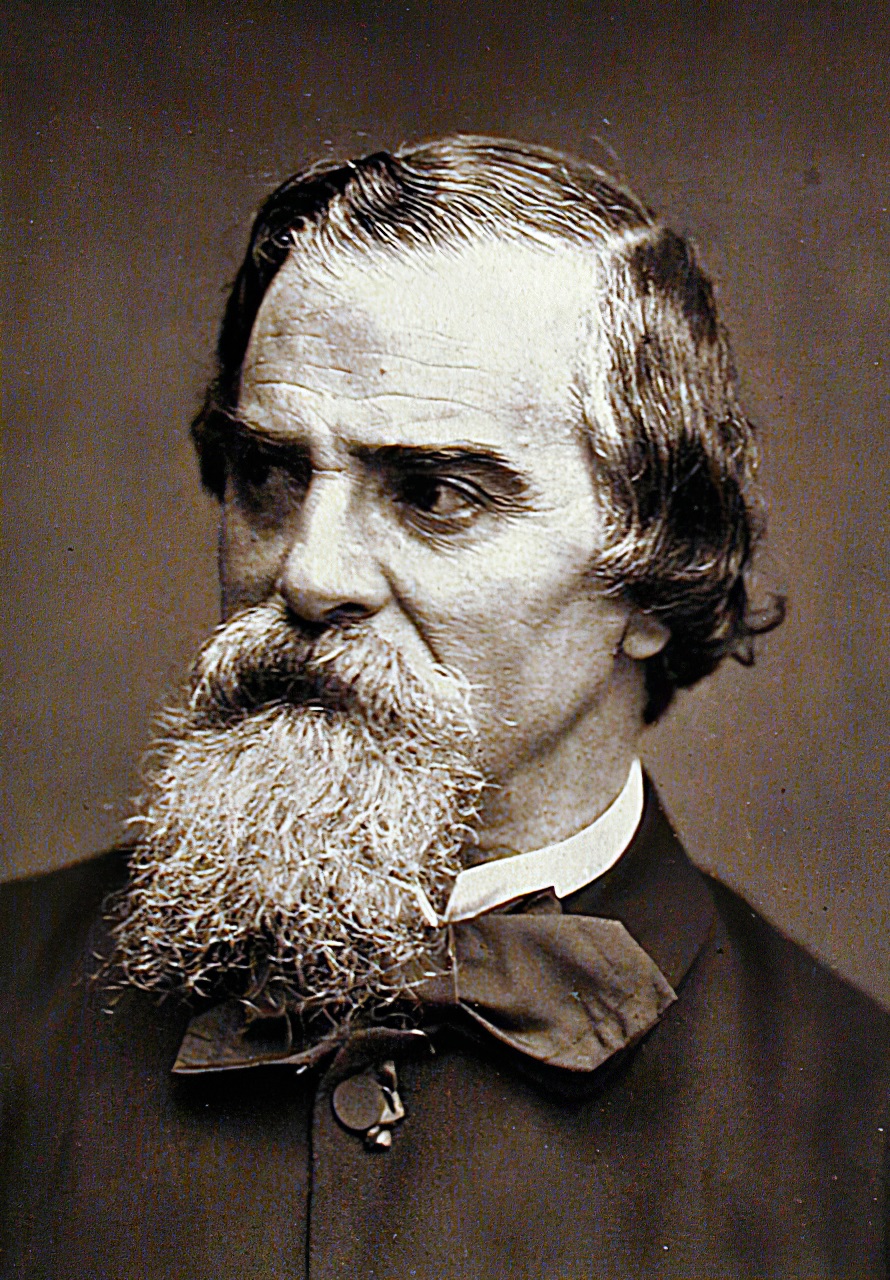
Narcisse Virgilio Díaz de la Peña was a French painter of the Barbizon school.
Díaz exhibited many pictures at the Paris Salon, and was decorated in 1851 with the rank of Chevalier (Knight) of the Légion d’honneur.