lux auto imports








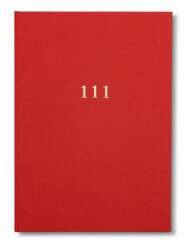

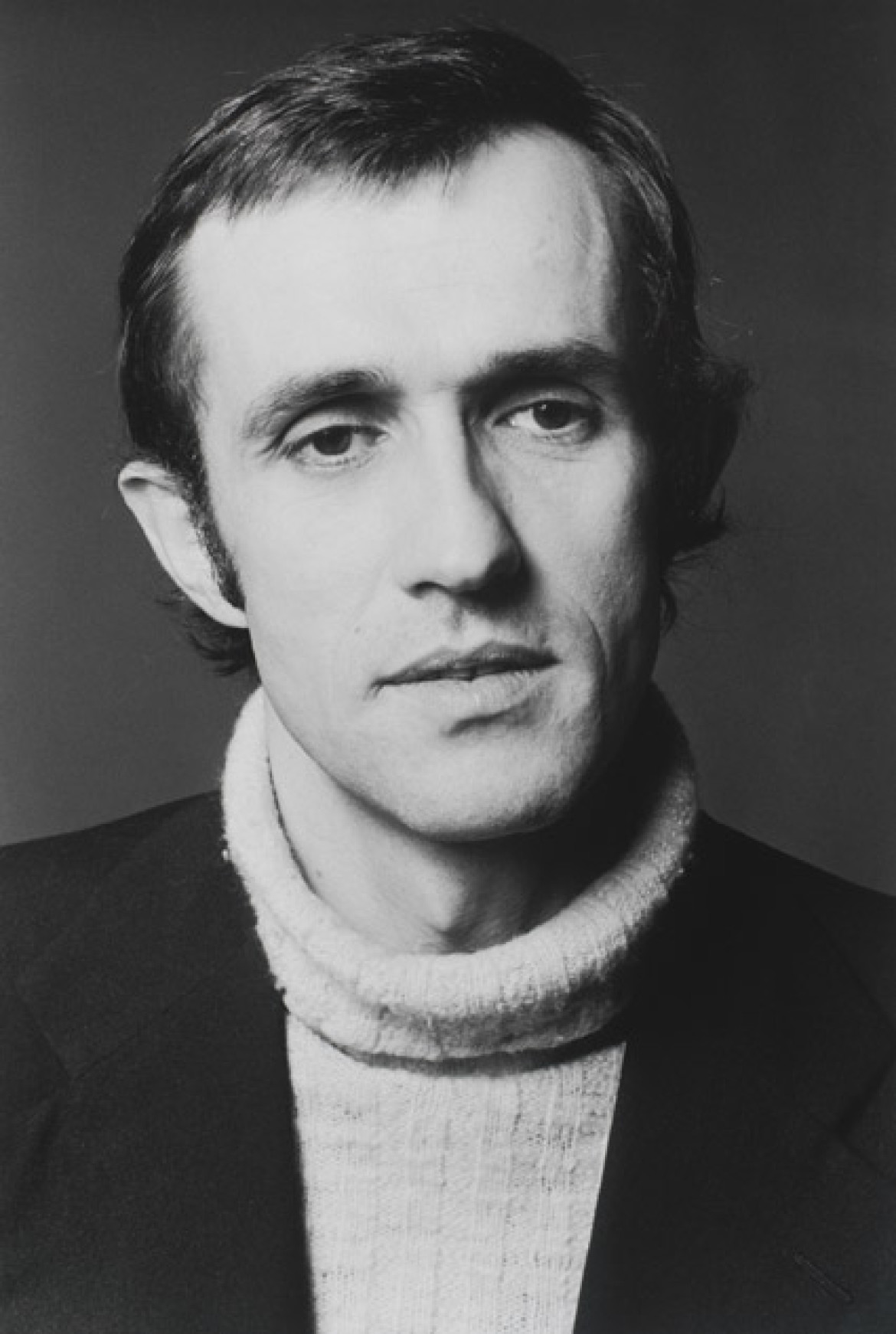
Alighiero Fabrizio Boetti, known as Alighiero e Boetti, was an Italian conceptual artist, considered to be a member of the art movement Arte Povera.
Perhaps best known is Boetti's series of large embroidered maps of the world, called simply Mappa.
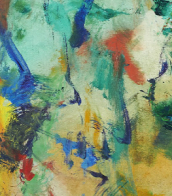


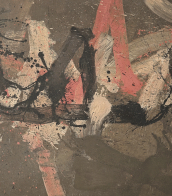







Hans Bellmer was a German graphic artist, sculptor, photographic artist, illustrator, and writer who spent most of his life in France.
In the 1930s Bellmer began working on the eroticized image of the deformed doll, contrasting it with the aesthetics of the "classical" body in Hitler's Germany. His graphic and literary explorations focus on the dismemberment and liberation of bodies. Bellmer's surrealist works are violent and provocative: they include puppet sculptures composed of the bodies of nude models, photographs, and prints.
In 1934, 18 photographs of dolls were published in the Parisian surrealist magazine Minotaur, and the Nazi regime declared Bellmer's art degenerate. In 1938, Bellmer emigrated to France.
After the end of the war, the artist continued his work, adding poetry to painting. He also authored illustrations for many works, particularly on erotic themes.




Paul Gauguin, a French artist born in Paris in 1848, is renowned for his significant contributions to Post-Impressionism, Primitivism, and Synthetism. Gauguin's art is distinguished by his experimental use of color and style, which set him apart from the traditional Impressionist movement.
Gauguin's early life was marked by a period in Peru, which influenced his artistic perspective. Initially, he pursued a career in stockbroking but soon turned to art, driven by financial necessity and a growing passion. His artistic journey began under the mentorship of Impressionist artist Camille Pissarro and through exposure to the works of other avant-garde artists.
The hallmark of Gauguin's work is his exploration of non-Western cultures, particularly during his time in Tahiti and the Marquesas Islands. This period saw the creation of some of his most famous works, including "Where Do We Come From? What Are We? Where Are We Going?" His paintings from this era, characterized by vivid colors and Symbolist themes, reflect a fusion of cultural influences and his quest for a "primitive" expression of spiritual and emotional states.
Despite his innovative style, Gauguin struggled with financial difficulties and health issues throughout his life. His work received little recognition during his lifetime, but posthumously, he gained acclaim for influencing modern artists like Pablo Picasso and Henri Matisse.
Today, Gauguin's works are celebrated in galleries and museums worldwide for their unique blend of cultural influences and artistic innovation. His enduring legacy is a testament to his unique vision and the profound impact he had on the art world.
Collectors and experts in art and antiques, stay updated on new product sales and auction events related to Paul Gauguin. Sign up now for exclusive updates and immerse yourself in the world of this visionary artist.
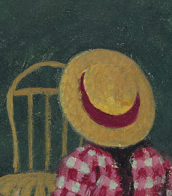
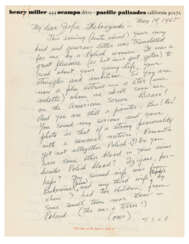

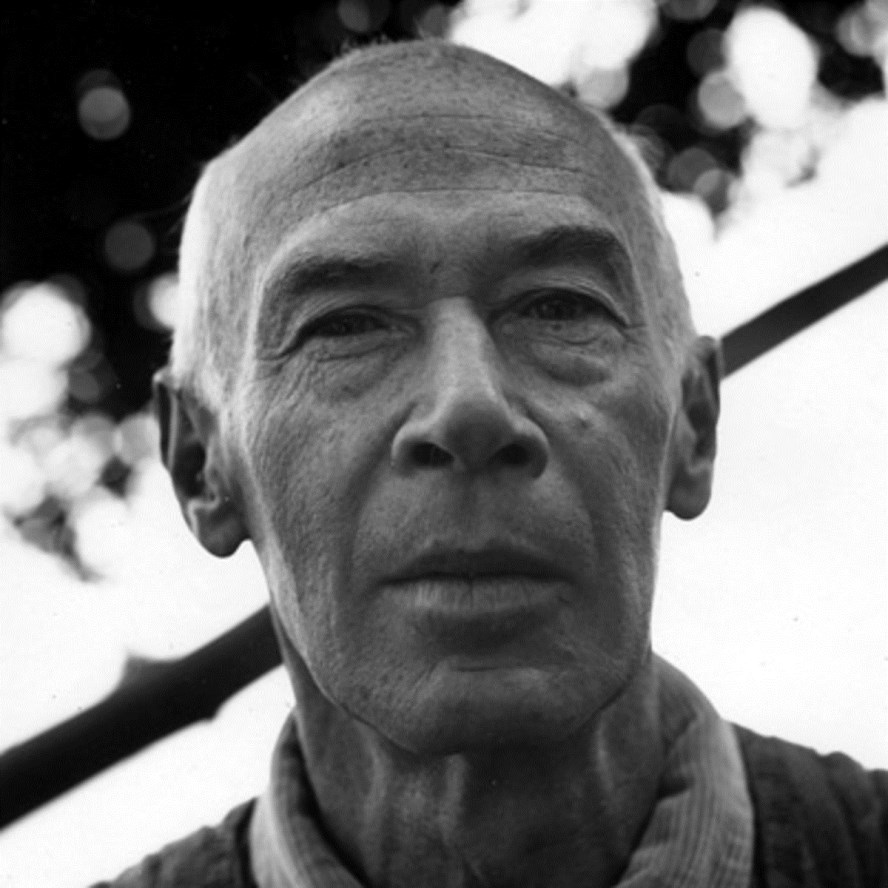
![[BRETON, André, sous la direction de]](/assets/image/picture_2426563/37267/88c10a3500c23634d0ad7b6dd4561268jpg__fix_374_244.jpeg)
![[BRETON, André, sous la direction de]](https://veryimportantlot.com/assets/image/picture_2426563/37267/88c10a3500c23634d0ad7b6dd4561268jpg__fix_374_244.jpeg)


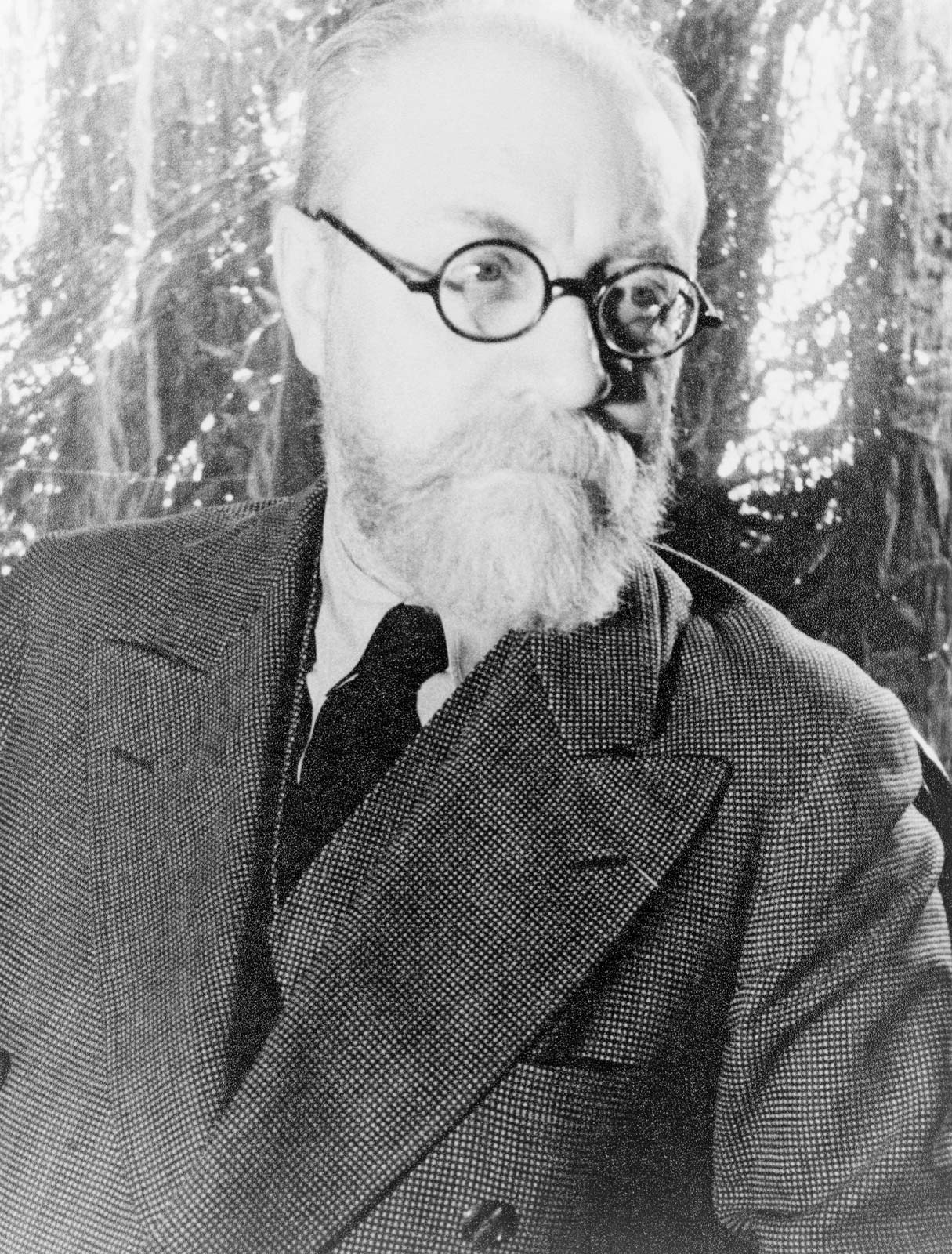
Henri Matisse, a renowned French visual artist, was celebrated for his vibrant use of color and fluid, original draughtsmanship. Born on December 31, 1869, in Le Cateau-Cambrésis, France, Matisse initially pursued a career in law before turning to art. He first began painting in 1889, a change inspired by convalescence art supplies his mother provided. This marked the beginning of a journey that would see him become a leading figure in modern art.
Matisse's career is notable for its stylistic evolution yet consistent aim to capture the "essential character of things." His early works, characterized by intense colorism, earned him recognition as one of the Fauves, or "wild beasts." The period from 1908 to 1913 was marked by significant developments, with works like "Reclining Odalisque" and "The Red Studio" showcasing his mastery in balance and serenity. In the 1920s, his style evolved to more relaxed forms, with a focus on light, color, and decorative patterns in paintings like his odalisque series.
Matisse's exploration of various mediums, including sculpture and paper collage, reflects his innovative spirit. His later years were dominated by cut paper collages, as health challenges limited his ability to paint. These works, alongside his bold drawings and sculptures, cemented his status as a pioneer in visual art.
For collectors and art experts, Matisse's work remains a testament to creative evolution and expressive use of color and form. His masterpieces can be found in prominent museums and galleries worldwide, continuing to inspire and fascinate art enthusiasts.
To stay updated on new product sales and auction events related to Henri Matisse's art, sign up for our updates. This subscription will keep you informed about opportunities to appreciate and acquire works connected to this iconic artist.
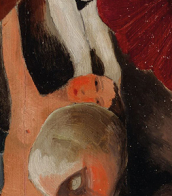
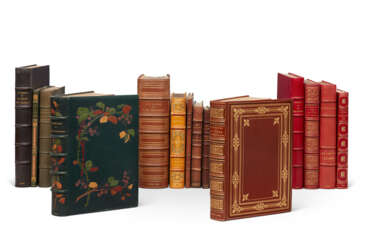

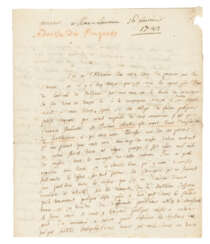


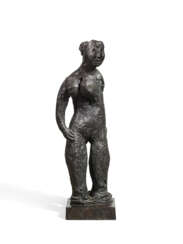

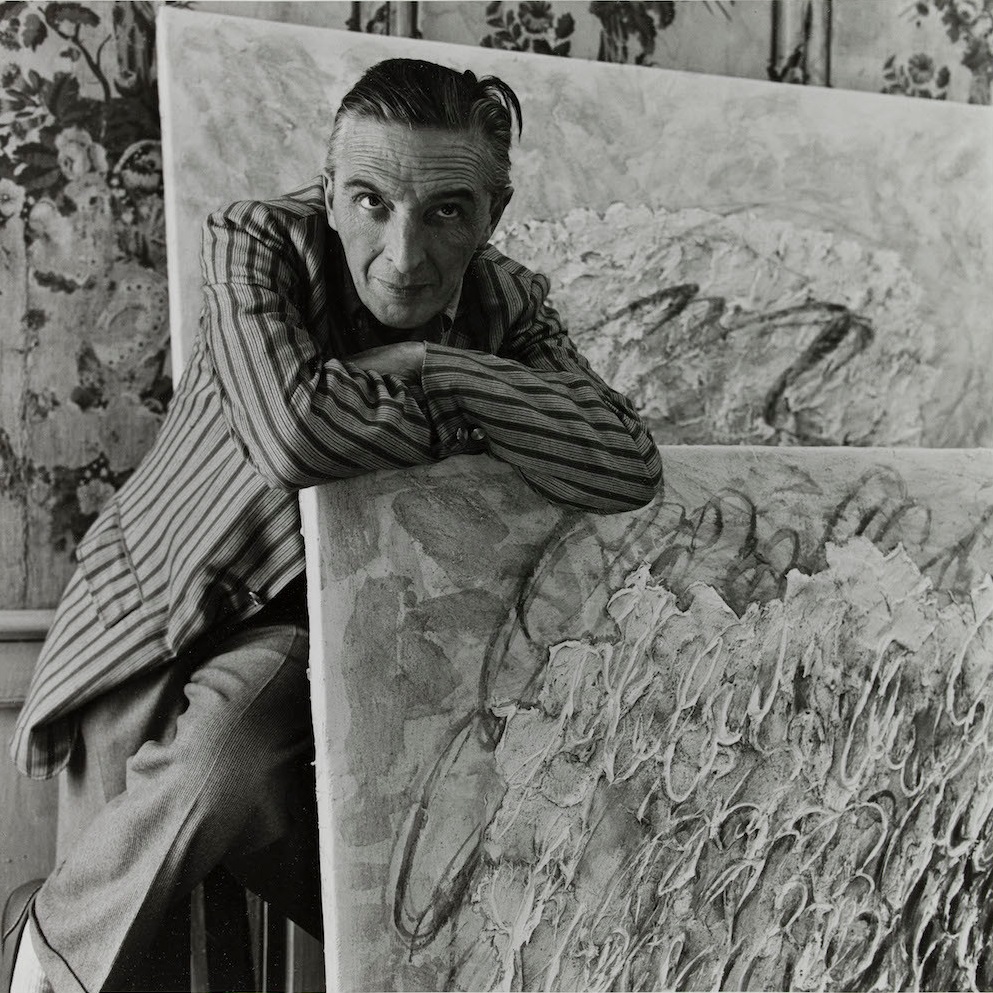
Jean Fautrier was a French painter and sculptor associated with the Art Informel and Tachisme movements. He initially studied architecture before turning to painting in the early 1920s.
Fautrier's early work was influenced by Cubism and Surrealism, but he eventually developed a more abstract style characterized by thick impasto and expressive brushwork. He often used unconventional materials, such as asphalt, sand, and tar, to create textured surfaces that conveyed a sense of materiality.
During World War II, Fautrier was active in the French Resistance and went into hiding to avoid arrest by the Nazis. His experiences during the war had a profound impact on his work, which became darker and more introspective. He began to create what he called "Hostage" paintings, which depicted anonymous faces and figures that were both haunting and vulnerable.
After the war, Fautrier continued to explore themes of violence, trauma, and decay in his art. He created a series of "Otages" (Hostages) sculptures that were made from casts of human limbs and torsos. These works were highly controversial and provoked strong reactions from critics and the public alike.
Fautrier's influence on the development of Art Informel and Tachisme was significant, and he is regarded as one of the key figures of the movement. His work is represented in many major museums and collections around the world, including the Centre Georges Pompidou in Paris and the Museum of Modern Art in New York.


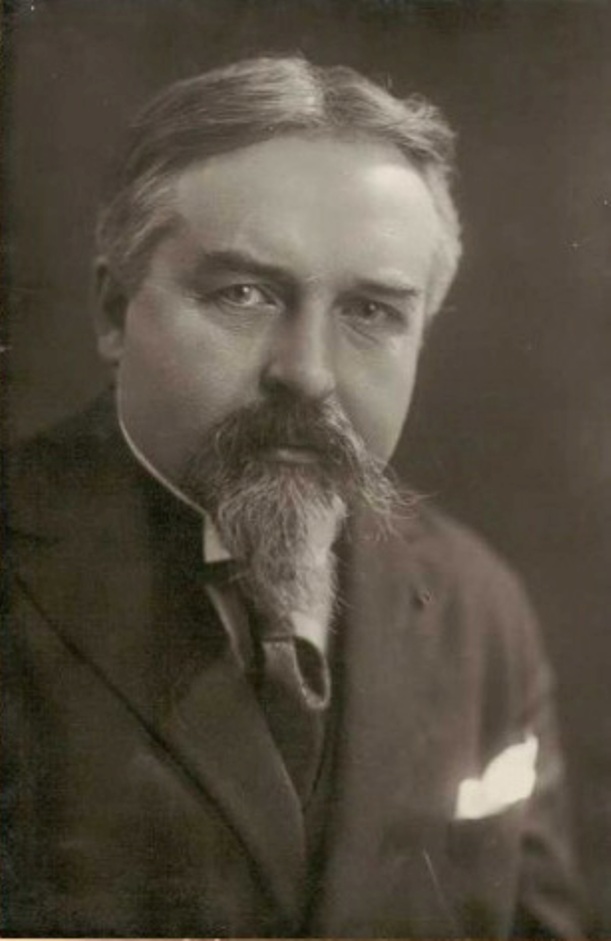
Maurice Denis, a French painter and writer, was an influential figure in the transition from impressionism to modern art. Born on November 25, 1870, in Granville, France, Denis's artistic journey began at the Académie Julian in Paris. Here, he met future collaborators like Paul Sérusier and Pierre Bonnard, with whom he later formed the Nabis group, a collective deriving its name from the Hebrew word "Nabi," meaning "Prophet".
Denis's style evolved from neoimpressionism, influenced by artists like Seurat, to a more decorative and colorful approach under the influence of Gauguin. This shift is evident in works like "Taches du soleil sur la terrace" (1890). He famously stated, "Art is no longer a visual sensation... it is a creation of our spirit," highlighting his belief in art as an idealistic expression, transcending mere imitation of nature.
Denis was also impacted by Japanese art, which influenced his compositions and styles, contributing to his unique and recognizable approach. His philosophy on art, encapsulated in his 1890 essay published in "Art et Critique," emphasized the importance of color and form in creating emotional depth, a notion that laid the groundwork for modernism. He argued that a painting's essence lies in its colors and composition, rather than its subject matter.
Throughout his career, Denis's work evolved towards a more classical approach. His involvement with the Ateliers d'Art Sacré, founded in 1919, demonstrated his interest in religious art and decoration. His notable works include "The Legend of Saint Hubert" (1897) and "The History of Music" for the Théâtre des Champs Elysées (1912-1913).
Tragically, Maurice Denis's life ended on November 13, 1943, when he was struck by a truck during the German occupation of Paris. However, his legacy endures through his contributions to modern art and symbolism, his influence on fellow artists, and his works displayed in various museums and galleries.
For collectors and art experts, Denis's work offers a unique glimpse into the evolution of modern art. His blend of symbolism, color, and form marks a significant shift in art history. To stay updated on new sales and auction events related to Maurice Denis's work, sign up for our newsletter. This subscription will keep you informed about the latest developments in the world of this remarkable artist.
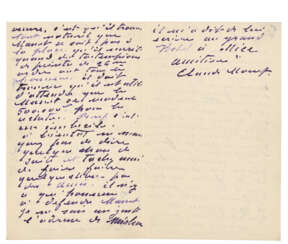

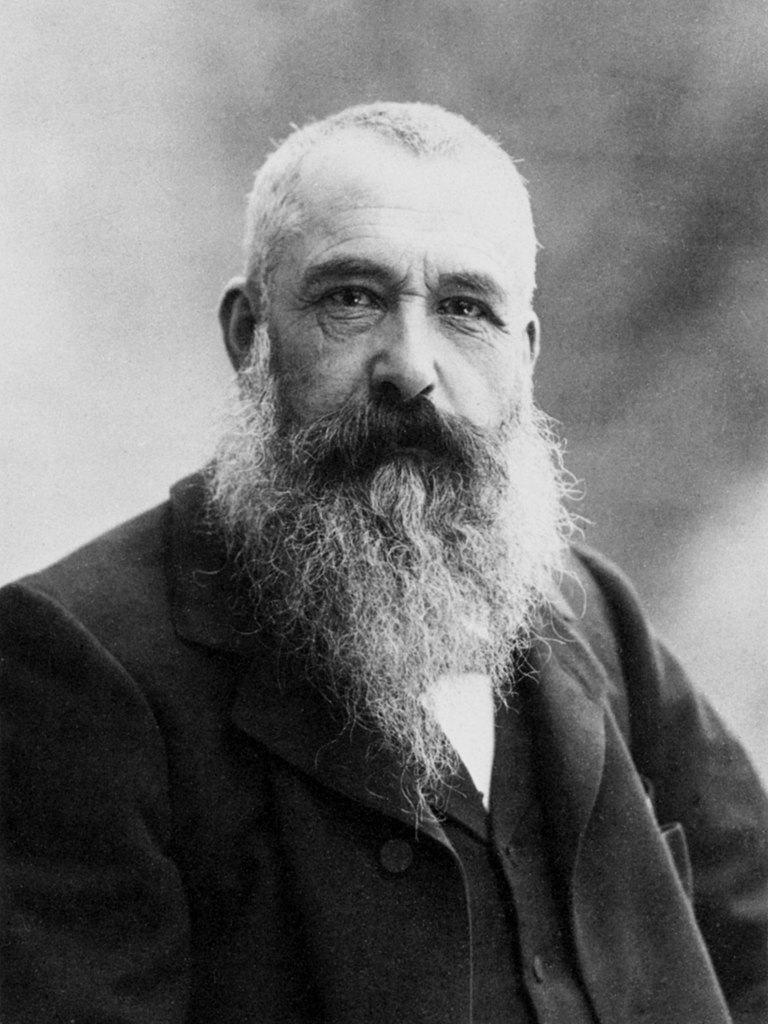
Oscar-Claude Monet, a French painter, revolutionized the art world with his Impressionist style, fundamentally altering the path of modern art. Born in Paris on November 14, 1840, Monet's journey into art was a defiance of his father's business aspirations for him, fueled instead by his mother's support. His early education in the arts began at Le Havre secondary school, where he honed his skills through charcoal caricatures and later, under the mentorship of Eugène Boudin, delved into outdoor painting, a technique that would later define his career.
Monet's works, characterized by their vibrant light and brushed color, are renowned for capturing the essence of their subjects. He often painted the same scene multiple times to depict the changing light and seasons, which is vividly displayed in his series of Haystacks, Rouen Cathedral, and the famed Water Lilies. These pieces, among others, showcase his unique ability to blend color and light, bringing scenes to life in a way that was never seen before.
His most notable works, including "Impression, Sunrise" and the "Water Lilies" series, are celebrated worldwide and remain an integral part of major museum collections, such as the Musée d'Orsay in Paris and the Metropolitan Museum of Art in New York. Monet's dedication to capturing the natural world around him led him to reject traditional approaches to composition, color, and perspective. This approach not only set a new standard for art but also laid the groundwork for the Impressionist movement, influencing generations of artists to come.
As an art collector or enthusiast, the legacy of Monet offers an unparalleled glimpse into the genesis of modern art. His works are not just paintings; they are historical landmarks that mark the transition of art from traditional to modernist ideologies.
For updates on new product sales and auction events related to Monet, sign up for our newsletter. Stay informed and connected to the pulse of the Impressionist world.
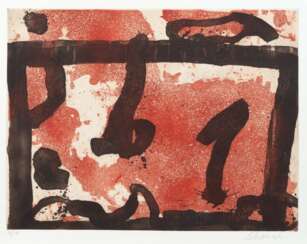

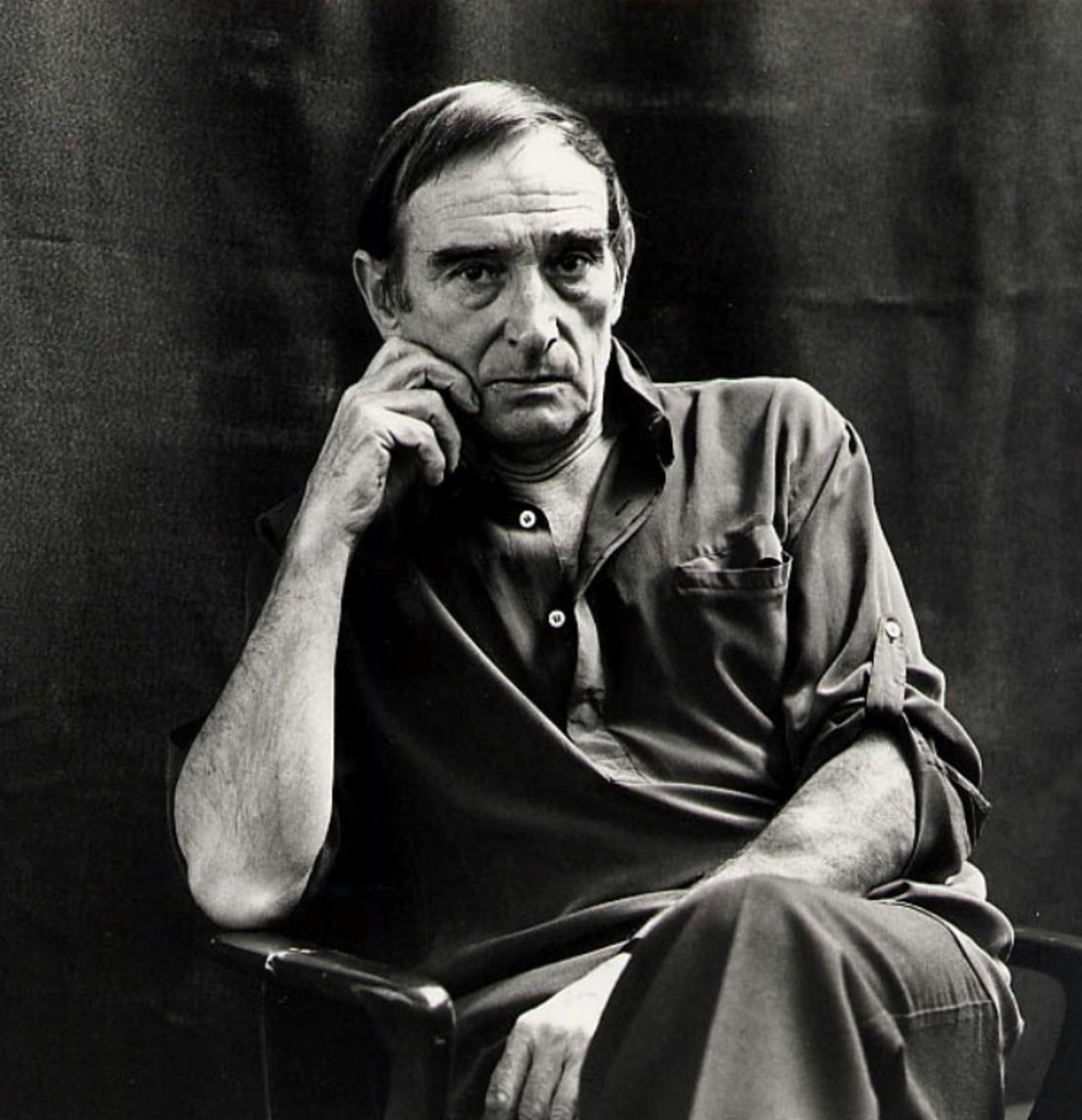
Emil Schumacher was a German painter. He was an important representative of abstract expressionism in post-war Germany.
In 2009 the Kunstquartier Hagen was inaugurated combining the Karl Ernst Osthaus-Museum Hagen as well as the newly built Emil Schumacher Museum in one Museum complex.
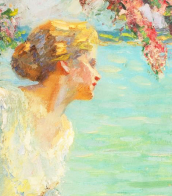
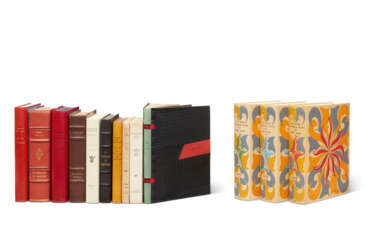

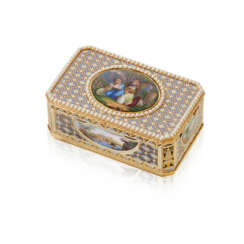

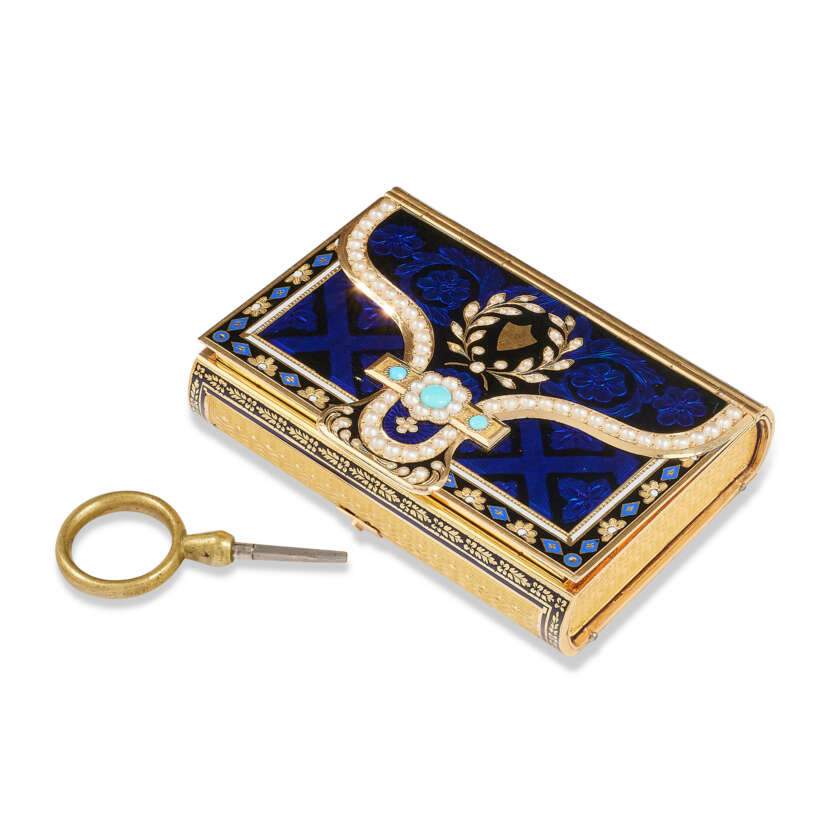
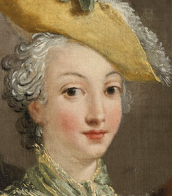
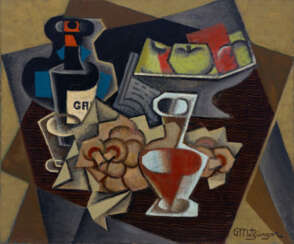

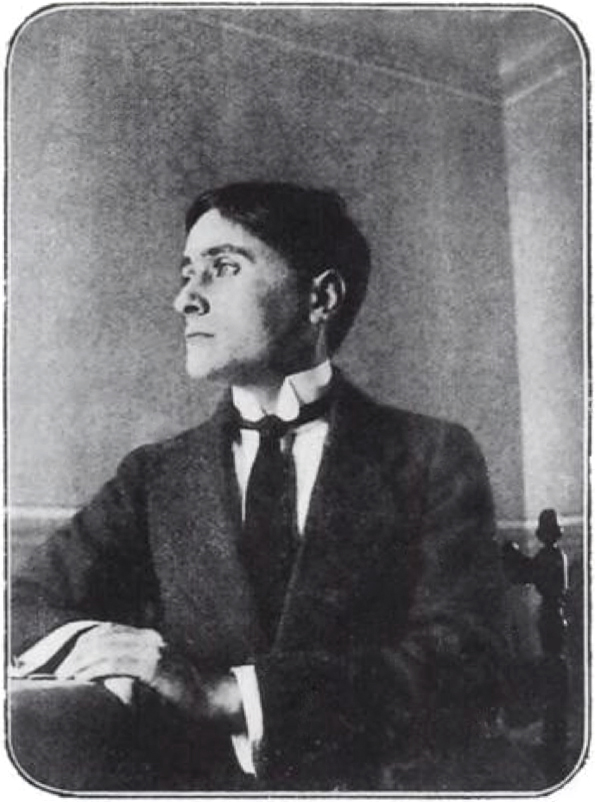
Jean Metzinger, a French Divisionist artist born in 1883, was instrumental in the development of Cubism. His approach to painting was revolutionary, challenging classical representations by emphasizing dynamism and the validity of multiple perspectives. Metzinger's early works were influenced by Neo-Impressionism, evident in his participation in exhibitions alongside Fauvist artists like André Derain and Henri Matisse. His transition to Cubism marked a significant evolution in his style, characterized by geometric simplification and an exploration of spatial complexities.
One notable work, "La Femme au Cheval," embodies Metzinger's 'mobile perspective,' a concept that mirrored the scientific advances of the time, specifically in quantum mechanics. This painting was even admired by Niels Bohr, a pioneer of quantum mechanics. Metzinger's contributions to Cubism extended beyond his paintings; he was a key figure in the movement's theoretical underpinnings, co-authoring with Albert Gleizes the first major treatise on Cubism.
Metzinger's later works ventured into greater realism and were marked by Art Deco influences, reflecting a shift towards classical beauty and balance post-World War I. This period of his work is characterized by bold colors and streamlined forms, with notable works such as "Femme au Faisan" illustrating this transition.
Metzinger's influence on modern art extends beyond his Cubist works. He was a central figure in the Parisian art scene, regularly exhibiting his work and engaging with other avant-garde artists. His legacy is preserved in museums worldwide, including significant pieces at the Albright-Knox Art Gallery and the Thyssen-Bornemisza Museum.
For collectors and experts in art and antiques, Jean Metzinger remains a pivotal figure in the history of modern art. His innovative approach to painting, theoretical contributions to Cubism, and later explorations of realism and Art Deco aesthetics offer a rich portfolio of work for appreciation and study. Sign up for updates to stay informed about new product sales and auction events related to Jean Metzinger's art.