mäbend



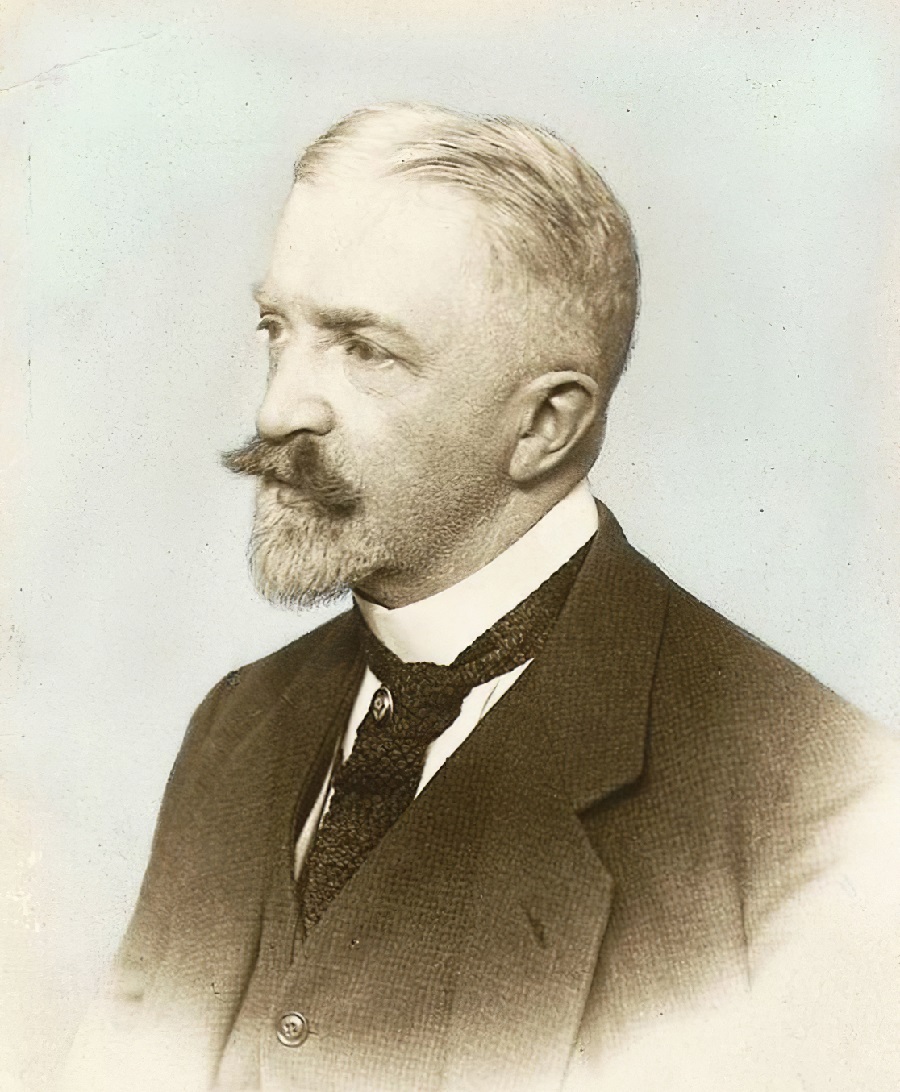
Paul Müller-Kaempff was a German painter, illustrator and lithographer. He is associated with the Düsseldorf school of painting.
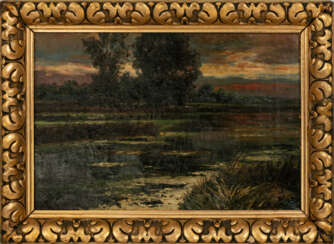

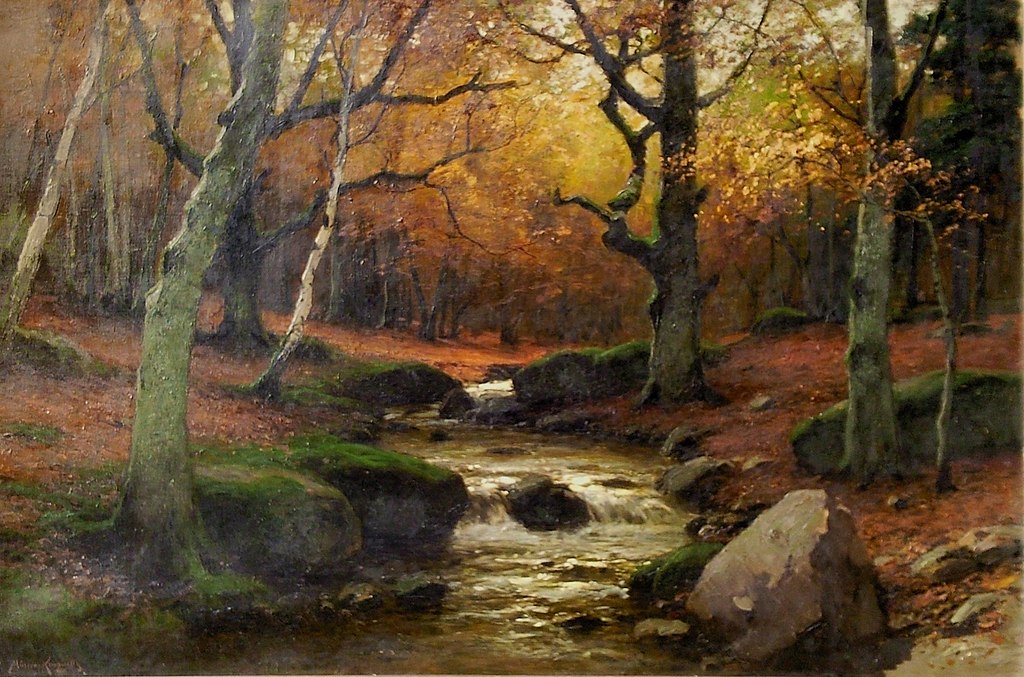
Konrad Alexander Müller-Kurzwelly was a German painter. He became known as an influential painter of naturalism and German impressionism. He studied at the Berlin Academy of Arts under Hans Fredrik Gude, who led a master class in landscape painting.
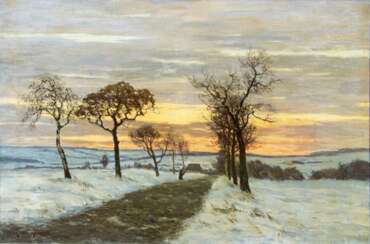
Konrad Müller-Kurzwelly began with a realistic landscape, following the Barbizon school, and was strongly oriented towards the reproduction of atmospheric moods. He often created Impressionist plein air sketches, which can be seen as works in their own right. It was important for him to reproduce sensually tangible impressions of nature in different seasons and create a pole of calm in his paintings, in contrast to the bustle of the ever-expanding metropolitan Berlin of the time.
Since 1883 Müller-Kurzwelli has been a member of the Berlin Artists' Association.
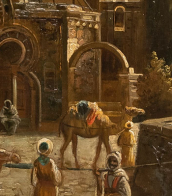


Paul Müller-Kaempff was a German painter, illustrator and lithographer. He is associated with the Düsseldorf school of painting.
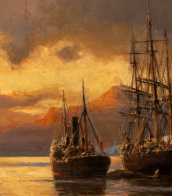
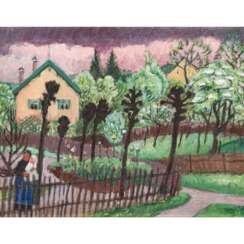

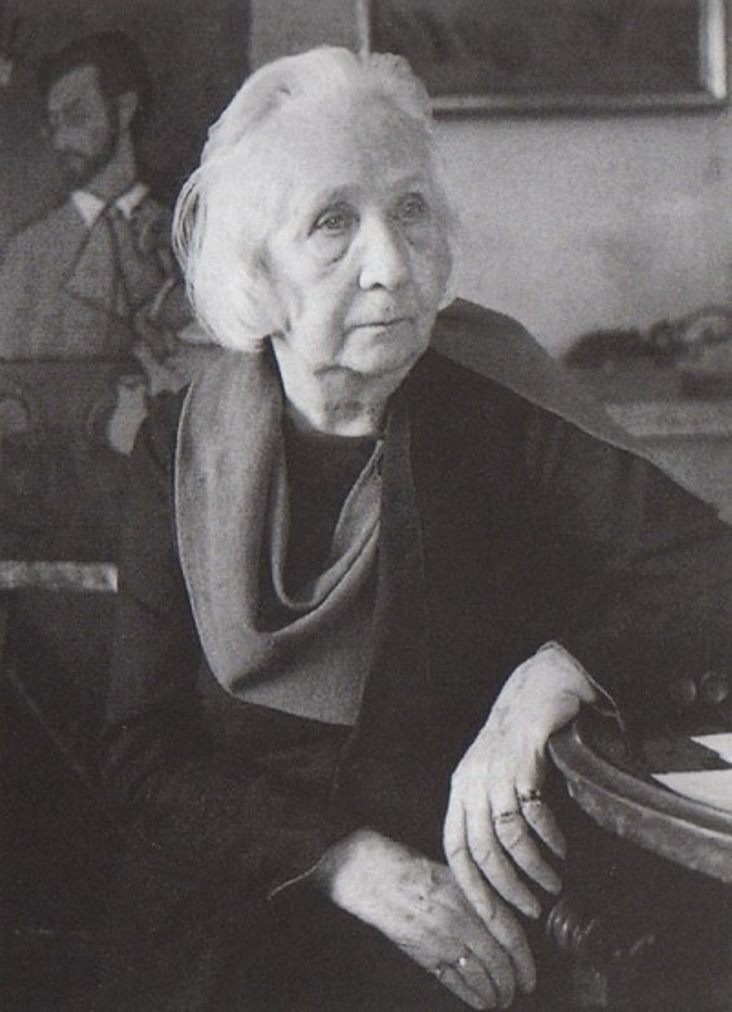
Gabriele Münter, a prominent German painter, left an indelible mark on the art world with her expressionist style and vibrant use of color. Born in Berlin in 1877, Münter was not just an artist but a trailblazer in the early 20th-century avant-garde movement in Munich. Her relationship with Wassily Kandinsky, both personal and professional, greatly influenced her artistic development and vice versa. Together, they explored Europe and North Africa, absorbing influences that would shape their styles. This period was crucial for Münter's transition from impressionistic to more abstract and expressive works, incorporating intense colors and simplified forms that became hallmarks of her style.
Münter's artistic evolution was significantly shaped by her time in Murnau, a Bavarian town that became a refuge and inspiration for her work. Here, she experimented with the Blaue Reiter aesthetic, emphasizing the emotional and spiritual over the representational. Münter's landscapes from this period are notable for their bold use of color and simplified forms, reflecting an intimate interaction with nature. Works like "Jawlensky and Werefkin" and "Lower Main Street, Murnau" exemplify her mastery of color and form, showcasing her ability to capture the essence of her subjects through a unique visual language.
Throughout her career, Münter contributed significantly to the German Expressionist movement, particularly through her involvement with Der Blaue Reiter group. Despite the challenges of World War I and the subsequent estrangement from Kandinsky, she continued to innovate and express her vision through her art. In her later years, Münter's commitment to preserving the legacy of the Blaue Reiter group was demonstrated through her donation of a substantial collection of artworks to the Städtische Galerie im Lenbachhaus in Munich.
For collectors and experts in art and antiques, Gabriele Münter's work represents a pivotal moment in the history of expressionism, offering insights into the movement's evolution and the role of women artists in shaping modern art. Her contributions, both in her vibrant landscapes and in her pioneering spirit, continue to inspire and captivate audiences around the world.
To stay updated on new product sales and auction events related to Gabriele Münter, signing up for updates is an invaluable resource for enthusiasts keen on exploring the depths of expressionism and the enduring legacy of this remarkable artist.

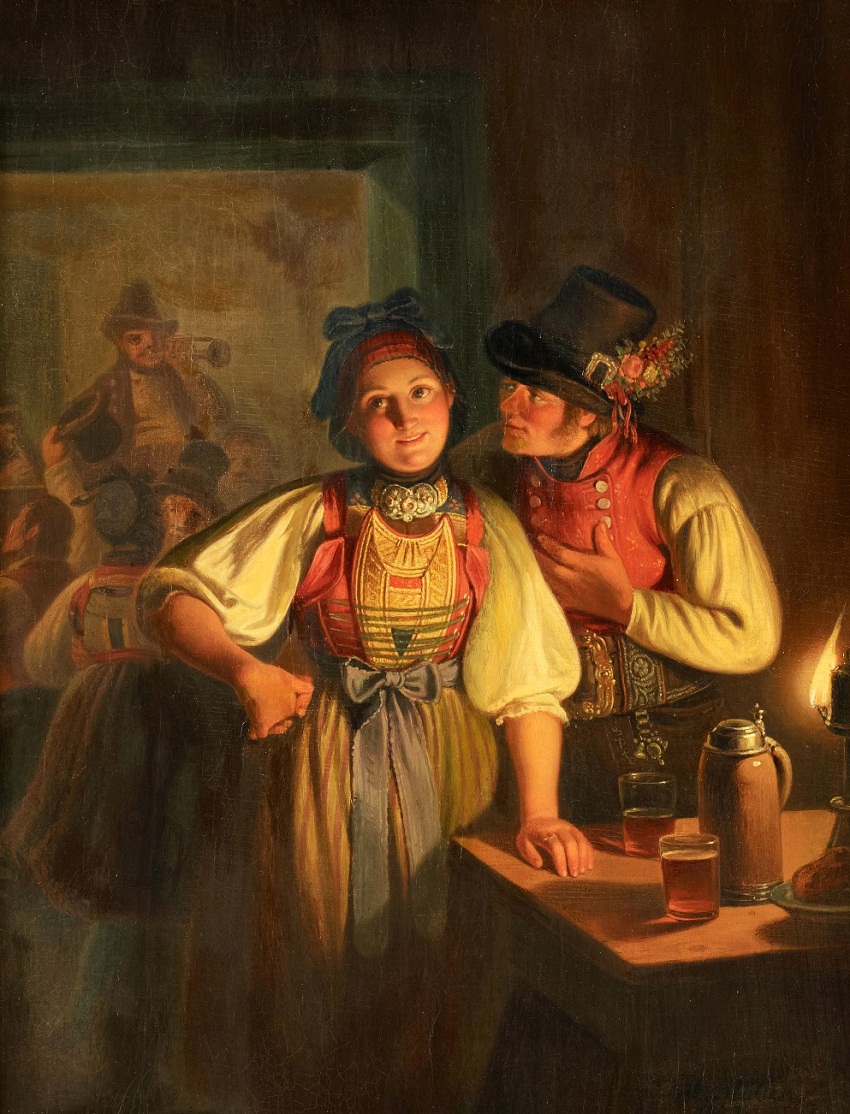
Carl Friedrich Moritz Müller was a 19th century German realist painter and master of the genre.

Carl Friedrich Moritz Müller was a 19th century German realist painter and master of the genre.
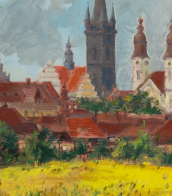
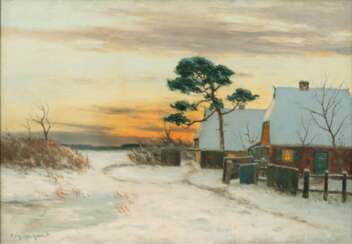

Paul Müller-Kaempff was a German painter, illustrator and lithographer. He is associated with the Düsseldorf school of painting.
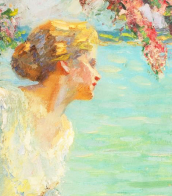
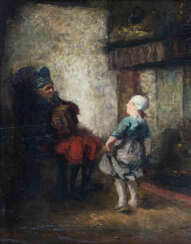

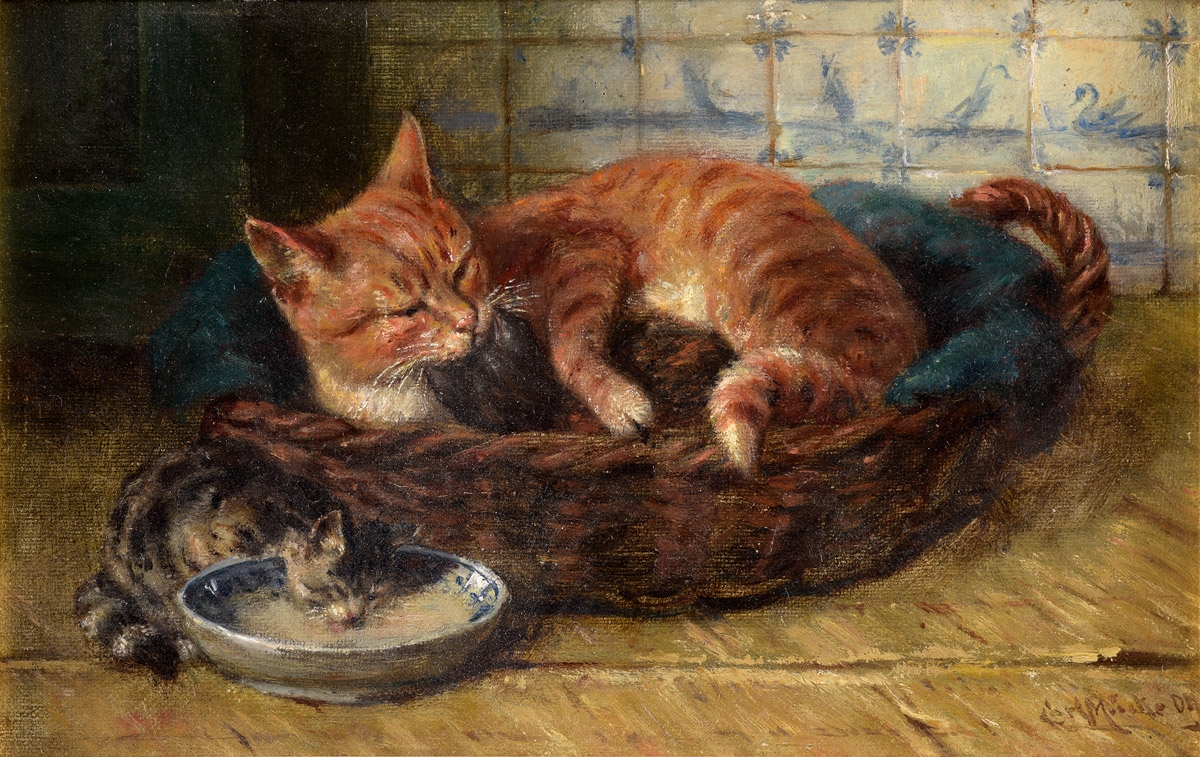
Karl Emil Mücke, also Carl Mücke, was a German genre and animal painter of the Düsseldorf School.
Mücke's works were represented at exhibitions in Düsseldorf, Munich and Berlin, among others.

Karl Emil Mücke, also Carl Mücke, was a German genre and animal painter of the Düsseldorf School.
Mücke's works were represented at exhibitions in Düsseldorf, Munich and Berlin, among others.
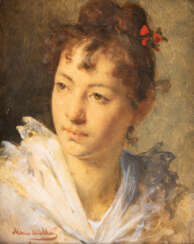

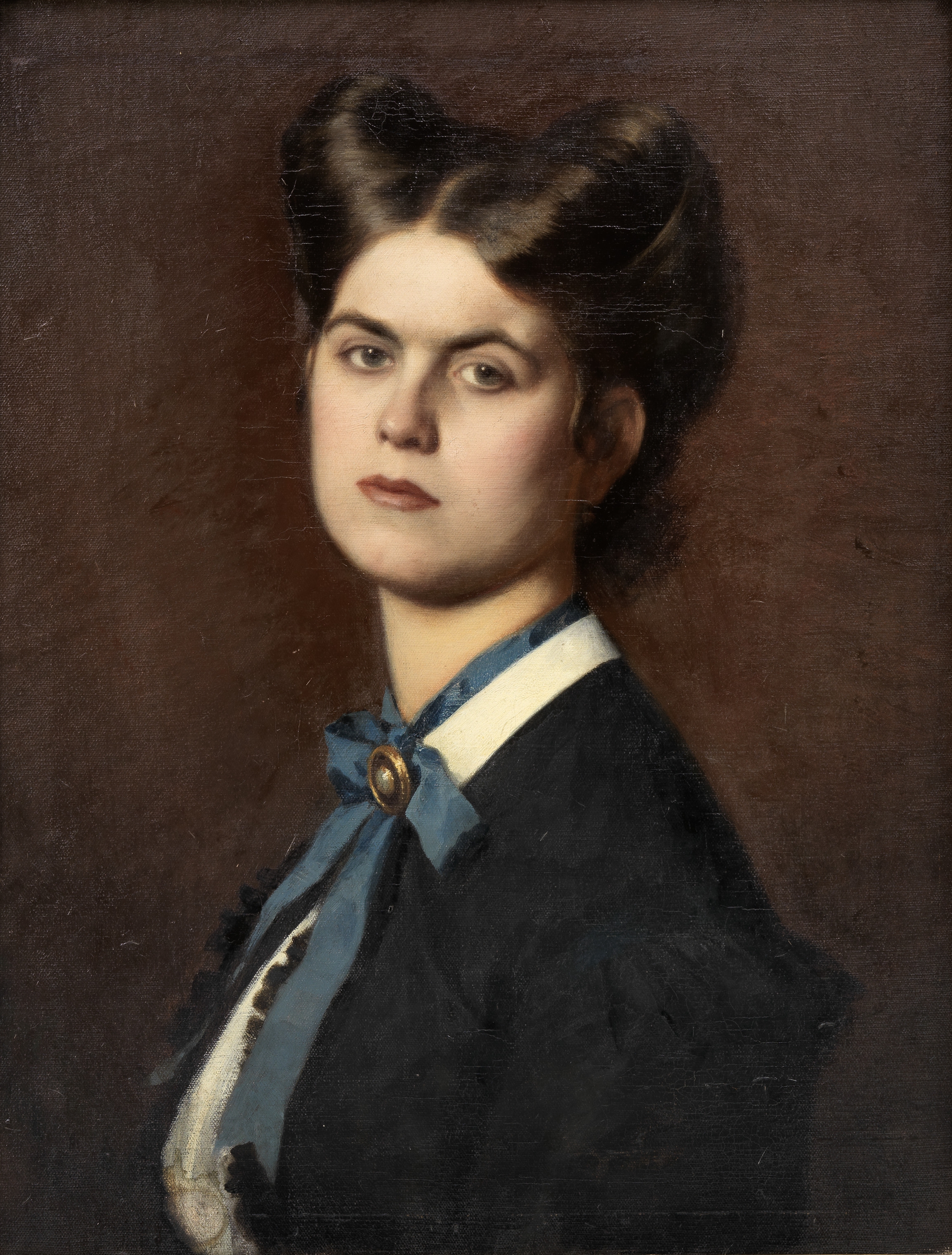
Marie Müller was an Austrian portrait painter.
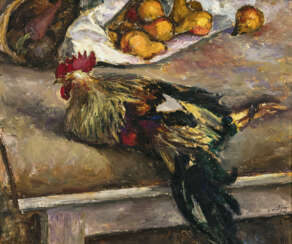

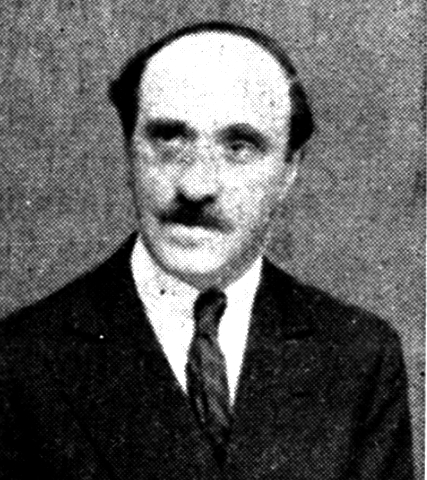
Samuel Mützner was a Romanian painter of Jewish origin. He studied at the Royal Bavarian Academy of Arts in Munich and was influenced by Claude Monet.
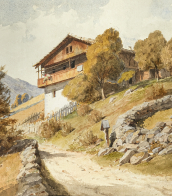
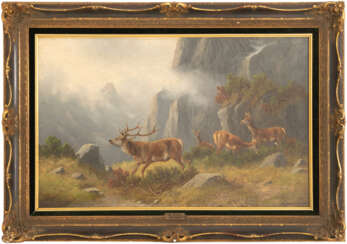

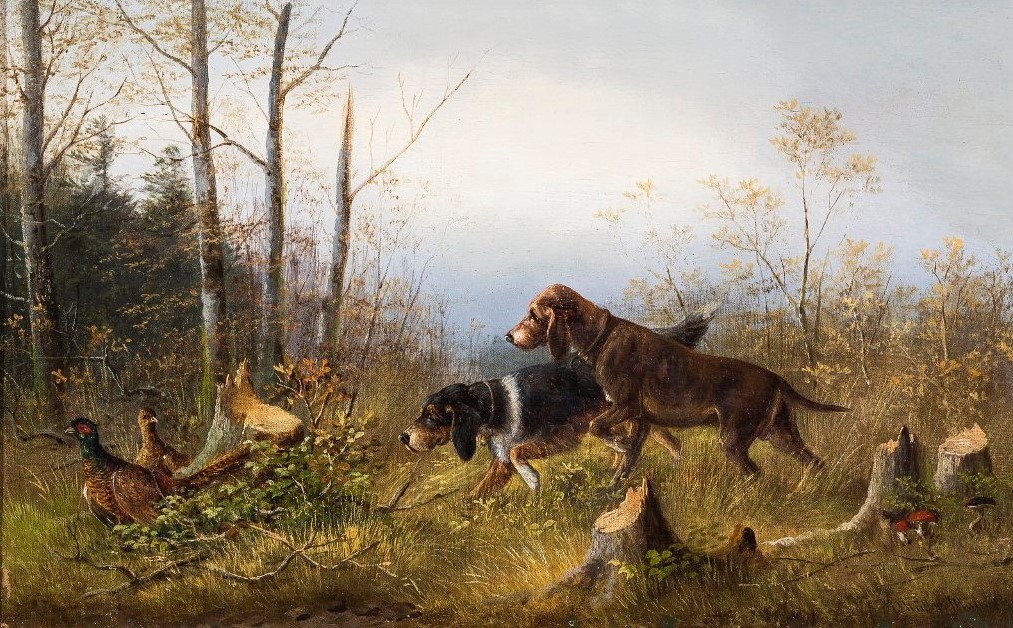
Moritz Müller was a German painter who lived and worked in Germany.
His subject matter is hunting, hunting dogs, wild animals and birds in their environment in nature, and landscapes.

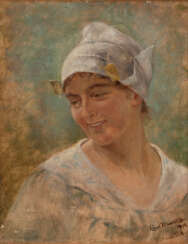

Karl Emil Mücke, also Carl Mücke, was a German genre and animal painter of the Düsseldorf School.
Mücke's works were represented at exhibitions in Düsseldorf, Munich and Berlin, among others.
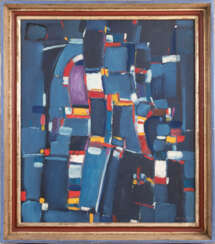

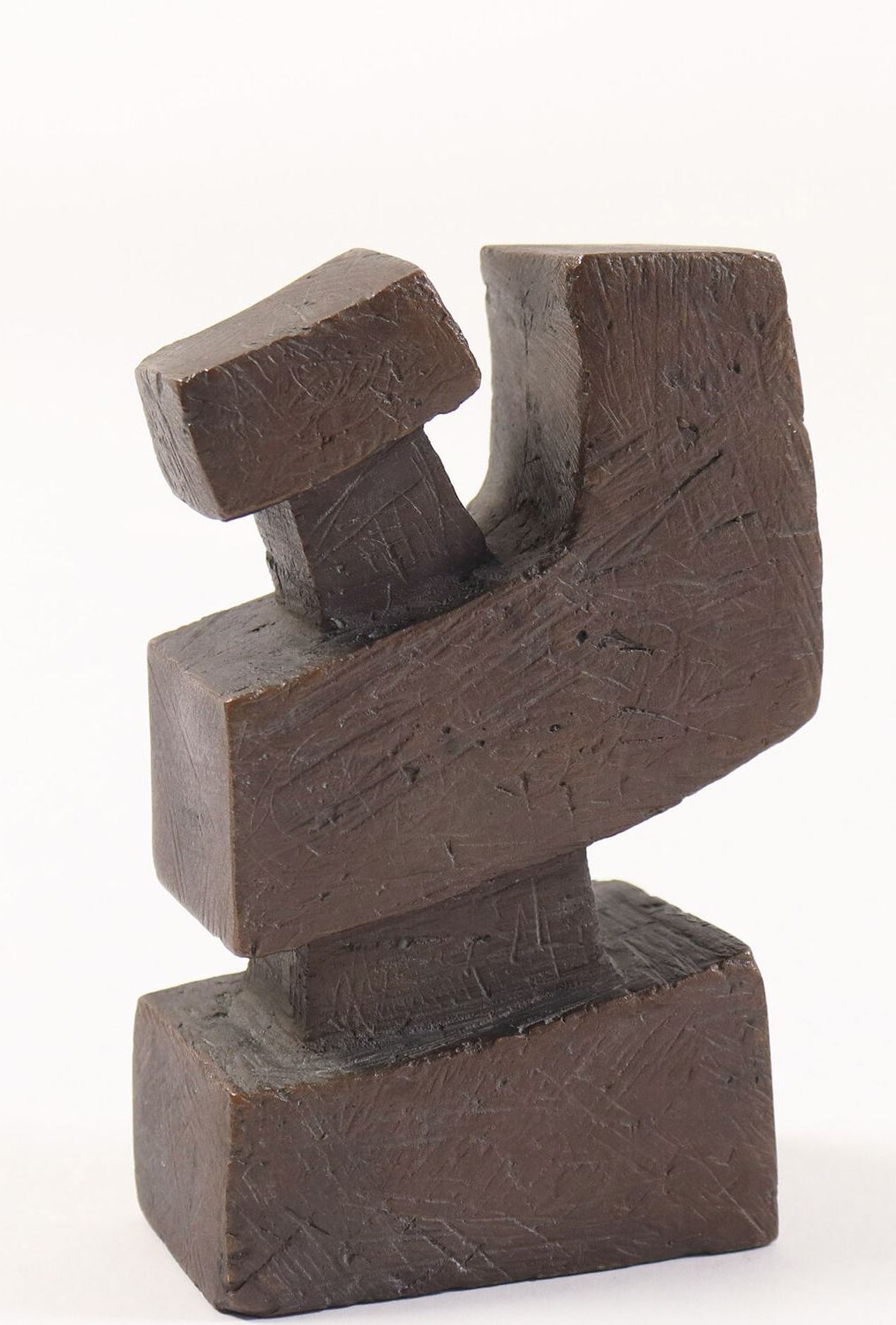
Bernhard Müller-Feyen was a German painter, sculptor and teacher.
He was a master student at the Werkschulen in Cologne, a teacher at the art academy in Istanbul, and a freelance painter in his hometown of Adenau. Müller-Feyen's pictorial works were mainly abstract landscapes, while in sculpture he created minimalist forms. In 1985 his first anthropomorphic looping forms, also called archetypes, emerged. And his last work before his death was a memorial to the victims of September 11, 2001 at Ground Zero in New York City.
Müller-Feyen's work has been featured in many national and international exhibitions.
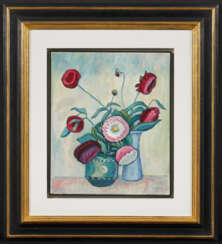

Gabriele Münter, a prominent German painter, left an indelible mark on the art world with her expressionist style and vibrant use of color. Born in Berlin in 1877, Münter was not just an artist but a trailblazer in the early 20th-century avant-garde movement in Munich. Her relationship with Wassily Kandinsky, both personal and professional, greatly influenced her artistic development and vice versa. Together, they explored Europe and North Africa, absorbing influences that would shape their styles. This period was crucial for Münter's transition from impressionistic to more abstract and expressive works, incorporating intense colors and simplified forms that became hallmarks of her style.
Münter's artistic evolution was significantly shaped by her time in Murnau, a Bavarian town that became a refuge and inspiration for her work. Here, she experimented with the Blaue Reiter aesthetic, emphasizing the emotional and spiritual over the representational. Münter's landscapes from this period are notable for their bold use of color and simplified forms, reflecting an intimate interaction with nature. Works like "Jawlensky and Werefkin" and "Lower Main Street, Murnau" exemplify her mastery of color and form, showcasing her ability to capture the essence of her subjects through a unique visual language.
Throughout her career, Münter contributed significantly to the German Expressionist movement, particularly through her involvement with Der Blaue Reiter group. Despite the challenges of World War I and the subsequent estrangement from Kandinsky, she continued to innovate and express her vision through her art. In her later years, Münter's commitment to preserving the legacy of the Blaue Reiter group was demonstrated through her donation of a substantial collection of artworks to the Städtische Galerie im Lenbachhaus in Munich.
For collectors and experts in art and antiques, Gabriele Münter's work represents a pivotal moment in the history of expressionism, offering insights into the movement's evolution and the role of women artists in shaping modern art. Her contributions, both in her vibrant landscapes and in her pioneering spirit, continue to inspire and captivate audiences around the world.
To stay updated on new product sales and auction events related to Gabriele Münter, signing up for updates is an invaluable resource for enthusiasts keen on exploring the depths of expressionism and the enduring legacy of this remarkable artist.

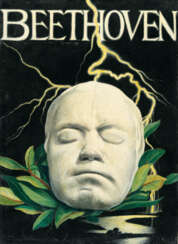

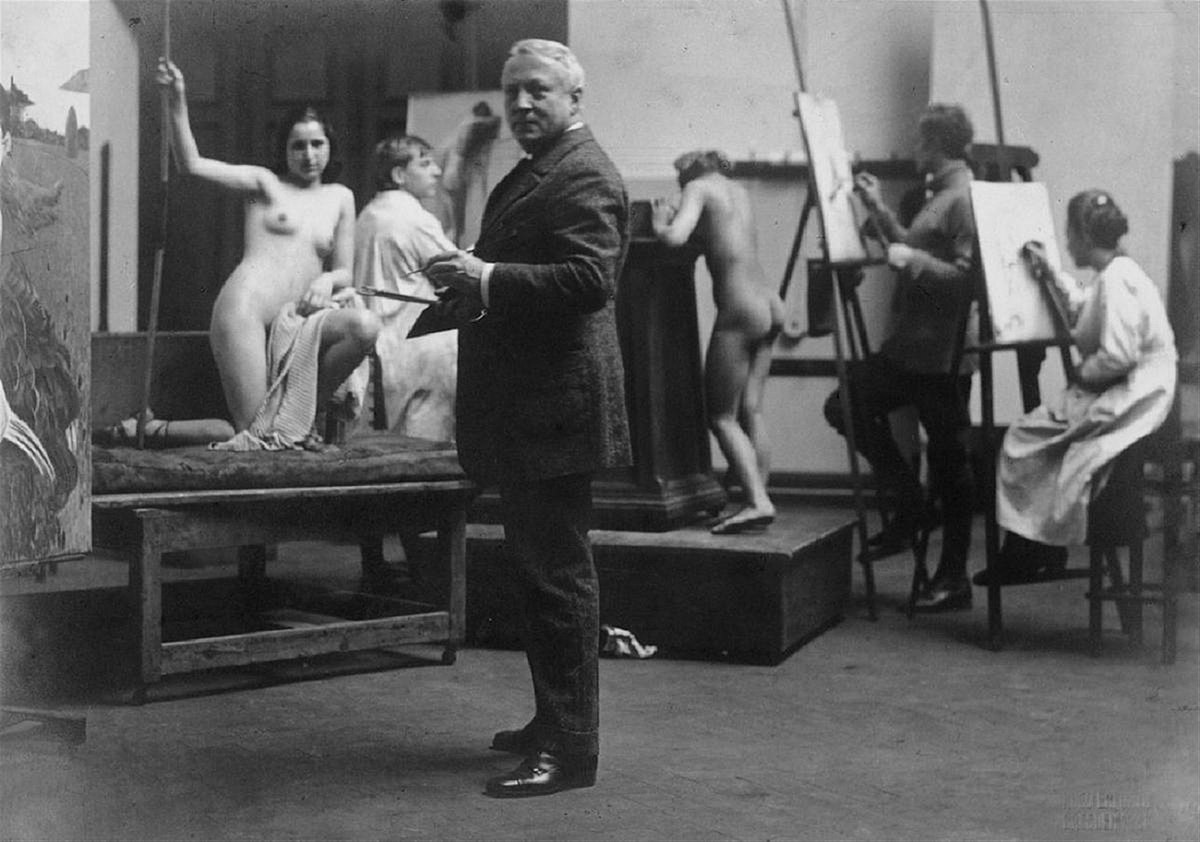
Richard Müller was a German painter and graphic artist. His artistic talent was evident early on. In 1893 he became self-employed as a painter in Dresden. In the fall of 1894, Müller exhibited landscape and animal studies for the first time in the Ernst Arnold Art Salon. In 1895 he met Max Klinger, who encouraged him to study etching techniques. In 1896 he was represented by Arnold at the exhibition "Hand Drawings of German Artists" and won the Grand Rome Prize of the Prussian Academy of Arts, endowed with 6000 gold marks, for his etching "Adam and Eve". In 1900 he received a professorship at the academy, meanwhile as well known in Dresden as Klinger. Müller was highly valued as a painter during the National Socialist era.



















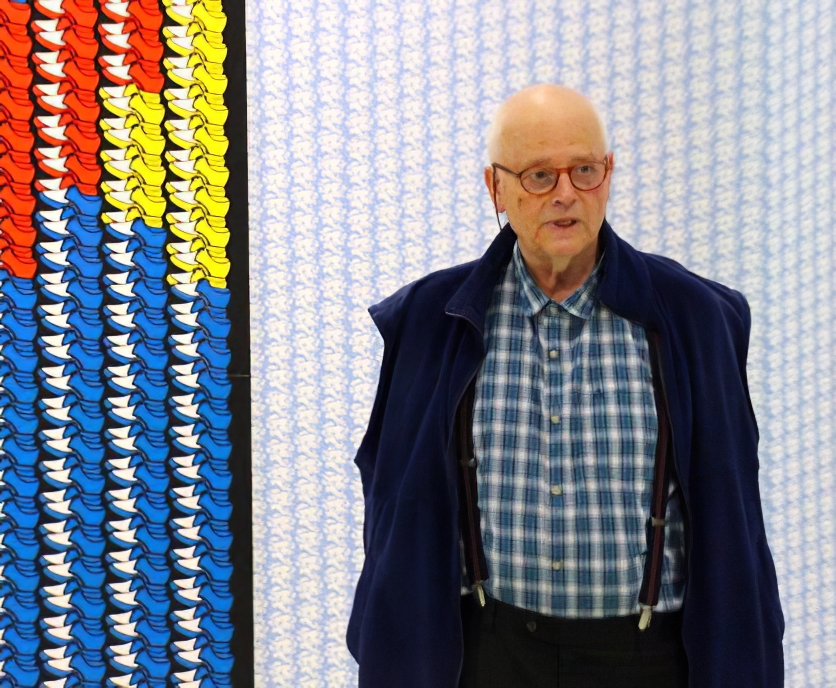
Thomas Bayrle is a contemporary German conceptual artist.