michael mül



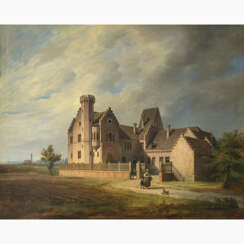

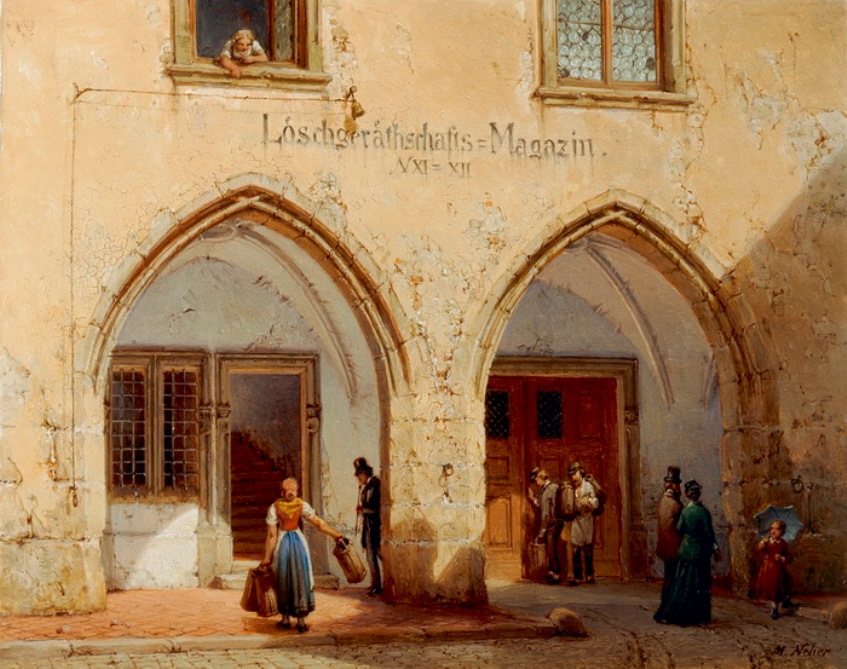
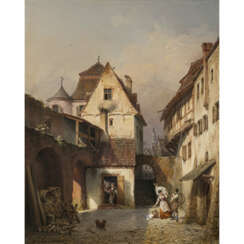
Michael Neher was a German painter and architectural decorator.
Michael studied at the Academy in Munich, in 1819 went to Italy and spent five years there, including two years in Rome, where he studied architectural painting in the studio of the artist Heinrich Maria von Hess, and in 1825 returned to Munich.
As a typical representative of the Biedermeier era, Neher produced many costume drawings and landscapes. He also became famous for his views of public places and architectural depictions of many Bavarian towns. From 1837, Michel Neher devoted himself entirely to architectural painting and traveled to improve his skills along the Rhine and to Belgium. In 1839 he painted several salons in Hohenschwangen Castle from designs by Schwind, Gasner and Schwanthaler. In 1876 he was made an honorary member of the Munich Academy.

Michael Neher was a German painter and architectural decorator.
Michael studied at the Academy in Munich, in 1819 went to Italy and spent five years there, including two years in Rome, where he studied architectural painting in the studio of the artist Heinrich Maria von Hess, and in 1825 returned to Munich.
As a typical representative of the Biedermeier era, Neher produced many costume drawings and landscapes. He also became famous for his views of public places and architectural depictions of many Bavarian towns. From 1837, Michel Neher devoted himself entirely to architectural painting and traveled to improve his skills along the Rhine and to Belgium. In 1839 he painted several salons in Hohenschwangen Castle from designs by Schwind, Gasner and Schwanthaler. In 1876 he was made an honorary member of the Munich Academy.
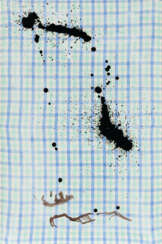

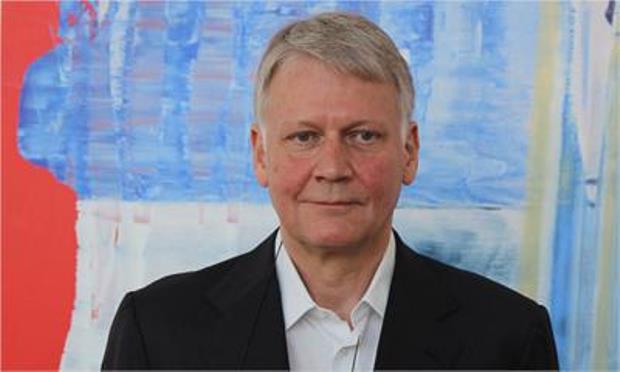


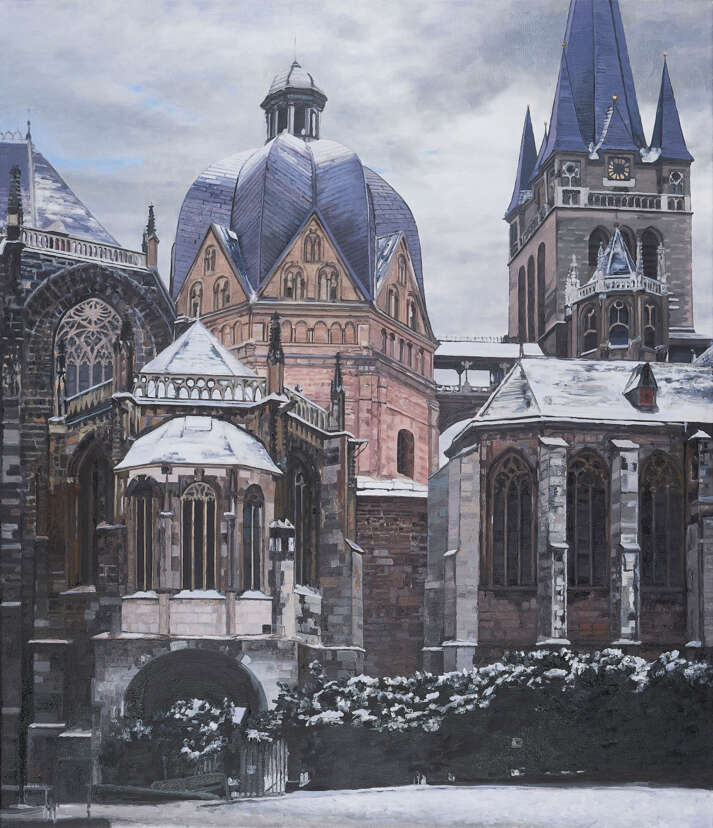
Michael Bach is a contemporary German painter.



Michael van Ofen is a German artist who lives and works in Düsseldorf, Germany.
Van Ofen's works are based on well-known paintings from the nineteenth century. He takes them apart into pictorial elements and reassembles them like a mosaic or a puzzle, in the process creating a new work, alienated from its roots, but faithful to its original idea and form. The objects in the artist's works are divided down to the brushstrokes, they are usually dominated by a single color.
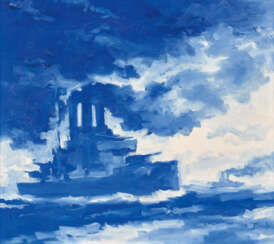

Michael van Ofen is a German artist who lives and works in Düsseldorf, Germany.
Van Ofen's works are based on well-known paintings from the nineteenth century. He takes them apart into pictorial elements and reassembles them like a mosaic or a puzzle, in the process creating a new work, alienated from its roots, but faithful to its original idea and form. The objects in the artist's works are divided down to the brushstrokes, they are usually dominated by a single color.
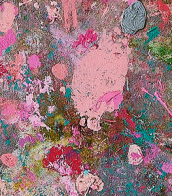
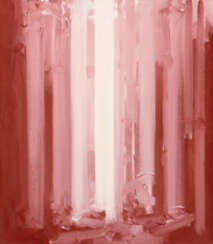

Michael van Ofen is a German artist who lives and works in Düsseldorf, Germany.
Van Ofen's works are based on well-known paintings from the nineteenth century. He takes them apart into pictorial elements and reassembles them like a mosaic or a puzzle, in the process creating a new work, alienated from its roots, but faithful to its original idea and form. The objects in the artist's works are divided down to the brushstrokes, they are usually dominated by a single color.
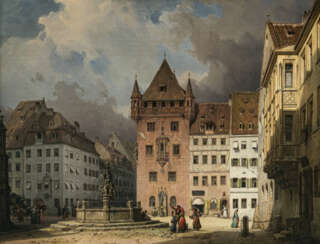

Michael Neher was a German painter and architectural decorator.
Michael studied at the Academy in Munich, in 1819 went to Italy and spent five years there, including two years in Rome, where he studied architectural painting in the studio of the artist Heinrich Maria von Hess, and in 1825 returned to Munich.
As a typical representative of the Biedermeier era, Neher produced many costume drawings and landscapes. He also became famous for his views of public places and architectural depictions of many Bavarian towns. From 1837, Michel Neher devoted himself entirely to architectural painting and traveled to improve his skills along the Rhine and to Belgium. In 1839 he painted several salons in Hohenschwangen Castle from designs by Schwind, Gasner and Schwanthaler. In 1876 he was made an honorary member of the Munich Academy.


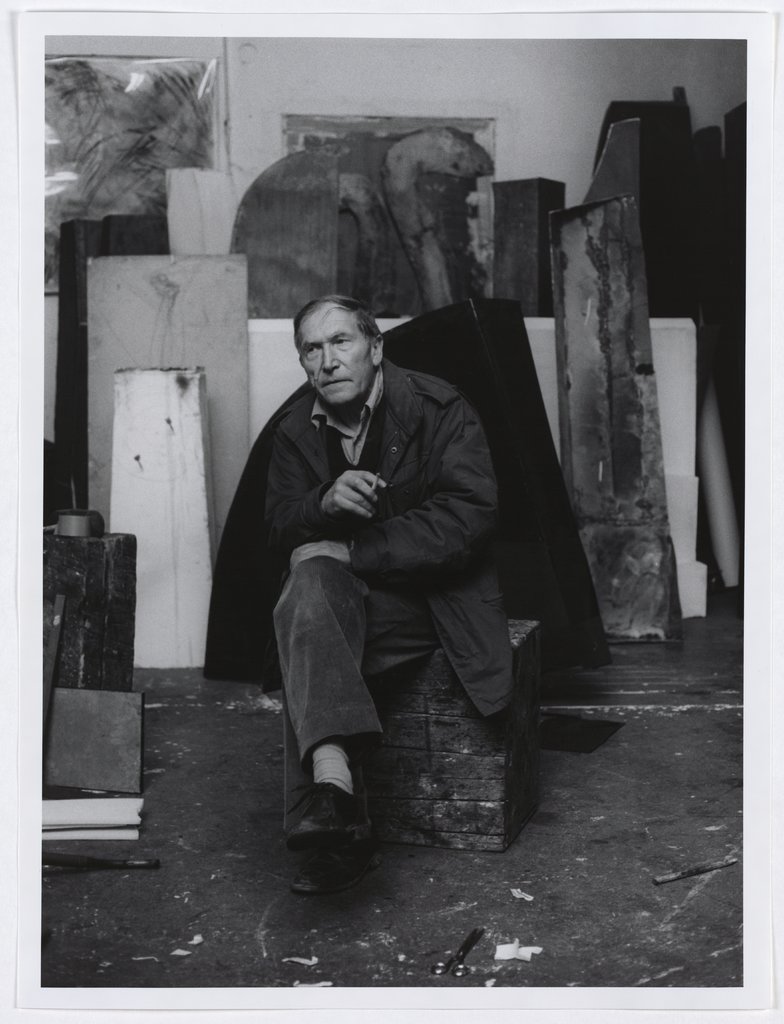
Michael Croissant was a German artist and sculptor.

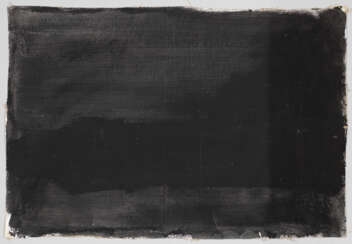

Michael Croissant was a German artist and sculptor.
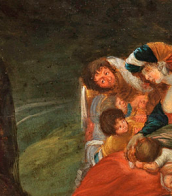
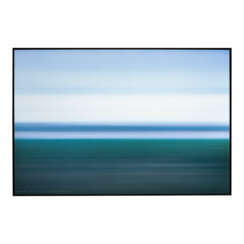

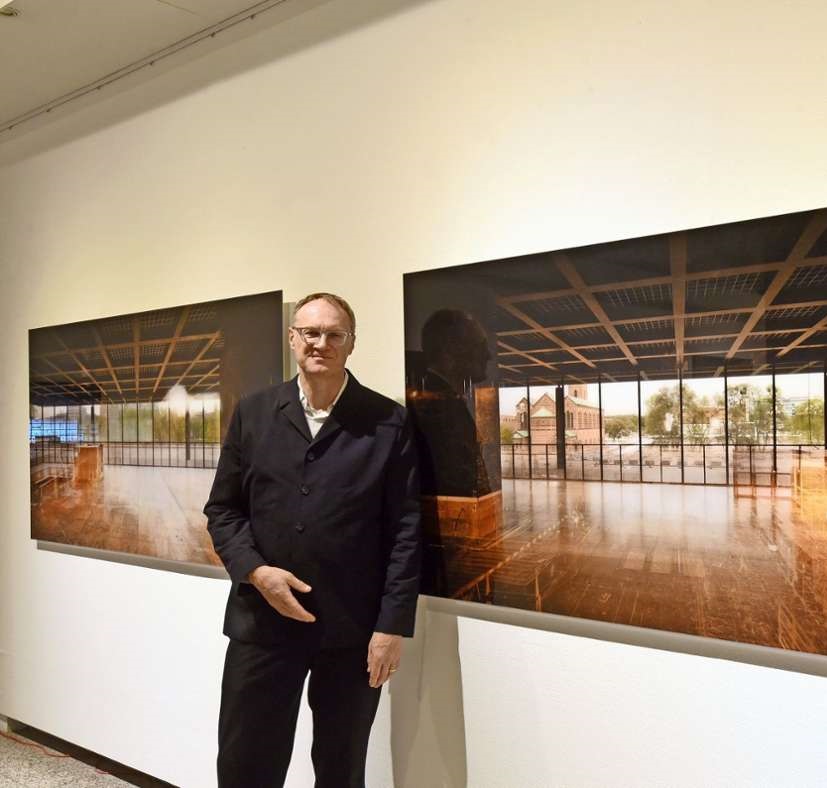
Michael Wesely is a German art photographer who is best known for his photos of cities, buildings, landscapes, and still lives of flowers taken with a special ultra-long exposure technique. Michael Wesely lives and works in Berlin.
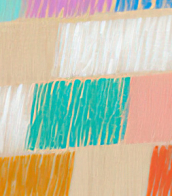
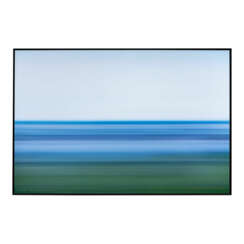

Michael Wesely is a German art photographer who is best known for his photos of cities, buildings, landscapes, and still lives of flowers taken with a special ultra-long exposure technique. Michael Wesely lives and works in Berlin.
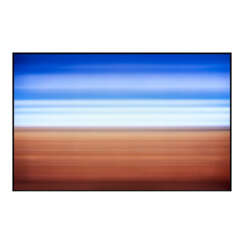

Michael Wesely is a German art photographer who is best known for his photos of cities, buildings, landscapes, and still lives of flowers taken with a special ultra-long exposure technique. Michael Wesely lives and works in Berlin.
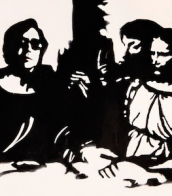
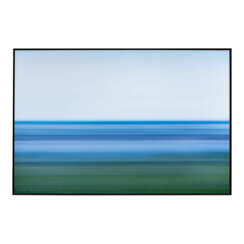

Michael Wesely is a German art photographer who is best known for his photos of cities, buildings, landscapes, and still lives of flowers taken with a special ultra-long exposure technique. Michael Wesely lives and works in Berlin.
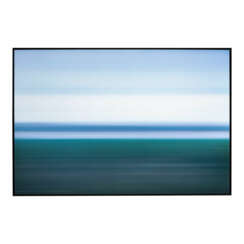

Michael Wesely is a German art photographer who is best known for his photos of cities, buildings, landscapes, and still lives of flowers taken with a special ultra-long exposure technique. Michael Wesely lives and works in Berlin.


Michael van Ofen is a German artist who lives and works in Düsseldorf, Germany.
Van Ofen's works are based on well-known paintings from the nineteenth century. He takes them apart into pictorial elements and reassembles them like a mosaic or a puzzle, in the process creating a new work, alienated from its roots, but faithful to its original idea and form. The objects in the artist's works are divided down to the brushstrokes, they are usually dominated by a single color.

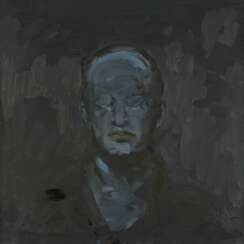

Michael van Ofen is a German artist who lives and works in Düsseldorf, Germany.
Van Ofen's works are based on well-known paintings from the nineteenth century. He takes them apart into pictorial elements and reassembles them like a mosaic or a puzzle, in the process creating a new work, alienated from its roots, but faithful to its original idea and form. The objects in the artist's works are divided down to the brushstrokes, they are usually dominated by a single color.
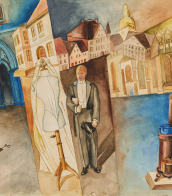


Michael Wesely is a German art photographer who is best known for his photos of cities, buildings, landscapes, and still lives of flowers taken with a special ultra-long exposure technique. Michael Wesely lives and works in Berlin.


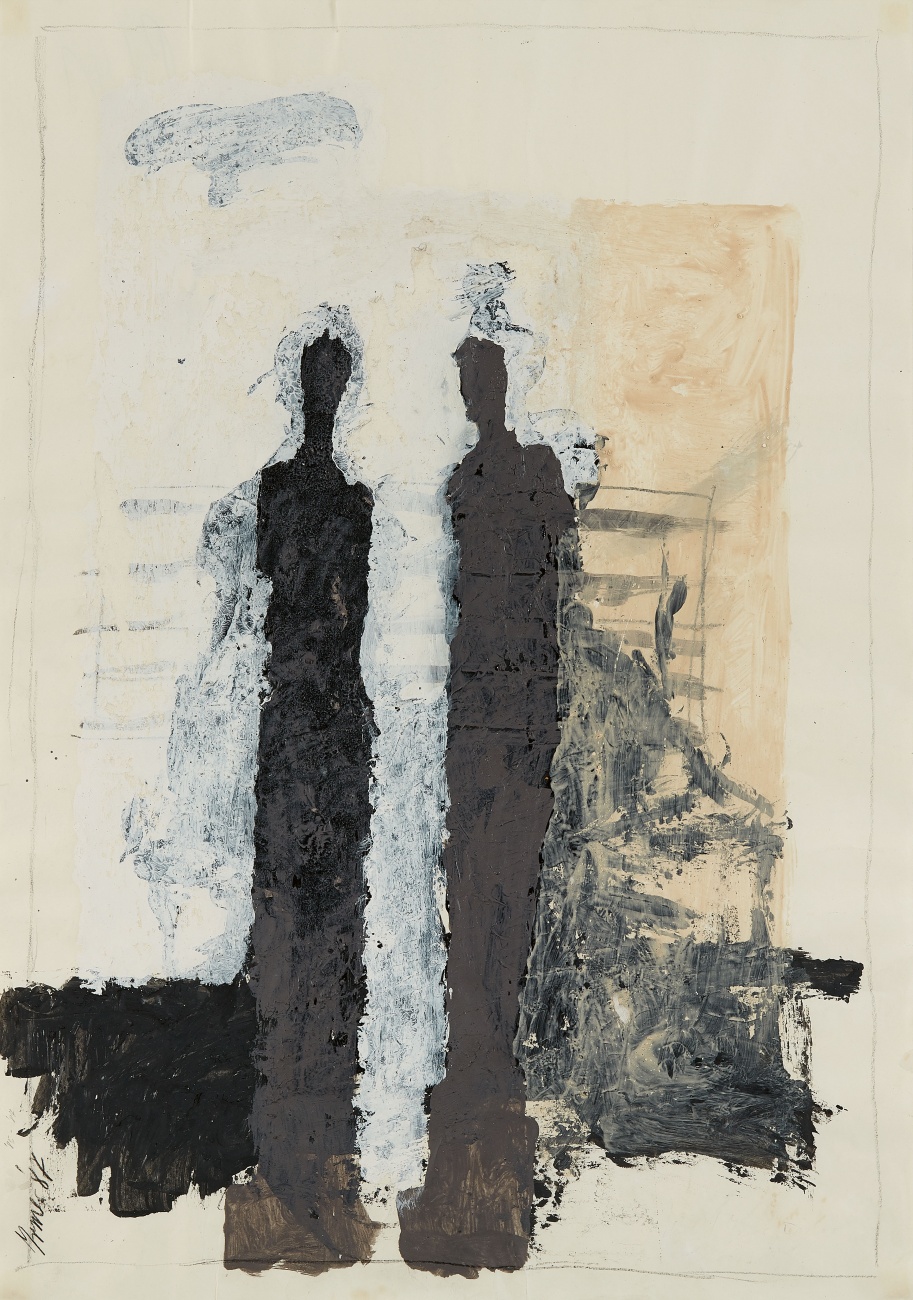
Michael Irmer is a German visual conceptual artist.
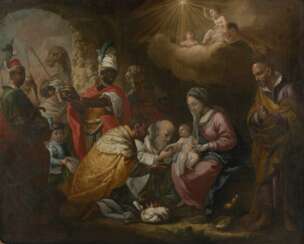

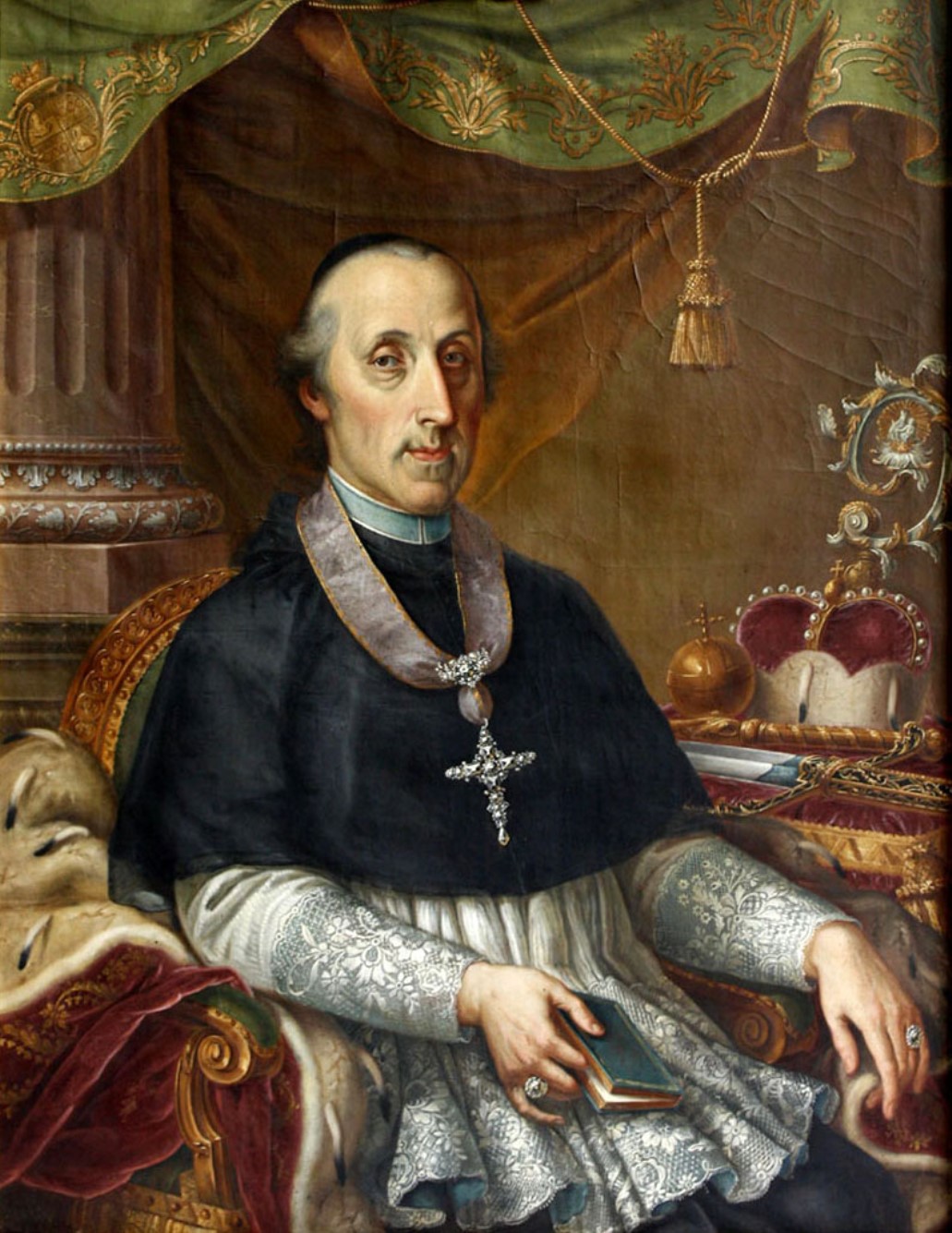
Johann Michael Koneberg was a German painter, court painter to the Prince Abbot of Kempten, who created portraits and various altarpieces for the monastery. Koneberg's main work is considered to be a cycle of frescoes of 20 motifs from the life of Mary.
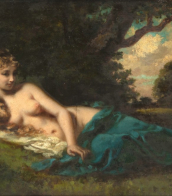


Michael van Ofen is a German artist who lives and works in Düsseldorf, Germany.
Van Ofen's works are based on well-known paintings from the nineteenth century. He takes them apart into pictorial elements and reassembles them like a mosaic or a puzzle, in the process creating a new work, alienated from its roots, but faithful to its original idea and form. The objects in the artist's works are divided down to the brushstrokes, they are usually dominated by a single color.
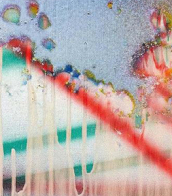
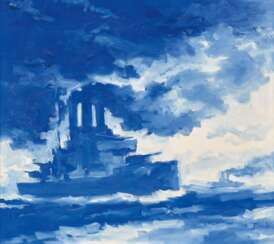

Michael van Ofen is a German artist who lives and works in Düsseldorf, Germany.
Van Ofen's works are based on well-known paintings from the nineteenth century. He takes them apart into pictorial elements and reassembles them like a mosaic or a puzzle, in the process creating a new work, alienated from its roots, but faithful to its original idea and form. The objects in the artist's works are divided down to the brushstrokes, they are usually dominated by a single color.
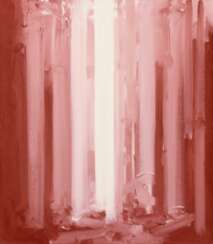

Michael van Ofen is a German artist who lives and works in Düsseldorf, Germany.
Van Ofen's works are based on well-known paintings from the nineteenth century. He takes them apart into pictorial elements and reassembles them like a mosaic or a puzzle, in the process creating a new work, alienated from its roots, but faithful to its original idea and form. The objects in the artist's works are divided down to the brushstrokes, they are usually dominated by a single color.
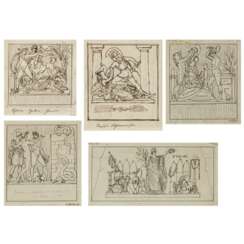

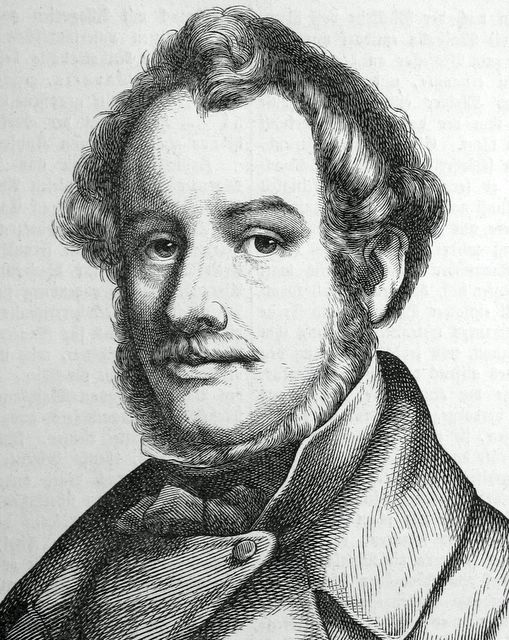
Ludwig Michael Schwanthaler, ennobled as Ritter von Schwanthaler, was a Bavarian sculptor and a key figure in the Classical movement in southern Germany. He was born on 26 August 1802 in Munich to a family that had been involved in sculpture for centuries.
Schwanthaler's journey began under his father's tutelage before he formally trained at the Munich Academy. His talent was so profound that he received commissions from royalty and mentorship from the likes of Peter von Cornelius. He further honed his skills in Rome, where he was influenced by Bertel Thorvaldsen. Returning to Munich, Schwanthaler met the demands for sculpture head-on, collaborating with architects and painters to revive the arts in Bavaria.
Among his many works, the statues in the Neues Palais and the figures in the Alte Pinakothek are notable. His versatility also shone in sacred art, with his contributions to St Ludwig and St Mariahilf churches. The Ruhmeshalle's metopes and the monumental Bavaria statue demonstrate his artistic bravery. Schwanthaler's life was dedicated to his craft, and upon his death on November 14, 1848, he bequeathed his models and studies to the Munich Academy, forming the Schwanthaler Museum.
For art enthusiasts, Schwanthaler's legacy offers a deep dive into classical sculpture's golden age. His works remain a testament to the neoclassical aesthetic and are celebrated for their historical and artistic significance.
Engage with the grandeur of Schwanthaler's art by signing up for updates, and take part in preserving the memory of one of Bavaria's master sculptors.
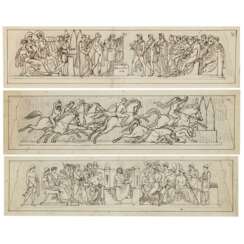

Ludwig Michael Schwanthaler, ennobled as Ritter von Schwanthaler, was a Bavarian sculptor and a key figure in the Classical movement in southern Germany. He was born on 26 August 1802 in Munich to a family that had been involved in sculpture for centuries.
Schwanthaler's journey began under his father's tutelage before he formally trained at the Munich Academy. His talent was so profound that he received commissions from royalty and mentorship from the likes of Peter von Cornelius. He further honed his skills in Rome, where he was influenced by Bertel Thorvaldsen. Returning to Munich, Schwanthaler met the demands for sculpture head-on, collaborating with architects and painters to revive the arts in Bavaria.
Among his many works, the statues in the Neues Palais and the figures in the Alte Pinakothek are notable. His versatility also shone in sacred art, with his contributions to St Ludwig and St Mariahilf churches. The Ruhmeshalle's metopes and the monumental Bavaria statue demonstrate his artistic bravery. Schwanthaler's life was dedicated to his craft, and upon his death on November 14, 1848, he bequeathed his models and studies to the Munich Academy, forming the Schwanthaler Museum.
For art enthusiasts, Schwanthaler's legacy offers a deep dive into classical sculpture's golden age. His works remain a testament to the neoclassical aesthetic and are celebrated for their historical and artistic significance.
Engage with the grandeur of Schwanthaler's art by signing up for updates, and take part in preserving the memory of one of Bavaria's master sculptors.