minimalismus
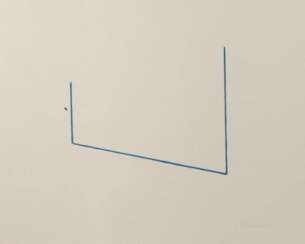

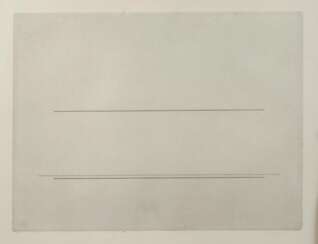


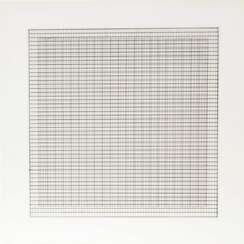

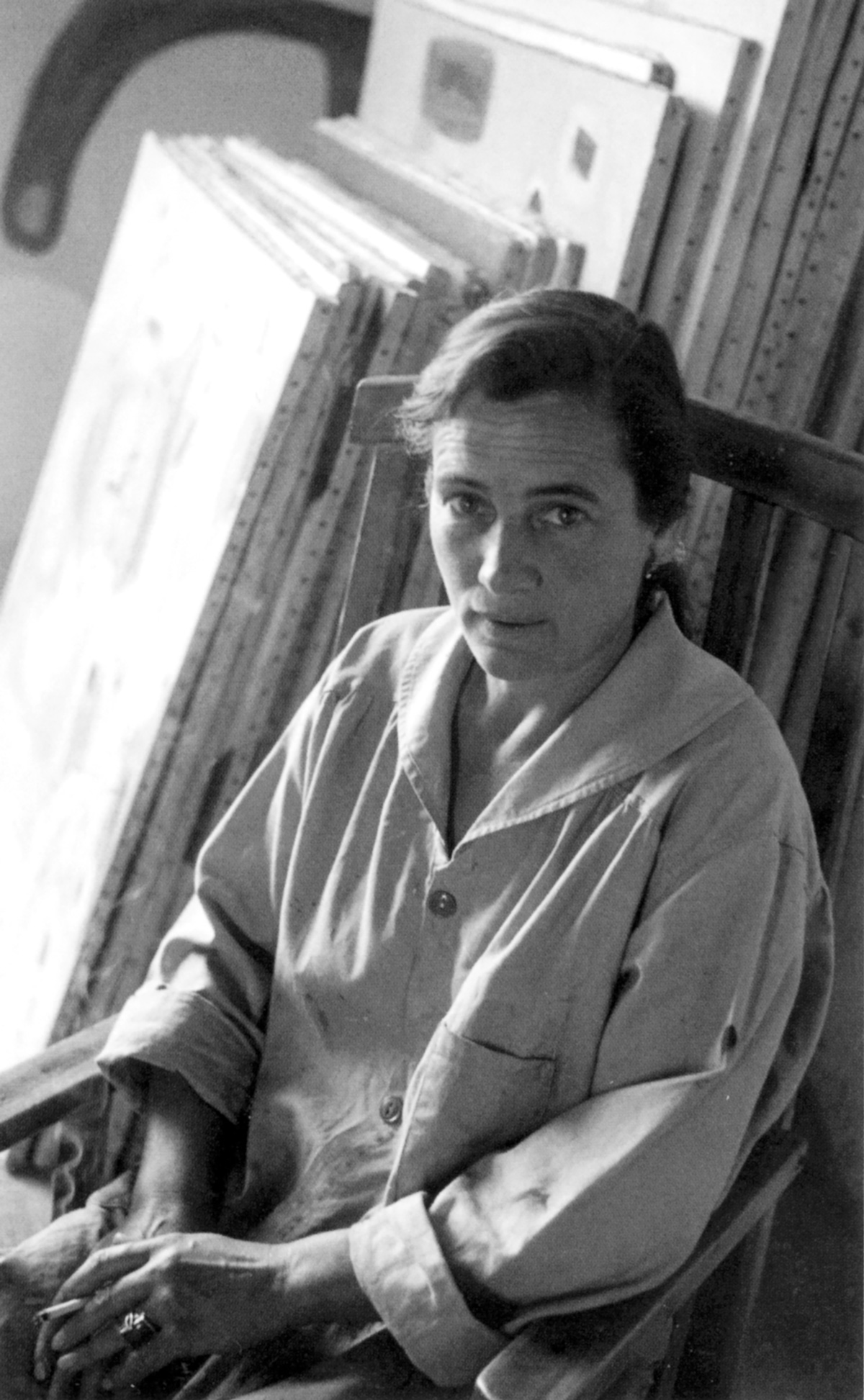
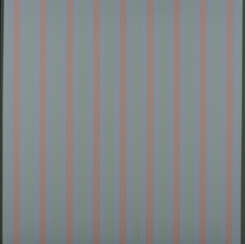
Agnes Martin was an American abstract painter. Her work has been defined as an "essay in discretion on inward-ness and silence". Although she is often considered or referred to as a minimalist, Martin considered herself an abstract expressionist and was one of the leading practitioners of Abstract Expressionism in the 20th century. She was awarded a National Medal of Arts from the National Endowment for the Arts in 1998. She was elected to the Royal Canadian Academy of Arts in 2004.
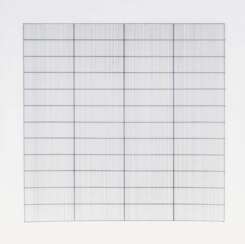

Agnes Martin was an American abstract painter. Her work has been defined as an "essay in discretion on inward-ness and silence". Although she is often considered or referred to as a minimalist, Martin considered herself an abstract expressionist and was one of the leading practitioners of Abstract Expressionism in the 20th century. She was awarded a National Medal of Arts from the National Endowment for the Arts in 1998. She was elected to the Royal Canadian Academy of Arts in 2004.
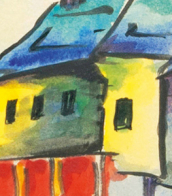


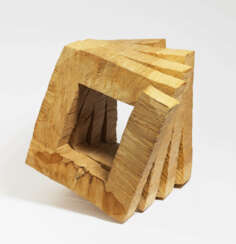

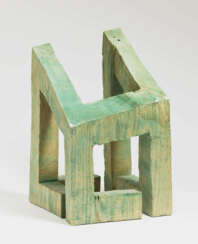


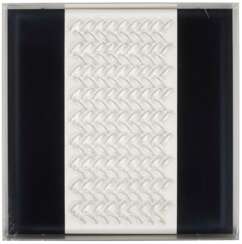
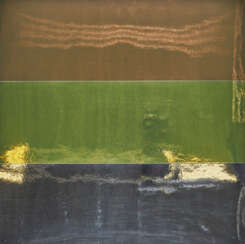
Christian Roeckenschuss was a German artist, a representative of postwar minimalism.
In his work, the artist experimented with stationery, working with grids, wood stencils, paper and plexiglass.


Christian Roeckenschuss was a German artist, a representative of postwar minimalism.
In his work, the artist experimented with stationery, working with grids, wood stencils, paper and plexiglass.
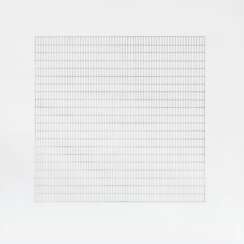

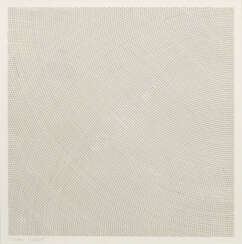

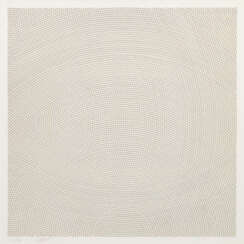



Agnes Martin was an American abstract painter. Her work has been defined as an "essay in discretion on inward-ness and silence". Although she is often considered or referred to as a minimalist, Martin considered herself an abstract expressionist and was one of the leading practitioners of Abstract Expressionism in the 20th century. She was awarded a National Medal of Arts from the National Endowment for the Arts in 1998. She was elected to the Royal Canadian Academy of Arts in 2004.
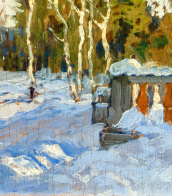
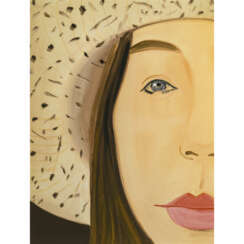

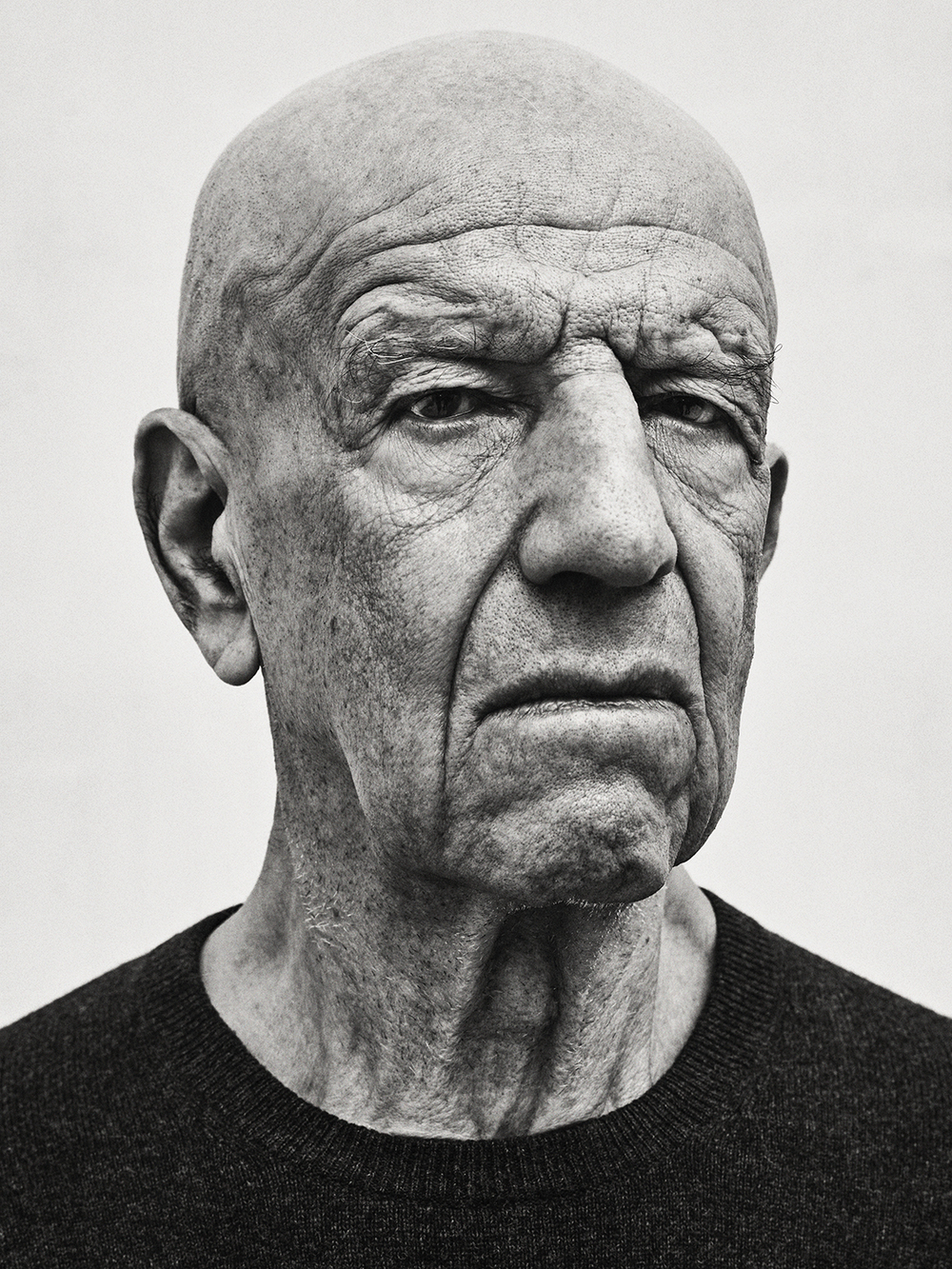
Alex Katz is an American figurative artist known for his paintings, sculptures, and prints.
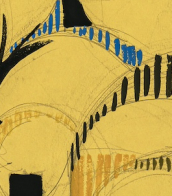


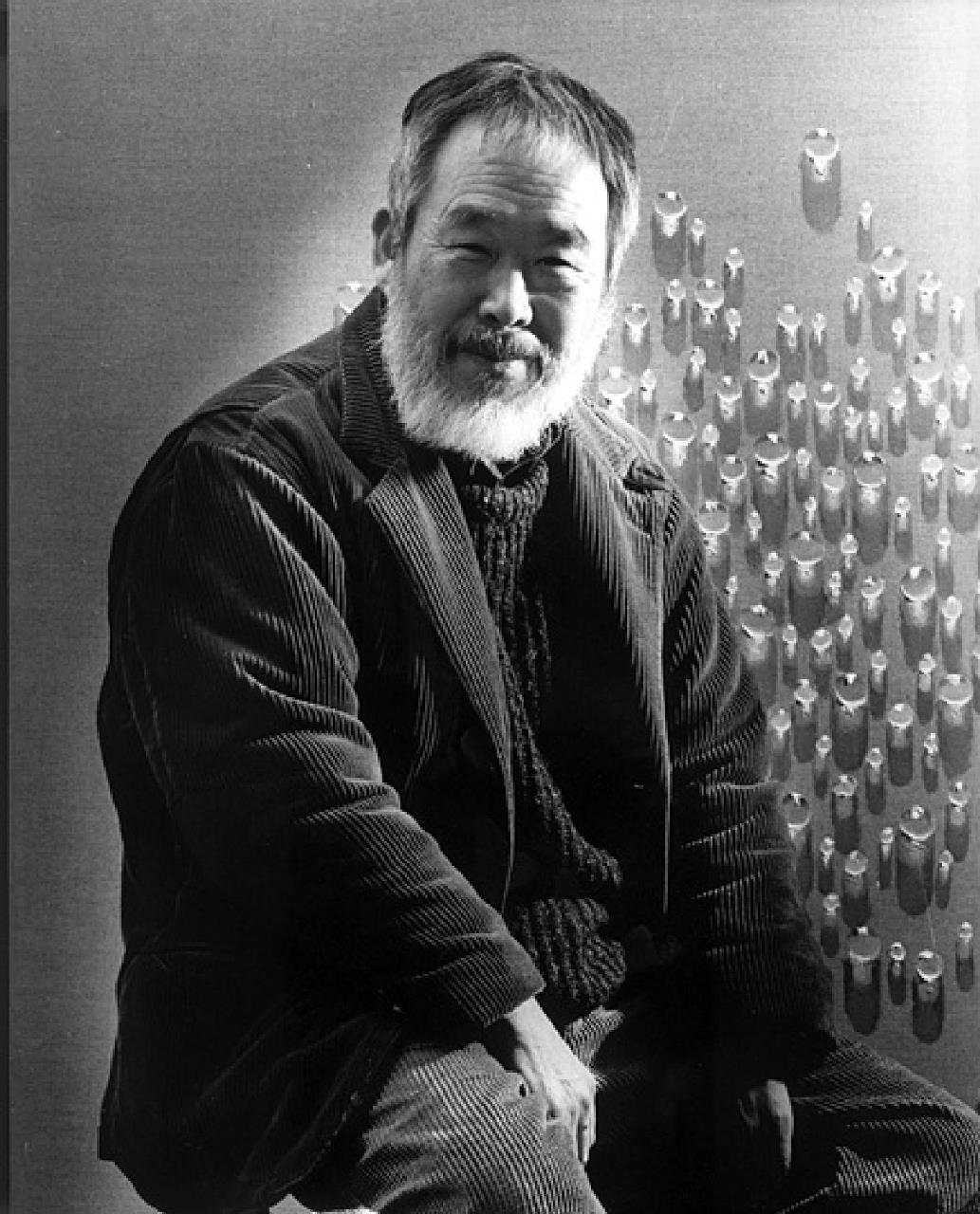
Tschang-Yeul Kim is a South Korean abstraction artist, one of the most famous figures in the history of modern Korean art.
He lived most of his life in Paris, France, where he developed his own unique style of painting. Tschang-Yeul Kim painted paintings with a variety of water droplets that appear to protrude from the canvases as if the canvas were "crying," but are in fact optical illusions.
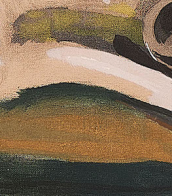


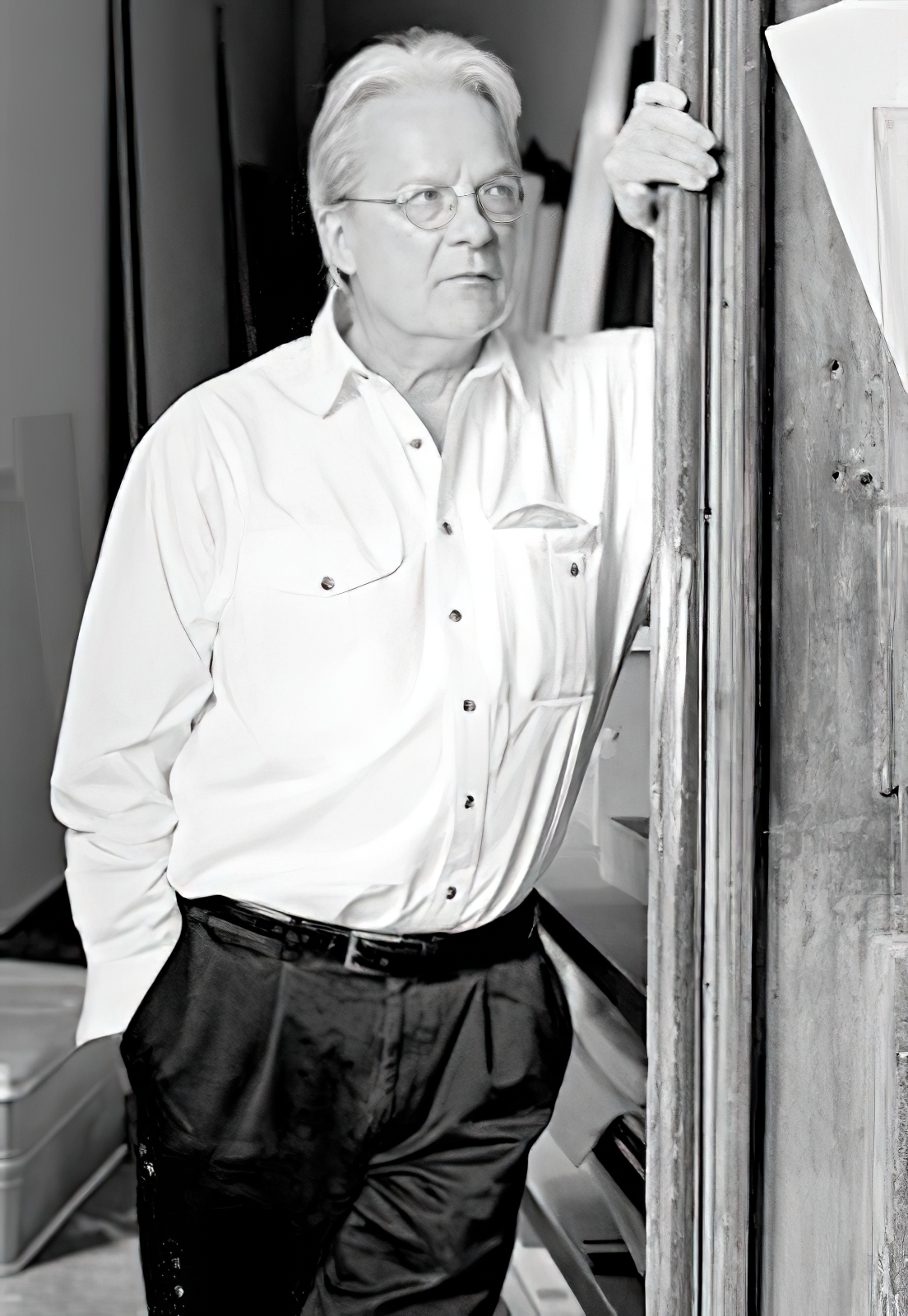
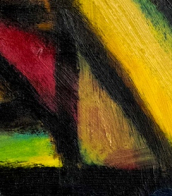
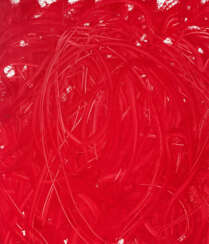
Imi Knoebel (born Klaus Wolf Knoebel) is a German artist. Knoebel is known for his minimalist, abstract painting and sculpture. The "Messerschnitt" or "knife cuts," are a recurring technique he employs, along with his regular use of the primary colors, red, yellow and blue. Knoebel lives and works in Düsseldorf.






.jpg)
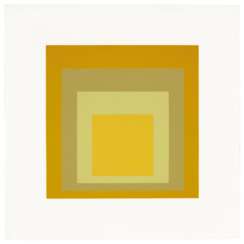
Josef Albers was a German-born artist and educator. The first living artist to be given a solo shows at MoMA and at the Metropolitan Museum of Art in New York, he taught at the Bauhaus and Black Mountain College, headed Yale University's department of design, and is considered one of the most influential teachers of the visual arts in the twentieth century.
As an artist, Albers worked in several disciplines, including photography, typography, murals and printmaking. He is best known for his work as an abstract painter and a theorist. His book Interaction of Color was published in 1963.

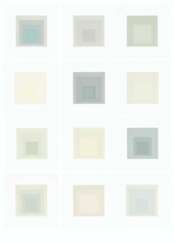

Josef Albers was a German-born artist and educator. The first living artist to be given a solo shows at MoMA and at the Metropolitan Museum of Art in New York, he taught at the Bauhaus and Black Mountain College, headed Yale University's department of design, and is considered one of the most influential teachers of the visual arts in the twentieth century.
As an artist, Albers worked in several disciplines, including photography, typography, murals and printmaking. He is best known for his work as an abstract painter and a theorist. His book Interaction of Color was published in 1963.
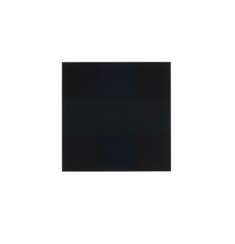

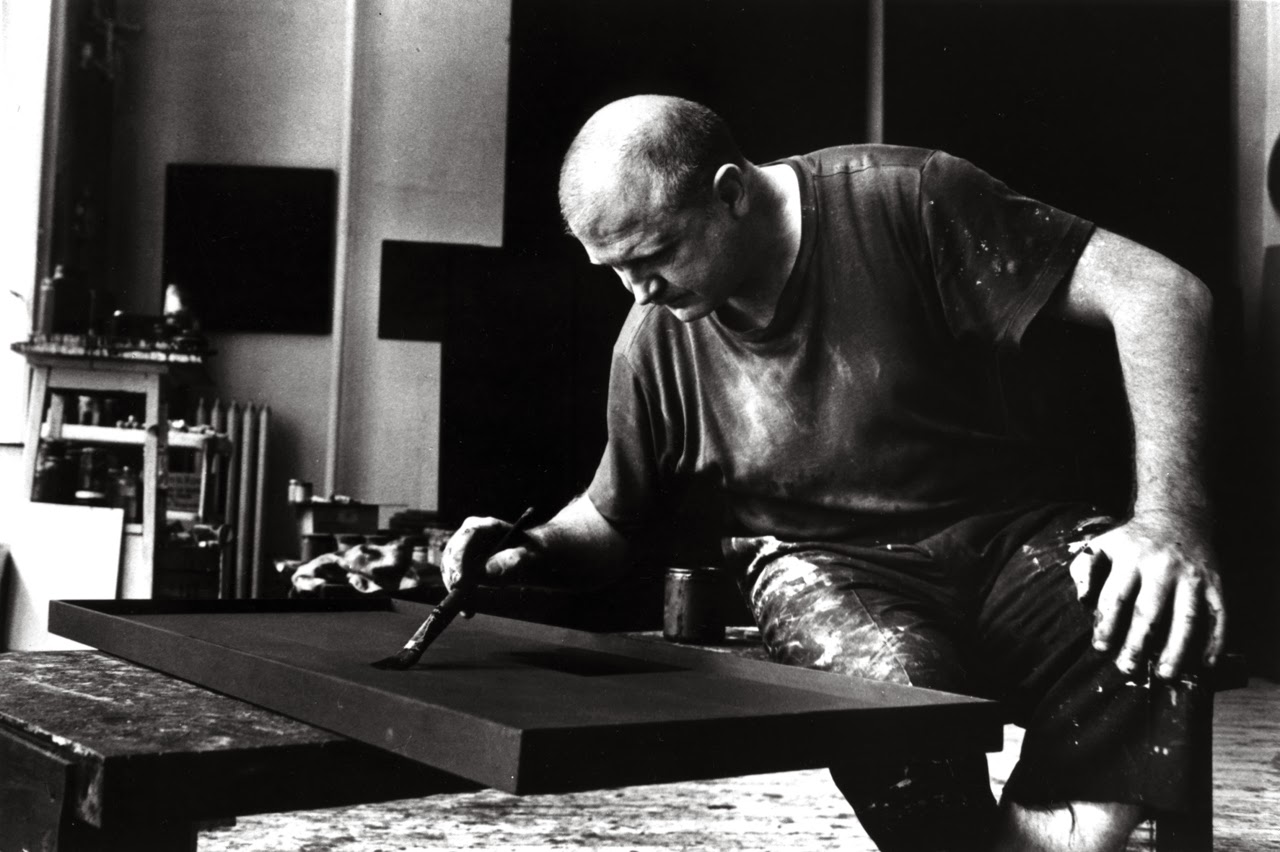
Adolph Dietrich Friedrich Reinhardt was an abstract painter active in New York for more than three decades. He was a member of the American Abstract Artists (AAA) and part of the movement centered on the Betty Parsons Gallery that became known as abstract expressionism. He was also a member of The Club, the meeting place for the New York School abstract expressionist artists during the 1940s and 1950s. He wrote and lectured extensively on art and was a major influence on conceptual art, minimal art and monochrome painting. Most famous for his "black" or "ultimate" paintings, he claimed to be painting the "last paintings" that anyone can paint. He believed in a philosophy of art he called Art-as-Art and used his writing and satirical cartoons to advocate for abstract art and against what he described as "the disreputable practices of artists-as-artists".
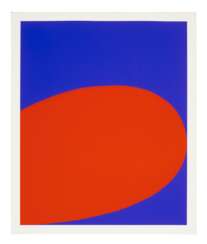

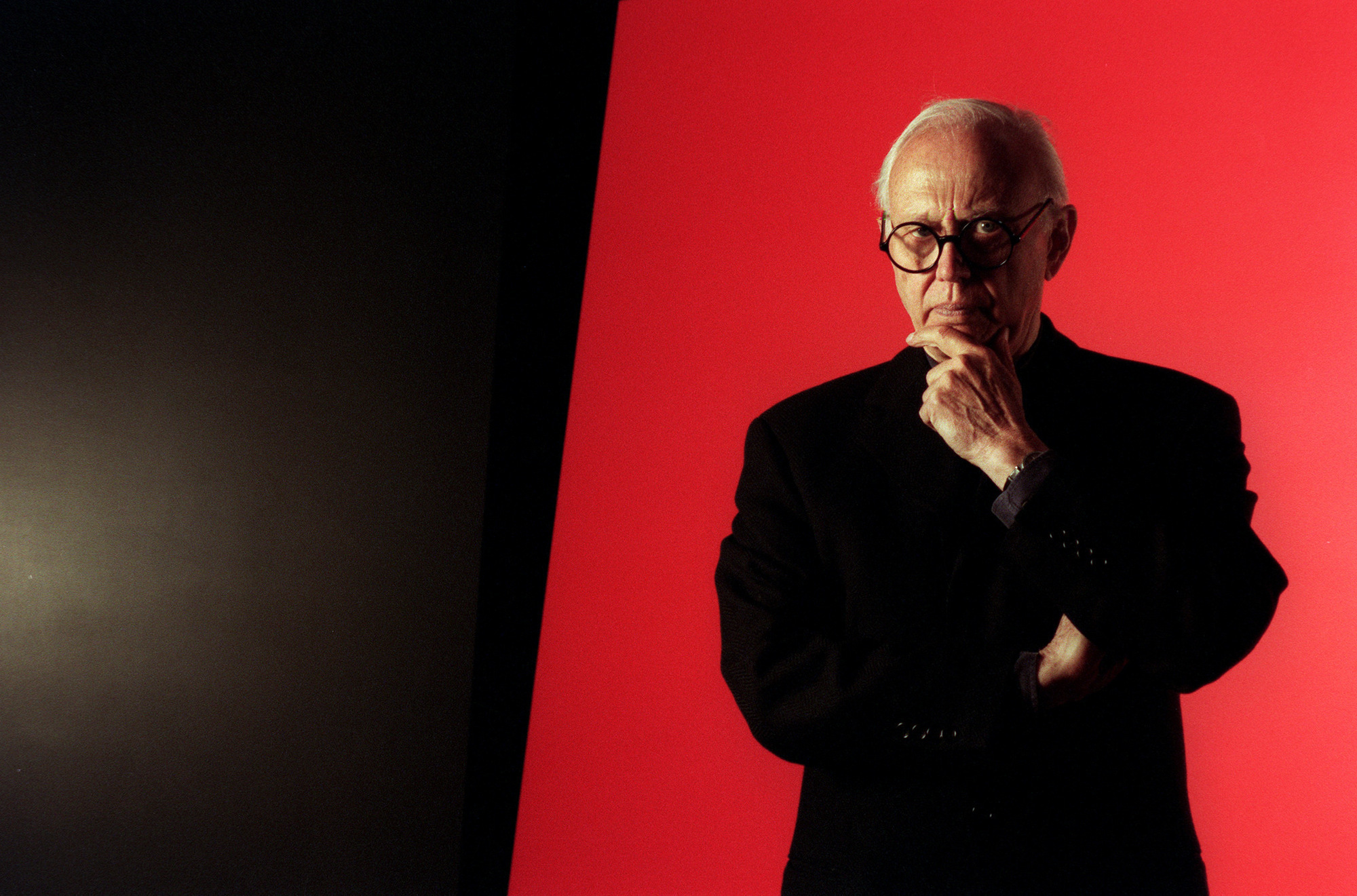
Ellsworth Kelly was an American painter, sculptor, and printmaker associated with hard-edge painting, Color Field painting and minimalism. His works demonstrate unassuming techniques emphasizing line, color and form, similar to the work of John McLaughlin and Kenneth Noland. Kelly often employed bright colors. He lived and worked in Spencertown, New York.
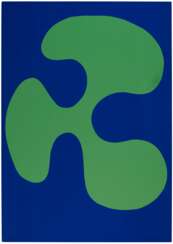

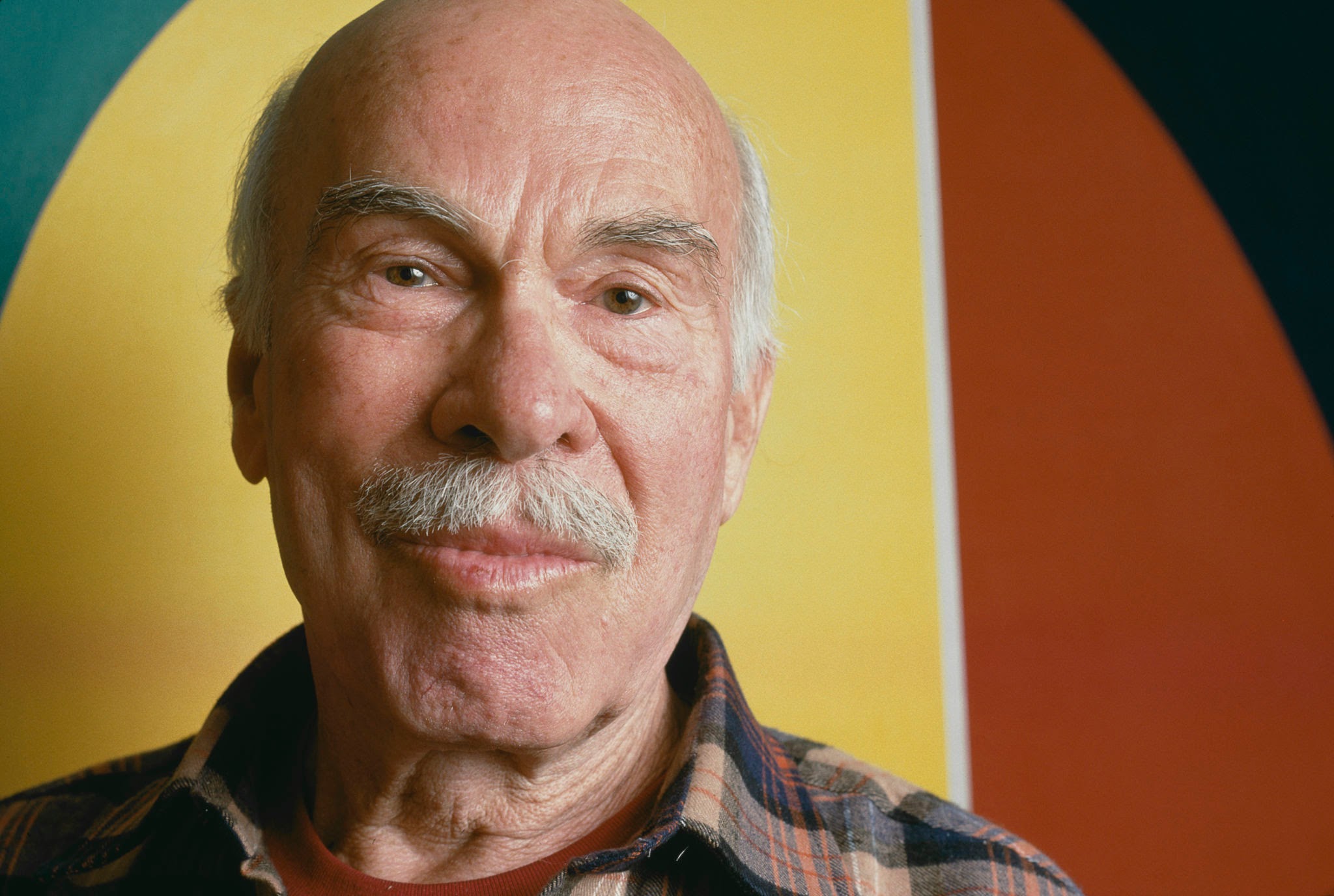
Leon Polk Smith was an American painter. His geometrically oriented abstract paintings were influenced by Piet Mondrian and he is a follow er of the Hard-edge school. His best-known paintings constitute maximally reduced forms, characterized by just two colors on a canvas meeting in a sharply delineated edge, often on an unframed canvas of unusual shape. His work is represented in many museums in the United States, Europe, and South America. Thanks to a generous bequest from the artist, the Brooklyn Museum has 27 of his paintings on permanent display.