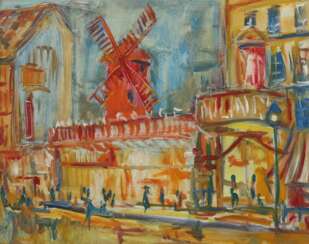
mouline






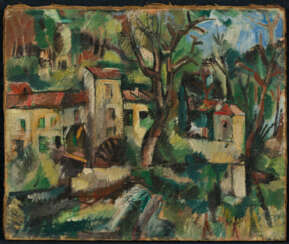

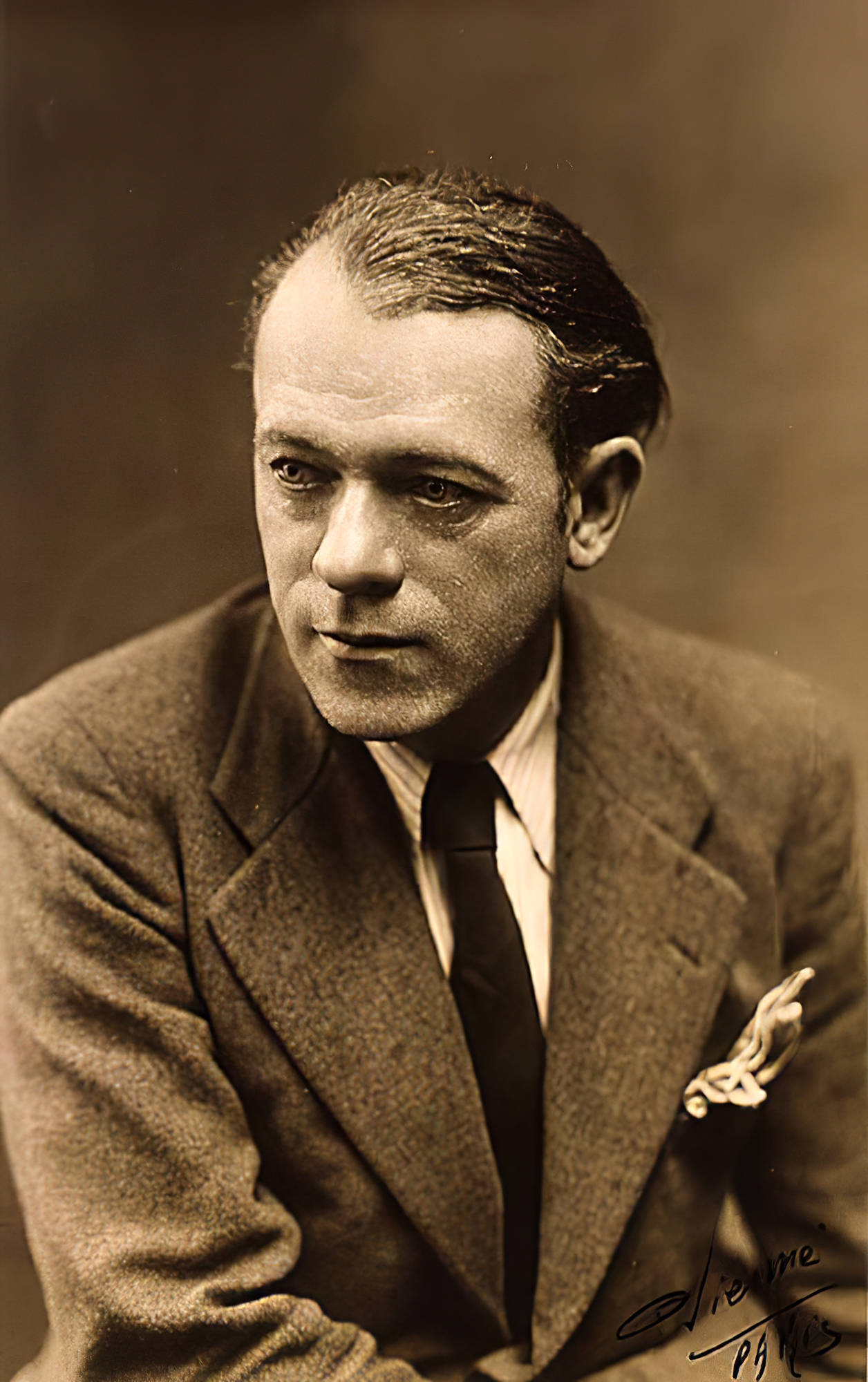
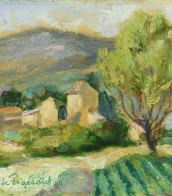
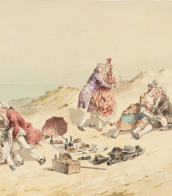
Jean Dufy was a French painter of the late 19th century and the first half of the 20th century. He is known as a painter and designer who worked in various styles, including Cubism and Fauvism. Contemporaries appreciated Dufy's talent as a colorist who constantly experimented with colors, finding inspiration, in particular, in jazz music.
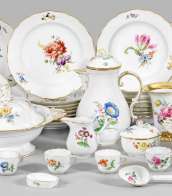
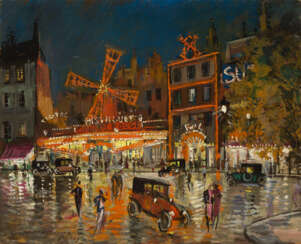
Jean Dufy preferred to depict life in Paris in his oil and watercolor paintings. One of his favorite subjects was the spectacle, especially the circus. Dufy was also in demand as a designer. For 30 years he designed porcelain and in 1925 at the International Exhibition of Decorative Arts, Dufy was awarded the gold medal for his design of the porcelain service Chateaux of France. Jean Dufy also helped his brother Raoul Dufy create a 600 square meter fresco for the Electricity Pavilion at the 1937 World Fair in Paris.
Jean Dufy's work was exhibited in prestigious museums and galleries throughout his career. Today his paintings are in the public collections of the Museum of Modern Art in New York, the Pompidou Center in Paris, the Albertina Gallery in Vienna and other world art centers.




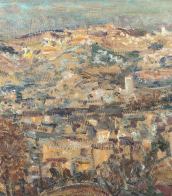







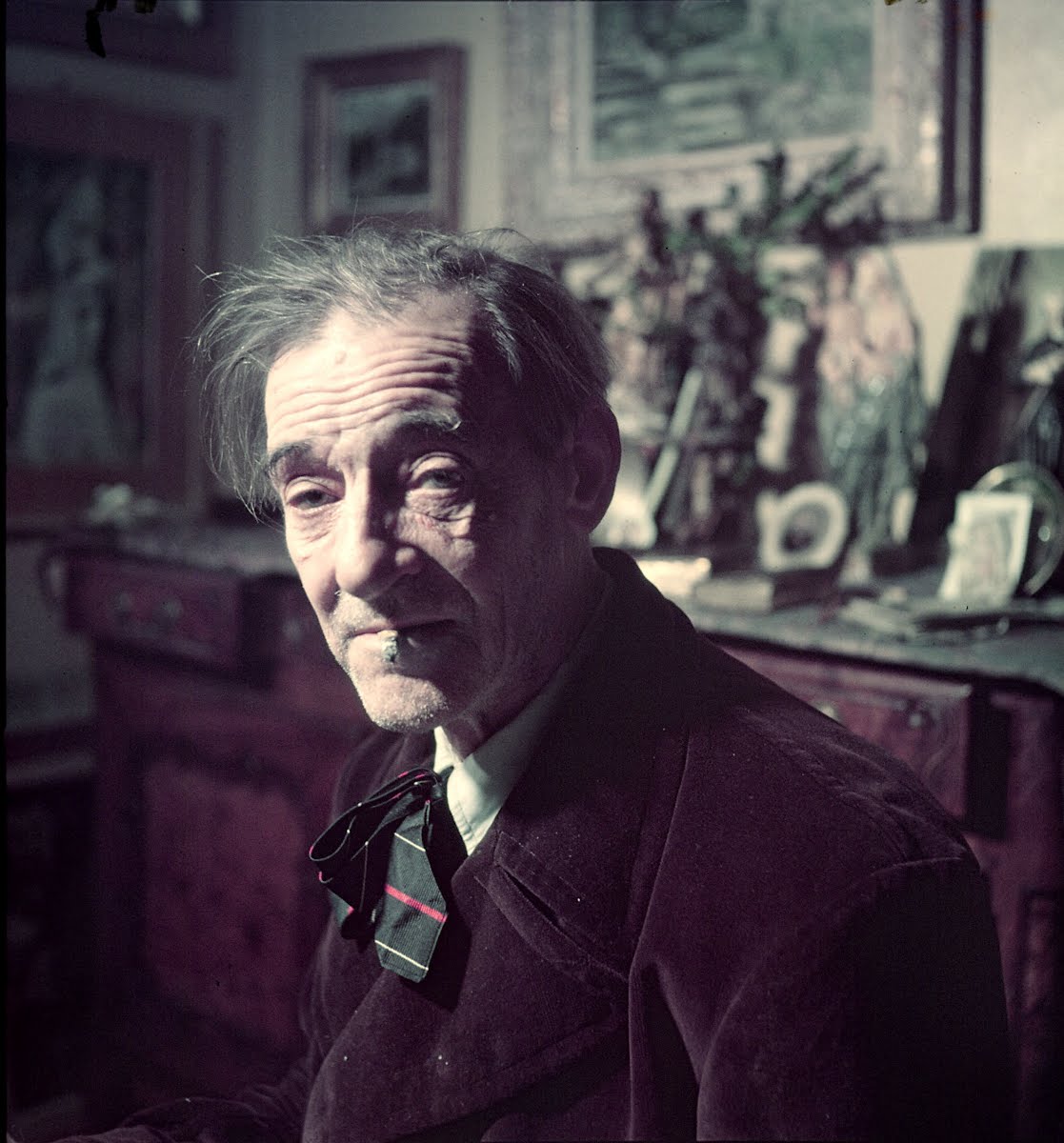
Maurice Utrillo was a French painter, celebrated for his depictions of cityscapes, particularly of the Montmartre district in Paris. His unique approach to painting, characterized by a vivid portrayal of urban landscapes, has captivated art collectors and experts alike. Utrillo's work is notable for its distinct use of color and perspective, offering viewers a glimpse into the picturesque and often serene streets of Montmartre. Despite challenges in his personal life, including struggles with alcoholism, Utrillo's artistry remained undiminished, showcasing his profound connection to the city he often portrayed from memory or postcards, especially in his later years when his health declined.
Utrillo's paintings are a testament to his skill in capturing the essence of Parisian life, with works such as "La Rue Norvins à Montmartre" and "Place du Tertre" highlighting his ability to blend color, light, and architecture into harmonious compositions. His "White Period" is particularly renowned, during which he used white zinc and sometimes plaster to achieve a unique texture and depth in his paintings. This period signifies a pivotal moment in Utrillo's career, marking a departure from Impressionism towards a style that emphasized the structural and geometric aspects of his subjects.
Utrillo's contributions to art extend beyond his innovative techniques and stylistic evolution. His life story, marked by periods of intense struggle and creativity, adds a layer of depth to his works, inviting viewers to explore not only the streets of Montmartre but also the complex landscape of the artist's inner world. His paintings, many of which are now housed in prestigious museums and galleries, continue to attract admiration from around the globe.
For collectors and experts in art and antiques, Maurice Utrillo's works offer a unique investment in the beauty and history of Parisian culture. His ability to capture the spirit of Montmartre, combined with his innovative use of materials and color, makes his paintings a valuable addition to any collection.
If you're passionate about art and wish to stay informed about new product sales and auction events related to Maurice Utrillo, consider signing up for updates. This subscription service is tailored specifically for enthusiasts eager to enhance their collections with works by this remarkable artist, ensuring you're always in the know about opportunities to acquire pieces by Utrillo and related cultural events.
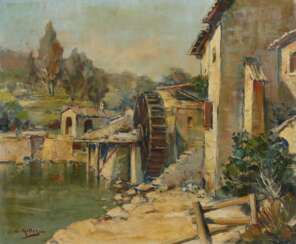












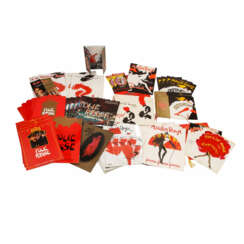

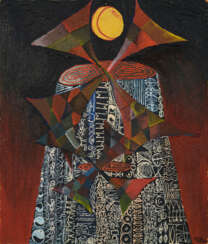


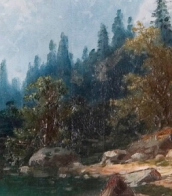

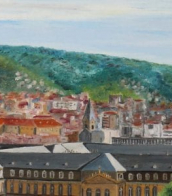
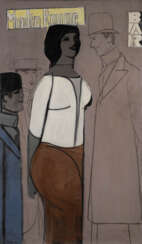




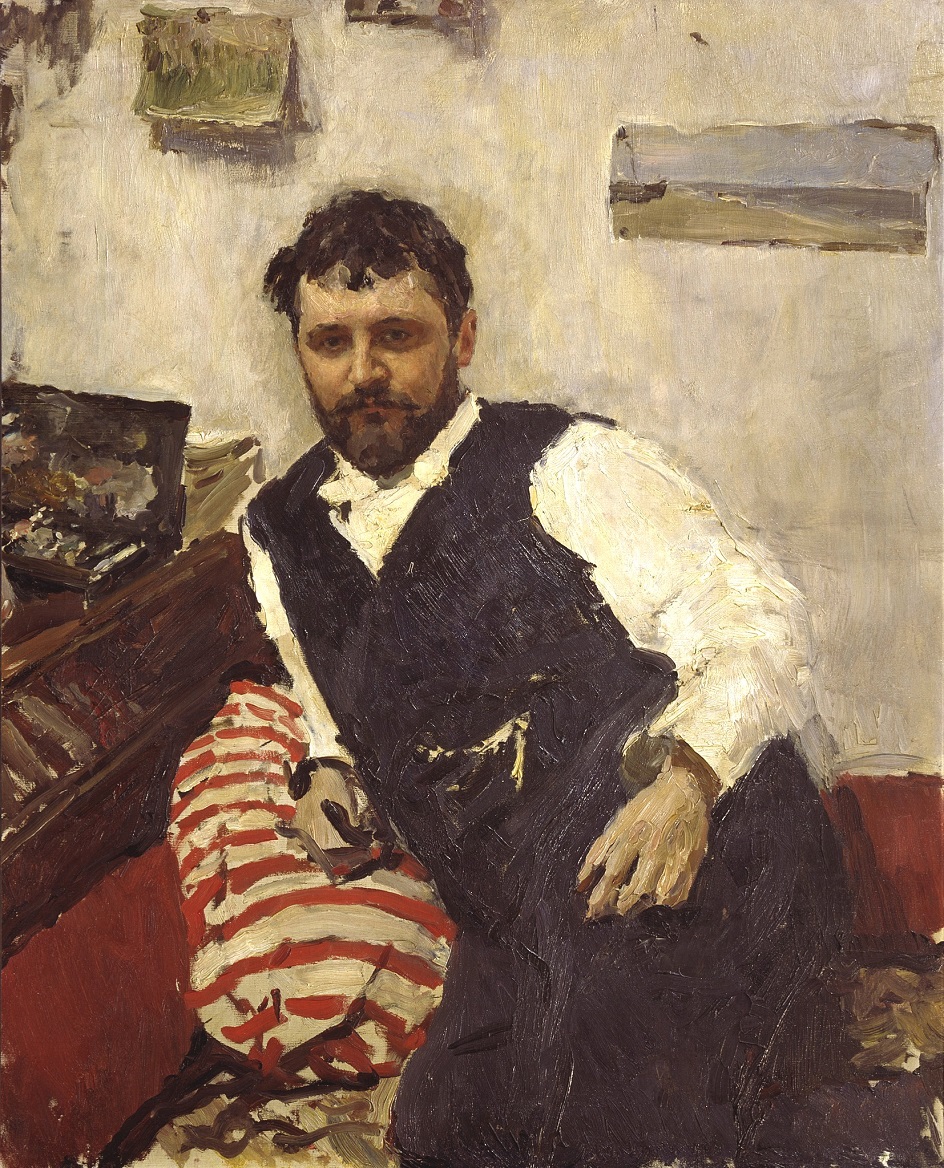
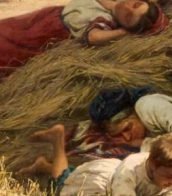
Konstantin Alekseyevich Korovin (Russian: Константи́н Алексе́евич Коро́вин) was a Russian artist and stage designer, renowned for his pivotal role in the transition from Russian Realism to Impressionism. Born in Moscow in 1861, Korovin's artistic journey began at the Moscow School of Painting, Sculpture, and Architecture, where he was heavily influenced by his mentor, Alexei Savrasov. His early work reflected the Realist tradition, but his style evolved after exposure to the vibrant art scenes of Paris and the influence of French Impressionists.
Korovin's contribution to art is marked by his vibrant palette and dynamic brushwork, capturing the transient effects of light and color with a spontaneity that was novel to Russian painting at the time. His works, ranging from lush landscapes and intimate still lifes to vivid portraits, showcase his mastery in evoking mood and atmosphere. Notably, his paintings of the Russian North and scenes of Parisian life have been celebrated for their lively, atmospheric qualities and are held in high esteem in museums and galleries worldwide, including the Tretyakov Gallery in Moscow and the Russian Museum in Saint Petersburg.
Beyond painting, Korovin's legacy includes significant contributions to theater design, where his innovative use of color and lighting brought new dimensions to stage productions in Russia, collaborating closely with the Moscow Art Theatre. His scenic designs for operas and ballets are credited with revolutionizing the visual aspect of Russian theater, making him a pivotal figure in both the visual and performing arts.
For collectors and experts in art and antiques, Korovin's works represent a unique blend of Russian tradition and Western artistic movements, making them highly sought after. His ability to capture the essence of a moment, whether in the tranquil Russian countryside or the bustling streets of Paris, continues to captivate audiences and scholars alike.
To stay informed on new sales and auction events featuring works by Konstantin Alekseyevich Korovin, sign up for our updates. This subscription ensures you're the first to know about valuable opportunities to add to your collection, focusing exclusively on Korovin's art and related events.