








neuburg


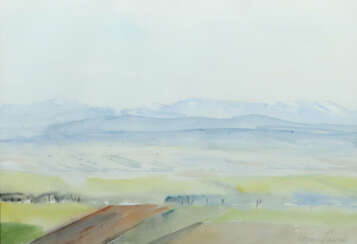
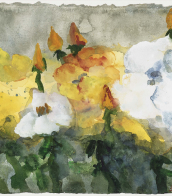
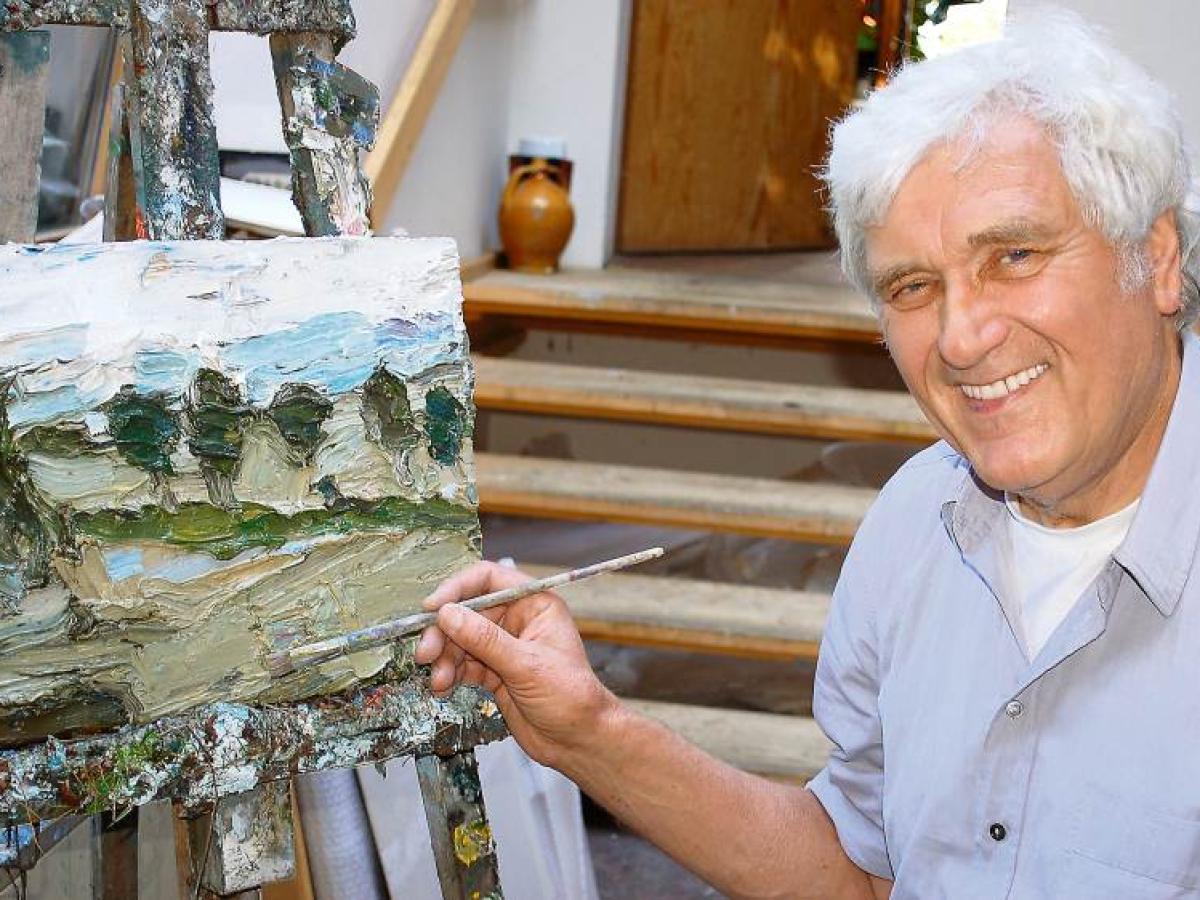
Klaus Fußmann is a contemporary German painter. He studied from 1957 to 1961 at the Folkwang University of the Arts in Essen and from 1962 to 1966 at the Berlin University of the Arts. From 1974 to 2005, he was a professor at the Berlin University of the Arts. His work has won several awards, such as the Villa Romana prize in 1972 and the Art Award of Darmstadt in 1979. Major presentations of his work include exhibitions at the Neue Nationalgalerie in Berlin, 1972; the Mathildenhöhe in Darmstadt, 1982; the Kunsthalle Emden, 1988; the Kunsthalle Bremen, 1992; and the Museum Ostwall in Dortmund, 2003. In 2005 Fußmann completed a monumental ceiling painting in the Mirror Hall of the Museum für Kunst und Gewerbe Hamburg.

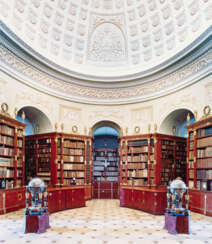
Candida Höfer is a German photographer. She is a former student of Bernd and Hilla Becher. Like other Becher students, Höfer's work is known for technical perfection and a strictly conceptual approach. From 1997 to 2000, she taught as professor at the Hochschule für Gestaltung, Karlsruhe. Höfer is the recipient of the 2018 Outstanding Contribution to Photography award, as part of the Sony World Photography awards. She is based in Cologne.


Marianne von Werefkin (Russian: Марианна Владимировна Верёвкина), born in Russia in 1860, was a distinguished artist whose innovative work bridged the realms of realism and expressionism. Known as the "Russian Rembrandt" in her early career, Werefkin's artistic journey began with realism, earning her acclaim within the Tsarist Empire. However, her move to Munich in 1896 marked a significant shift in her style and artistic affiliations, leading her to explore and eventually embrace expressionism.
Werefkin's life was marked by a pivotal relationship with fellow artist Alexej von Jawlensky, which greatly influenced her personal and professional trajectory. Despite pausing her painting to focus on Jawlensky's development, Werefkin's contribution to art went beyond her own creations. She founded the influential artist groups, including the New Association of Artists in Munich (NKVM) and later The Blue Rider, alongside luminaries like Wassily Kandinsky and Franz Marc.
Her return to painting saw a dramatic transformation in her style, characterized by bold, expressive strokes and a deep exploration of the emotional and spiritual aspects of her subjects. This period of her work is marked by significant pieces such as the "Self-Portrait" (1910), which is celebrated for its emotional depth and innovative use of color, encapsulating the essence of Munich-school Expressionism.
Werefkin's later years in Ascona, Switzerland, were devoted to capturing the natural landscape and its emotional resonances through a vibrant expressionist lens. Her works from this period reflect a continued engagement with human fragility and resilience, as seen in pieces like "Eternal Path" (1929).
Her oeuvre is a testament to her pioneering spirit and her role in shaping the course of modern art. Werefkin's works are held in esteemed collections, including the Museum of Modern Art in Ascona and the Städtische Galerie im Lenbachhaus in Munich, ensuring her legacy endures within the art world.
For collectors and experts in art and antiques, Marianne von Werefkin's life and work offer a rich field of study. Her contributions to the development of expressionism and her unique artistic voice make her a figure of enduring interest. To stay informed about new product sales and auction events related to Marianne von Werefkin, signing up for updates can provide exclusive insights and opportunities to engage with her remarkable legacy.