new jeans



.jpg)
Jean Elysée Puiforcat was a French silversmith, sculptor and designer. Miller's Antiques Encyclopedia calls Puiforcat the «most important French Art Deco silversmith».
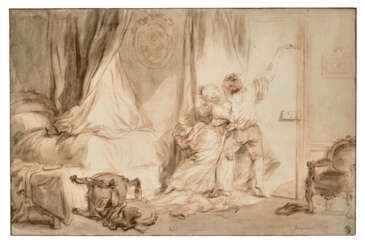

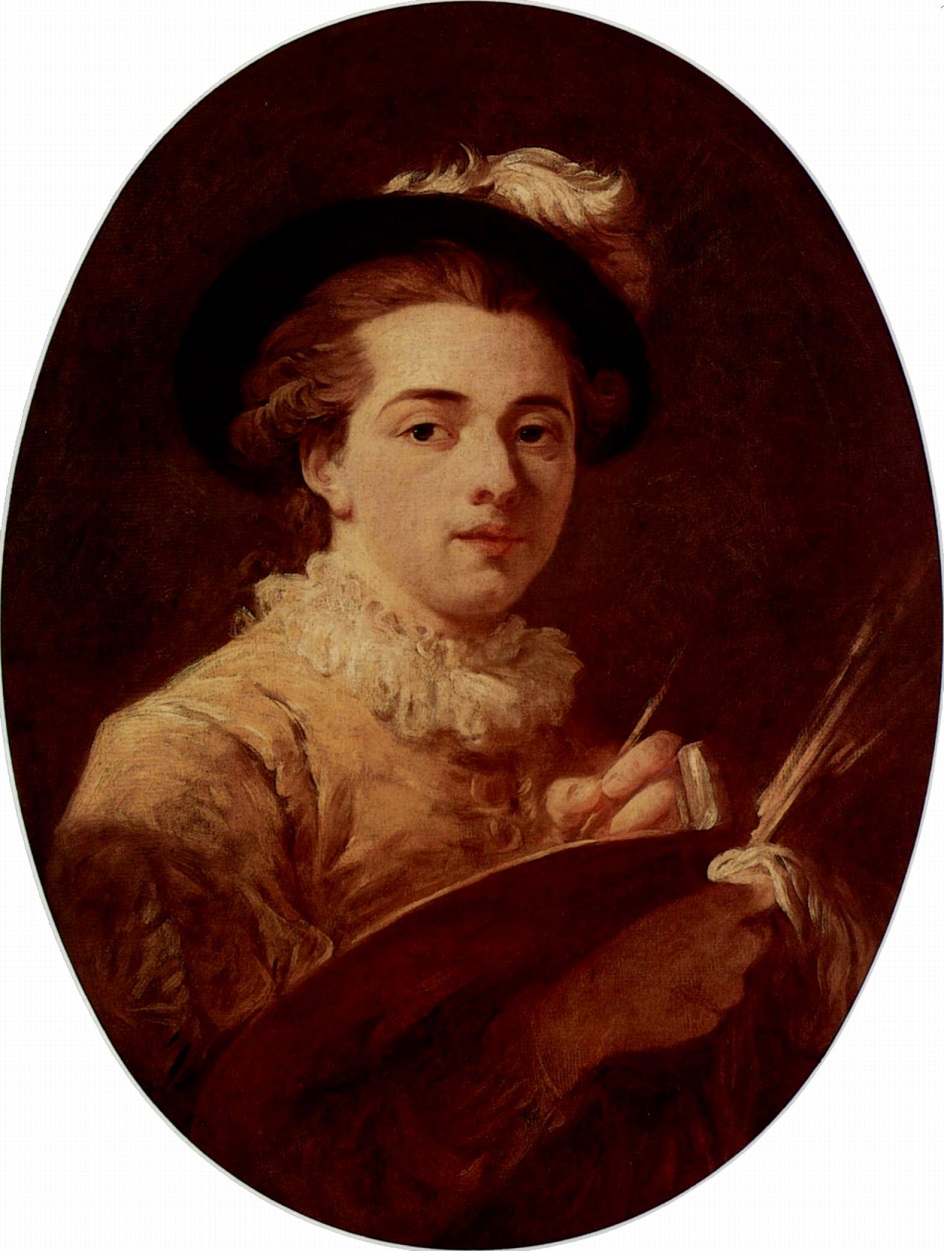
Jean-Honoré Fragonard, a prominent French Rococo painter, left an indelible mark on the art world with his vivacious and hedonistic approach to painting. Born in Grasse, France, in 1732, Fragonard's journey into the art world was marked by his early apprenticeship under François Boucher, whose influence is evident in the young artist's work. Fragonard's talent and skill were recognized early on when he won the prestigious Prix de Rome in 1752, which allowed him to study at the French Academy in Rome.
Jean-Honoré Fragonard's work is characterized by a remarkable facility, exuberance, and a penchant for themes of love and voluptuousness that resonated with the opulent and pleasure-seeking milieu of Louis XV's court. His paintings, such as "The Swing" (Wallace Collection), "Blind Man's Bluff," and "The Bolt," are celebrated for their tender beauty, vibrant color, and the virtuosity of his brushwork. These works encapsulate the essence of Rococo art with their playful themes, intricate compositions, and luminous palette.
Despite the initial success and the king's patronage, which saw his piece "Coresus et Callirhoe" being bought and reproduced at the Gobelins factory, Jean-Honoré Fragonard's career took a turn as the French Revolution upended the social order and the artist's private patrons were guillotined or exiled. This period forced Fragonard to leave Paris, seeking refuge in Grasse. He returned to the capital in the early 19th century, where he died in 1806, almost forgotten. It wasn't until the late 19th and early 20th centuries that Fragonard's work was re-evaluated, cementing his position among the masters of French painting. His influence on the Impressionists, particularly Renoir and his grandniece Berthe Morisot, is undeniable, showcasing his lasting impact on the trajectory of art history.
For collectors and experts in art and antiques, Jean-Honoré Fragonard's oeuvre represents the pinnacle of Rococo art, offering a glimpse into the opulent and sensuous world of 18th-century France. His paintings are not just artistic achievements but are also historical documents that reflect the cultural and social dynamics of his time.
To stay updated on new discoveries, sales, and auction events related to Jean-Honoré Fragonard's works, signing up for updates is recommended. This ensures that enthusiasts and collectors are promptly informed about opportunities to enrich their collections with the exquisite beauty of Fragonard's art.
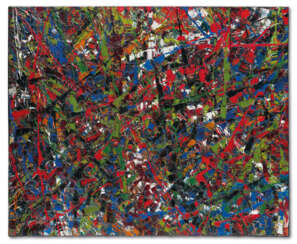

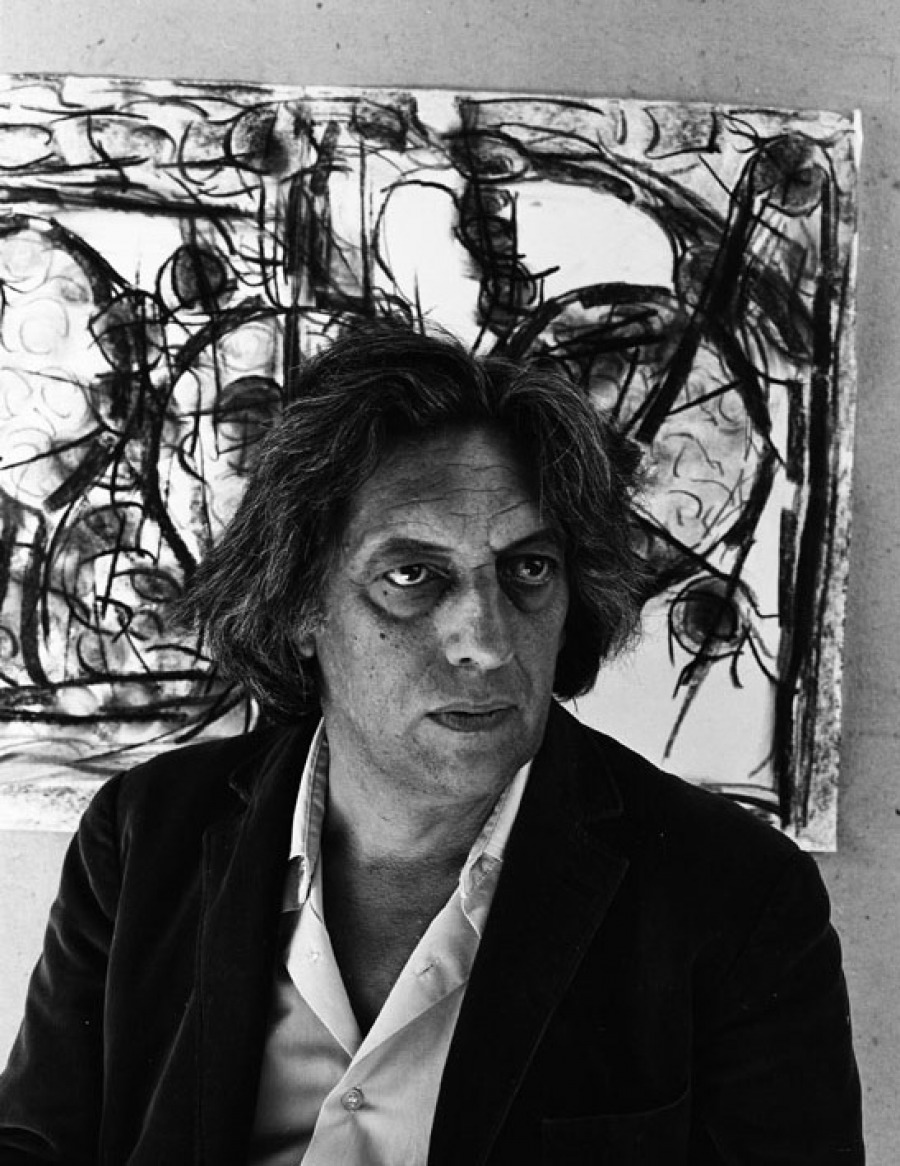
Jean-Paul Riopelle was a Canadian painter and sculptor from Quebec. He had one of the longest and most important international careers of the sixteen signatories of the Refus Global, the 1948 manifesto that announced the Quebecois artistic community's refusal of clericalism and provincialism. He is best known for his abstract painting style, in particular his "mosaic" works of the 1950s when he famously abandoned the paintbrush, using only a palette knife to apply paint to canvas, giving his works a distinctive sculptural quality. He became the first Canadian painter since James Wilson Morrice to attain widespread international recognition.
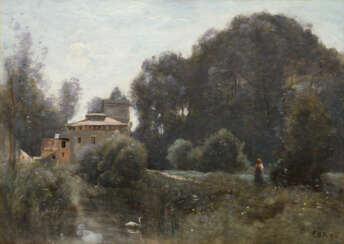

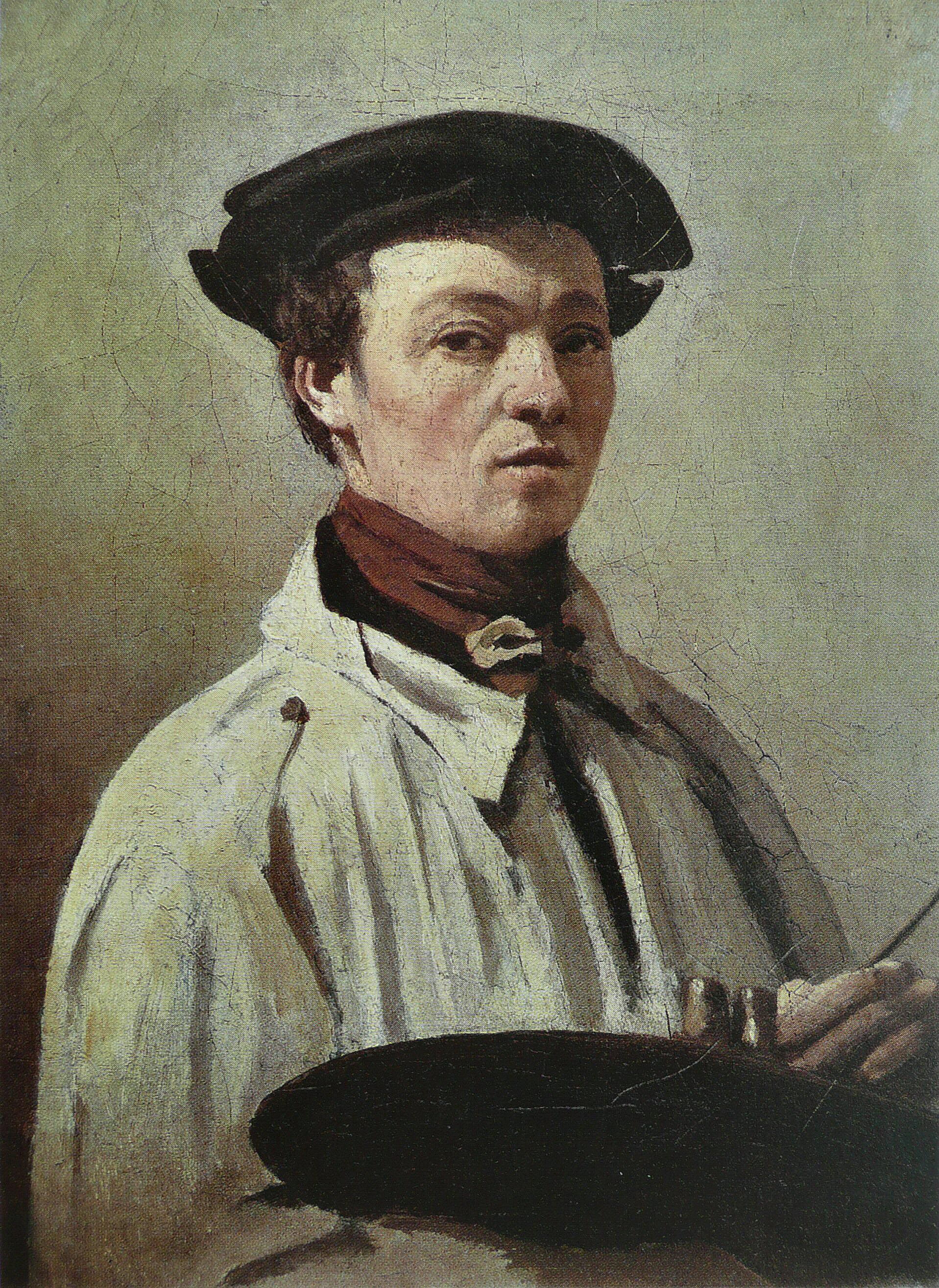
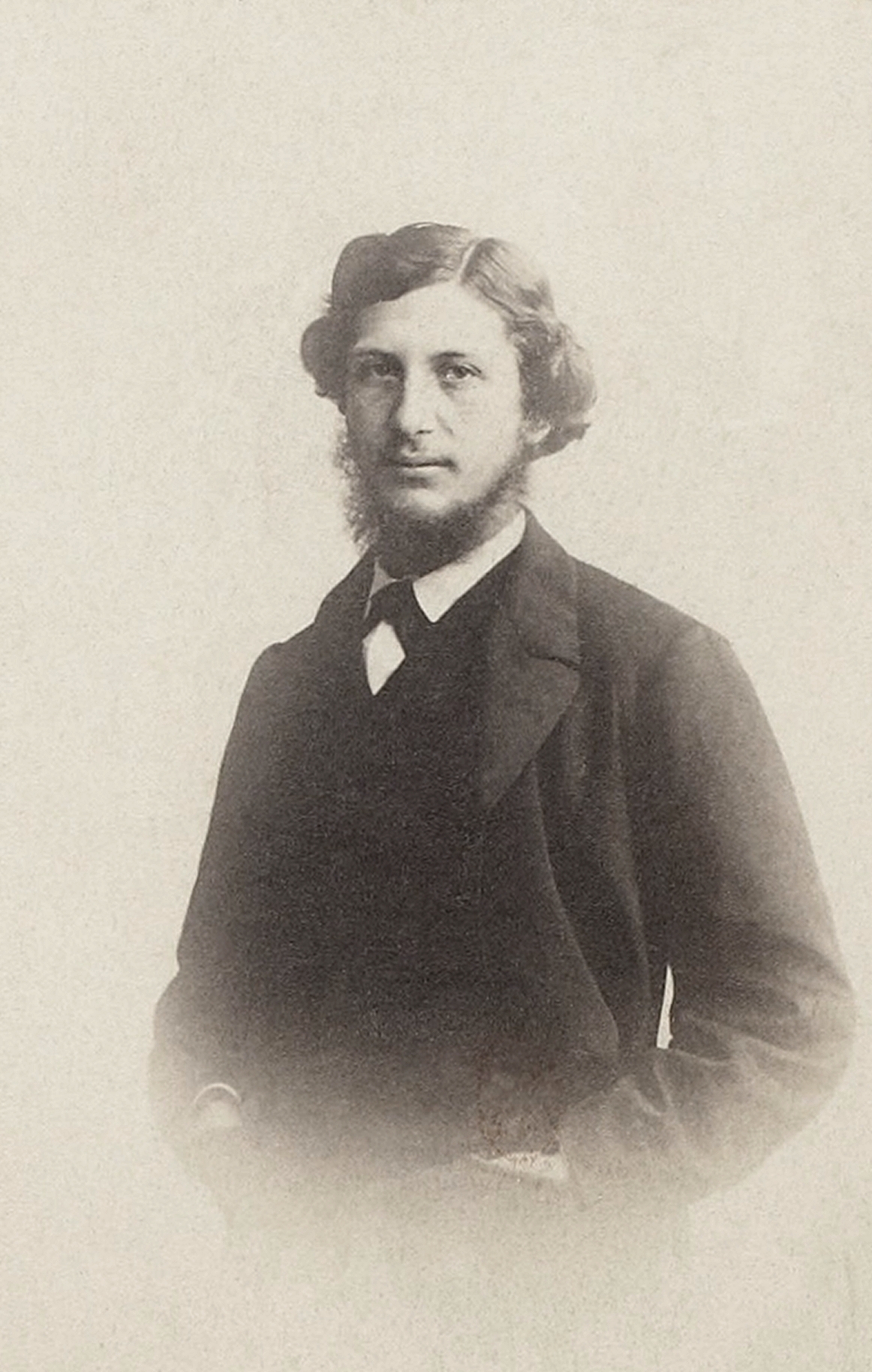
Jean-Baptiste-Camille Corot was a French landscape and portrait painter as well as a printmaker in etching. He is a pivotal figure in landscape painting and his vast output simultaneously referenced the Neo-Classical tradition and anticipated the plein-air innovations of Impressionism.
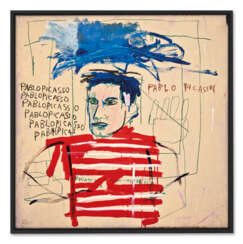

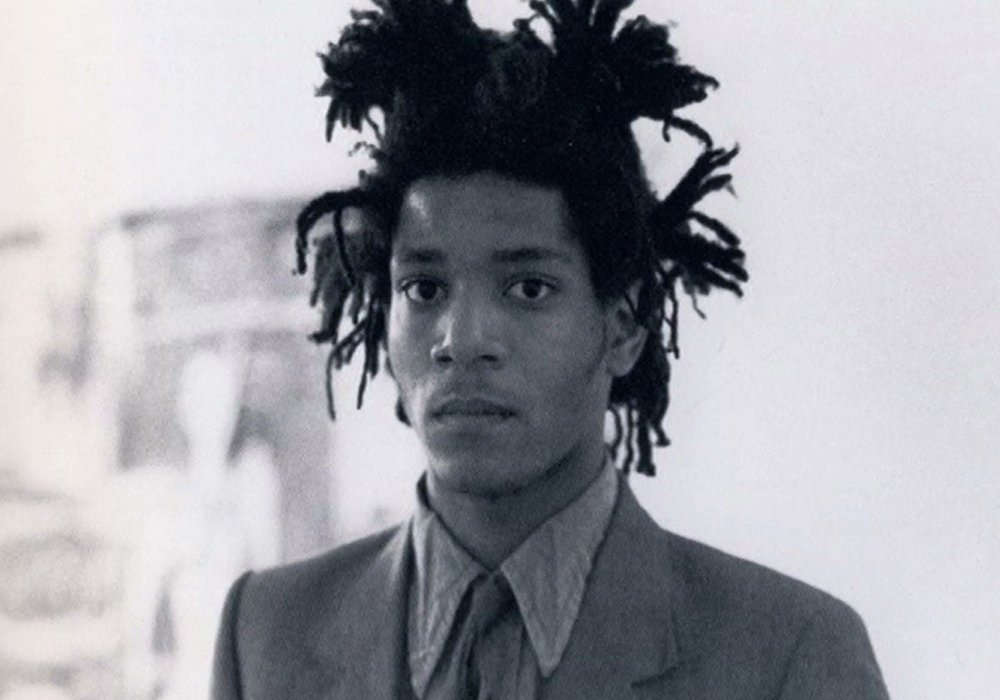
Jean-Michel Basquiat was an American artist who rose to success during the 1980s as part of the Neo-expressionism movement.


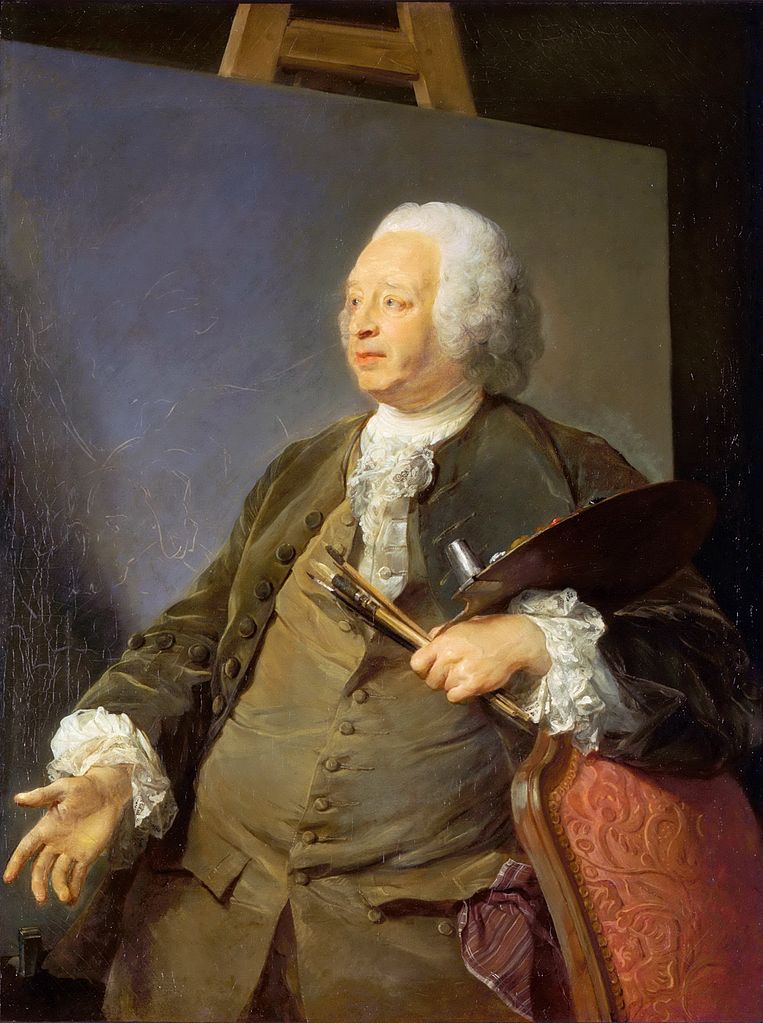
Jean-Baptiste Oudry was a French Rococo painter, engraver, and tapestry designer. He is particularly well known for his naturalistic pictures of animals and his hunt pieces depicting game. His son, Jacques-Charles Oudry, was also a painter.
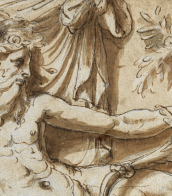
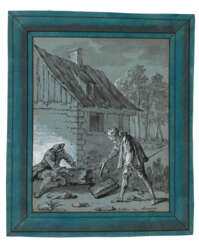

Jean-Baptiste Oudry was a French Rococo painter, engraver, and tapestry designer. He is particularly well known for his naturalistic pictures of animals and his hunt pieces depicting game. His son, Jacques-Charles Oudry, was also a painter.
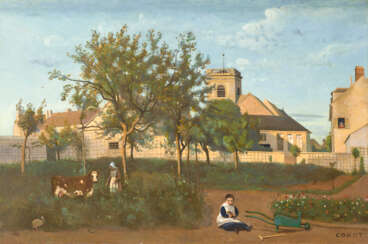

Jean-Baptiste-Camille Corot was a French landscape and portrait painter as well as a printmaker in etching. He is a pivotal figure in landscape painting and his vast output simultaneously referenced the Neo-Classical tradition and anticipated the plein-air innovations of Impressionism.
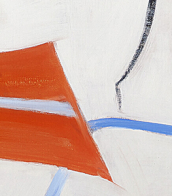
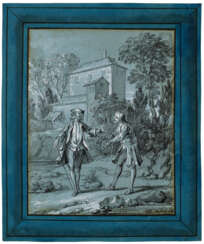

Jean-Baptiste Oudry was a French Rococo painter, engraver, and tapestry designer. He is particularly well known for his naturalistic pictures of animals and his hunt pieces depicting game. His son, Jacques-Charles Oudry, was also a painter.
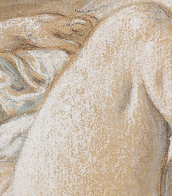


Jean-Baptiste Oudry was a French Rococo painter, engraver, and tapestry designer. He is particularly well known for his naturalistic pictures of animals and his hunt pieces depicting game. His son, Jacques-Charles Oudry, was also a painter.
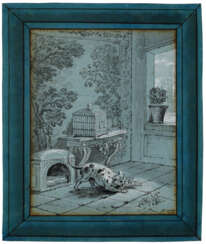

Jean-Baptiste Oudry was a French Rococo painter, engraver, and tapestry designer. He is particularly well known for his naturalistic pictures of animals and his hunt pieces depicting game. His son, Jacques-Charles Oudry, was also a painter.
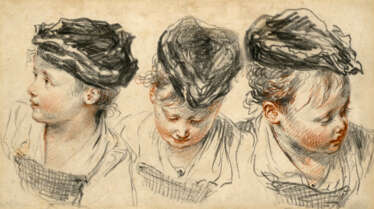

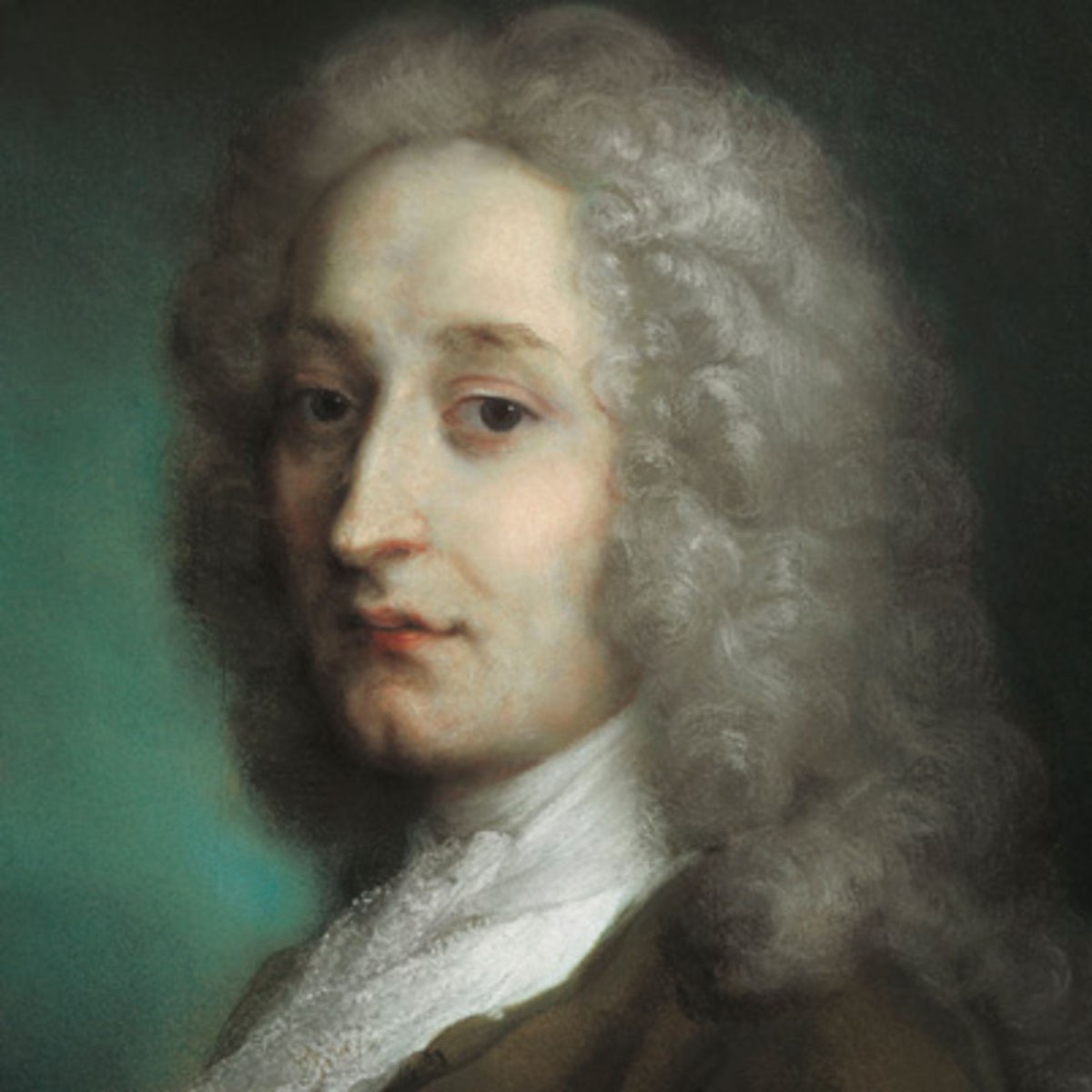
Jean-Antoine Watteau was a French painter and draughtsman whose brief career spurred the revival of interest in colour and movement, as seen in the tradition of Correggio and Rubens. He revitalized the waning Baroque style, shifting it to the less severe, more naturalistic, less formally classical, Rococo. Watteau is credited with inventing the genre of fêtes galantes, scenes of bucolic and idyllic charm, suffused with a theatrical air. Some of his best known subjects were drawn from the world of Italian comedy and ballet.


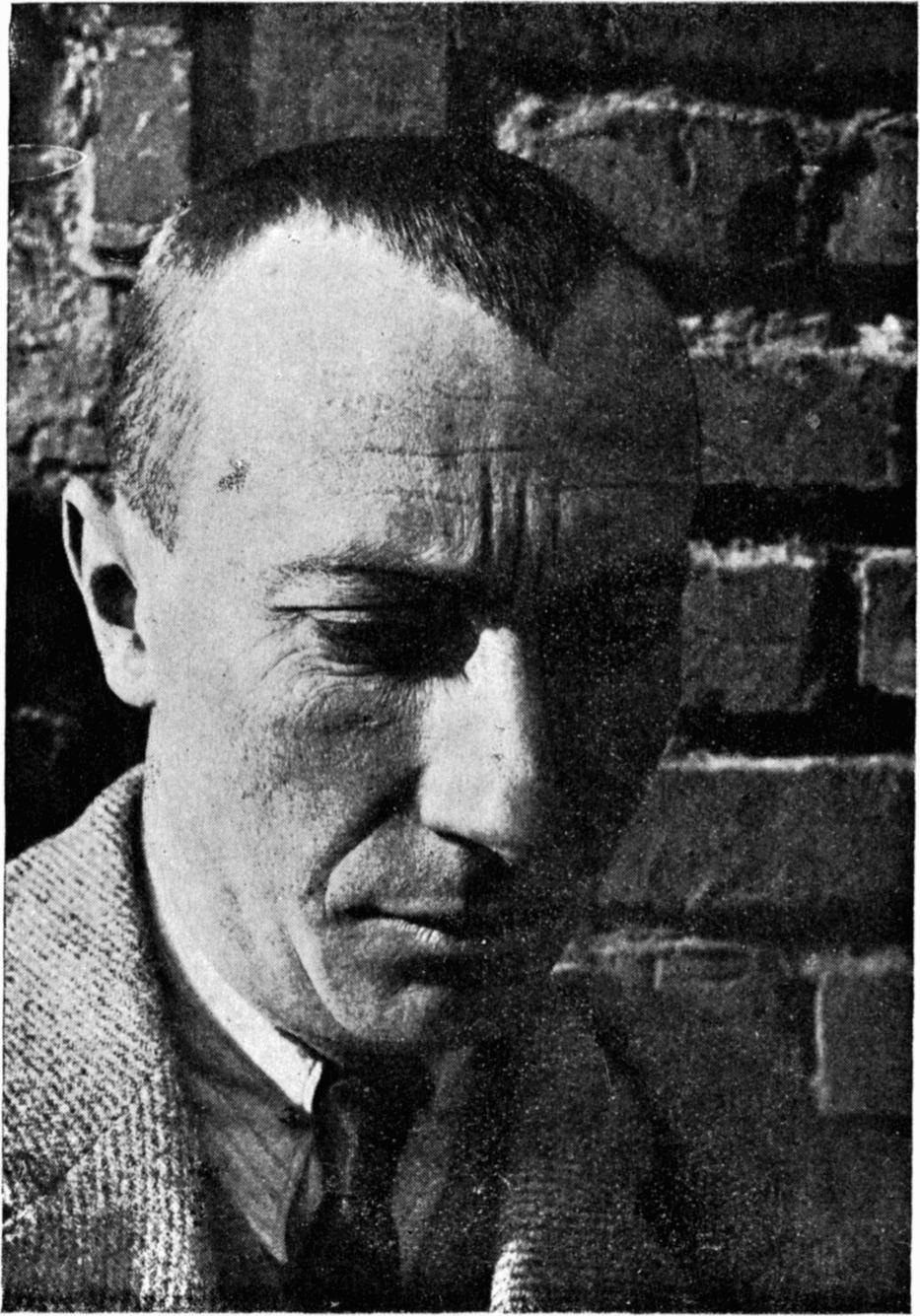
Jean Arp, born Hans Peter Wilhelm Arp, was a German and French poet, painter, graphic artist and sculptor. one of the founders of the Dada movement in Zurich.
Arp used abstract forms in his work and experimented with different materials such as wood, metal and stone. He was also known for his poetic works, in which he applied a method of randomly selecting words, called the "clutter method". Arp believed that this method helped him express his thoughts more precisely and originally. Arp's influence on the arts is still significant today.



Jean-Baptiste-Camille Corot was a French landscape and portrait painter as well as a printmaker in etching. He is a pivotal figure in landscape painting and his vast output simultaneously referenced the Neo-Classical tradition and anticipated the plein-air innovations of Impressionism.


Jean-Honoré Fragonard, a prominent French Rococo painter, left an indelible mark on the art world with his vivacious and hedonistic approach to painting. Born in Grasse, France, in 1732, Fragonard's journey into the art world was marked by his early apprenticeship under François Boucher, whose influence is evident in the young artist's work. Fragonard's talent and skill were recognized early on when he won the prestigious Prix de Rome in 1752, which allowed him to study at the French Academy in Rome.
Jean-Honoré Fragonard's work is characterized by a remarkable facility, exuberance, and a penchant for themes of love and voluptuousness that resonated with the opulent and pleasure-seeking milieu of Louis XV's court. His paintings, such as "The Swing" (Wallace Collection), "Blind Man's Bluff," and "The Bolt," are celebrated for their tender beauty, vibrant color, and the virtuosity of his brushwork. These works encapsulate the essence of Rococo art with their playful themes, intricate compositions, and luminous palette.
Despite the initial success and the king's patronage, which saw his piece "Coresus et Callirhoe" being bought and reproduced at the Gobelins factory, Jean-Honoré Fragonard's career took a turn as the French Revolution upended the social order and the artist's private patrons were guillotined or exiled. This period forced Fragonard to leave Paris, seeking refuge in Grasse. He returned to the capital in the early 19th century, where he died in 1806, almost forgotten. It wasn't until the late 19th and early 20th centuries that Fragonard's work was re-evaluated, cementing his position among the masters of French painting. His influence on the Impressionists, particularly Renoir and his grandniece Berthe Morisot, is undeniable, showcasing his lasting impact on the trajectory of art history.
For collectors and experts in art and antiques, Jean-Honoré Fragonard's oeuvre represents the pinnacle of Rococo art, offering a glimpse into the opulent and sensuous world of 18th-century France. His paintings are not just artistic achievements but are also historical documents that reflect the cultural and social dynamics of his time.
To stay updated on new discoveries, sales, and auction events related to Jean-Honoré Fragonard's works, signing up for updates is recommended. This ensures that enthusiasts and collectors are promptly informed about opportunities to enrich their collections with the exquisite beauty of Fragonard's art.

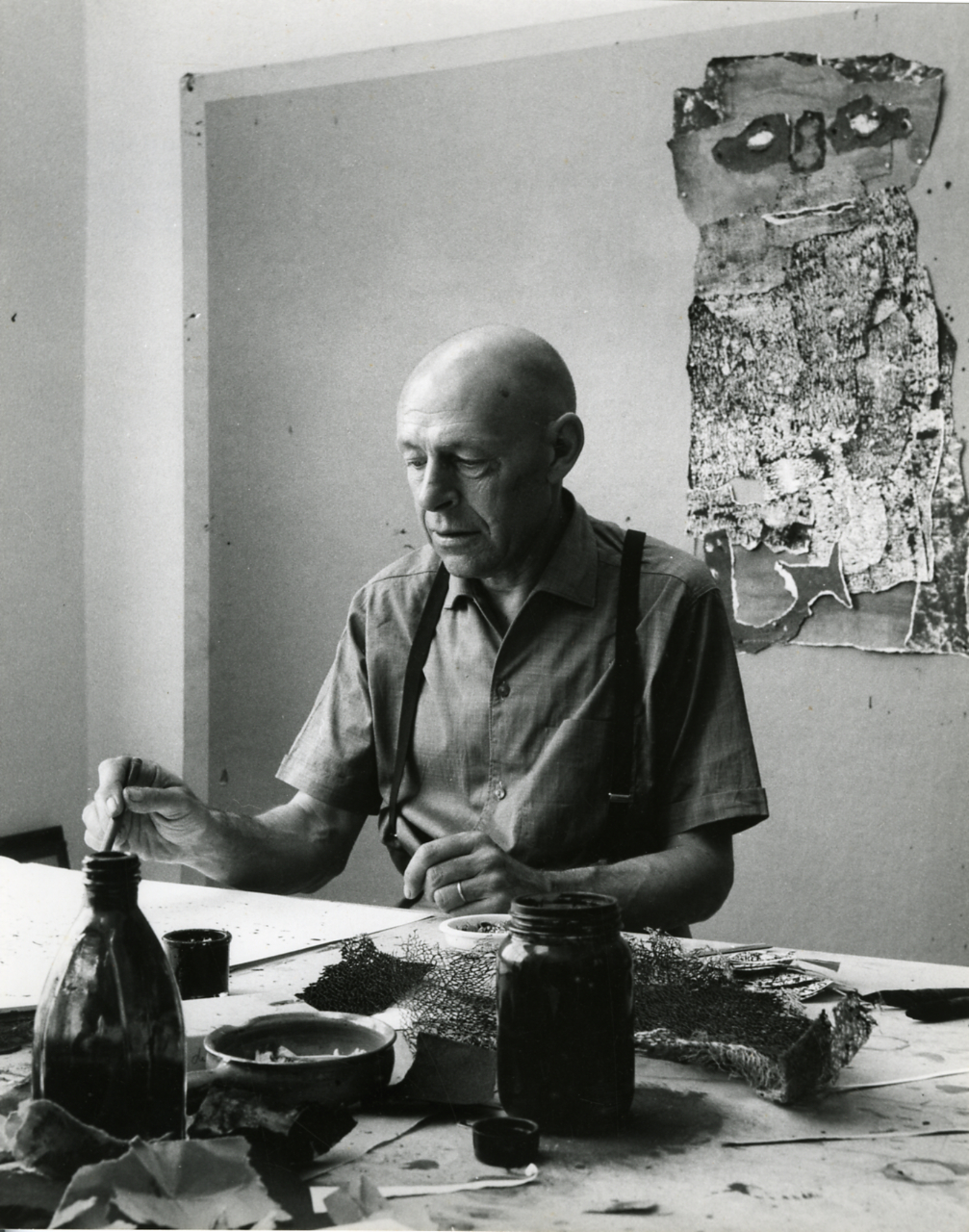
Jean Philippe Arthur Dubuffet, a pioneering French painter and sculptor, revolutionized the post-war art scene with his radical Matterism movement. He defied the conventional aesthetics of his time, championing "low art" and propelling a more genuine, humanistic image-making approach.
Dubuffet, born in Le Havre, France, in 1901, was a prominent figure at the Ecole de Paris and an advocate for Art Brut, or "raw art", which sought to capture art's purest form. His works were characterized by a rough, unrefined aesthetic, which eschewed academic norms in favor of spontaneity and authenticity.
Art enthusiasts and experts can view Dubuffet's innovative works at institutions like the Museum of Modern Art, where his legacy as a groundbreaking artist continues to be celebrated. His Matterism philosophy has left an indelible mark on the art world, inspiring generations of artists to embrace the beauty in the unconventional.
For those interested in the avant-garde and the legacy of Jean Philippe Arthur Dubuffet, sign up for our exclusive updates. This service is designed for connoisseurs and professionals in the art and antique sector, promising alerts on new insights and events strictly related to Dubuffet's profound influence.
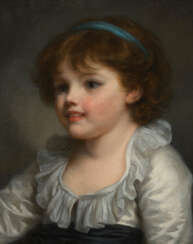

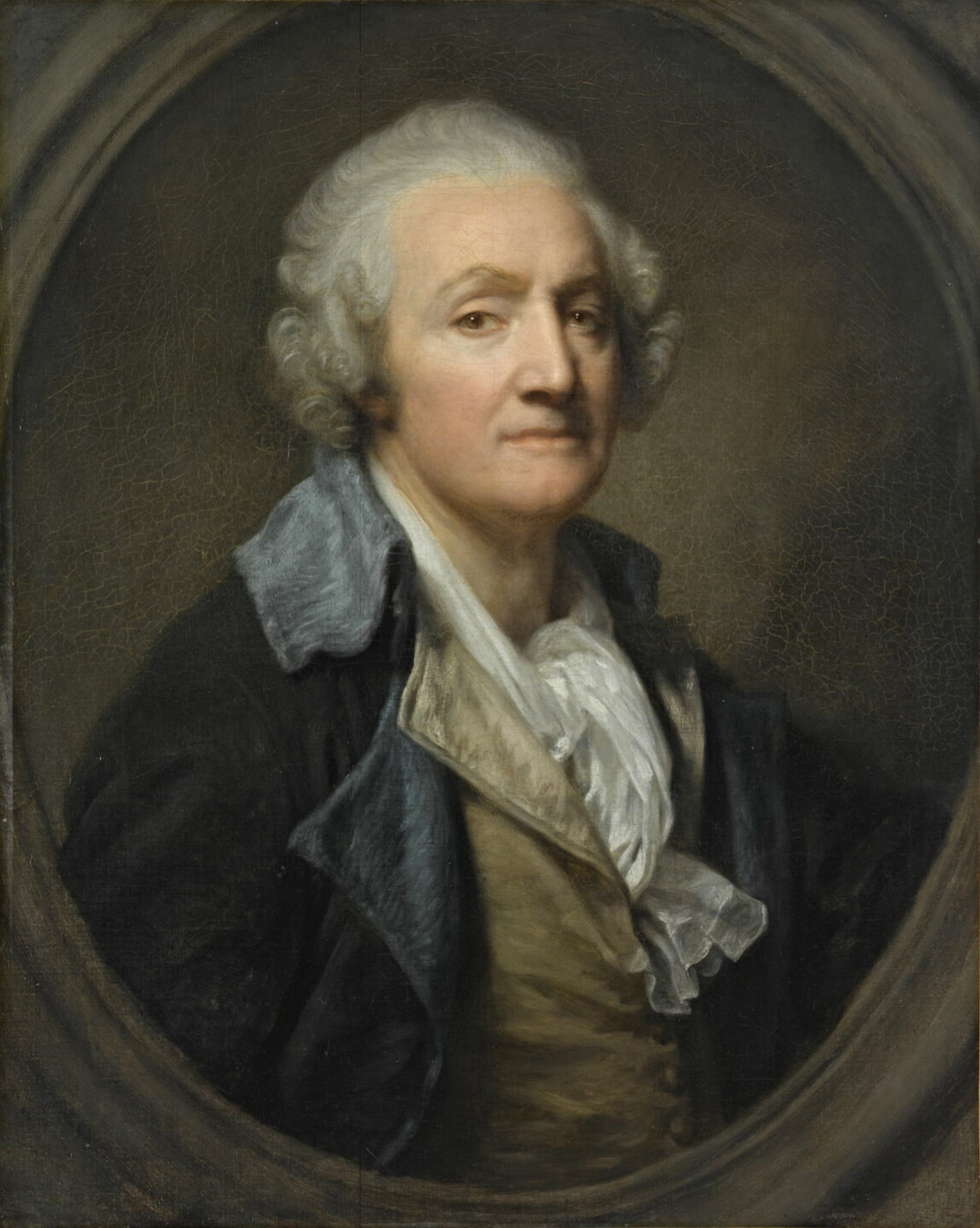
Jean-Baptiste Greuze was a French painter of portraits, genre scenes, and history painting.


Jean-Baptiste Oudry was a French Rococo painter, engraver, and tapestry designer. He is particularly well known for his naturalistic pictures of animals and his hunt pieces depicting game. His son, Jacques-Charles Oudry, was also a painter.
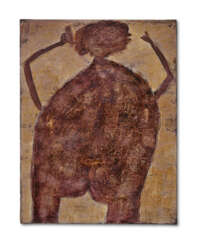

Jean Philippe Arthur Dubuffet, a pioneering French painter and sculptor, revolutionized the post-war art scene with his radical Matterism movement. He defied the conventional aesthetics of his time, championing "low art" and propelling a more genuine, humanistic image-making approach.
Dubuffet, born in Le Havre, France, in 1901, was a prominent figure at the Ecole de Paris and an advocate for Art Brut, or "raw art", which sought to capture art's purest form. His works were characterized by a rough, unrefined aesthetic, which eschewed academic norms in favor of spontaneity and authenticity.
Art enthusiasts and experts can view Dubuffet's innovative works at institutions like the Museum of Modern Art, where his legacy as a groundbreaking artist continues to be celebrated. His Matterism philosophy has left an indelible mark on the art world, inspiring generations of artists to embrace the beauty in the unconventional.
For those interested in the avant-garde and the legacy of Jean Philippe Arthur Dubuffet, sign up for our exclusive updates. This service is designed for connoisseurs and professionals in the art and antique sector, promising alerts on new insights and events strictly related to Dubuffet's profound influence.
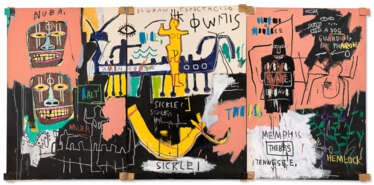

Jean-Michel Basquiat was an American artist who rose to success during the 1980s as part of the Neo-expressionism movement.
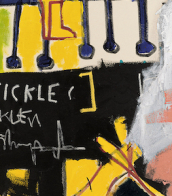


Jean-Michel Basquiat was an American artist who rose to success during the 1980s as part of the Neo-expressionism movement.
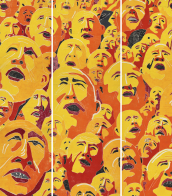
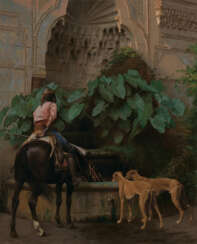

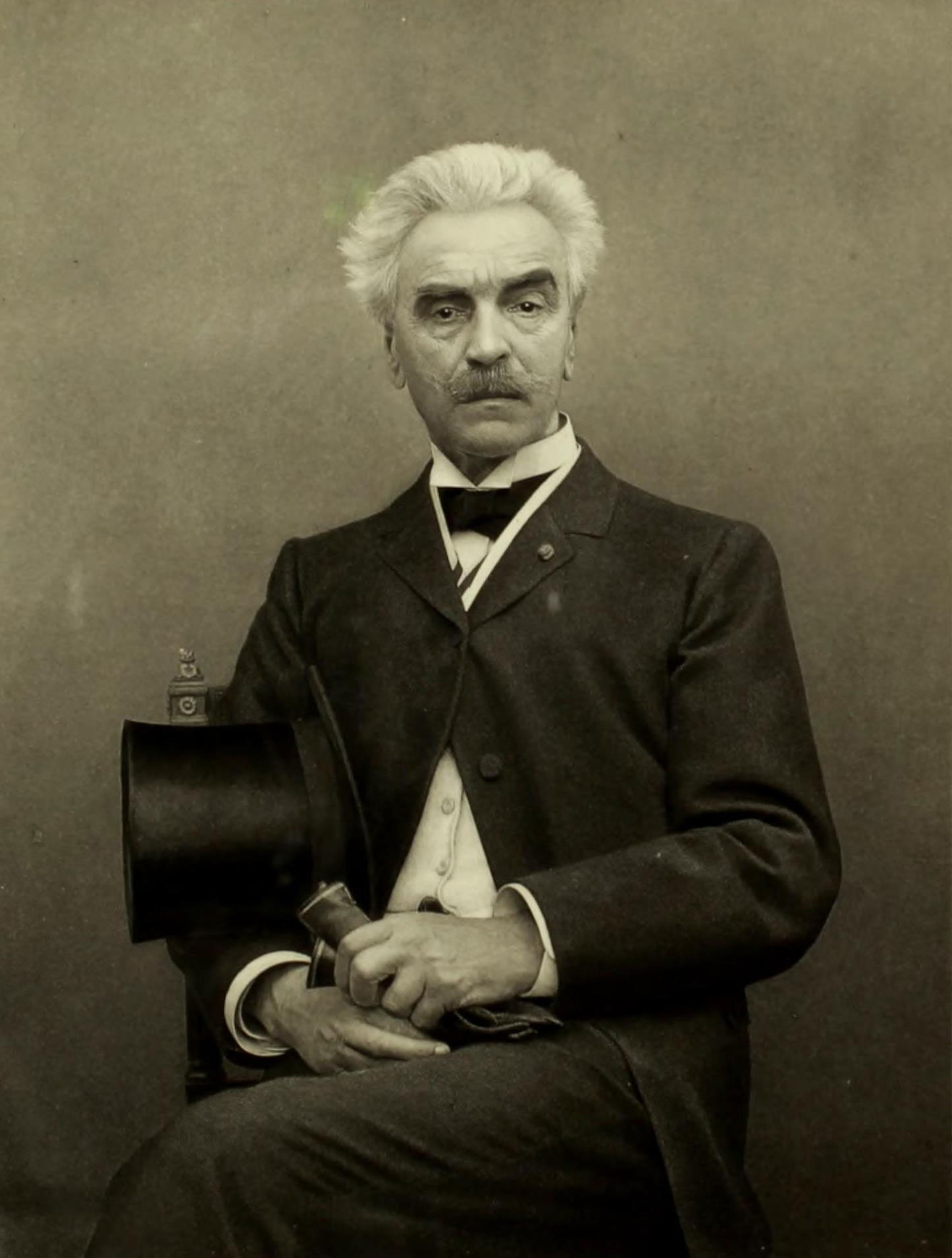
Jean-Léon Gérôme was a prominent 19th-century French painter, a representative of the academic school of painting. His paintings are notable for their impeccable composition and exquisite colour palette.
Jean-Léon Gérôme did not accept the work of the Impressionists, whom he considered to be the ignominy of French art. This has earned him a controversial reputation as a fierce supporter of academism and a persecutor of new movements.


.jpeg)
Jean Dunand was a Swiss and French painter, sculptor, metal craftsman and interior designer during the Art Deco period. He was particularly known for his lacquered screens and other art objects.


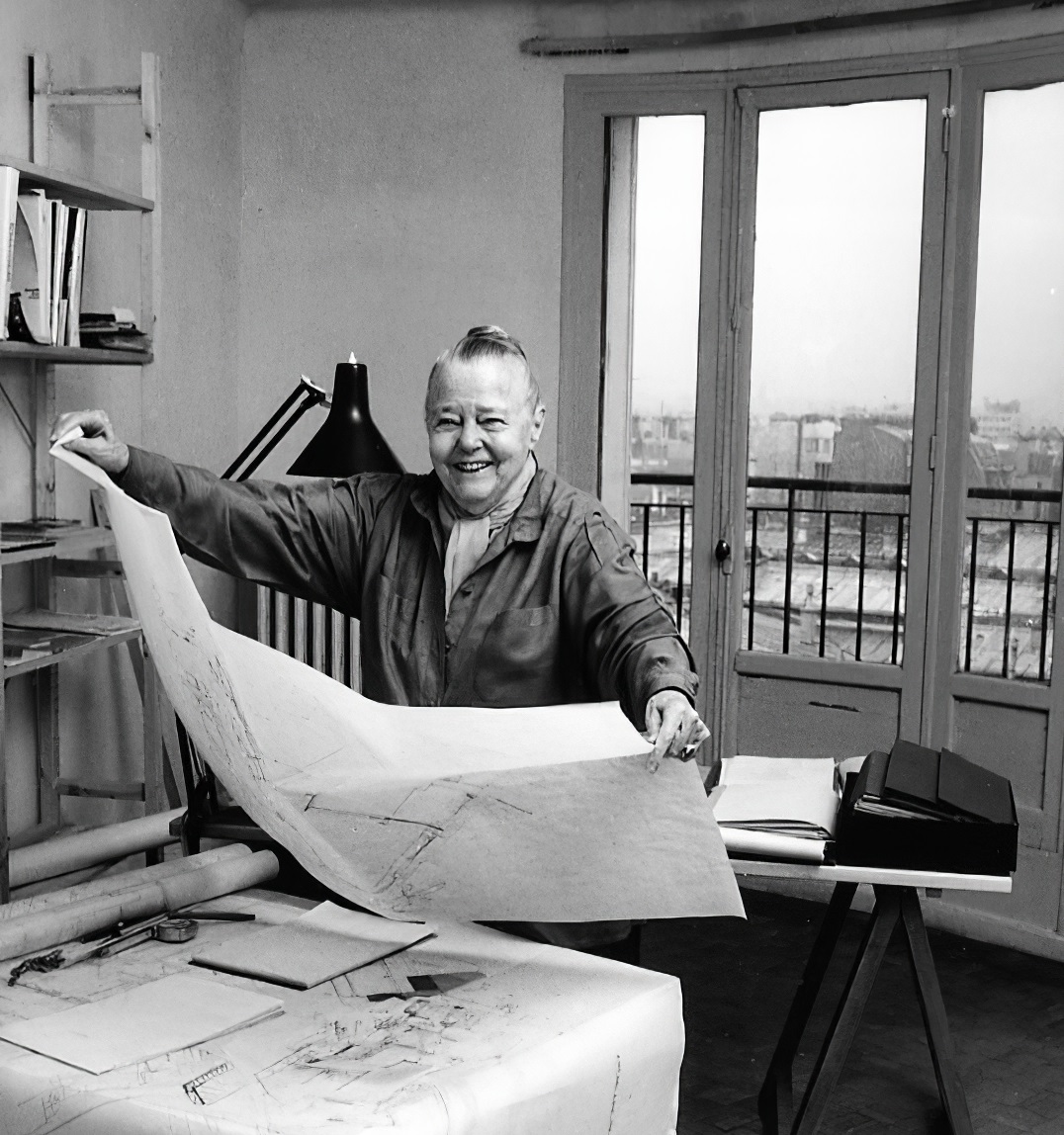
Charlotte Perriand was a French architect and designer. Her work aimed to create functional living spaces in the belief that better design helps in creating a better society. In her article "L'Art de Vivre" from 1981 she states "The extension of the art of dwelling is the art of living — living in harmony with man's deepest drives and with his adopted or fabricated environment." Charlotte liked to take her time in a space before starting the design process.
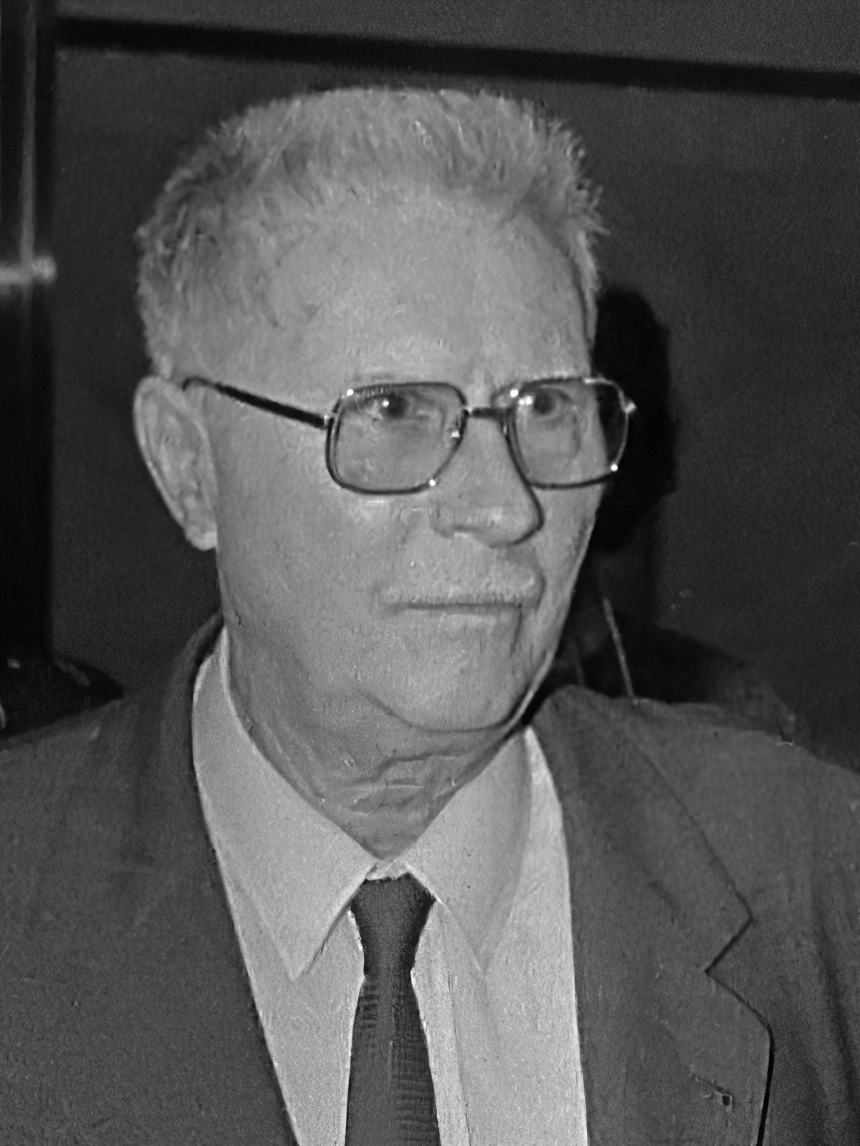
Jean Prouvé was a French metal worker, self-taught architect and designer. Le Corbusier designated Prouvé a constructeur, blending architecture and engineering. Prouvé's main achievement was transferring manufacturing technology from industry to architecture, without losing aesthetic qualities. His design skills were not limited to one discipline. During his career Jean Prouvé was involved in architectural design, industrial design, structural design and furniture design.


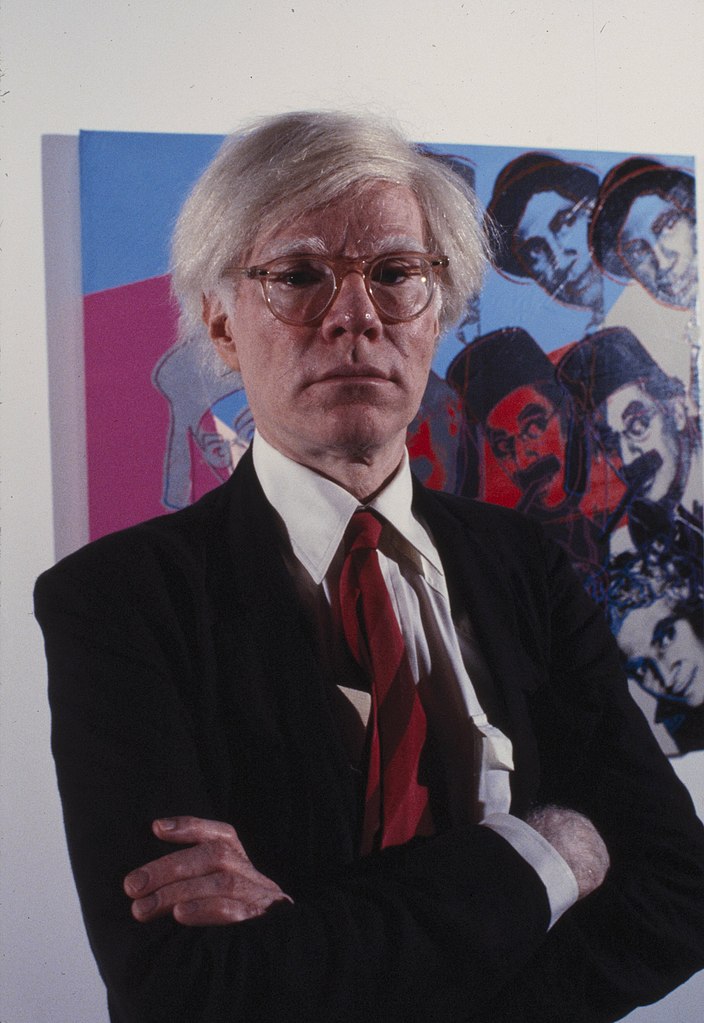
Andy Warhol, born as Andrew Warhola Jr., was an American visual artist, film director, and producer, who played a pivotal role in the development of the Pop Art movement. His art delved into the interplay between artistic expression, advertising, and celebrity culture, especially prevalent in the 1960s. Warhol was renowned for his diverse range of media, which included painting, silkscreening, photography, film, and sculpture.
Warhol's journey began in Pittsburgh, where he was born and raised, initially making a name for himself as a commercial illustrator. His New York studio, "The Factory," became a famous hub for intellectuals, celebrities, and various artistic minds. He was known for creating the notion of "Warhol superstars" and popularized the phrase "15 minutes of fame."
His contribution to the art world is significant, with notable works like "Campbell's Soup Cans" (1962) and "Marilyn Diptych" (1962), as well as his experimental films like "Empire" (1964) and "Chelsea Girls" (1966). These works not only define his career but also underscore the essence of the Pop Art movement.
Warhol's influence extended beyond his artwork. He managed and produced the experimental rock band The Velvet Underground, founded Interview magazine, and wrote several books, including "The Philosophy of Andy Warhol" and "Popism: The Warhol Sixties." Living openly as a gay man before the gay liberation movement, Warhol's personal life was as influential as his professional endeavors.
Tragically, Warhol's life was nearly cut short in 1968 when he was shot by radical feminist Valerie Solanas. He eventually passed away in 1987 due to cardiac arrhythmia following gallbladder surgery. His legacy continues, with The Andy Warhol Museum in Pittsburgh standing as the largest U.S. museum dedicated to a single artist.
Warhol's art remains highly collectible and valuable. His works, like the "Silver Car Crash (Double Disaster)" and "Shot Sage Blue Marilyn," have fetched staggering amounts at auctions, signifying his enduring impact on the art market.
For art collectors and experts, Andy Warhol's work represents a crucial intersection of pop culture and fine art, offering a unique perspective on consumerism and celebrity. His pieces are not just art; they are historical landmarks that capture a transformative era in both art and society.
To stay updated on new products, sales, and auction events related to Andy Warhol, sign up for our updates. This subscription will keep you informed about all things Warhol without overwhelming you with unnecessary information.
Jean-Michel Basquiat was an American artist who rose to success during the 1980s as part of the Neo-expressionism movement.
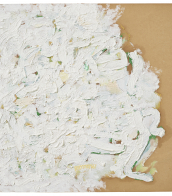


Jean Arp, born Hans Peter Wilhelm Arp, was a German and French poet, painter, graphic artist and sculptor. one of the founders of the Dada movement in Zurich.
Arp used abstract forms in his work and experimented with different materials such as wood, metal and stone. He was also known for his poetic works, in which he applied a method of randomly selecting words, called the "clutter method". Arp believed that this method helped him express his thoughts more precisely and originally. Arp's influence on the arts is still significant today.
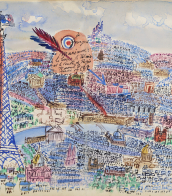
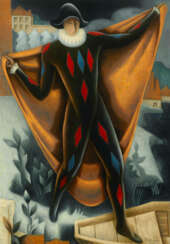

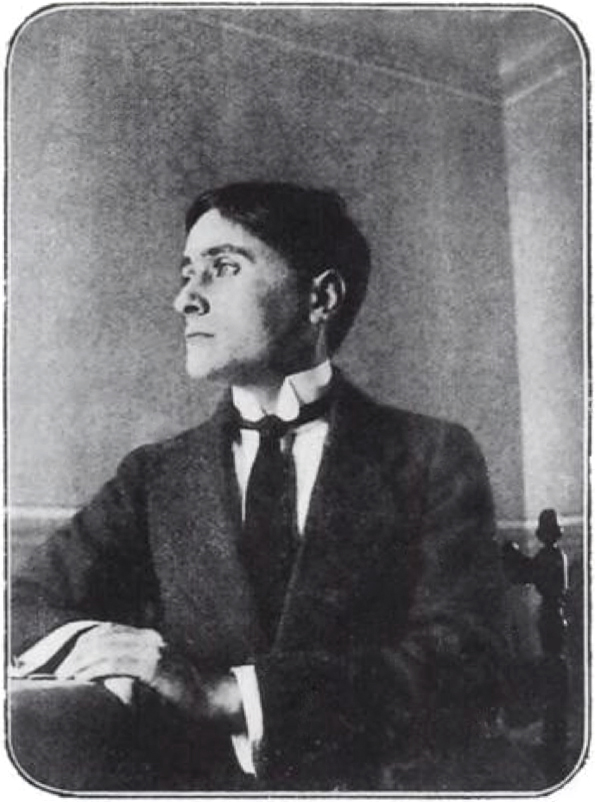
Jean Metzinger, a French Divisionist artist born in 1883, was instrumental in the development of Cubism. His approach to painting was revolutionary, challenging classical representations by emphasizing dynamism and the validity of multiple perspectives. Metzinger's early works were influenced by Neo-Impressionism, evident in his participation in exhibitions alongside Fauvist artists like André Derain and Henri Matisse. His transition to Cubism marked a significant evolution in his style, characterized by geometric simplification and an exploration of spatial complexities.
One notable work, "La Femme au Cheval," embodies Metzinger's 'mobile perspective,' a concept that mirrored the scientific advances of the time, specifically in quantum mechanics. This painting was even admired by Niels Bohr, a pioneer of quantum mechanics. Metzinger's contributions to Cubism extended beyond his paintings; he was a key figure in the movement's theoretical underpinnings, co-authoring with Albert Gleizes the first major treatise on Cubism.
Metzinger's later works ventured into greater realism and were marked by Art Deco influences, reflecting a shift towards classical beauty and balance post-World War I. This period of his work is characterized by bold colors and streamlined forms, with notable works such as "Femme au Faisan" illustrating this transition.
Metzinger's influence on modern art extends beyond his Cubist works. He was a central figure in the Parisian art scene, regularly exhibiting his work and engaging with other avant-garde artists. His legacy is preserved in museums worldwide, including significant pieces at the Albright-Knox Art Gallery and the Thyssen-Bornemisza Museum.
For collectors and experts in art and antiques, Jean Metzinger remains a pivotal figure in the history of modern art. His innovative approach to painting, theoretical contributions to Cubism, and later explorations of realism and Art Deco aesthetics offer a rich portfolio of work for appreciation and study. Sign up for updates to stay informed about new product sales and auction events related to Jean Metzinger's art.
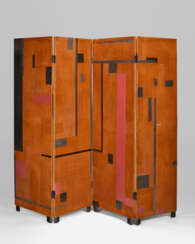

Jean Dunand was a Swiss and French painter, sculptor, metal craftsman and interior designer during the Art Deco period. He was particularly known for his lacquered screens and other art objects.