passing rate


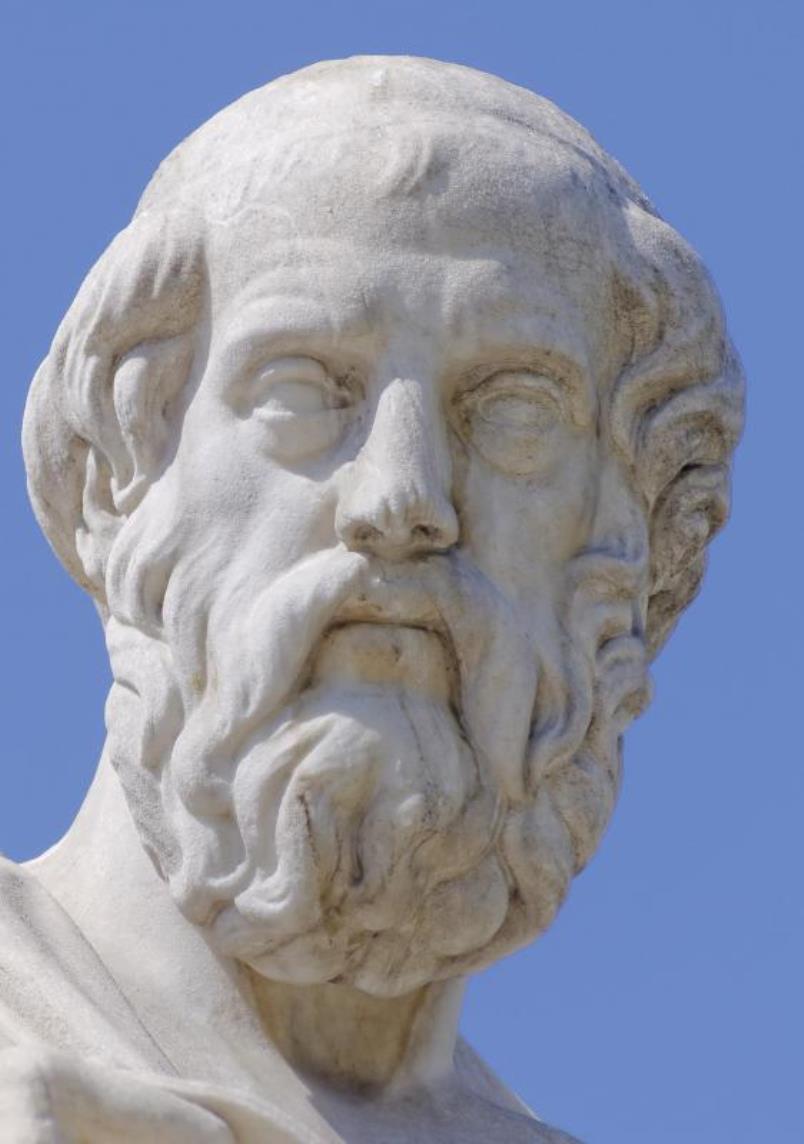
Isocrates was an ancient Athenian orator, tutor, and writer.
He was born shortly before the outbreak of the Peloponnesian War (431-404 BC), and the turbulent life of the time directed the young Isocrates to write speeches for court appearances and politicians. His works were a success, and in 390 BC he founded a school whose students included prominent men from all over the Greek world. Isocrates' political beliefs caused a clash of interests with another demagogue, the famous anti-Macedonian Demosthenes (c. 384-322 BC). Moreover, Isocrates' beliefs, which were propagated through his school, also caused quarrels with other prominent figures in Greek philosophy, Plato (428/427-348/347 BC) and later Aristotle (384-322 BC).
Isocrates invested the wealth he had accumulated over time in the Athenian navy, earning him the title of trierarch. Having a reputation as a benefactor of Athens, he strove to be a moral educator as well. His most famous works, including Against the Sophists, Antidozis, Panegyric, To Philip, and Panatheneikus, provided this thinker with recognition from both ancient and modern audiences. The writings of Isocrates are an important historical source of information about the intellectual and political life of Athens in his time.
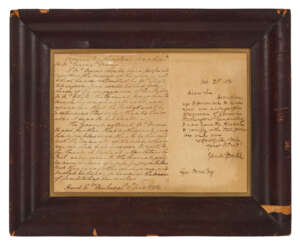

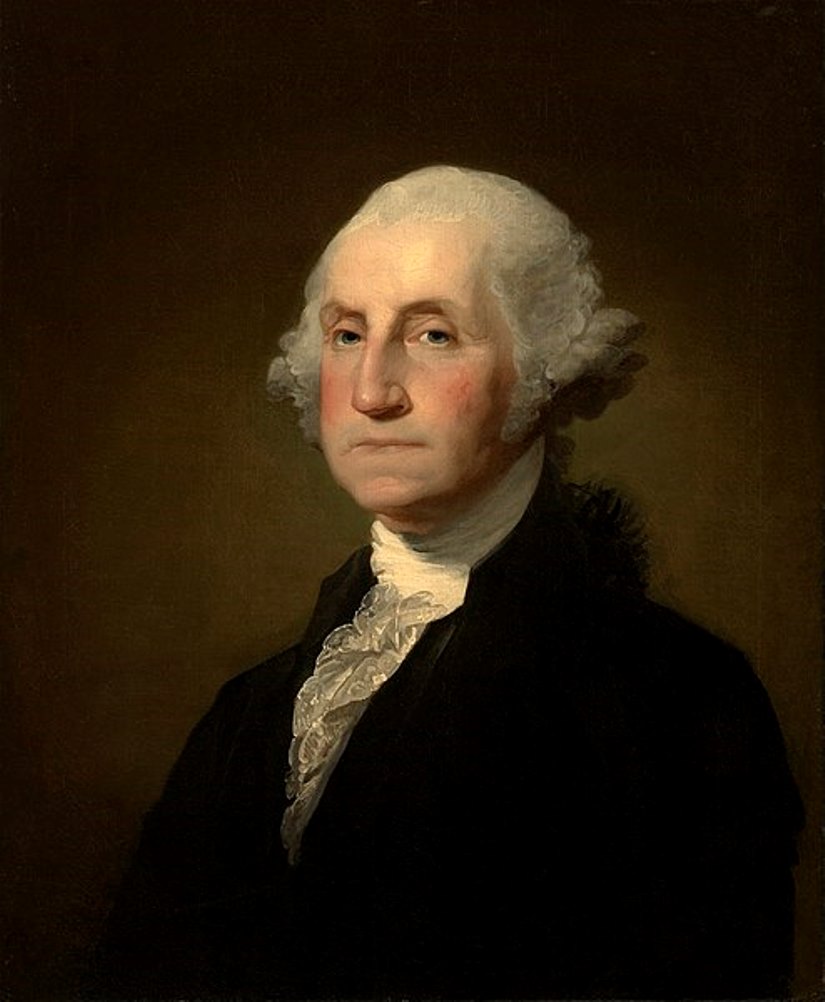
George Washington is the first popularly elected president of the United States of America and one of the founding fathers of the United States.
Born into a noble family in colonial Virginia in February 1732, George Washington served as a Virginian officer with British troops during the French-Indian War (1754-1763) from 1754-1758. This was a territorial war fought largely between the colonies of Britain and France that escalated into a worldwide conflict between the two countries. J. Washington was at the center of the conflicts in the disputed Ohio River Valley area.
In June 1775, he was elected commander-in-chief of the Continental forces in the war already for independence from Great Britain. He commanded American troops throughout the war, becoming famous for his perseverance and bravery.
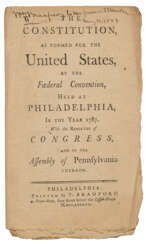
In 1787, J. Washington represented the state of Virginia as a delegate to the Constitutional Convention. This convention created the Constitution of the United States. In 1789, the Electoral College unanimously elected George Washington president, and in 1792 he was re-elected for a second term. Thus George Washington was in office as President of the United States from April 30, 1789 to March 4, 1797.
As head of state, he helped to strengthen the Union, implement the principles of the Constitution and build the capital of the United States. He was engaged in the formation of the central authorities and system of government, created precedents for the institution of presidents, encouraged the development of the economy, maintained friendly relations with Congress. In foreign policy Washington avoided interference in the affairs of European states.
After leaving the post of president, George Washington lived in Mount Vernon Manor.




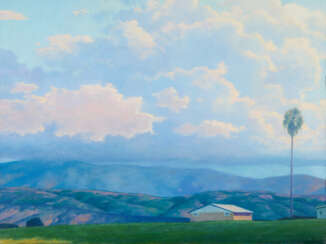


William Glen Crooks, an American neorealist painter, has carved a niche for himself with his unique approach to landscape and urban scene painting. Unlike traditional representations, Crooks' works omit human figures, substituting them with vehicles to embody human traits and emotions. His approach to capturing the essence of city and small-town life through this lens has garnered attention for its depth and thoughtfulness. William Glen Crooks' dedication to his craft began at a young age, evolving from drawing comics to a self-taught mastery in representational painting, driven by a passion to defy the norms of modernism that dominated his formative years. His self-imposed rigorous practice of drawing laid the foundation for his distinctive style.
William Glen Crooks' work has been the subject of several exhibitions, including a notable showcase at the Oceanside Museum of Art (OMA). The exhibition, "The Point of View," marked his first museum exhibition and featured twenty-three paintings that spanned over twenty-five years. These works emphasize cityscapes, nostalgic urban scenery, and expansive landscapes, illustrating Crooks' ability to translate everyday scenes into compelling narratives. His paintings are celebrated for their illumination of light and shadow, transforming landscapes into metaphors that reflect his perceptions of the natural world.
His technique and subject matter draw inspiration from a blend of influences, including the landscape painters of the 1800s, Edward Hopper's narrative style, Mark Rothko's color fields, Wolf Kahn's liberating techniques, and John Frederick Kensett's luminism. This eclectic mix has allowed William Glen Crooks to explore the opacity of light and transparency of shadow in a way that brings a fresh perspective to the landscape genre, making his work resonate with a contemporary audience while retaining a timeless quality.
For collectors and experts in art and antiques, William Glen Crooks offers a unique investment in the realm of contemporary realism. His paintings invite viewers to explore the subtle interplay of light, shadow, and form, capturing the quiet moments of daily life with a profound depth and sensitivity.
To stay updated on William Glen Crooks' latest works and exhibitions, signing up for newsletters from galleries and museums that feature his work, such as the Oceanside Museum of Art, is recommended. This subscription will ensure that enthusiasts are always informed about new sales, auction events, and showcases related to Crooks' evolving portfolio.











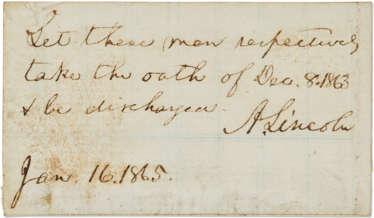

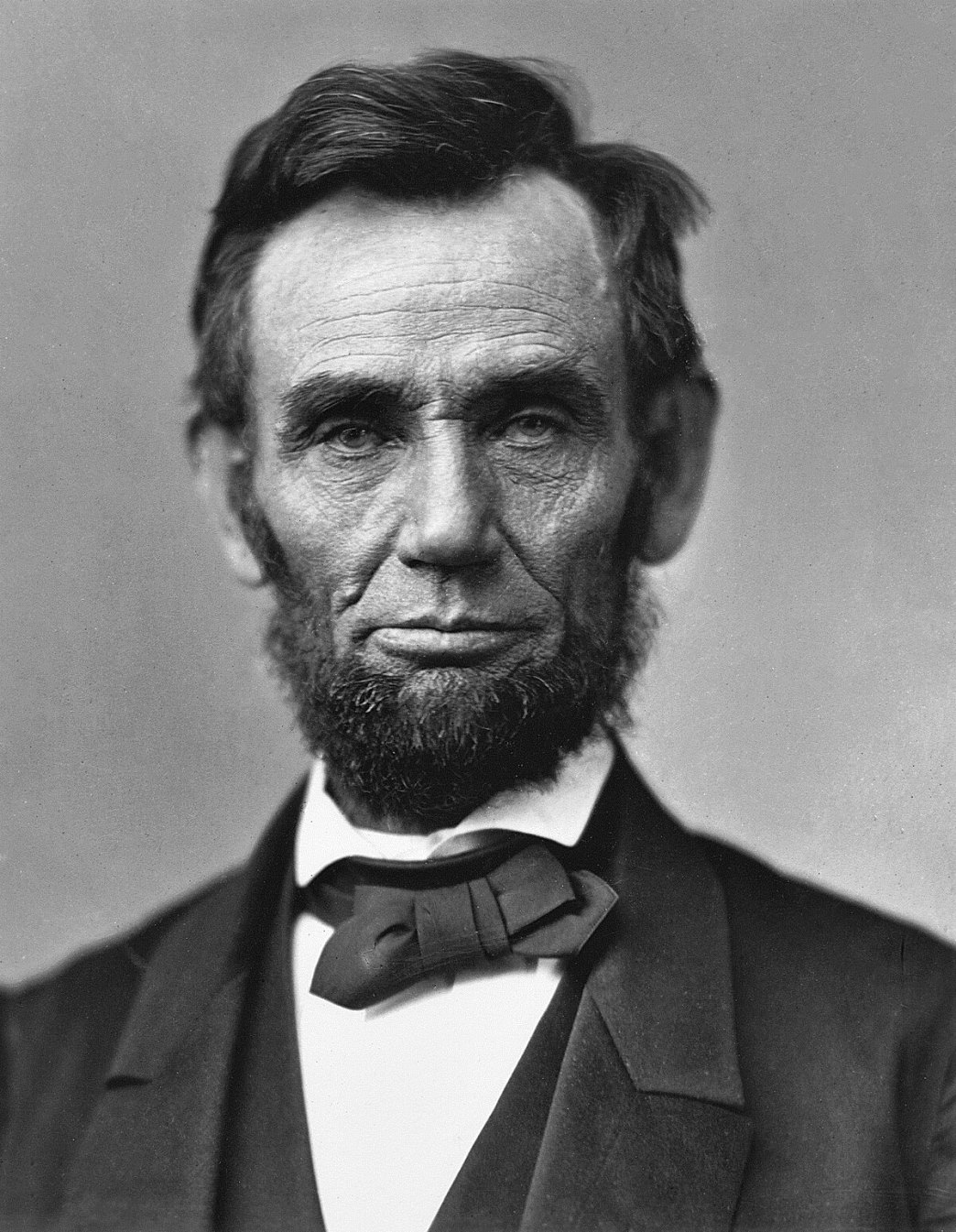
Abraham Lincoln was an American statesman and politician, the 16th President of the United States (March 4, 1861 - April 15, 1865).
The son of a frontiersman and a Kentucky farmer, Lincoln worked hard from an early age and struggled to learn. He was a militiaman in the Indian War, practiced law, and sat in the Illinois legislature for eight years. He was an opponent of slavery and gradually gained a national reputation that earned him victory in the 1860 presidential election.
After becoming the 16th president of the United States, Abraham Lincoln turned the Republican Party into a strong national organization. In addition, he drew most Northern Democrats to the Union side. On January 1, 1863, he issued the Emancipation Proclamation, which declared permanently free those slaves who were in Confederate territory. Lincoln considered secession illegal and was prepared to use force to defend federal law and the Union. Four more slave states joined the Confederacy, but four remained in the Union, and the Civil War of 1861-1865 began.
Lincoln personally directed the military action that led to victory over the Confederacy. Abraham Lincoln was reelected in 1864, and on April 14, 1865, he was fatally shot at Ford's Theatre in Washington, D.C. by actor John Wilkes Booth.
Abraham Lincoln is a national hero of the American people, he is considered one of the best and most famous presidents of the United States until today.










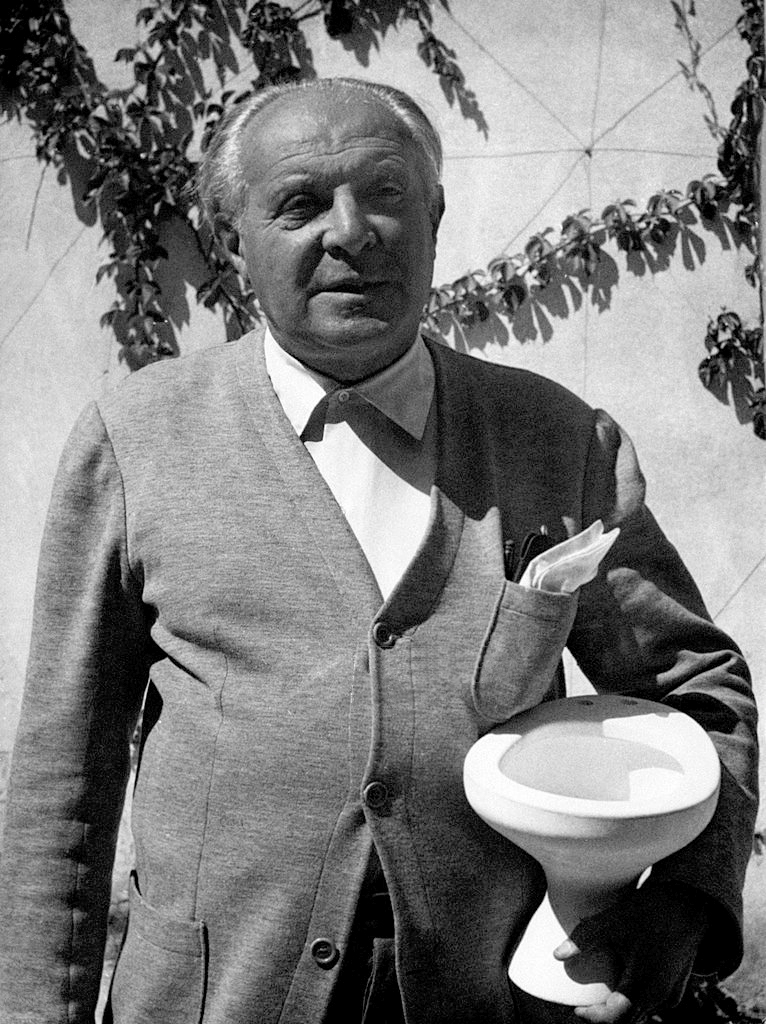
Giovanni (Gio) Ponti was an Italian architect, industrial designer, furniture designer, artist, teacher, writer and publisher.