paul p.


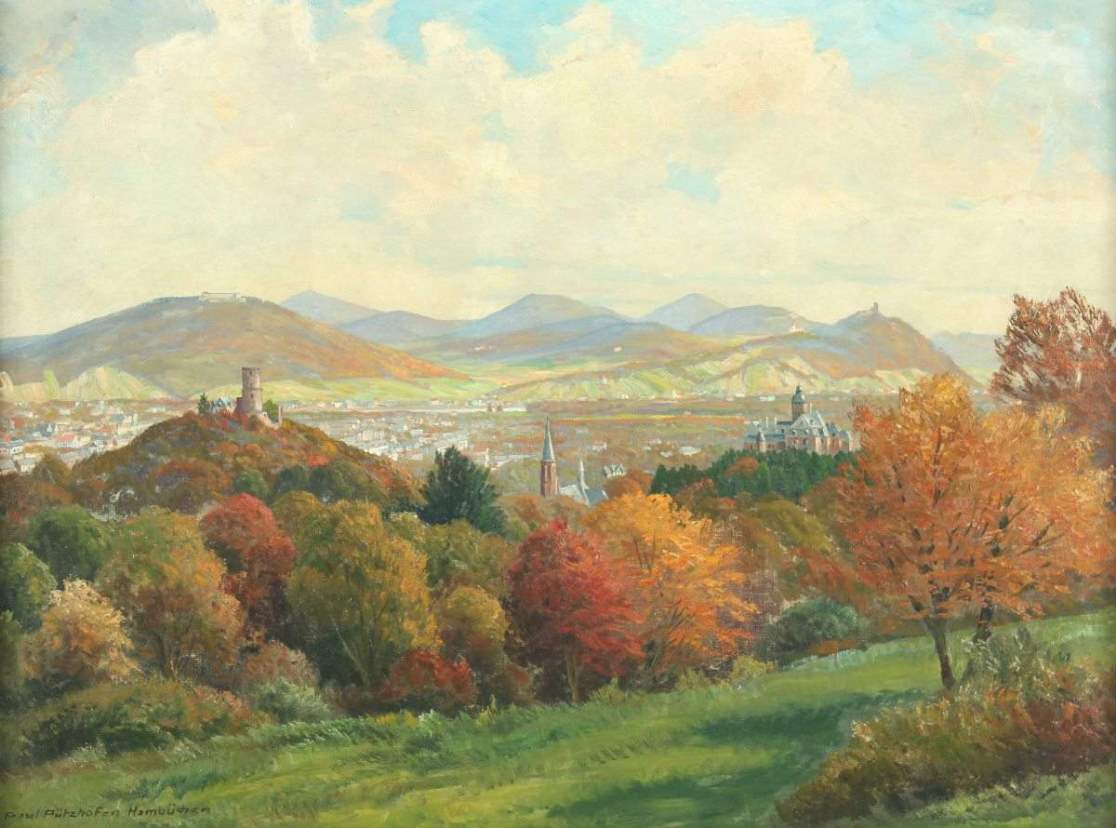
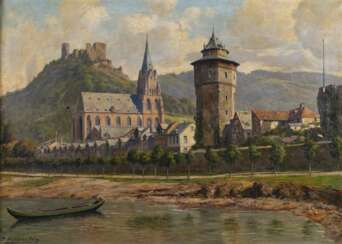
Paul Pützhofen-Hambüchen was a German landscape painter.
He created landscapes with views of the low mountain ranges of Germany as well as of the Dutch and Baltic coasts.


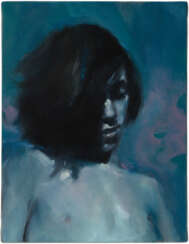

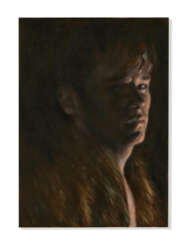










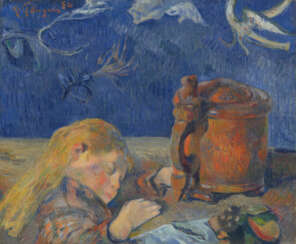


Paul Gauguin, a French artist born in Paris in 1848, is renowned for his significant contributions to Post-Impressionism, Primitivism, and Synthetism. Gauguin's art is distinguished by his experimental use of color and style, which set him apart from the traditional Impressionist movement.
Gauguin's early life was marked by a period in Peru, which influenced his artistic perspective. Initially, he pursued a career in stockbroking but soon turned to art, driven by financial necessity and a growing passion. His artistic journey began under the mentorship of Impressionist artist Camille Pissarro and through exposure to the works of other avant-garde artists.
The hallmark of Gauguin's work is his exploration of non-Western cultures, particularly during his time in Tahiti and the Marquesas Islands. This period saw the creation of some of his most famous works, including "Where Do We Come From? What Are We? Where Are We Going?" His paintings from this era, characterized by vivid colors and Symbolist themes, reflect a fusion of cultural influences and his quest for a "primitive" expression of spiritual and emotional states.
Despite his innovative style, Gauguin struggled with financial difficulties and health issues throughout his life. His work received little recognition during his lifetime, but posthumously, he gained acclaim for influencing modern artists like Pablo Picasso and Henri Matisse.
Today, Gauguin's works are celebrated in galleries and museums worldwide for their unique blend of cultural influences and artistic innovation. His enduring legacy is a testament to his unique vision and the profound impact he had on the art world.
Collectors and experts in art and antiques, stay updated on new product sales and auction events related to Paul Gauguin. Sign up now for exclusive updates and immerse yourself in the world of this visionary artist.
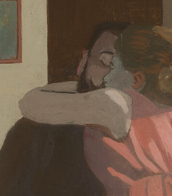
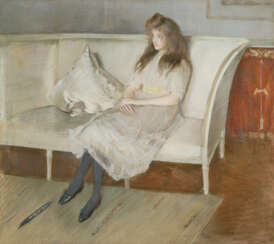


Paul César Helleu was a French oil painter, pastel artist, drypoint etcher, and designer, best known for his numerous portraits of beautiful society women of the Belle Époque. He also conceived the ceiling mural of night sky constellations for Grand Central Terminal in New York City. He was also the father of Jean Helleu and the grandfather of Jacques Helleu, both artistic directors for Parfums Chanel.
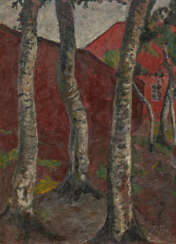

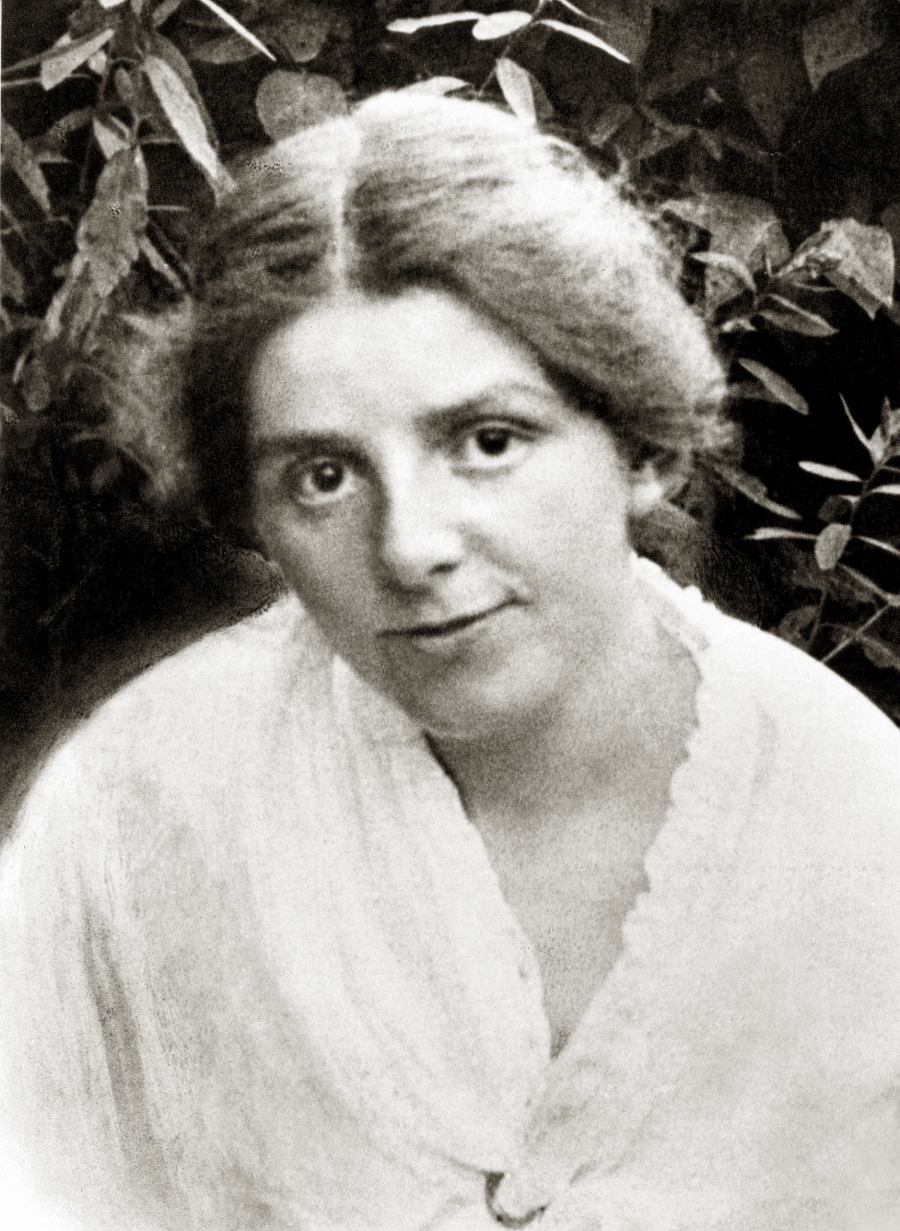
Paula Moderzohn-Becker was a German early expressionist painter.
In her youth she attended the traditional School for Women Artists in Berlin. Like many local German artists, she painted sentimental landscapes and scenes from peasant life.
And in 1900 Paula traveled with her husband to Paris, where she was influenced by post-Impressionist paintings and became an ardent enthusiast of painting by Paul Gauguin and Paul Cézanne. Today she is considered a forerunner of Expressionism because of the power of her compositions, although during her lifetime she was completely ignored. During her short career Moderzohn-Becker painted 750 canvases, about 1,000 drawings and 13 etchings, all of which incorporated the major art movements of the early 20th century.


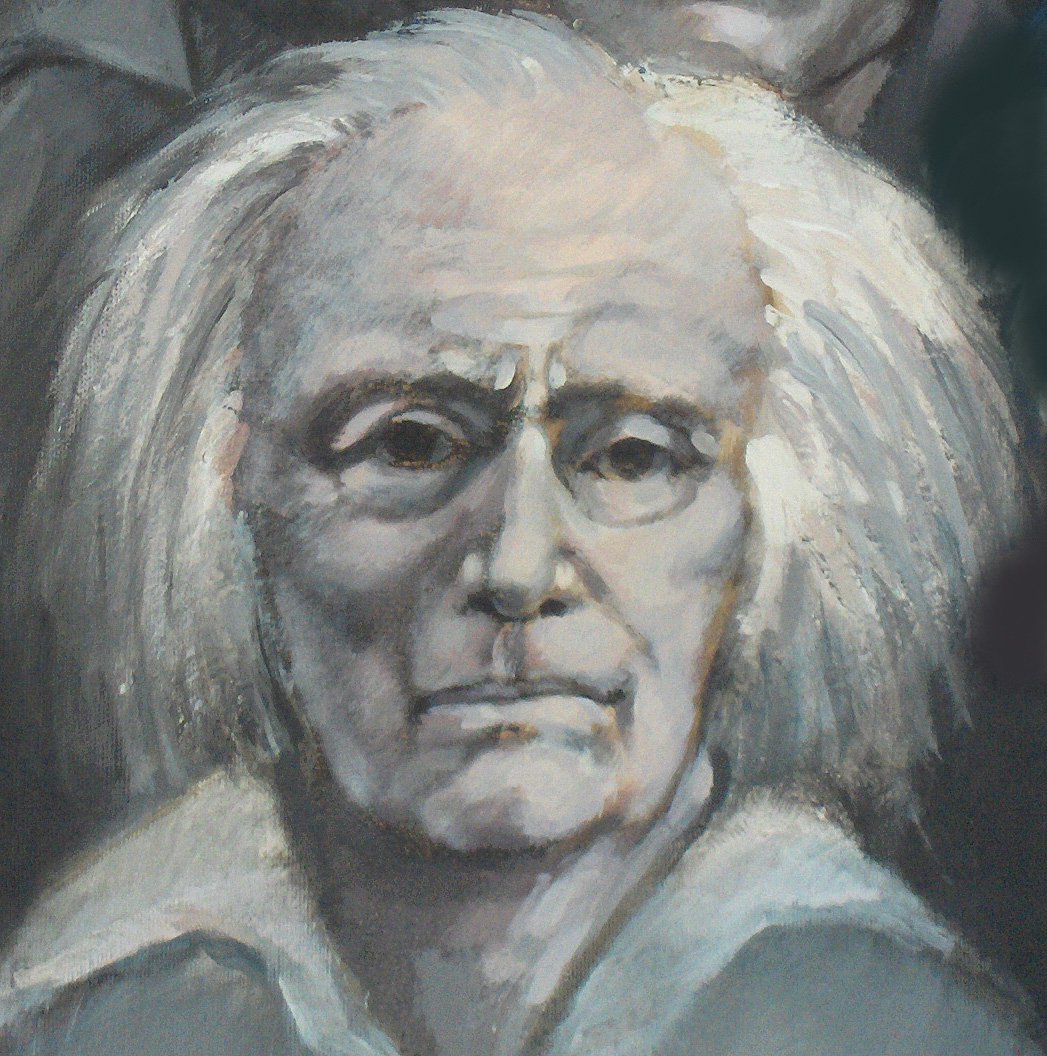
Paul Delvaux, a Belgian painter, stands out in the history of art for his dreamlike scenes that weave together elements of surrealism with classical influences. Born on September 23, 1897, Delvaux's early works were influenced by Flemish Expressionists and the palette of James Ensor, showcasing nudes in landscapes characterized by a somewhat stiff portrayal. His style evolved significantly over time, with a pivotal change around 1933 under the influence of Giorgio de Chirico's metaphysical art, leading to his hallmark style of semi-nude figures in classical ruins or dark forests.
Delvaux's unique approach to art was not confined to the traditional bounds of the Surrealist movement, despite the similarities in thematic content. His work is distinguished by the inclusion of motifs like skeletons and idealized female nudes, set against backgrounds that often feature classical architecture or eerie night scenes. This blend of motifs reflects Delvaux's lifelong fascination with themes of memory, dreams, and the subconscious, a fascination further inspired by the works of René Magritte, though Delvaux maintained a respectful but uneasy relationship with him.
Despite his influences, Delvaux was cautious about aligning too closely with any single art movement or 'ism,' including Surrealism. His visit to an exhibition of Giorgio de Chirico's work in 1926 left a lasting impression, shaping his aesthetic towards creating enigmatic landscapes filled with anachronistic elements. Yet, he kept a distance from the Surrealists, preferring to explore his unique blend of reality and fantasy.
Delvaux's artistry is also deeply personal, drawing heavily from his youth and early experiences. The impact of his childhood, including encounters with medical curiosities at the Midi Fair in Brussels and the poetry of Homer, can be seen in the recurring themes of his work. These personal motifs, alongside his sophisticated use of light and shadow, lend his paintings a poetic dimension that transcends the mere visual to evoke a deeper emotional resonance.
Paul Delvaux's contributions to art are celebrated worldwide, with his works residing in prestigious galleries, including the Tate collection, underscoring his significance in the art world. His ability to blend the surreal with the classical, the personal with the universal, has cemented his legacy as an artist who transcended the boundaries of his time to explore the endless possibilities of imagination and memory.
For collectors and art experts interested in the nuanced realms of culture, art, and the legacy of influential painters like Paul Delvaux, staying informed about new discoveries, sales, and auction events related to his work is essential. Signing up for updates can provide exclusive insights into the evolving appreciation of Delvaux's contributions to modern art.



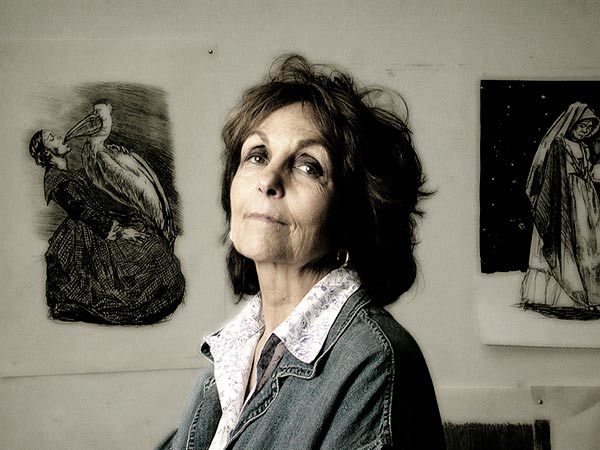
Maria Paula Figueiroa Rego was a Portuguese-British visual artist known particularly for her paintings and prints based on storybooks. Rego's style evolved from abstract towards representational, and she favoured pastels over oils for much of her career. Her work often reflects feminism, coloured by folk-themes from her native Portugal.
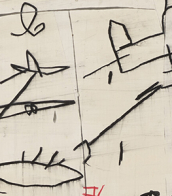

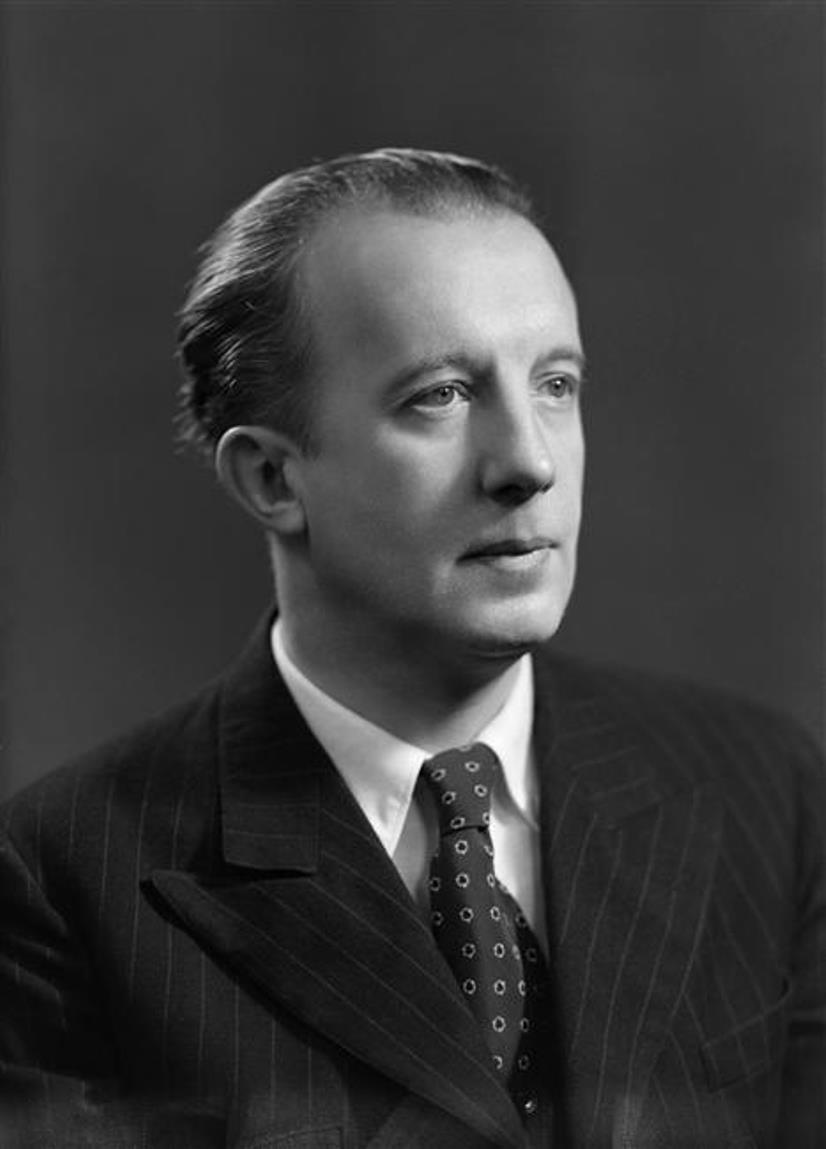
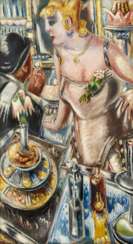

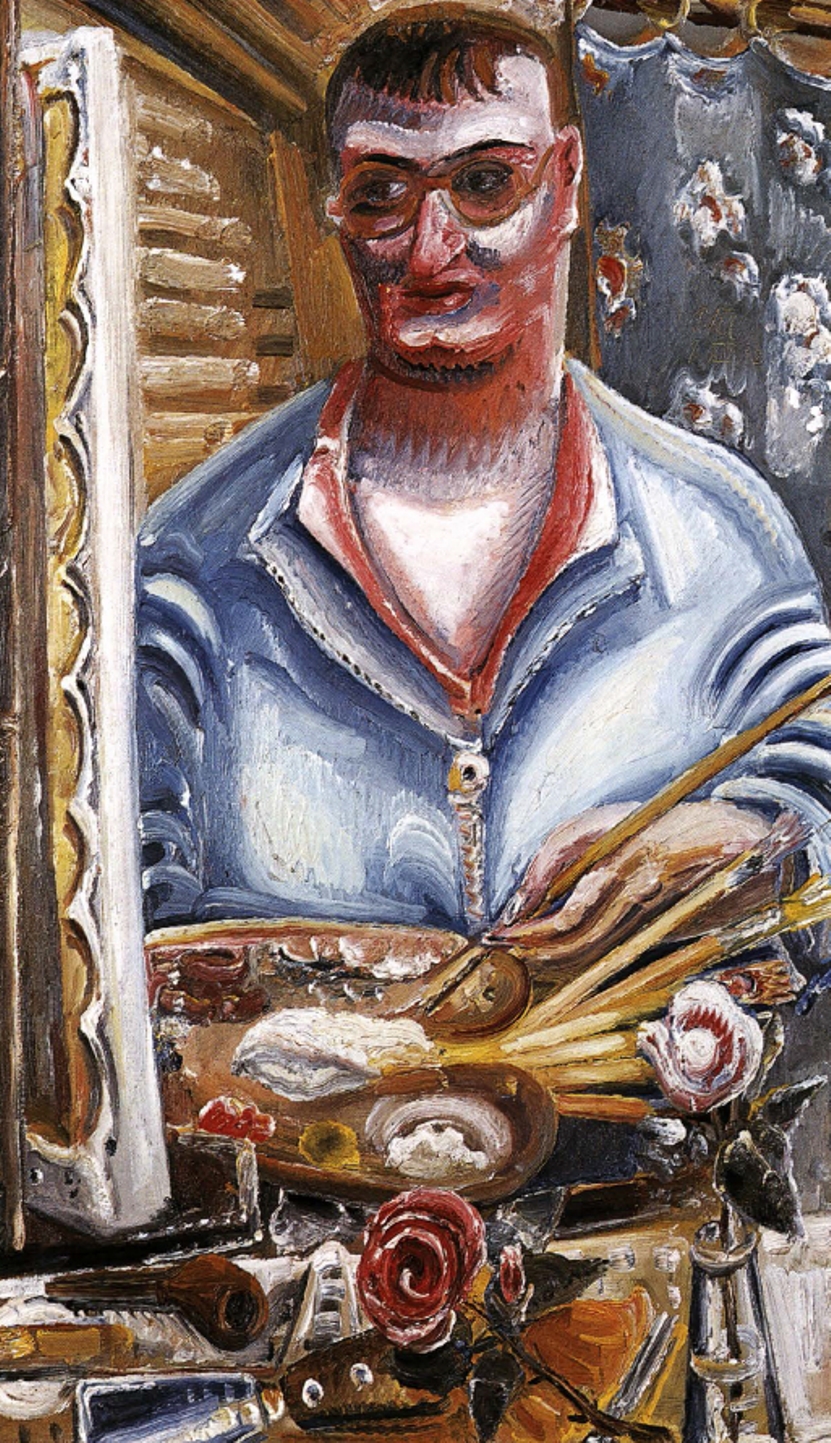
Paul Kleinschmidt was a German painter, graphic artist, engraver, and draftsman.
He studied at the Berlin Academy and at the Academy in Munich, where he studied the techniques of lithography and etching. Kleinschmidt created many etchings and lithographs in the modernist style and is also known for genre images of people having fun in restaurants.
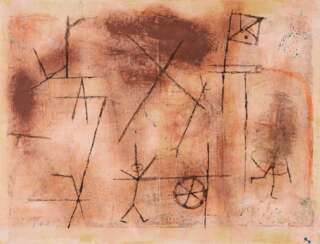

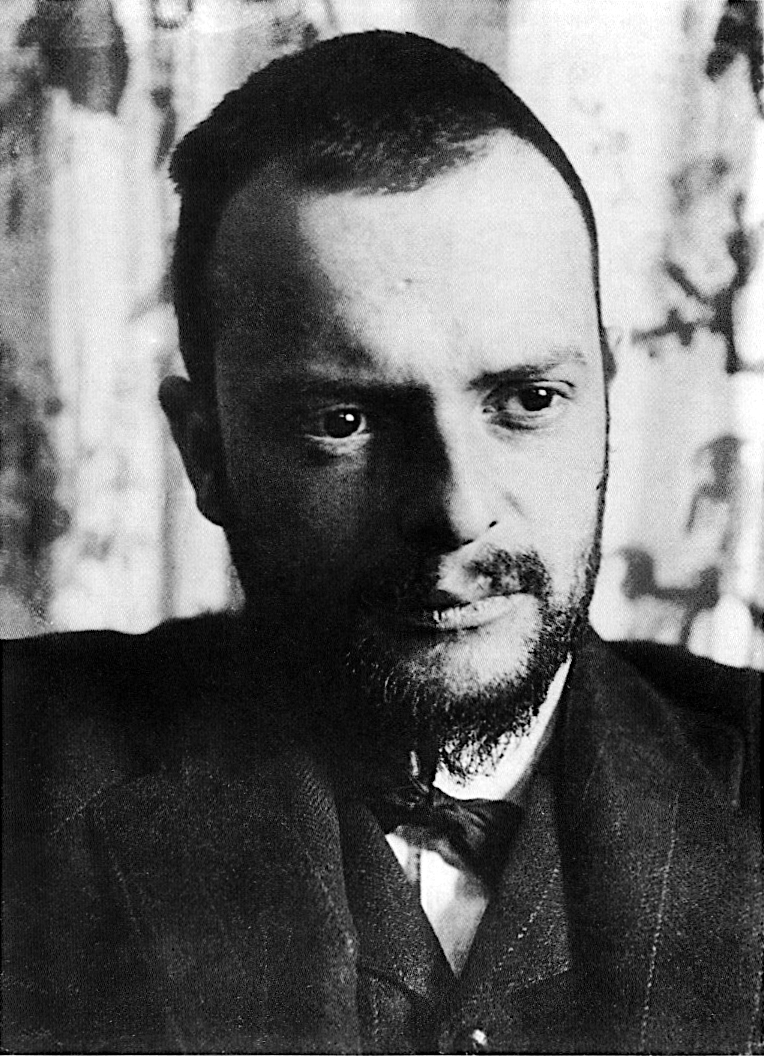
Paul Klee, a Swiss-born German artist, was renowned for his unique contribution to the art world, blending elements from expressionism, cubism, and surrealism. Born on December 18, 1879, in Münchenbuchsee, Switzerland, Klee was the second child of a German music teacher and a Swiss singer. Despite early musical talent, Klee pursued visual arts, influenced by a dissatisfaction with the state of modern music and a desire for creative freedom.
Klee's artistic journey began in earnest after he decided against a career in music, despite his exceptional skills with the violin. His education at the Academy of Fine Arts in Munich under the guidance of Heinrich Knirr and Franz von Stuck was crucial in shaping his artistic direction. Although he struggled with color initially, Klee later became a master of color theory, a transition marked by his transformative visit to Tunisia in 1914. This trip was a pivotal moment, leading Klee to declare, "Color and I are one. I am a painter".
Throughout his career, Klee's work was characterized by a profound sense of experimentation and innovation. He explored the boundaries of abstract art, drawing inspiration from his vast interests, including literature, music, and his own theories on art and aesthetics. His lectures on form and design theory at the Bauhaus, where he taught alongside luminaries like Wassily Kandinsky, are considered as seminal to modern art as Leonardo da Vinci's treatises were to the Renaissance.
Klee's art is celebrated for its intricacy, humor, and the ability to express complex themes through seemingly simplistic and childlike forms. His notable works, such as "Twittering Machine" (1922) and "Highway and Byways" (1928), showcase his skill in using color, shape, and line to evoke depth and emotion.
For collectors and art and antiques experts, Klee's legacy is a testament to the power of innovation and the search for personal expression within the avant-garde movements of the 20th century. His works, housed in prestigious museums and galleries around the world, continue to inspire and intrigue.
If you're passionate about art and wish to stay informed about new discoveries and sales related to Paul Klee's works, consider signing up for updates. This subscription will ensure you're alerted to upcoming auction events and product sales, allowing you to deepen your collection and appreciation of this remarkable artist's legacy.
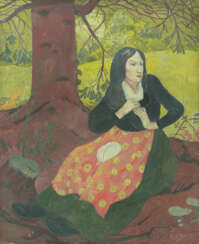

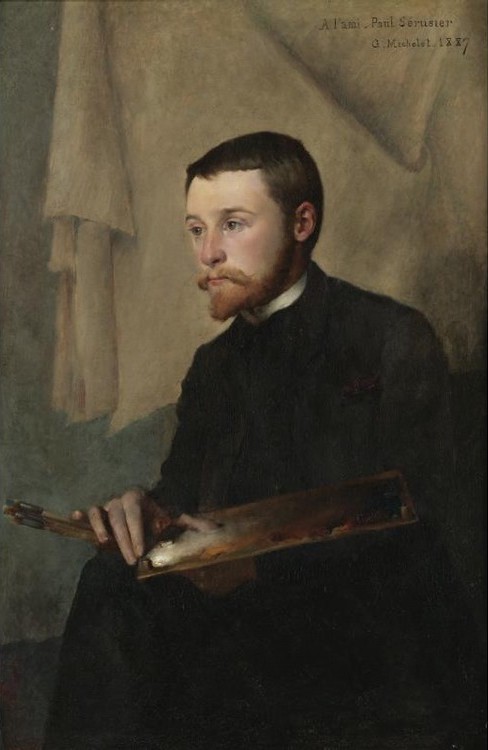
Paul Sérusier was a French Post-Impressionist painter and theorist, notable for his significant contributions to the art movement known as the Nabis. Born in Paris on November 9, 1864, Sérusier's work is characterized by its expressive use of color and pattern, inspired by the techniques of Paul Gauguin. He is best known for his exploration of color, sensation, and abstraction, particularly evident in works like "Le Talisman, the Aven River at the Bois d'Amour" (1888). This painting marks a departure from the Impressionists' more faithful representation of observed reality, focusing instead on translating sensations onto the canvas with vibrant brushstrokes and an emphasis on emotional expression over visual accuracy.
Sérusier's paintings often feature the landscapes and people of Brittany, notable for their contemplative mood achieved through firm contours and blocks of unmodulated color. His style evolved under the influence of Synthetism and Cloisonnism, favoring flattened forms and large swathes of color, as seen in "Farmhouse at le Pouldu" (1890). This approach reflects a decorative organization of objects, emphasizing the craft and execution of the scene.
Some of Sérusier's notable works are housed in prestigious museums such as the Musée d'Orsay in Paris, including "Portrait of Paul Ranson in Nabi Costume" (1890) and "Landscape" (1912). His legacy extends beyond his own artworks; he was a key figure in the formation of the Nabis movement, and his theoretical contributions have had a lasting impact on the art world.
For collectors and experts in art and antiques, Sérusier's work represents a unique blend of post-impressionist and symbolist styles, making his pieces highly valued both for their historical significance and their aesthetic appeal. To stay updated on new product sales and auction events related to Paul Sérusier, sign up for our updates. This subscription service is exclusively focused on providing information related to Sérusier's work, ensuring you remain informed about opportunities to acquire pieces by this influential artist.
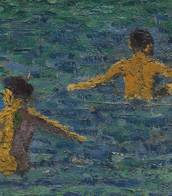


Paul Kleinschmidt was a German painter, graphic artist, engraver, and draftsman.
He studied at the Berlin Academy and at the Academy in Munich, where he studied the techniques of lithography and etching. Kleinschmidt created many etchings and lithographs in the modernist style and is also known for genre images of people having fun in restaurants.
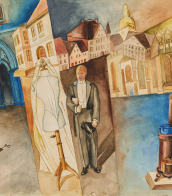
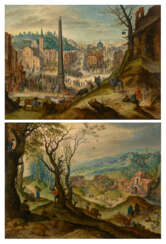

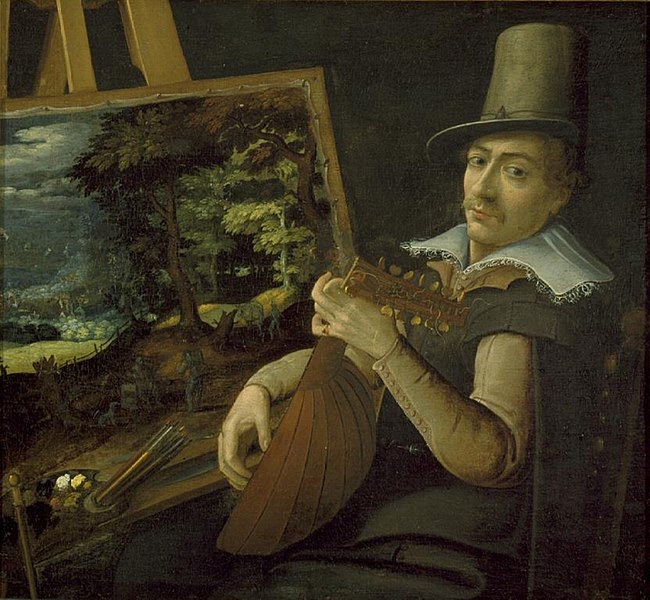
Paul Bril was a prominent Flemish painter, best known for his significant contributions to landscape painting. Born around 1554 in Antwerp, he later moved to Rome, where he became a central figure in the art scene, influencing the Italian and Northern European landscape painting traditions.
Paul Bril's early works were steeped in the Flemish manner, exhibiting a picturesque arrangement of landscape elements with dramatic contrasts of light and dark. His style evolved during his stay in Rome, influenced by the work of Annibale Carracci and Adam Elsheimer. By around 1605, Bril's compositions became more serene and classical, showcasing calmer transitions from foreground to background and embracing pastoral and mythological themes.
Paul Bril's contributions extended beyond his paintings. He was a respected figure in Rome's art community, becoming the first foreign director of the Accademia di San Luca in 1621. His patrons included some of the most influential families in Rome, and his work was sought after by collectors and fellow artists. Bril's influence was profound, impacting future generations of artists, including the Dutch Italianates and genre painters active in Rome.
His works can be found in prestigious galleries worldwide, illustrating his enduring legacy in the art world. For collectors and art and antiques experts, Paul Bril's work represents a significant period in the evolution of landscape painting, blending Flemish traditions with Italian classicism.
For those interested in exploring the captivating landscapes and historical significance of Paul Bril's art, staying informed about new product sales and auction events is essential. Signing up for updates can provide valuable insights and opportunities to acquire pieces associated with this influential artist.
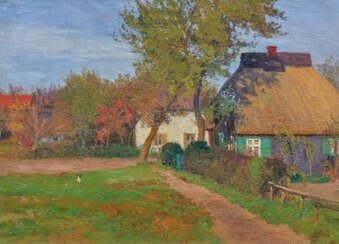

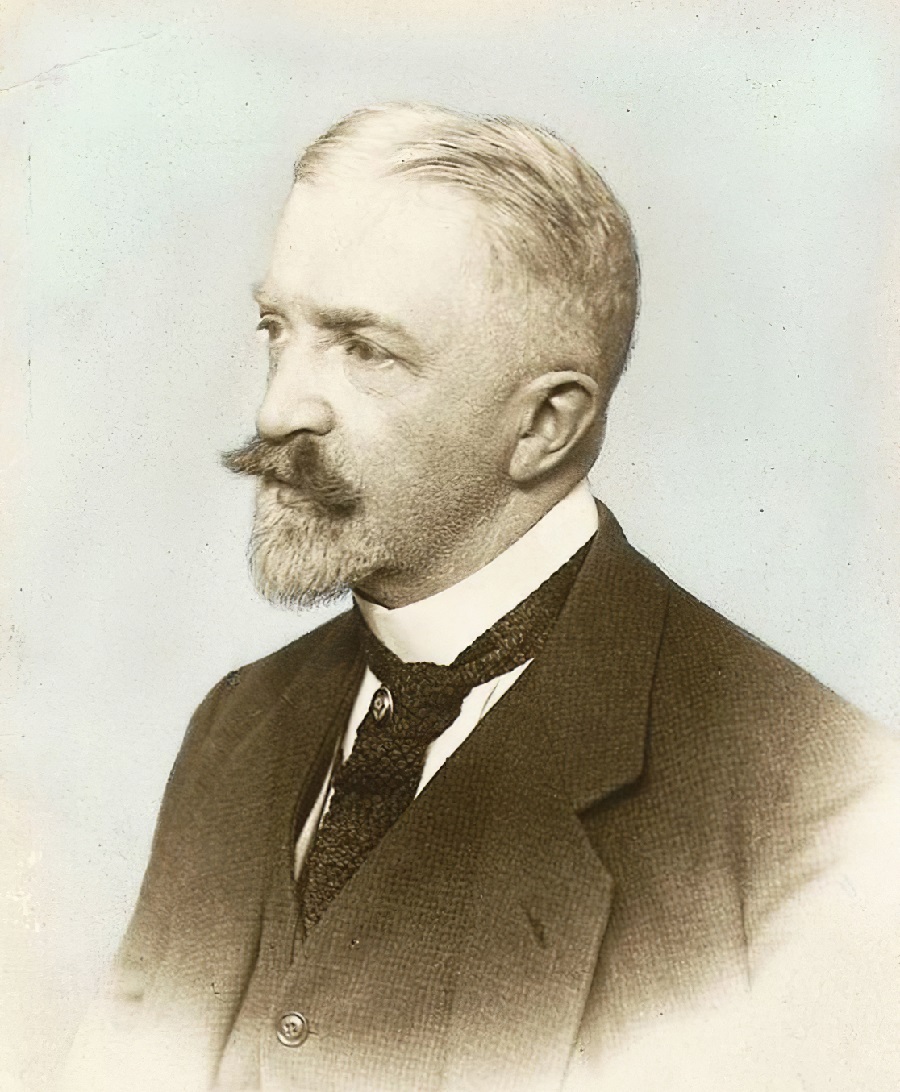
Paul Müller-Kaempff was a German painter, illustrator and lithographer. He is associated with the Düsseldorf school of painting.
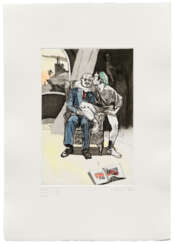

Maria Paula Figueiroa Rego was a Portuguese-British visual artist known particularly for her paintings and prints based on storybooks. Rego's style evolved from abstract towards representational, and she favoured pastels over oils for much of her career. Her work often reflects feminism, coloured by folk-themes from her native Portugal.
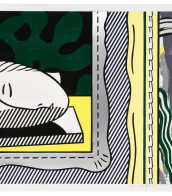


Maria Paula Figueiroa Rego was a Portuguese-British visual artist known particularly for her paintings and prints based on storybooks. Rego's style evolved from abstract towards representational, and she favoured pastels over oils for much of her career. Her work often reflects feminism, coloured by folk-themes from her native Portugal.
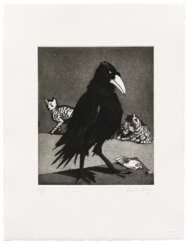

Maria Paula Figueiroa Rego was a Portuguese-British visual artist known particularly for her paintings and prints based on storybooks. Rego's style evolved from abstract towards representational, and she favoured pastels over oils for much of her career. Her work often reflects feminism, coloured by folk-themes from her native Portugal.
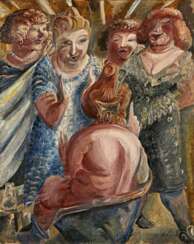

Paul Kleinschmidt was a German painter, graphic artist, engraver, and draftsman.
He studied at the Berlin Academy and at the Academy in Munich, where he studied the techniques of lithography and etching. Kleinschmidt created many etchings and lithographs in the modernist style and is also known for genre images of people having fun in restaurants.
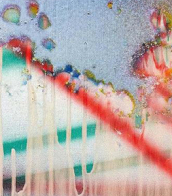
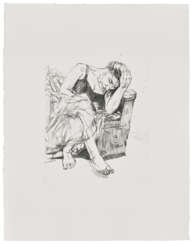

Maria Paula Figueiroa Rego was a Portuguese-British visual artist known particularly for her paintings and prints based on storybooks. Rego's style evolved from abstract towards representational, and she favoured pastels over oils for much of her career. Her work often reflects feminism, coloured by folk-themes from her native Portugal.
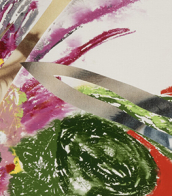
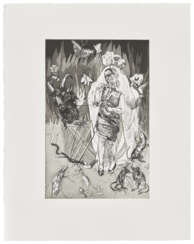

Maria Paula Figueiroa Rego was a Portuguese-British visual artist known particularly for her paintings and prints based on storybooks. Rego's style evolved from abstract towards representational, and she favoured pastels over oils for much of her career. Her work often reflects feminism, coloured by folk-themes from her native Portugal.
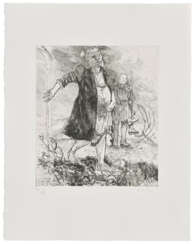

Maria Paula Figueiroa Rego was a Portuguese-British visual artist known particularly for her paintings and prints based on storybooks. Rego's style evolved from abstract towards representational, and she favoured pastels over oils for much of her career. Her work often reflects feminism, coloured by folk-themes from her native Portugal.


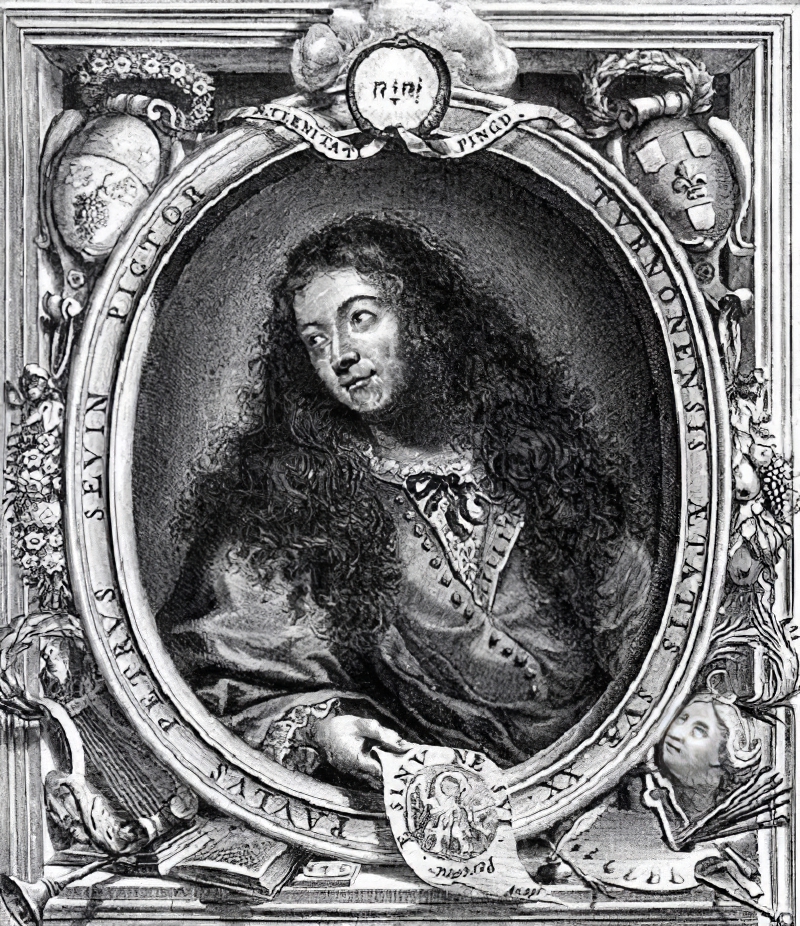
Pierre-Paul Sevin is a history painter and illustrator of allegorical compositions in the century of Louis XIV.