peintures de maîtres


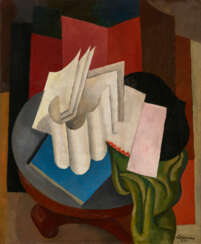

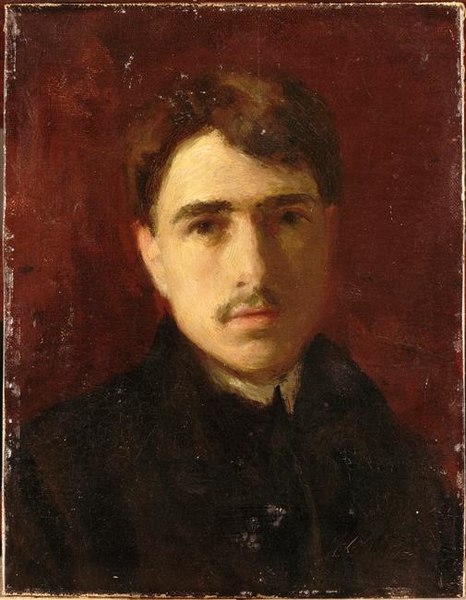
Roger de la Fresnaye was a French painter, a representative of Cubism in painting.
He studied at the Académie Julian in Paris and was fascinated by the art of Paul Cézanne. In his works Fresnaye synthesized lyrical color with geometric simplifications of Cubism.
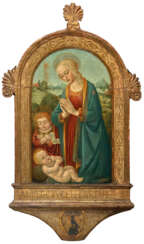

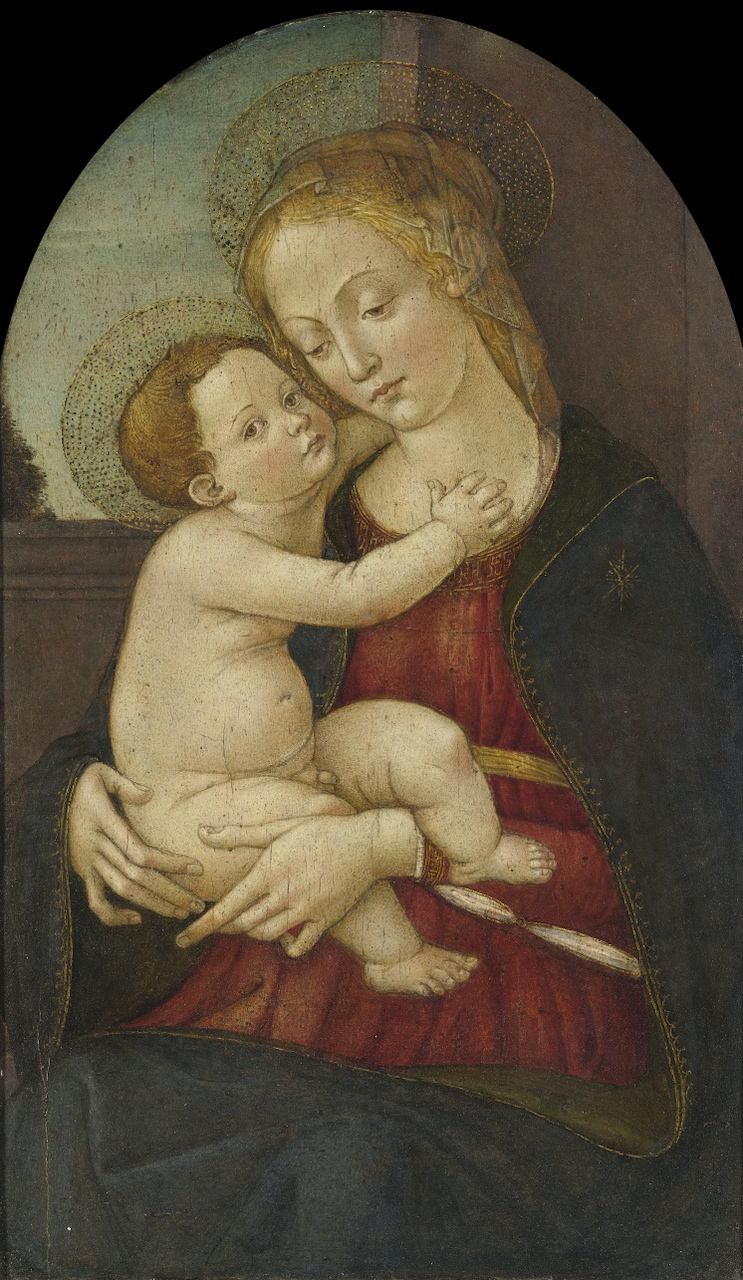
Master of the Epiphany of Fiesole or Master of the Fiesole Epiphany (English: Master of the Fiesole Epiphany) was an Italian painter active in Florence in the mid-15th century. The artist, whose name is not known, was given his notational name after the large-scale depiction of the Epiphany he created for the church of San Francesco in Fiesole in the province of Florence.


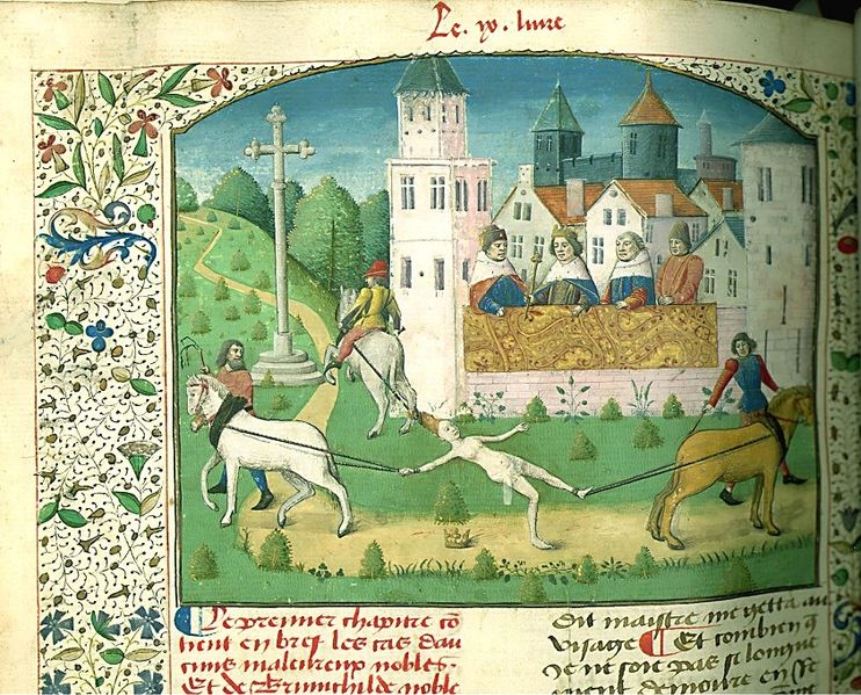
Maître François was a French illustrator who worked in Paris in the 1460s-1480s.
The identity of Maître François as an artist is first mentioned in a letter written by Robert Gauguin in 1473. Most of the prestigious commissions from the court and leading ecclesiastical figures of the time were carried out in François' studio. In Paris in the second half of the fifteenth century, one can trace the predominant style of illumination by the works of Master Jean Rolin, Maître François, and Master Jacques de Besançon. Bibliophiles close to the royal court encouraged the work of miniaturists through private commissions. In particular, Jacques d'Armagnac owned six manuscripts of Maitre Francois and his entourage.
Boccaccio's De casibus virorum illustrium was very popular in the 15th century, where the author retells the fates and downfalls of famous personalities from the Bible, antiquity and medieval history, ending with Boccaccio's own contemporaries in 14th-century Florence. For a long time this book was even more famous and successful than Boccaccio's Decameron. The text was translated into French in 1409 for Jean, Duke de Berry, by his secretary Laurent Premieffe. And the illustrations for the book were later created in the workshop of the then respected Maître François.
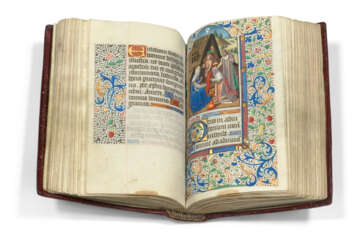

Maître François was a French illustrator who worked in Paris in the 1460s-1480s.
The identity of Maître François as an artist is first mentioned in a letter written by Robert Gauguin in 1473. Most of the prestigious commissions from the court and leading ecclesiastical figures of the time were carried out in François' studio. In Paris in the second half of the fifteenth century, one can trace the predominant style of illumination by the works of Master Jean Rolin, Maître François, and Master Jacques de Besançon. Bibliophiles close to the royal court encouraged the work of miniaturists through private commissions. In particular, Jacques d'Armagnac owned six manuscripts of Maitre Francois and his entourage.
Boccaccio's De casibus virorum illustrium was very popular in the 15th century, where the author retells the fates and downfalls of famous personalities from the Bible, antiquity and medieval history, ending with Boccaccio's own contemporaries in 14th-century Florence. For a long time this book was even more famous and successful than Boccaccio's Decameron. The text was translated into French in 1409 for Jean, Duke de Berry, by his secretary Laurent Premieffe. And the illustrations for the book were later created in the workshop of the then respected Maître François.




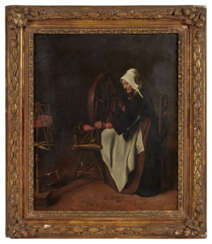

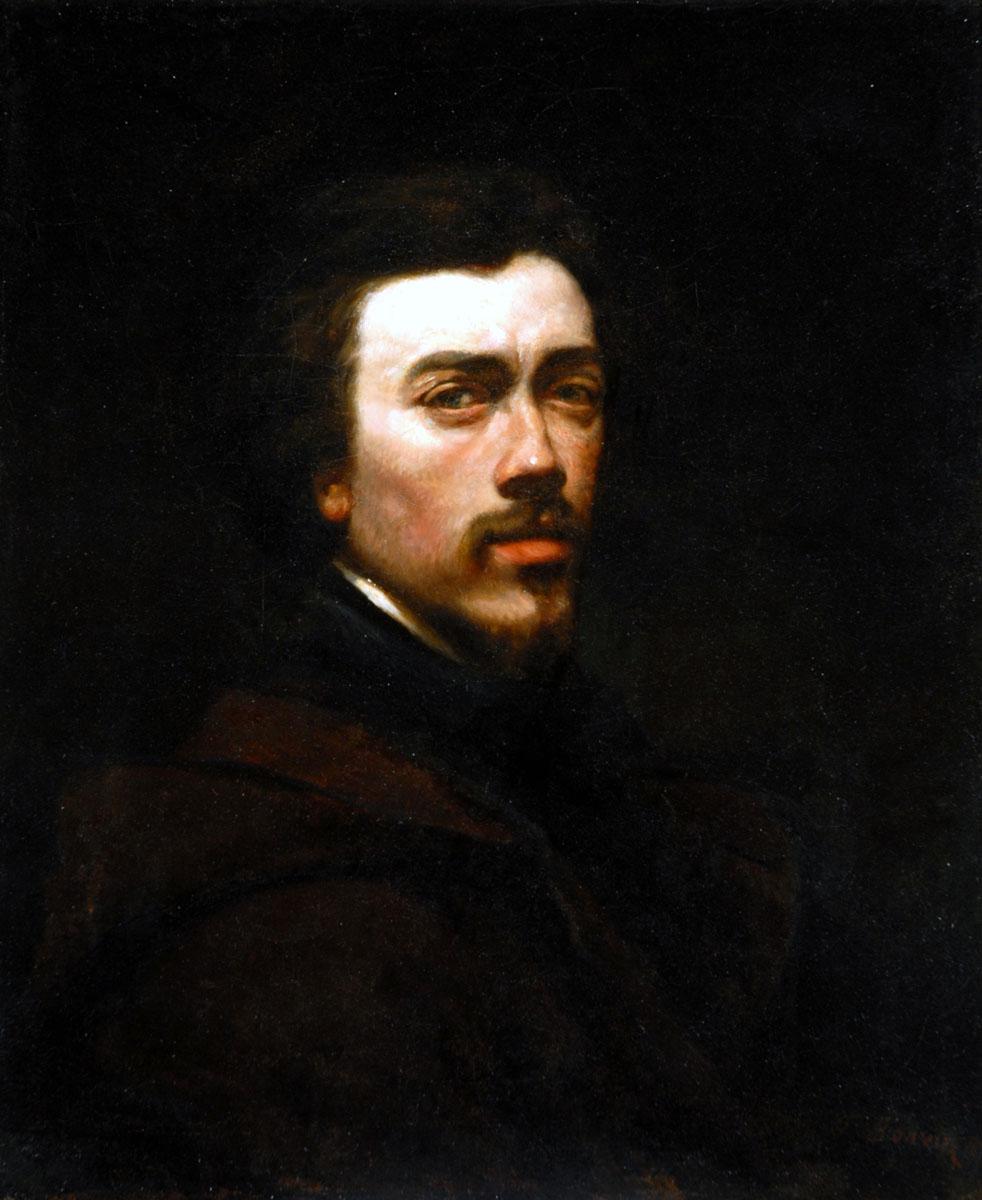
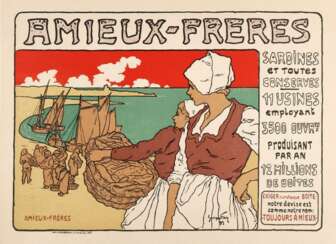

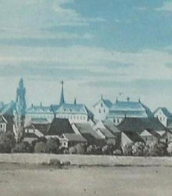


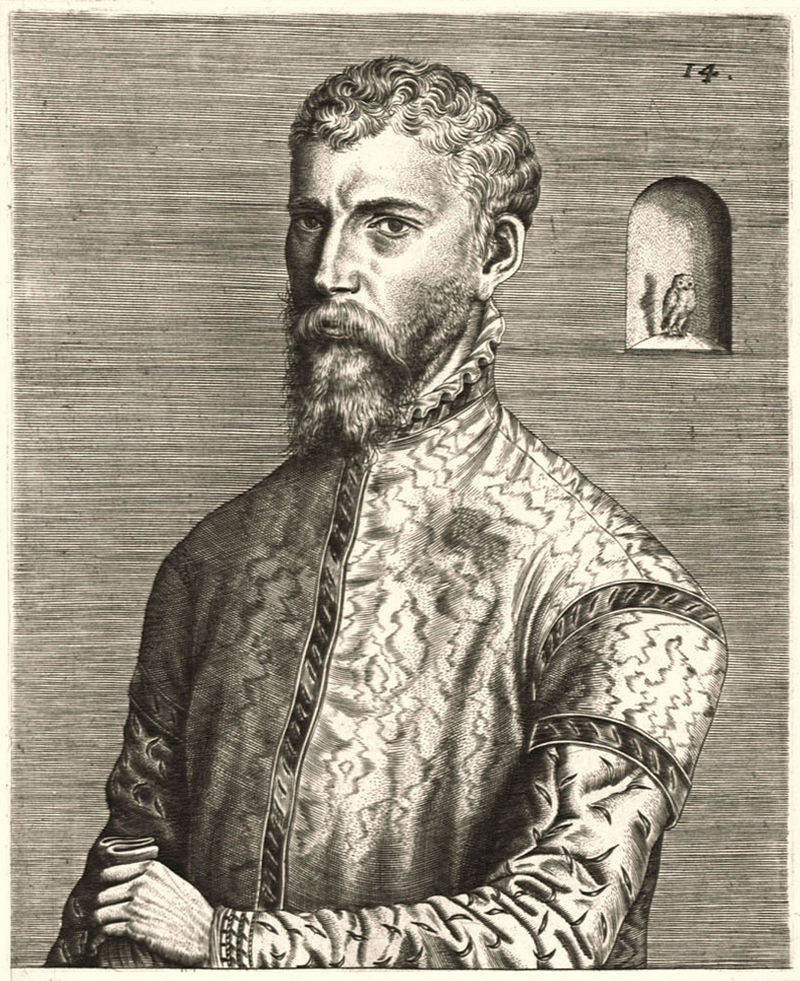
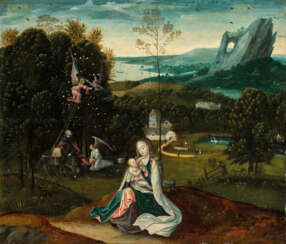
Herri met de Bles is a Flemish artist, along with Joachim Patinir, one of the founders of European landscape painting. He painted mainly landscapes with multi-figured compositions. Like Patinir, his style is characterized by stylized images of rocks and a careful rendering of aerial perspective.




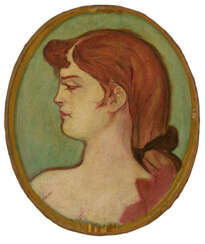

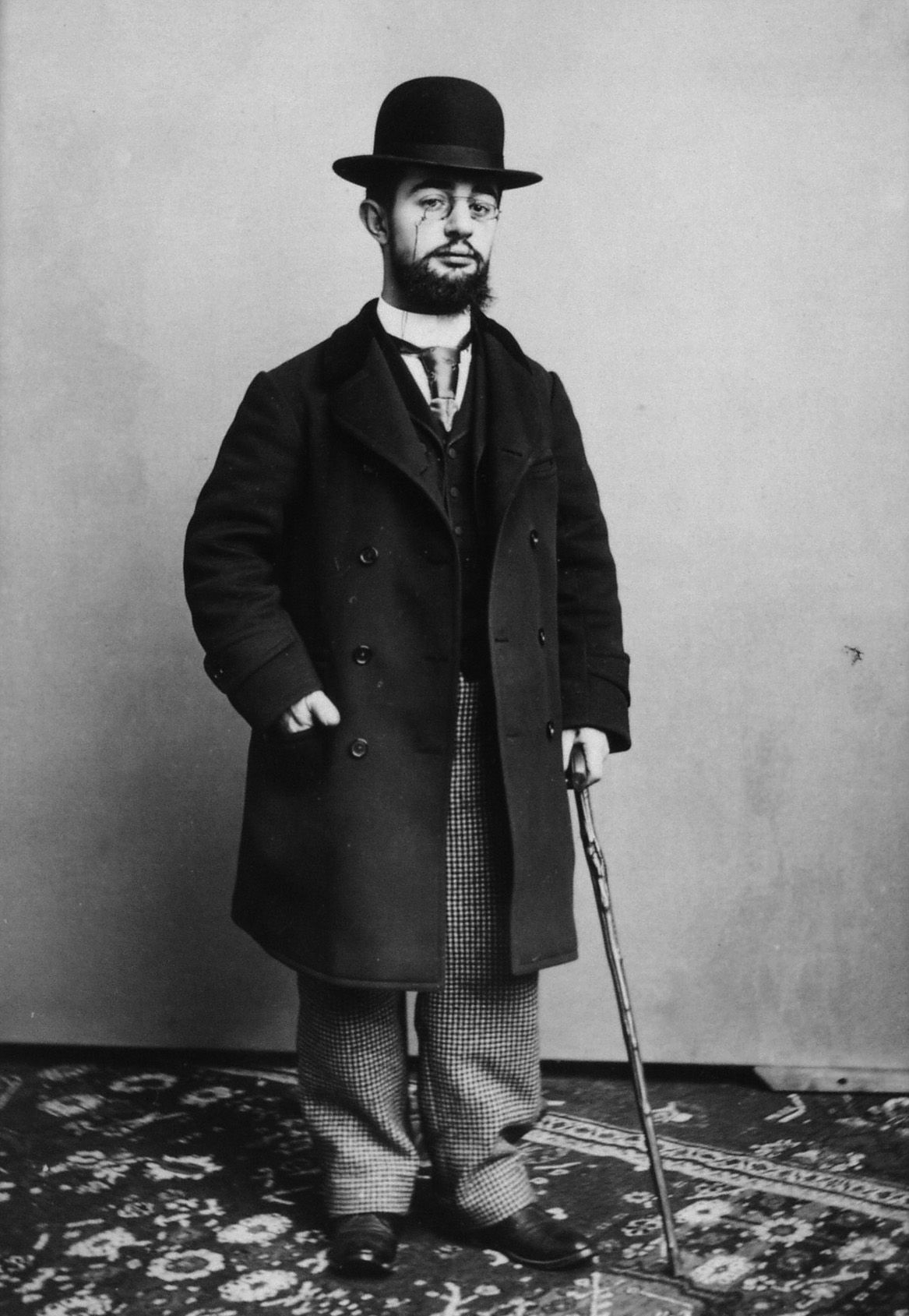
Henri de Toulouse-Lautrec was a distinguished French Post-Impressionist artist, renowned for his deep insights into Parisian nightlife and the world of entertainment in the 1890s. Born into an aristocratic family in Albi, France, Toulouse-Lautrec faced significant health challenges. He suffered from a rare condition, possibly pycnodysostosis, which stunted the growth of his legs following two fractures during his adolescence, leading to a notably short stature as an adult.
Despite his physical limitations, Toulouse-Lautrec immersed himself in art, becoming a key figure in the Post-Impressionist movement alongside artists like Paul Cézanne and Vincent van Gogh. He is particularly celebrated for his vibrant and expressive depictions of the bohemian lifestyle in late 19th-century Paris, often featuring scenes from brothels and nightlife venues. His unique style combined elements of Art Nouveau and lithography, as evidenced in famous works such as "Moulin Rouge: La Goulue" and "At the Moulin Rouge: The Dance".
Toulouse-Lautrec's work offers a window into the Parisian entertainment scene of his time, marked by a vivid use of color and a candid portrayal of his subjects. His ability to capture the essence of Parisian society, from dancers to prostitutes, in an era of great artistic and cultural dynamism, makes his work particularly valuable to art collectors and experts.
For those interested in the art and life of Henri de Toulouse-Lautrec, staying informed about sales and auction events is essential. Sign up for updates to receive the latest news on pieces by Toulouse-Lautrec available for purchase or auction. This subscription focuses exclusively on new product sales and auction events related to Toulouse-Lautrec, ensuring that enthusiasts and collectors don't miss out on any opportunity to acquire pieces from this iconic artist.
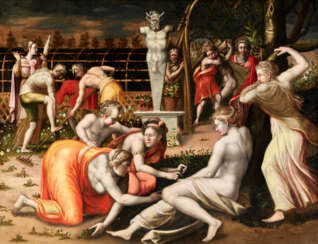

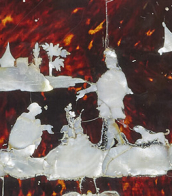
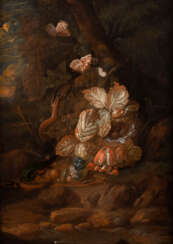

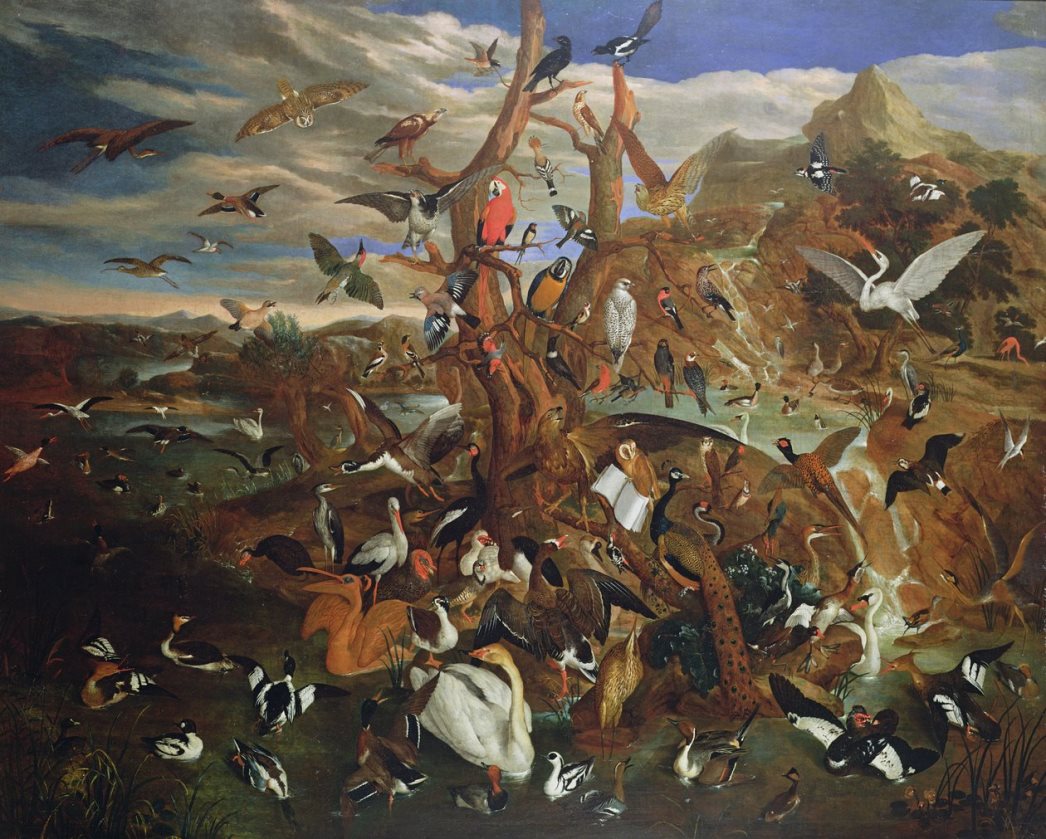
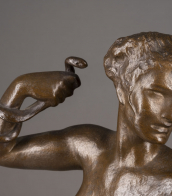
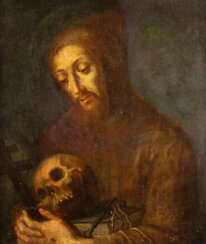

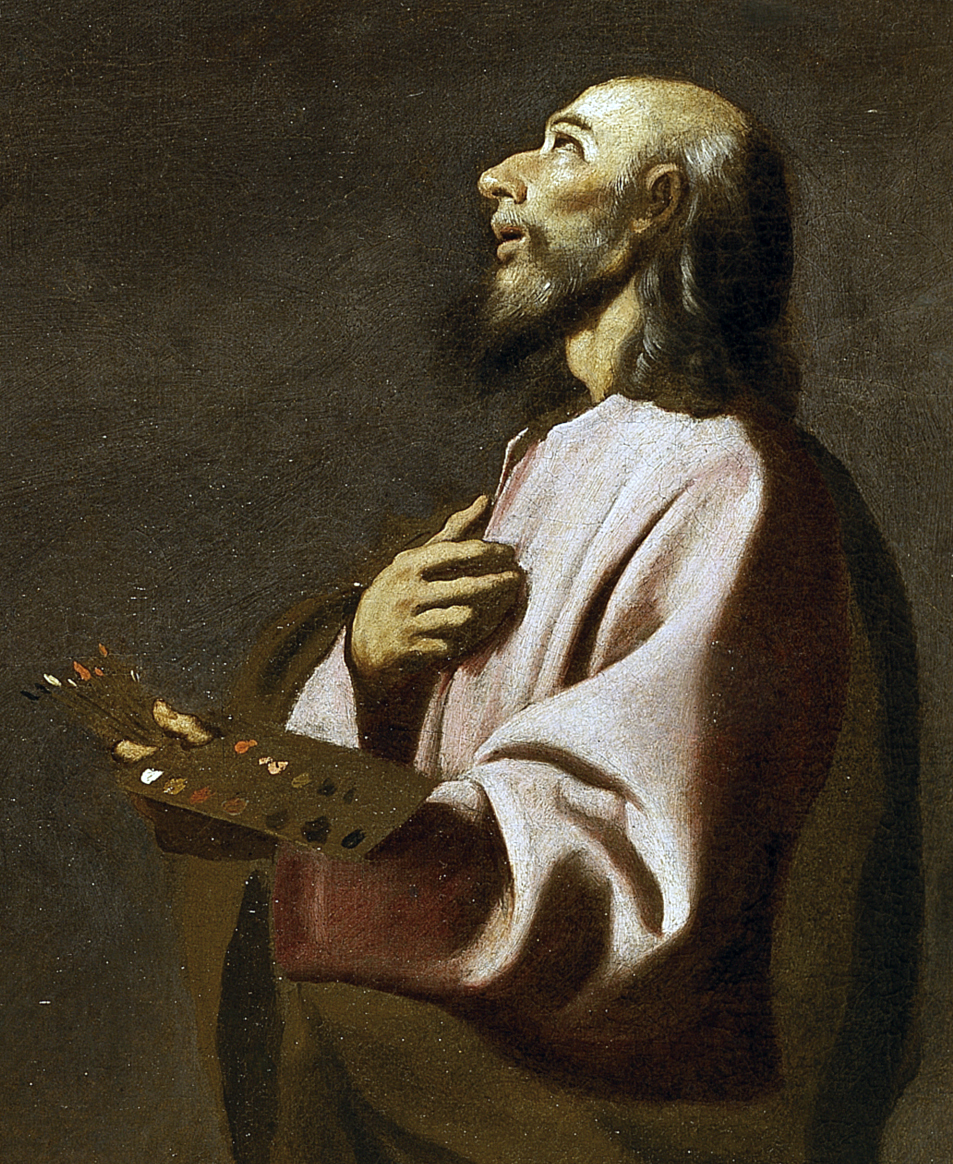
Francisco de Zurbarán was a Spanish painter, celebrated for his profound religious paintings and his skill in using chiaroscuro, which emphasized dramatic contrasts between light and dark. Born in Fuente de Cantos, Extremadura, in 1598, Zurbarán's work is marked by a stark, realistic style that earned him the nickname "Spanish Caravaggio".
His early years in Seville were foundational, leading to significant commissions that established his reputation. Among these was a contract with the Dominican monastery San Pablo el Real in Seville, for which he produced 21 paintings within eight months, depicting the life of Saint Dominic and other religious figures. His work was characterized by a direct and spiritual nature, as seen in his portrayals of monks, nuns, and martyrs, as well as his still-life compositions.
Despite facing a decline in reputation towards the latter part of his career, overshadowed by the sentimental religiosity of Murillo, Zurbarán's influence persisted. His later years saw him moving to Madrid, where he died in 1664. Zurbarán's ability to convey monastic sentiments and a realistic presentation of nature, along with his innovative use of light, have cemented his legacy as a major figure in Spanish Baroque painting.
For collectors and experts in art and antiques, Zurbarán's works offer a glimpse into the spiritual and aesthetic sensibilities of the Spanish Baroque era. His paintings, such as those housed in the National Gallery, London, and the Museo Nacional del Prado in Madrid, continue to inspire and captivate audiences with their intensity and devotion.
To stay updated on new discoveries and auction events related to Francisco de Zurbarán's work, sign up for updates. This subscription will keep you informed about sales and events specifically related to this key figure in Baroque art, ensuring you don't miss an opportunity to engage with Zurbarán's enduring legacy.


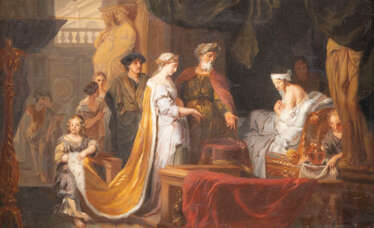

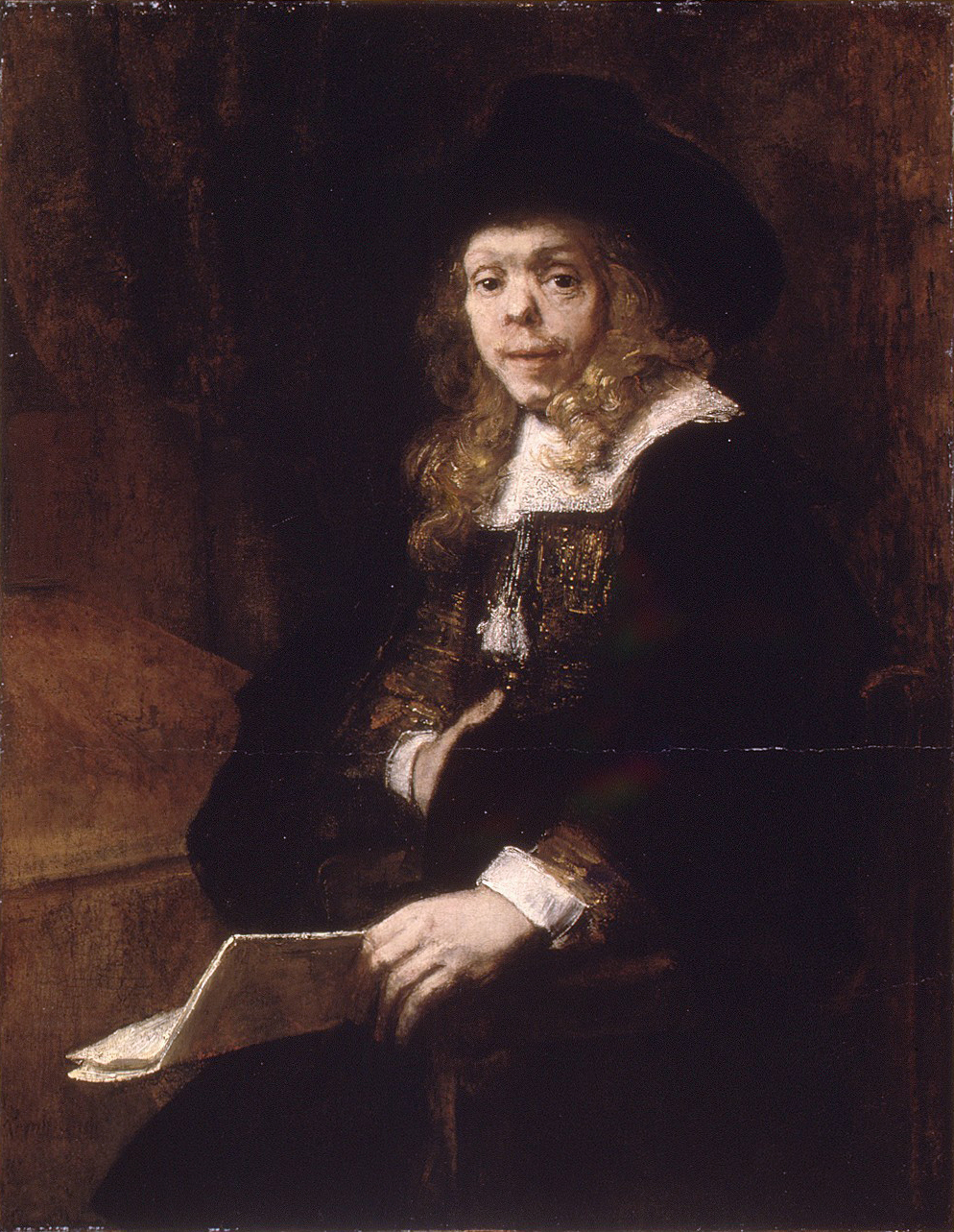
Gerard de Lairesse was a Dutch painter, printmaker, and art theorist. Known for his classical approach, de Lairesse's work marked a departure from the Baroque style prevalent in the Dutch Golden Age, leaning instead towards the neoclassicism that would dominate European art in the 18th century. His art and theories were deeply influenced by the ideals of beauty, grace, and moral edification, advocating for the selection of the most perfect manifestations of natural phenomena rather than their random imitation.
De Lairesse was not only a prolific painter but also an influential art theorist. His treatises, "Grondlegginge ter teekenkonst" (1701) and "Het groot schilderboeck" (1707), were seminal works that laid down principles of art and aesthetics that influenced not just his contemporaries but also generations of artists to come. He emphasized the importance of adhering to theoretical knowledge and the study of nature, albeit through a lens that filtered out its imperfections, to achieve ideal beauty in art.
Despite facing personal challenges, including a congenital condition that led to the loss of his sight in his later years, de Lairesse remained a central figure in the artistic and intellectual circles of Amsterdam. His lectures, delivered from his home, attracted a wide array of students and enthusiasts, eager to learn from his extensive knowledge and experience.
Today, works by Gerard de Lairesse can be found in prestigious institutions worldwide, including the Rijksmuseum and the Amsterdam Museum in the Netherlands, the Louvre in Paris, the Metropolitan Museum of Art in New York, and the National Gallery in London, among others. His legacy as the 'Dutch Poussin' speaks to his enduring influence on the evolution of European art, bridging the gap between the Baroque and the Neoclassical.
For collectors and experts in art and antiques, Gerard de Lairesse represents an intriguing study in the transition of art styles from the Baroque to Neoclassicism. His dedication to the theory and practice of art makes his work a valuable addition to any collection.
To stay informed about exhibitions, sales, and auction events related to Gerard de Lairesse's work, consider signing up for updates. This will ensure you are always up to date with the latest opportunities to engage with the remarkable legacy of this influential Dutch artist.
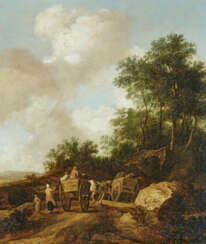

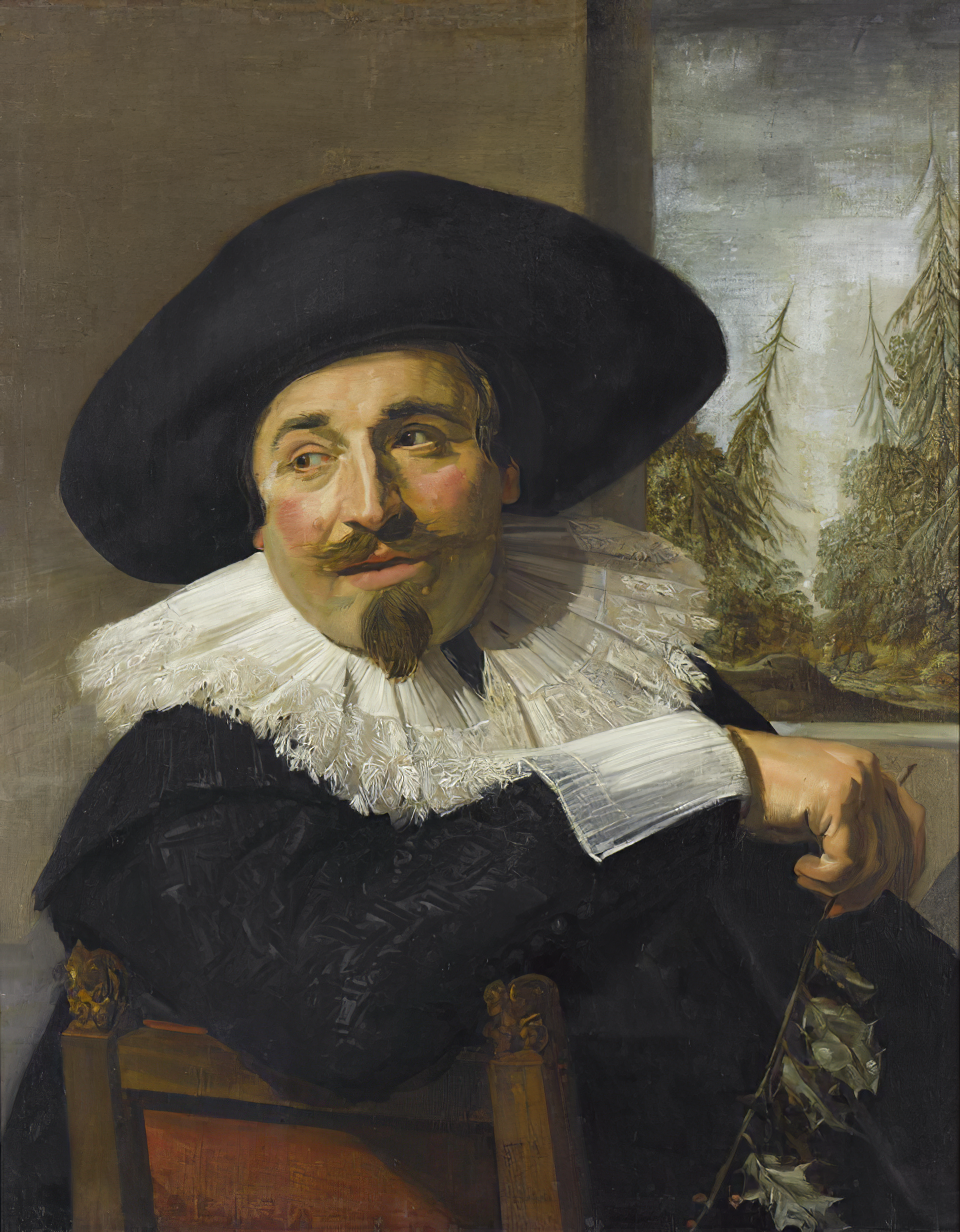
Pieter de Molijn, a distinguished Dutch Golden Age painter and engraver, was celebrated for his exceptional landscapes, genre pieces, and more. Born in London in 1595 to Flemish parents, he moved to the Netherlands, where he significantly contributed to Dutch art. Molijn was not just a painter; his talents extended to engraving, a testament to his versatility in the art world.
Pieter de Molijn's journey into art took him to Italy and then to Haarlem, where he joined the Guild of St. Luke in 1616, marking the start of a prolific career. His landscapes, known for their sweeping diagonals and tonal unity, helped pioneer a new style that influenced contemporaries and successors alike. Molijn's ability to capture the essence of the Dutch landscape made his works sought after, not just during his lifetime but also in today's art circles.
His works, like the captivating "Landscape with Figures," showcased at The Metropolitan Museum of Art, continue to fascinate art enthusiasts and collectors. Pieter de Molijn's artistry wasn't confined to landscapes alone; his genre pieces and marine scenes also garnered acclaim, reflecting his diverse skills and innovative approach.
For art collectors and experts keen on Dutch Golden Age paintings, Molijn's works represent a blend of technical mastery and artistic vision. Whether it's his detailed landscapes or compelling genre scenes, each piece invites viewers into the world he saw and experienced.
For those who appreciate the finesse of Dutch Golden Age art, staying updated on Pieter de Molijn's works is a must. Whether it's auctions, exhibitions, or private sales, sign up for updates and never miss out on the opportunity to explore or acquire Molijn's timeless masterpieces.
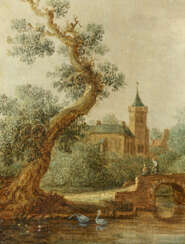

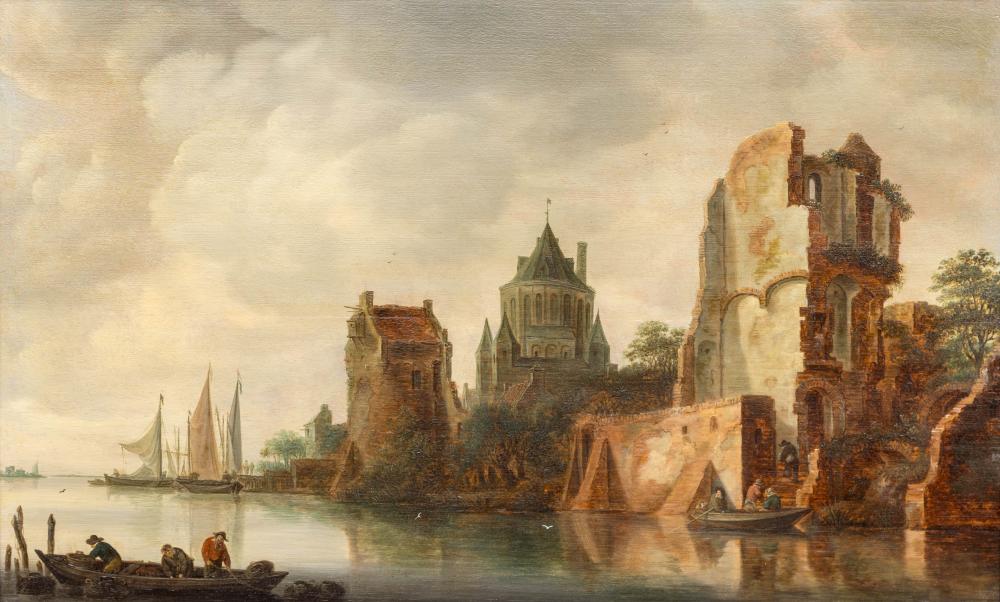



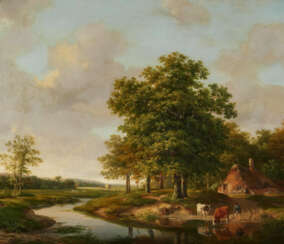

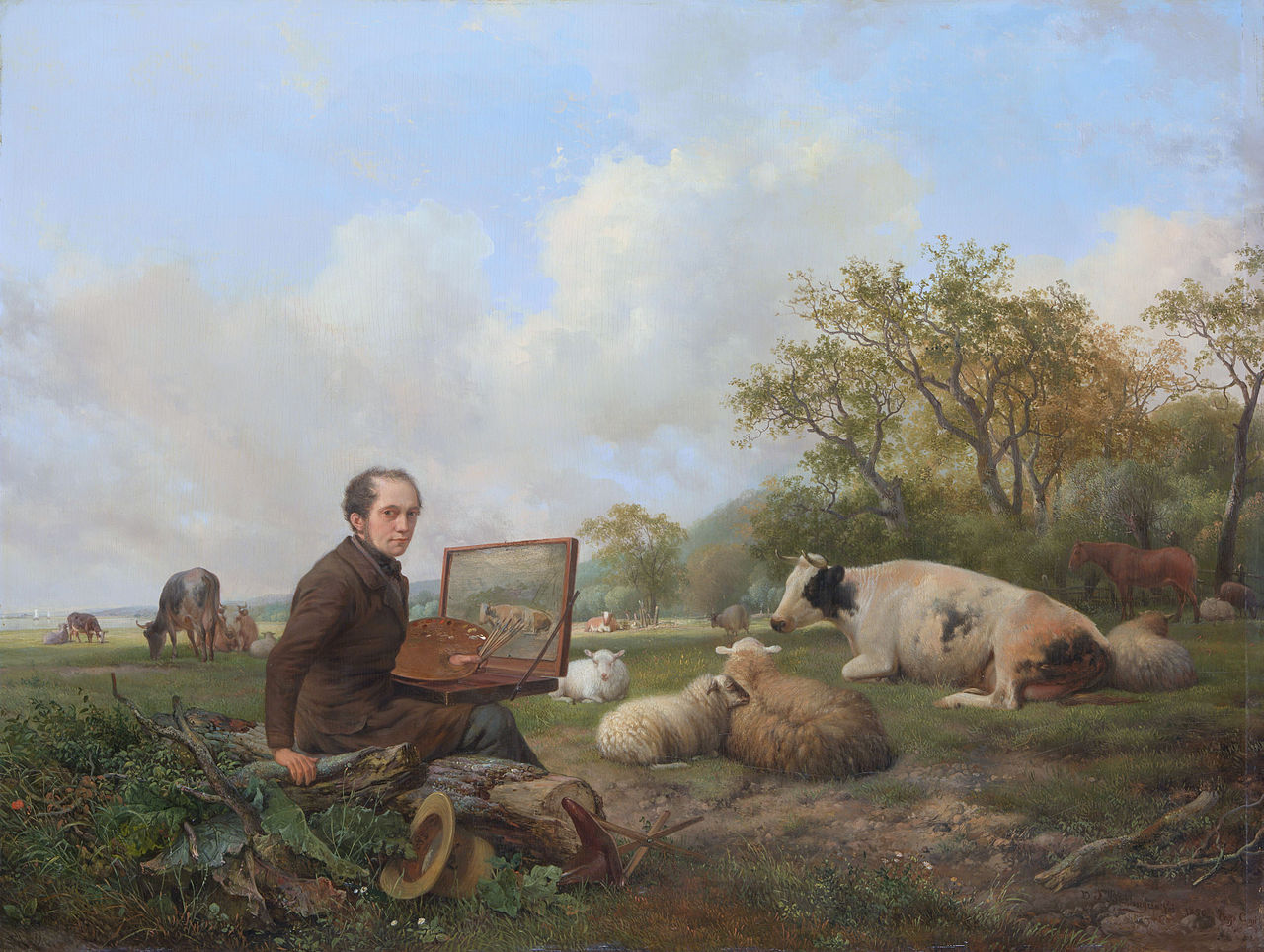
Hendrikus van de Sande Bakhuyzen was a Dutch landscape painter and teacher.
Bakhuyzen studied at The Hague Academy of Art. He is known for his romantic pastoral scenes, especially paintings of livestock, with detailed landscapes.
In 1822 he became a member of the Royal Academy of Arts in Amsterdam and a member of the board of the Academy of Arts in The Hague. He was later elected director of the Hague Academy. Hendrikus Bakhuyzen made a significant contribution to the Romantic period in Dutch art through his work and activities, raising many talented students and followers who founded the artistic movement known as the Hague School.
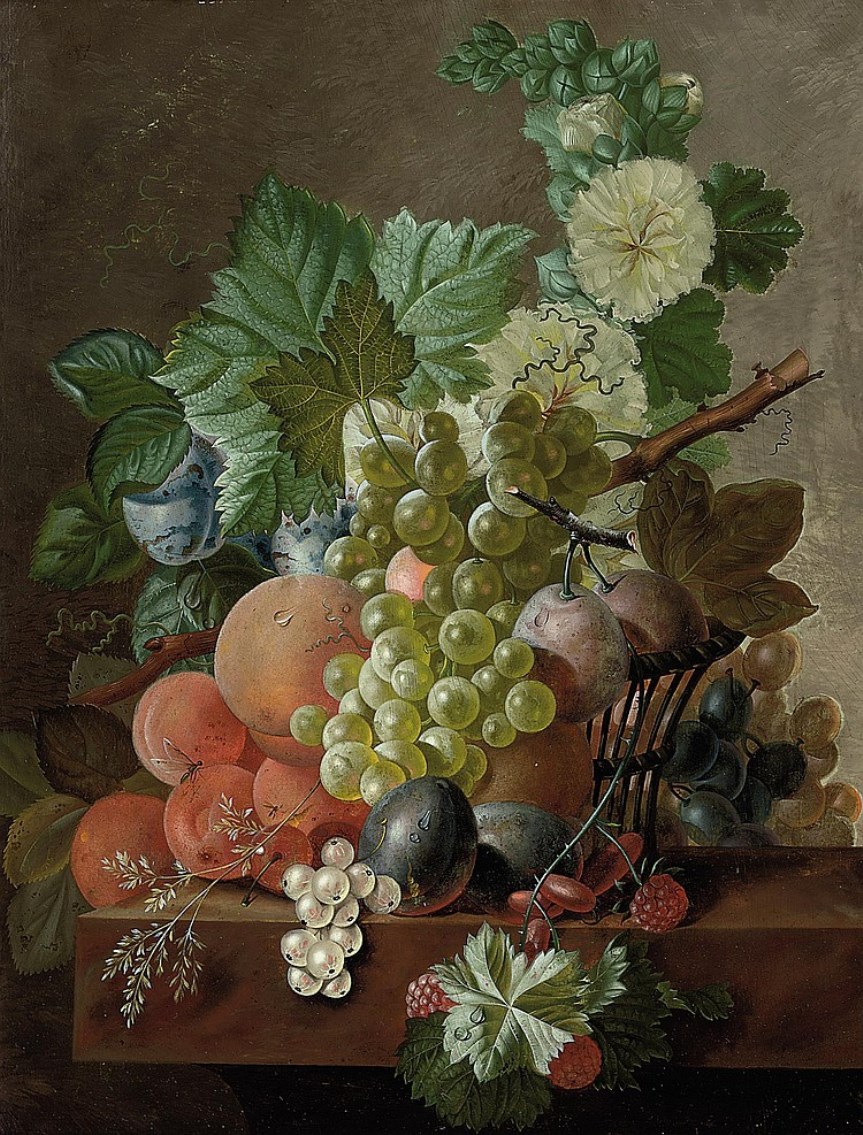
His children were also very talented: son Julius van de Sande Bakhuyzen (1835-1925) became a renowned landscape painter; daughter Gerardine Jacob van de Sande Bakhuyzen (1826-1895) became a still life painter; son Henrik Gerard van de Sande Bakhuyzen (1838-1923) became a prominent astronomer, member of the Royal Netherlands Academy of Arts and Sciences and director of the Leiden Observatory; son Ernest-Fredrich van de Sande Bakhuyzen was also an astronomer at the Leiden Observatory.