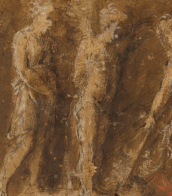
plastic table cover
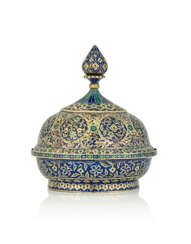

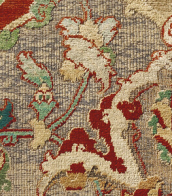
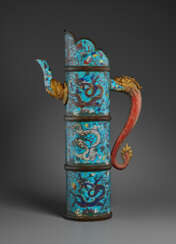







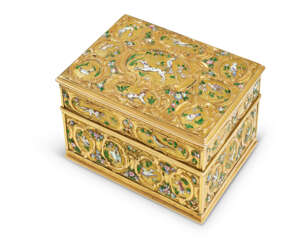

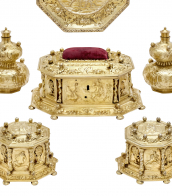










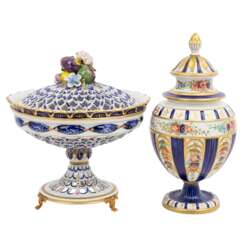

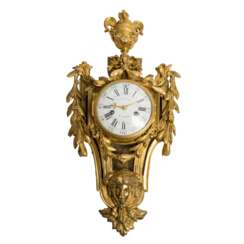



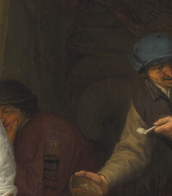
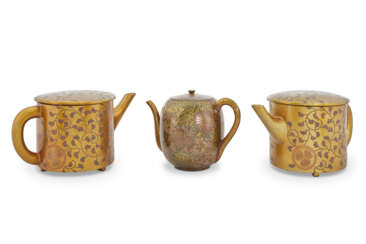

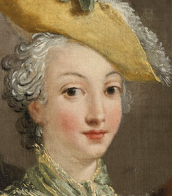
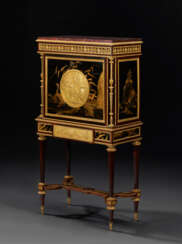

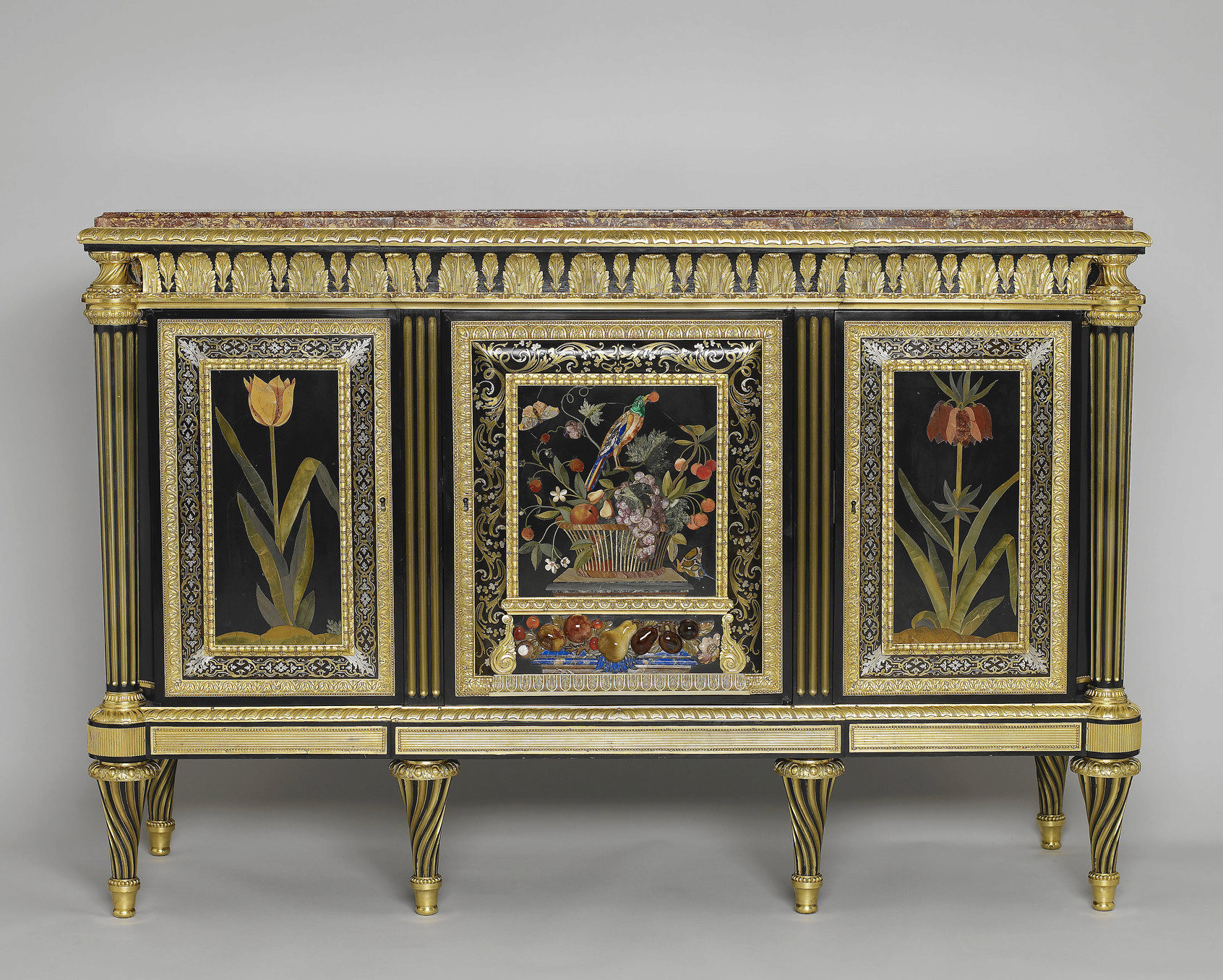
Adam Weisweiler was a distinguished French cabinetmaker, renowned for his exceptional creations that resonated deeply with the culture and art of his time. Originating from Germany, Weisweiler moved to Paris, where he became an emblematic figure in the realm of fine furniture making during the late 18th century. His specialization in crafting exquisite pieces, often adorned with intricate marquetry and mounted with elegant bronzes, set new standards in the world of decorative arts.
Weisweiler's work is celebrated for its refined elegance and the harmonious blend of functionality with aesthetic appeal. His ability to incorporate elements of sculpture and painting into his furniture designs elevated the pieces from mere objects of utility to cherished works of art. The meticulous attention to detail and the innovative use of materials like ebony and mahogany, coupled with his mastery over the classical motifs, made his creations highly sought after by the aristocracy and collectors alike.
Several of Adam Weisweiler's masterpieces find their homes in prestigious museums and galleries around the world, serving as testaments to his enduring legacy in the art and antiques sphere. His contributions to the field have not only enriched the cultural heritage of France but have also left an indelible mark on the global appreciation of fine antique furniture.
For collectors and experts in art and antiques, Adam Weisweiler's work represents the pinnacle of craftsmanship and artistic vision. His creations continue to inspire and captivate, embodying the quintessence of French decorative arts. To stay informed about new product sales and auction events related to Adam Weisweiler, we invite you to sign up for updates. This subscription ensures you are always in the know, without any unwelcome intrusions, focusing solely on opportunities to acquire pieces linked to this illustrious artist's legacy.

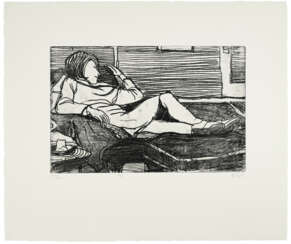

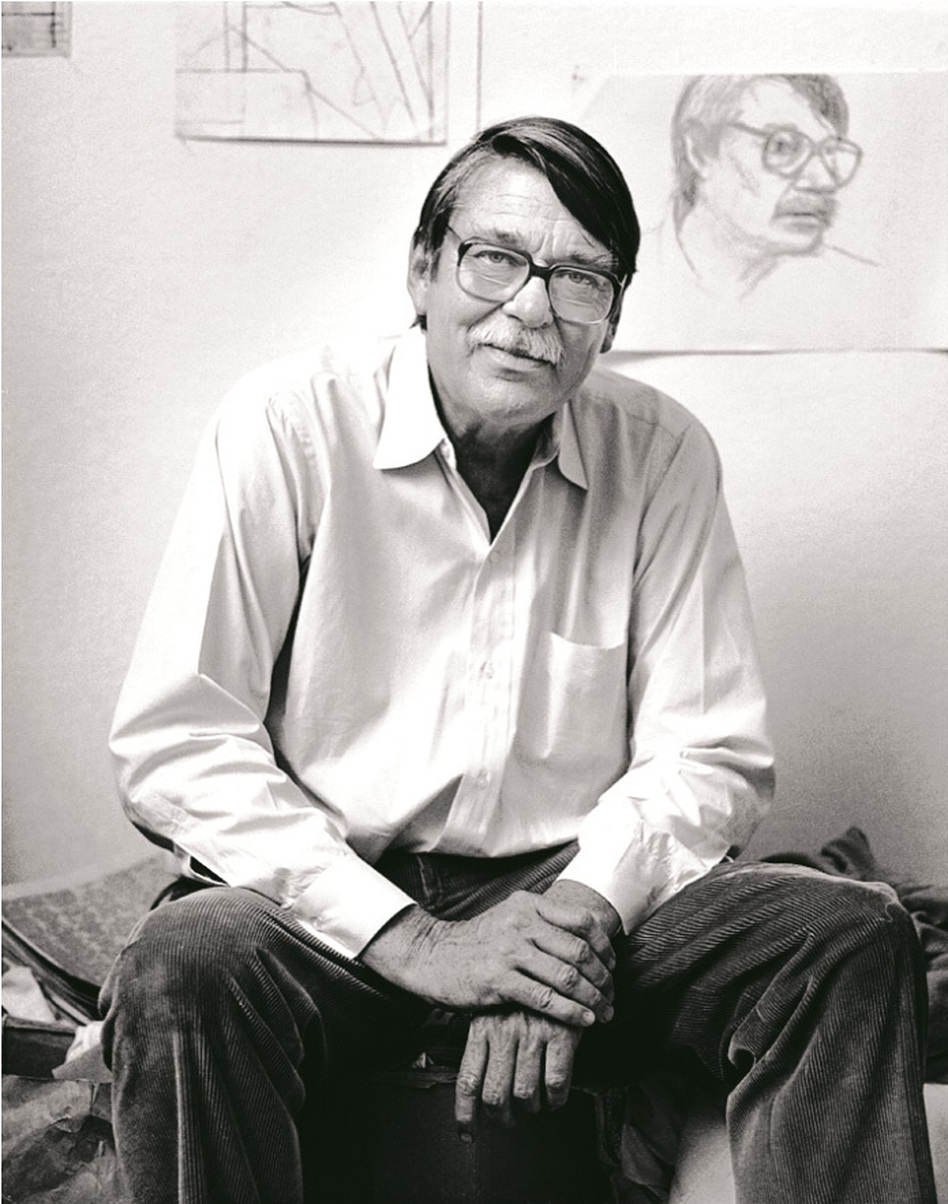
Richard Diebenkorn was an American artist. He was known for his abstract expressionist and later, figurative paintings that explored color, form, and space.
Diebenkorn studied at the University of California, Berkeley, and later at the California School of Fine Arts in San Francisco. In the 1950s and early 1960s, he was associated with the Bay Area Figurative Movement, which emphasized figurative painting in opposition to the prevailing trend of abstract expressionism.
In the mid-1960s, Diebenkorn moved to Southern California, where he began to develop his signature style of abstract paintings that featured large, geometric shapes in muted colors. His Ocean Park series, which he began in the late 1960s, is perhaps his most famous body of work, and is characterized by its luminous, layered surfaces and complex compositions.
Diebenkorn's work has been exhibited in major museums and galleries around the world, and he is widely regarded as one of the most important American painters of the 20th century. His influence can be seen in the work of many contemporary artists working in the fields of abstract painting and color field painting.
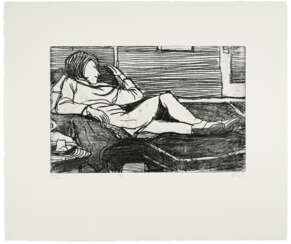

Richard Diebenkorn was an American artist. He was known for his abstract expressionist and later, figurative paintings that explored color, form, and space.
Diebenkorn studied at the University of California, Berkeley, and later at the California School of Fine Arts in San Francisco. In the 1950s and early 1960s, he was associated with the Bay Area Figurative Movement, which emphasized figurative painting in opposition to the prevailing trend of abstract expressionism.
In the mid-1960s, Diebenkorn moved to Southern California, where he began to develop his signature style of abstract paintings that featured large, geometric shapes in muted colors. His Ocean Park series, which he began in the late 1960s, is perhaps his most famous body of work, and is characterized by its luminous, layered surfaces and complex compositions.
Diebenkorn's work has been exhibited in major museums and galleries around the world, and he is widely regarded as one of the most important American painters of the 20th century. His influence can be seen in the work of many contemporary artists working in the fields of abstract painting and color field painting.
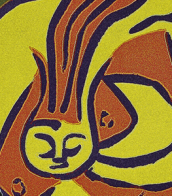
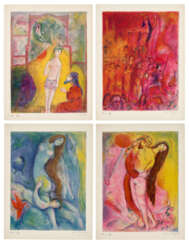

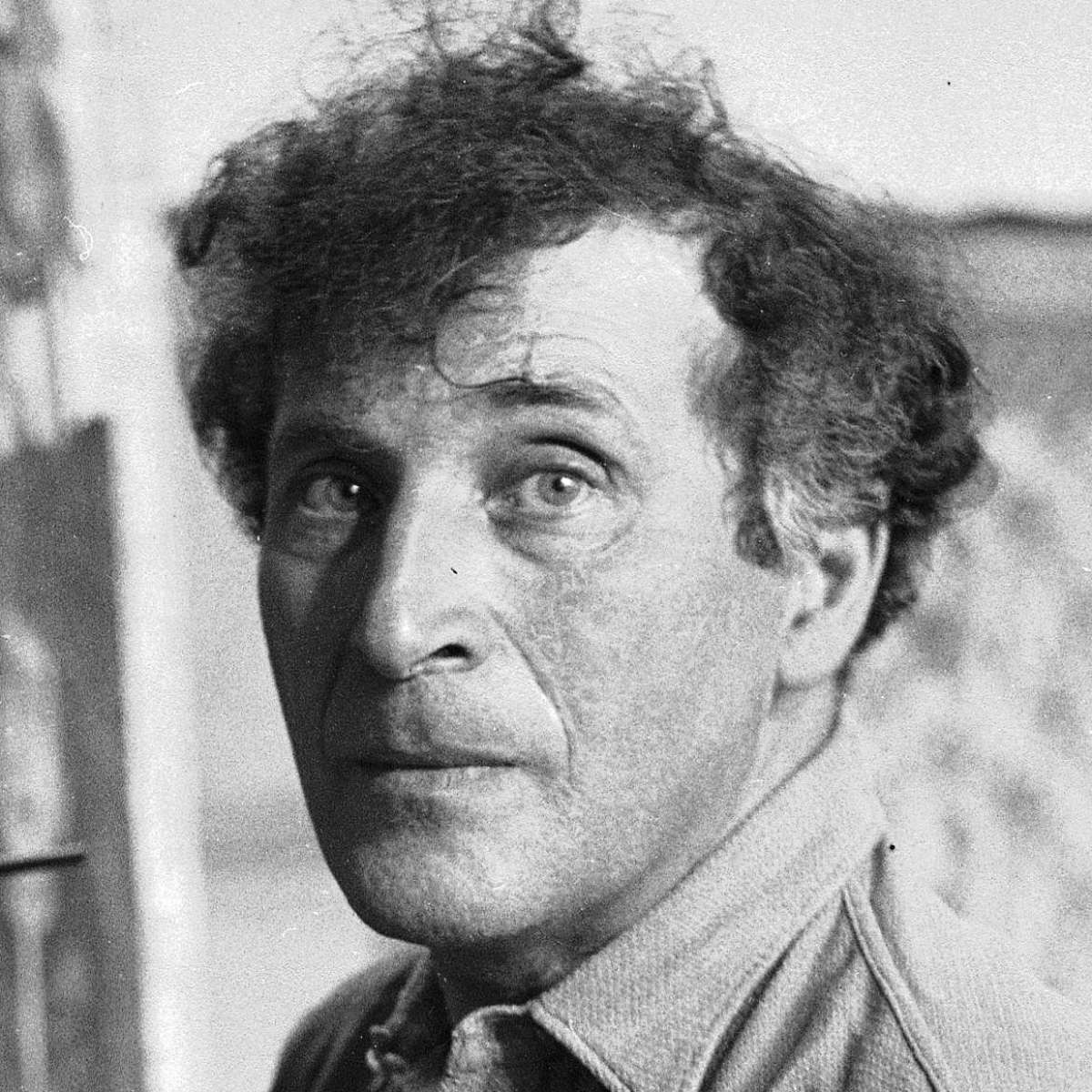
Marc Chagall (Russian: Марк Заха́рович Шага́л), born Moishe Shagal in 1887 near Vitebsk, Belarus (then part of the Russian Empire), was a Belarusian and French artist celebrated for his pivotal role in the avant-garde movement and his unique integration of Eastern European Jewish culture into modern art. His contributions spanned several artistic formats including painting, stained glass, stage sets, ceramics, tapestries, and fine art prints. Chagall's early modernist tendencies were enriched by his experiences across Saint Petersburg, Paris, and Berlin before World War I, leading to a distinctive style that melded Cubism, Symbolism, and Fauvism with his Jewish heritage.
Chagall's work is recognized for its emotional depth, often exploring themes of love, memory, and Jewish folklore through vibrant colors and dreamlike imagery. Notably, art critic Robert Hughes described him as "the quintessential Jewish artist of the twentieth century," a sentiment echoed by art historian Michael J. Lewis who regarded Chagall as a significant figure within European modernism and as the world's preeminent Jewish artist of his time.
Among Chagall's famed contributions are his stained-glass windows for the cathedrals of Reims and Metz, the UN, and the Jerusalem Windows in Israel. His monumental paintings include parts of the ceiling of the Paris Opéra and works that explore biblical themes, a hallmark of his oeuvre that underscores his enduring engagement with spiritual and religious motifs.
For art collectors and antiques experts, Chagall's works are notable not only for their artistic innovation but also for their rich cultural and historical significance. His art is housed in many prestigious museums worldwide, including the Marc Chagall National Museum in Nice, France, which focuses on his works inspired by religion and houses the series of paintings illustrating the biblical message.
For those interested in exploring Chagall's legacy and the vibrant intersection of culture, art, and history his work represents, signing up for updates on new product sales and auction events related to Marc Chagall can provide invaluable insights and opportunities. This is an invitation to engage more deeply with the world of art and culture that Chagall so uniquely encapsulated in his work.
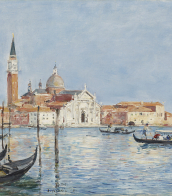
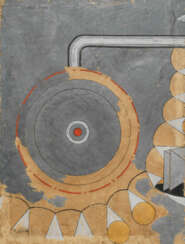

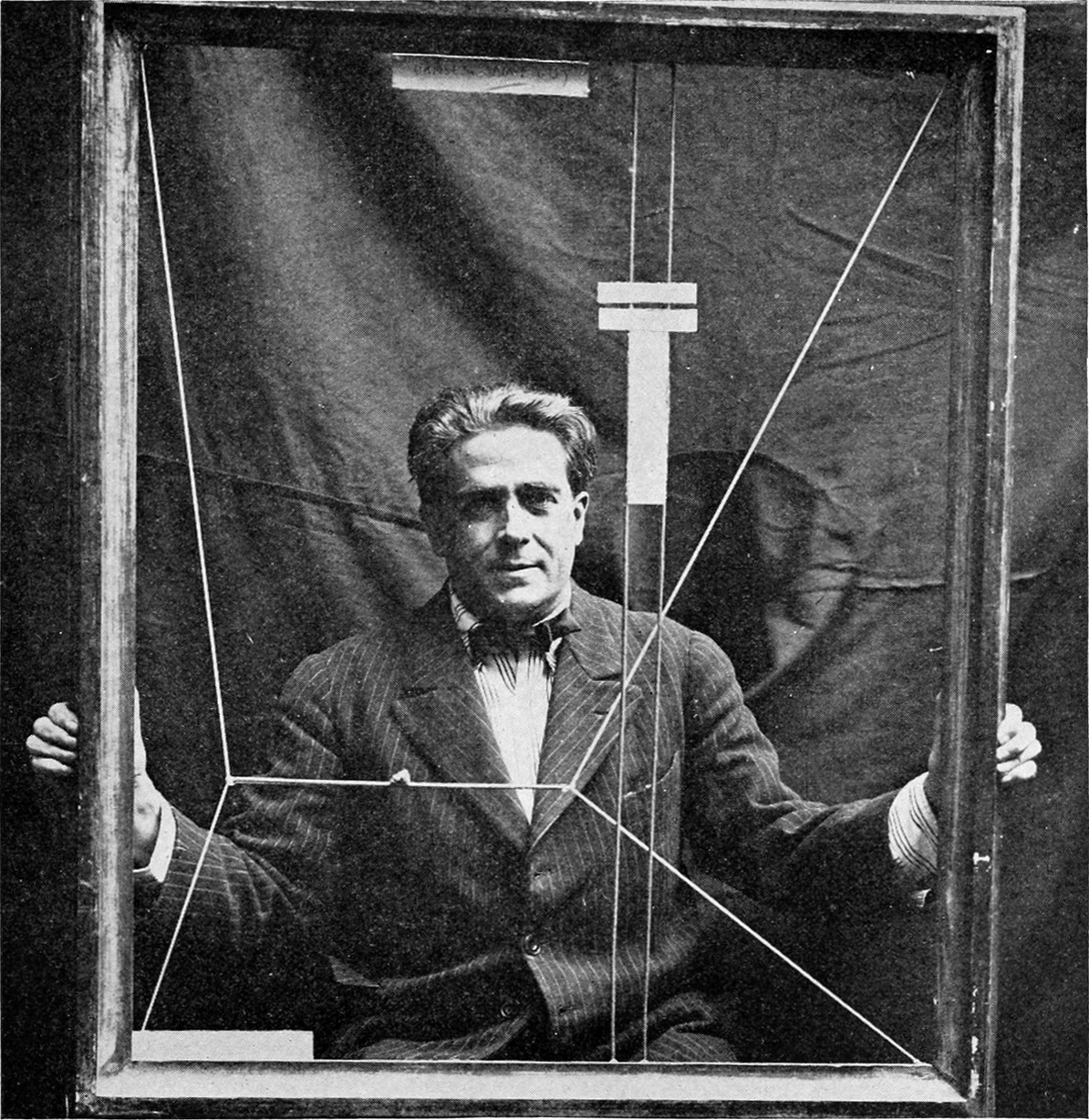
Francis Picabia, born Francis-Marie Martinez de Picabia, was a French avant-garde painter, poet, and typographist, whose work is celebrated for its diversity and innovation. His journey through various art movements, including Impressionism, Cubism, Dadaism, and Surrealism, showcases his refusal to be confined by any one style. Picabia's art is known for its eclectic nature, often blending mechanical elements with organic forms, thereby challenging traditional perceptions of art and beauty.
Picabia's significant contribution to the art world lies not just in his varied artistic output but also in his philosophical approach to creation. He believed in the freedom of expression, often using his art to critique societal norms and the art establishment itself. This rebellious spirit made him a pivotal figure in the Dada movement, where his works were celebrated for their irony and disdain for conventional art values.
Among his notable works, "Amorous Parade" and "I See Again in Memory My Dear Udnie" stand out, housed in prestigious institutions like the Museum of Modern Art in New York. These pieces exemplify Picabia's mastery over blending different elements of art movements, creating works that remain influential to this day. His legacy is not just in the pieces he created but also in his attitude towards art, encouraging future generations to challenge and redefine the boundaries of creativity.
For collectors and experts in art and antiques, Picabia's works represent not only significant artistic achievements but also valuable insights into the evolution of modern art. To stay informed about new product sales and auction events related to Francis Picabia, sign up for updates. This subscription is an essential resource for enthusiasts looking to enrich their collections with pieces from one of the most innovative artists of the 20th century.


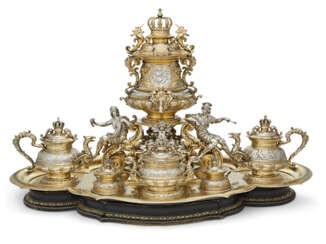

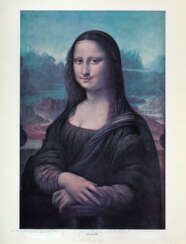

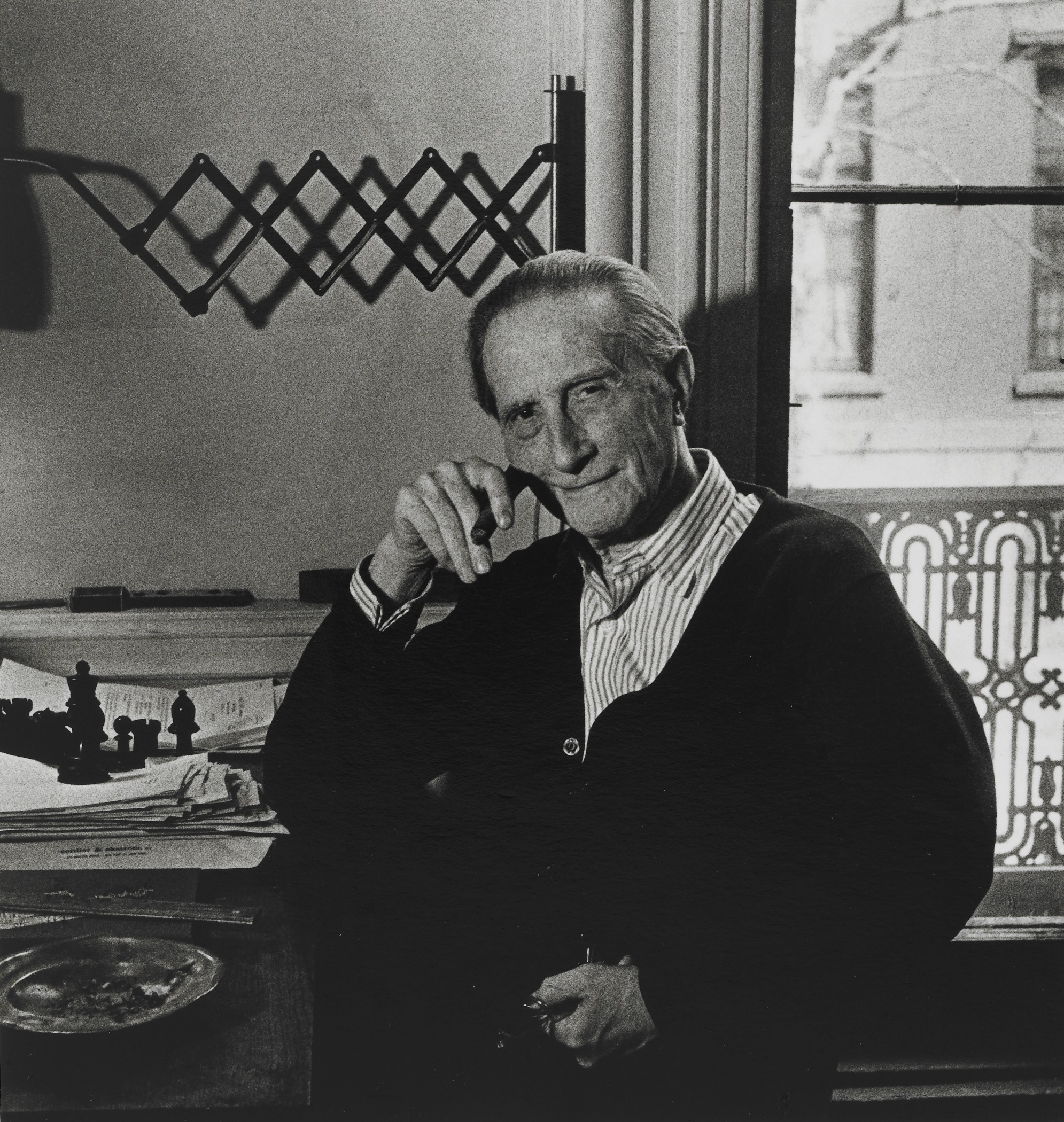
Henri-Robert-Marcel Duchamp, a pioneering French artist, is celebrated for his profound influence on 20th-century art and culture. Duchamp's work transcended traditional mediums, embracing painting, sculpture, and conceptual art, thereby redefining the very nature of artistic creation. His audacious approach to art, marked by intellectualism and wit, challenged conventional perceptions of beauty and utility, making him a central figure in the development of modern and postmodern art.
Duchamp's most notable contributions include his ready-mades—ordinary manufactured objects that he selected and presented as art. This innovative concept questioned the role of the artist and the creation process, exemplified by his famous piece, "Fountain," a porcelain urinal that radically altered the landscape of art by its mere presentation in 1917. His other significant works, like "Nude Descending a Staircase, No. 2," showcased his fascination with movement and mechanization, further cementing his legacy as a visionary.
Duchamp's influence extends beyond his creations, as he played a vital role in shaping the Dada movement and conceptual art. His ideas and artworks continue to inspire artists, collectors, and experts in the fields of art and antiques. Museums and galleries worldwide, including the Philadelphia Museum of Art and the Museum of Modern Art in New York, proudly house his works, attesting to his enduring relevance.
For those keen on exploring the intersections of art, culture, and history, Duchamp offers a rich tapestry of innovation and controversy. Collectors and art enthusiasts are invited to sign up for updates on new product sales and auction events related to Henri-Robert-Marcel Duchamp, ensuring they remain at the forefront of developments in this captivating domain.
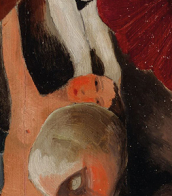
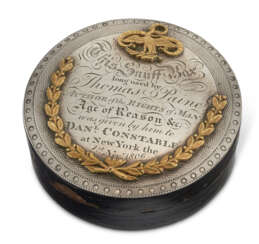

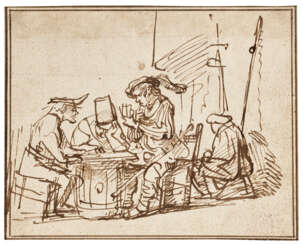


Rembrandt Harmenszoon van Rijn, a Dutch Baroque painter and printmaker, was born on July 15, 1606, in Leiden, Netherlands, and died on October 4, 1669, in Amsterdam. He is celebrated as one of the greatest storytellers in art history, acclaimed for his adept portrayal of human emotions and dramatic narratives. Rembrandt's extensive oeuvre includes portraits, self-portraits, landscapes, genre scenes, allegorical, historical, and biblical themes, as well as animal studies. His artistry shined during the Dutch Golden Age, a period marked by cultural and scientific achievements in the Netherlands.
Rembrandt's education in art began around the age of 10 when he left the Latin School in Leiden to train as an artist. He apprenticed with artists like Jacob van Swanenburg and Pieter Lastman, mastering various aspects of painting. He opened his own studio in Leiden around 1624 or 1625, sharing it with his colleague Jan Lievens. By 1631, he had moved to Amsterdam, where he achieved significant success and trained many important Dutch painters.
Among Rembrandt's notable works are "The Anatomy Lesson of Dr. Nicolaes Tulp" (1632), "The Night Watch" (1642), and "The Syndics of the Amsterdam Drapers’ Guild" (1662). He was also renowned for his self-portraits, creating around 80 over his lifetime, more than any other artist until the 20th century. These self-portraits were not just artistic endeavors but also experiments with facial expressions and lighting effects. Additionally, Rembrandt was a master etcher, transforming etching from a reproductive technique into an art form.
Rembrandt's painting style is characterized by its dramatic use of light and shadow, known as chiaroscuro. His ability to depict materials realistically was unparalleled; his portrayal of metals and fabrics was so lifelike that they appeared to glow and be tangible. He was also known for his impasto technique, applying paint thickly to the canvas, adding a three-dimensional quality to his works.
Despite his artistic prowess, Rembrandt faced financial difficulties and personal tragedies throughout his life. He declared bankruptcy in 1656, a downfall attributed partly to his extensive collection of art objects and curiosities. His masterpieces, however, continued to garner appreciation and influence generations of artists that followed.
For collectors and experts in art and antiques, Rembrandt's works represent a pinnacle of artistic achievement in the Dutch Golden Age. His mastery in portraying the human condition and his innovative techniques in painting and etching make his works highly prized and influential in the art world.
To stay updated on new product sales and auction events related to Rembrandt van Rijn, sign up for our updates. This subscription service is dedicated exclusively to news and events concerning works related to this unparalleled master of the Dutch Golden Age.