reproach


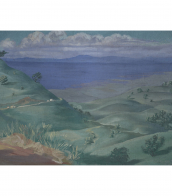


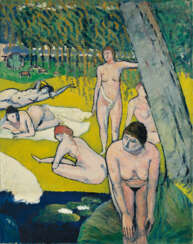

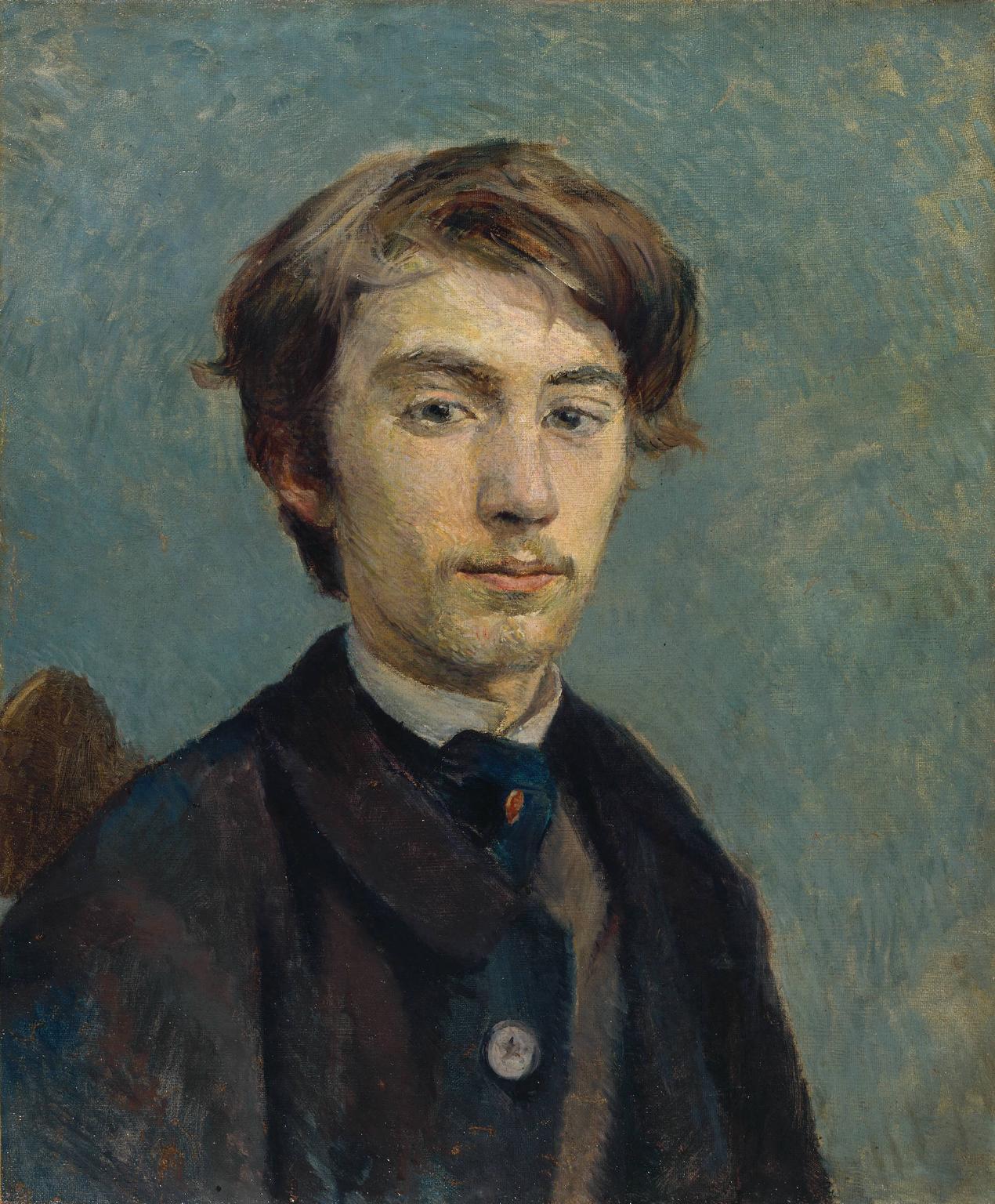
Émile Bernard, a French painter, was a significant figure in the Post-Impressionist movement. He is most famously associated with the development of Cloisonnism, a painting style characterized by bold outlines and flat, vivid color planes, and he played a role in Synthetism, a synthesis of forms and colors in art.
Bernard's artistic journey was influenced by his interactions with notable artists such as Paul Gauguin, Vincent van Gogh, and Louis Anquetin. His works, which often explored themes of symbolism and religious imagery, ranged from traditional paintings to engravings and illustrations. One of his notable works, "Madeleine au Bois d'Amour," is displayed at the Musée d'Orsay in Paris.
Despite his early success and influence, Bernard's artistic trajectory took a turn towards classicism later in life, distancing himself from the avant-garde styles he once embraced. His extensive travel experiences, particularly his time in Egypt, significantly impacted his art, leading to a broader range of stylistic elements in his later works.
To stay updated on the latest events and auctions related to Émile Bernard and his work, sign up for our newsletter. You'll receive timely alerts about new product sales and upcoming auction events related to Émile Bernard's art.





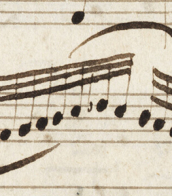


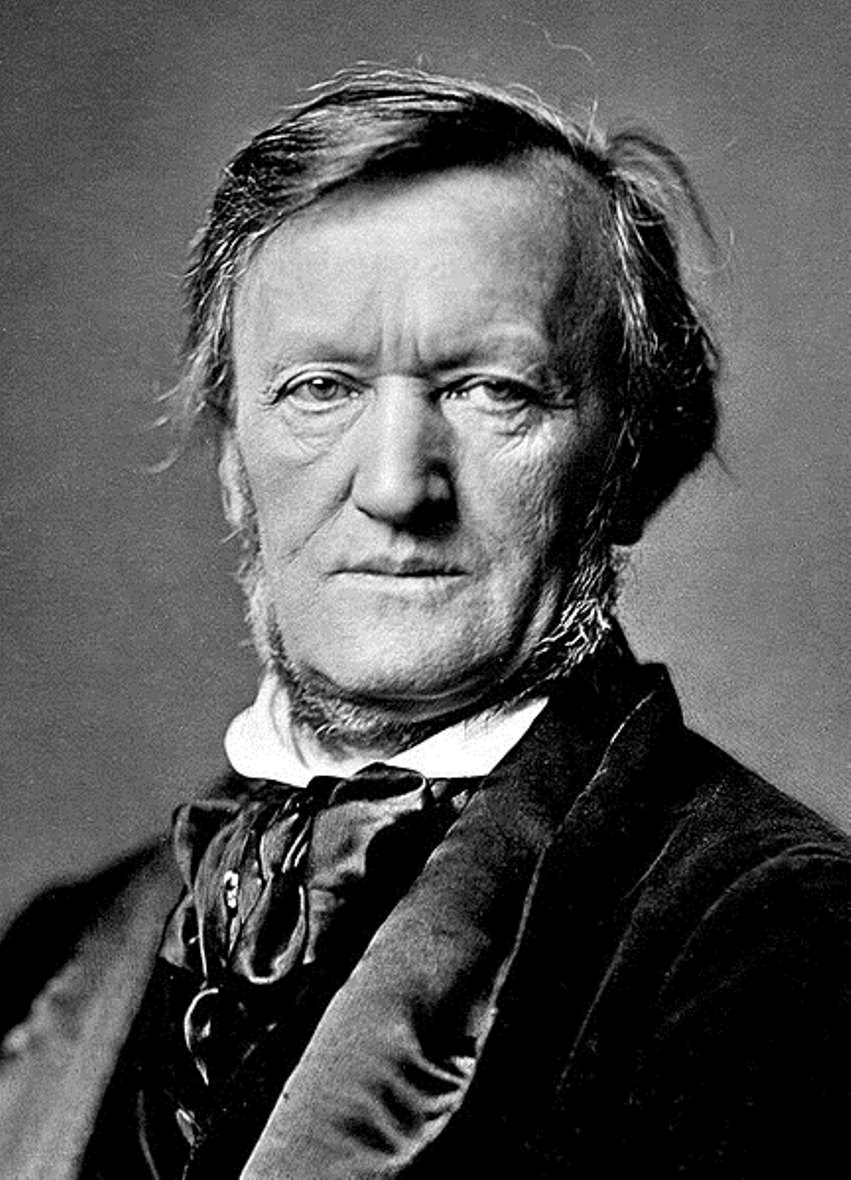
Wilhelm Richard Wagner was a German pioneering composer, conductor and opera reformer.
His first proper Symphony in C major was performed at the Leipzig Gewandhaus concerts in 1833. Wagner lived in a colony of poor German artists and made his living in music journalism. Nevertheless, in 1841 he wrote his first representative opera, The Flying Dutchman, based on the legend of a ship captain doomed to sail forever. In 1842 his Rienzi was triumphantly performed in Dresden, after which Wagner was appointed conductor of the court opera and held this position until 1849.
In 1848-49 Wagner became involved in the German Revolution, wrote a number of articles in support of it, and took an active part in the Dresden Uprising of 1849. When the uprising failed, he was forced to flee Germany. His subsequent years were occupied mainly with writing theoretical treatises on philosophy and music. Wagner held anti-Semitic and Nazi views. And reflecting on the future of music, he predicted the disappearance of opera as an artificial entertainment for the elite and the emergence of a new kind of musical stage work for the people, expressing the self-realization of free humanity. This new work was later called "musical drama."
By 1857 his style had been enriched with new interpretations, and Wagner had composed "Rheingold," "Die Walküre," and two acts of "Siegfried." By 1864, however, unwise financial habits had driven him into debt and ruin, and he was forced to flee from prison to Stuttgart. He was rescued by King Louis II, an ardent admirer of Wagner's work. Under his patronage for six years in Munich, the composer's operas were successfully staged. The King also practically ensured him a trouble-free life, thanks to his support Wagner built his own opera house (Bayreuther Festspielhaus), in which many new constructive ideas were realized. The premiere of "The Ring" and "Parsifal" took place here.
As a result of all Wagner's creative innovations and methods, a new kind of art emerged, the distinctive feature of which was a deep and complex symbolism, operating in three inseparable planes - dramatic, verbal and musical. He had a significant influence on European musical culture, especially on the development of opera and symphonic genres.
Richard Wagner's major works include The Flying Dutchman (1843), Tannhäuser (1845), Lohengrin (1850), Tristan und Isolde (1865), Parsifal (1882), and his great tetralogy, The Ring of the Nibelung (1869-76).



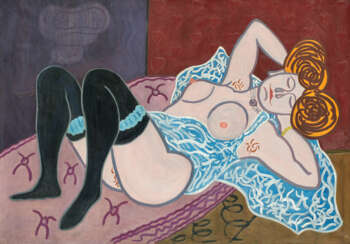

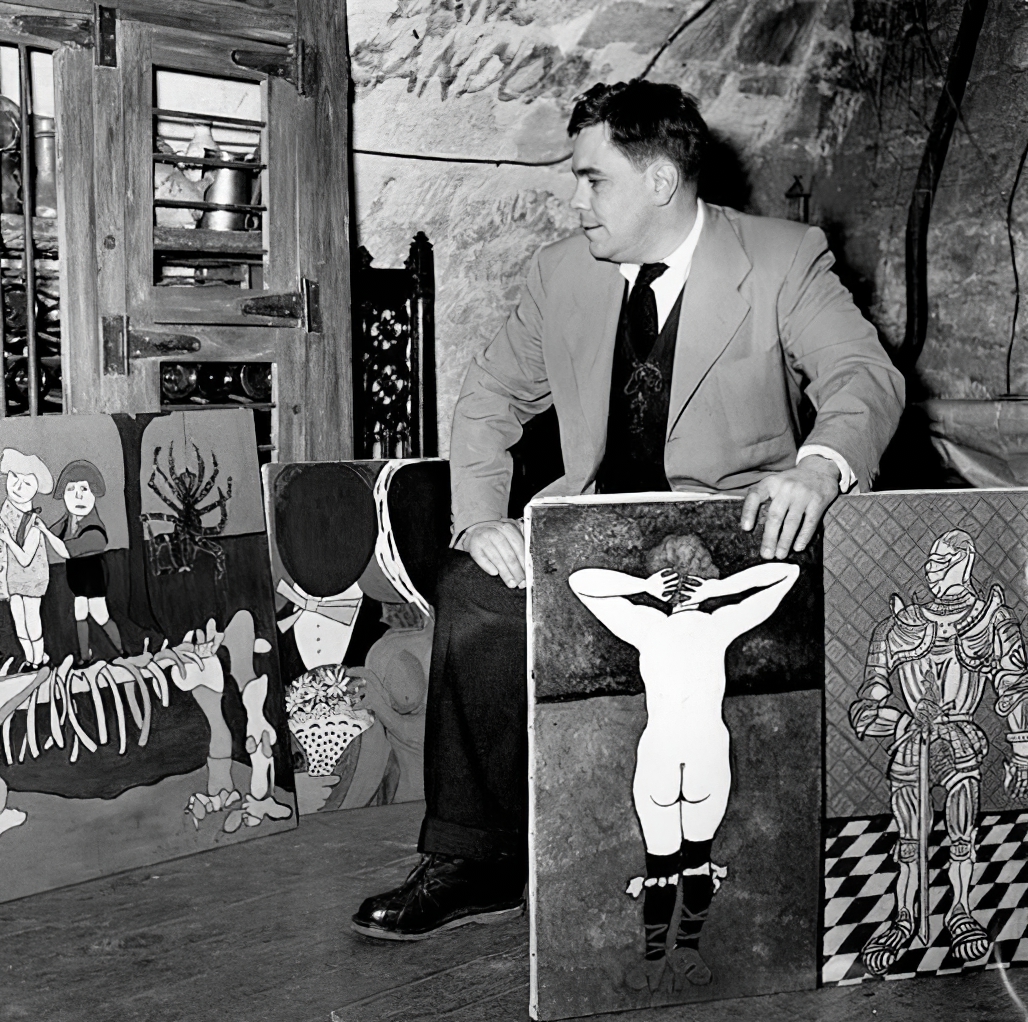
William Nelson Copley was an American painter, writer, gallerist, collector, patron, publisher and art entrepreneur. His works as an artist have been classified as late Surrealist and precursory to Pop Art.