rote neu








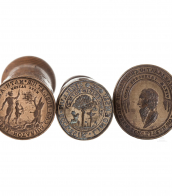
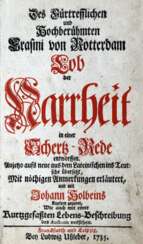

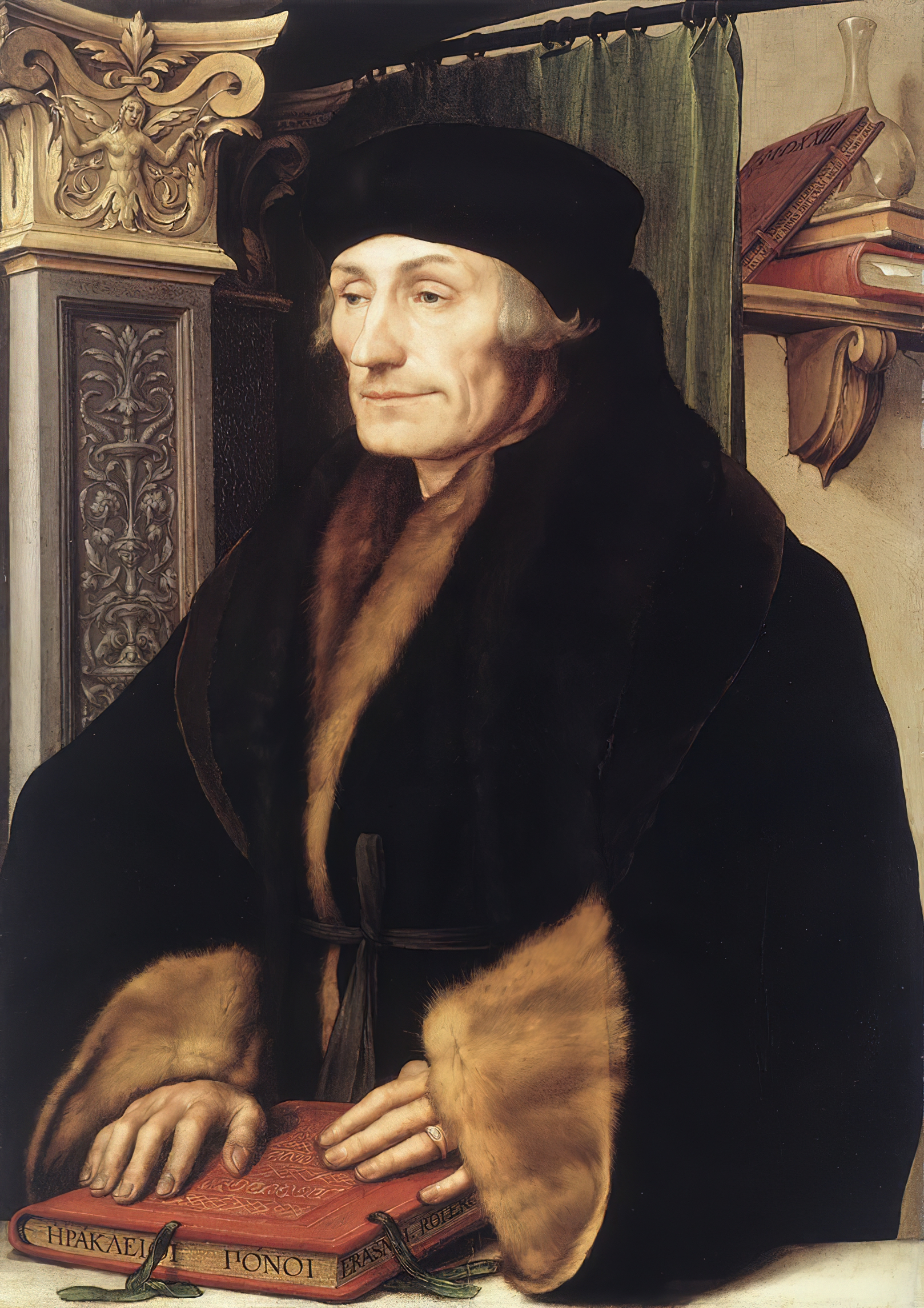
Desiderius Erasmus, also Erasmus of Rotterdam, or simply Erasmus (Latin: Desiderius Erasmus Roterodamus, Dutch: Gerrit Gerritszoon) was a Dutch humanist, philosopher, and the greatest scholar of the Northern Renaissance.
He was illegitimate and brought up under the name Gerhard Gerhards, later in Latin his name was dubbed Desiderius Erasmus. At the age of 13, the boy was sent to a monastery, where he later took the ministry. Erasmus read a lot, improving in Latin and Ancient Greek, studied oratory. A few years later he received the post of secretary to the bishop of the French city of Cambre. From 1493 to 1499 Rotterdam lived in Paris, then in London he was introduced to Thomas More, John Fisher, and John Colet.
Erasmus was constantly on the move, rarely staying in one place and traveling frequently between the Netherlands, Britain, France and Italy. In Turin he earned a doctorate in theology and was received by the Pope, then taught ancient Greek and theology at Cambridge. He corresponded with the rulers of various countries, popes and cardinals, and with statesmen, answering their questions of a scientific, political, and philosophical nature. As a true humanist, Erasmus of Rotterdam adhered to the ideas of a scientific spirit that favored research and true knowledge.
Among the merits of Rotterdamsky study of religious texts from a scientific position, critical interpretation of theology. Erasmus was able to lay the groundwork for historical-critical study of the past, especially in his studies of the Greek New Testament and the church fathers. His educational writings helped to replace the old school curriculum with a new humanistic emphasis on the classics.
In 1501, Erasmus produced a religious and ethical treatise, The Arms of the Christian Warrior, published in 1504. His work entitled "The Praise of Folly" was reprinted 40 times only during the author's lifetime, the book has been translated into all popular languages of the world. The series "Conversations in a Simple Way" (1518-1533) is among the most popular books on pedagogy. Erasmus promoted respect and care for children, opposing violence and corporal influence. He also promoted the idea that education should be compulsory for everyone.





























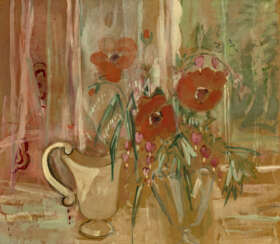

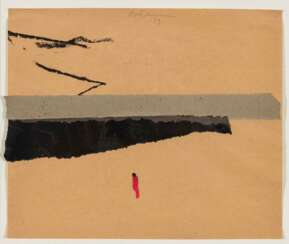
Oskar Moll was a German post-impressionist painter.
He studied painting in Munich and Berlin, met Henri Matisse in Paris in 1907 and took part in the founding of the Matisse Academy. He later taught at the Art Academy in Düsseldorf, from where he was eventually fired and branded as a propagator of degenerate art, one of his exhibitions was also banned by the Nazis and his works confiscated.
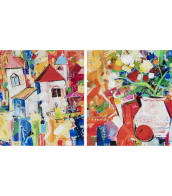
In his paintings, Moll combined linear structures with spaces of color, creating abstract and lyrical landscapes, still lifes and portraits. Contrasting color accents and ornamental motifs enliven the paintings.

Hans von Bartels was a German painter.
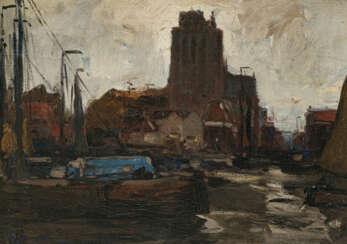
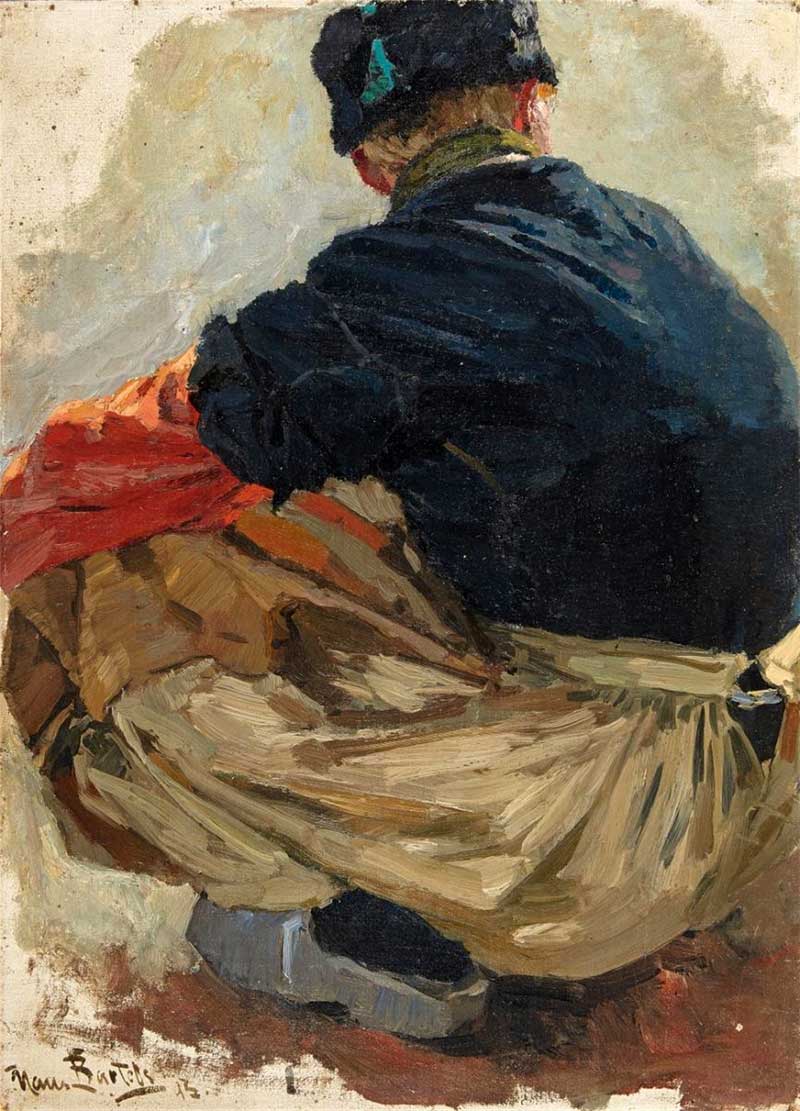
Bartels is associated with the Düsseldorf school of painting. Although an oil painter of great power, he is also one of the leading German water-colour painters, mainly of marines and scenes of fishing life, painted with rude vigour and a great display of technical skill. Bartels made a great contribution to the development of the watercolour. He was the first to use watercolour paint of large formats without the earlier conventions. From 1887 Von Bartels came every summer to the Dutch coast, especially to Katwijk aan Zee, to paint the fisherfolk and their labour. He excels in storm scenes and in depicting the strong, healthy fishing-folk of the northern coasts. He became an honorary member of leading English, German, Dutch, Belgian and Austrian art societies.