row house
![[D.H. Lawrence (1885-1930)] – Robert Browning (1812-1889)](/assets/image/picture_3643917/78168/nsx1mcglqntcbud3m0hynfmrqoipi7iioqejtkyukv8sx8jslibvanbgvmfygqze1701505298jpg__fix_374_244.jpeg)
![[D.H. Lawrence (1885-1930)] – Robert Browning (1812-1889)](https://veryimportantlot.com/assets/image/picture_3643917/78168/nsx1mcglqntcbud3m0hynfmrqoipi7iioqejtkyukv8sx8jslibvanbgvmfygqze1701505298jpg__fix_374_244.jpeg)
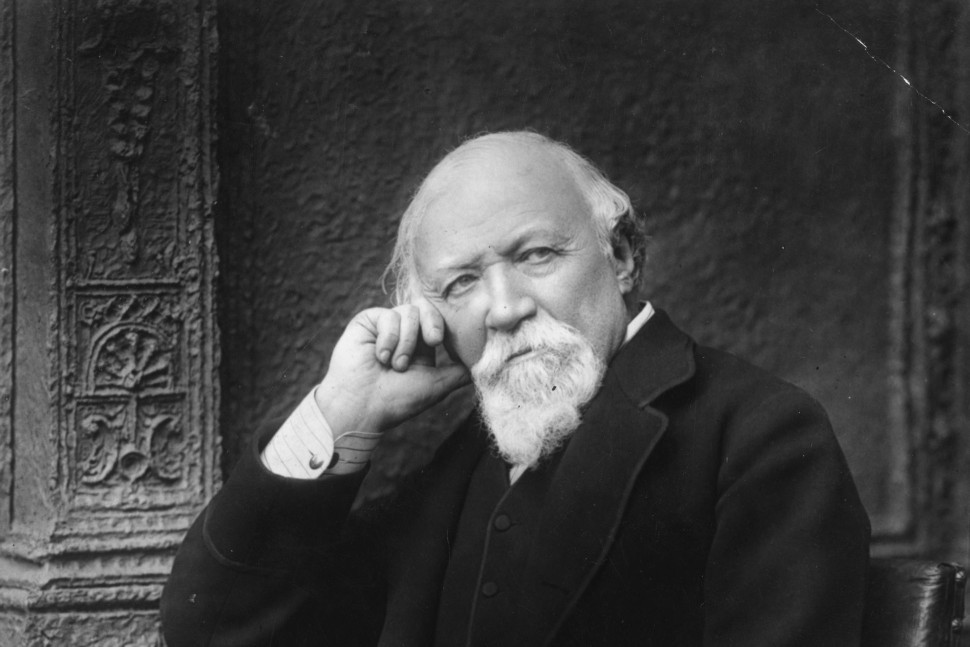
Robert Browning was an English poet and playwright of the Victorian era.
Browning's father, a bank clerk in London, was a very accomplished man, a collector of books and paintings, an artist and a scholar. He gave his son the basics of Greek and Latin, as well as classical literature. Browning re-read many books from his father's extensive library and also attended classes at the University of London. In 1834 Robert Browning traveled to St. Petersburg and later visited Italy. Between
1832-46 he wrote his early long poems and most of his plays. Browning's first published work was "Pauline" (1833); this dramatic monologue was highly emotional. In 1835 he published the poems "Paracelsus" and in 1840 "Sordello," which are about men of great talent trying to come to terms with the demands of the world.
In 1868-69. Browning published his major work, a novel in verse, The Ring and the Book, based on the trial of a murder case in Rome in 1698. Grand in conception and execution, it was immediately well received by the public, and Browning became a major figure in the history of English poetry.
















![[ROWLANDSON, Thomas (1756-1827)]](/assets/image/picture_2943846/169f1/8c0194aaa191cadacc79234dae53cfb71689199200jpg__fix_374_244.jpeg)
![[ROWLANDSON, Thomas (1756-1827)]](https://veryimportantlot.com/assets/image/picture_2943846/169f1/8c0194aaa191cadacc79234dae53cfb71689199200jpg__fix_374_244.jpeg)




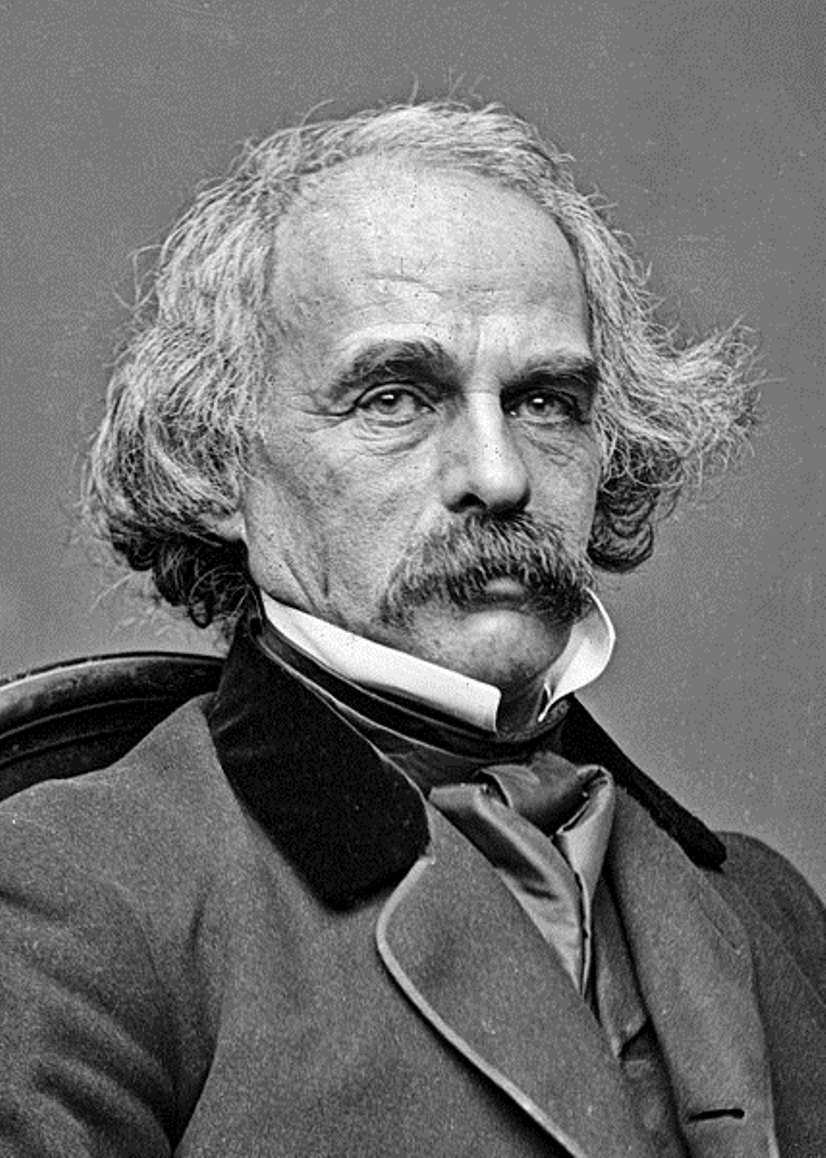
Nathaniel Hawthorne is an American writer and author.
Hawthorne is a recognized short story writer and a master of allegorical and symbolic narrative. One of the first fiction writers in American literature, he is best known for his works The Scarlet Letter (1850) and The House of Seven Gables (1851). Hawthorne's artistic works are considered part of the American Romantic movement and, in particular, of so-called dark Romanticism, a popular mid-19th-century fascination with the irrational, the demonic, and the grotesque.
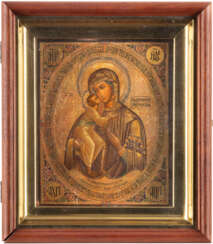



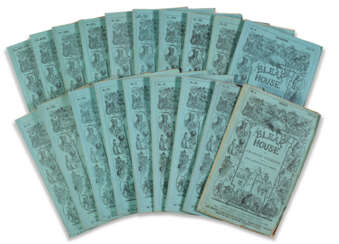

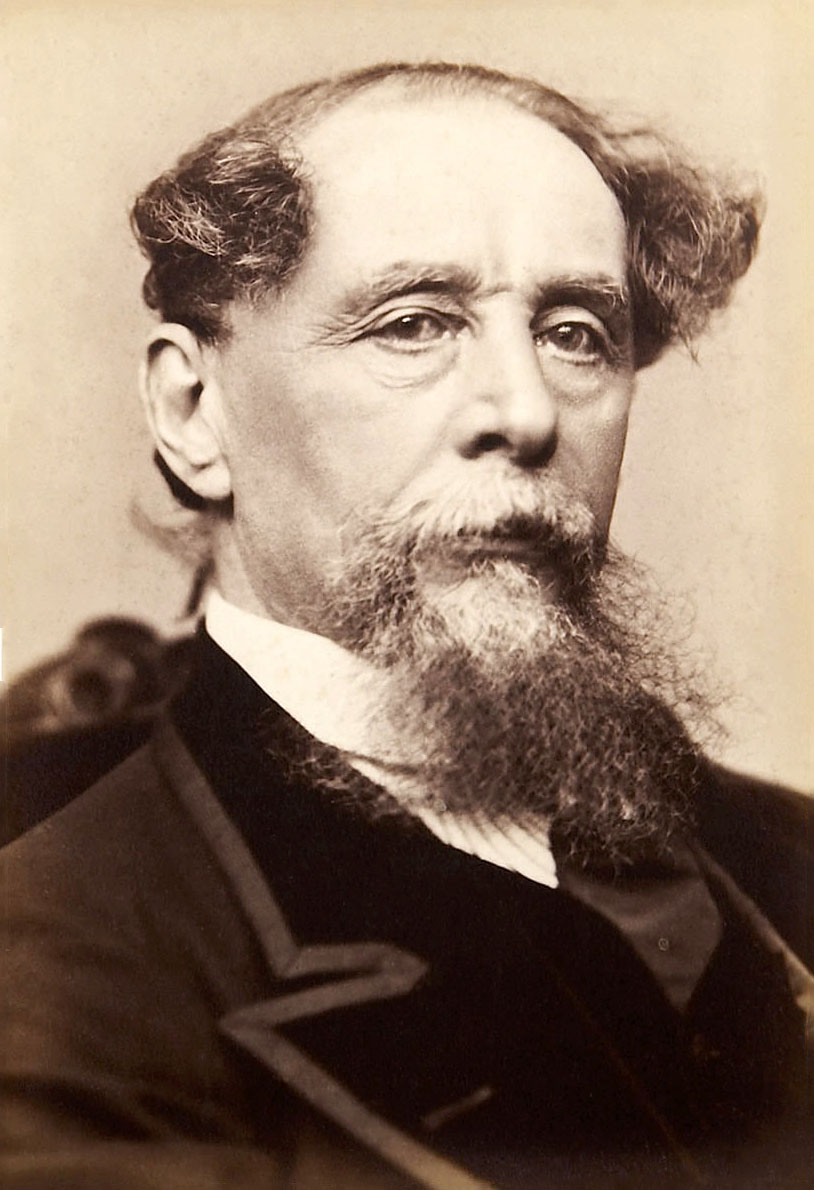
Charles Dickens, full name Charles John Huffam Dickens, is the most famous British writer of the Victorian era, a classic of world literature.
From childhood the future writer learned all the hardships of life in poverty: his father in prison for debts, hard work in a factory. Then service stenographer in court and reporter developed in him a strong attachment to journalism and contempt for both the law and parliament.
Dickens had many talents: in addition to literary work, he was an actor, published periodicals, arranged numerous literary readings, where he reveled in the admiration and love of the public. Fecund and versatile, Charles Dickens wrote many brilliant and often comic works. His novels cover a wide range of social, moral, emotional and other aspects. As a subtle psychologist, he is also very interested in the most ordinary people, but also the eccentric, the flawed, and even the insane.
Dickens was immensely popular around the world during his lifetime. His intellect, worldview, and deep reflections on society and its faults enriched his novels and made him one of the great figures of nineteenth-century literature, an influential spokesman for the conscience of his time.
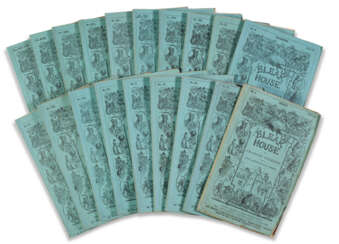
Dickens' best-known and most popular novels are The Pickwick Club Posthumous Notes, Oliver Twist, Nicholas Nickleby, David Copperfield, Cold House, A Tale of Two Cities, Our Mutual Friend, Great Expectations, and The Mystery of Edwin Drood.





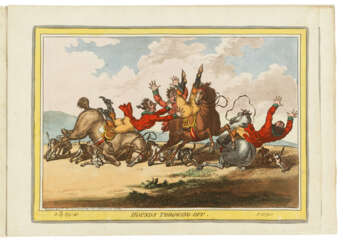

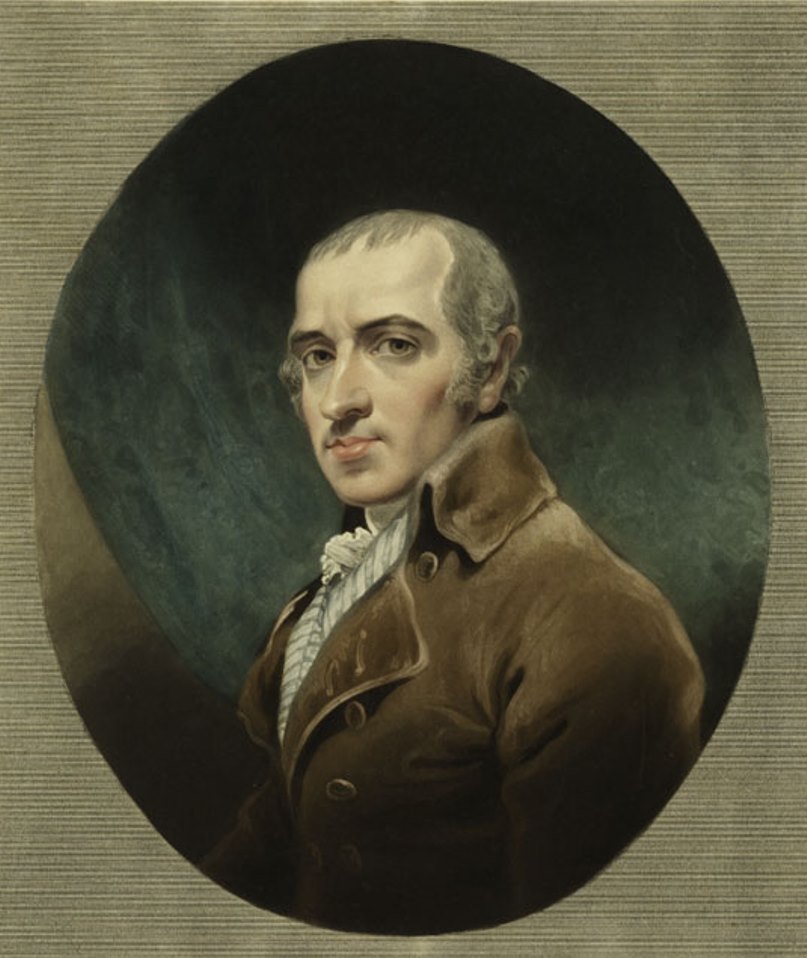
James Gillray was a British artist and caricaturist.
James Gillray was the most popular caricaturist of the second half of the 18th century. From about 1775 to 1810, he created about 1,000 political and social caricatures, often violent and even obscene. These include finished portrait drawings of the rich and famous, comic caricatures of bumbling people, and satirical caricatures of British political and social life during the Napoleonic era.
James Gillray's political cartoons are a historical record of the latter part of George III's reign. They were widely circulated in Britain and Europe and were produced as pamphlets. They sharply ridicule George III, the Queen, the Prince of Wales, Charles James Fox, Edmund Burke, William Pitt and Napoleon.
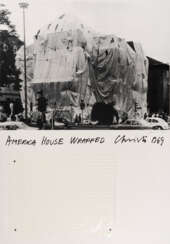


Christo Yavashev is a Bulgarian-born American sculptor and artist who, with his wife Jeanne-Claude de Guillebon, became famous for his work, in which he «packaged» objects ranging from a typewriter and a car to the Reichstag building and an entire seashore.
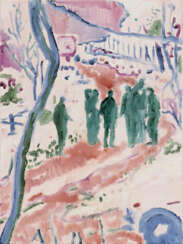

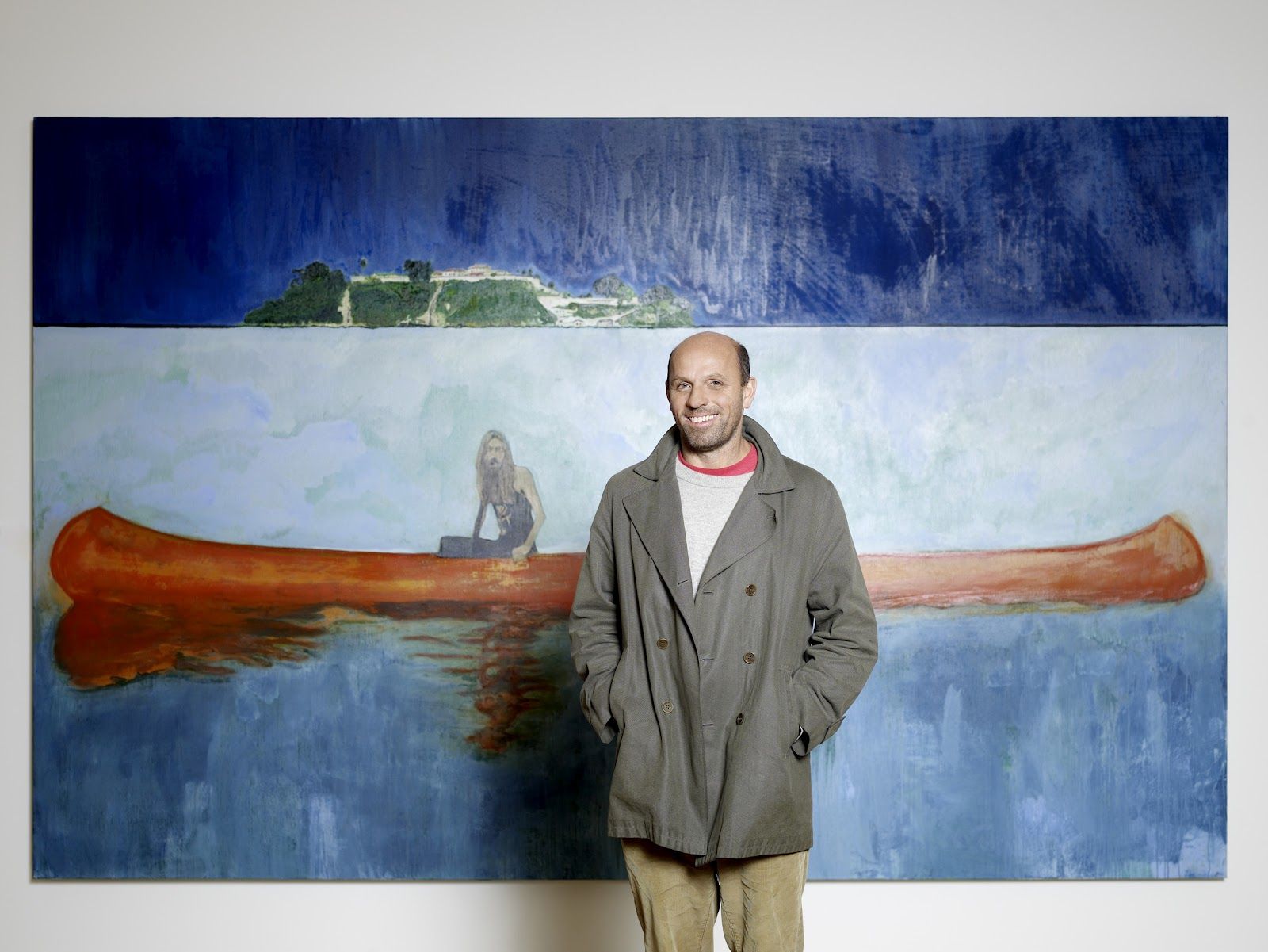
Peter Doig, a Scottish painter, is renowned for his distinct, evocative style that captures elements of the natural world intertwined with a sense of the fantastical. Known for his vibrant use of color and imaginative landscapes, Doig's works often explore themes of memory and nostalgia, heavily influenced by his experiences in Canada, Trinidad, and the United Kingdom.
Peter Doig’s journey in the art world gained significant momentum after his education at Chelsea College of Arts, which was followed by his winning the prestigious Whitechapel Artist Prize in 1991. This recognition led to a solo exhibition at the Whitechapel Art Gallery where he showcased key works that helped define his career, such as "Swamped" and "The Architect's Home in the Ravine."
Throughout his career, Peter Doig has demonstrated a mastery of painting, evident in works like "White Canoe" and "Echo Lake," which reside in major collections such as the Tate and the Saatchi Collection. His art not only reflects his personal history and travels but also incorporates elements from cinema and photography, giving his paintings a dream-like quality that invites viewers to interpret their narratives.
Peter Doig's work has been exhibited worldwide, including significant retrospectives at the Fondation Beyeler in Basel and the Louisiana Museum of Modern Art in Denmark. His achievements in the art world have been recognized with numerous awards, including being named the 2017 Whitechapel Gallery Art Icon.
For those interested in the contemporary art scene, Peter Doig remains a pivotal figure whose works continue to inspire and provoke deep reflection. Art collectors and enthusiasts keen on following updates related to new sales and auction events featuring Doig’s work can sign up for targeted updates here.
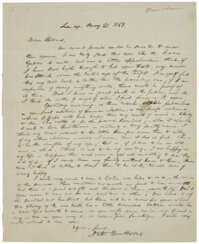

Nathaniel Hawthorne is an American writer and author.
Hawthorne is a recognized short story writer and a master of allegorical and symbolic narrative. One of the first fiction writers in American literature, he is best known for his works The Scarlet Letter (1850) and The House of Seven Gables (1851). Hawthorne's artistic works are considered part of the American Romantic movement and, in particular, of so-called dark Romanticism, a popular mid-19th-century fascination with the irrational, the demonic, and the grotesque.
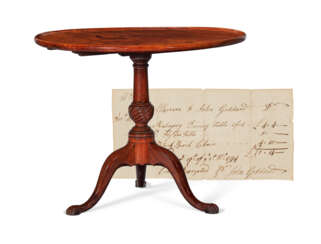

_4.jpg)
John Goddard (1724–1785) was a distinguished American cabinetmaker whose work significantly influenced 18th-century furniture design, particularly in Newport, Rhode Island. Born on January 20, 1724, in Dartmouth, Massachusetts, Goddard apprenticed under Job Townsend, a prominent Newport cabinetmaker. This apprenticeship not only honed his craftsmanship but also led to his marriage to Townsend's daughter, Hannah, further solidifying his ties to the esteemed Townsend-Goddard furniture-making dynasty.
Establishing his own workshop in Newport, Goddard became renowned for his exceptional skill and innovative designs. He is credited with originating the block-front knee-hole desks and secretary desks, which became highly sought after by affluent clients. His creations are characterized by distinctive features such as the block-front facade, intricately carved shells, and robust ball-and-claw feet. These elements not only exemplify the aesthetic preferences of the period but also showcase Goddard's meticulous attention to detail and mastery of proportion.
One of Goddard's most notable patrons was Nicholas Brown, a prominent Providence merchant. In the early 1760s, Brown commissioned a set of elaborately carved mahogany side chairs from Goddard. These chairs, distinguished by their pierced crest shells, double-scrolled splats, and elegantly shaped stretchers, are considered masterpieces of Newport craftsmanship. The collaboration between Goddard and Brown underscores the cabinetmaker's reputation as "the neatest workman in America," a testament to his superior craftsmanship and design sensibilities.
Goddard's influence extended beyond his lifetime, as his workshop became a training ground for future artisans, including his sons. Following the British occupation of Newport, three of his sons relocated to Nova Scotia, where they continued the family's cabinetmaking tradition, thereby disseminating the Newport style to new regions. The Goddard family's contributions to furniture making have left an indelible mark on American decorative arts, with their pieces remaining highly prized by collectors and museums alike.
Today, John Goddard's works are preserved in esteemed institutions such as The Metropolitan Museum of Art, which houses a side chair attributed to him. This chair exemplifies the characteristic Newport knee carving and the spherical ball feet associated with Goddard's style, serving as a tangible representation of his enduring legacy in American furniture design.