spring at meaning
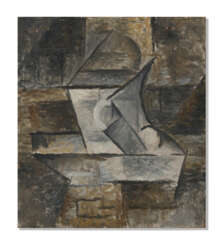

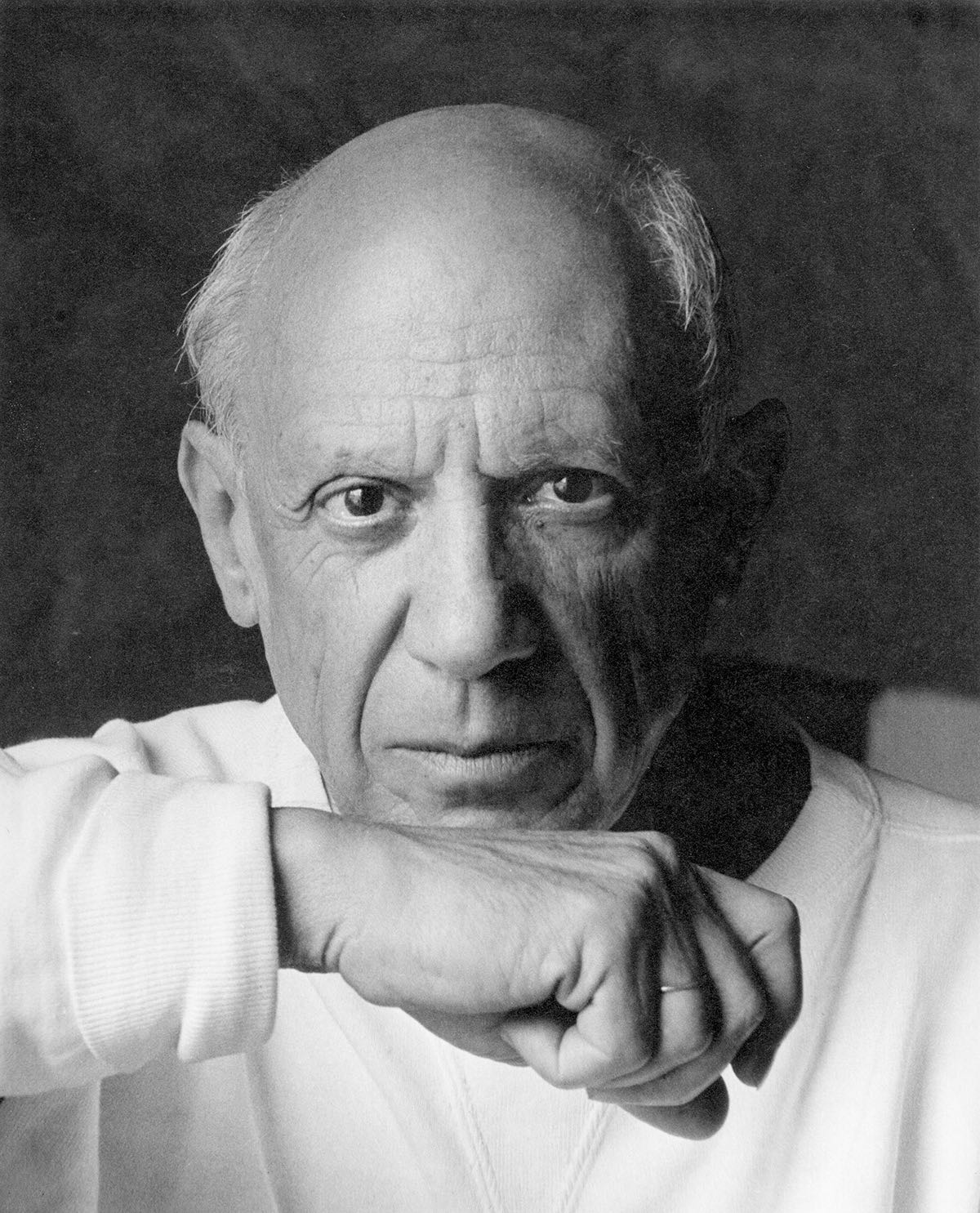
Pablo Ruiz Picasso, a Spanish artist renowned for his revolutionary contributions to the 20th-century art scene, is a figure that resonates profoundly with collectors and art experts. His unique blend of talents in painting, sculpture, printmaking, and ceramic art, infused with his time in France, positioned him as a pivotal character in modern art history.
Picasso's artistic journey was marked by distinct periods, each showcasing his evolving style and genius. His early years were characterized by the Blue Period (1901-1904), followed by the Rose Period (1904-1906), and then the African-influenced Period (1907-1909). Picasso's name is synonymous with Cubism, a movement he co-founded, which significantly altered artistic perspectives and methods. Works like "Les Demoiselles d'Avignon" (1907) and "Guernica" (1937) are emblematic of his cubist legacy, the latter being a poignant anti-war statement that remains influential.
His later years saw a return to more traditional styles, with neoclassical and surrealist influences becoming evident. Works from these phases reflect a deep engagement with mythological themes, as seen in "Faun with Stars" (1955), symbolizing his late-life romance with Jacqueline Roque, his second wife.
Picasso's prolific output and innovative spirit made him a legend in his own time, a status that only grew after his death. His works, housed in major museums and private collections worldwide, continue to captivate and inspire.
As a collector or expert in art and antiques, staying informed about Picasso's works, their auction events, and sales is essential. To stay updated on the latest developments and opportunities related to Pablo Picasso, sign up for our specialized updates. Rest assured, this subscription will focus solely on new product sales and auction events pertaining to Picasso's art, ensuring that you receive only the most relevant and valuable information.
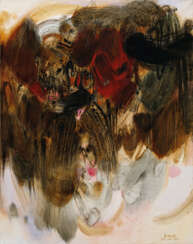

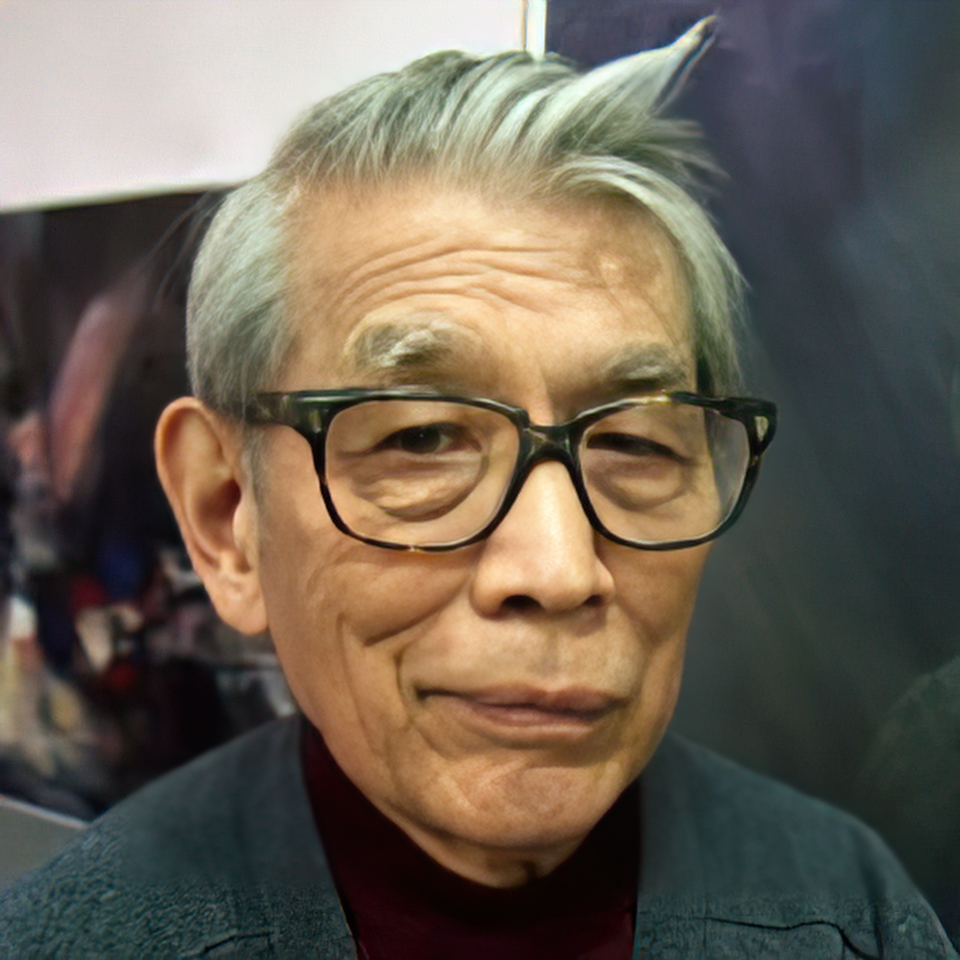
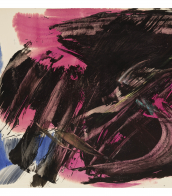
Chu Teh-Chun or Zhu Dequn was a Chinese-French abstract painter acclaimed for his pioneering style integrating traditional Chinese painting techniques with Western abstract art. Chu Teh-Chun enrolled in the National School of Fine Arts (now China Academy of Art), where he studied under Fang Ganmin and Wu Dayu. He was the first ethnic Chinese member of the Académie des Beaux-Arts of France, and together with Wu Guanzhong and Zao Wou-Ki were dubbed the "Three Musketeers" of modernist Chinese artists trained in China and France.

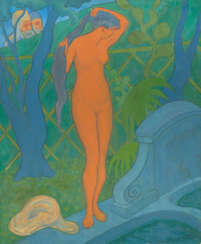

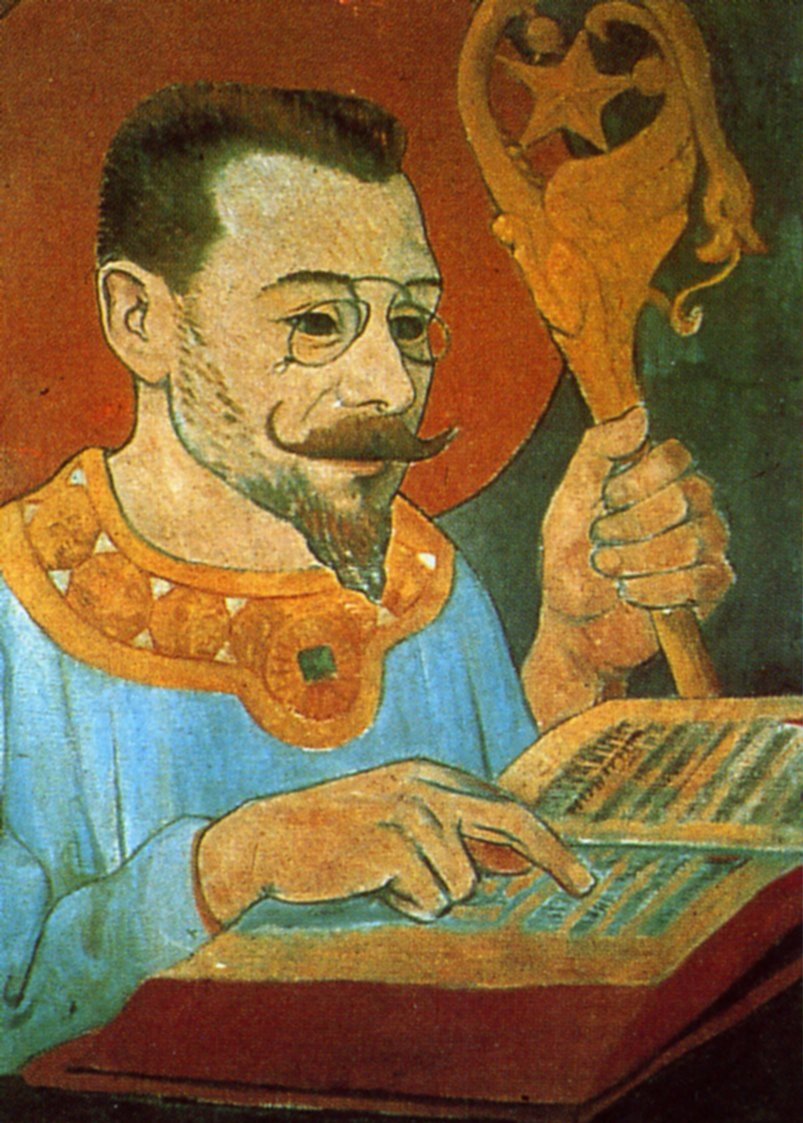
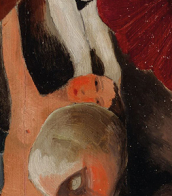
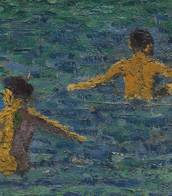
Paul-Élie Ranson, a French painter and writer, emerged as a prominent figure in the late 19th century art scene. Born in Limoges, he was raised by his grandparents and father after his mother's demise during childbirth. Ranson's early artistic inclinations were nurtured with drawing lessons from his grandfather. His educational journey in the arts began at the École des Beaux-Arts Appliqués à l'Industrie and later continued at the Académie Julian in Paris.
Ranson was a pivotal member of "Les Nabis," a group instrumental in transitioning from Impressionism to modern art. Along with notable contemporaries like Paul Sérusier, Pierre Bonnard, and Maurice Denis, he helped establish an art movement that blended elements of Symbolism, Art Nouveau, and Japanese prints. Ranson's role extended beyond painting; he was actively involved in the Symbolist performances at the Théâtre d'Art and directed a notable performance of "Ubu Roi" by Alfred Jarry.
Ranson's artistic oeuvre is marked by a fascination with Theosophy, magic, and occultism, themes that increasingly influenced his work. His paintings often delved into mythology, witchcraft, and anti-clerical subjects. Some of his notable works include "Christ and Buddha" (1880), "Witches Around the Fire" (1891), and "The Blue Room" (circa 1900). These works exemplify his unique blend of thematic and stylistic elements, setting him apart from his contemporaries.
Tragically, Ranson's life was cut short by typhoid fever in 1909. However, his legacy continued through the Académie Ranson, founded by his friends in Les Nabis. This institution, managed initially by Ranson and later by his wife Marie, remained active until 1955, perpetuating his influence on future generations of artists.
For art collectors and experts, Ranson's work offers a unique window into the transitionary period of late 19th-century art, showcasing the interplay of traditional and emerging styles. His contributions to the Symbolist and Nabi movements are particularly noteworthy.
To stay updated on new product sales and auction events related to Paul-Élie Ranson, sign up for our updates. This subscription service is tailored to keep art aficionados informed about the latest developments and opportunities related to Ranson's art.


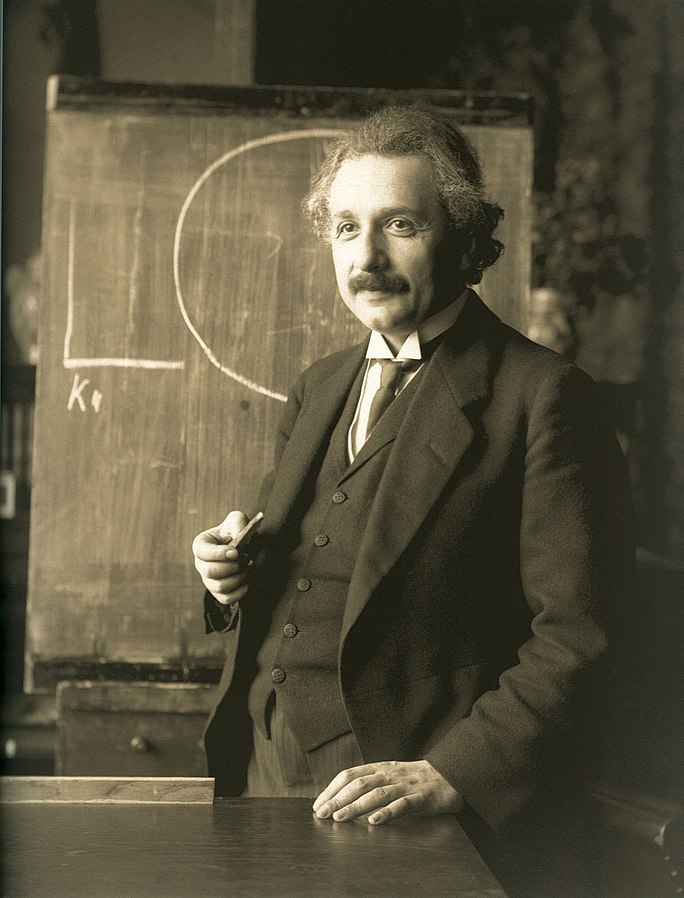
Albert Einstein was a German-born theoretical physicist, widely acknowledged to be one of the greatest and most influential physicists of all time. Einstein is best known for developing the theory of relativity, but he also made important contributions to the development of the theory of quantum mechanics. Relativity and quantum mechanics are together the two pillars of modern physics. His mass–energy equivalence formula E = mc2, which arises from relativity theory, has been dubbed "the world's most famous equation". His work is also known for its influence on the philosophy of science. He received the 1921 Nobel Prize in Physics "for his services to theoretical physics, and especially for his discovery of the law of the photoelectric effect", a pivotal step in the development of quantum theory. His intellectual achievements and originality resulted in "Einstein" becoming synonymous with "genius".


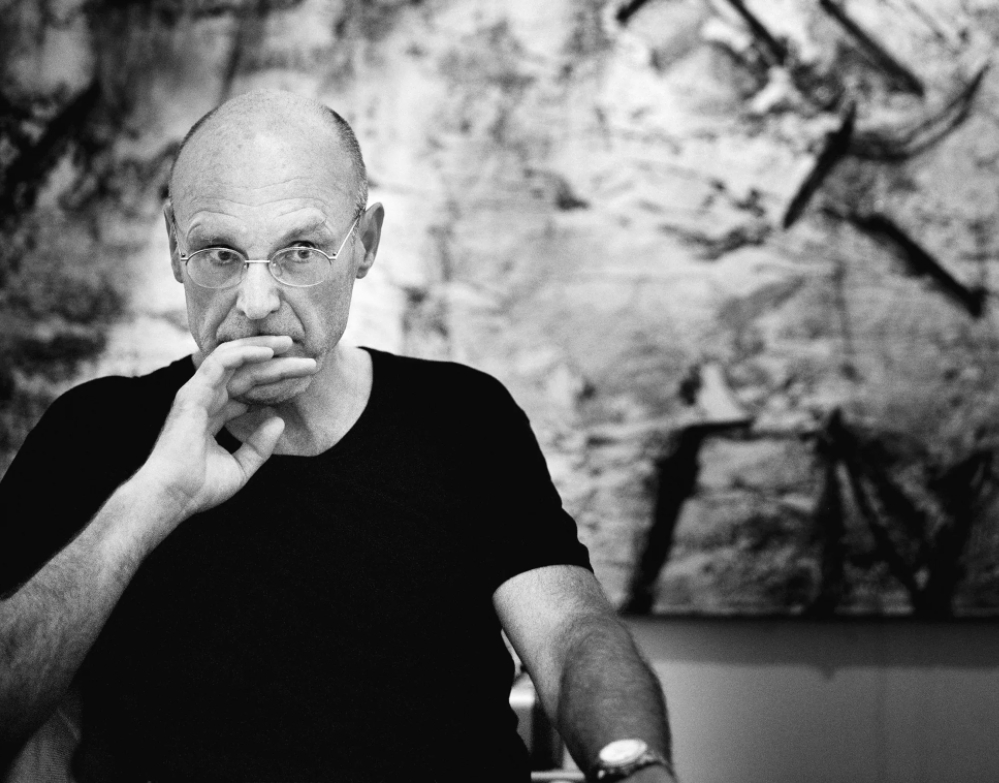
Anselm Kiefer, a German artist born in 1945, is renowned for his profound contributions to painting and sculpture. He is distinguished by his use of unconventional materials such as straw, ash, clay, lead, and shellac, which he selects for their symbolic and alchemical properties. Anselm Kiefer's works often delve into themes of German history, mythology, and the Holocaust, using these materials to evoke a range of emotions and reflections on past and present.
One of his notable pieces, "Margarete," inspired by Paul Celan's poem "Death Fugue," employs straw to symbolize various themes, including racial purity and the fragility of life. Another significant work, "The High Priestess/Zweistromland," features an installation of lead books, reflecting on the transmission and preservation of knowledge. "Shevirat Ha-Kelim" is a sculpture that explores themes from the Kabbalah, representing the fragmentation of divine attributes.
Anselm Kiefer's art is not just visually impactful but also intellectually stimulating, encouraging viewers to ponder complex historical and philosophical questions. His works are displayed in prestigious venues worldwide, including the Centre Georges Pompidou in Paris and private collections.
For art collectors and experts, Anselm Kiefer's oeuvre offers a compelling blend of historical depth, material innovation, and philosophical inquiry. If you're intrigued by Kiefer's unique approach to art and wish to stay informed about new works and auction events related to Anselm Kiefer, consider signing up for updates to ensure you don't miss out on the opportunity to engage with his profound and evocative creations.



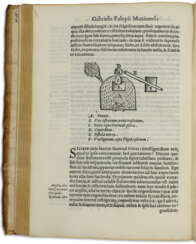

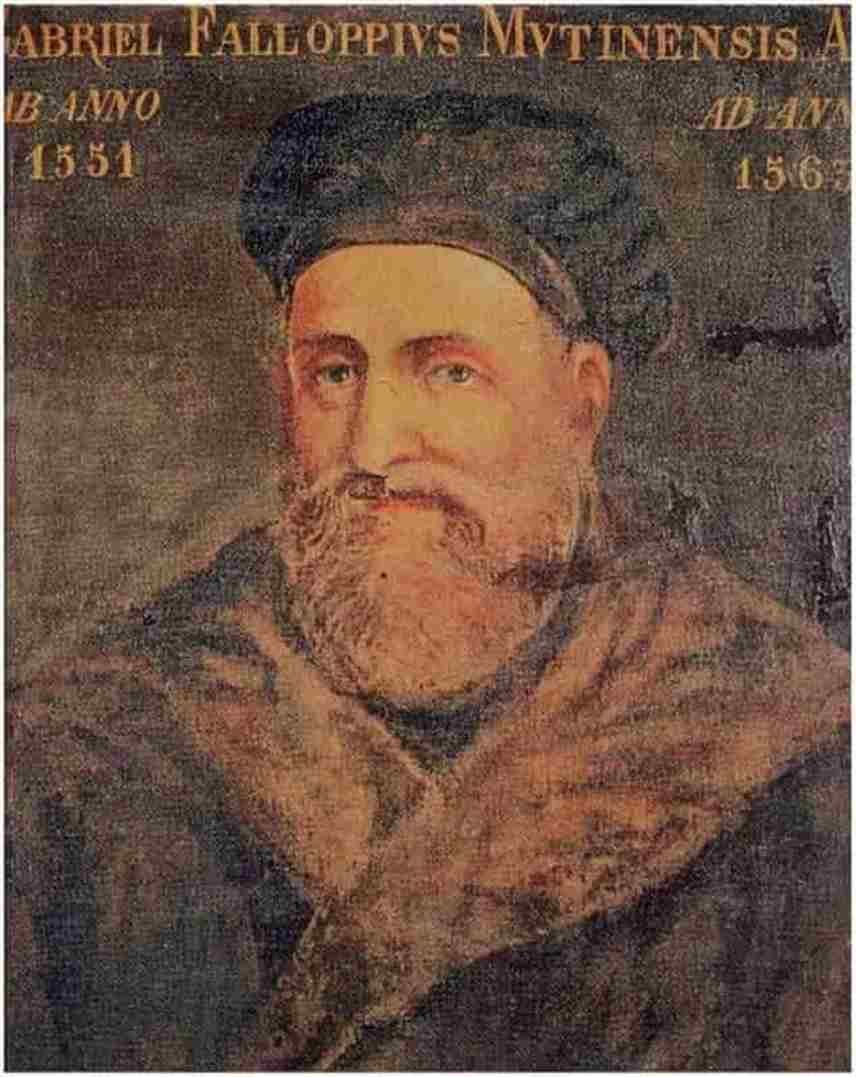
Gabriele Falloppio was an Italian physician and anatomist of the Renaissance.
Originally a priest, Falloppio soon left for Ferrara to study medicine and was later appointed anatomy professor there, and in 1548 he became head of the anatomy department at Pisa. Three years later he accepted the offer of the Venetian Senate to become professor of anatomy, surgery, and botany at Padua, where he remained for the rest of his life. It was in this city that he made his most famous discoveries, was director of the famous botanical garden, and wrote two medical textbooks.
He also gained a reputation as an excellent teacher and lecturer, attracting many Italian and foreign students to the medical faculty of the University of Padua. As a physician, he made a thorough study of the clinical aspects and treatment of syphilis, and proposed the condom as a defense against venereal disease.
Falloppio was a versatile scientist and an able physician and surgeon, describing, among other things, the semicircular canals, the cuneiform sinuses, the trigeminal, auditory and lingual pharyngeal nerves, the canal of the facial nerve, and the fallopian tubes, named Fallopian tubes in his honor. Falloppio described his discoveries in his three-volume work Opera genuina omnia, published in Frankfurt in 1600 and in Venice in 1606.




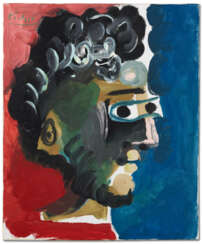

Pablo Ruiz Picasso, a Spanish artist renowned for his revolutionary contributions to the 20th-century art scene, is a figure that resonates profoundly with collectors and art experts. His unique blend of talents in painting, sculpture, printmaking, and ceramic art, infused with his time in France, positioned him as a pivotal character in modern art history.
Picasso's artistic journey was marked by distinct periods, each showcasing his evolving style and genius. His early years were characterized by the Blue Period (1901-1904), followed by the Rose Period (1904-1906), and then the African-influenced Period (1907-1909). Picasso's name is synonymous with Cubism, a movement he co-founded, which significantly altered artistic perspectives and methods. Works like "Les Demoiselles d'Avignon" (1907) and "Guernica" (1937) are emblematic of his cubist legacy, the latter being a poignant anti-war statement that remains influential.
His later years saw a return to more traditional styles, with neoclassical and surrealist influences becoming evident. Works from these phases reflect a deep engagement with mythological themes, as seen in "Faun with Stars" (1955), symbolizing his late-life romance with Jacqueline Roque, his second wife.
Picasso's prolific output and innovative spirit made him a legend in his own time, a status that only grew after his death. His works, housed in major museums and private collections worldwide, continue to captivate and inspire.
As a collector or expert in art and antiques, staying informed about Picasso's works, their auction events, and sales is essential. To stay updated on the latest developments and opportunities related to Pablo Picasso, sign up for our specialized updates. Rest assured, this subscription will focus solely on new product sales and auction events pertaining to Picasso's art, ensuring that you receive only the most relevant and valuable information.

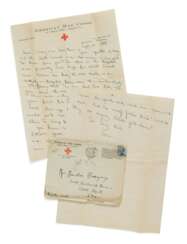

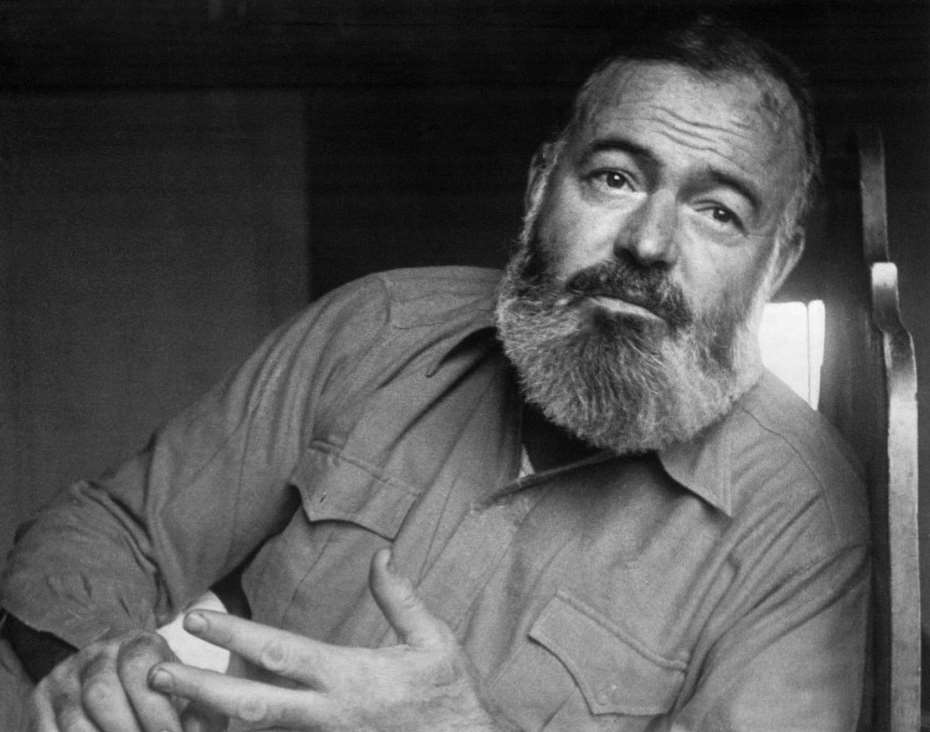
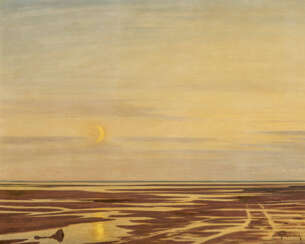

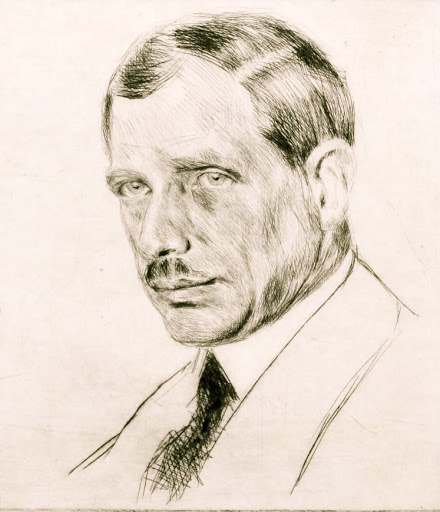
Max Clarenbach was a German painter of the first half of the twentieth century. He is known as a painter, landscape painter, genre painter and teacher and is considered one of the most important representatives of Rhenish painting of his time.
Max Clarenbach made study trips to Italy and Holland early in his career, where he formed his genre preferences and became a landscape painter. His work reflected the influence of the Hague School and the French Barbizonians. The artist skillfully depicted winter scenes and the nature of western Germany. He also painted sports and street scenes.
Clarenbach was one of the organizers of the Düsseldorf Sonderbund and taught at the Düsseldorf Academy of Art.


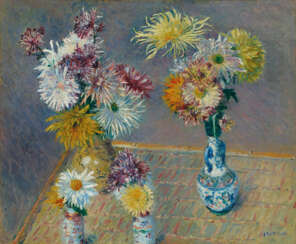

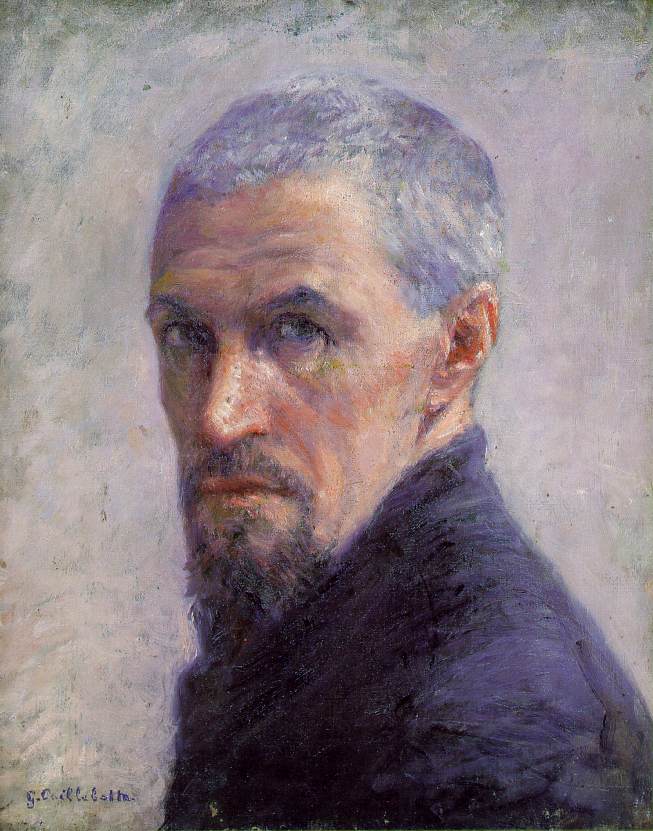
Gustave Caillebotte was a French Impressionist painter, collector, patron of art and impresario.
Caillebotte was born into a noble and wealthy family, educated as an engineer and lawyer, but became interested in painting and studied at the Paris School of Fine Arts. In 1874 he met Pierre-Auguste Renoir and Claude Monet and presented his work at Impressionist exhibitions. Over the next six years, Caillebotte became the chief organizer, promoter and financial sponsor of Impressionist exhibitions, and used his fortune to purchase works by other Impressionists, notably Monet, Renoir, Camille Pissarro, Paul Cézanne, Edgar Degas, Alfred Sisley and Berthe Morisot.
Caillebotte bequeathed his collection of paintings to the state, some of which later formed the basis of the Impressionist collection at the Musée d'Orsay.
In his paintings, Caillebotte combined in a unique synthesis of academic, realistic and impressionist styles. He painted many family scenes, interiors and landscapes, as well as domestic scenes and streets of Paris.






.jpg)
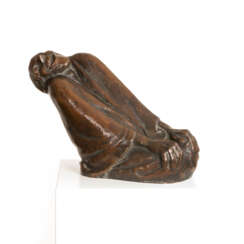
Ernst Heinrich Barlach was a German expressionist sculptor, medallist, printmaker and writer. Although he was a supporter of the war in the years leading to World War I, his participation in the war made him change his position, and he is mostly known for his sculptures protesting against the war. This created many conflicts during the rise of the Nazi Party, when most of his works were confiscated as degenerate art. Stylistically, his literary and artistic work would fall between the categories of twentieth-century Realism and Expressionism.