the last stand












James Rizzi was a renowned American artist, celebrated for his vibrant and playful Pop Art style. Born in Brooklyn, New York, Rizzi's unique approach to art combined childlike whimsy with bold, animated creations. His 3D artworks, characterized by their intricate detail and lively city scenes, set him apart in the art world.
James Rizzi's artistic journey was marked by a series of notable achievements and contributions. He gained recognition in the late 1970s and early 1980s, showcasing his works at prestigious venues like the Brooklyn Museum and creating album covers and animations for the Tom Tom Club. His style evolved into creating 3D constructions, where he meticulously sketched scenes, added vibrant colors, and transformed them into three-dimensional art pieces. This method resulted in captivating prints that exuded a sense of movement and playfulness, drawing viewers into the energetic and diverse atmosphere of New York City.
Throughout his career, James Rizzi undertook various notable projects, including designing for the Montreux Jazz Festival, the FIFA World Cup, and the Olympics. His works were not only limited to canvases but also extended to designing cars for Volkswagen and contributing to charity projects. The "Happy Rizzi House" in Braunschweig, Germany, stands as a testament to his architectural creativity.
Art enthusiasts and collectors will find James Rizzi's work particularly intriguing due to his unique process and the joyous portrayal of urban life. His art is celebrated globally, and his influence remains significant in the Pop Art movement.
If you are a collector or an expert in art and antiques, and James Rizzi's work intrigues you, sign up for updates. Stay informed about new product sales and auction events related to James Rizzi without any pompous flair. Just the essential information, directly to your inbox.
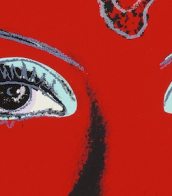
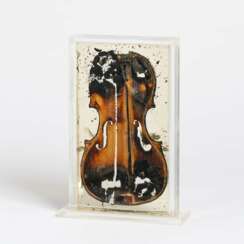

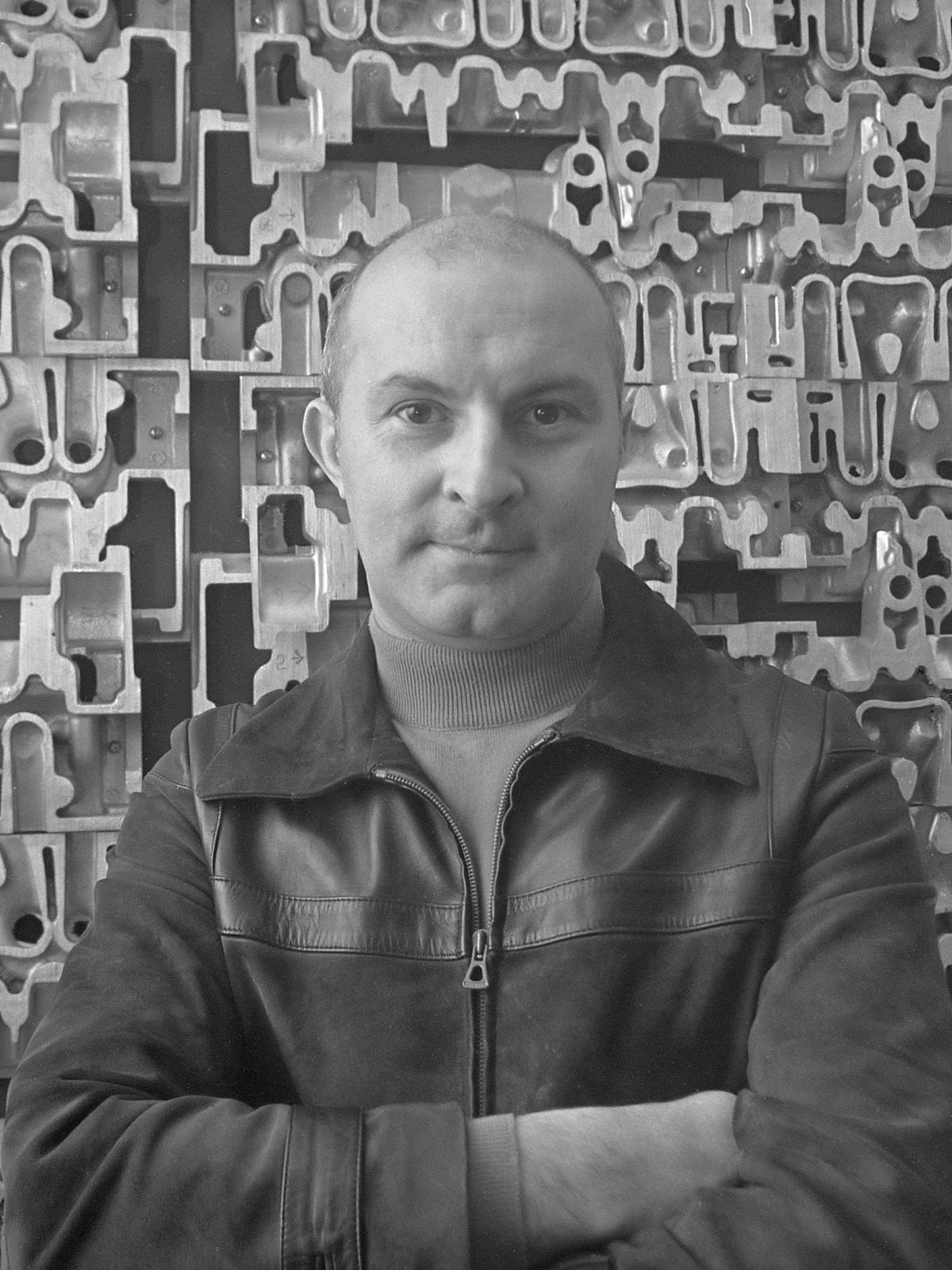
Armand Pierre Fernandez, widely known by his mononym Arman, was a French-born American artist celebrated for his innovative contributions to the Nouveau Réalisme movement and his radical use of everyday objects in art. Born in Nice, France, on November 17, 1928, Arman's early exposure to art came from his father, an antiques dealer and amateur artist, which deeply influenced his later artistic endeavors.
Arman moved beyond traditional painting techniques early in his career, instead creating his signature "Accumulations" and "Poubelles" (trash) sculptures. These works involved assembling and compacting everyday items like watches, clocks, and even automobiles, embedding these objects in layers of concrete or encasing them in Plexiglas. One of his most notable large-scale works is "Long Term Parking," a 60-foot high sculpture made of concrete-encased cars, situated in Jouy-en-Josas, France.
His work is an essential bridge between European and American trends in Pop art and has been widely exhibited in major institutions like the Metropolitan Museum of Art in New York, the Tate Gallery in London, and the Centre Pompidou in Paris. Arman's innovative techniques and philosophical approach to materials challenged conventional categorizations of art and inspired future generations of artists.
For collectors and enthusiasts interested in staying updated on exhibitions and sales related to Arman's work, signing up for updates can provide essential insights and opportunities related to this influential artist. Join our community to ensure you don't miss out on new discoveries and auction events associated with Arman's legacy.
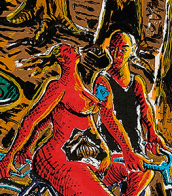




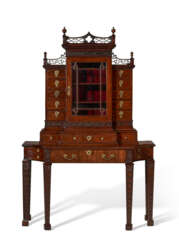

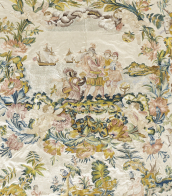


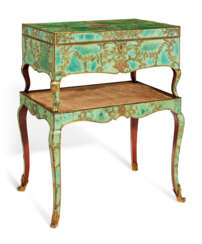



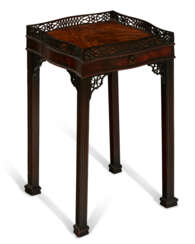
Thomas Chippendale was a cabinet-maker in London, designing furniture in the mid-Georgian, English Rococo, and Neoclassical styles. In 1754 he published a book of his designs in a trade catalogue titled The Gentleman and Cabinet Maker's Director — the most important collection of furniture designs published in England to that point which created a mass market for furniture—upon which success he became renowned. According to the Victoria and Albert Museum, «so influential were his designs, in Britain and throughout Europe and America, that "Chippendale" became a shorthand description for any furniture similar to his Director designs».












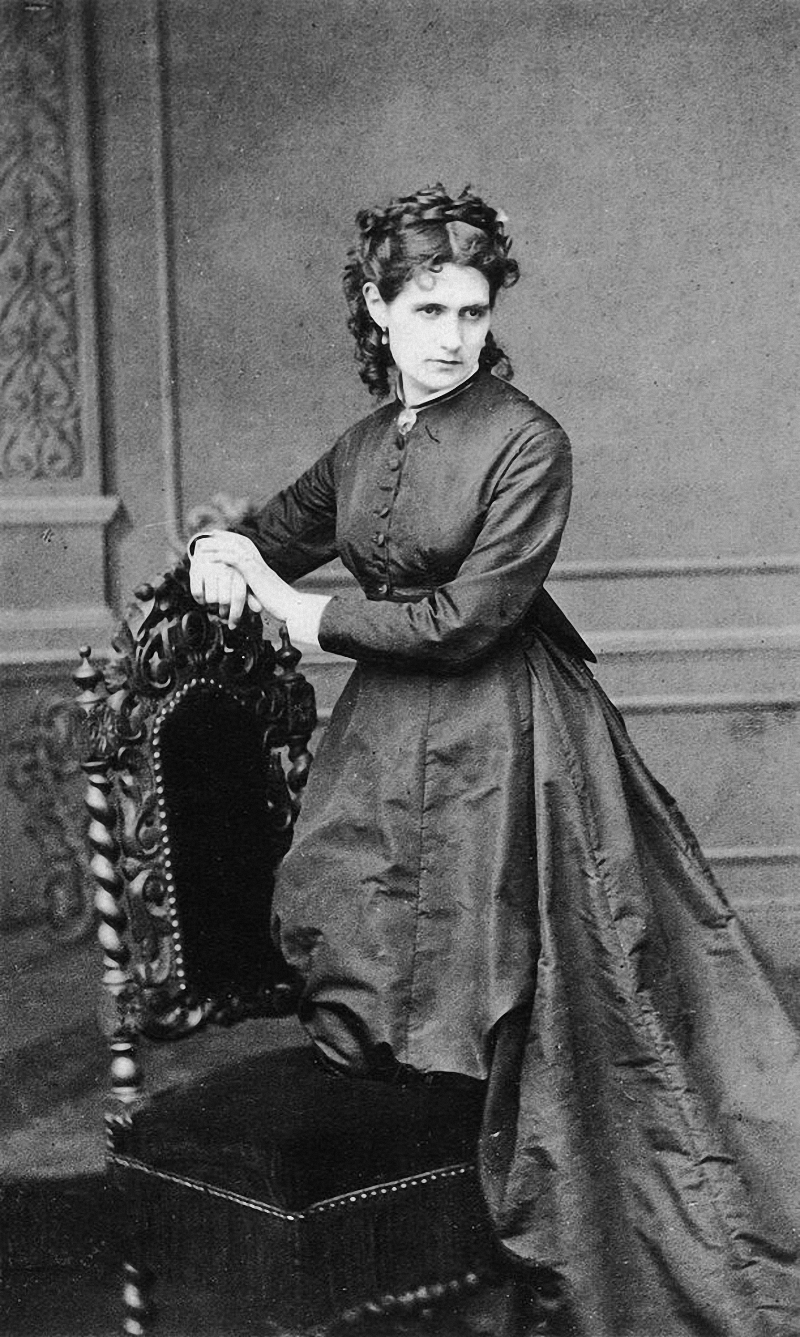
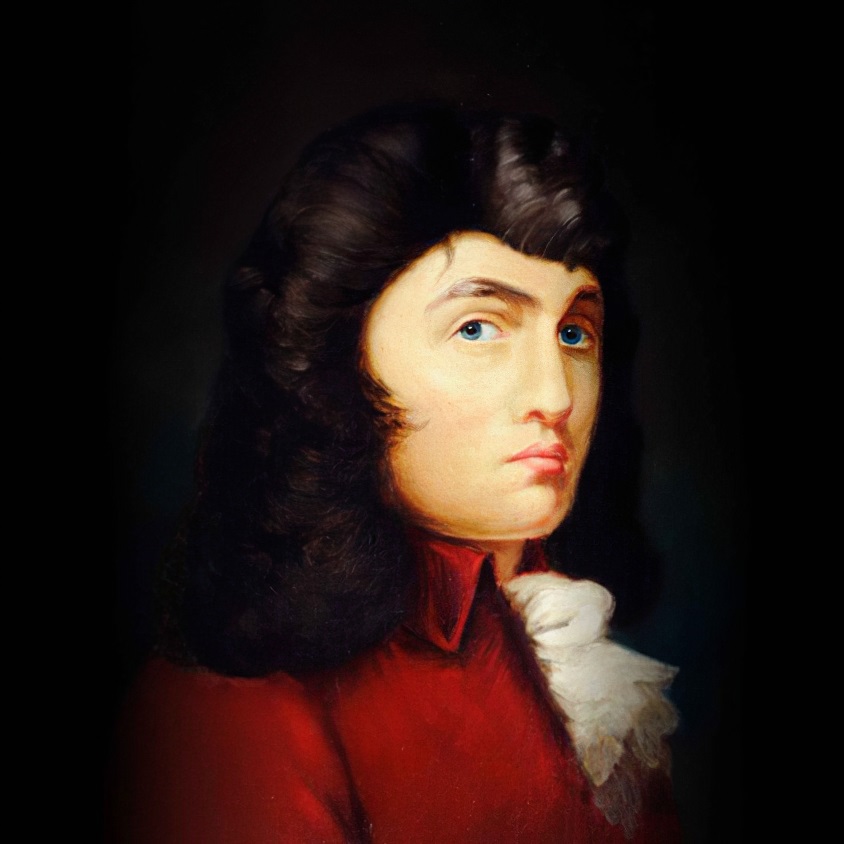
Berthe Morisot was a French painter, renowned for her pivotal role in the Impressionist movement. Born into an affluent family in 1841, Morisot's upbringing was steeped in culture, and she received a comprehensive art education alongside her sisters. Despite societal constraints, she pursued a career in art, initially exhibiting at Paris' salons before transitioning to the more avant-garde Impressionist exhibitions.
Berthe Morisot's artistry is characterized by a unique blend of color, light, and texture, embodying a distinctly "feminine" style that garnered admiration from her peers and critics alike. Her works, such as "The Cradle" and "Hanging the Laundry out to Dry," showcase her ability to capture the ephemeral qualities of everyday life with a tender and nuanced touch. Morisot's palette, dominated by pastel tones and an interplay of light, lends her paintings an ethereal quality, while her brushwork reflects a freedom and delicacy that became her signature.
Throughout her career, Berthe Morisot's evolving style reflected broader artistic trends, integrating influences from photography and Japanese prints. Yet, she remained faithful to the Impressionist ethos, capturing the transient moments of life with grace and sensitivity. Today, her works are celebrated in museums like the Musée d'Orsay, testament to her enduring influence in the realm of art and culture.
As we remember Berthe Morisot, her legacy continues to inspire art collectors and enthusiasts, reminding us of the profound impact one individual can have on the course of art history. For those captivated by Berthe Morisot's contribution to art and culture, we invite you to sign up for updates on upcoming sales and auction events featuring her works. Join us in celebrating the timeless beauty and historical significance of Morisot's artistry.







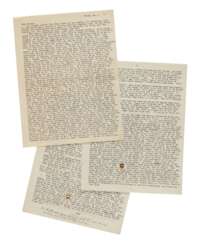


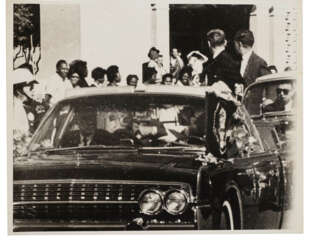

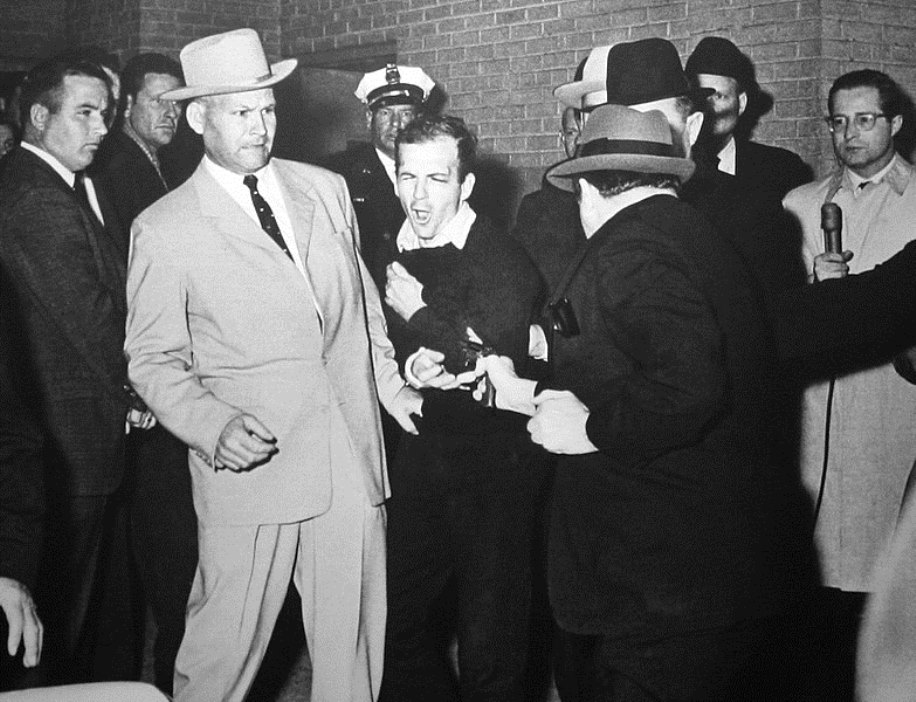
Robert Hill Jackson or Bob Jackson is a Pulitzer Prize-winning American photographer.
Robert attended Southern Methodist University while pursuing a passion for photography. While serving in the National Guard, Jackson became a photographer for an Army general. In 1960, he began working as a photo reporter for the Dallas Times Herald newspaper.
On November 22, 1963, Jackson was assigned to cover President John F. Kennedy's arrival at Love Field and his motorcade through the city. He witnessed Kennedy's assassination, but did not have time to film it. Two days later, however, he was able to photograph the shooting of Lee Harvey Oswald, the accused assassin of President Lee Harvey Oswald, by Jack Ruby in the garage of the Dallas police station. Robert Jackson was awarded the 1964 Pulitzer Prize in Photography for these photographs.