the last stand












Anton Hiller was a Bavarian sculptor and painter. He grew up in a Catholic farming family in Sigmaringendorf, Hohenzollern. Hiller then studied sculpture at the Academy of Fine Arts Munich under Hermann Hahn (1868–1945), graduating in 1923 and worked later as a freelance sculptor in Munich from 1923, executing commissions for the Bavarian State Gallery and the Municipal Gallery.
From 1946 to 1961, Hiller served as a professor of sculpture at the Academy of Fine Arts Munich, becoming one of the leading representatives of the Munich School of Sculpture in the third quarter of the 20th century. Hiller was a member of the German Artists' Association from 1952 to 1960.















Fritz Koenig was a prominent German sculptor, recognized for his influential works in the 20th century. He studied art at the Academy of Fine Arts in Munich after World War II and later, in 1951, expanded his education in Paris on a scholarship. Koenig gained international fame, particularly for his monumental bronze sculpture, "The Sphere," originally located at the World Trade Center in New York City.
"The Sphere" became a symbol of resilience after surviving the 9/11 attacks, albeit with damage. Initially placed in Battery Park as an interim memorial, it now resides in Liberty Park, serving as a poignant reminder of endurance amidst devastation. Koenig's work delves into themes of human and animal existence, exploring the tensions between religiosity and mythology, and the fragile nature of life.
Throughout his career, Koenig participated in significant exhibitions like the Biennale in Venice and documenta in Kassel, and his works are displayed in permanent collections, such as the Hofberg Sculpture Museum in Landshut. Koenig's artistic legacy continues to inspire, embodying a deep contemplation of humanity's place in the world and the enduring spirit of art in the face of tragedy.
If you're intrigued by the artistic journey and significant works of Fritz Koenig, and wish to delve deeper into his contributions to modern sculpture, consider subscribing for updates. This subscription will keep you informed about exhibitions, sales of Koenig's works, and insightful articles that explore his artistic legacy. Stay connected to the world of art and ensure you don't miss out on the opportunity to learn more about this influential sculptor's impact on contemporary art.


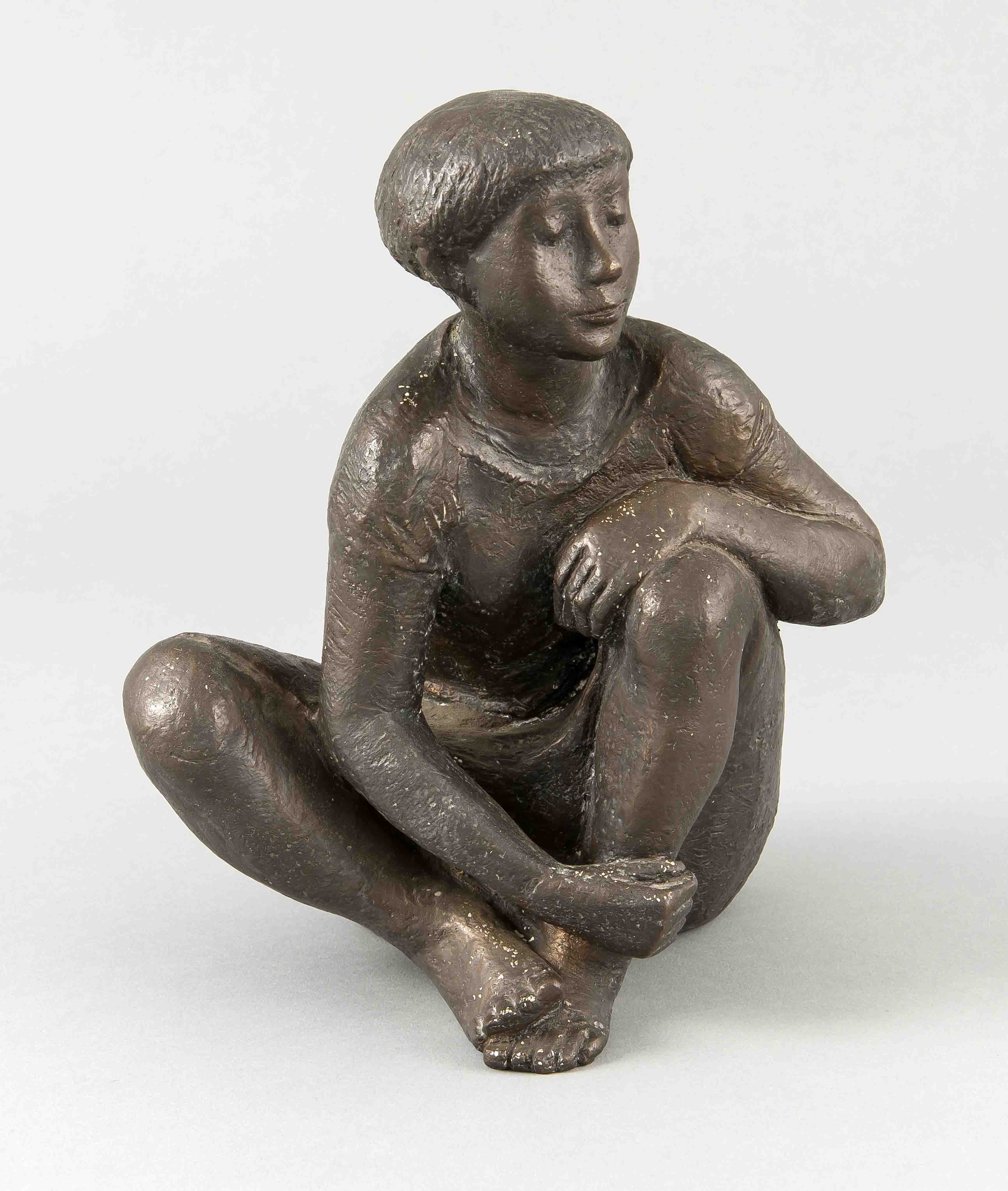
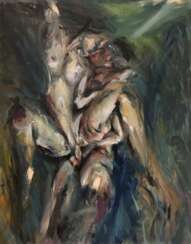
Maren Lipp was a German painter, sculptor, ceramist and drawer.

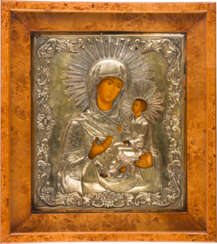










Jasper Johns, an American artist, has been a pivotal figure in the art world, celebrated for his innovative contributions to painting, sculpture, and printmaking. Johns, born in 1930, has challenged and expanded the boundaries of contemporary art with his unique approach to visual expression, blending elements of Abstract Expressionism, Neo-Dada, and Pop Art. He is perhaps best known for his iconic depictions of everyday objects and symbols, such as flags, maps, numbers, and targets, which he transforms into complex, layered works that invite contemplation on themes of identity, perception, and memory.
Johns' art is distinguished by its masterful use of texture, symbolism, and an exploration of the materiality of the medium. His technique of incorporating textural elements and found objects into his canvases blurs the lines between painting and sculpture, challenging traditional distinctions in art. For instance, his piece "Flag" (1954-55) reimagines the American flag with a surface rich in encaustic paint and newspaper clippings, creating a work that is both a familiar symbol and a deeply personal expression. Similarly, "Painted Bronze" (Ale Cans) (1960) playfully interrogates the nature of representation and the art object by presenting a lifelike bronze sculpture of beer cans, furthering the dialogue on art's relationship with the everyday.
Johns' work is held in high esteem and can be found in major museums and galleries worldwide, including the Museum of Modern Art in New York and the Tate Modern in London. His influence extends beyond his own oeuvre, impacting the development of several art movements, including Pop Art and Conceptual Art. Johns' exploration of language and semiotics, particularly in works like "According to What" (1964), prefigured the Conceptual Art movement's interest in the role of language and ideas in art.
For collectors and experts in art and antiques, Jasper Johns' work represents a critical junction in the evolution of post-war American art, offering rich insights into the interplay between cultural symbols and artistic innovation. His enduring relevance and the intellectual depth of his work continue to inspire and challenge audiences, making him a central figure in discussions of contemporary art.
To stay informed about new sales, auction events, and updates related to Jasper Johns, we invite you to sign up for our newsletter. This subscription is an excellent resource for enthusiasts and collectors eager to engage with the dynamic market for Jasper Johns' works and related artistic developments.