turn down
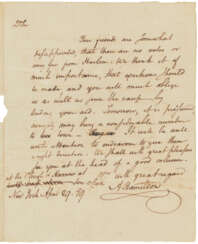

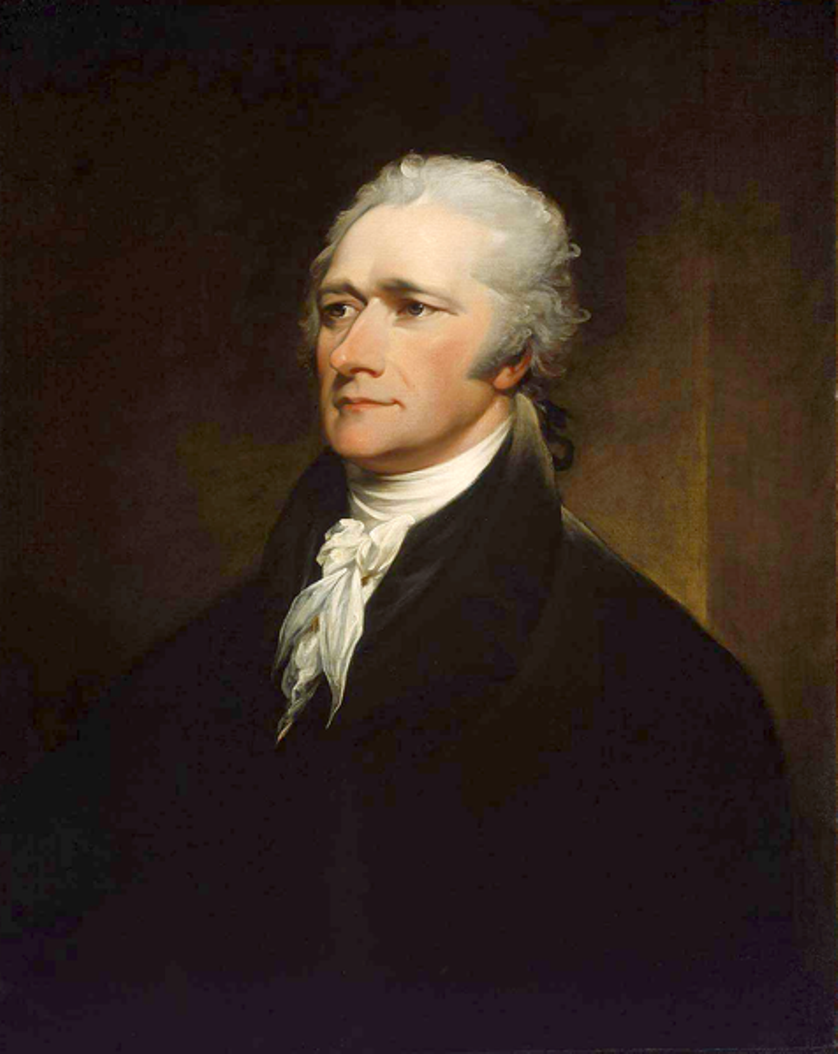
Alexander Hamilton was an American politician and statesman, the founder of the American financial system.
A native of Great Britain, Hamilton arrived in continental America in late 1772 and enrolled at King's College in New York. He became captain of an artillery company in 1776 and fought in the battles of Kips Bay, White Plains, Trenton, and Princeton during the American War of Independence. For four years he served on George Washington's staff as adjutant with the rank of lieutenant colonel. And in 1782, Hamilton was chosen by New York as a delegate to the Confederate Congress.
Alexander Hamilton was also one of New York's delegates to the Constitutional Convention in Philadelphia in 1787. He was a passionate advocate of the Constitution and, along with future President James Madison and John Jay, contributed to the famous book The Federalist (1788), writing most of the essays for it. After George Washington was elected the nation's first president in 1789, he appointed Hamilton Secretary of the Treasury. As the first Secretary of the Treasury (1789-1795), Hamilton developed plans to finance the national debt, secure federal credit, encourage the expansion of manufacturing, and organize a federal bank. In 1801, Hamilton founded the New York Evening Post newspaper.
On July 11, 1804, Hamilton was mortally wounded in a duel with his personal and political rival, Vice President Aaron Burr. Today, Alexander Hamilton is revered as one of the founding fathers of the United States, he is known for his role in creating America's financial system, and his portrait is on the ten dollar bill.













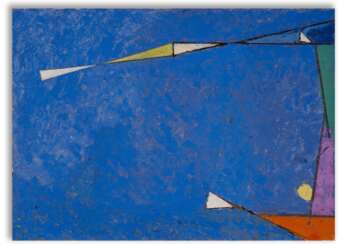


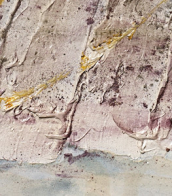
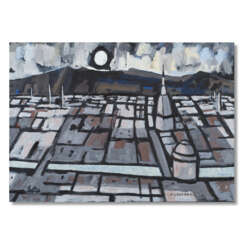

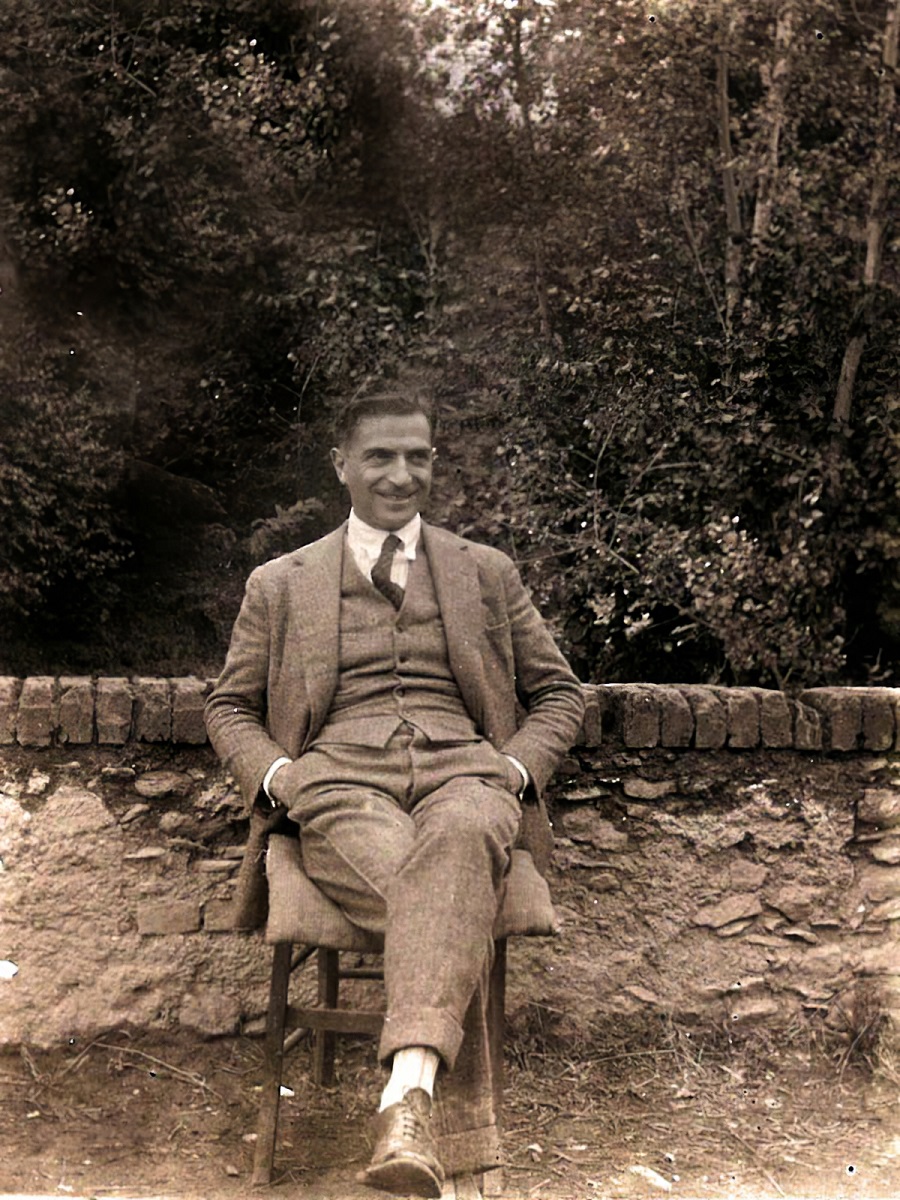
Felice Casorati was an Italian painter. The future painter originally studied piano, then graduated from the Faculty of Law at the University of Padua. At the same time he took painting lessons, first in Pavia, and from 1908 in Naples. In 1907 and 1909 held exhibitions of his paintings in Venice.
Felice Cazorati's work is strongly influenced by Symbolism and the Art Nouveau style (especially Gustav Klimt). In the early 1920s, the artist embraces the metaphysical realism of Giorgio de Chirico and uses his principles of spatial construction on the canvas. Later in the 1920s, he studied Renaissance art (in particular the works of Piero della Francesca). He painted still-lifes, genre and religious paintings, women's portraits and nudes, and also worked as a theatrical artist.
At the end of the 1920s, Felice Cazorati opened his own art school in Turin, and also taught at the Turin Academy of Art.





















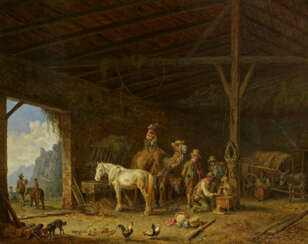

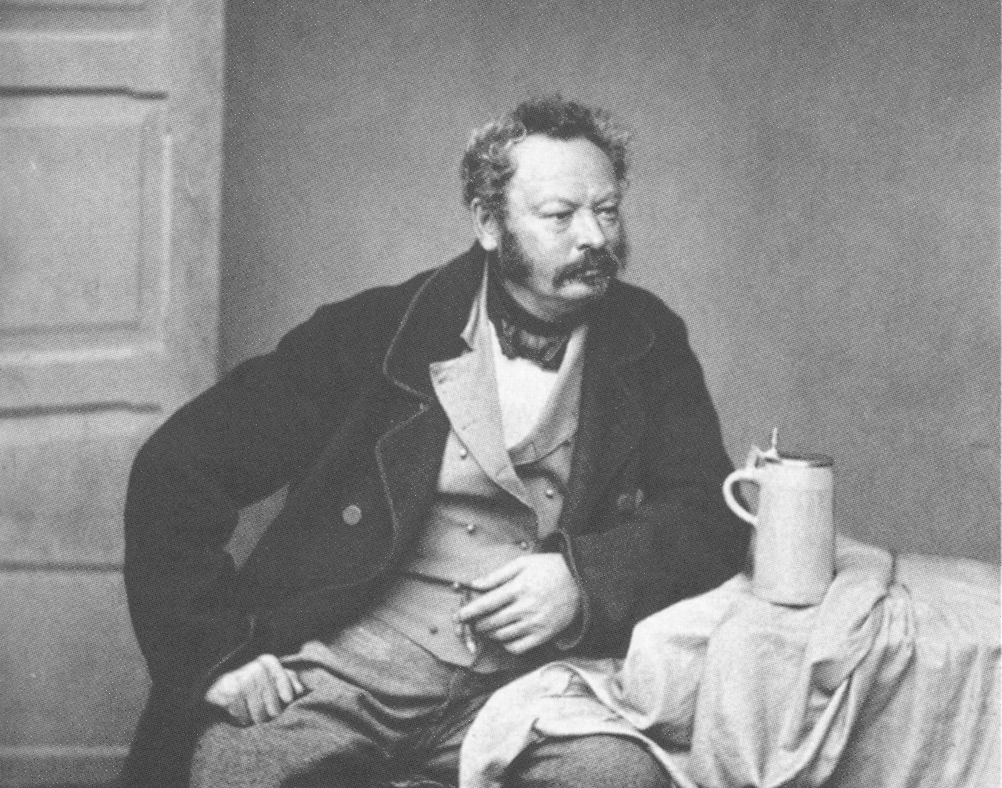
Heinrich Bürkel was a German artist of the mid-nineteenth century. He is known as a painter and graphic artist, representative of the Biedermeier style.
Heinrich Bürkel specialized in genre and landscape paintings, especially winter landscapes. He often used Staffage and depicted animals. His work showed the influence of the old Dutch and Italian masters. Bürkel enjoyed great popularity, his paintings were actively acquired for private collections, including in America. The master painted about 1000 paintings and created about 6000 drawings.






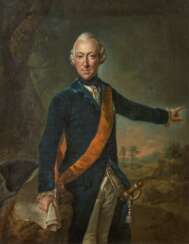

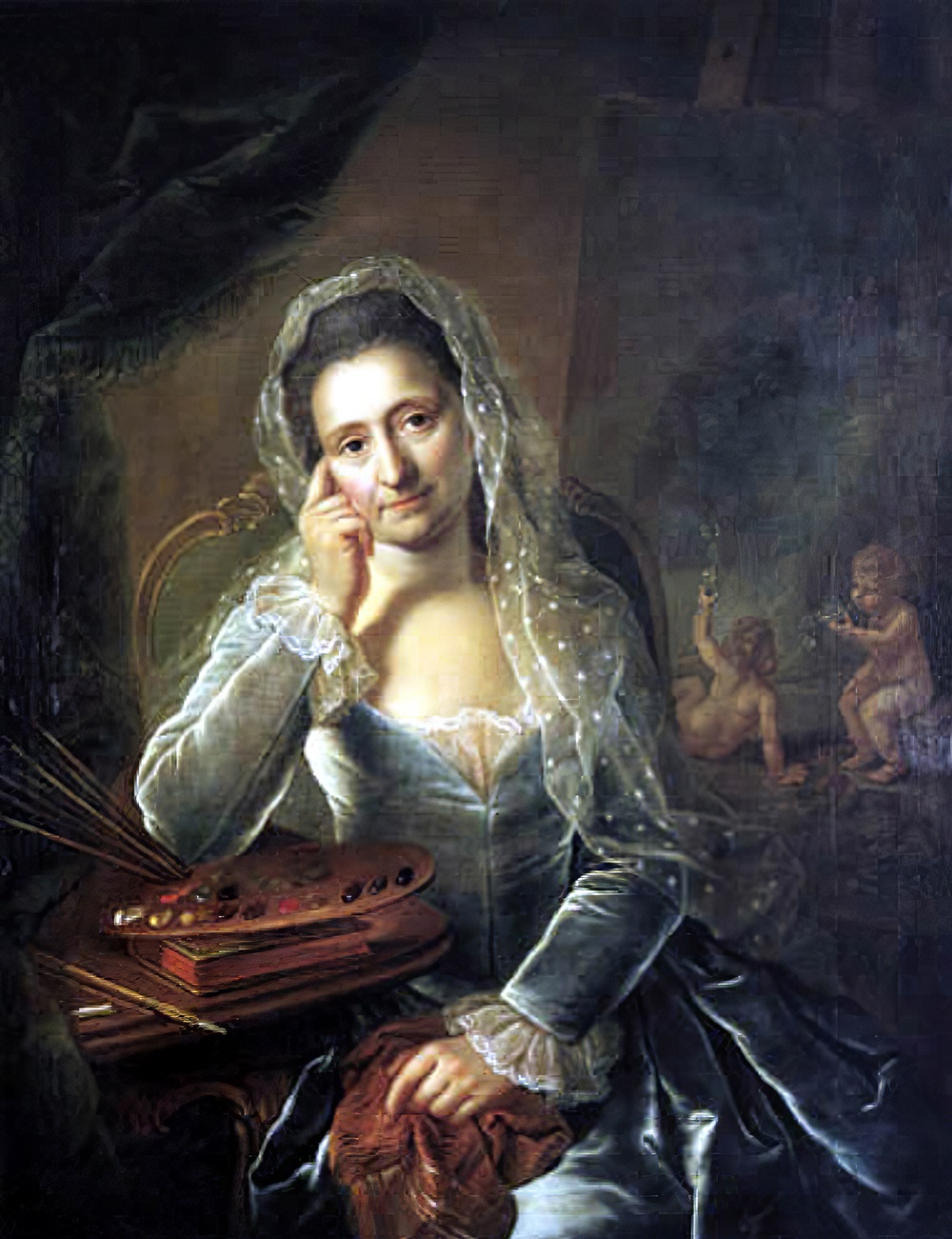
Barbara Rosina de Gasc (Lisiewska) was a German portrait painter.


Barbara Rosina de Gasc (Lisiewska) was a German portrait painter.
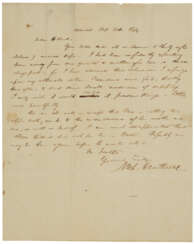

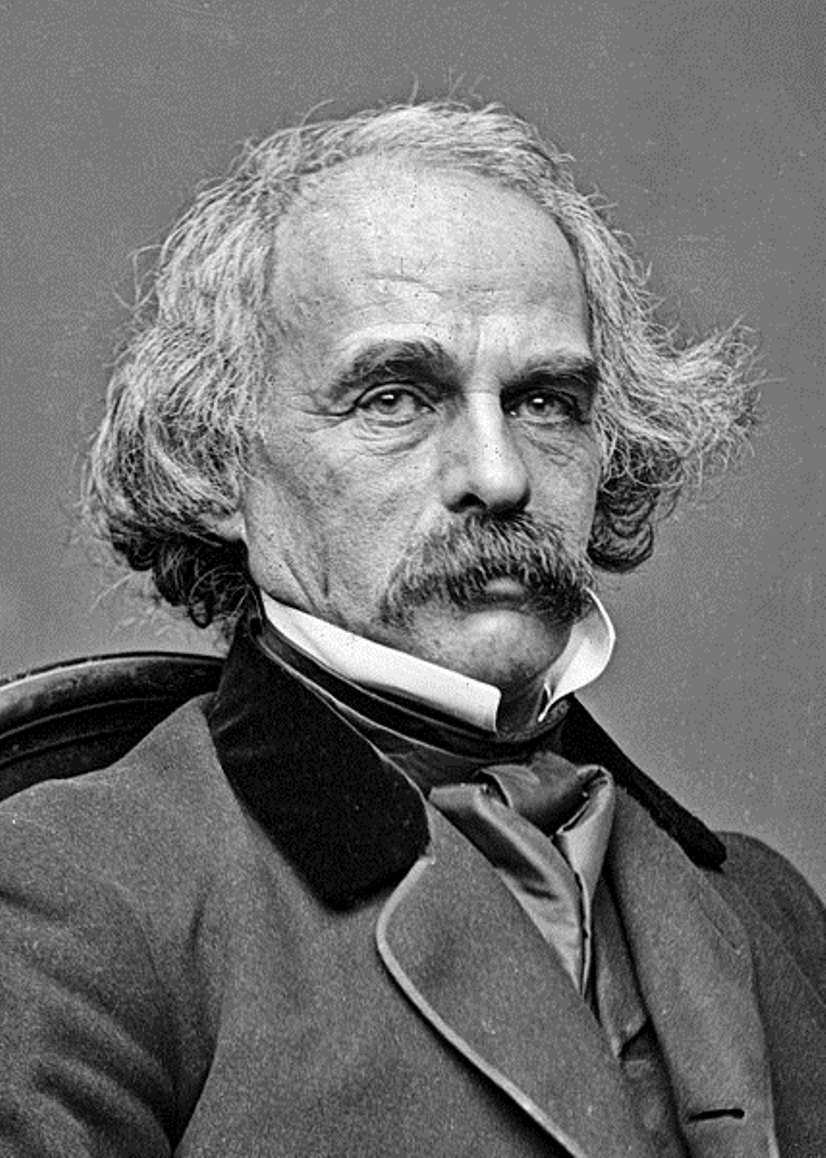
Nathaniel Hawthorne is an American writer and author.
Hawthorne is a recognized short story writer and a master of allegorical and symbolic narrative. One of the first fiction writers in American literature, he is best known for his works The Scarlet Letter (1850) and The House of Seven Gables (1851). Hawthorne's artistic works are considered part of the American Romantic movement and, in particular, of so-called dark Romanticism, a popular mid-19th-century fascination with the irrational, the demonic, and the grotesque.



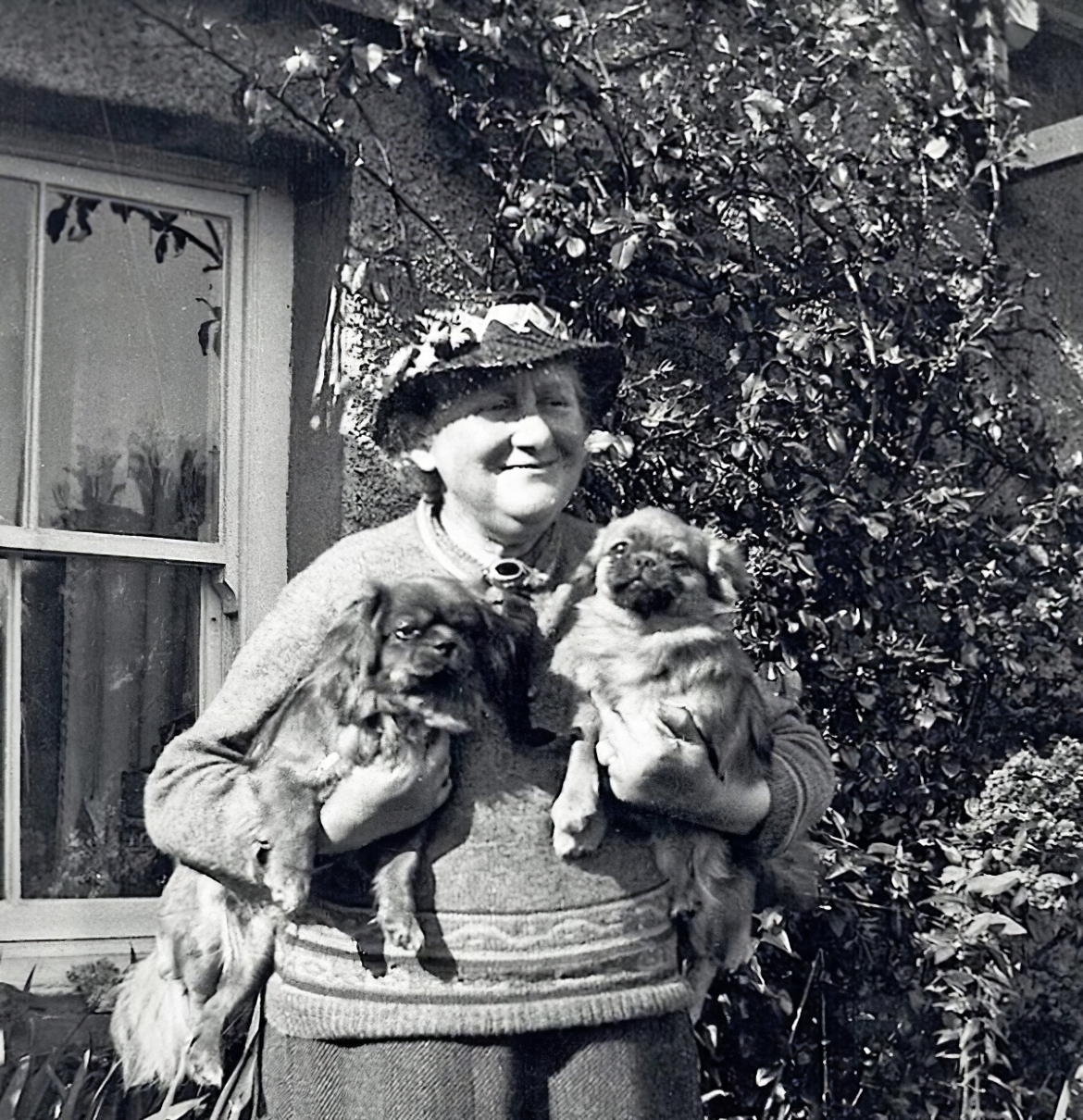
Helen Beatrix Potter was an English writer, illustrator, natural scientist, and conservationist. She is best known for her children's books featuring animals, such as The Tale of Peter Rabbit, which was her first published work in 1902. Her books, including 23 Tales, have sold more than 250 million copies. Potter was also a pioneer of merchandising — in 1903, Peter Rabbit was the first fictional character to be made into a patented stuffed toy, making him the oldest licensed character.