west tech shipping


.jpg)




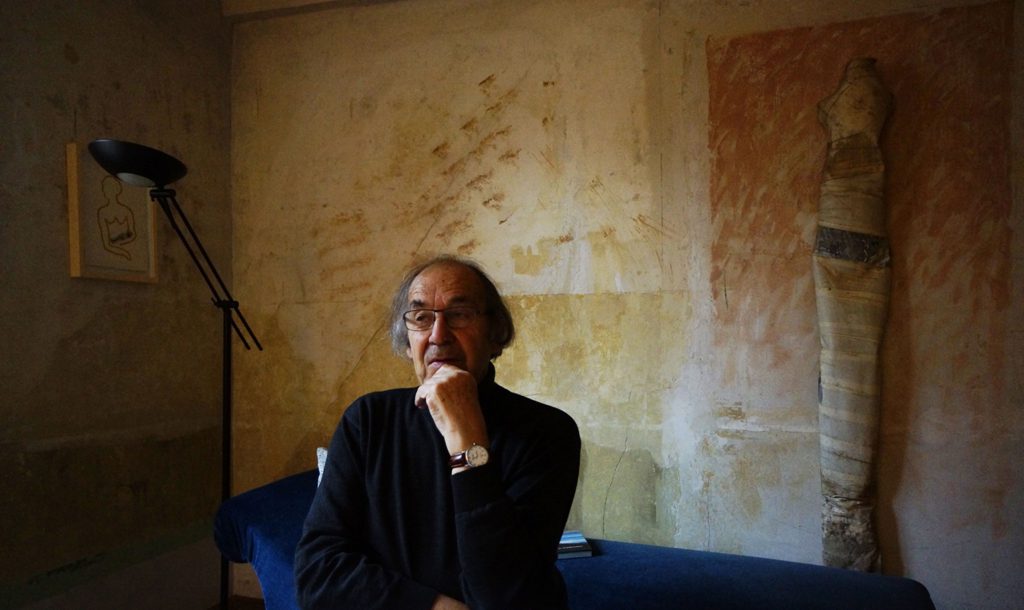
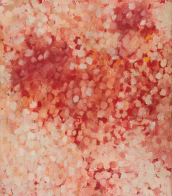
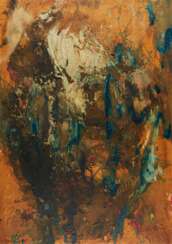

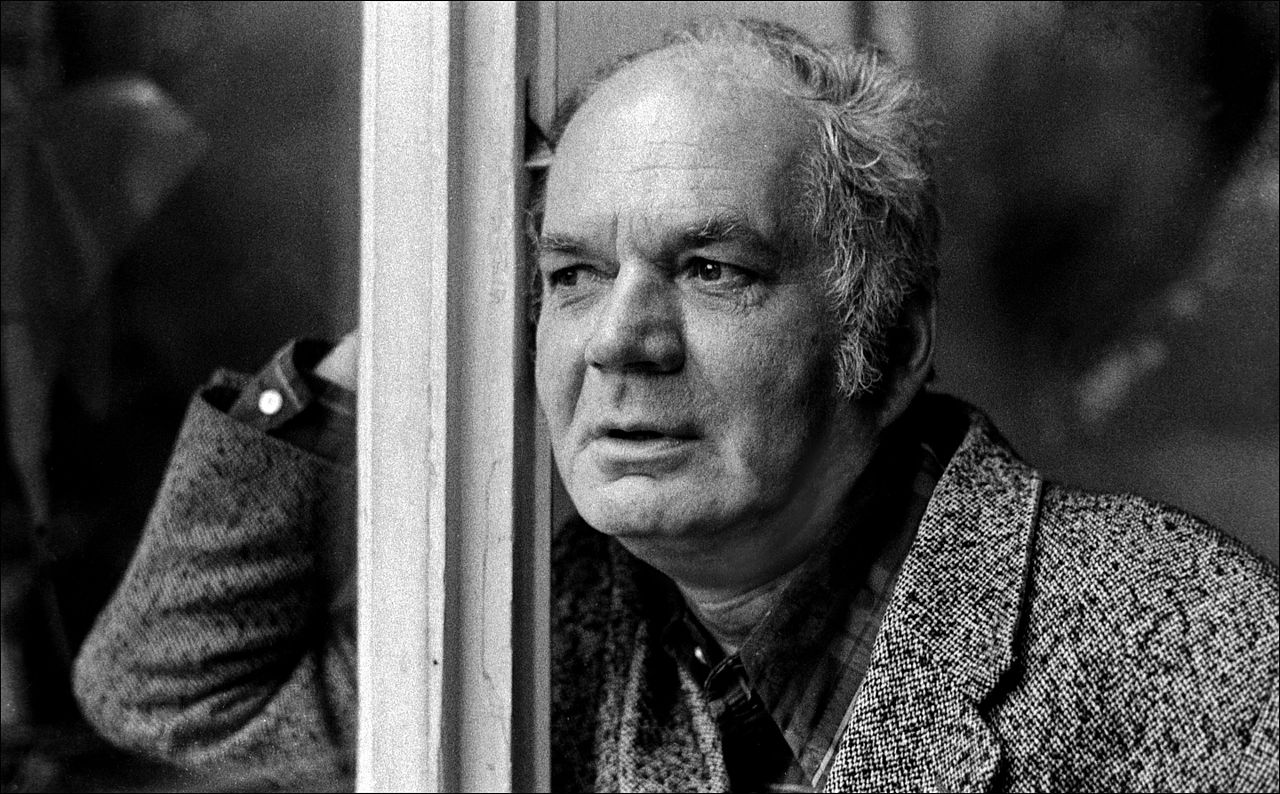
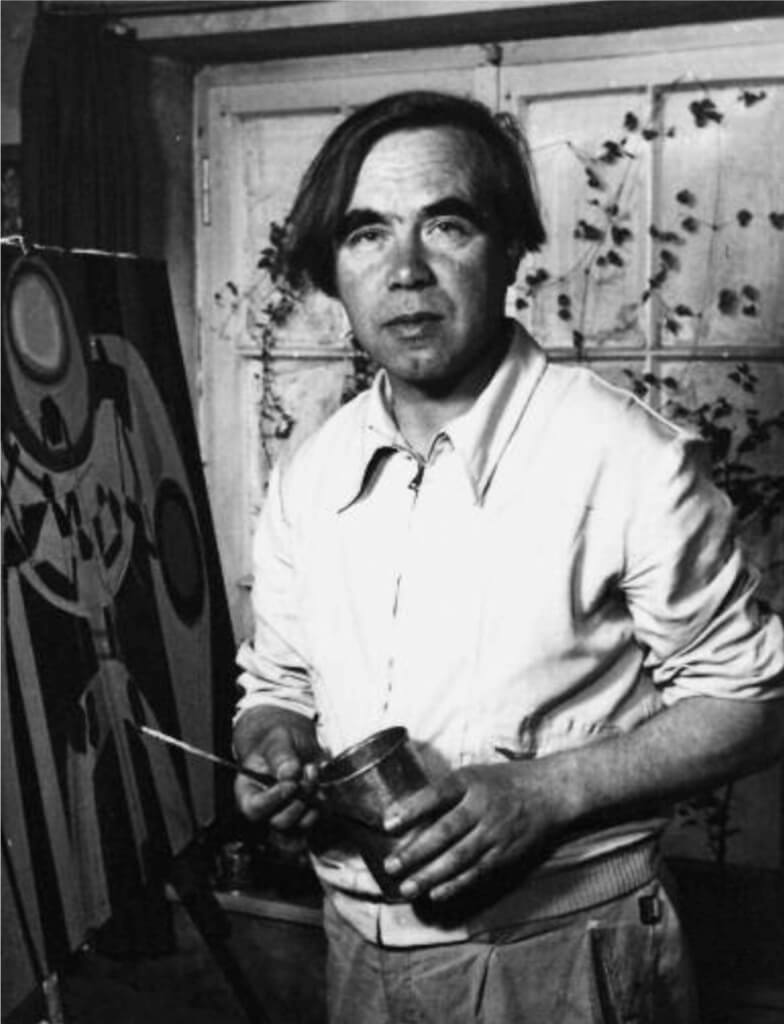
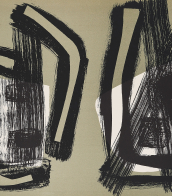
Fred Thieler was a German abstract artist known for his colorful, gestural paintings. He was born in Königsberg, Germany, and studied at the Academy of Fine Arts in Königsberg before moving to Berlin in 1945.
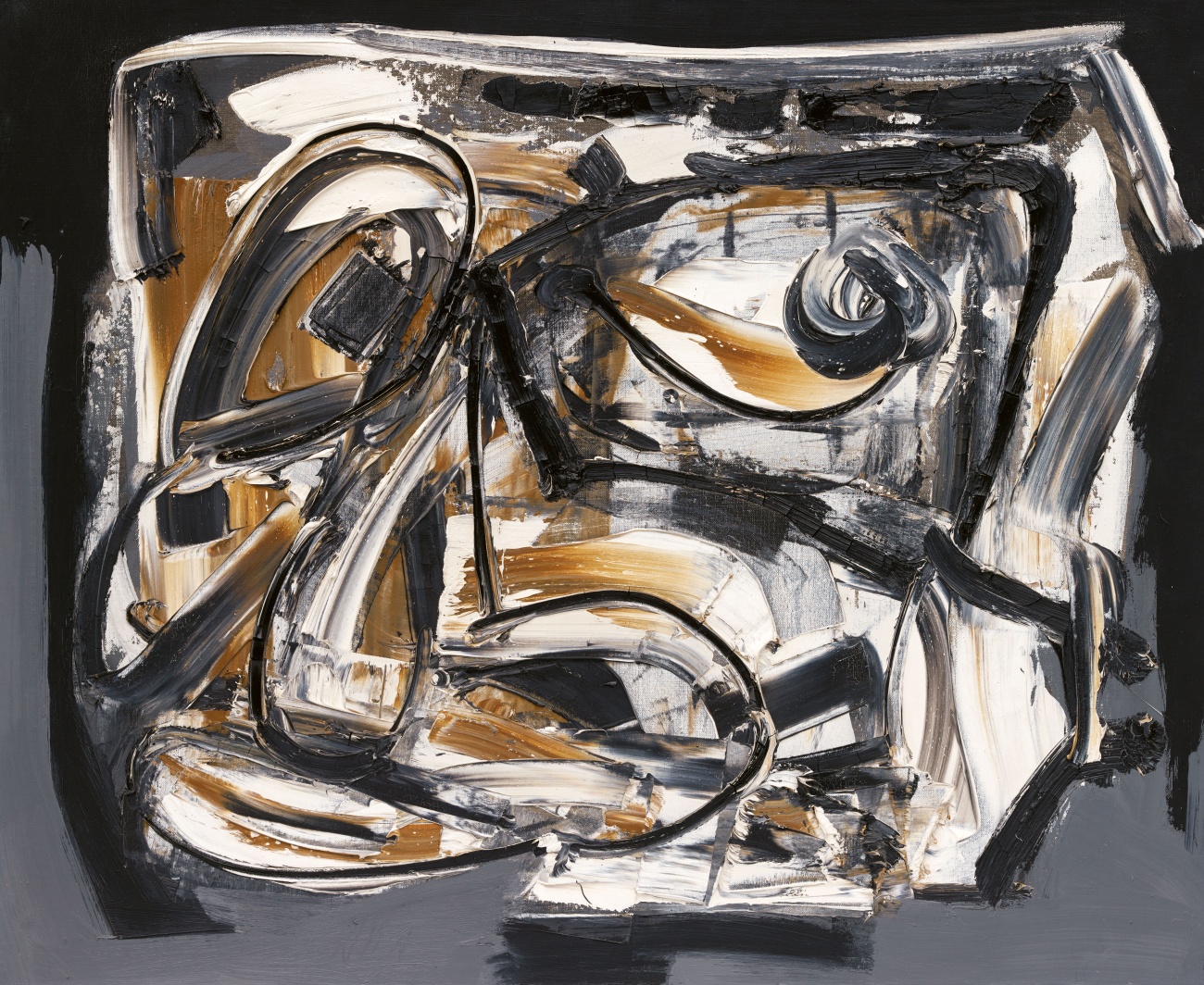
Thieler's early work was influenced by the Expressionist and Surrealist movements, but he soon developed his own unique style characterized by bold colors and dynamic brushstrokes. He often used a palette knife to apply paint to the canvas, creating thick, impasto layers that added depth and texture to his works.
Throughout his career, Thieler participated in numerous exhibitions in Germany and internationally, including the Venice Biennale and Documenta in Kassel. He was also a member of the influential German art group "Quadriga," which included artists such as Bernard Schultze, Karl Otto Götz, and Otto Greis.
In addition to painting, Thieler also worked as a graphic designer and a teacher. He was a professor at the Academy of Fine Arts in Berlin from 1965 to 1981, where he had a significant impact on the next generation of German artists.
Thieler's work can be found in many private collections and museums, including the Museum of Modern Art in New York, the Stedelijk Museum in Amsterdam, and the Museum Ludwig in Cologne.




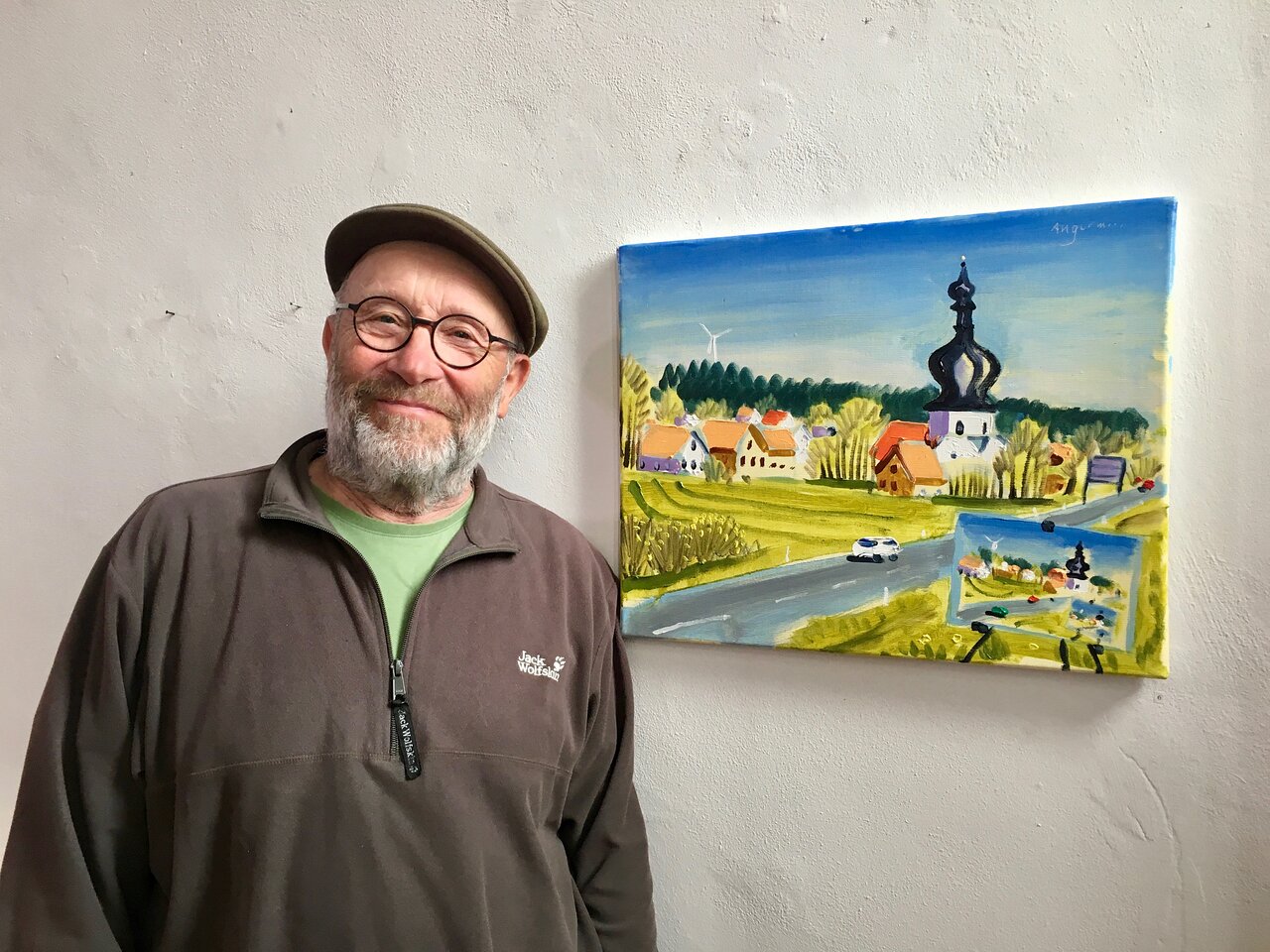
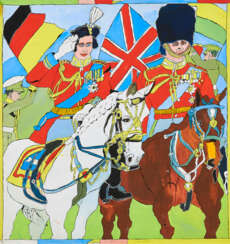

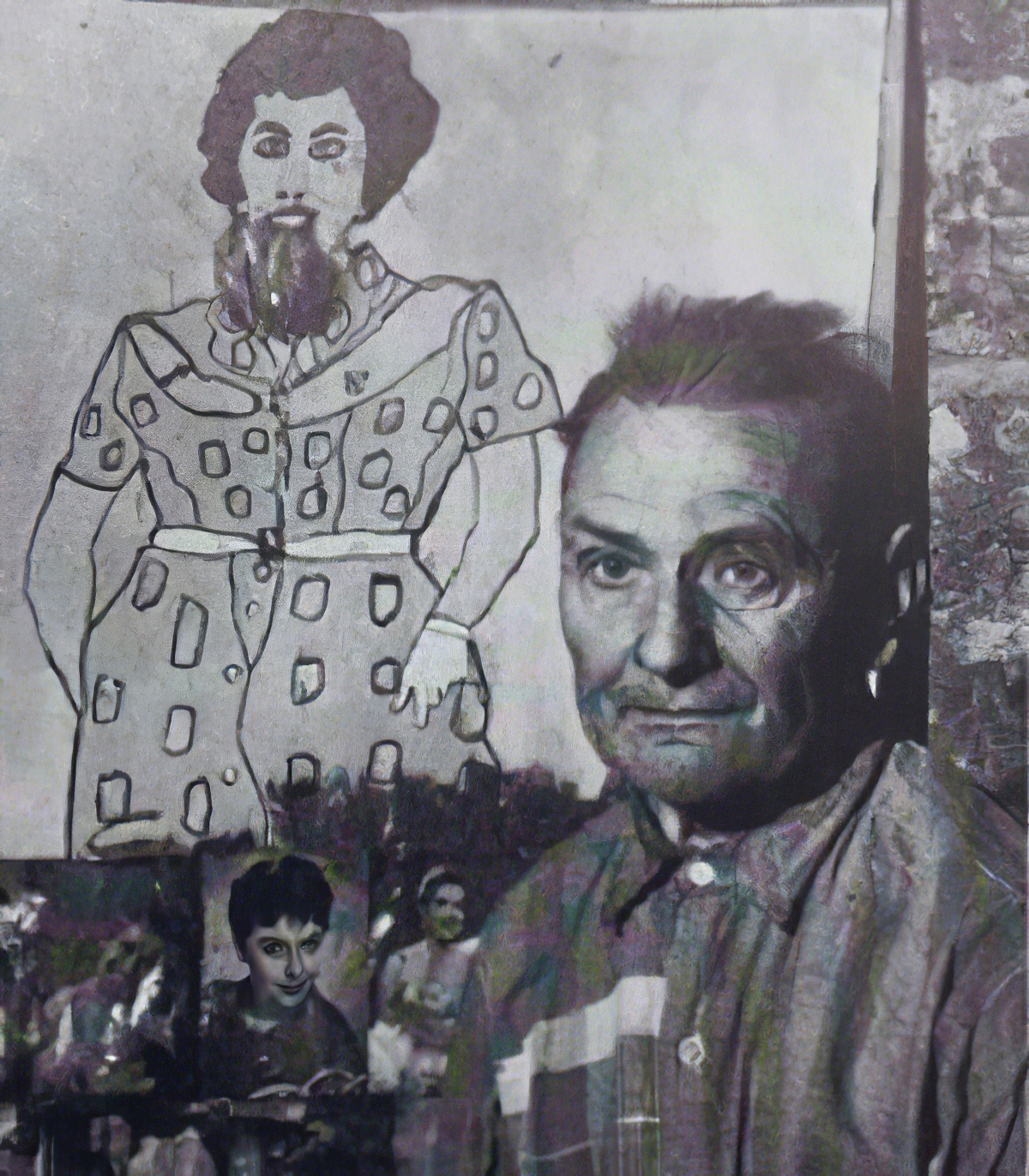
Josef Wittlich was a German «naïve» painter.




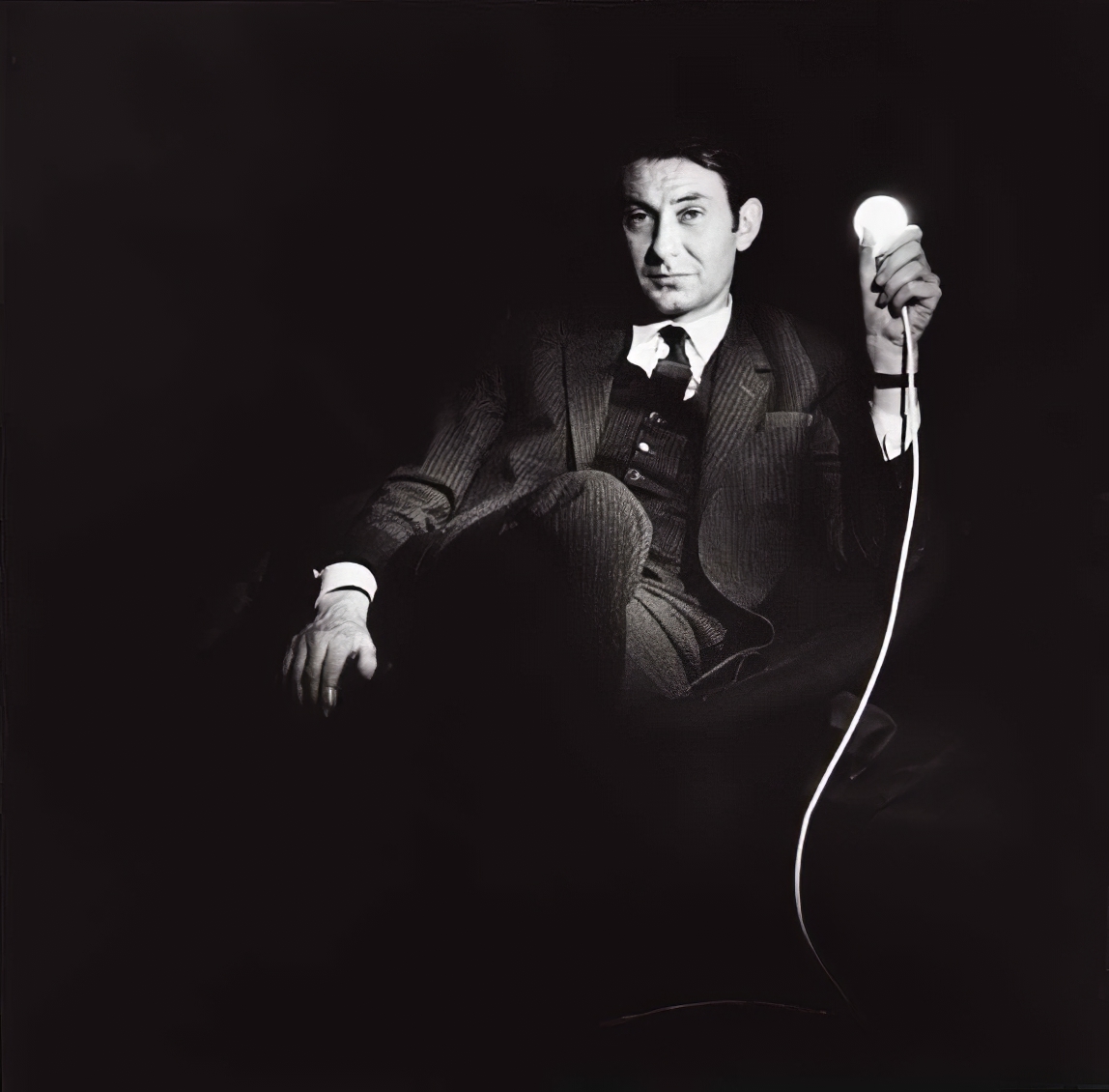
Otto Piene was a German-American artist specializing in kinetic and technology-based art, often working collaboratively.

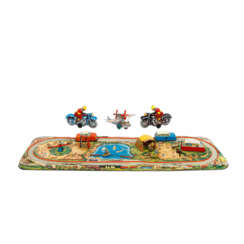



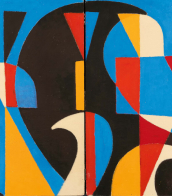


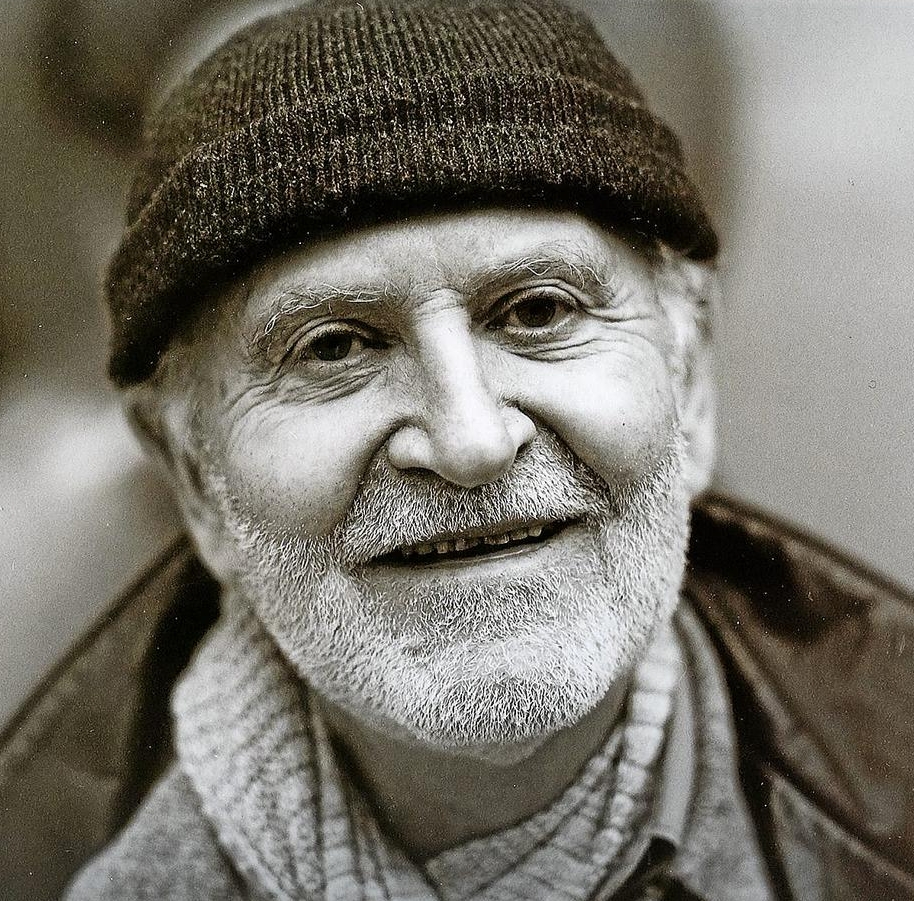
Friedrich Gräsel was a German sculptor, painter and graphic artist. He was known for his kinetic sculptures, which often incorporated light, sound, and movement.
Gräsel studied at the Academy of Fine Arts Nuremberg and later taught at the Academy of Fine Arts Munich. He began creating kinetic sculptures in the 1960s, using a wide range of materials such as metal, wood, and plastic to create dynamic, interactive works of art.
Gräsel's sculptures often feature intricate mechanisms and complex systems of movement, inviting viewers to engage with the work on a sensory level. His work frequently incorporates elements of humor and whimsy, while also exploring deeper themes related to technology, nature, and the human condition.
Gräsel exhibited his work extensively throughout Europe, including at the Venice Biennale, Documenta in Kassel, and the Museum of Modern Art in Paris. He was also awarded numerous honors and awards for his work, including the Bavarian Order of Merit in 1987 and the Art Prize of the City of Nuremberg in 1997.
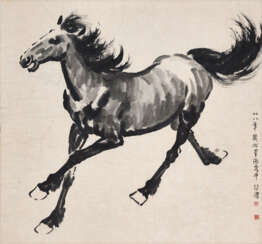

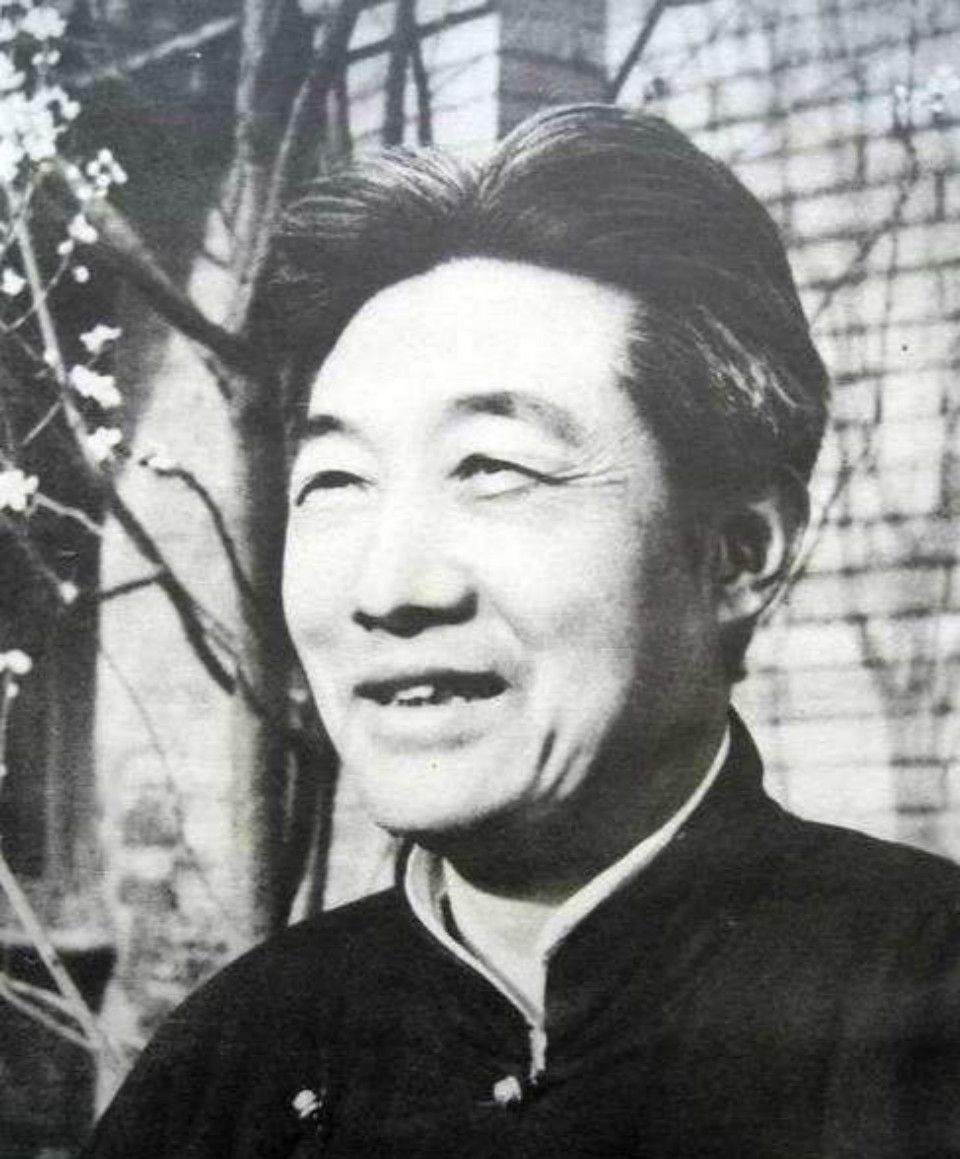
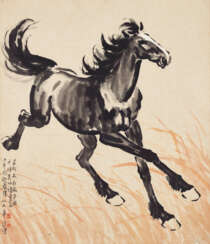
Xu Beihong (Chinese: 徐悲鴻; Wade–Giles: Hsü Pei-hung; 19 July 1895 – 26 September 1953), also known as Ju Péon, was a Chinese painter.
He was primarily known for his Chinese ink paintings of horses and birds and was one of the first Chinese artists to articulate the need for artistic expressions that reflected a modern China at the beginning of the 20th century. He was also regarded as one of the first to create monumental oil paintings with epic Chinese themes – a show of his high proficiency in an essential Western art technique. He was one of the four pioneers of Chinese modern art who earned the title of "The Four Great Academy Presidents".

Xu Beihong (Chinese: 徐悲鴻; Wade–Giles: Hsü Pei-hung; 19 July 1895 – 26 September 1953), also known as Ju Péon, was a Chinese painter.
He was primarily known for his Chinese ink paintings of horses and birds and was one of the first Chinese artists to articulate the need for artistic expressions that reflected a modern China at the beginning of the 20th century. He was also regarded as one of the first to create monumental oil paintings with epic Chinese themes – a show of his high proficiency in an essential Western art technique. He was one of the four pioneers of Chinese modern art who earned the title of "The Four Great Academy Presidents".

,_by_Zheng_Jingkang.jpg)
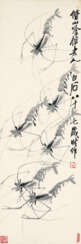
Qi Baishi was a Chinese painter, noted for the whimsical, often playful style of his works. Born to a peasant family from Xiangtan, Hunan, Qi taught himself to paint, sparked by the Manual of the Mustard Seed Garden. After he turned 40, he traveled, visiting various scenic spots in China. After 1917 he settled in Beijing. Some of Qi's major influences include the early Qing dynasty painter Bada Shanren (八大山人) and the Ming dynasty artist Xu Wei (徐渭).
The subjects of his paintings include almost everything, commonly animals, scenery, figures, toys, vegetables, and so on. He theorized that "paintings must be something between likeness and unlikeness, much like today's vulgarians, but not like to cheat popular people". In his later years, many of his works depict mice, shrimp or birds. He was also good at seal carving and called himself "the rich man of three hundred stone seals" (三百石印富翁). In 1953, he was elected president of the China Artists Association (中國美術家協會).

Xu Beihong (Chinese: 徐悲鴻; Wade–Giles: Hsü Pei-hung; 19 July 1895 – 26 September 1953), also known as Ju Péon, was a Chinese painter.
He was primarily known for his Chinese ink paintings of horses and birds and was one of the first Chinese artists to articulate the need for artistic expressions that reflected a modern China at the beginning of the 20th century. He was also regarded as one of the first to create monumental oil paintings with epic Chinese themes – a show of his high proficiency in an essential Western art technique. He was one of the four pioneers of Chinese modern art who earned the title of "The Four Great Academy Presidents".
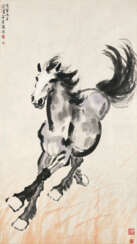

Xu Beihong (Chinese: 徐悲鴻; Wade–Giles: Hsü Pei-hung; 19 July 1895 – 26 September 1953), also known as Ju Péon, was a Chinese painter.
He was primarily known for his Chinese ink paintings of horses and birds and was one of the first Chinese artists to articulate the need for artistic expressions that reflected a modern China at the beginning of the 20th century. He was also regarded as one of the first to create monumental oil paintings with epic Chinese themes – a show of his high proficiency in an essential Western art technique. He was one of the four pioneers of Chinese modern art who earned the title of "The Four Great Academy Presidents".
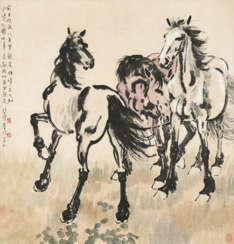

Xu Beihong (Chinese: 徐悲鴻; Wade–Giles: Hsü Pei-hung; 19 July 1895 – 26 September 1953), also known as Ju Péon, was a Chinese painter.
He was primarily known for his Chinese ink paintings of horses and birds and was one of the first Chinese artists to articulate the need for artistic expressions that reflected a modern China at the beginning of the 20th century. He was also regarded as one of the first to create monumental oil paintings with epic Chinese themes – a show of his high proficiency in an essential Western art technique. He was one of the four pioneers of Chinese modern art who earned the title of "The Four Great Academy Presidents".
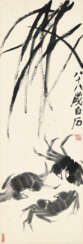

Qi Baishi was a Chinese painter, noted for the whimsical, often playful style of his works. Born to a peasant family from Xiangtan, Hunan, Qi taught himself to paint, sparked by the Manual of the Mustard Seed Garden. After he turned 40, he traveled, visiting various scenic spots in China. After 1917 he settled in Beijing. Some of Qi's major influences include the early Qing dynasty painter Bada Shanren (八大山人) and the Ming dynasty artist Xu Wei (徐渭).
The subjects of his paintings include almost everything, commonly animals, scenery, figures, toys, vegetables, and so on. He theorized that "paintings must be something between likeness and unlikeness, much like today's vulgarians, but not like to cheat popular people". In his later years, many of his works depict mice, shrimp or birds. He was also good at seal carving and called himself "the rich man of three hundred stone seals" (三百石印富翁). In 1953, he was elected president of the China Artists Association (中國美術家協會).

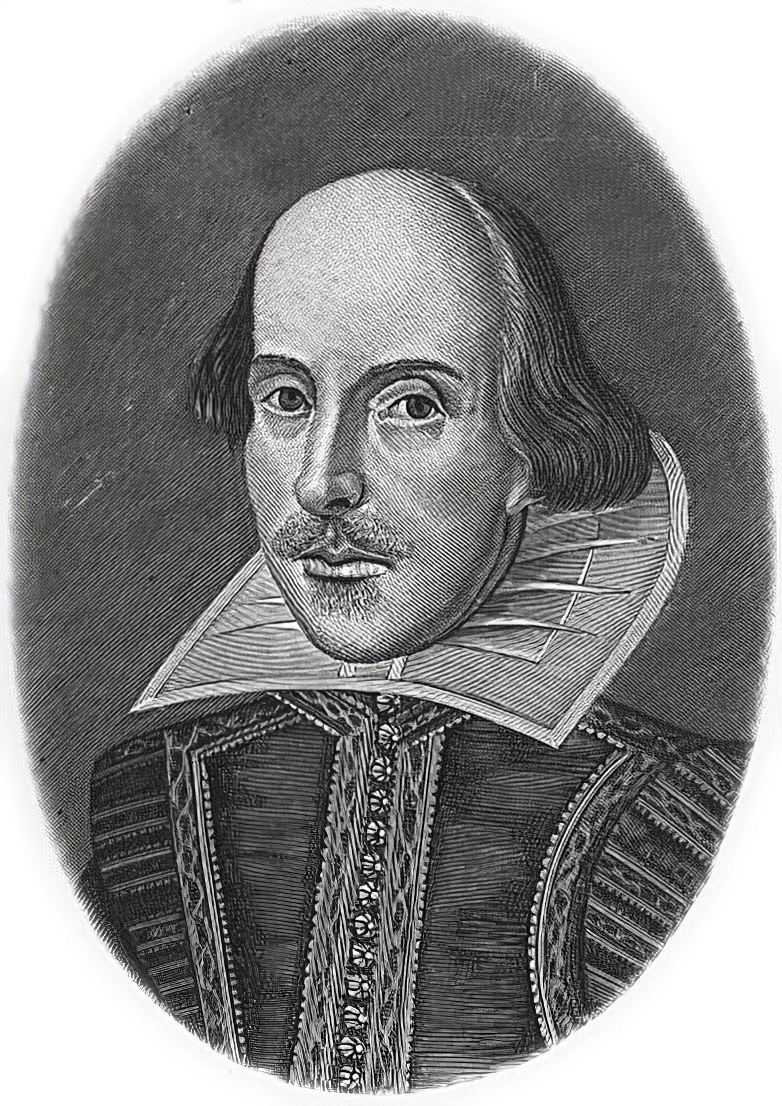
William Shakespeare was a British poet and playwright and writer.
William's father, John Shakespeare, was a merchant and official in Stratford. There are reports that he was a sailor for a time before joining a theater company in London. Beginning in the 1590s, Shakespeare began writing plays, and in 1593 he published a poem, Venus and Adonis, which became popular. He dedicated it to the Duke of Southampton, who was a philanthropist and patron of talent, and soon his business was booming.
From 1592 to 1600 Shakespeare wrote his dramas and romantic comedies "Richard III", "The Taming of the Shrew", "Romeo and Juliet", "A Midsummer Night's Dream" and "The Merchant of Venice", as well as the comedies "Much Ado About Nothing", "Twelfth Night" and the tragedy "Julius Caesar". The playwright's business was so successful that he even bought a large house in Stratford. In 1599, Shakespeare became one of the owners, playwright and actor of the new theater "Globe". In 1603 King James took Shakespeare's troupe under his direct patronage. In the mature period, the great playwright turned to tragedies, there were "Hamlet", "Othello", "King Lear", "Macbeth" and others.
Although in the 19th century researchers had some doubts about the authorship of many of these works, William Shakespeare is considered the greatest English playwright, one of the best playwrights in the world. His plays have been translated into all major languages and to this day form the basis of the world theatrical repertoire, most of them have been screened many times. According to the Guinness Book of Records, Shakespeare remains the world's best-selling playwright, and his plays and poems have sold more than 4 billion copies in the nearly 400 years since his death.

William Shakespeare was a British poet and playwright and writer.
William's father, John Shakespeare, was a merchant and official in Stratford. There are reports that he was a sailor for a time before joining a theater company in London. Beginning in the 1590s, Shakespeare began writing plays, and in 1593 he published a poem, Venus and Adonis, which became popular. He dedicated it to the Duke of Southampton, who was a philanthropist and patron of talent, and soon his business was booming.
From 1592 to 1600 Shakespeare wrote his dramas and romantic comedies "Richard III", "The Taming of the Shrew", "Romeo and Juliet", "A Midsummer Night's Dream" and "The Merchant of Venice", as well as the comedies "Much Ado About Nothing", "Twelfth Night" and the tragedy "Julius Caesar". The playwright's business was so successful that he even bought a large house in Stratford. In 1599, Shakespeare became one of the owners, playwright and actor of the new theater "Globe". In 1603 King James took Shakespeare's troupe under his direct patronage. In the mature period, the great playwright turned to tragedies, there were "Hamlet", "Othello", "King Lear", "Macbeth" and others.
Although in the 19th century researchers had some doubts about the authorship of many of these works, William Shakespeare is considered the greatest English playwright, one of the best playwrights in the world. His plays have been translated into all major languages and to this day form the basis of the world theatrical repertoire, most of them have been screened many times. According to the Guinness Book of Records, Shakespeare remains the world's best-selling playwright, and his plays and poems have sold more than 4 billion copies in the nearly 400 years since his death.