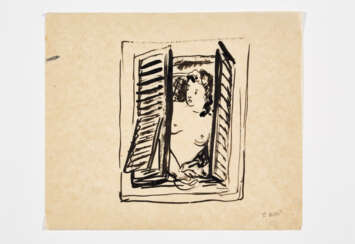
window
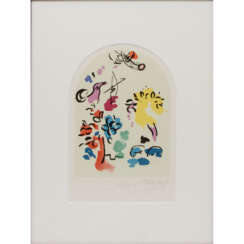

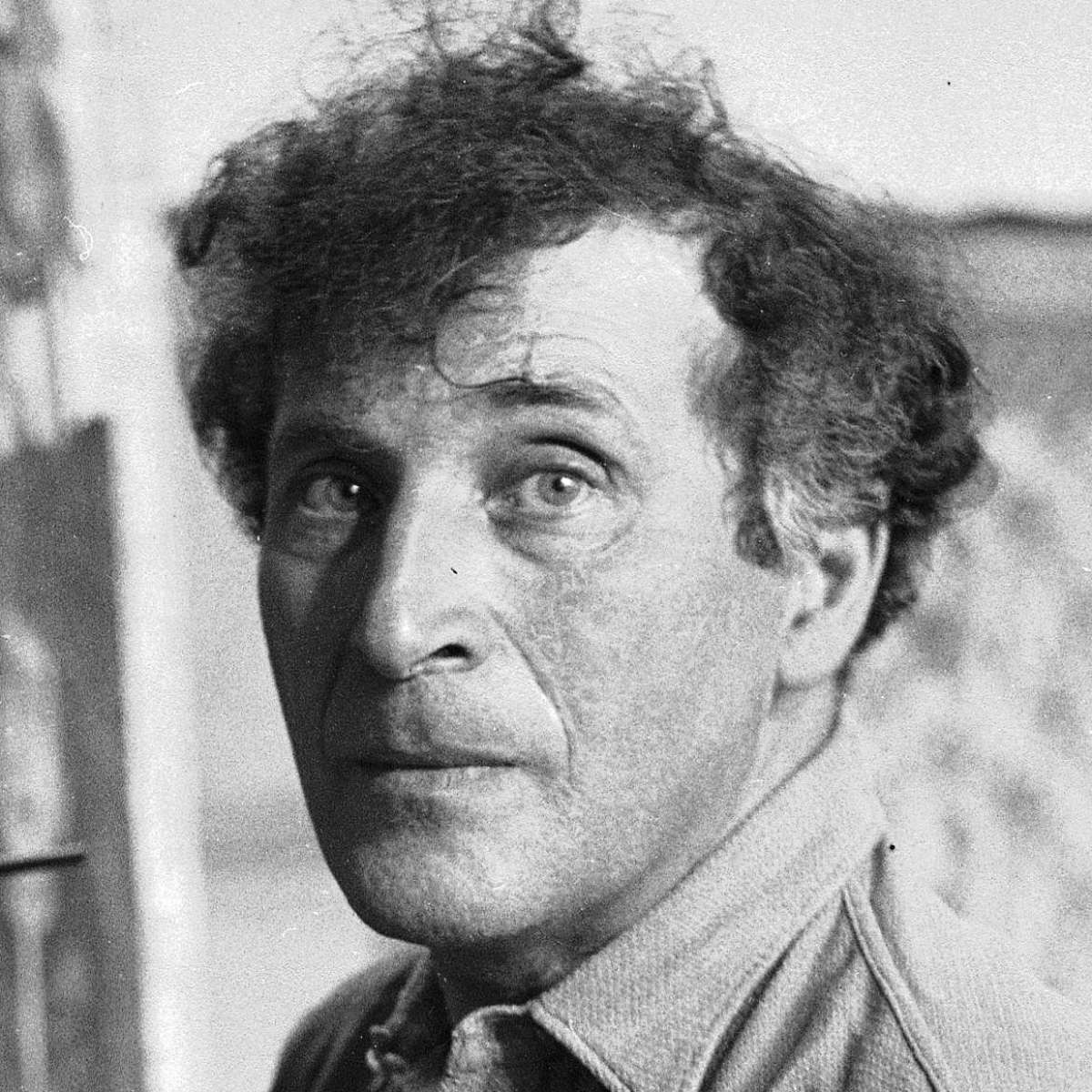
Marc Chagall (Russian: Марк Заха́рович Шага́л), born Moishe Shagal in 1887 near Vitebsk, Belarus (then part of the Russian Empire), was a Belarusian and French artist celebrated for his pivotal role in the avant-garde movement and his unique integration of Eastern European Jewish culture into modern art. His contributions spanned several artistic formats including painting, stained glass, stage sets, ceramics, tapestries, and fine art prints. Chagall's early modernist tendencies were enriched by his experiences across Saint Petersburg, Paris, and Berlin before World War I, leading to a distinctive style that melded Cubism, Symbolism, and Fauvism with his Jewish heritage.
Chagall's work is recognized for its emotional depth, often exploring themes of love, memory, and Jewish folklore through vibrant colors and dreamlike imagery. Notably, art critic Robert Hughes described him as "the quintessential Jewish artist of the twentieth century," a sentiment echoed by art historian Michael J. Lewis who regarded Chagall as a significant figure within European modernism and as the world's preeminent Jewish artist of his time.
Among Chagall's famed contributions are his stained-glass windows for the cathedrals of Reims and Metz, the UN, and the Jerusalem Windows in Israel. His monumental paintings include parts of the ceiling of the Paris Opéra and works that explore biblical themes, a hallmark of his oeuvre that underscores his enduring engagement with spiritual and religious motifs.
For art collectors and antiques experts, Chagall's works are notable not only for their artistic innovation but also for their rich cultural and historical significance. His art is housed in many prestigious museums worldwide, including the Marc Chagall National Museum in Nice, France, which focuses on his works inspired by religion and houses the series of paintings illustrating the biblical message.
For those interested in exploring Chagall's legacy and the vibrant intersection of culture, art, and history his work represents, signing up for updates on new product sales and auction events related to Marc Chagall can provide invaluable insights and opportunities. This is an invitation to engage more deeply with the world of art and culture that Chagall so uniquely encapsulated in his work.




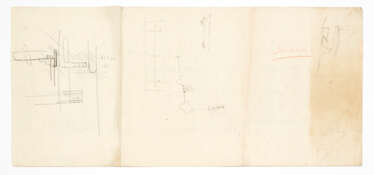

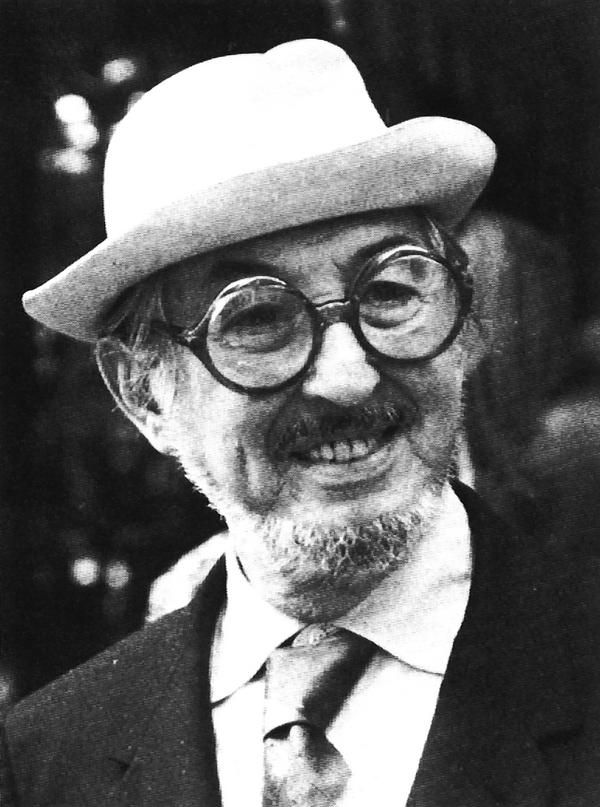
Carlo Scarpa was an Italian architect, influenced by the materials, landscape and the history of Venetian culture, and by Japan. Scarpa translated his interests in history, regionalism, invention, and the techniques of the artist and craftsman into ingenious glass and furniture design.



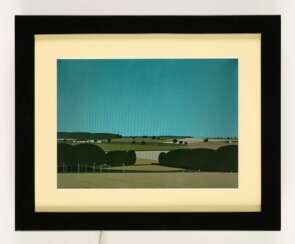

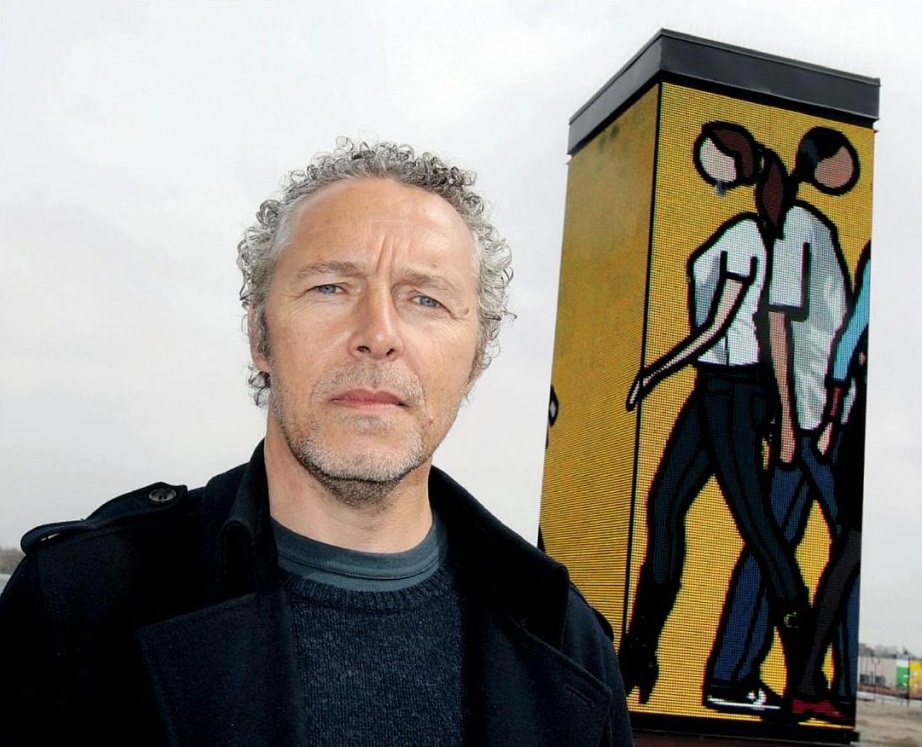
Julian Opie is a visual artist of the New British Sculpture movement.
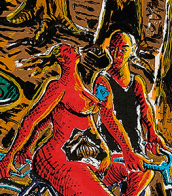


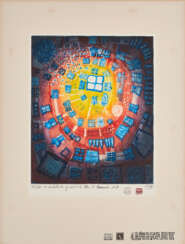

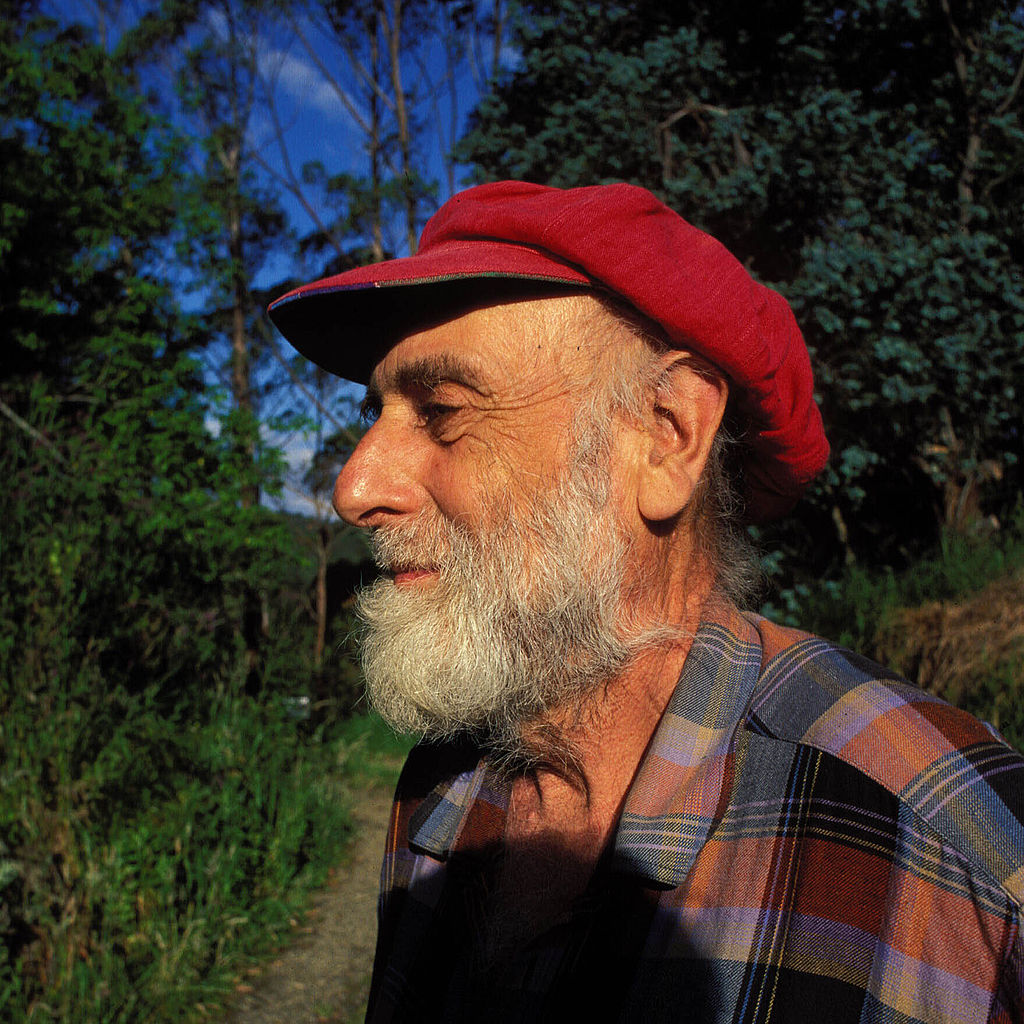
Friedensreich Regentag Dunkelbunt Hundertwasser was an Austrian visual artist and architect who also worked in the field of environmental protection.
Hundertwasser stood out as an opponent of "a straight line" and any standardization, expressing this concept in the field of building design. His best known work is the Hundertwasserhaus in Vienna, which has become a notable place of interest in the Austrian capital, characterised by imaginative vitality and uniqueness.
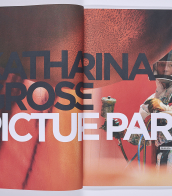


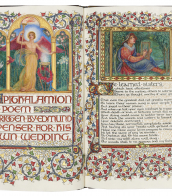
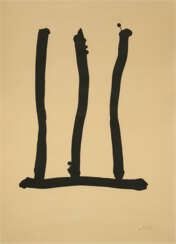

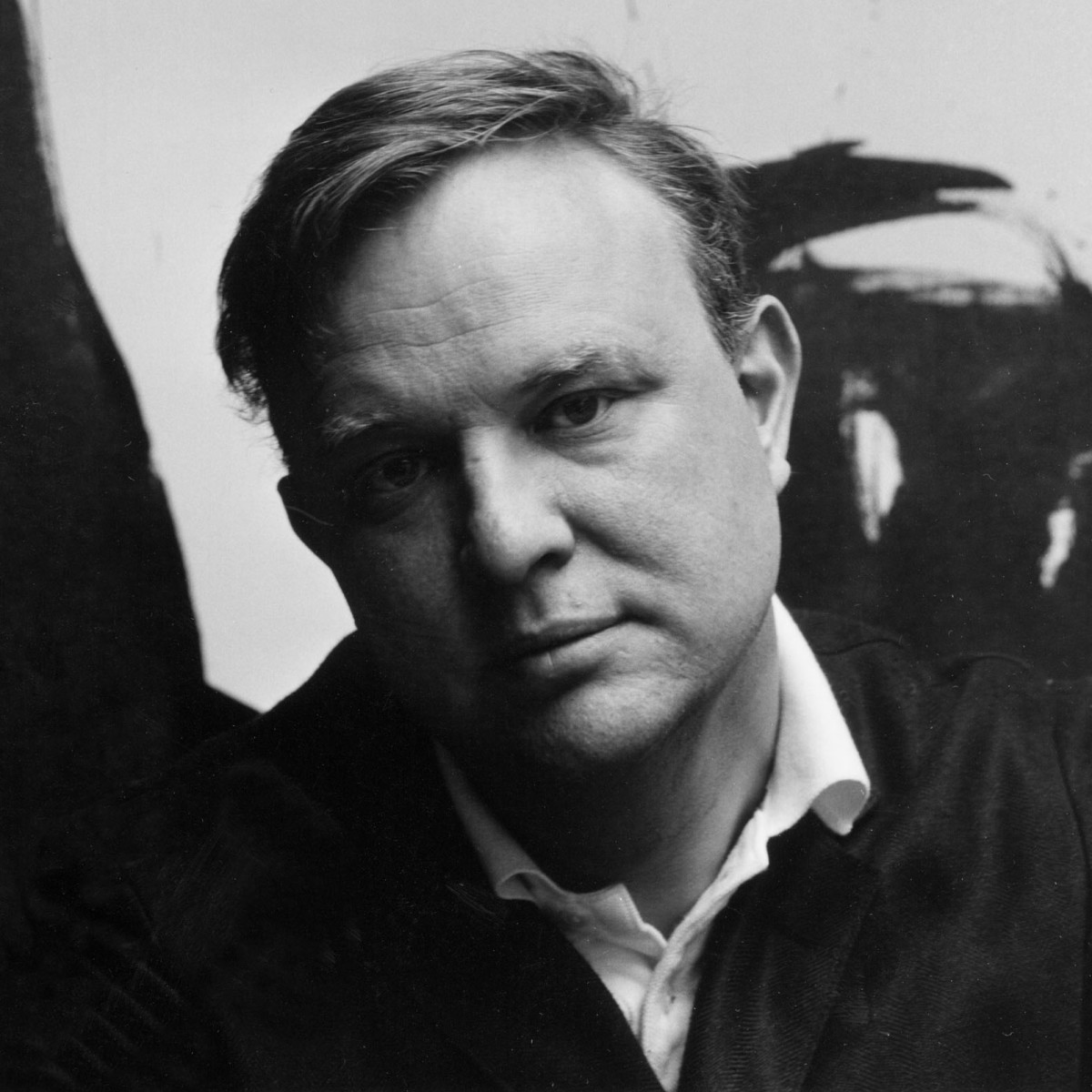
Robert Motherwell was an American artist and painter, renowned for his significant contributions to the Abstract Expressionism movement. Born in Aberdeen, Washington, in 1915, Motherwell's work is celebrated for its expressive use of form and color, which he utilized to convey deep emotional and philosophical themes. His approach to art was both intellectual and deeply personal, making him a pivotal figure in 20th-century art.
Motherwell's dedication to exploring the relationship between philosophy, literature, and visual art set him apart from his contemporaries. He was not just an artist but also an articulate spokesman for the Abstract Expressionist movement, emphasizing the importance of spontaneity and the expression of the subconscious. His series "Elegies to the Spanish Republic" is among his most famous works, exemplifying his skill in using black and white to evoke powerful emotions and reflections on human tragedy and resilience.
His art is held in high esteem worldwide, with pieces displayed in major museums and galleries, including the Museum of Modern Art (MoMA) in New York and the Tate Modern in London. Motherwell's ability to blend abstract elements with profound thematic content has made his work enduringly relevant to both collectors and scholars in the fields of art and antiques.
For those keen on delving deeper into the world of modern art and Abstract Expressionism, Robert Motherwell's oeuvre offers a rich vein of exploration. His works not only encapsulate the dynamism and innovation of mid-20th-century American art but also provide insight into the intellectual and emotional depths from which they sprang. To stay informed about new sales and auction events related to Robert Motherwell, sign up for our updates. This subscription is a gateway to the vibrant and evolving market of art collecting, ensuring you never miss an opportunity to engage with the legacy of this monumental artist.
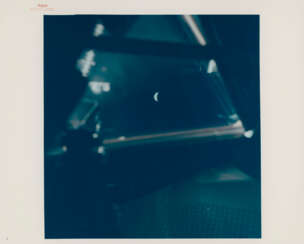

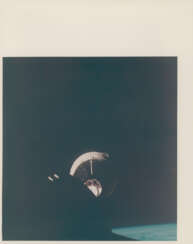
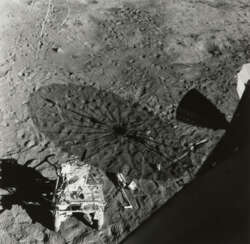
![Telephoto panoramas [Mosaics] from the LM window: Pluton Crater in the North Complex; Mount Hadley C, Bennet Hill, July 26-August 7, 1971, post EVA 3](/assets/image/picture_1220956/18f97/424afa05f2260aaf9a3c1d37b025fa1e1604656800jpg__fix_374_244.jpeg)
![Telephoto panoramas [Mosaics] from the LM window: Pluton Crater in the North Complex; Mount Hadley C, Bennet Hill, July 26-August 7, 1971, post EVA 3](https://veryimportantlot.com/assets/image/picture_1220956/18f97/424afa05f2260aaf9a3c1d37b025fa1e1604656800jpg__fix_374_244.jpeg)




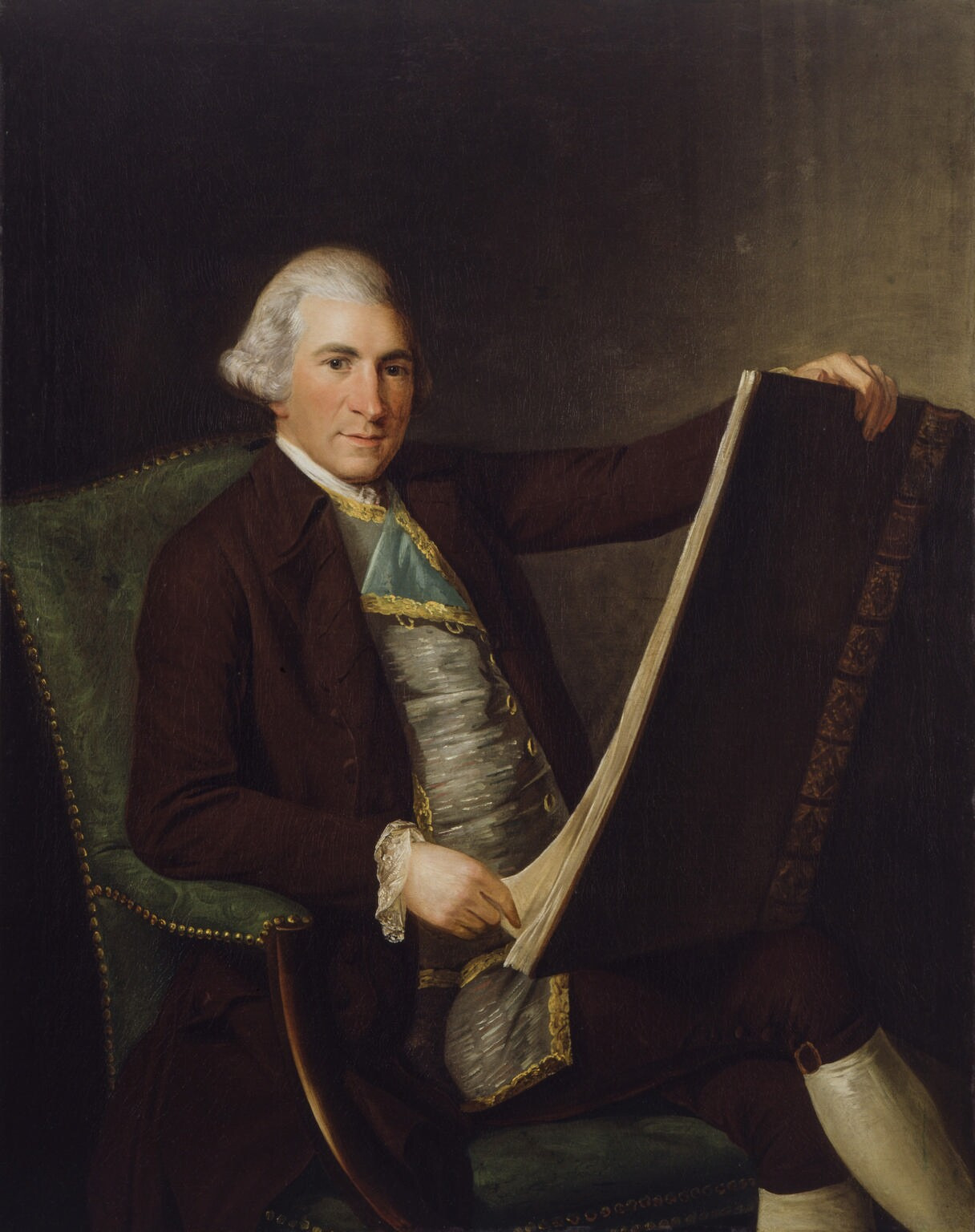
Robert Adam was a Scottish architect and interior designer, best known for his work during the Rococo and Neoclassical periods in Britain. He was born in 1728 in Kirkcauld, Scotland, and studied at the University of Edinburgh.
Adam began his career as an architect in 1754 and quickly became known for his innovative approaches to architecture and interior design. He developed his own style, which combined elements of rococo, classicism and antiquity.
He designed many buildings, including residences, palaces, churches, bridges and furniture. He also participated in designs for gardens and landscapes. One of Adam's best known projects is the Admiralty Building in London, built in the 1760s.
Adam was also known for his experiments with colour and form in interior design. He often used light colours, mirrors and mouldings to create larger and lighter spaces.
Robert Adam died in London in 1792, but his legacy continues to influence architecture and design in Britain and around the world.


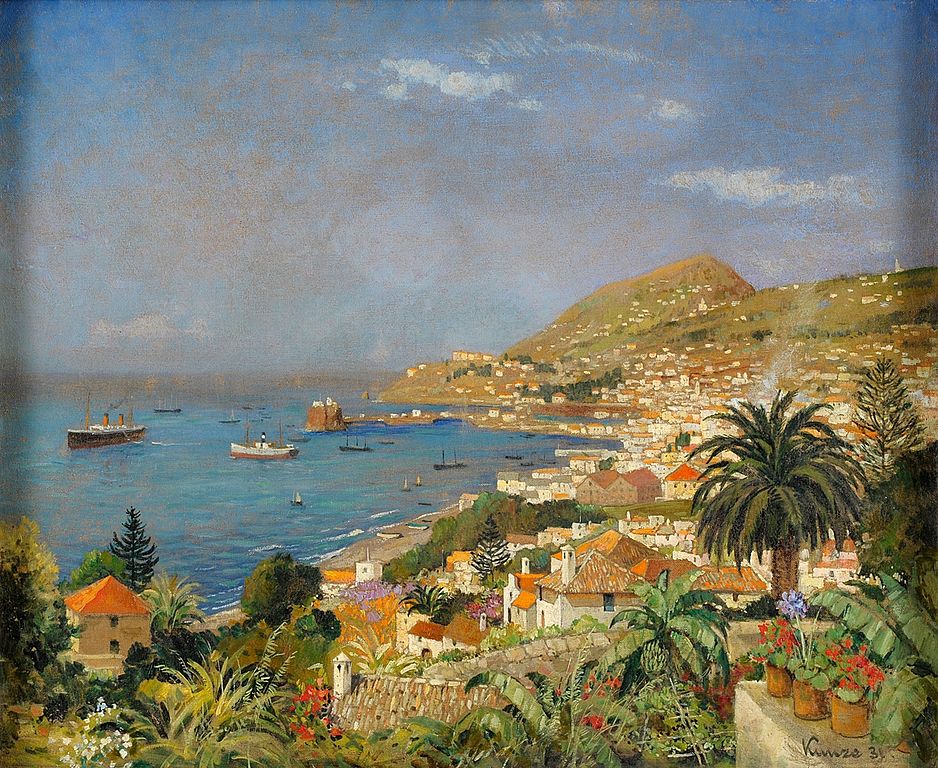
Alfred Kunze was a German painter who specialised in landscapes and urban scenes.
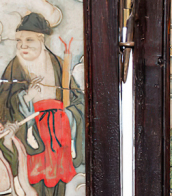
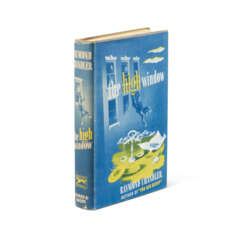



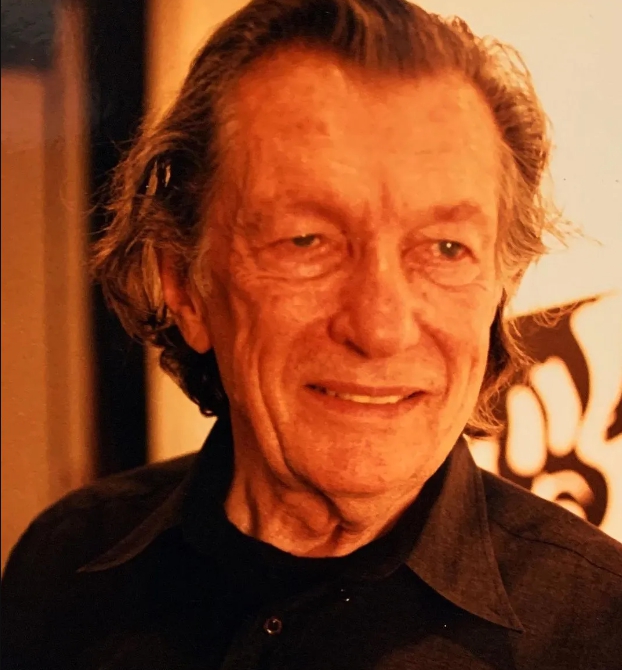
John Wesley was an American painter, known for idiosyncratic figurative works of eros and humor, rendered in a precise, hard-edged, deadpan style. Wesley's art largely remained true to artistic premises that he established in the 1960s: a comic-strip style of flat shapes, delicate black outline, a limited matte palette of saturated colors, and elegant, pared-down compositions. His characteristic subjects included cavorting nymphs, nudes, infants and animals, pastoral and historical scenes, and 1950s comic strip characters in humorously blasphemous, ambiguous scenarios of forbidden desire, rage or despair.











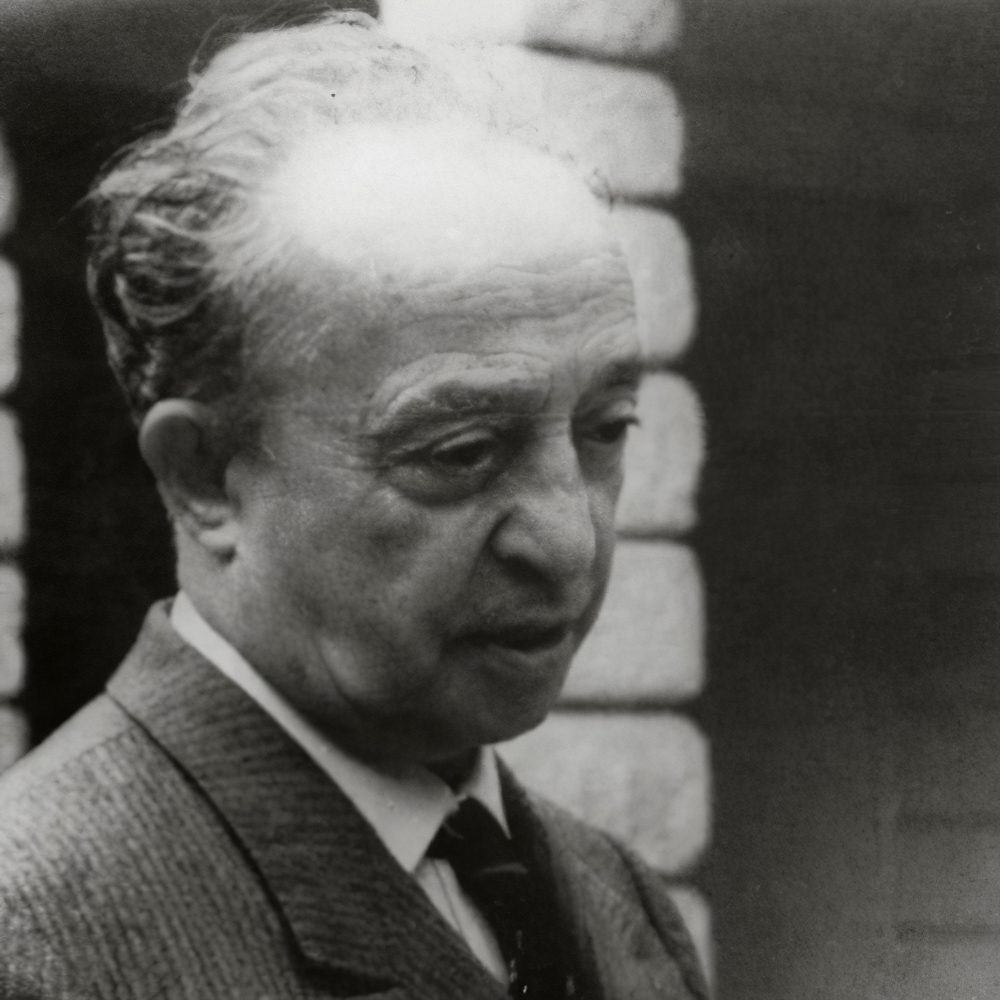
Tomaso Buzzi was an Italian architect and designer.
He also worked as a furniture and glass designer and wrote articles in Domus and Dedalo. Buzzi's slow departure from modernism accentuated after 1945, when he worked mainly as a private architect for the Italian aristocracy and the big bourgeoisie of the Volpi, Agnelli, etc.