"certainly it is good, very good for it is"



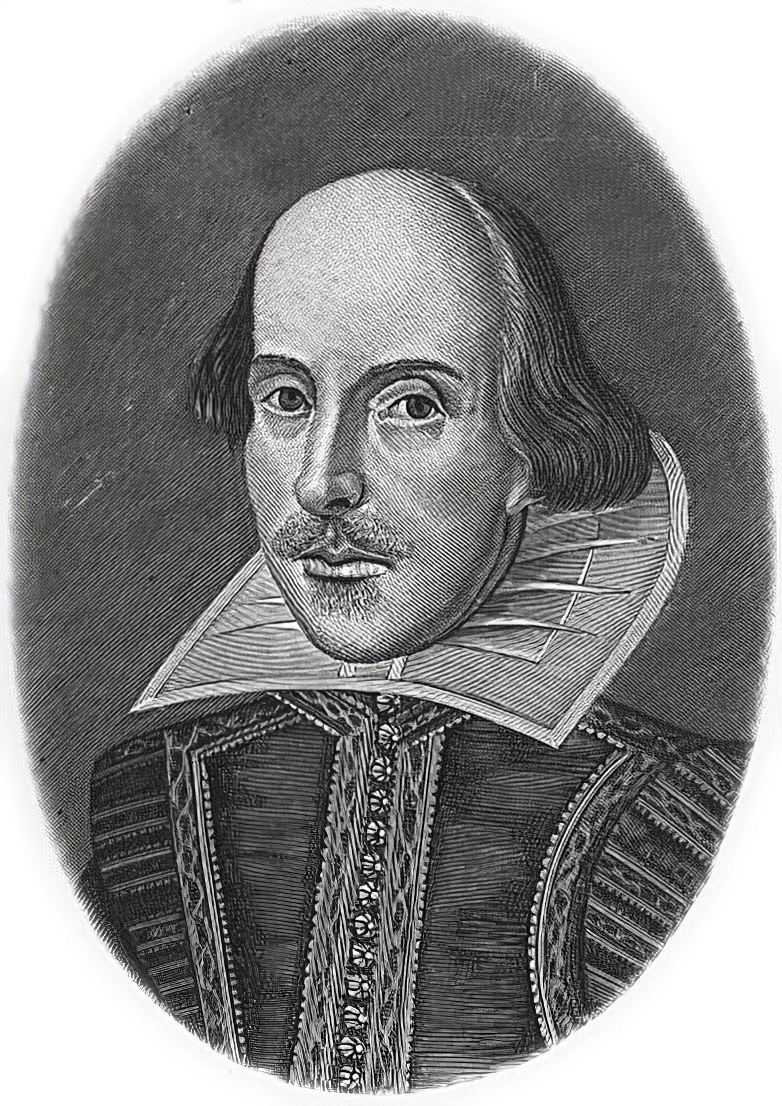
William Shakespeare was a British poet and playwright and writer.
William's father, John Shakespeare, was a merchant and official in Stratford. There are reports that he was a sailor for a time before joining a theater company in London. Beginning in the 1590s, Shakespeare began writing plays, and in 1593 he published a poem, Venus and Adonis, which became popular. He dedicated it to the Duke of Southampton, who was a philanthropist and patron of talent, and soon his business was booming.
From 1592 to 1600 Shakespeare wrote his dramas and romantic comedies "Richard III", "The Taming of the Shrew", "Romeo and Juliet", "A Midsummer Night's Dream" and "The Merchant of Venice", as well as the comedies "Much Ado About Nothing", "Twelfth Night" and the tragedy "Julius Caesar". The playwright's business was so successful that he even bought a large house in Stratford. In 1599, Shakespeare became one of the owners, playwright and actor of the new theater "Globe". In 1603 King James took Shakespeare's troupe under his direct patronage. In the mature period, the great playwright turned to tragedies, there were "Hamlet", "Othello", "King Lear", "Macbeth" and others.
Although in the 19th century researchers had some doubts about the authorship of many of these works, William Shakespeare is considered the greatest English playwright, one of the best playwrights in the world. His plays have been translated into all major languages and to this day form the basis of the world theatrical repertoire, most of them have been screened many times. According to the Guinness Book of Records, Shakespeare remains the world's best-selling playwright, and his plays and poems have sold more than 4 billion copies in the nearly 400 years since his death.




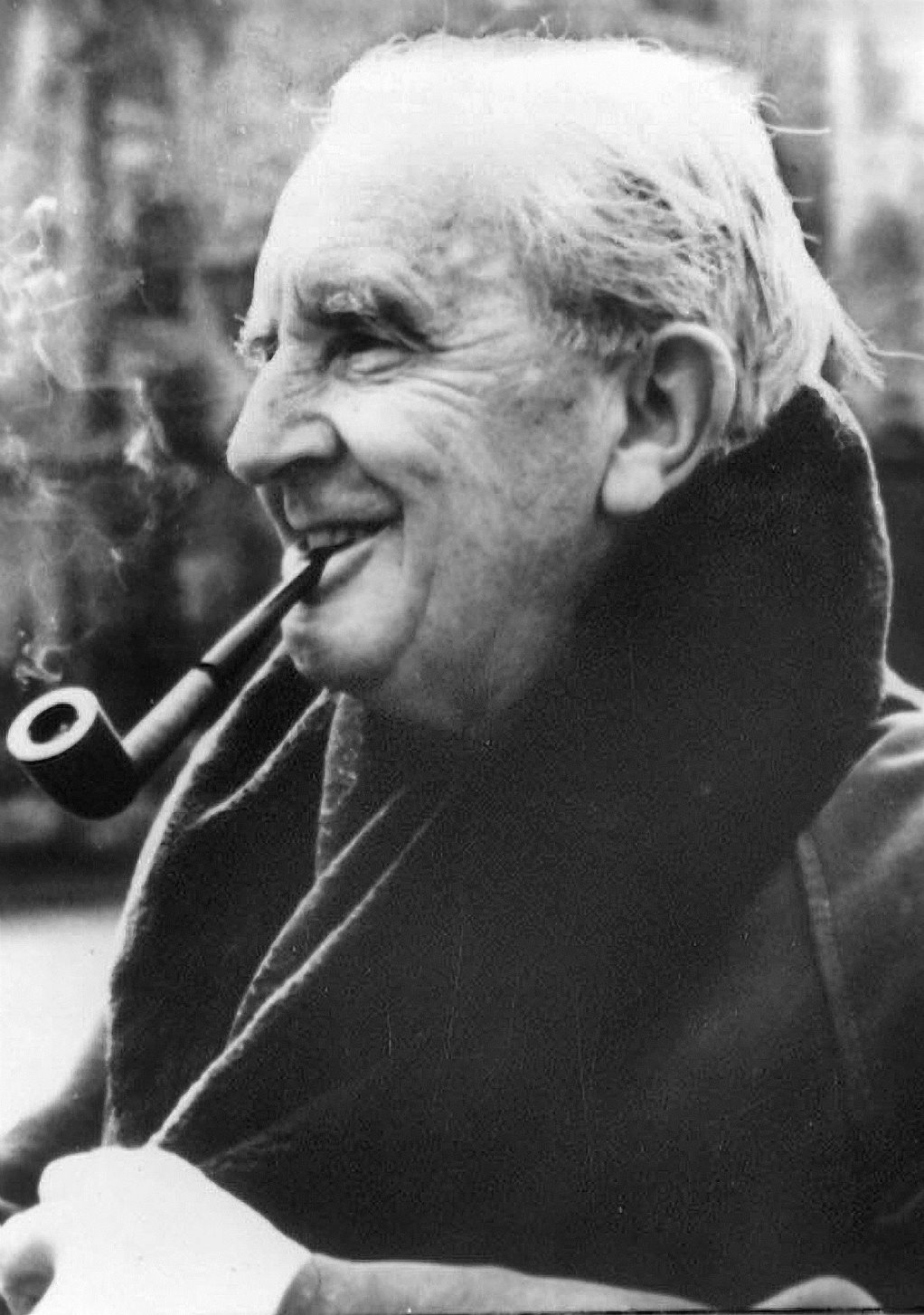
John Ronald Reuel Tolkien was a British writer and poet, translator, philologist, and linguist.
Tolkien wrote many works in the genre of magical fiction. He became world famous for his fantasy books The Hobbit (1937) and The Lord of the Rings (1954-55).
"The Hobbit" was published in 1937 with drawings by the author and proved so popular that the publisher asked him to write a sequel. The result, 17 years later, was Tolkien's masterpiece, "The Lord of the Rings," which was voted the best book of the 20th century. By the beginning of the 21st century, more than 50 million copies had been sold in 30 languages. The film version of "The Lord of the Rings" by New Zealand director Peter Jackson, released in three parts in 2001-2003, broke world viewing records.
Tolkien has been called the "father" of modern high fantasy literature.


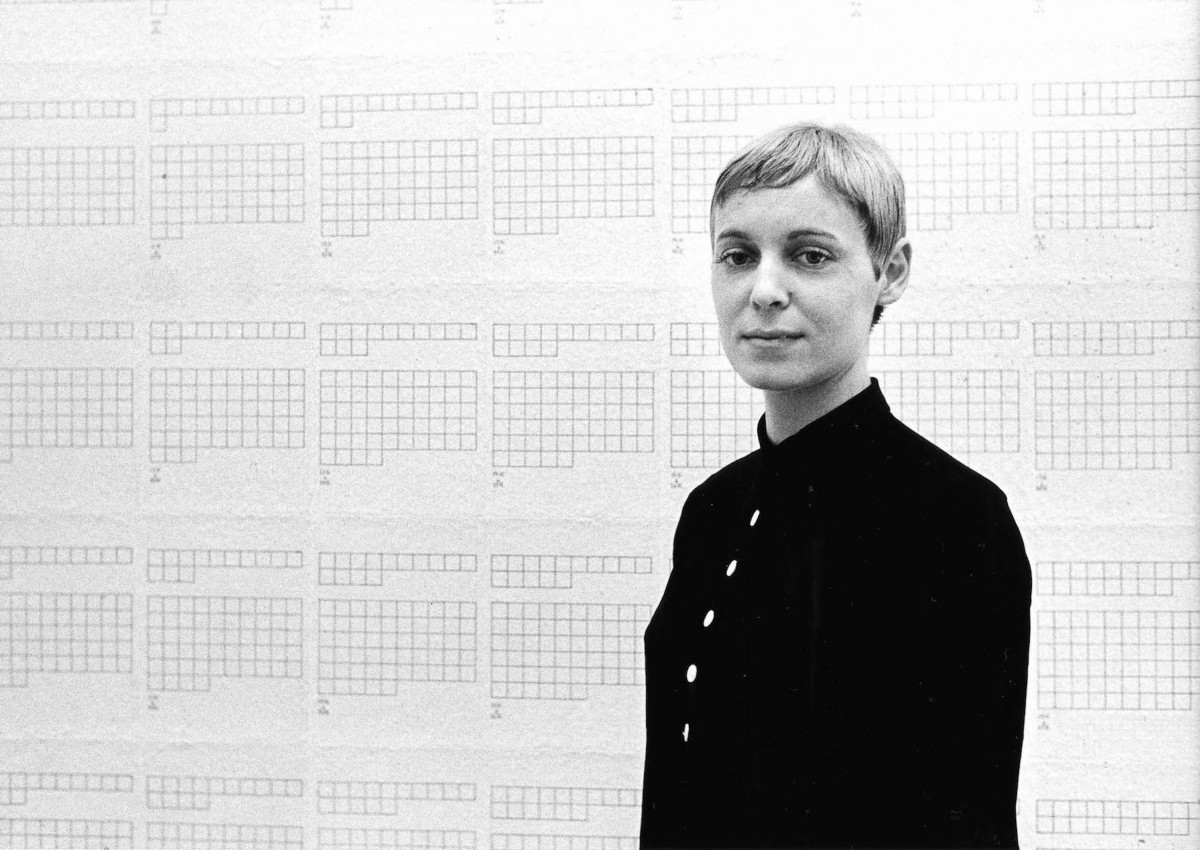
Hanne Darboven was a German conceptual artist known for her large-scale installations, drawings, and writings that explore the intersections of mathematics, language, and time.
Darboven studied at the Hochschule für Bildende Künste in Hamburg. In the 1960s, she became associated with the Conceptual Art movement, creating works that often involved systems of numerical and textual notation.
In the 1970s, Darboven began to produce her signature installations, which combined writing, drawing, and found objects to create immersive environments that explored complex systems of meaning and structure. One of her most famous works is "Kulturgeschichte 1880-1983", a monumental installation consisting of 1,590 framed sheets of paper, each containing a series of numbers, letters, and symbols that chart the course of modern history.
Throughout her career, Darboven continued to explore the relationship between language, numbers, and time, often drawing inspiration from her own life and experiences. She exhibited her work widely in Europe and the United States, and was the subject of numerous retrospectives and solo exhibitions.
Her legacy as a pioneering conceptual artist continues to be recognized and celebrated by the art world today.
.



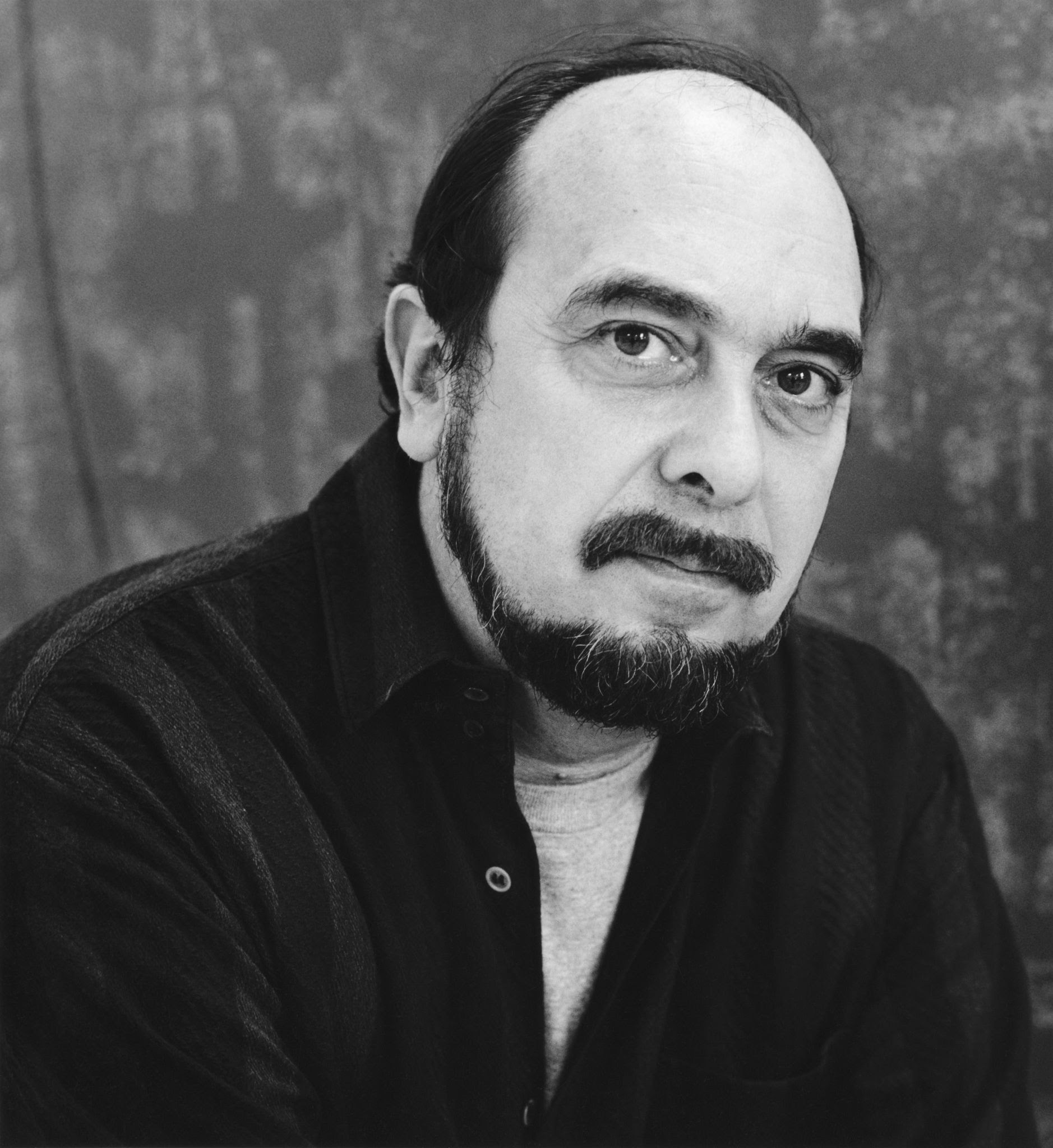
Robert Peter Mangold is an American minimalist painter.


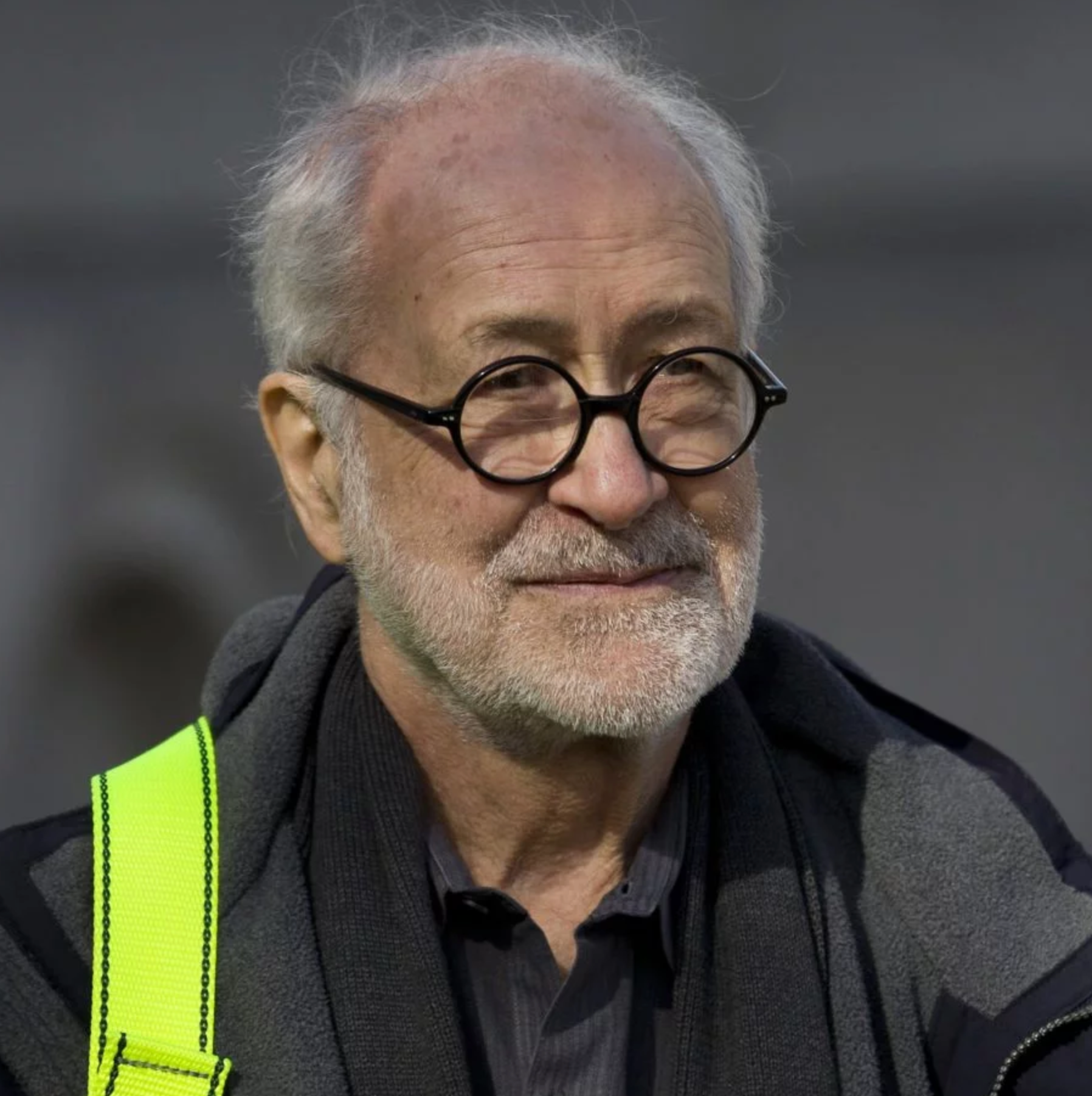
Hans Haacke is a German-born artist who lives and works in New York City. Haacke is considered a "leading exponent" of Institutional Critique.


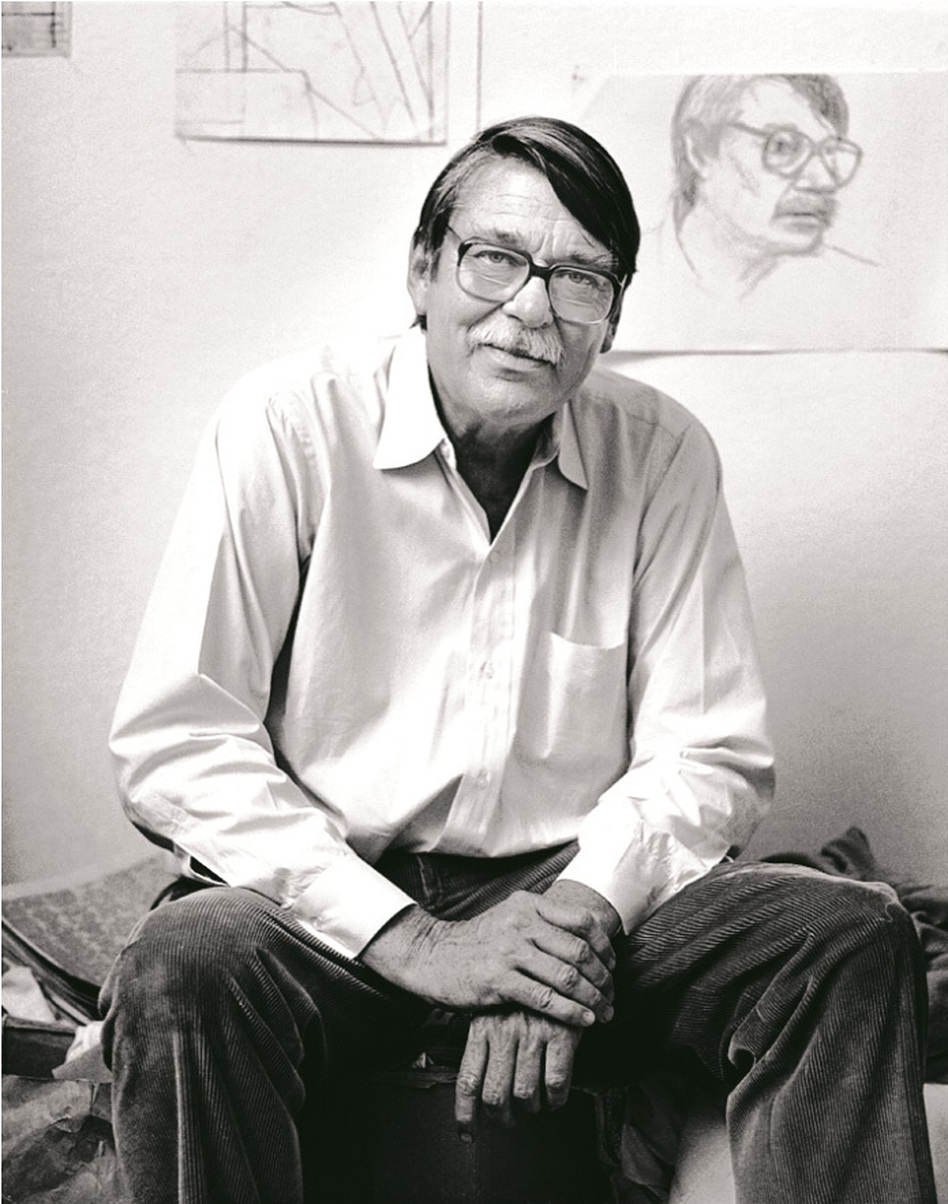
Richard Diebenkorn was an American artist. He was known for his abstract expressionist and later, figurative paintings that explored color, form, and space.
Diebenkorn studied at the University of California, Berkeley, and later at the California School of Fine Arts in San Francisco. In the 1950s and early 1960s, he was associated with the Bay Area Figurative Movement, which emphasized figurative painting in opposition to the prevailing trend of abstract expressionism.
In the mid-1960s, Diebenkorn moved to Southern California, where he began to develop his signature style of abstract paintings that featured large, geometric shapes in muted colors. His Ocean Park series, which he began in the late 1960s, is perhaps his most famous body of work, and is characterized by its luminous, layered surfaces and complex compositions.
Diebenkorn's work has been exhibited in major museums and galleries around the world, and he is widely regarded as one of the most important American painters of the 20th century. His influence can be seen in the work of many contemporary artists working in the fields of abstract painting and color field painting.


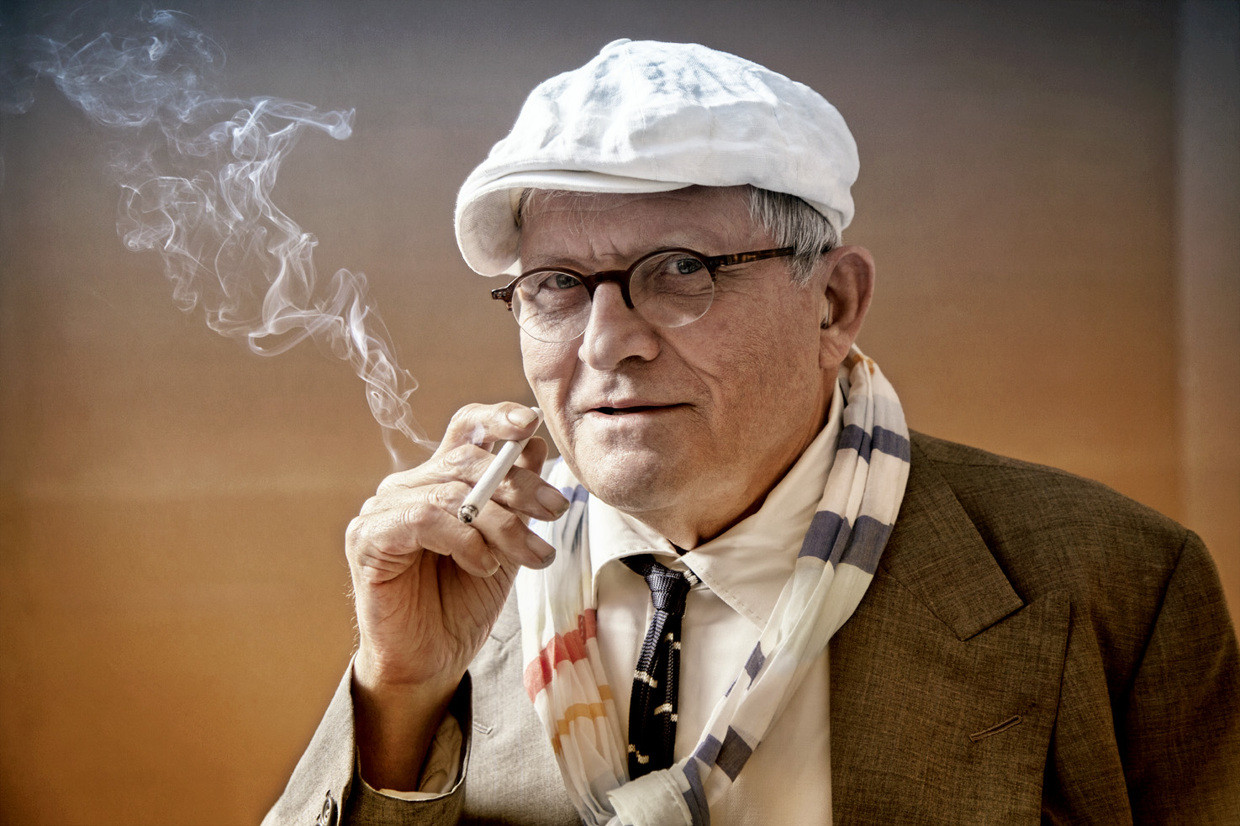
David Hockney, a British artist, has been a prominent figure in the art world for over six decades, renowned for his contributions to painting, drawing, printmaking, photography, and video art. His exploration of these mediums has made significant impacts on the Pop Art movement and beyond, making him one of the most influential artists of the 20th and 21st centuries. Hockney's work is celebrated for its vibrant color palette, emotional depth, and innovative use of technology in art.
One of Hockney's most distinctive features is his ability to blend traditional techniques with modern technology, notably in his iPad drawings and photographic collages. This fusion not only showcases his skillful adaptation to contemporary mediums but also highlights his ongoing quest to explore the nature of seeing and representation in art. Hockney's landscapes and portraits, characterized by their bright colors and meticulous detail, invite viewers to see the world through his unique perspective.
Significant works by Hockney, such as "A Bigger Splash" and "Portrait of an Artist (Pool with Two Figures)," are housed in major museums and galleries worldwide, attesting to his global influence and appeal. These pieces, among others, demonstrate Hockney's mastery over space, light, and narrative, securing his position as a pivotal figure in modern and contemporary art.
For collectors and experts in art and antiques, Hockney's oeuvre presents a fascinating study in the evolution of visual arts. His work not only offers insight into the artist's personal vision but also reflects broader cultural and technological shifts in society. As interest in Hockney's art continues to grow, keeping abreast of new sales and auction events becomes increasingly valuable.
To stay informed about the latest David Hockney sales and auction events, sign up for our updates. This subscription ensures that you receive timely notifications about new product sales and auction events related to David Hockney, offering unique opportunities for collectors and enthusiasts alike.

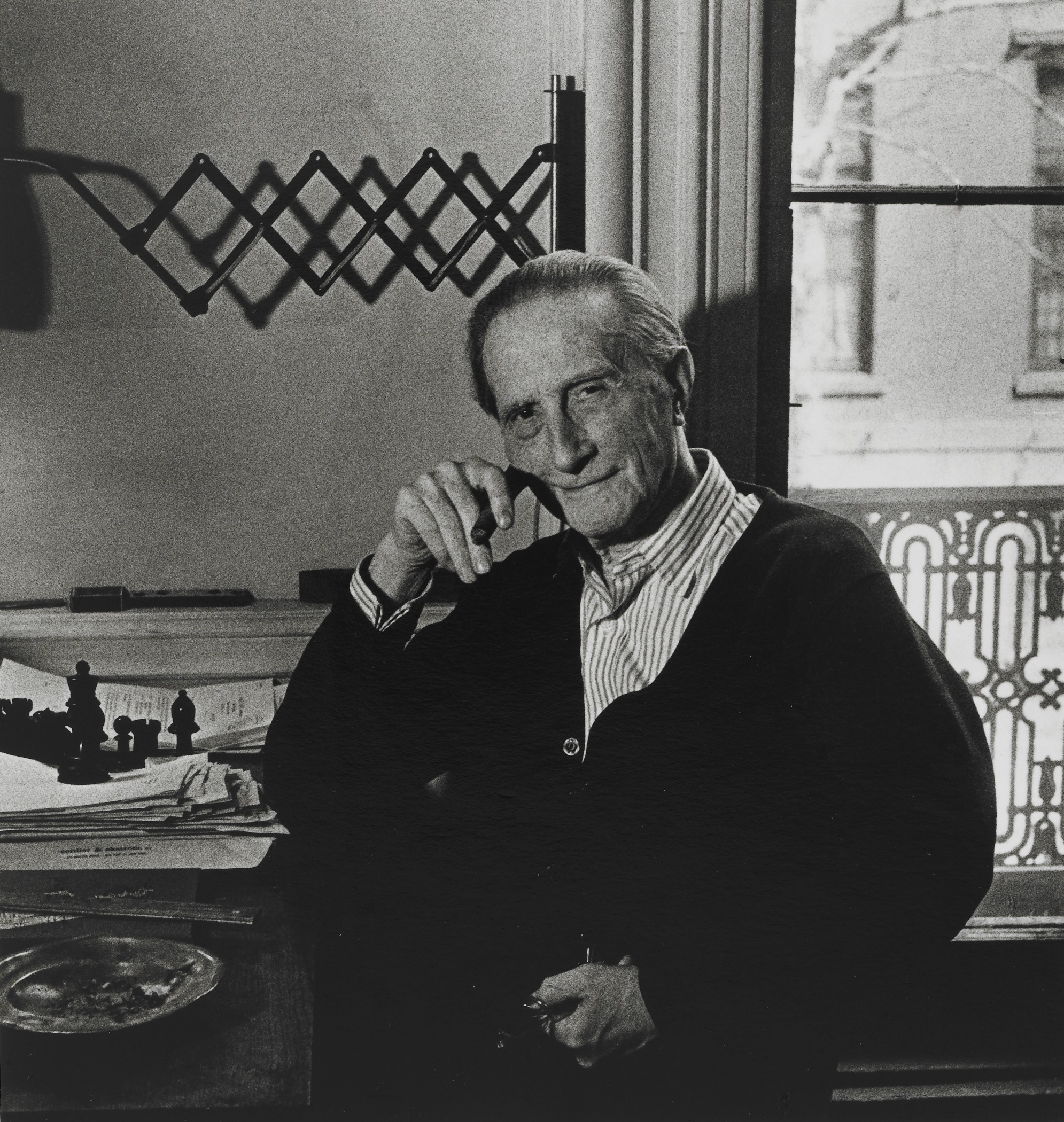
Henri-Robert-Marcel Duchamp, a pioneering French artist, is celebrated for his profound influence on 20th-century art and culture. Duchamp's work transcended traditional mediums, embracing painting, sculpture, and conceptual art, thereby redefining the very nature of artistic creation. His audacious approach to art, marked by intellectualism and wit, challenged conventional perceptions of beauty and utility, making him a central figure in the development of modern and postmodern art.
Duchamp's most notable contributions include his ready-mades—ordinary manufactured objects that he selected and presented as art. This innovative concept questioned the role of the artist and the creation process, exemplified by his famous piece, "Fountain," a porcelain urinal that radically altered the landscape of art by its mere presentation in 1917. His other significant works, like "Nude Descending a Staircase, No. 2," showcased his fascination with movement and mechanization, further cementing his legacy as a visionary.
Duchamp's influence extends beyond his creations, as he played a vital role in shaping the Dada movement and conceptual art. His ideas and artworks continue to inspire artists, collectors, and experts in the fields of art and antiques. Museums and galleries worldwide, including the Philadelphia Museum of Art and the Museum of Modern Art in New York, proudly house his works, attesting to his enduring relevance.
For those keen on exploring the intersections of art, culture, and history, Duchamp offers a rich tapestry of innovation and controversy. Collectors and art enthusiasts are invited to sign up for updates on new product sales and auction events related to Henri-Robert-Marcel Duchamp, ensuring they remain at the forefront of developments in this captivating domain.


David Hockney, a British artist, has been a prominent figure in the art world for over six decades, renowned for his contributions to painting, drawing, printmaking, photography, and video art. His exploration of these mediums has made significant impacts on the Pop Art movement and beyond, making him one of the most influential artists of the 20th and 21st centuries. Hockney's work is celebrated for its vibrant color palette, emotional depth, and innovative use of technology in art.
One of Hockney's most distinctive features is his ability to blend traditional techniques with modern technology, notably in his iPad drawings and photographic collages. This fusion not only showcases his skillful adaptation to contemporary mediums but also highlights his ongoing quest to explore the nature of seeing and representation in art. Hockney's landscapes and portraits, characterized by their bright colors and meticulous detail, invite viewers to see the world through his unique perspective.
Significant works by Hockney, such as "A Bigger Splash" and "Portrait of an Artist (Pool with Two Figures)," are housed in major museums and galleries worldwide, attesting to his global influence and appeal. These pieces, among others, demonstrate Hockney's mastery over space, light, and narrative, securing his position as a pivotal figure in modern and contemporary art.
For collectors and experts in art and antiques, Hockney's oeuvre presents a fascinating study in the evolution of visual arts. His work not only offers insight into the artist's personal vision but also reflects broader cultural and technological shifts in society. As interest in Hockney's art continues to grow, keeping abreast of new sales and auction events becomes increasingly valuable.
To stay informed about the latest David Hockney sales and auction events, sign up for our updates. This subscription ensures that you receive timely notifications about new product sales and auction events related to David Hockney, offering unique opportunities for collectors and enthusiasts alike.


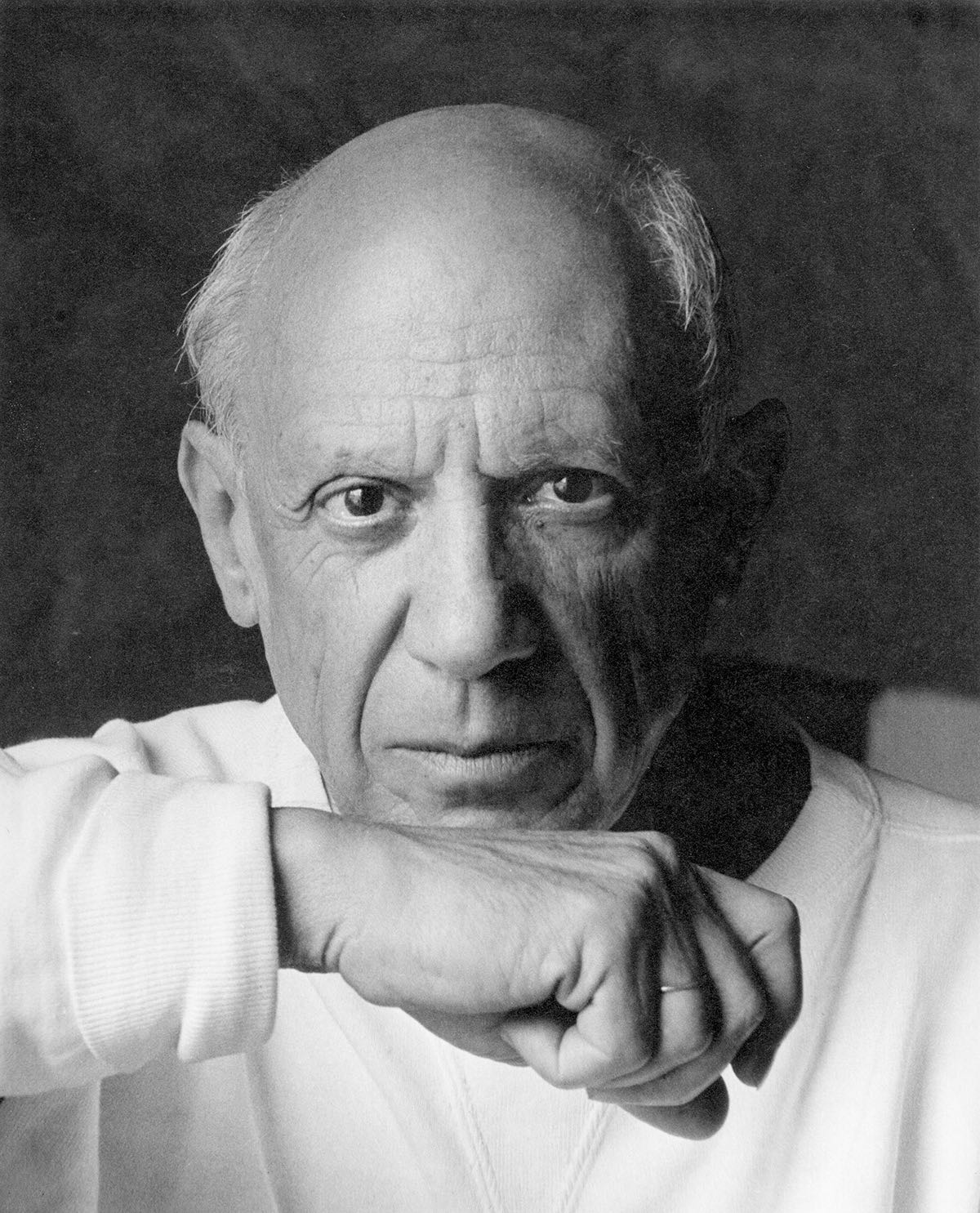
Pablo Ruiz Picasso, a Spanish artist renowned for his revolutionary contributions to the 20th-century art scene, is a figure that resonates profoundly with collectors and art experts. His unique blend of talents in painting, sculpture, printmaking, and ceramic art, infused with his time in France, positioned him as a pivotal character in modern art history.
Picasso's artistic journey was marked by distinct periods, each showcasing his evolving style and genius. His early years were characterized by the Blue Period (1901-1904), followed by the Rose Period (1904-1906), and then the African-influenced Period (1907-1909). Picasso's name is synonymous with Cubism, a movement he co-founded, which significantly altered artistic perspectives and methods. Works like "Les Demoiselles d'Avignon" (1907) and "Guernica" (1937) are emblematic of his cubist legacy, the latter being a poignant anti-war statement that remains influential.
His later years saw a return to more traditional styles, with neoclassical and surrealist influences becoming evident. Works from these phases reflect a deep engagement with mythological themes, as seen in "Faun with Stars" (1955), symbolizing his late-life romance with Jacqueline Roque, his second wife.
Picasso's prolific output and innovative spirit made him a legend in his own time, a status that only grew after his death. His works, housed in major museums and private collections worldwide, continue to captivate and inspire.
As a collector or expert in art and antiques, staying informed about Picasso's works, their auction events, and sales is essential. To stay updated on the latest developments and opportunities related to Pablo Picasso, sign up for our specialized updates. Rest assured, this subscription will focus solely on new product sales and auction events pertaining to Picasso's art, ensuring that you receive only the most relevant and valuable information.


.jpg)
Max Ernst was a pivotal figure in the 20th-century art world, whose work transcended the boundaries of nationality and genre to leave an indelible mark on culture, art, sculpture, and painting. Born in Germany on April 2, 1891, and later becoming a naturalized American and French citizen, Ernst's career was a testament to his relentless innovation and creativity. Known primarily as an artist and painter, Ernst was a founding member of the Dada movement in Cologne before becoming a major proponent of Surrealism in Paris. His early encounters with the works of Pablo Picasso, Vincent van Gogh, and Paul Gauguin at the Sonderbund exhibition in 1912 deeply influenced his artistic direction, infusing it with elements of Cubism and Expressionism. Despite his lack of formal artistic training, Ernst's experimentation with techniques such as collage and frottage showcased his unique ability to blend the absurd with the sublime, making him a central figure in the artistic avant-garde of his time.
Ernst's work is notable for its exploration of the unconscious, using dreamlike imagery and symbolic figures to critique societal norms and delve into the chaos of the human psyche. His experiences in World War I profoundly impacted his worldview, leading to a deep skepticism of Western culture and an enduring search for meaning through art. This is evident in works such as "Europe After the Rain II," which reflects the devastation of war and "The Fireside Angel," inspired by the political turmoil of the Spanish Civil War, showcasing his ability to address contemporary issues through a surreal lens.
Ernst's contributions to art are preserved in major museums and galleries worldwide, including the Tate in the United Kingdom and the Museum of Modern Art in New York. His sculptures, paintings, and collages continue to be celebrated for their innovative techniques and imaginative scope, marking him as a revolutionary figure in modern art. Among his most significant works are "Ubu Imperator," "The Elephant Celebes," and "The Virgin Spanking the Christ Child before Three Witnesses," each reflecting his mastery over a diversity of mediums and themes.
For collectors and experts in art and antiques, Max Ernst remains a symbol of artistic freedom and exploration. His ability to navigate through various artistic movements while maintaining a distinct, innovative voice is a testament to his enduring legacy in the art world. To stay updated on new product sales and auction events related to Max Ernst, signing up for updates is a valuable opportunity for those deeply invested in the nuances of modern and surreal art.


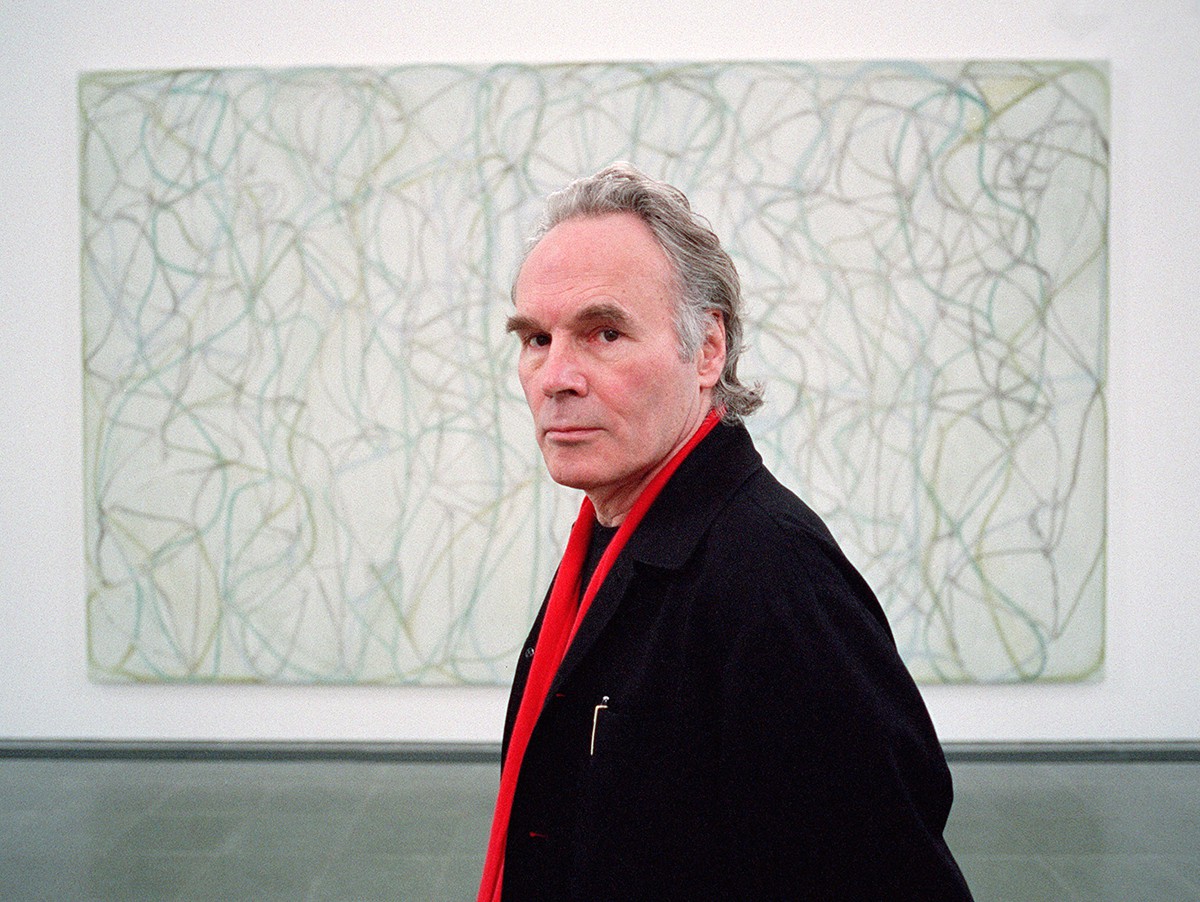
Brice Marden was an American painter. He is known for his minimalist, abstract paintings that often feature simple geometric shapes and a limited color palette.
Marden studied at the Boston University School of Fine Arts and the Yale University School of Art and Architecture. In the 1960s, he moved to New York City and became associated with the Minimalist movement, which emphasized the use of simple forms and materials.
Marden's early works were monochromatic, featuring one color per canvas. Later in his career, he began to incorporate more colors and gestural brushstrokes into his paintings, while still maintaining a sense of simplicity and restraint.
Marden has received numerous awards and honors throughout his career, including the National Medal of Arts in 2011. His works are held in collections around the world, including the Museum of Modern Art in New York, the Tate Modern in London, and the Centre Georges Pompidou in Paris.


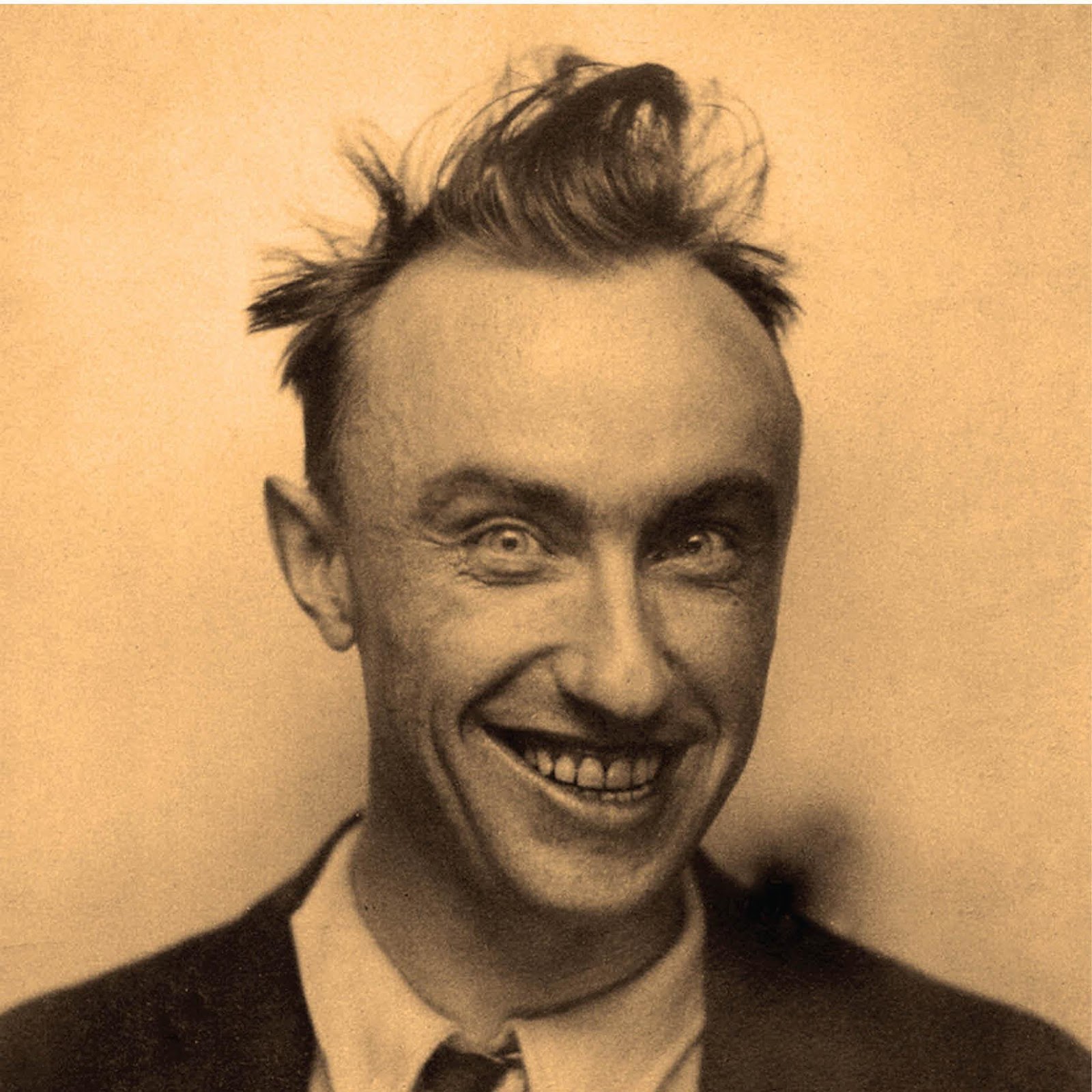
Raymond Georges Yves Tanguy, a French painter, is celebrated for his pivotal role in the Surrealist movement. Born in Paris in 1900, Tanguy's distinctive style is characterized by his meticulous and fantastical landscapes. These dream-like sceneries, populated with abstract shapes and organic forms, evoke a sense of otherworldly mystery and have captivated the imagination of art enthusiasts and collectors alike.
Tanguy's journey into the world of art was somewhat unconventional. Initially drawn to the merchant navy and later to the army, it wasn't until a pivotal encounter with the works of Giorgio de Chirico that Tanguy decided to pursue painting. Despite his lack of formal training, he quickly became a prominent figure in the Surrealist movement, contributing significantly to its ethos and aesthetic. His paintings are renowned for their unique blend of precision and spontaneity, combining elements of the natural world with abstract forms to create enigmatic landscapes that defy conventional interpretation.
Among Tanguy's most notable works are those housed in prestigious institutions such as the Museum of Modern Art in New York and the Tate Modern in London. These pieces serve as a testament to his enduring influence on the world of art and culture. Tanguy's ability to transcend the boundaries of reality and imagination has made his work particularly appealing to collectors and experts in art and antiques, who seek to understand the depths of Surrealism through his visionary eye.
For enthusiasts of Raymond Georges Yves Tanguy's art, staying informed about upcoming sales and auction events is crucial. By signing up for updates, collectors can ensure they never miss an opportunity to acquire a piece of this iconic artist's legacy. This subscription is not only a gateway to exclusive information on new product sales but also a direct line to the heart of the art and antiques world, where the surreal becomes tangible, and the legacy of a master painter continues to inspire.






.jpg)
Gerhard Marcks was a German artist, known primarily as a sculptor, but who is also known for his drawings, woodcuts, lithographs and ceramics.

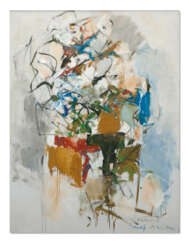

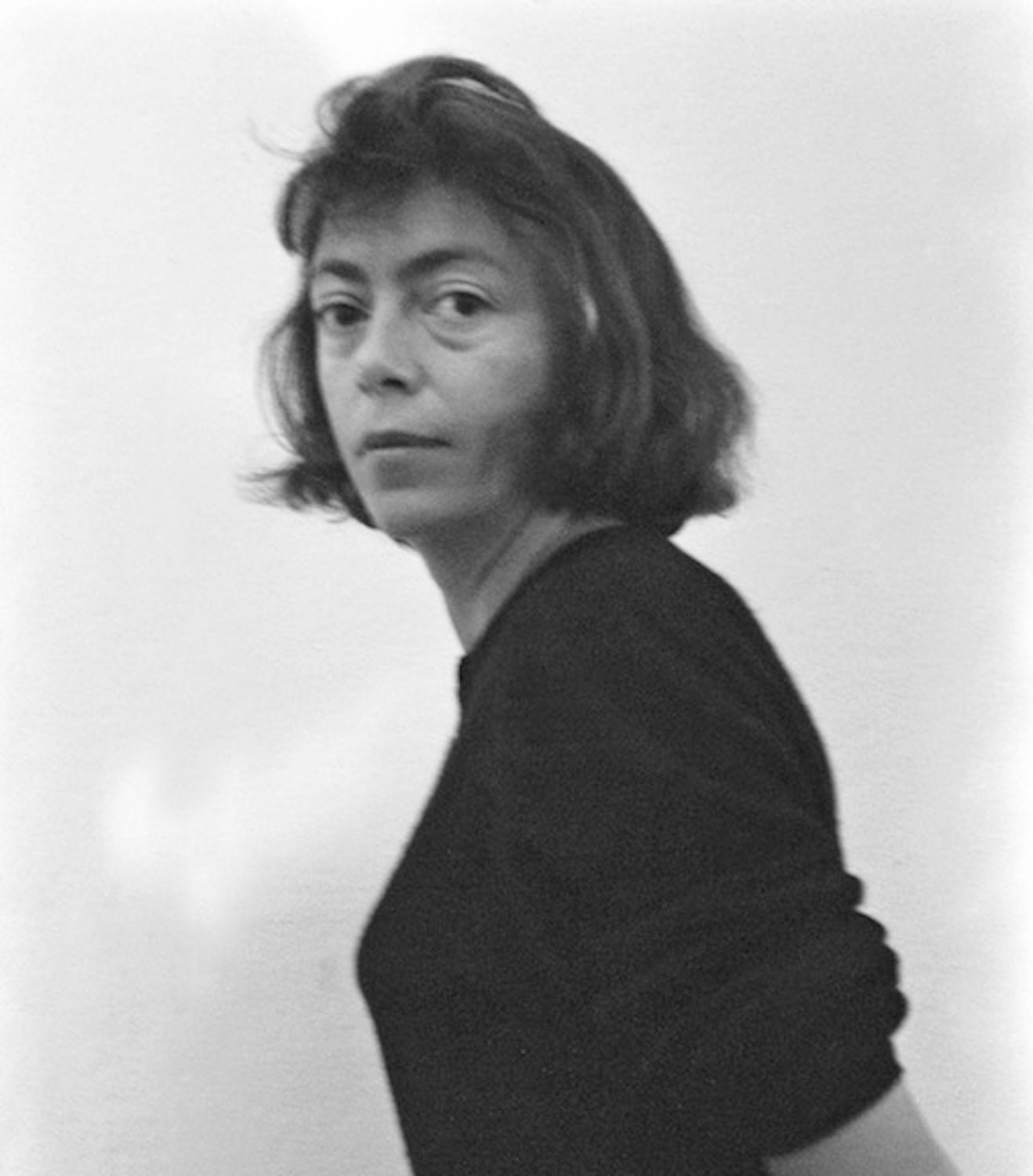
Joan Mitchell was an American painter, celebrated for her pivotal role in the Abstract Expressionist movement. Born in Chicago in 1925, Mitchell's work transcends the traditional boundaries of art, blending intense emotion with a deeply personal use of color and gesture. Her canvases are vast arenas where light, color, and texture merge to evoke landscapes, memories, and emotions. Unlike many of her contemporaries, Mitchell's art was not just about the act of painting but about capturing the essence of her experiences and emotions, making her a unique voice in 20th-century art.
Mitchell's paintings, characterized by their vibrant colors and dynamic brushstrokes, have been exhibited in some of the world's most prestigious museums and galleries. Notable works like "Hudson River Day Line" and "Bracket" found homes in institutions such as the Denver Art Museum and the San Francisco Museum of Modern Art (SFMOMA), respectively. These pieces exemplify Mitchell's ability to convey the complexity of nature and emotion, bridging the gap between abstract expressionism and the lyrical landscapes that inspired her.
Despite her critical acclaim, Mitchell's work was initially overshadowed by her male peers, selling for a fraction of their value. However, the 21st century has seen a significant reassessment of her contributions, with her paintings now commanding millions at auction. This shift is part of a broader reevaluation of women and minority artists in the art historical canon, reflecting changing perspectives on gender and creativity. Collectors and experts in art and antiques now recognize Joan Mitchell as a titan of post-war American painting, whose works continue to inspire and captivate audiences worldwide.
For those intrigued by the legacy of Joan Mitchell and the dynamic world of abstract expressionism, we invite you to sign up for updates. Our subscription service will keep you informed about new product sales and auction events related to Joan Mitchell's art, offering exclusive insights into one of the most influential artists of the 20th century.

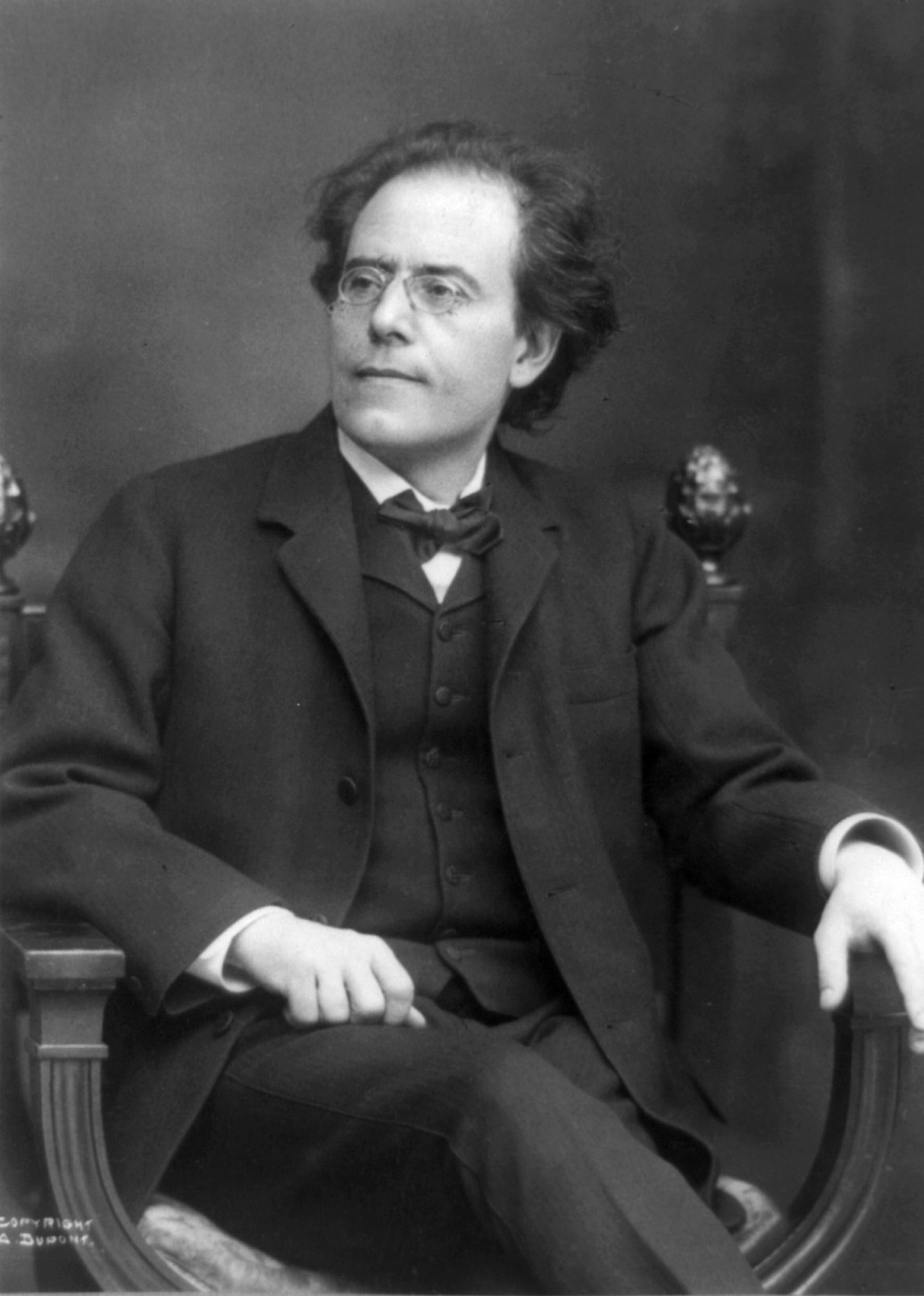
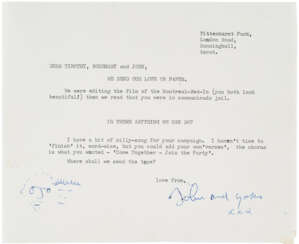


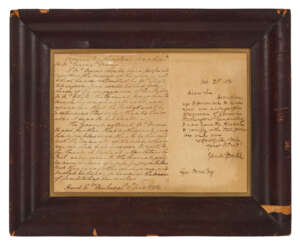

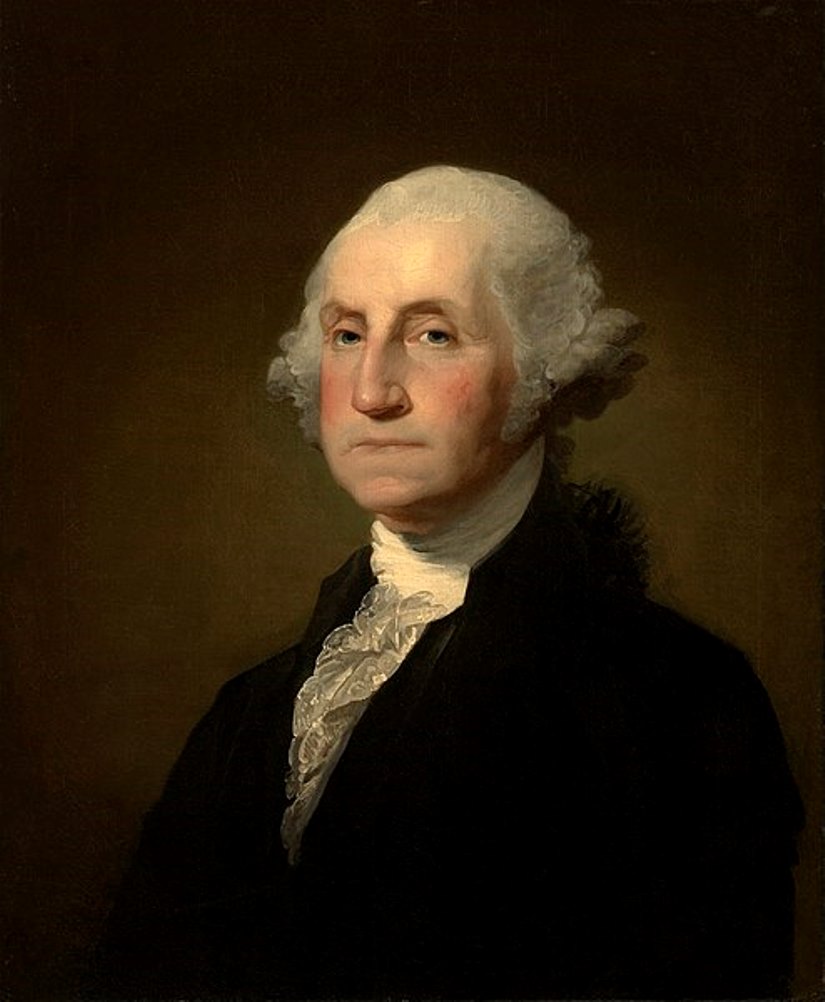
George Washington is the first popularly elected president of the United States of America and one of the founding fathers of the United States.
Born into a noble family in colonial Virginia in February 1732, George Washington served as a Virginian officer with British troops during the French-Indian War (1754-1763) from 1754-1758. This was a territorial war fought largely between the colonies of Britain and France that escalated into a worldwide conflict between the two countries. J. Washington was at the center of the conflicts in the disputed Ohio River Valley area.
In June 1775, he was elected commander-in-chief of the Continental forces in the war already for independence from Great Britain. He commanded American troops throughout the war, becoming famous for his perseverance and bravery.
In 1787, J. Washington represented the state of Virginia as a delegate to the Constitutional Convention. This convention created the Constitution of the United States. In 1789, the Electoral College unanimously elected George Washington president, and in 1792 he was re-elected for a second term. Thus George Washington was in office as President of the United States from April 30, 1789 to March 4, 1797.
As head of state, he helped to strengthen the Union, implement the principles of the Constitution and build the capital of the United States. He was engaged in the formation of the central authorities and system of government, created precedents for the institution of presidents, encouraged the development of the economy, maintained friendly relations with Congress. In foreign policy Washington avoided interference in the affairs of European states.
After leaving the post of president, George Washington lived in Mount Vernon Manor.



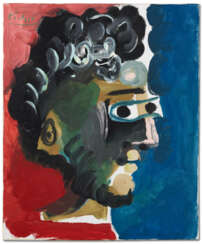

Pablo Ruiz Picasso, a Spanish artist renowned for his revolutionary contributions to the 20th-century art scene, is a figure that resonates profoundly with collectors and art experts. His unique blend of talents in painting, sculpture, printmaking, and ceramic art, infused with his time in France, positioned him as a pivotal character in modern art history.
Picasso's artistic journey was marked by distinct periods, each showcasing his evolving style and genius. His early years were characterized by the Blue Period (1901-1904), followed by the Rose Period (1904-1906), and then the African-influenced Period (1907-1909). Picasso's name is synonymous with Cubism, a movement he co-founded, which significantly altered artistic perspectives and methods. Works like "Les Demoiselles d'Avignon" (1907) and "Guernica" (1937) are emblematic of his cubist legacy, the latter being a poignant anti-war statement that remains influential.
His later years saw a return to more traditional styles, with neoclassical and surrealist influences becoming evident. Works from these phases reflect a deep engagement with mythological themes, as seen in "Faun with Stars" (1955), symbolizing his late-life romance with Jacqueline Roque, his second wife.
Picasso's prolific output and innovative spirit made him a legend in his own time, a status that only grew after his death. His works, housed in major museums and private collections worldwide, continue to captivate and inspire.
As a collector or expert in art and antiques, staying informed about Picasso's works, their auction events, and sales is essential. To stay updated on the latest developments and opportunities related to Pablo Picasso, sign up for our specialized updates. Rest assured, this subscription will focus solely on new product sales and auction events pertaining to Picasso's art, ensuring that you receive only the most relevant and valuable information.
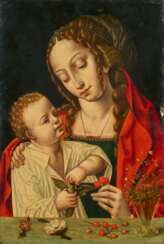

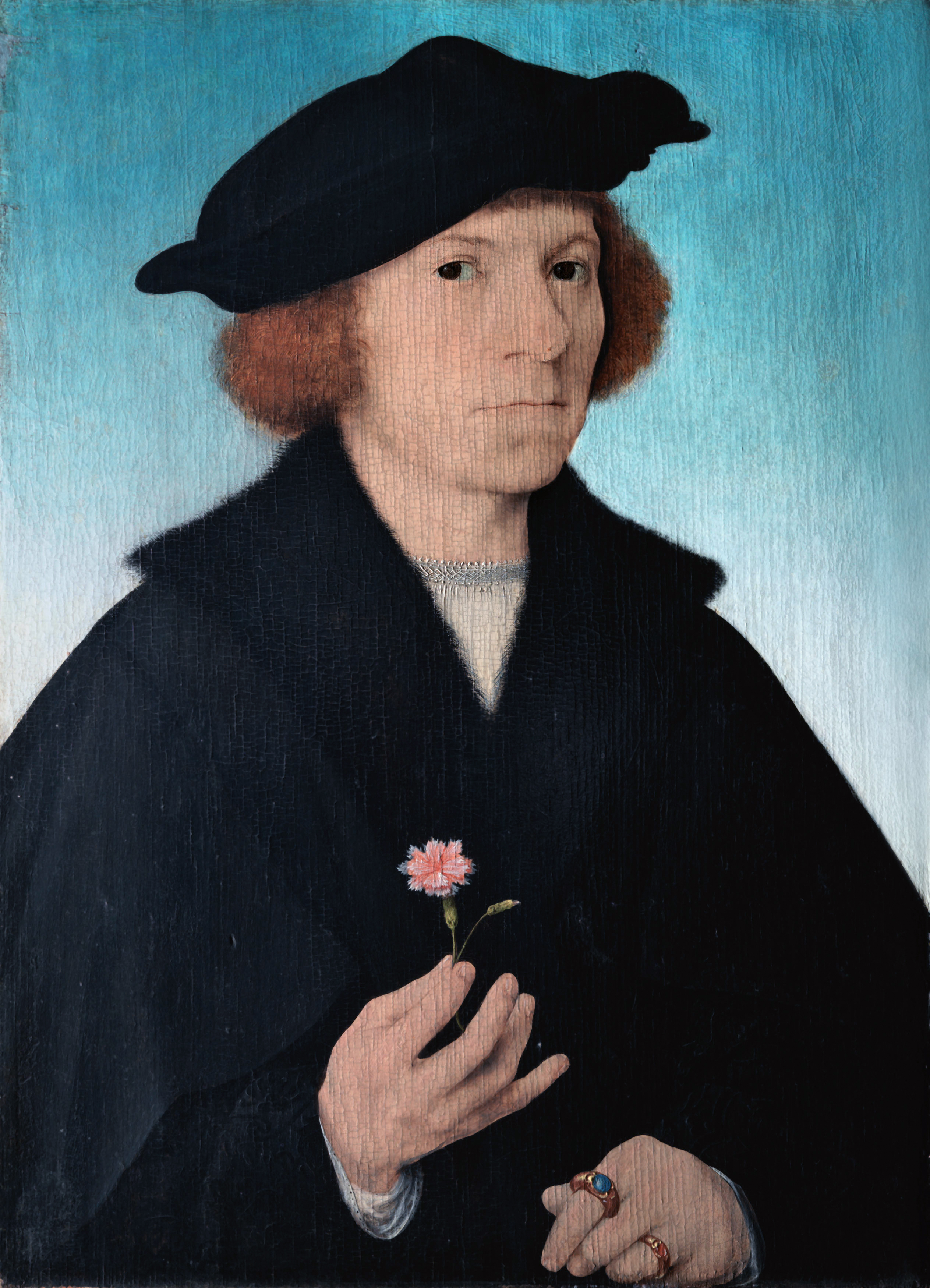
Joos van Cleve, also known by his real name Joos van der Beke, was a prominent Netherlandish painter, active mainly in Antwerp from about 1511 until his death in 1540 or 1541. His work predominantly centered around religious subjects and portraits, including notable commissions for the French King Francis I during his time at the French court. His artistic oeuvre reflects a blend of traditional Netherlandish painting techniques with contemporary Renaissance styles, showcasing his direct knowledge of local art combined with an awareness of Italian developments.
Van Cleve's work was characterized by its elaborate detail, particularly in his altarpieces which often incorporated portraits and landscapes, demonstrating his refined painting style. His success in Antwerp was significant, and he was also recognized at the French court, indicating his high regard as a portrait artist. Notably, Van Cleve had the opportunity to paint members of the royal court, including King Francis I and Queen Eleanor of Austria, underscoring his skills in portraiture.
His paintings are recognized for their sensitivity to color and a unique solidity of figures, with some works showcasing the popular style of Antwerp Mannerism. Van Cleve was an innovator in introducing broad world landscapes in the backgrounds of his paintings, a technique that became popular in sixteenth-century northern Renaissance paintings. Despite his contributions to the Renaissance art movement, Van Cleve also produced works that were highly eclectic, drawing on the styles of earlier Netherlandish masters as well as Italian influences, particularly in his use of sfumato, evident in his Virgin and Child compositions.
For art collectors and experts, Joos van Cleve's legacy offers a rich exploration into the transition from medieval to Renaissance art in Northern Europe. His body of work, found in prestigious collections such as the National Gallery in Prague, the Louvre, and the Royal Museums of Fine Arts of Belgium, remains a testament to his versatility and skill as a painter of both religious narratives and royal portraits.
To delve deeper into the fascinating world of Joos van Cleve and to stay informed about exhibitions or sales featuring his work, consider signing up for updates from art institutions and auction houses. This subscription will ensure you remain at the forefront of developments and opportunities related to this influential artist's oeuvre, enhancing your collection and understanding of Renaissance art.