"four years old"






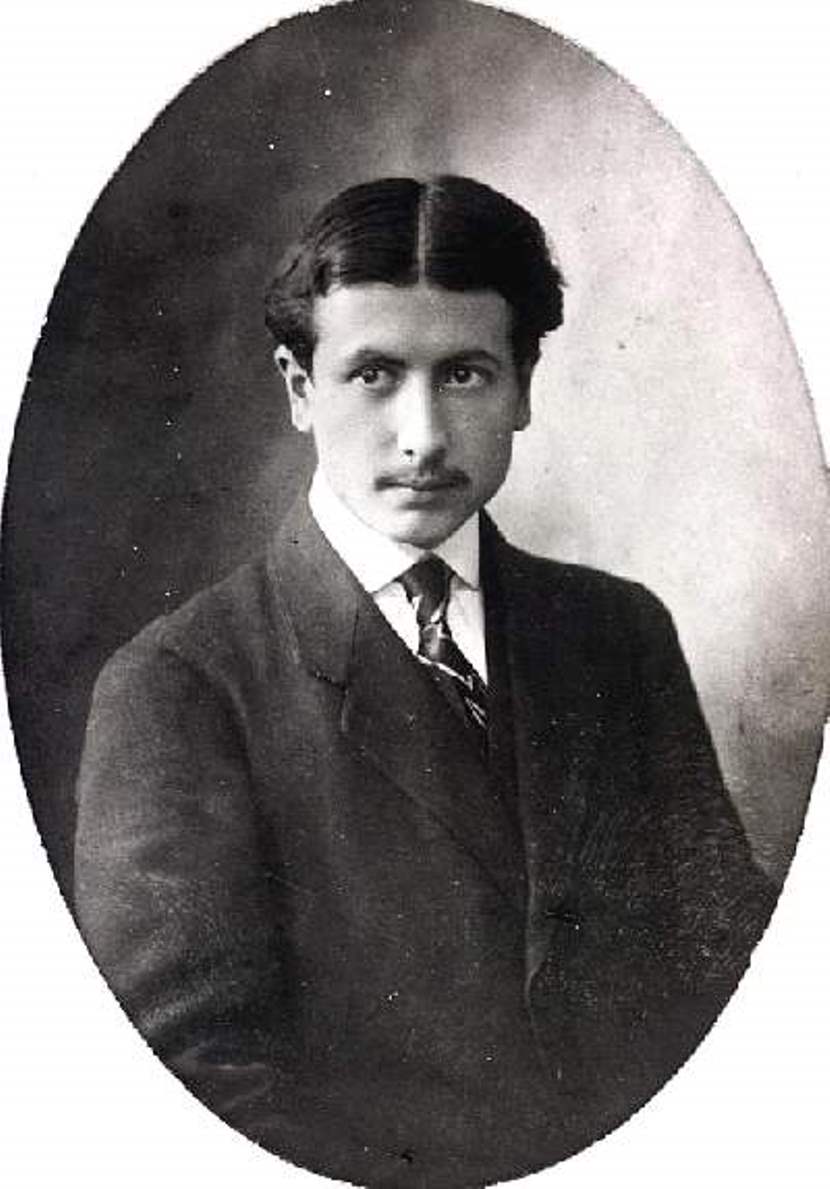





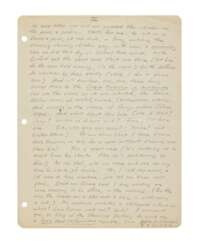









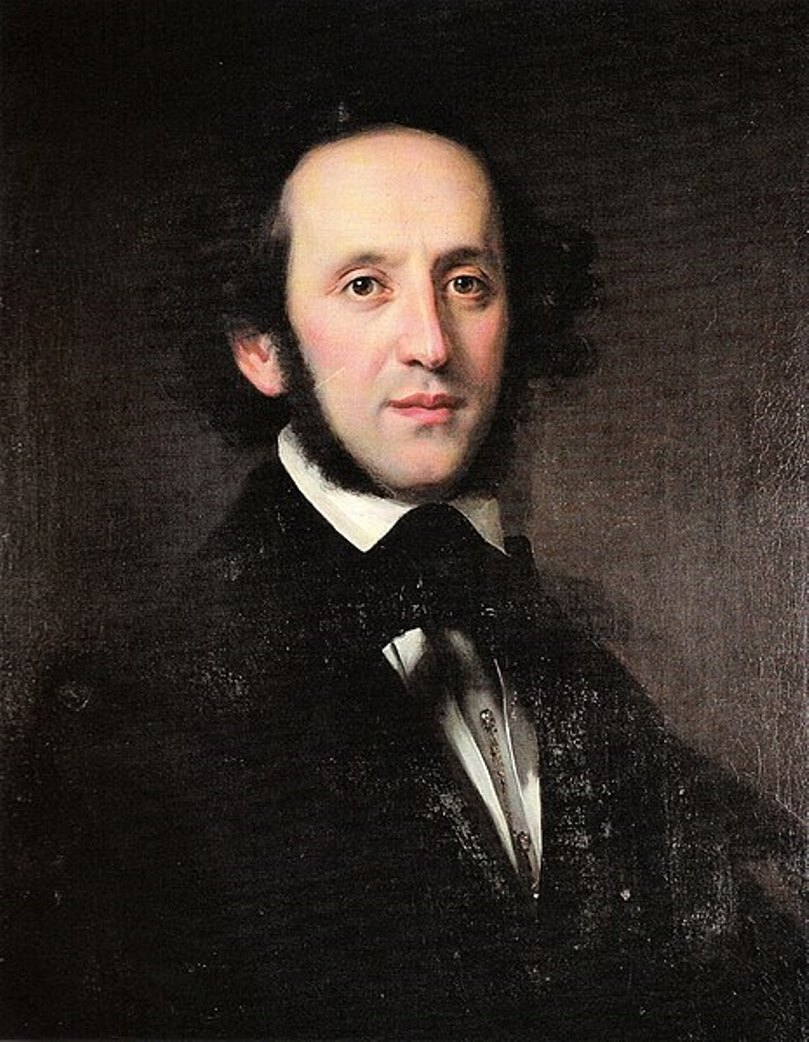
Felix Mendelssohn (full name Jakob Ludwig Felix Mendelssohn Bartholdy) was a German composer, pianist, conductor, teacher, and one of the greatest representatives of Romanticism in music.
Felix was born into a Jewish musical family that later converted to Christianity. He received a versatile education and already as a child wrote many musical compositions, including 5 operas, 11 symphonies for string orchestra, concertos, sonatas and fugues. Mendelssohn's first public performance took place in Berlin in 1818, when he was nine years old. In 1821 Mendelssohn was introduced to J.W. von Goethe, for whom he performed works by J.S. Bach and Mozart and to whom he dedicated his Piano Quartet No. 3 in B minor. A friendship developed between the famous wise poet and the 12-year-old musician.
A few years later, the talented musician began conducting in various orchestras in Europe, and became acquainted with Carl Weber. In England, where Mendelssohn visited very often, by the middle of the 19th century his music had become very popular, even with Queen Victoria he was the most favorite composer. He dedicated his Symphony No. 3 in A minor major (Scottish Symphony) to the Queen.
Among Mendelssohn's most famous works are A Midsummer Night's Dream (1826), the Italian Symphony (1833), a violin concerto (1844), two piano concertos (1831, 1837), the oratorio Elijah (1846) and several chamber pieces. The tradition of playing the "Wedding March" from A Midsummer Night's Dream in wedding processions dates back to its performance at the wedding of a royal princess in 1858, already after Mendelssohn's death.
In 1843, Mendelssohn founded a conservatory in Leipzig, where he taught composition with Schumann. Mendelssohn was one of the first great Romantic composers of the nineteenth century.


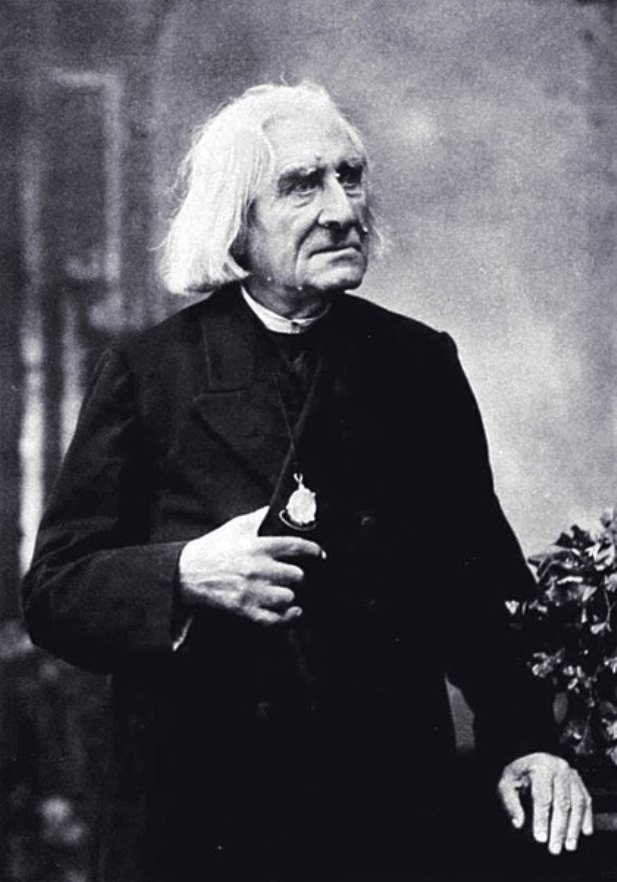

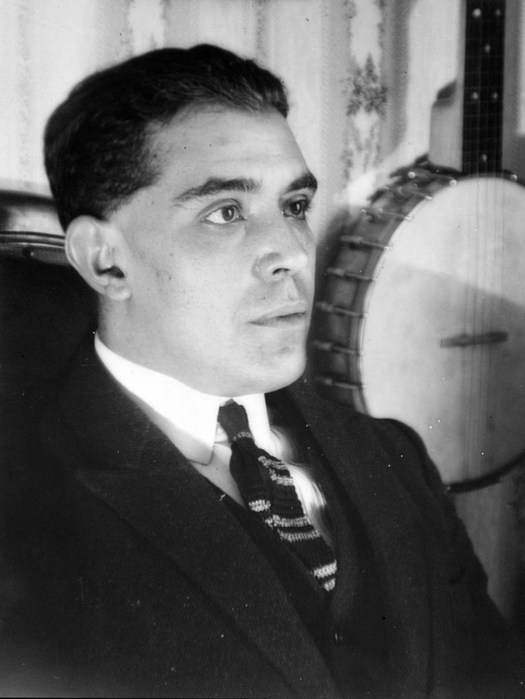
Juan Gris, a Spanish painter and sculptor born José Victoriano Carmelo Carlos González-Pérez in Madrid, is celebrated for his significant contribution to the Cubist movement. Gris moved to Paris in 1906, where he developed a close relationship with notable figures such as Henri Matisse, Georges Braque, Fernand Léger, and Pablo Picasso, adopting the vibrant city as his primary residence and embracing the avant-garde art scene.
In his early years, Gris pursued engineering but quickly shifted his focus to art, demonstrating a natural talent that led him to study under José Moreno Carbonero, a respected artist in Madrid. His artistic journey took a significant turn upon his move to Paris, where he immersed himself in the world of illustration before evolving into a pivotal Cubist painter. Unlike his contemporaries, Picasso and Braque, Gris's Cubist works are known for their bright, harmonious colors and innovative use of papier collé (collage), marking a departure from the more monochromatic style of Analytical Cubism to a more vibrant Synthetic Cubism.
Gris's transition to Synthetic Cubism after 1913, marked by his unique approach to color and composition, set him apart. His works, characterized by their clarity, order, and integration of geometric forms with a distinctive color palette, made significant impacts on both the Purist style and the post-war "return to order" movement. Notable works by Gris are held in prestigious collections worldwide, including "Portrait of Picasso" (1912) at the Art Institute of Chicago and "Still Life before an Open Window, Place Ravignan" (1915) at the Philadelphia Museum of Art, exemplifying his innovative approach to Cubism.
For collectors and experts in art and antiques, Juan Gris remains a figure of immense historical and aesthetic importance, embodying the spirit of innovation and the search for new means of expression that defined the early 20th century. His commitment to exploring the boundaries of Cubism, combined with his unique palette and compositional techniques, continues to inspire and captivate audiences. To stay updated on new product sales and auction events related to Juan Gris, signing up for updates is highly recommended for those with a keen interest in his work and Cubism at large.
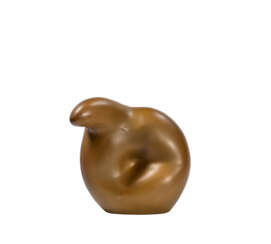

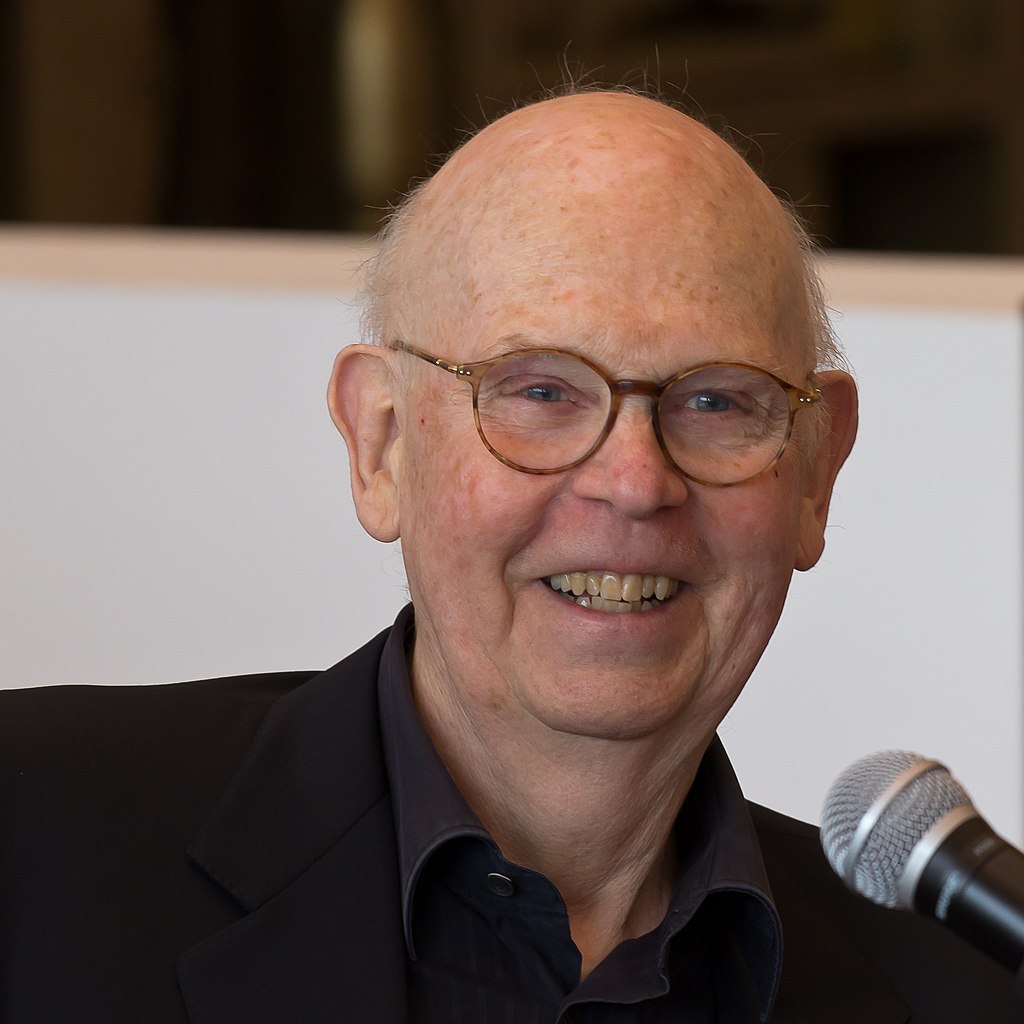
Claes Oldenburg was a Swedish-born American sculptor, celebrated for his groundbreaking contributions to the field of public art and sculpture. With a career spanning over several decades, Oldenburg redefined the boundaries between sculpture and everyday objects, bringing a whimsical yet profound commentary on consumer culture and the urban environment. His talent for transforming the mundane into the monumental made his work not only iconic but also a vital part of the conversation about the role of art in public spaces.
Oldenburg's sculptures are characterized by their colossal scale and imaginative designs, often inspired by everyday items. Perhaps his most famous works include "Clothespin" in Philadelphia and "Spoonbridge and Cherry" in Minneapolis. These pieces are emblematic of his unique approach to sculpture, where familiar objects are reimagined in unexpected contexts, challenging viewers to see the world around them in new ways. His ability to blur the lines between art and life, combined with his playful exploration of form and material, has left an indelible mark on the art world.
For collectors and experts in art and antiques, Oldenburg's works represent not just significant artistic achievements but also compelling investments. His sculptures and installations continue to be celebrated in museums and galleries worldwide, testament to his enduring influence and relevance in the contemporary art scene. For those interested in the intersection of culture, art, and urban life, Oldenburg's legacy offers rich insights and inspiration.
To stay informed about new product sales and auction events related to Claes Oldenburg, we invite you to sign up for updates. This subscription service is designed for collectors and art enthusiasts eager to keep abreast of the latest developments and opportunities in the world of art and antiques. Join us in exploring the remarkable contributions of Claes Oldenburg to the art world.

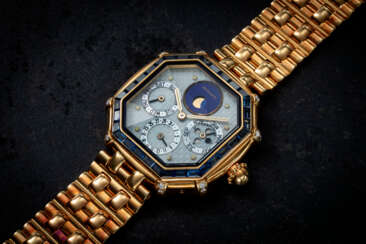










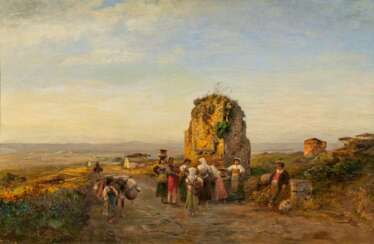

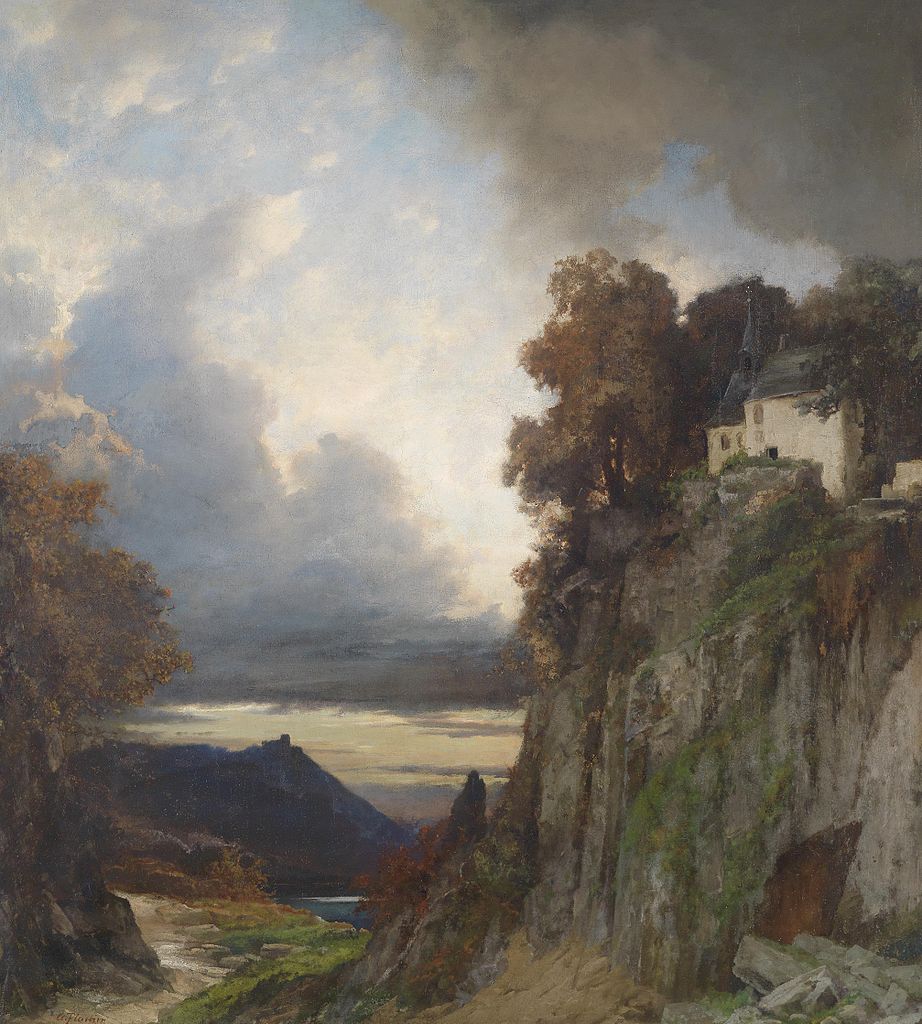
Albert Flamm was a German artist of the Düsseldorf school. He studied architecture at the Dusseldorf Academy of Art and in Antwerp. In 1841 he turned to painting and became a pupil of Andreas Achenbach. In 1848 Flamm became one of the founders of the Malkasten artists' association.
Albert Flamm painted mainly Italian landscapes, recognised for their truthfulness of nature, their vivid colours and their virtuosic treatments. He often chose an elevated viewing position to be able to create wide panoramic perspectives in warm, bright sunlight and with finely rendered detail.