1361


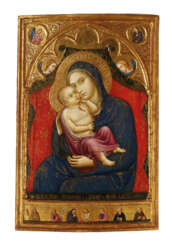

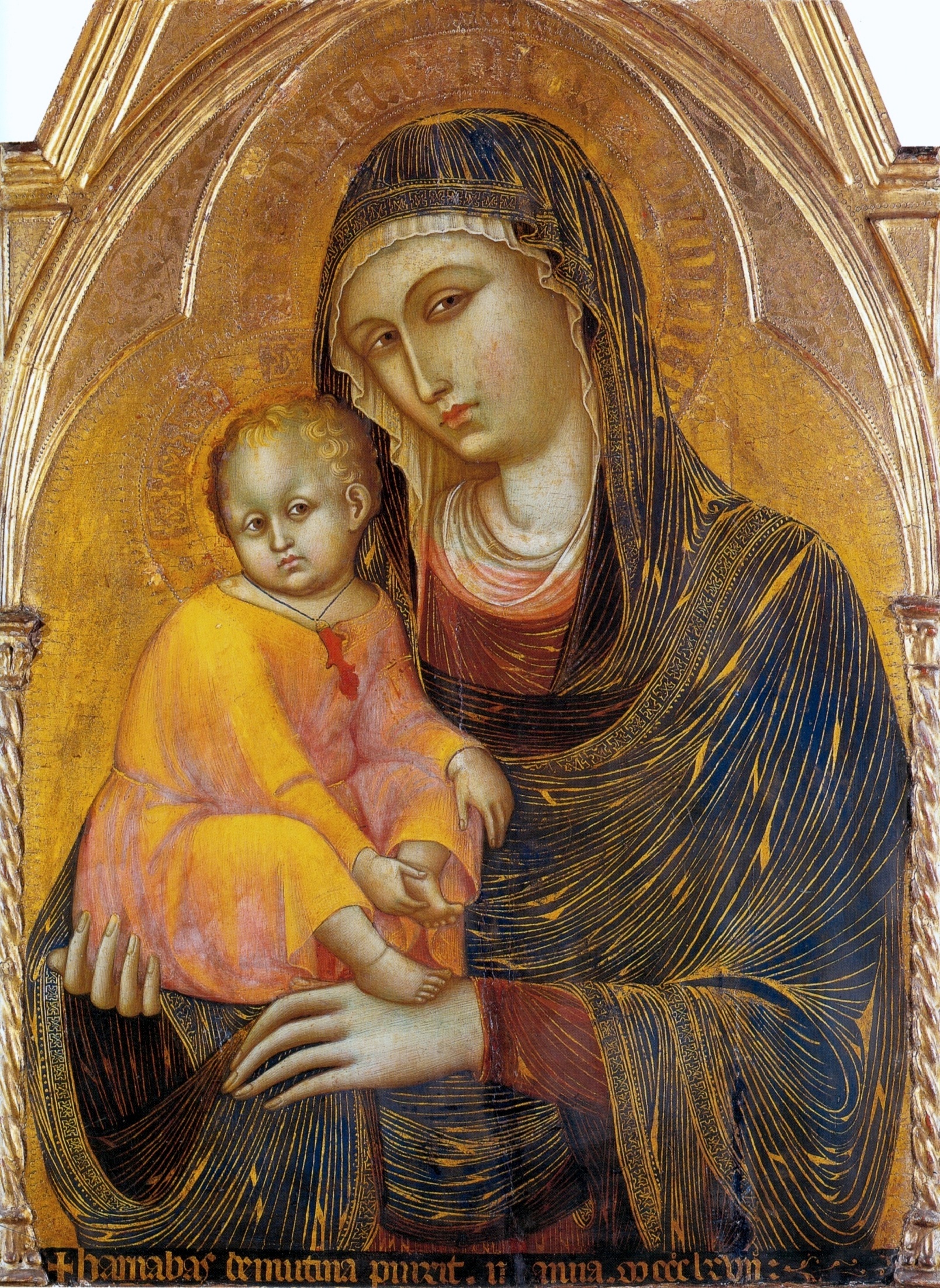
Barnaba da Modena, born Barnaba Agocchiari, was an influential Italian painter from Modena who played a pivotal role in the art scene of mid-14th-century Italy. His work is renowned for embodying the Byzantine art style, making him the first notable Lombard painter. Throughout his career, Barnaba was predominantly active in Lombardy, Piedmont, and even ventured into Pisa in Tuscany, showcasing his diverse geographical influence.
Barnaba's painting style was deeply rooted in Byzantine traditions, characterized by the use of gold highlights and golden backgrounds. He was adept at creating compositions that adhered to the older, more traditional styles of painting, which remained exceedingly popular in Genoa. This adherence to Byzantine painting techniques contributed significantly to his success in Genoa, as it resonated with the stylistic preferences of the time. His work often featured religious themes, executed with a depth of feeling and a refined technique that distinguished him from his contemporaries.
His extensive body of work includes about 50 known pieces, many of which are held in high regard for their technical and artistic quality. Notable works by Barnaba da Modena are preserved in prestigious institutions, including the National Gallery in London and The Courtauld, London. These works, such as "Virgin and Child" and "Pentecost," reflect his profound influence on the Genoese and possibly Pisan art scenes of the late 14th century. His follower, Nicolò da Voltri, continued Barnaba's stylistic legacy well into the 15th century, particularly in Liguria.
For collectors and experts in art and antiques, Barnaba da Modena's paintings offer a unique window into the transition between Medieval and Renaissance art, marked by his exceptional blending of Byzantine and Italian Gothic elements. His ability to convey religious narratives through meticulous detail and vibrant gold accents make his works a valuable addition to any collection.
To stay informed about new discoveries, sales, and auction events related to Barnaba da Modena's works, signing up for updates is advisable. This subscription will provide exclusive access to the latest information on this masterful painter, enriching your collection with significant pieces from the mid-14th century Italian art scene.



























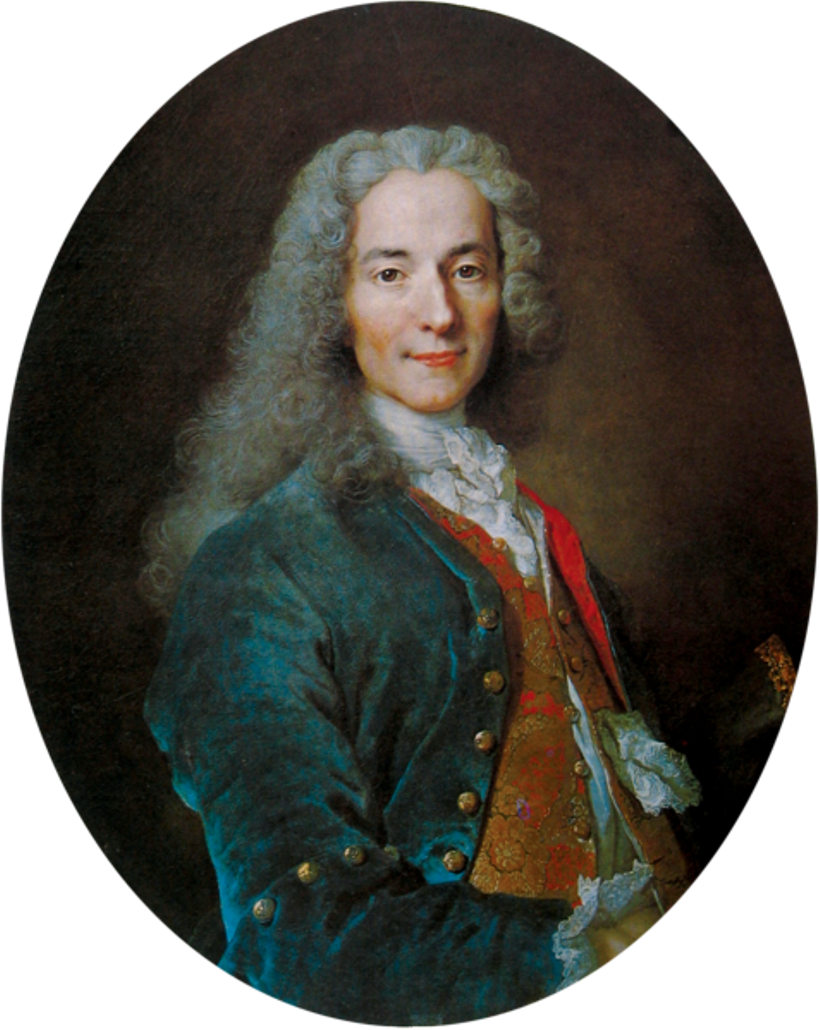
Voltaire, born François Marie Arouet, was a French philosopher-enlightener of the French Enlightenment, poet and writer, satirist, tragedian, historian and essayist.
Voltaire's long life fell on the last years of classicism and the eve of the revolutionary era, and in this transitional period his works and activities had a significant impact on the direction of European civilization. Through his critical freethinking and wit, Voltaire won the minds of many 18th century European rulers. To this day, he continues to enjoy worldwide fame as a courageous fighter against tyranny, bigotry, and cruelty.
Voltaire was an advocate of freedom of speech, freedom of religion and separation of church and state. He was a versatile and prolific writer in all literary forms, including plays, poems, novels, essays, histories, and scholarly expositions. In total, he wrote more than 20,000 letters and 2,000 books and pamphlets. Voltaire's most famous works are the tragic play Zaire, the historical study The Age of Louis XIV, and the satirical novella Candide.









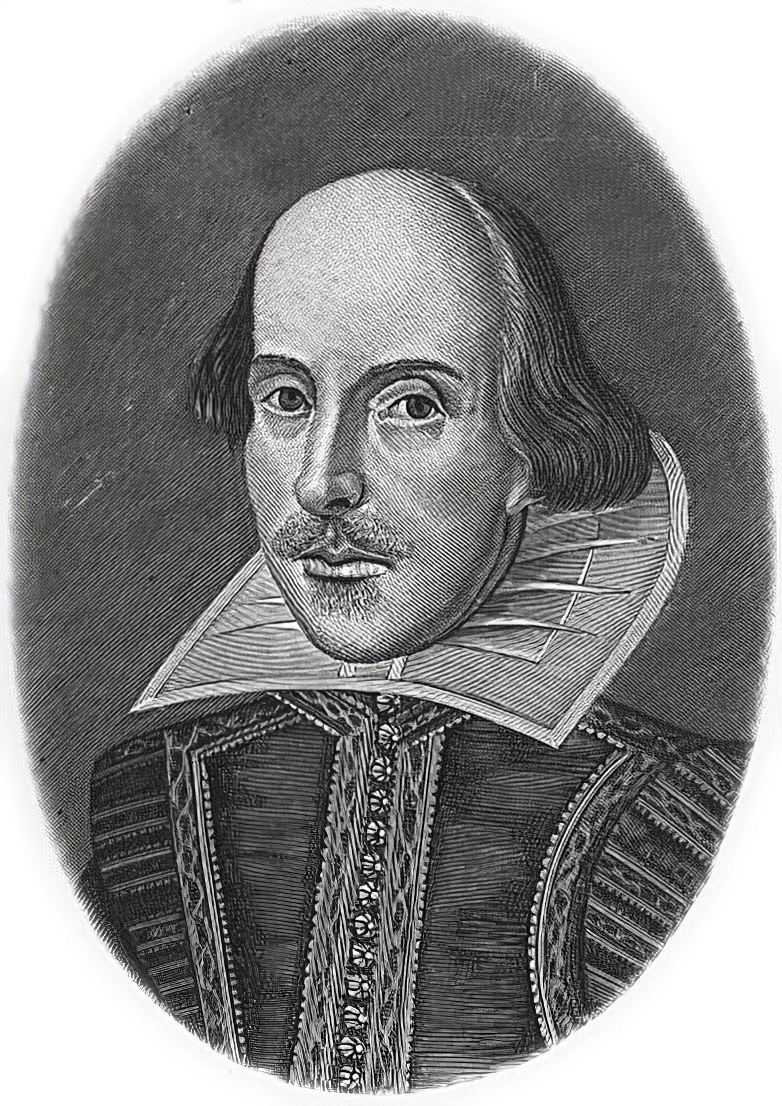
William Shakespeare was a British poet and playwright and writer.
William's father, John Shakespeare, was a merchant and official in Stratford. There are reports that he was a sailor for a time before joining a theater company in London. Beginning in the 1590s, Shakespeare began writing plays, and in 1593 he published a poem, Venus and Adonis, which became popular. He dedicated it to the Duke of Southampton, who was a philanthropist and patron of talent, and soon his business was booming.
From 1592 to 1600 Shakespeare wrote his dramas and romantic comedies "Richard III", "The Taming of the Shrew", "Romeo and Juliet", "A Midsummer Night's Dream" and "The Merchant of Venice", as well as the comedies "Much Ado About Nothing", "Twelfth Night" and the tragedy "Julius Caesar". The playwright's business was so successful that he even bought a large house in Stratford. In 1599, Shakespeare became one of the owners, playwright and actor of the new theater "Globe". In 1603 King James took Shakespeare's troupe under his direct patronage. In the mature period, the great playwright turned to tragedies, there were "Hamlet", "Othello", "King Lear", "Macbeth" and others.
Although in the 19th century researchers had some doubts about the authorship of many of these works, William Shakespeare is considered the greatest English playwright, one of the best playwrights in the world. His plays have been translated into all major languages and to this day form the basis of the world theatrical repertoire, most of them have been screened many times. According to the Guinness Book of Records, Shakespeare remains the world's best-selling playwright, and his plays and poems have sold more than 4 billion copies in the nearly 400 years since his death.


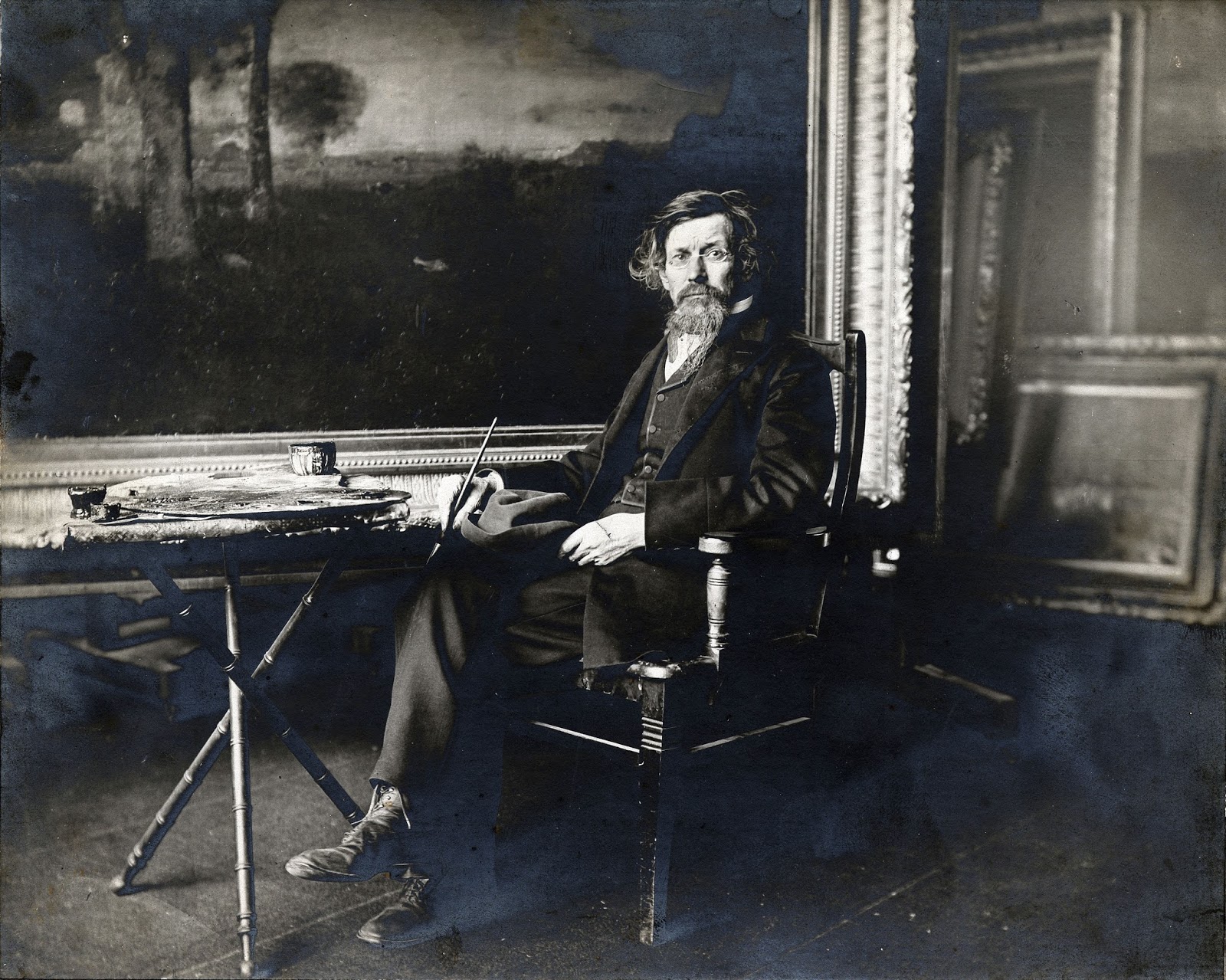
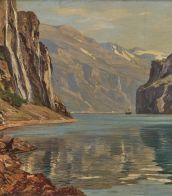
George Inness was a prominent American landscape painter.
Now recognized as one of the most influential American artists of the nineteenth century, Inness was influenced by the Hudson River School at the start of his career. He also studied the Old Masters, and artists of the Barbizon school during later trips to Europe. There he was introduced to the theology of Emanuel Swedenborg, which was significant for him; he expressed that spiritualism in the works of his maturity (1879-1894).

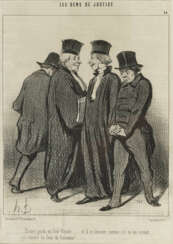

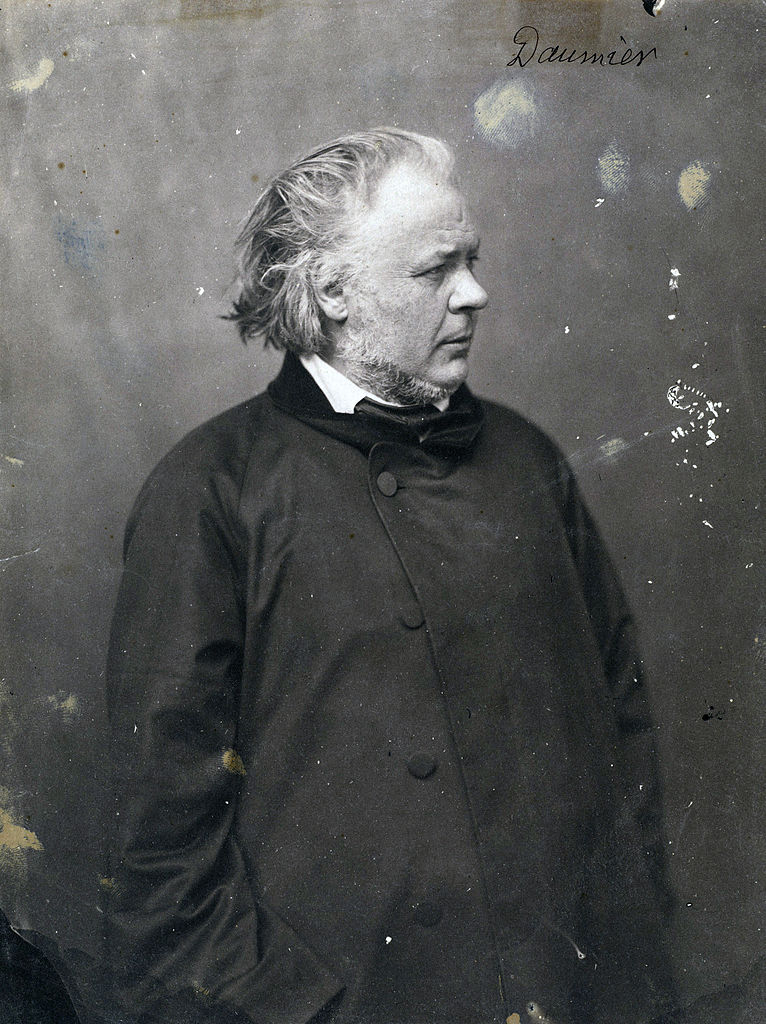
Honoré Daumier, a French artist, is renowned for his profound impact on 19th-century art through his work as a caricaturist, painter, and sculptor. His art, which satirized French politics and society, is celebrated for its insightful commentary on the human condition and the social landscape of his time. While Daumier is perhaps best known for his incisive and humorous lithographs that critiqued the French bourgeoisie and political figures, his contributions to painting and sculpture are equally significant, demonstrating a keen observation of everyday life and a masterful use of expression.
Honoré Daumier's early involvement with lithography, a relatively new printmaking technique at the time, allowed him to produce works that were both accessible and impactful, resonating with a wide audience. His imprisonment in 1832 for his caricature of King Louis Philippe as Gargantua highlights the daring nature of his work and the personal risks he took to express his political views. Despite the challenges he faced, including eventual blindness, Daumier continued to create art that spoke to the societal issues of his day, transitioning to painting and sculpture while maintaining the critical edge that defined his earlier works.
His later years were spent in Valmondois, where he focused more on painting, capturing scenes of daily life with a technique that distanced itself from the caricatural style he was famous for but retained his keen observational skills. Despite his struggles with poverty and illness, Honoré Daumier's legacy endures, with his works housed in prestigious institutions like the British Museum and being recognized for their contribution to the development of modern art, particularly in their influence on Impressionist techniques.
For collectors and enthusiasts of art and antiques, Honoré Daumier's work offers a unique window into 19th-century French society, marked by a blend of humor, social critique, and poignant observation. His diverse body of work, from lithographs to paintings, continues to inspire and provoke thought, making him a pivotal figure in the history of art.
To stay informed about the latest exhibitions, sales, and events related to Honoré Daumier's work, signing up for updates is a valuable way to ensure you don't miss out on the opportunity to engage with the rich legacy of this influential artist.