142
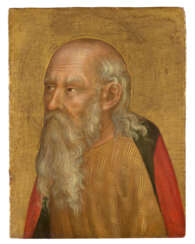

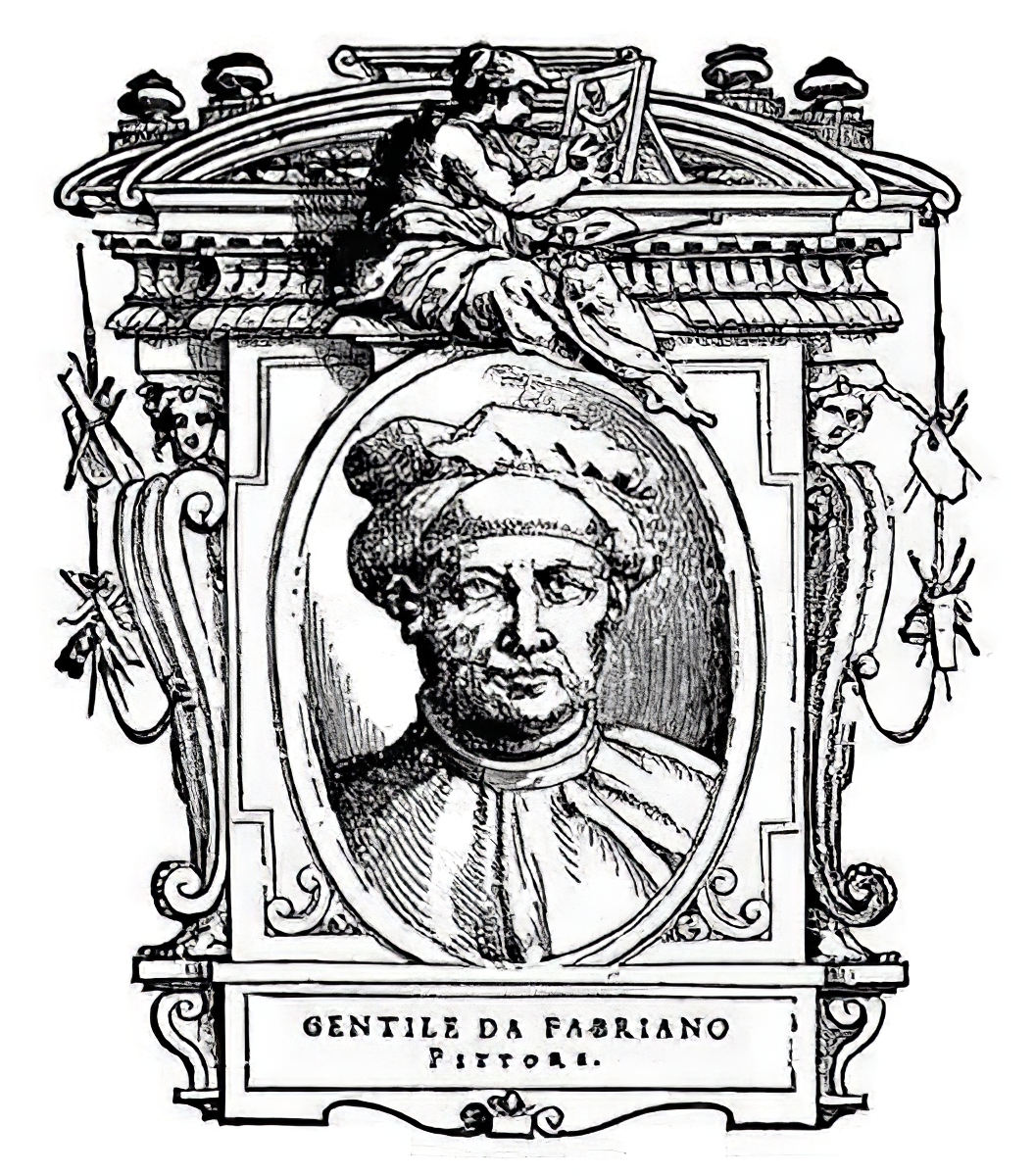
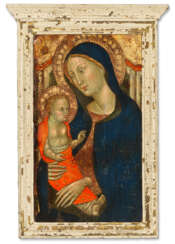
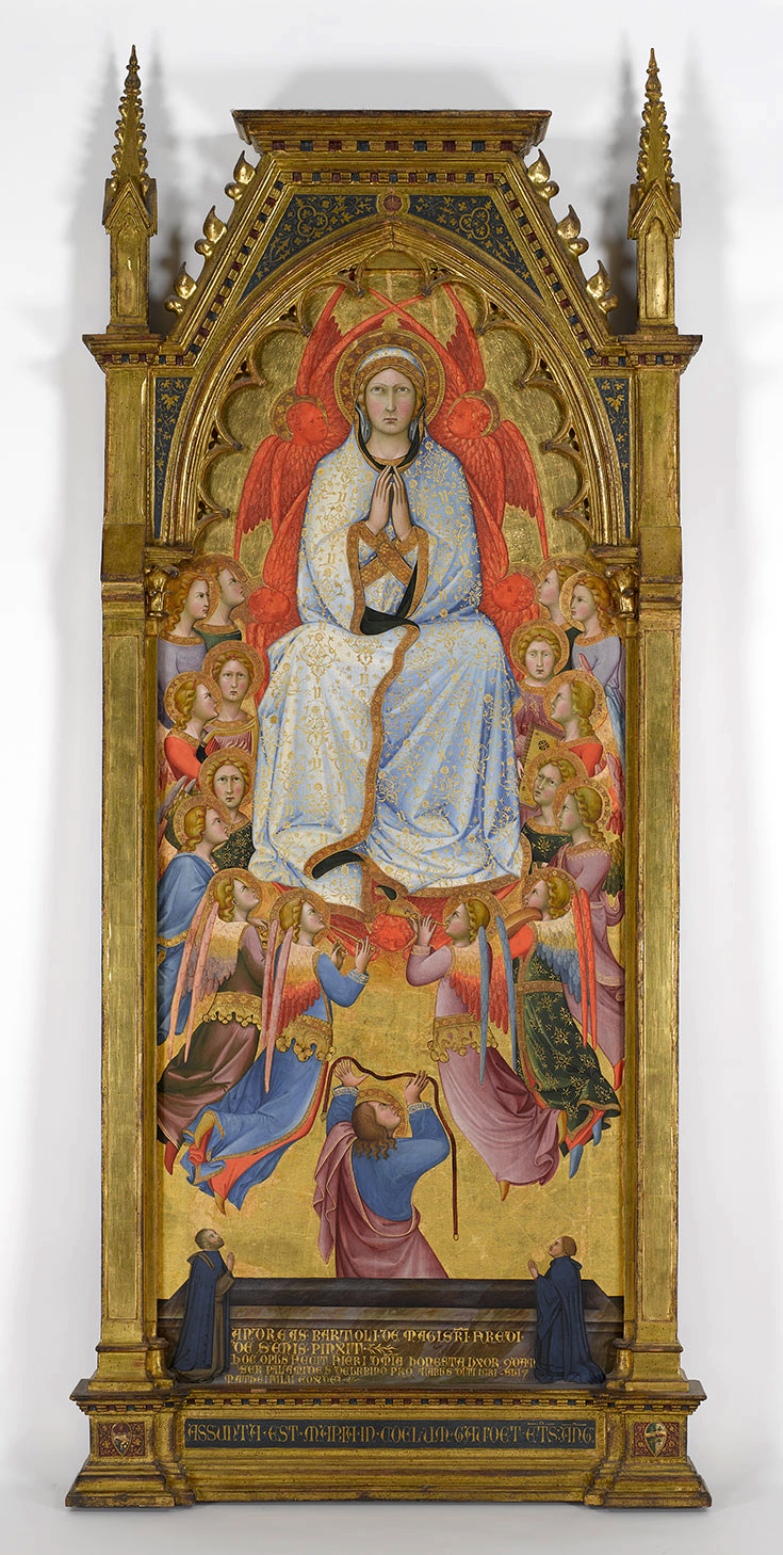
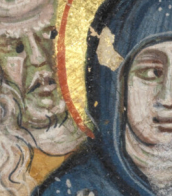
Gentile da Fabriano was an Italian painter known for his participation in the International Gothic painter style. He worked in various places in central Italy, mostly in Tuscany. His best-known works are his Adoration of the Magi from the Strozzi Altarpiece (1423), and the Flight into Egypt. Following a visit to Florence in the 1419, he came in contact with humanism, which influenced his work throughout the rest of his career. He became highly influential for other painters in Florence, especially because of his use of detail based on the observations he made of the natural world.






.jpg)
Jean Charlier de Gerson was a French academic, theologian, preacher and politician of the 14th and 15th centuries.
Jean Charlier de Gerson was Chancellor of the University of Paris from 1395 until 1415, and as such played a major role in the political troubles between the Duke of Orleans and the Duke of Burgundy, subsequently known as the Armagnacs and Burgundians, as well as in the crisis arising from the Great Western Schism.


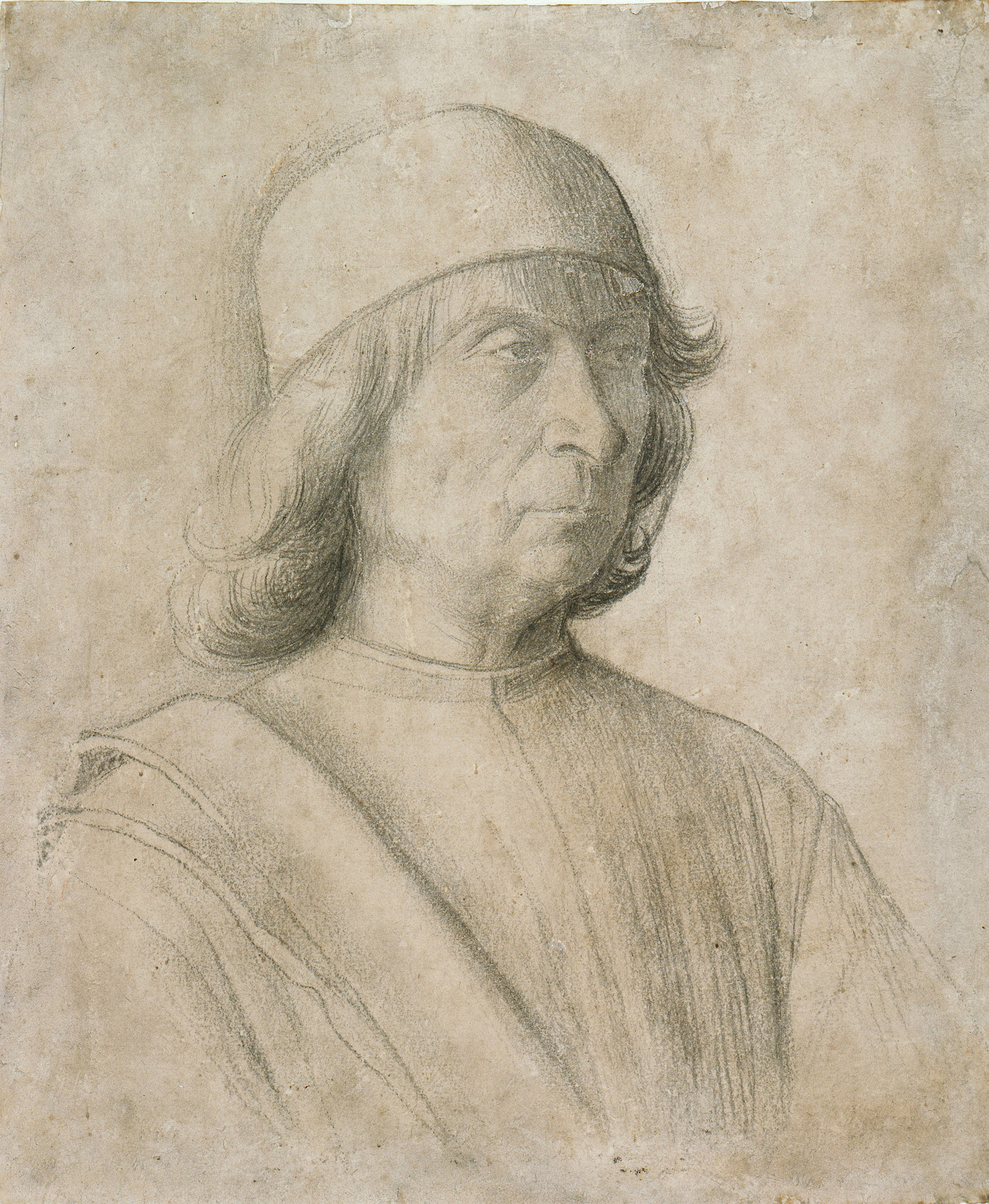
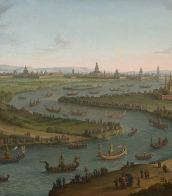
Gentile Bellini was a seminal Venetian painter, born circa 1429 into Venice’s preeminent family of artists. Known primarily for his portraiture and scenes depicting the Middle East, Bellini's style was marked by precise execution and keen attention to detail. His paintings, especially those from his time in Constantinople, showcased an enchanting blend of Western and Eastern artistic elements, contributing significantly to the Orientalist movement in Western art.
His works are renowned for their incorporation of architectural elements from the regions he visited, which played a pivotal role in educating Europeans about cultures beyond their borders. Bellini served as a cultural ambassador to the Ottoman Court, painting the portrait of Sultan Mehmed II, a work that remains notable for its vivid portrayal and historical significance.
Despite the destruction of many of his paintings, some of Bellini's masterpieces continue to be celebrated, such as "The Miracle of the True Cross at the Bridge of San Lorenzo" and "The Procession in Piazza San Marco," which reflect the grandeur and spirit of Venice during the Renaissance.
Bellini's legacy extends beyond his canvases, influencing the craft and direction of future artists, including his student Titian. While contemporary critics often regard his brother, Giovanni Bellini, as the more accomplished artist, Gentile's contributions to the Venetian school and his role in bridging Western and Eastern art remain undisputed.
For collectors and art experts, Gentile Bellini's work represents a confluence of cultural narratives and artistic excellence. To stay informed about exhibitions and sales featuring Gentile Bellini's work, signing up for updates can provide an exclusive edge in the art and antiques sphere.
If you're interested in exploring Gentile Bellini's works further or considering acquisitions for your collection, don't hesitate to sign up for updates on new product sales and auction events related to this pivotal artist. This service promises a business-like and direct approach to keeping you informed without unnecessary flourish.








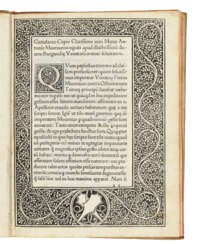

Coriolanus Cepio, or Coriolanus Cepico (Latin: Coriolanus Ceppico, Coriolanus Cepio) was a Venetian humanist nobleman of Croatian origin, historian, and military officer.
In Venice and Padua he studied humanities, navigation and military strategy, then worked as an official in his native Trogir. During the war of the Republic of Venice with Turkey, which lasted four years (1470-1474), Cepio participated in this expedition as commander of the Trogir galley. In Petri Mocenici imperatoris gestorium libri III (Venice, 1477) he described the military expedition and his experiences therein. Cepio describes in detail the military operations in the Levant, near the Ionian Islands, in the Peloponnesus and the Balkans, and in Asia Minor. He is especially interested in the conquest of Izmir, the attempts to set fire to the Gallipoli arsenal and the siege of Shkoder, the capture of Smyrna, the Venetian protectorate of Cyprus, and Scutari.
He covers the Venetian victories at Mochenigo very carefully. As a humanist, Cepio noticed everything that pertained to antiquity and ancient monuments. This book is one of the oldest printed works by Croatian authors.
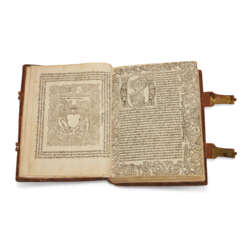

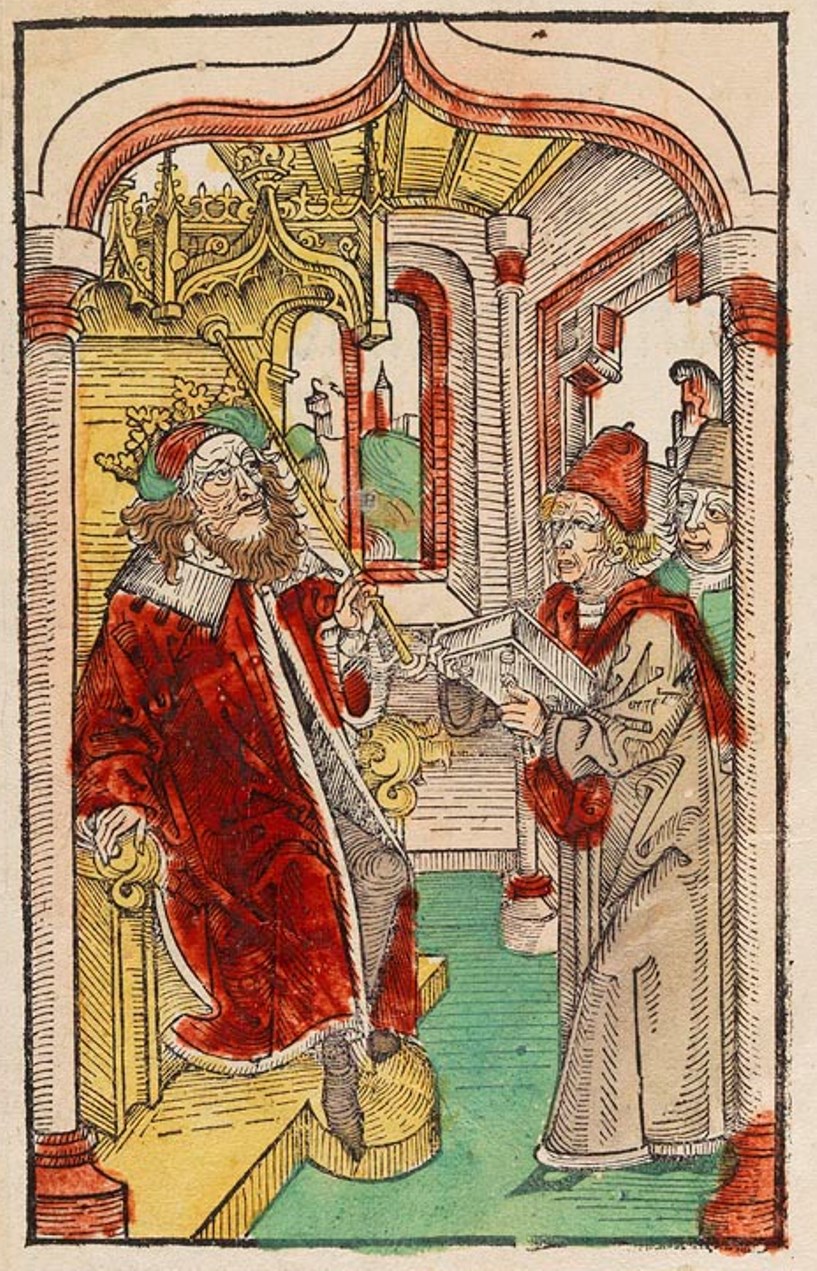
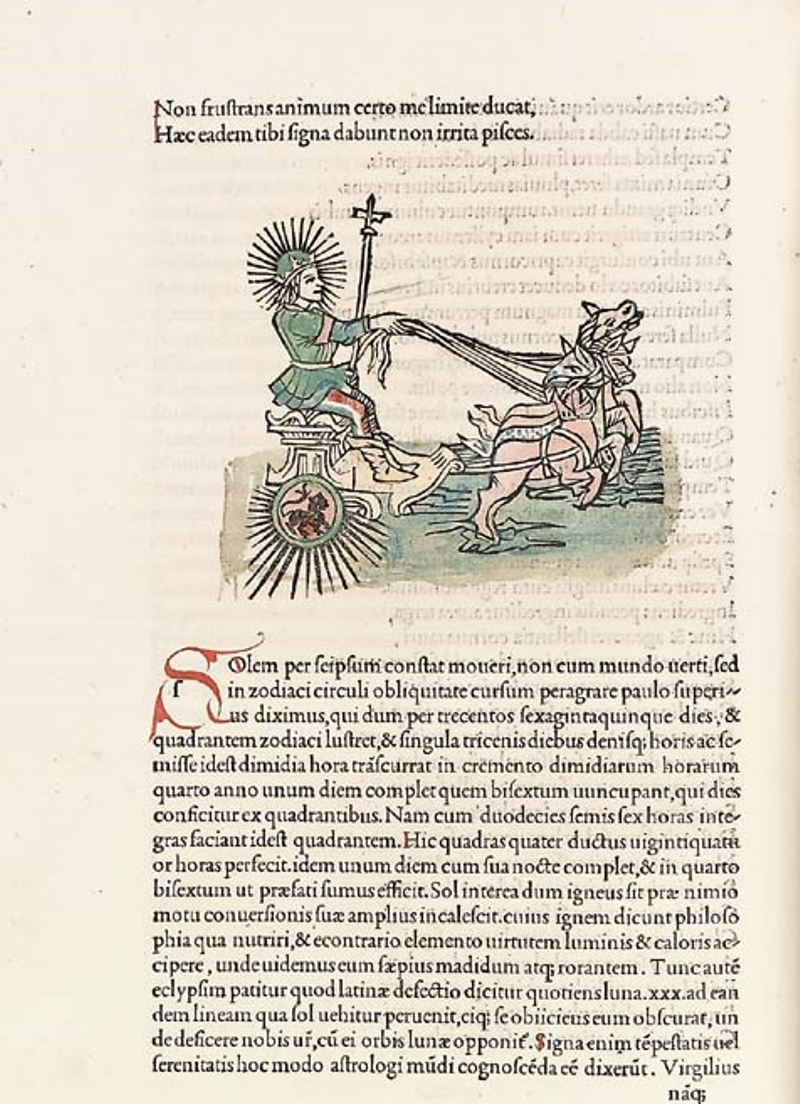
Werner Rolewinck (Latin: Wernerus Rolewinkius) was a German chronicler, historian, and theologian.
Werner Rolewinck was a Cartesian monk. His best known and most important work is Fasciculus temporum, a history from the creation of the world to Pope Sixtus IV. Already during his lifetime this work was republished many times in Latin, French, Dutch, and German. Drawing on major Christian historiographical sources such as Orosius and Eusebius, Fasciculus presents the history of the world in the form of a genealogy, a traditional historiographical structure dating back to late antiquity.
Another famous work by Rolewink is a description of the manners and customs of his homeland entitled De laude veteris Saxsoniæ nunc Westphaliæ dictæ.
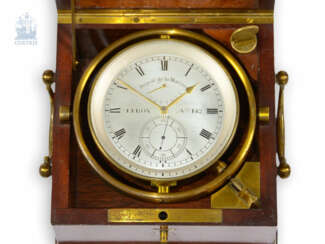



















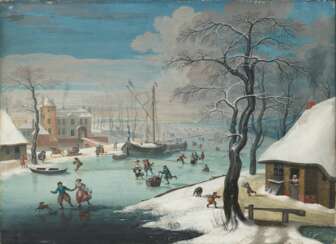

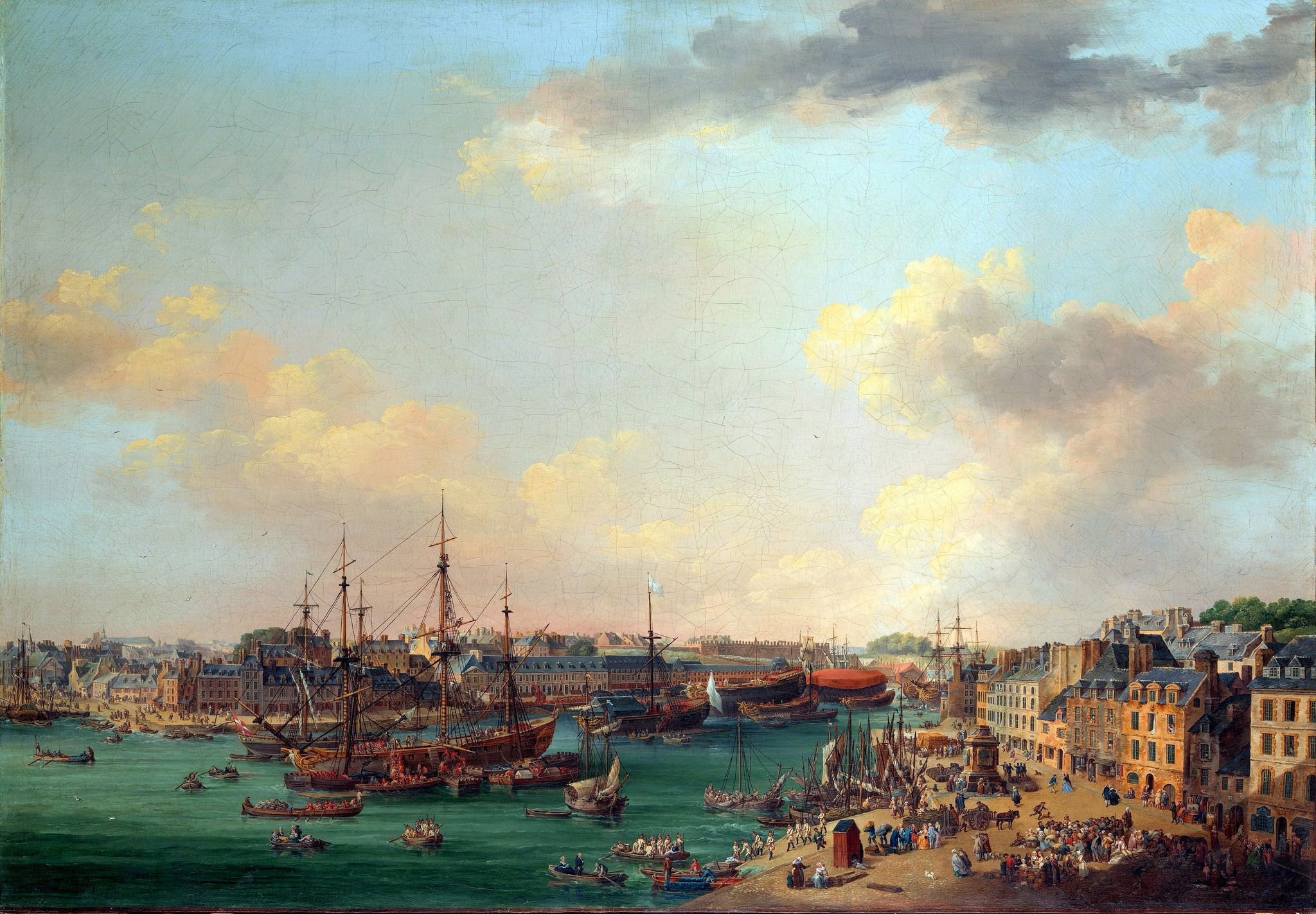
Henri-Joseph van Blarenberghe was a French painter.
During the reign of Louis XVI of France Henri-Joseph became a specialist of battle scenes, due to the fact that he was a military painter in the retinue of the French army, as was his father.
He also devoted himself to painting miniatures, to decorate boxes for smoking tobacco, made of wood or precious metals: gilded silver, gold, even gold and platinum. Excellent at capturing the details of clothing and decorations, he finished his little boxes with particular accuracy and grace.
During the period of the French Revolution Henri-Joseph Van Blarenberghe devoted himself to painting historical scenes. He made gouaches with court scenes, with pleasant animated landscapes. His paintings are a testimony to the life of the time in France.