

1540


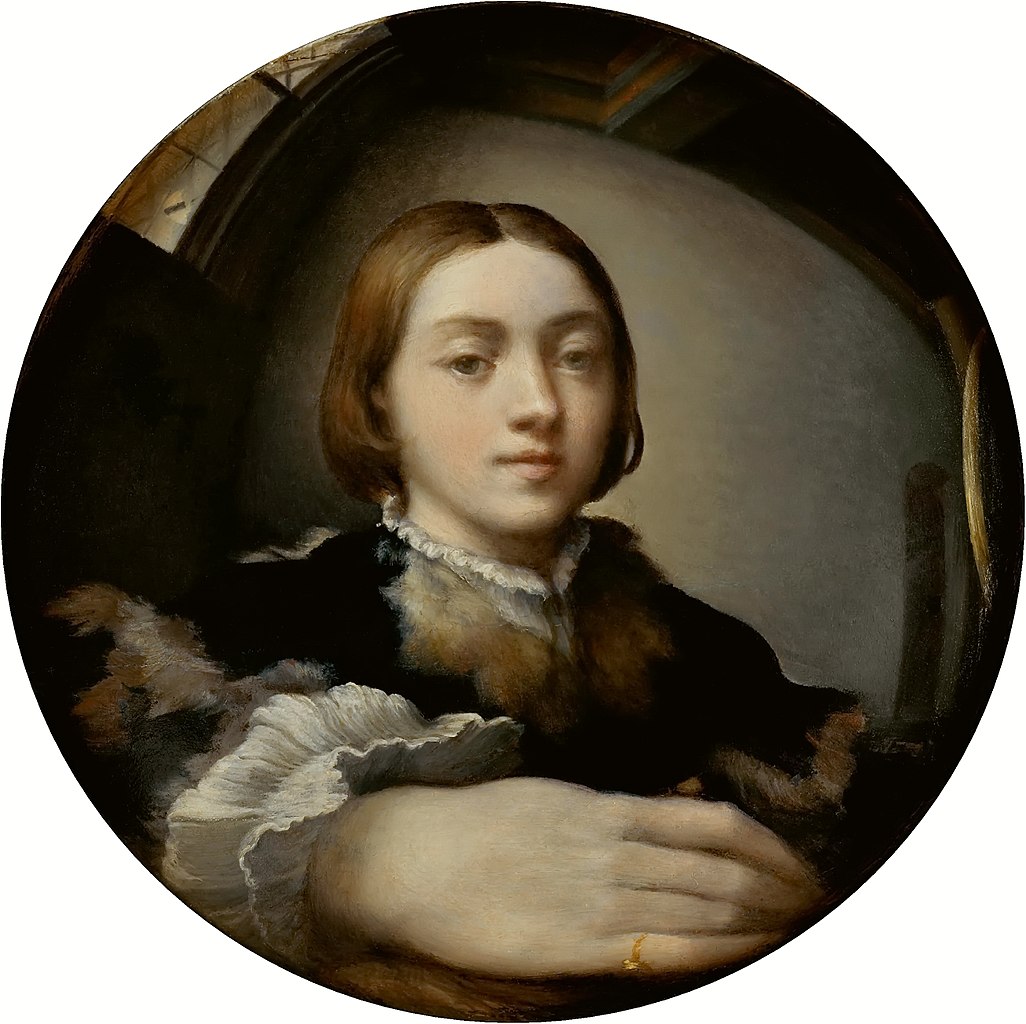
Parmigianino, an Italian Mannerist painter born Girolamo Francesco Maria Mazzola, was a pivotal figure in the development of the Mannerist style, known for his sophisticated and elegant approach to painting. He was a leading figure in Parma's art scene following Correggio and had a significant influence on the artistic developments during the post-High Renaissance period through his expressive and stylish works.
Parmigianino's journey as an artist took him from Parma to Rome and then to Bologna, with his last years spent in Parma. His works, including the renowned "Madonna with the Long Neck," display a unique blend of grace and elegance, coupled with an idiosyncratic use of elongation and distortion, typical of Mannerist aesthetics. This painting, in particular, is noted for its unusual composition and the elongation of figures, embodying the Mannerist style's departure from the proportional norms established during the Renaissance.
He was also an early Italian etcher, utilizing this technique to express the spontaneity of an artist's hand. His etchings and drawings had a considerable influence on printmaking and the visual arts in Italy and Europe. In addition to his paintings, Parmigianino's contributions to the arts include his work in the church of the Steccata in Parma and his innovative approach to integrating painting with architectural elements.
For art collectors and experts, Parmigianino's work represents a critical link between the High Renaissance and the emergence of Baroque and Rococo styles, offering a unique insight into the evolution of European art. His works continue to be celebrated for their originality and mastery, making him a subject of enduring interest in the study of art history.
For those interested in exploring Parmigianino's contributions to art further, subscribing to updates from art institutions or platforms specializing in Renaissance and Mannerist art could provide valuable insights into his life, works, and ongoing exhibitions or sales of his artworks.

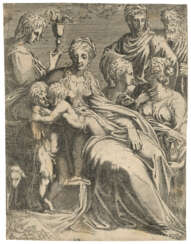

Parmigianino, an Italian Mannerist painter born Girolamo Francesco Maria Mazzola, was a pivotal figure in the development of the Mannerist style, known for his sophisticated and elegant approach to painting. He was a leading figure in Parma's art scene following Correggio and had a significant influence on the artistic developments during the post-High Renaissance period through his expressive and stylish works.
Parmigianino's journey as an artist took him from Parma to Rome and then to Bologna, with his last years spent in Parma. His works, including the renowned "Madonna with the Long Neck," display a unique blend of grace and elegance, coupled with an idiosyncratic use of elongation and distortion, typical of Mannerist aesthetics. This painting, in particular, is noted for its unusual composition and the elongation of figures, embodying the Mannerist style's departure from the proportional norms established during the Renaissance.
He was also an early Italian etcher, utilizing this technique to express the spontaneity of an artist's hand. His etchings and drawings had a considerable influence on printmaking and the visual arts in Italy and Europe. In addition to his paintings, Parmigianino's contributions to the arts include his work in the church of the Steccata in Parma and his innovative approach to integrating painting with architectural elements.
For art collectors and experts, Parmigianino's work represents a critical link between the High Renaissance and the emergence of Baroque and Rococo styles, offering a unique insight into the evolution of European art. His works continue to be celebrated for their originality and mastery, making him a subject of enduring interest in the study of art history.
For those interested in exploring Parmigianino's contributions to art further, subscribing to updates from art institutions or platforms specializing in Renaissance and Mannerist art could provide valuable insights into his life, works, and ongoing exhibitions or sales of his artworks.


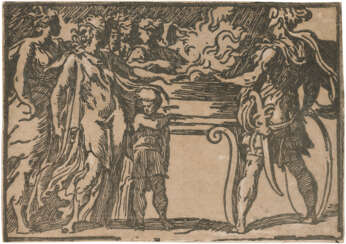

Parmigianino, an Italian Mannerist painter born Girolamo Francesco Maria Mazzola, was a pivotal figure in the development of the Mannerist style, known for his sophisticated and elegant approach to painting. He was a leading figure in Parma's art scene following Correggio and had a significant influence on the artistic developments during the post-High Renaissance period through his expressive and stylish works.
Parmigianino's journey as an artist took him from Parma to Rome and then to Bologna, with his last years spent in Parma. His works, including the renowned "Madonna with the Long Neck," display a unique blend of grace and elegance, coupled with an idiosyncratic use of elongation and distortion, typical of Mannerist aesthetics. This painting, in particular, is noted for its unusual composition and the elongation of figures, embodying the Mannerist style's departure from the proportional norms established during the Renaissance.
He was also an early Italian etcher, utilizing this technique to express the spontaneity of an artist's hand. His etchings and drawings had a considerable influence on printmaking and the visual arts in Italy and Europe. In addition to his paintings, Parmigianino's contributions to the arts include his work in the church of the Steccata in Parma and his innovative approach to integrating painting with architectural elements.
For art collectors and experts, Parmigianino's work represents a critical link between the High Renaissance and the emergence of Baroque and Rococo styles, offering a unique insight into the evolution of European art. His works continue to be celebrated for their originality and mastery, making him a subject of enduring interest in the study of art history.
For those interested in exploring Parmigianino's contributions to art further, subscribing to updates from art institutions or platforms specializing in Renaissance and Mannerist art could provide valuable insights into his life, works, and ongoing exhibitions or sales of his artworks.

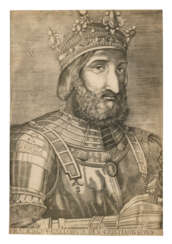









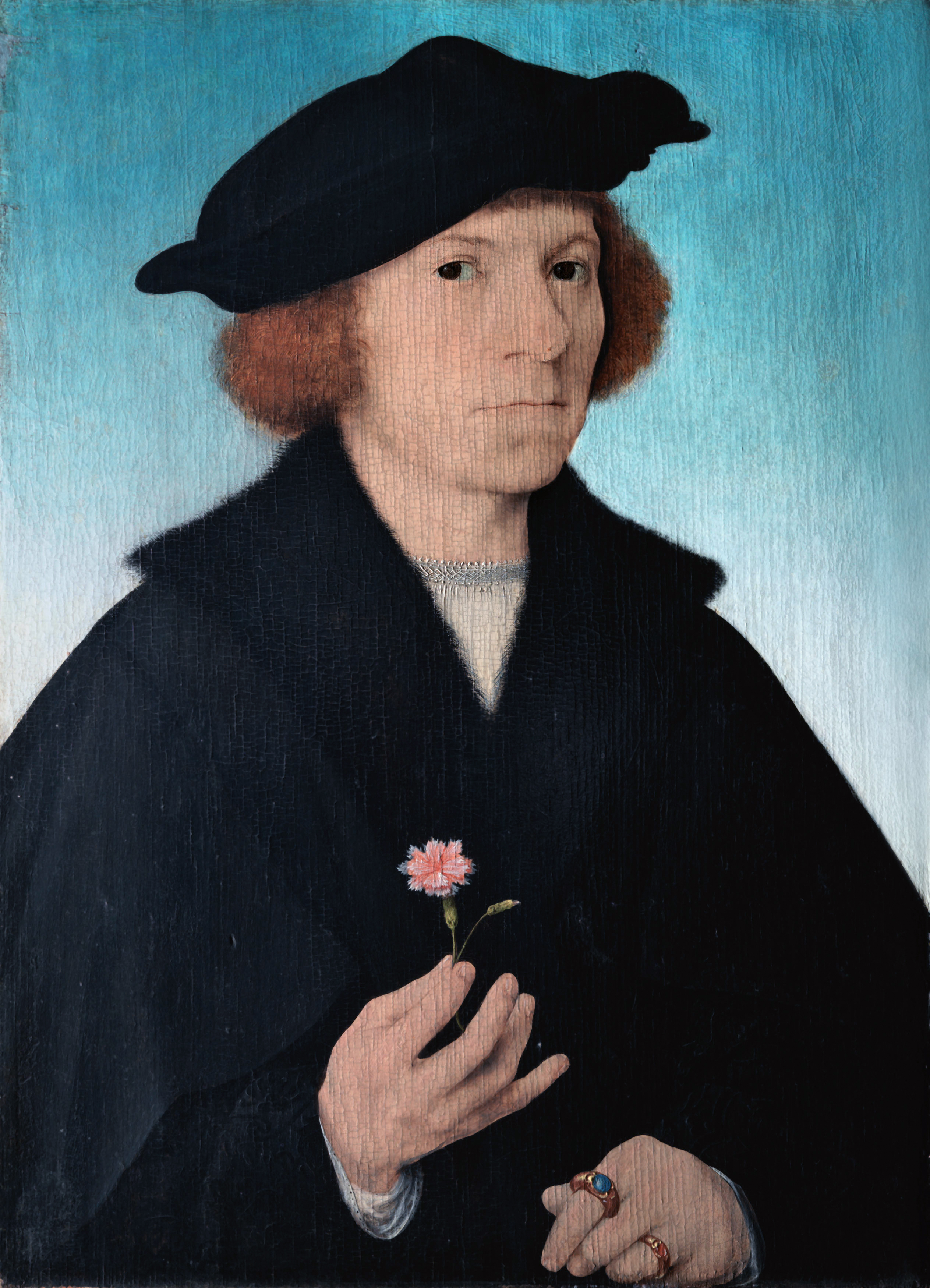
Joos van Cleve, also known by his real name Joos van der Beke, was a prominent Netherlandish painter, active mainly in Antwerp from about 1511 until his death in 1540 or 1541. His work predominantly centered around religious subjects and portraits, including notable commissions for the French King Francis I during his time at the French court. His artistic oeuvre reflects a blend of traditional Netherlandish painting techniques with contemporary Renaissance styles, showcasing his direct knowledge of local art combined with an awareness of Italian developments.
Van Cleve's work was characterized by its elaborate detail, particularly in his altarpieces which often incorporated portraits and landscapes, demonstrating his refined painting style. His success in Antwerp was significant, and he was also recognized at the French court, indicating his high regard as a portrait artist. Notably, Van Cleve had the opportunity to paint members of the royal court, including King Francis I and Queen Eleanor of Austria, underscoring his skills in portraiture.
His paintings are recognized for their sensitivity to color and a unique solidity of figures, with some works showcasing the popular style of Antwerp Mannerism. Van Cleve was an innovator in introducing broad world landscapes in the backgrounds of his paintings, a technique that became popular in sixteenth-century northern Renaissance paintings. Despite his contributions to the Renaissance art movement, Van Cleve also produced works that were highly eclectic, drawing on the styles of earlier Netherlandish masters as well as Italian influences, particularly in his use of sfumato, evident in his Virgin and Child compositions.
For art collectors and experts, Joos van Cleve's legacy offers a rich exploration into the transition from medieval to Renaissance art in Northern Europe. His body of work, found in prestigious collections such as the National Gallery in Prague, the Louvre, and the Royal Museums of Fine Arts of Belgium, remains a testament to his versatility and skill as a painter of both religious narratives and royal portraits.
To delve deeper into the fascinating world of Joos van Cleve and to stay informed about exhibitions or sales featuring his work, consider signing up for updates from art institutions and auction houses. This subscription will ensure you remain at the forefront of developments and opportunities related to this influential artist's oeuvre, enhancing your collection and understanding of Renaissance art.
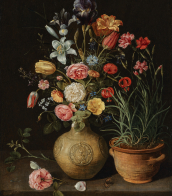
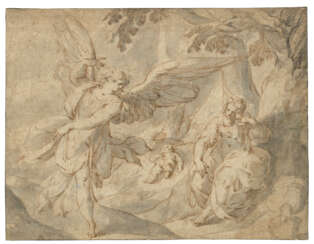

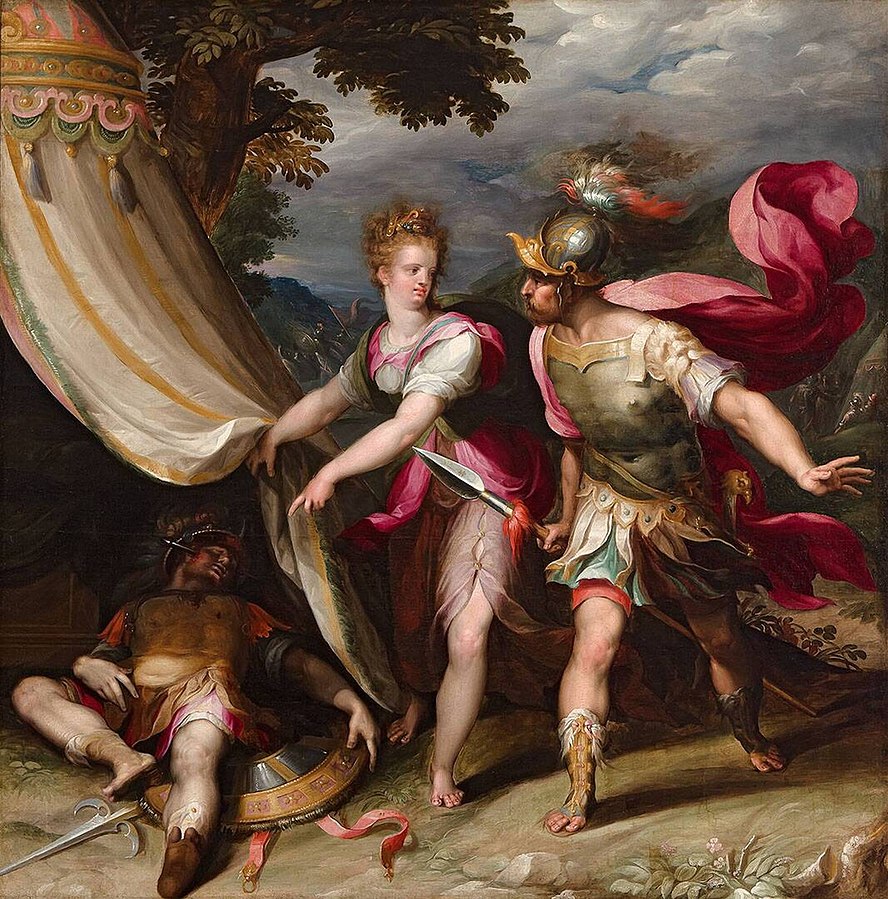
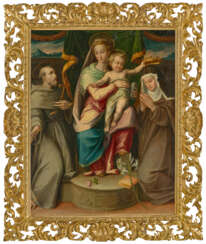

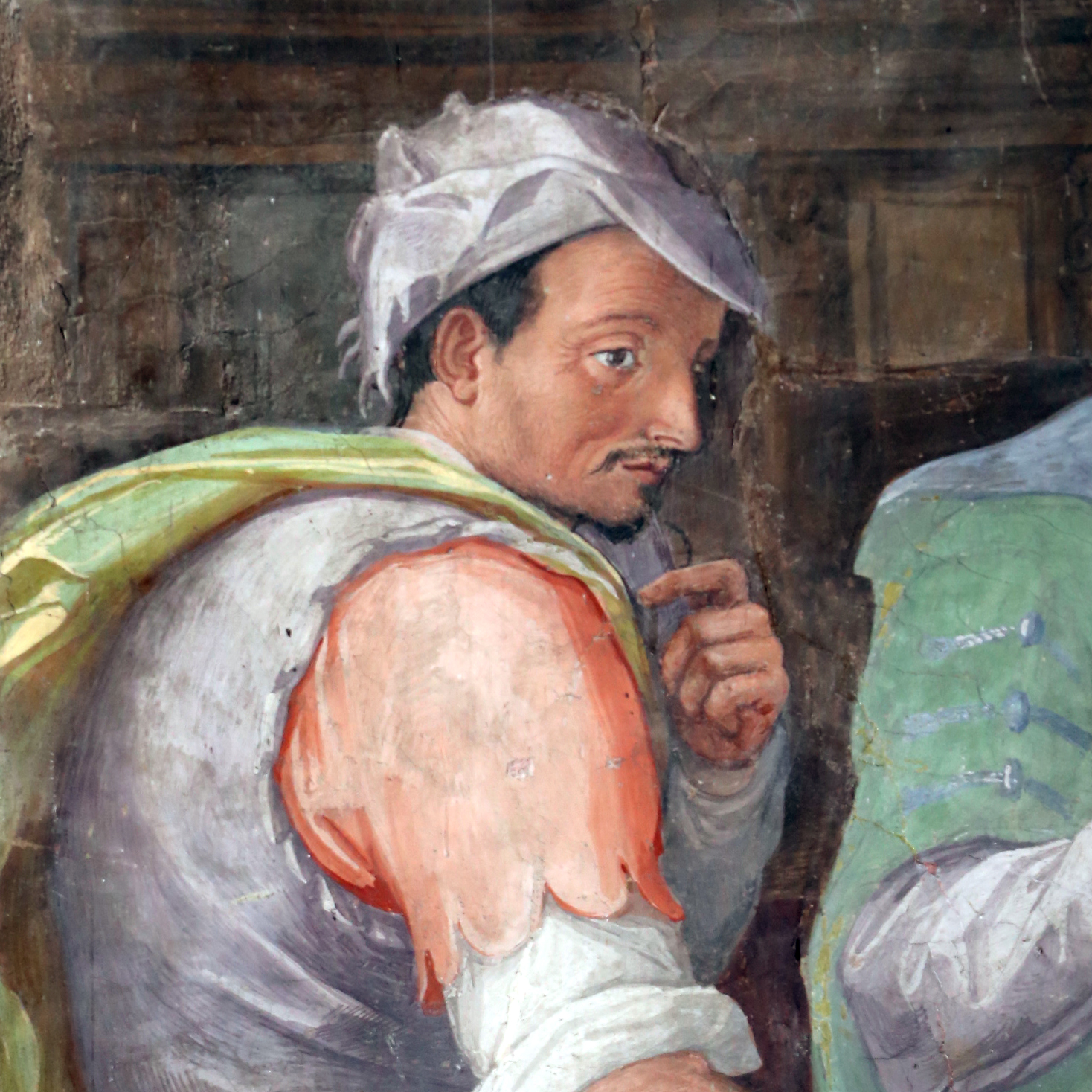
Giovanni Maria Butterri was an Italian painter of the Mannerist period, active in his native Florence.
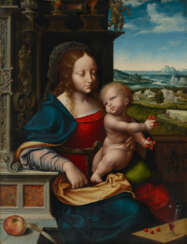

Joos van Cleve, also known by his real name Joos van der Beke, was a prominent Netherlandish painter, active mainly in Antwerp from about 1511 until his death in 1540 or 1541. His work predominantly centered around religious subjects and portraits, including notable commissions for the French King Francis I during his time at the French court. His artistic oeuvre reflects a blend of traditional Netherlandish painting techniques with contemporary Renaissance styles, showcasing his direct knowledge of local art combined with an awareness of Italian developments.
Van Cleve's work was characterized by its elaborate detail, particularly in his altarpieces which often incorporated portraits and landscapes, demonstrating his refined painting style. His success in Antwerp was significant, and he was also recognized at the French court, indicating his high regard as a portrait artist. Notably, Van Cleve had the opportunity to paint members of the royal court, including King Francis I and Queen Eleanor of Austria, underscoring his skills in portraiture.
His paintings are recognized for their sensitivity to color and a unique solidity of figures, with some works showcasing the popular style of Antwerp Mannerism. Van Cleve was an innovator in introducing broad world landscapes in the backgrounds of his paintings, a technique that became popular in sixteenth-century northern Renaissance paintings. Despite his contributions to the Renaissance art movement, Van Cleve also produced works that were highly eclectic, drawing on the styles of earlier Netherlandish masters as well as Italian influences, particularly in his use of sfumato, evident in his Virgin and Child compositions.
For art collectors and experts, Joos van Cleve's legacy offers a rich exploration into the transition from medieval to Renaissance art in Northern Europe. His body of work, found in prestigious collections such as the National Gallery in Prague, the Louvre, and the Royal Museums of Fine Arts of Belgium, remains a testament to his versatility and skill as a painter of both religious narratives and royal portraits.
To delve deeper into the fascinating world of Joos van Cleve and to stay informed about exhibitions or sales featuring his work, consider signing up for updates from art institutions and auction houses. This subscription will ensure you remain at the forefront of developments and opportunities related to this influential artist's oeuvre, enhancing your collection and understanding of Renaissance art.
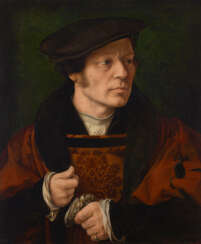

Joos van Cleve, also known by his real name Joos van der Beke, was a prominent Netherlandish painter, active mainly in Antwerp from about 1511 until his death in 1540 or 1541. His work predominantly centered around religious subjects and portraits, including notable commissions for the French King Francis I during his time at the French court. His artistic oeuvre reflects a blend of traditional Netherlandish painting techniques with contemporary Renaissance styles, showcasing his direct knowledge of local art combined with an awareness of Italian developments.
Van Cleve's work was characterized by its elaborate detail, particularly in his altarpieces which often incorporated portraits and landscapes, demonstrating his refined painting style. His success in Antwerp was significant, and he was also recognized at the French court, indicating his high regard as a portrait artist. Notably, Van Cleve had the opportunity to paint members of the royal court, including King Francis I and Queen Eleanor of Austria, underscoring his skills in portraiture.
His paintings are recognized for their sensitivity to color and a unique solidity of figures, with some works showcasing the popular style of Antwerp Mannerism. Van Cleve was an innovator in introducing broad world landscapes in the backgrounds of his paintings, a technique that became popular in sixteenth-century northern Renaissance paintings. Despite his contributions to the Renaissance art movement, Van Cleve also produced works that were highly eclectic, drawing on the styles of earlier Netherlandish masters as well as Italian influences, particularly in his use of sfumato, evident in his Virgin and Child compositions.
For art collectors and experts, Joos van Cleve's legacy offers a rich exploration into the transition from medieval to Renaissance art in Northern Europe. His body of work, found in prestigious collections such as the National Gallery in Prague, the Louvre, and the Royal Museums of Fine Arts of Belgium, remains a testament to his versatility and skill as a painter of both religious narratives and royal portraits.
To delve deeper into the fascinating world of Joos van Cleve and to stay informed about exhibitions or sales featuring his work, consider signing up for updates from art institutions and auction houses. This subscription will ensure you remain at the forefront of developments and opportunities related to this influential artist's oeuvre, enhancing your collection and understanding of Renaissance art.


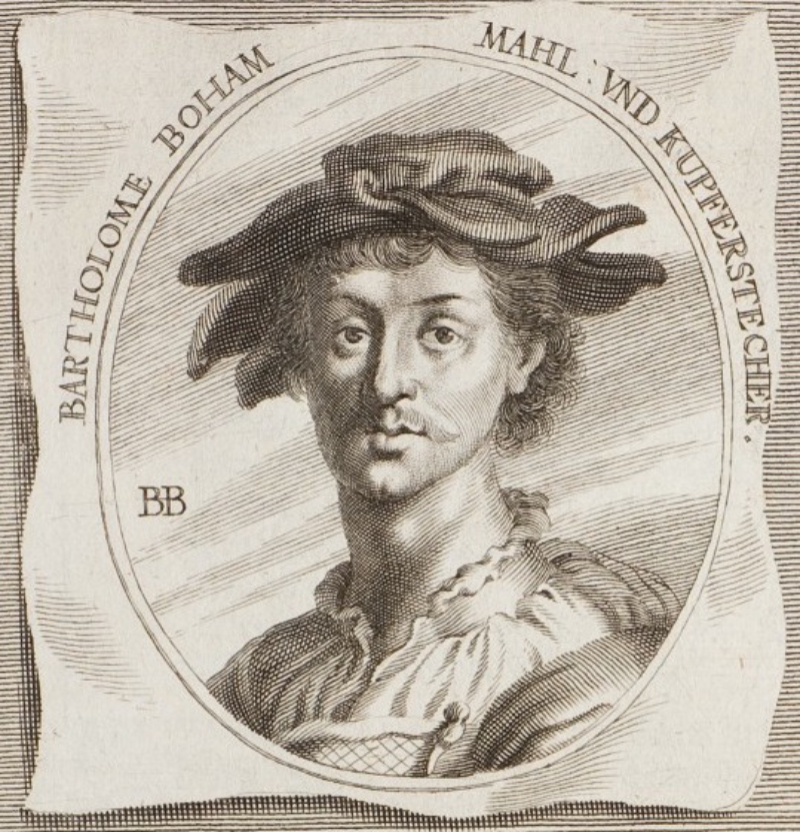
Barthel Beham was a German engraver, miniaturist, and painter.
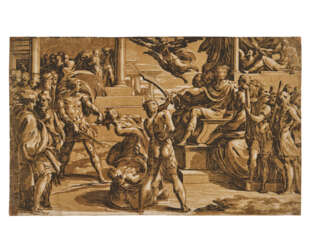

Parmigianino, an Italian Mannerist painter born Girolamo Francesco Maria Mazzola, was a pivotal figure in the development of the Mannerist style, known for his sophisticated and elegant approach to painting. He was a leading figure in Parma's art scene following Correggio and had a significant influence on the artistic developments during the post-High Renaissance period through his expressive and stylish works.
Parmigianino's journey as an artist took him from Parma to Rome and then to Bologna, with his last years spent in Parma. His works, including the renowned "Madonna with the Long Neck," display a unique blend of grace and elegance, coupled with an idiosyncratic use of elongation and distortion, typical of Mannerist aesthetics. This painting, in particular, is noted for its unusual composition and the elongation of figures, embodying the Mannerist style's departure from the proportional norms established during the Renaissance.
He was also an early Italian etcher, utilizing this technique to express the spontaneity of an artist's hand. His etchings and drawings had a considerable influence on printmaking and the visual arts in Italy and Europe. In addition to his paintings, Parmigianino's contributions to the arts include his work in the church of the Steccata in Parma and his innovative approach to integrating painting with architectural elements.
For art collectors and experts, Parmigianino's work represents a critical link between the High Renaissance and the emergence of Baroque and Rococo styles, offering a unique insight into the evolution of European art. His works continue to be celebrated for their originality and mastery, making him a subject of enduring interest in the study of art history.
For those interested in exploring Parmigianino's contributions to art further, subscribing to updates from art institutions or platforms specializing in Renaissance and Mannerist art could provide valuable insights into his life, works, and ongoing exhibitions or sales of his artworks.
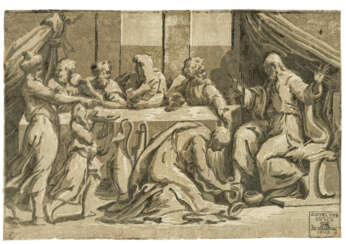

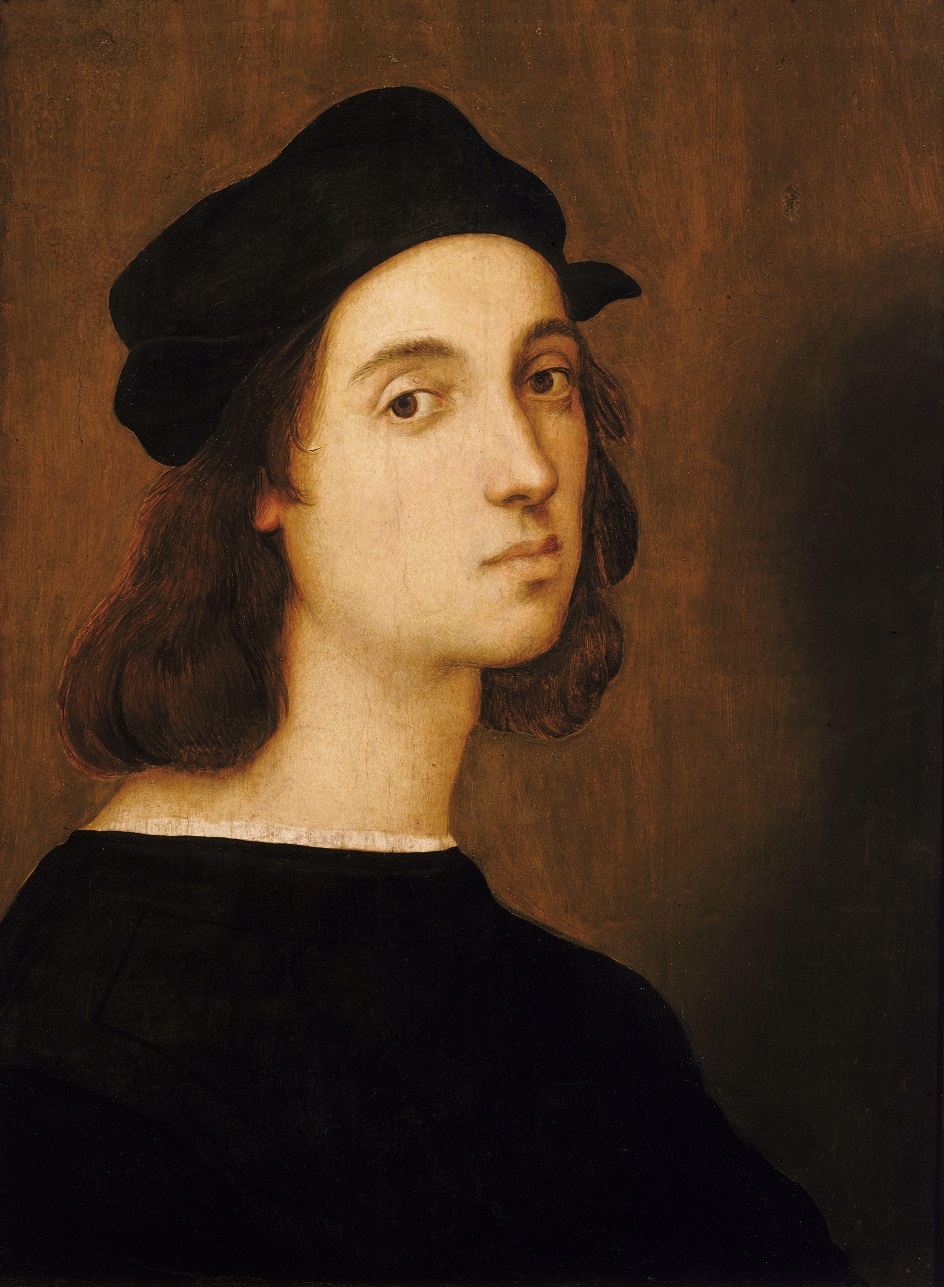
Raffaello Santi was an Italian artist, famously known for his contributions to the world of culture and art. Born in Urbino, Italy, in 1483, Raffaello Santi, commonly known as Raphael, was a renowned painter and architect during the Italian Renaissance. His exceptional talents in the realms of painting and sculpture have left an indelible mark on the art world, earning him a place among the greatest artists of all time.
Raphael's works are celebrated for their exquisite detail, harmonious compositions, and the graceful beauty of his subjects. He is best known for his remarkable frescoes in the Vatican Palace, including the famous "School of Athens," which exemplifies his mastery in blending classical antiquity with contemporary artistic sensibilities. His ability to capture the human form with unparalleled accuracy and sensitivity has earned him a reputation as a true virtuoso.
Among his other notable works are "The Sistine Madonna" and "The Transfiguration," both of which showcase his exceptional skills in portraying religious subjects with a captivating emotional depth. These paintings, along with many others, are now cherished treasures in museums and galleries worldwide, drawing art enthusiasts and experts alike to admire Raphael's timeless creations.
For collectors and art connoisseurs, Raphael's works are highly sought after, not only for their historical significance but also for their aesthetic appeal. His pieces continue to command great value in the art market, making them a valuable addition to any art collection.
If you are passionate about culture, art, and the works of this celebrated artist, consider signing up for updates related to Raphael Santi. Stay informed about new product sales and auction events featuring his masterpieces, and have the opportunity to acquire a piece of art history for yourself. Don't miss the chance to immerse yourself in the world of Raphael and his timeless contributions to the realm of art. Subscribe today and be a part of preserving his legacy.
Parmigianino, an Italian Mannerist painter born Girolamo Francesco Maria Mazzola, was a pivotal figure in the development of the Mannerist style, known for his sophisticated and elegant approach to painting. He was a leading figure in Parma's art scene following Correggio and had a significant influence on the artistic developments during the post-High Renaissance period through his expressive and stylish works.
Parmigianino's journey as an artist took him from Parma to Rome and then to Bologna, with his last years spent in Parma. His works, including the renowned "Madonna with the Long Neck," display a unique blend of grace and elegance, coupled with an idiosyncratic use of elongation and distortion, typical of Mannerist aesthetics. This painting, in particular, is noted for its unusual composition and the elongation of figures, embodying the Mannerist style's departure from the proportional norms established during the Renaissance.
He was also an early Italian etcher, utilizing this technique to express the spontaneity of an artist's hand. His etchings and drawings had a considerable influence on printmaking and the visual arts in Italy and Europe. In addition to his paintings, Parmigianino's contributions to the arts include his work in the church of the Steccata in Parma and his innovative approach to integrating painting with architectural elements.
For art collectors and experts, Parmigianino's work represents a critical link between the High Renaissance and the emergence of Baroque and Rococo styles, offering a unique insight into the evolution of European art. His works continue to be celebrated for their originality and mastery, making him a subject of enduring interest in the study of art history.
For those interested in exploring Parmigianino's contributions to art further, subscribing to updates from art institutions or platforms specializing in Renaissance and Mannerist art could provide valuable insights into his life, works, and ongoing exhibitions or sales of his artworks.


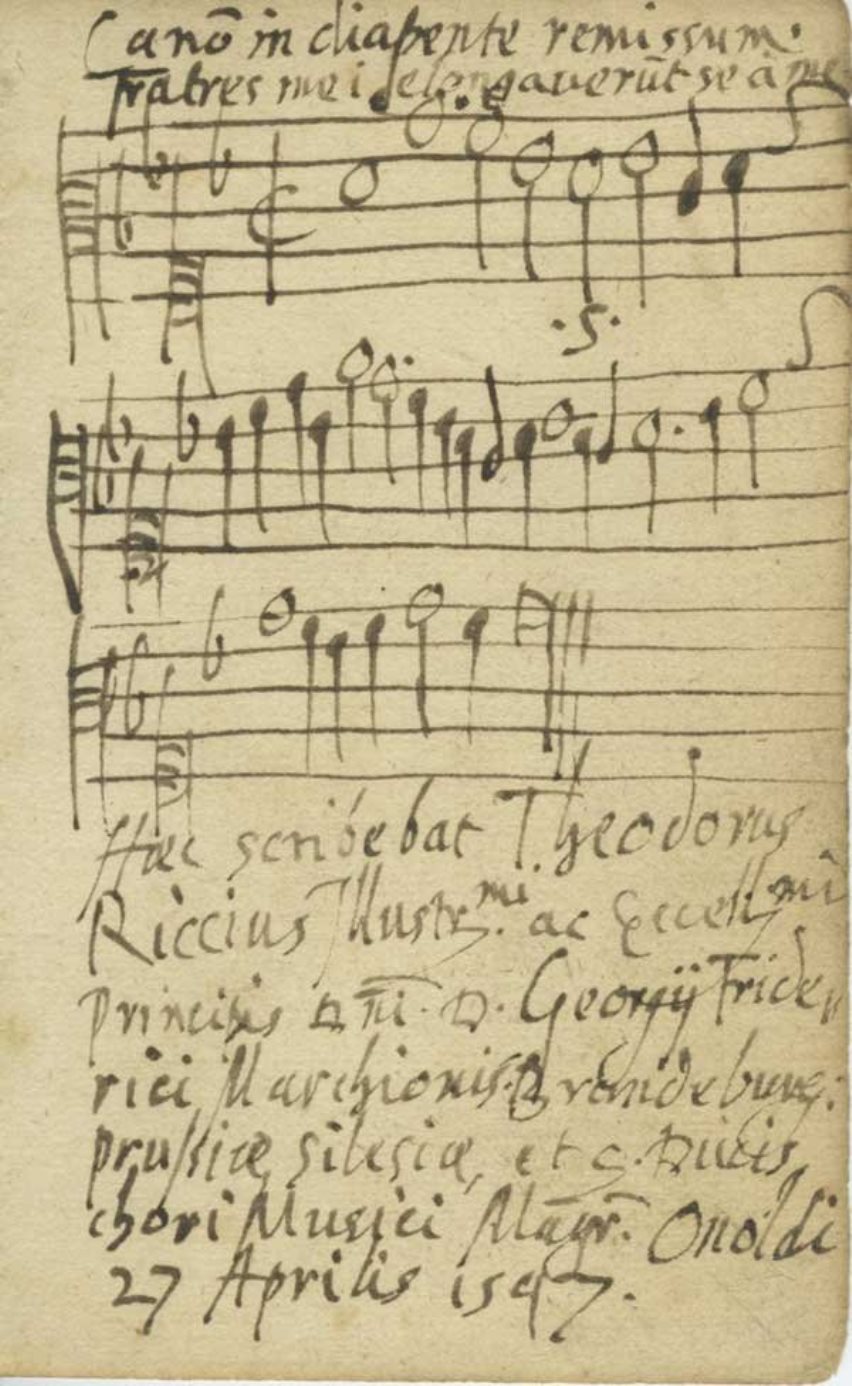
Teodoro Riccio was an Italian composer and Kapellmeister of the second half of the 16th century, who worked in Germany for most of his life.
Educated in church music, Riccio first worked as a Kapellmeister in the church of his hometown in Lombardy, where he composed his first madrigals. In 1575 he arrived at the court of Margrave Georg Friedrich of Ansbach-Brandenburg, to whom he dedicated a famous canon, and moved with the rest of the court musicians to Königsberg when the margrave became governor of the Duchy of Prussia in 1578. In 1585 Riccio was appointed Kapellmeister for life at the margrave's court.
Riccio's works are known mainly from printed sources, although several works survive in manuscripts in the Kremsmünster Abbey, the Koninklijke Bibliothek (Brussels), and the Nuremberg Archives.
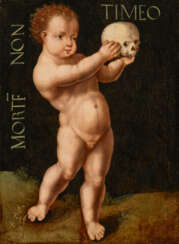

Joos van Cleve, also known by his real name Joos van der Beke, was a prominent Netherlandish painter, active mainly in Antwerp from about 1511 until his death in 1540 or 1541. His work predominantly centered around religious subjects and portraits, including notable commissions for the French King Francis I during his time at the French court. His artistic oeuvre reflects a blend of traditional Netherlandish painting techniques with contemporary Renaissance styles, showcasing his direct knowledge of local art combined with an awareness of Italian developments.
Van Cleve's work was characterized by its elaborate detail, particularly in his altarpieces which often incorporated portraits and landscapes, demonstrating his refined painting style. His success in Antwerp was significant, and he was also recognized at the French court, indicating his high regard as a portrait artist. Notably, Van Cleve had the opportunity to paint members of the royal court, including King Francis I and Queen Eleanor of Austria, underscoring his skills in portraiture.
His paintings are recognized for their sensitivity to color and a unique solidity of figures, with some works showcasing the popular style of Antwerp Mannerism. Van Cleve was an innovator in introducing broad world landscapes in the backgrounds of his paintings, a technique that became popular in sixteenth-century northern Renaissance paintings. Despite his contributions to the Renaissance art movement, Van Cleve also produced works that were highly eclectic, drawing on the styles of earlier Netherlandish masters as well as Italian influences, particularly in his use of sfumato, evident in his Virgin and Child compositions.
For art collectors and experts, Joos van Cleve's legacy offers a rich exploration into the transition from medieval to Renaissance art in Northern Europe. His body of work, found in prestigious collections such as the National Gallery in Prague, the Louvre, and the Royal Museums of Fine Arts of Belgium, remains a testament to his versatility and skill as a painter of both religious narratives and royal portraits.
To delve deeper into the fascinating world of Joos van Cleve and to stay informed about exhibitions or sales featuring his work, consider signing up for updates from art institutions and auction houses. This subscription will ensure you remain at the forefront of developments and opportunities related to this influential artist's oeuvre, enhancing your collection and understanding of Renaissance art.
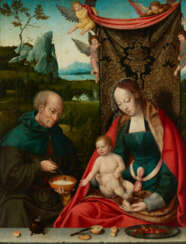

Joos van Cleve, also known by his real name Joos van der Beke, was a prominent Netherlandish painter, active mainly in Antwerp from about 1511 until his death in 1540 or 1541. His work predominantly centered around religious subjects and portraits, including notable commissions for the French King Francis I during his time at the French court. His artistic oeuvre reflects a blend of traditional Netherlandish painting techniques with contemporary Renaissance styles, showcasing his direct knowledge of local art combined with an awareness of Italian developments.
Van Cleve's work was characterized by its elaborate detail, particularly in his altarpieces which often incorporated portraits and landscapes, demonstrating his refined painting style. His success in Antwerp was significant, and he was also recognized at the French court, indicating his high regard as a portrait artist. Notably, Van Cleve had the opportunity to paint members of the royal court, including King Francis I and Queen Eleanor of Austria, underscoring his skills in portraiture.
His paintings are recognized for their sensitivity to color and a unique solidity of figures, with some works showcasing the popular style of Antwerp Mannerism. Van Cleve was an innovator in introducing broad world landscapes in the backgrounds of his paintings, a technique that became popular in sixteenth-century northern Renaissance paintings. Despite his contributions to the Renaissance art movement, Van Cleve also produced works that were highly eclectic, drawing on the styles of earlier Netherlandish masters as well as Italian influences, particularly in his use of sfumato, evident in his Virgin and Child compositions.
For art collectors and experts, Joos van Cleve's legacy offers a rich exploration into the transition from medieval to Renaissance art in Northern Europe. His body of work, found in prestigious collections such as the National Gallery in Prague, the Louvre, and the Royal Museums of Fine Arts of Belgium, remains a testament to his versatility and skill as a painter of both religious narratives and royal portraits.
To delve deeper into the fascinating world of Joos van Cleve and to stay informed about exhibitions or sales featuring his work, consider signing up for updates from art institutions and auction houses. This subscription will ensure you remain at the forefront of developments and opportunities related to this influential artist's oeuvre, enhancing your collection and understanding of Renaissance art.



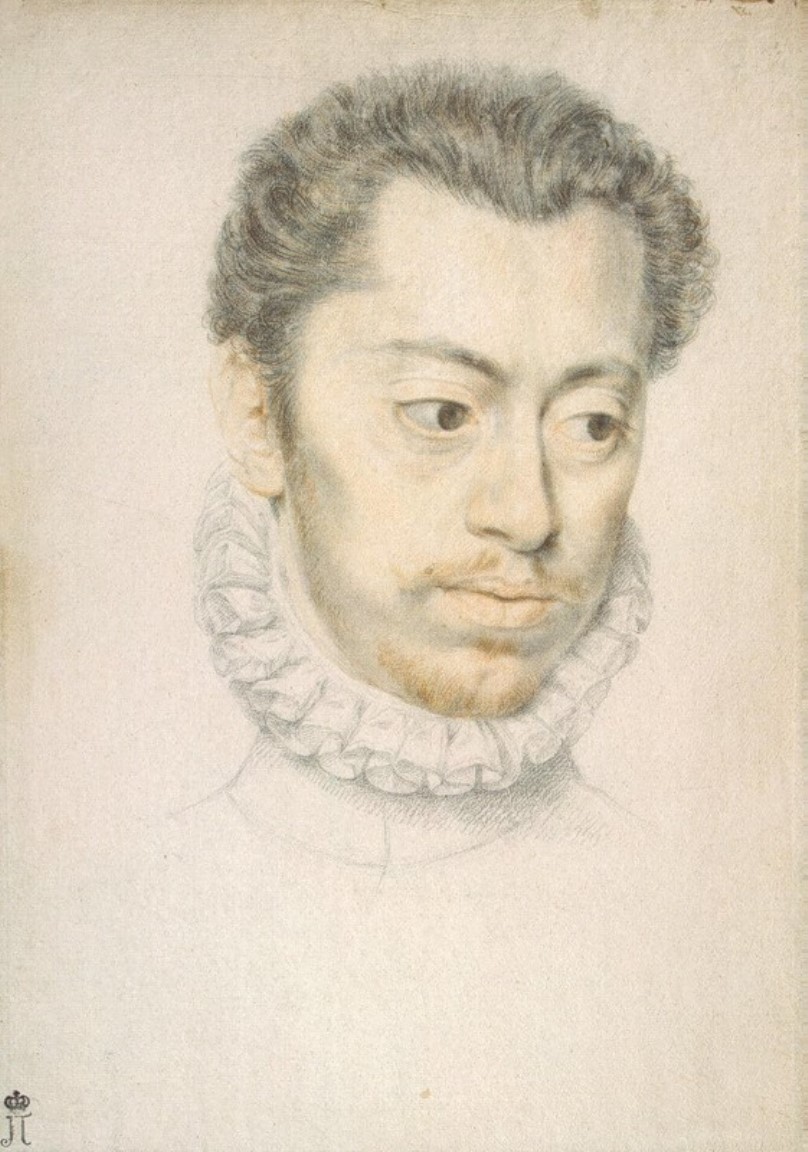

Parmigianino, an Italian Mannerist painter born Girolamo Francesco Maria Mazzola, was a pivotal figure in the development of the Mannerist style, known for his sophisticated and elegant approach to painting. He was a leading figure in Parma's art scene following Correggio and had a significant influence on the artistic developments during the post-High Renaissance period through his expressive and stylish works.
Parmigianino's journey as an artist took him from Parma to Rome and then to Bologna, with his last years spent in Parma. His works, including the renowned "Madonna with the Long Neck," display a unique blend of grace and elegance, coupled with an idiosyncratic use of elongation and distortion, typical of Mannerist aesthetics. This painting, in particular, is noted for its unusual composition and the elongation of figures, embodying the Mannerist style's departure from the proportional norms established during the Renaissance.
He was also an early Italian etcher, utilizing this technique to express the spontaneity of an artist's hand. His etchings and drawings had a considerable influence on printmaking and the visual arts in Italy and Europe. In addition to his paintings, Parmigianino's contributions to the arts include his work in the church of the Steccata in Parma and his innovative approach to integrating painting with architectural elements.
For art collectors and experts, Parmigianino's work represents a critical link between the High Renaissance and the emergence of Baroque and Rococo styles, offering a unique insight into the evolution of European art. His works continue to be celebrated for their originality and mastery, making him a subject of enduring interest in the study of art history.
For those interested in exploring Parmigianino's contributions to art further, subscribing to updates from art institutions or platforms specializing in Renaissance and Mannerist art could provide valuable insights into his life, works, and ongoing exhibitions or sales of his artworks.


Parmigianino, an Italian Mannerist painter born Girolamo Francesco Maria Mazzola, was a pivotal figure in the development of the Mannerist style, known for his sophisticated and elegant approach to painting. He was a leading figure in Parma's art scene following Correggio and had a significant influence on the artistic developments during the post-High Renaissance period through his expressive and stylish works.
Parmigianino's journey as an artist took him from Parma to Rome and then to Bologna, with his last years spent in Parma. His works, including the renowned "Madonna with the Long Neck," display a unique blend of grace and elegance, coupled with an idiosyncratic use of elongation and distortion, typical of Mannerist aesthetics. This painting, in particular, is noted for its unusual composition and the elongation of figures, embodying the Mannerist style's departure from the proportional norms established during the Renaissance.
He was also an early Italian etcher, utilizing this technique to express the spontaneity of an artist's hand. His etchings and drawings had a considerable influence on printmaking and the visual arts in Italy and Europe. In addition to his paintings, Parmigianino's contributions to the arts include his work in the church of the Steccata in Parma and his innovative approach to integrating painting with architectural elements.
For art collectors and experts, Parmigianino's work represents a critical link between the High Renaissance and the emergence of Baroque and Rococo styles, offering a unique insight into the evolution of European art. His works continue to be celebrated for their originality and mastery, making him a subject of enduring interest in the study of art history.
For those interested in exploring Parmigianino's contributions to art further, subscribing to updates from art institutions or platforms specializing in Renaissance and Mannerist art could provide valuable insights into his life, works, and ongoing exhibitions or sales of his artworks.
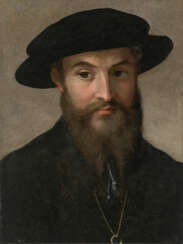

Parmigianino, an Italian Mannerist painter born Girolamo Francesco Maria Mazzola, was a pivotal figure in the development of the Mannerist style, known for his sophisticated and elegant approach to painting. He was a leading figure in Parma's art scene following Correggio and had a significant influence on the artistic developments during the post-High Renaissance period through his expressive and stylish works.
Parmigianino's journey as an artist took him from Parma to Rome and then to Bologna, with his last years spent in Parma. His works, including the renowned "Madonna with the Long Neck," display a unique blend of grace and elegance, coupled with an idiosyncratic use of elongation and distortion, typical of Mannerist aesthetics. This painting, in particular, is noted for its unusual composition and the elongation of figures, embodying the Mannerist style's departure from the proportional norms established during the Renaissance.
He was also an early Italian etcher, utilizing this technique to express the spontaneity of an artist's hand. His etchings and drawings had a considerable influence on printmaking and the visual arts in Italy and Europe. In addition to his paintings, Parmigianino's contributions to the arts include his work in the church of the Steccata in Parma and his innovative approach to integrating painting with architectural elements.
For art collectors and experts, Parmigianino's work represents a critical link between the High Renaissance and the emergence of Baroque and Rococo styles, offering a unique insight into the evolution of European art. His works continue to be celebrated for their originality and mastery, making him a subject of enduring interest in the study of art history.
For those interested in exploring Parmigianino's contributions to art further, subscribing to updates from art institutions or platforms specializing in Renaissance and Mannerist art could provide valuable insights into his life, works, and ongoing exhibitions or sales of his artworks.